Today we’d like to introduce you to Sarah Lenzini.
Sarah, can you briefly walk us through your story – how you started and how you got to where you are today.
I feel like my entire life has been one complex and twisting path for me to get where I am today helping women with speaking up more, feeling good about doing what’s right for them, and being more assertive in their close relationships. I have a passion for helping women with this because I too struggled with it for my entire life up until a few years ago (and still sometimes do).
As an only child to a single mom who battled with anxiety and depression, I struggled to develop into a confident, emotionally healthy, young woman. As a kid, I “let” others close to me take advantage of me, verbally abuse and rage at me, and not treat me with respect. (I say “let” in quotes because I feel that children don’t really have a choice in the matter a lot of times, which is the greatest place for emotional healing as an adult: learning to forgive yourself as a child for what you had to do to survive. I’ve had to forgive myself for “tolerating and allowing” the abuse to happen.)
This toxic pattern continued through my teen and adult years and I didn’t know what was and wasn’t okay treatment from others. My tolerance level for crap was really high which naturally attracted those people that were looking to capitalize on that type of situation. I just knew I was in a lot of pain and didn’t know why. I blamed myself for relationships that never worked out, which just led me spiraling down the path of shame even more. It was a vicious cycle.
When college came, I chose to go into aerospace engineering as a career more so as a “yeah that could work” choice and less about passion and a love for it. If I could choose my degree again today, I’d choose Psychology in a heartbeat.
The engineering classes were hands-on and interesting while in school, but as I settled into corporate life in San Diego, I started to have a nagging feeling of disinterest and lethargy. After analyzing metal aircraft bolts day in and day out for when they’d develop cracks, I knew this wasn’t how I wanted to spend my precious time on the planet and quickly realized my purpose was bigger than this. I was being called for more, but it was still just a nagging feeling without shape. Something just tugs at you and suddenly, working in a boring day job feels so constricting and meaningless. And although as of this writing, I am still working in a day job as an aerospace engineer, it is more of a means to an end at this point and my story doesn’t end here.
So, after I initially got that nagging feeling of “WTF am I even doing here?” that is so common for a lot of entrepreneurs who leave corporate life, my friend randomly suggested I read Rich Dad Poor Dad of all books and that jump-started my new business/entrepreneur mindset. I learned the value of investing in real estate and other assets and having multiple streams of income. And also how rewarding it can be to help people with something you’ve been able to overcome and how much trust you have because you’ve been there. Along those lines, I also realized I have gifts to share with the world and it would be doing a disservice to society NOT to share them!
During this same time, I was listening to a licensed therapist named Dr. Jenn on her radio call-in advice show for over two hours a day, learning everything about psychology and relationships and realizing where I was failing and how trauma had affected me over the years. I couldn’t get enough! I would listen to the calls on repeat on my phone just to let it sink in. My passion for psychology was born there. Something just finally made so much sense!
As with all massive growth, change happened slowly in my relationships with others. As I got into therapy, I began to gain some footing into who I was as a person and what I was willing to tolerate and not, and a lot of toxic relationships I had had for years began to change and morph and some even fell away (which is not a bad thing).
Great, so let’s dig a little deeper into the story – has it been an easy path overall and if not, what were the challenges you’ve had to overcome?
In addition to the struggles I mentioned as part of my personal story, there are also the challenges of having a day job and starting a business. That means late nights, taking Zoom calls at lunch hours, and having to skip fun activities on weekends just to get stuff done. I’ve had to be patient with myself and the process and have been going at my own pace and letting the momentum build organically. But I believe in my mission and vision and just keep showing up and making progress, no matter how slow.
My advice for women who are just starting their journey with assertiveness is “yes, it can be scary, but you can do it.” When talking with women about being more assertive, saying “no,” speaking up, and setting boundaries in their close relationships, the biggest roadblocks I see are FEAR and GUILT.
We are terrified of someone being mad at us, at hurting someone’s feelings, of how they’ll react, of being seen as a “bad” person for saying “no,” the list goes on. And I’m here to tell you that, yes, some or all of those things MAY happen, BUT it does not mean being assertive and setting that boundary is not the RIGHT thing to do.
Yes, you will piss some people off. But, let me ask you this: When you set a boundary and someone gets angry, do they really have your best interest at heart? A loving person who wants the best for you and wants you to honor yourself will ideally come to you and say “wow, thank you for telling me that, I didn’t know, and I want you to take care of yourself and do what’s best for you so I respect your decision.” And if the person doesn’t say this and does get mad at you, realize the relationship may get worse before it gets better, but the tension likely won’t last forever (maybe a few years max). Hold your course and keep taking care of yourself. The key to remember is to speak even if your voice shakes. And the way to build courage is to behave courageously. The action has to come first, then the feeling of courage will follow.
Every relationship is a system between people and when you start to show up differently, the new paradigm will likely shake out into this new dynamic of you being more assertive and less tolerant of bad treatment if you stay consistent. Of course, the longer the dynamic has existed (for example, since birth for family), the harder it will be to create changes and the greater the initial jolt and shakeup, but just be aware of it and keep going. (Growing pains always hurt.) And if the relationship doesn’t shake out, then maybe that person shouldn’t have such a big role in your life. Yes, even family.
Another roadblock I run into when working with clients is their feelings of unworthiness, not feeling good enough, and low self-esteem. I am a huge fan of Brené Brown and love her work on vulnerability and shame. My advice for you if you struggle with that deep feeling that you don’t deserve to be treated well and sabotage all good things that come your way (it’s okay to admit this, I didn’t feel worthy of good treatment for a long long time) is to read her books and get into therapy to uncover the source of the low self-esteem. I can’t help women speak up, say “no,” or set boundaries if they don’t believe they are worthy of being heard, having their needs met, or of being in healthy, loving relationships, so it starts with the foundation of worthiness first.
Please tell us more about what you do, what you are currently focused on and most proud of.
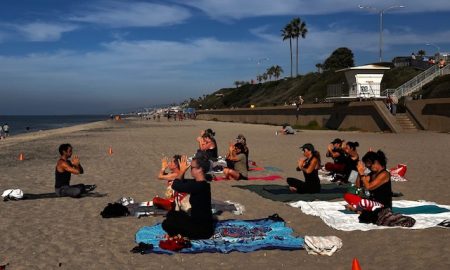
I have a passion for helping women strengthen their assertiveness in their personal and close relationships. Specifically, how to speak up, say “no,” set boundaries, have healthy self-esteem, and do what’s right for them. I help them through coaching, speaking to groups, teaching classes and workshops, partnering with yoga instructors and personal safety advocates, and I am working on online offerings as well.
I specialize in helping women with their assertiveness in their romantic and family relationships and friendships (not so much career or corporate assertiveness). The reason for this is because this is where I spent most of my suffering and most of my growth and healing. But I have found that if you’re unassertive in your close relationships, you could also be unassertive in your career as well, so it serves a dual purpose. And me being a woman in a typically male-dominated field, I have experience with being assertive in the workplace, but teaching it to groups of employees at big corporations is just not where my passion lies.
I am known for my character and unique pairing of an aerospace engineer and assertiveness coach and how I got to where I did through trauma and struggle. It is a great feeling when I share my story and vision and how I want to help more women and other entrepreneurs reach out to me wanting to collaborate. Teaching assertiveness really has no limits to who could benefit, from high school and college students to families to spouses and children, to victims of domestic abuse.
I am the proudest of providing something that is such a huge need. Almost everyone I share my message with replies with positivity and expresses how much women need to find their voices and feel heard. The world needs more respectful and nonviolent communication. Nothing fills my heart more than hearing about a woman who used to tolerate terrible treatment from others and then decided to courageously speak up and make changes in her own behavior, even if she was terrified, to say “no more” and assert her boundaries of what she was no longer willing to tolerate.
What sets me apart from others is the way I see “assertiveness.” If you Google “assertive woman” you’ll see images of angry looking women with their palms facing you in the “stop” motion. That’s NOT what I advocate for (at least in conversation with others. There is a time and place for more firm communication). I want to end the stigma that an assertive woman is seen as “aggressive.” Aggressive and assertive are NOT the same thing. Assertiveness is done with calmness and respect initially and can escalate into something more firm, if necessary.
I see being assertive simply as you taking care of you and doing what’s best for you by respectfully speaking up for what you want, having the self esteem to say “no” to others so you can say “yes” to yourself, setting boundaries for yourself or expressing them to others so you can take care of your emotional, physical, and mental health, and as behaving in a way that is courageous, vulnerable, and comes from a place of worthiness. I empower women to behave in a way that shows their self-worth to themselves and others. In short, assertiveness is a form of self-care.
So much of the media coverage is focused on the challenges facing women today, but what about the opportunities? Do you feel there are any opportunities that women are particularly well positioned for?
Yes, absolutely. I think as women, we tend to assert our dominance in the workplace or in a relationship in an aggressive way because we don’t know any better. We’re taught that in order to get taken seriously, we need to be forceful and show anger. I don’t think this is the right way to go about it. I think if women came to conversations, not from a place of “confrontation,” but from a place of “opening a conversation,” things would go a lot better for everyone.
We need to always start from a place of respect, empathy, and compassion in order to successfully communicate about what our feelings, needs, and requests are. If we all did this, then we’d all have happier relationships and be able to serve the world and share our gifts better. Being aggressive doesn’t benefit anyone, it just alienates you from people. Yes, there is a time and place to be more forceful and aggressive, but in everyday conversation, it’s usually not needed. I have also been vegan for over three and a half years and think this concept of non-judgmental communication has benefited me in the sharing of veganism without others feeling the need to get defensive.
We, as women, are well positioned to have our voices heard, not by yelling louder, but by communicating our messages clearly, respectfully, and confidently. Even if other people close to you don’t communicate in this way, don’t let that stop you from doing what is right. Set the example and communicate this way anyway. Step into your feminine power and inspire others to meet your needs by communicating with vulnerability, confidence, and compassion.
Contact Info:
- Website: www.theassertivewoman.com
- Email: sarah@theassertivewoman.com
- Instagram: https://www.instagram.com/theassertivewoman/
- Facebook: https://www.facebook.com/theassertivewoman
- Facebook Group: https://www.facebook.com/groups/theassertivewomancommunity
- Pinterest: https://www.pinterest.com/theassertivewoman/


 Image Credit:
Eliza Pichardo (Greed), Samantha Sherwood
Getting in touch: SDVoyager is built on recommendations from the community; it’s how we uncover hidden gems, so if you know someone who deserves recognition please let us know here.