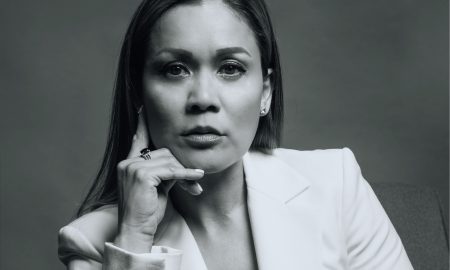
Today we’d like to introduce you to Melissa Lund.
Thanks for sharing your story with us Melissa. So, let’s start at the beginning and we can move on from there.
I did not set out to become a therapist, let alone a Registered Play Therapist. Getting my bachelor’s degree had been on my “bucket list” for years as I chose to get married and start a family after high school. While I dabbled in classes over several years, it was when my daughter went to college that I decided it was time to get serious.
Once I obtained my bachelor’s degree, I said now what do I do with this? Fortunately, I had an amazing mentor at my internship site and he encouraged me to continue on with my schooling, which I did. It was during this time that it occurred to me that there were no therapists at this particular internship site who worked with children, yet there were children that needed help and their parents were seeking help. Upon obtaining my master’s degree, I again went back to school, this time at UCSD in their Play Therapy Certification program.
Children don’t respond to traditional talk therapies that adults do and for this reason, we need to meet them at their level. Children respond to play as play is a child’s language. Children have the capability of processing and healing from traumatic events or internalized anxieties (and so much more), but they need to be provided an atmosphere that is welcoming and safe to do so. This space, along with appropriate toys to encourage exploration and self-expression, allows the child to work through emotional, behavioral or social difficulties they are experiencing.
Overall, has it been relatively smooth? If not, what were some of the struggles along the way?
Smooth road? No, definitely not! The process of education and licensure is arduous and feels never-ending. There were times when juggling a full-time job, full-time grad school, practicum or internship, and trying to have a life with friends and/or family felt completely overwhelming. Additionally, I was not a “traditional” college student, returning to college at 40+ years old. I wondered if others in my cohort felt as exhausted as I did!
I am quite sure I asked myself at least a thousand times, why did I do this?! I wouldn’t trade it for anything. Being able to help children and families and is more rewarding than I could have imagined.
My advice would be to persevere, hang in there! It is a long road and can be a difficult journey, you will be exhausted no matter your age or life circumstances, but the rewards are boundless. Also, it is a must that you seek good supervisors and mentors who can help guide you along the way.
What do you do, what do you specialize in, what are you known for, etc. What are you most proud of? What sets you apart from others?
I am a Licensed Marriage & Family Therapist (LMFT). I do see adults as well, but I have a specialization in children and adolescents. I would say I am most proud of this specialization. I believe it is extremely important to have training specific to these age groups as they are not “small adults.” Their brains are not fully developed and so they do not think the same as adults. It is imperative that the clinician knows how to connect with these populations at their level.
I am currently pursuing a doctorate in education with an emphasis on community care and counseling as I believe to provide the best care we (therapists) need to continue to learn, whether it is to learn more interventions or to learn more about the populations we work with. San Diego is rich with diversity and in order to best serve this area, exposure and understanding of different cultures is essential. This degree is focused on exploring and seeking ways to help in our own communities, so I look forward to all that I can gain in this program.
What do you feel are the biggest barriers today to female leadership, in your industry or generally?
Psychology is a field where significant growth has occurred for women. In fact, while the foundation of psychology was laid by predominately White men, today the number of female therapists outnumbers males. However, there still are disparities within the field. The American Psychological Association’s (APA) Center for Workforce Studies reports that women psychologists enter the workforce with more debt and lower salaries than men.
Additionally, women desiring to teach psychology are underrepresented in tenure-track professor opportunities and overrepresented among adjunct, nontenure-track lecturer positions. For those women who are in a tenure-track position, it is reported to typically take a year longer to achieve this.
It is my hope that these disparities can be explored and the barriers to advancement identified with a goal of equity within the field.
Pricing:
- $125.00 per 50-minute session
Contact Info:
- Address: 2150 N. Centre City Parkway
Suite M
Escondido, CA 92026 - Website: https://northcountytherapycenter.com/
- Phone: 760-215-0524
- Email: melissalund@cox.net
- Instagram: https://www.instagram.com/melissalundlmft/
- Facebook: https://www.facebook.com/Melissa-Lund-Therapy


Image Credit:
Amanda Hill
Suggest a story: SDVoyager is built on recommendations from the community; it’s how we uncover hidden gems, so if you or someone you know deserves recognition please let us know here.