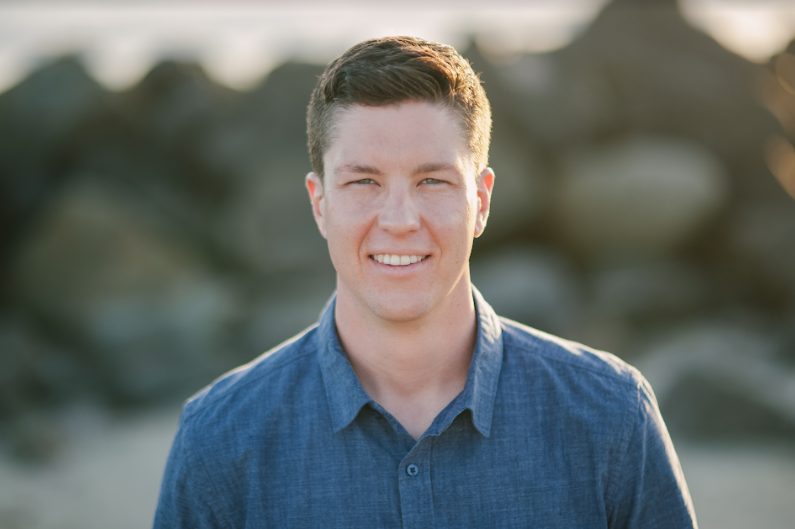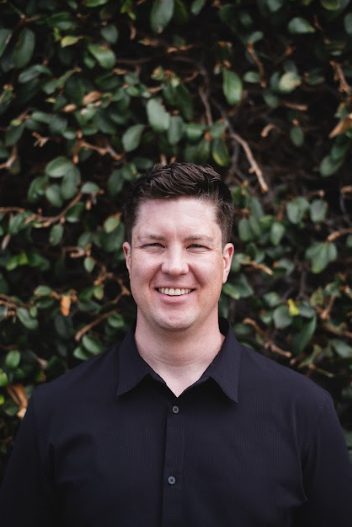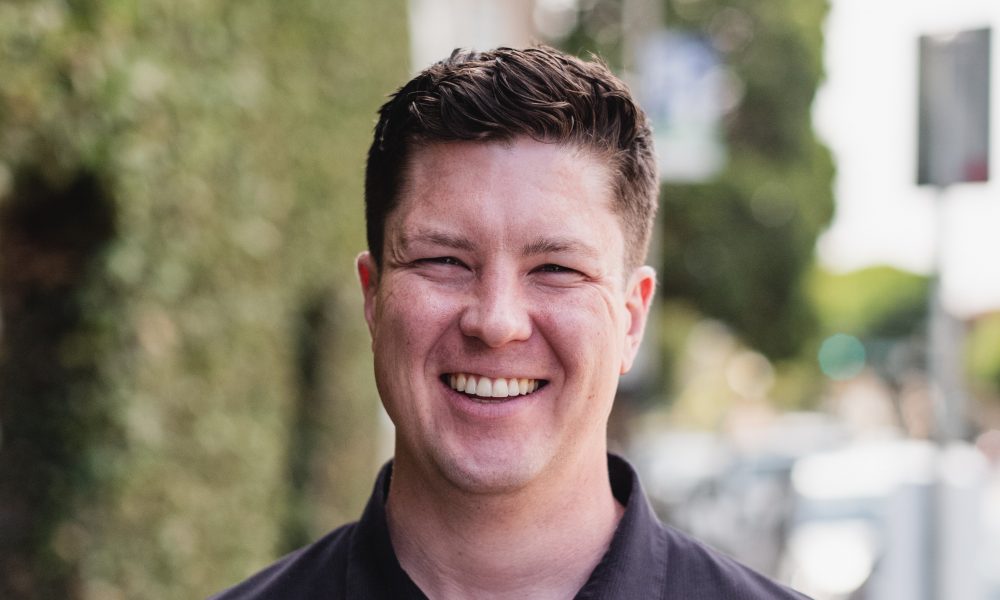
Today we’d like to introduce you to Grayson Wallen.
Alright, so thank you so much for sharing your story and insight with our readers. To kick things off, can you tell us a bit about how you got started?
Outside of the therapy office, I physically got to San Diego by vacationing here with my wife a number of times, and each time, we would consider different costs like grocery, gas, living expenses, and seeing how expensive things were at Target. True story! We eventually figured out that the costs of living in San Diego were similar to Phoenix, so we decided to move here in 2018 and have not looked back. This was after I finished school, so it was a fun transition for us as we looked to the future ahead in a fun and new city.
Before being a licensed therapist, I was told I was a “good listener,” and people would often come up to me and share their issues, and I would do my best to help them. I did this because I cared about them, and if someone had the vulnerability to share their struggles with me in a grocery store or in a waiting room, I wanted to honor them and try to help. After realizing I didn’t know how to help and felt like I needed to have answers to life’s biggest problems, I went to school to become a therapist, but it wasn’t until I got out of school that I learned that the answers to life’s problems are not antidotal and these answers live within us as people, but we can also deny these answers from ourselves. For me, this lesson came after I started practicing an emotion-focused therapy called Intensive Short-Term Dynamic Psychotherapy (IS-TDP). IS-TDP proposes that our true feelings carry truth within them and that if we feel the emotion and let it pass through our mind and body together, we will see the relevance significance and have a greater sense of peace and clarity on how to interact with ourselves and others in respectful, loving, honest and truthful ways.
Can you talk to us a bit about the challenges and lessons you’ve learned along the way? Looking back, would you say it’s been easy or smooth in retrospect?
The struggles of being a therapist are plastered on the internet, from memes, TikTok, Instagram posts, and the like. Major problems that the field of talk therapy is faced with right now include issues of payment, credentialing, availability, and acceptance of mental health in popular culture beyond “self-care.” My struggles specifically were taking care to be available for the people I had the privilege of taking care of in therapy and also refining my skills to become more efficient while making $15 an hour.
In therapy as well some therapists take a more directive approach to therapy, and they tell their clients/patients what they should/could do. This approach towards therapy can be easier for the therapist since the session is active and action-oriented, but the reality is that not many people like being told what to do. That’s why we could watch a motivational social media post and feel great about taking better care of ourselves and then simultaneously never do anything different.
This is how I handled the interactions in grocery stores and waiting rooms when people would share their deepest secrets with me, hoping I could tell them what to do to solve everything. Truthfully, this is also how the first few years of my clinical practice went, but I saw in my clinical work that people weren’t getting as well as they or I had hoped, which caused me to take a hard look at myself and the work itself to figure out what was happening. This was a very hard reflection to take since I had devoted years of my life and almost $100,000 in my education to arrive at it possibly not working. This was the struggle and the wrestling with myself and the nature of life’s problems brought me to IS-TDP.
After learning and practicing IS-TDP, I learned different and healthy ways of relating to myself and others, which helped loosen the pressure to perform, tell people what they should do and how to solve their problems because I learned that the problems with how we relate to ourselves creates all the other problems we are faced with.
Thanks for sharing that. So, maybe next you can tell us a bit more about your work?
I am a licensed therapist who specialized in couples therapy and treatment-resistant issues like depression and anxiety that won’t go away. As I mentioned before, I practice IS-TDP, which helps people use their emotions to understand past and present conflicts based on how they are relating to themselves and others. I also practice The Gottman Method for Couples Therapy and have offered classes for how to help relationships foster friendship, manage conflict, and create shared meaning in San Diego, San Francisco, and Phoenix. I am also an adjunct professor at Point Loma Nazarene University, teaching master’s level therapists how to do couples therapy, family therapy, and individual therapy in effective and efficient ways.
I am most proud of the cases I have been able to help with suicidal ideation. When people come to therapy because they are feeling suicidal or have made attempts at taking their own life, the situation requires precision and care. But through the course of therapy, people learn what they were dealing with, and when they get help from the inside out, then their whole demeanor changes, and you see real personality change. These personality changes are social relational and have real effects beyond what some may think. Many of the people I have worked with have returned to work or school, had new relationships, revived dull relationships, found hobbies, developed friendships, and started to genuinely smile and laugh. Some comment on how they have not felt like themselves for years or decades, and through the work I do with them, they feel whole again. This gets me through the difficult days as well as fuels my work for the years ahead for me.
Can you talk to us a bit about the role of luck?
In terms of luck, I think of luck as privilege which I have had. I have also been given opportunities when my colleagues, friends, mentors and others remember me, which I am deeply grateful for. So, if all of these are considered luck, then I would say luck is 50% of the reason I am where I am.
The other half is because of hard work paying off both in my clinical work so that I am remembered as well as in my clients who have near-perfect outcomes in therapy.
Pricing:
- Counseling sessions (online or in person, couples or individuals) is $190/45 min
- Marathon weekends for couples is $3200/4700
Contact Info:
- Website: www.graysonwallen.com
- Linkedin: www.linkedin.com/in/graysonwallen
- Other: https://directory.choosingtherapy.com/therapist/grayson-wallen