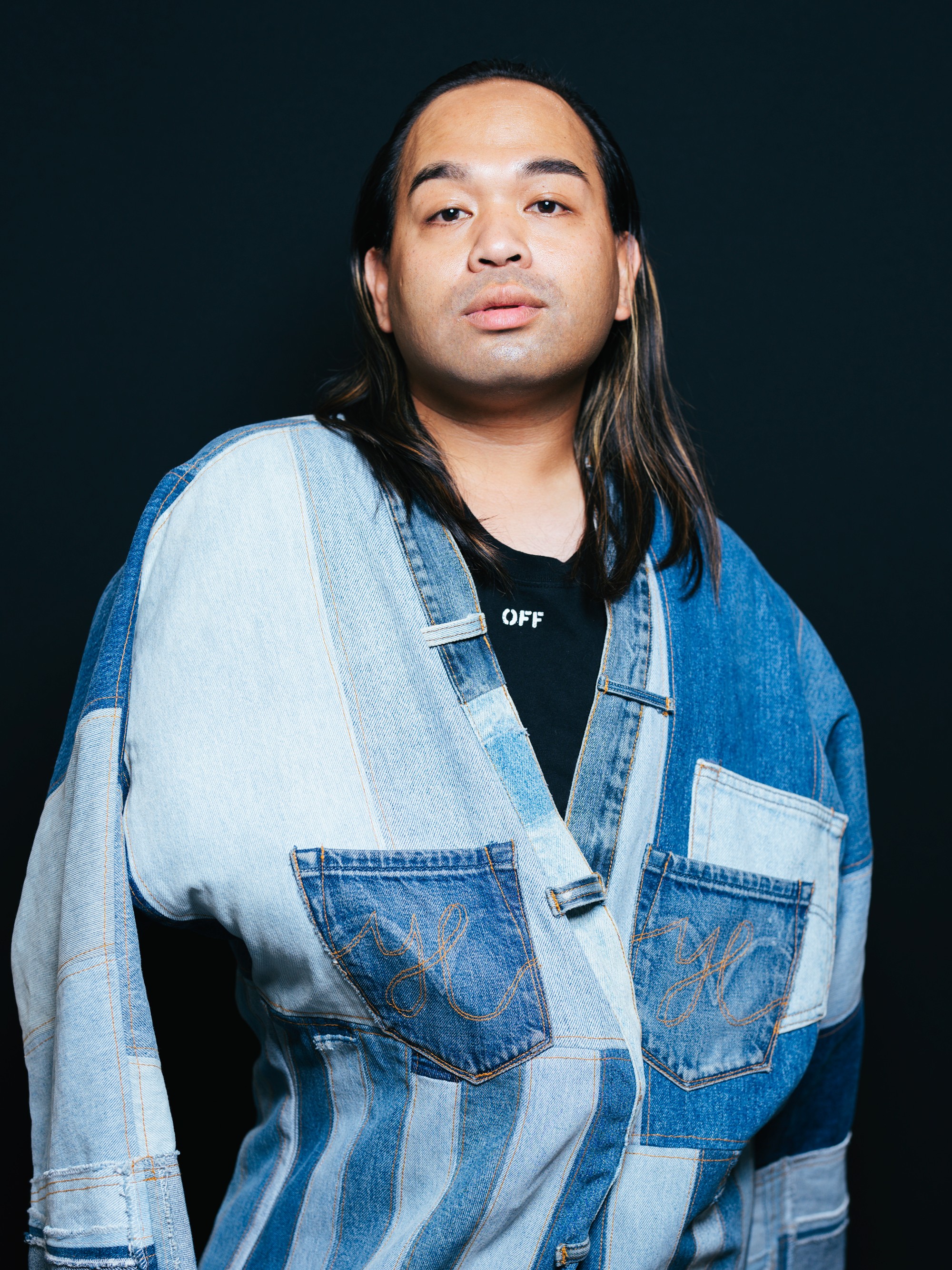
Today we’d like to introduce you to Edrian.
Hi Edrian, thanks for sharing your story with us. To start, maybe you can tell our readers some of your backstory.
It’s kinda surreal to be back here, five years after my first SD Voyager feature in April 2020. I was in my late-twenties then, figuring it all out as I went—chasing dreams, trying things, trusting that showing up was enough. Now, in my early thirties, I feel like I’ve stepped into my voice with more clarity, purpose, and love.
In 2020, I made a micro film called UHAW (The Boy Who Was Desperate for Love)—about experiencing a slight anxiety attack at a coffee shop while focusing on a cute boy. It was raw, slightly awkward, but deeply honest. That short unexpectedly won me the “Outstanding LGBTQ+ Filmmaker” award from ASAM Film Lab and reminded me that vulnerability is powerful. That my voice had a place.
That same year, I continued to deepen my relationship with San Diego Filipino Cinema—a connection that began in late 2019. Under the mentorship of Emma Francisco and Benito Bautista—founders of the San Diego Filipino Film Festival, now celebrating its 5th year this October 2025—I began to see filmmaking as something I could truly call mine. That mentorship helped me normalize the love I had for telling stories through film.
In the years that followed, I immersed myself in the world of indie film—learning everything I missed not being part of a traditional film school track. I had the opportunity to work on When You Left Me On That Boulevard by Kayla Abuda Galang (Sundance Grand Jury Prize 2023) and Amazing Grace by Aiden Kettner (a Regional Daytime Emmy Award winner). Both projects held deep emotional resonance and aligned with the stories I care about: tender, truthful, rooted in identity and nuance.
In May 2023, I directed Ang Huling Sayaw (The Late Checkout)—a film about a widower and a runaway who meet at a hotel on a stormy night. It explores queer intimacy, May–December connection, grief, and those fleeting moments that leave lasting marks. It went on to win Audience Choice at the 2023 San Diego Filipino Film Festival and Best Director at the 2024 Dreamanila Int. Film Festival. More than anything, that film felt like a personal reclamation—a creative reintroduction.
Now at 33, I recently had a quiet but affirming moment where I realized: this is what I want to do for the rest of my life. Tell stories that are real, complicated, soft, and very human.
A lot of that clarity came to life in Colorette, my most recent short. I didn’t know what it was at first—just that I wanted to write something hopeful, real, and painful. It became a story about queer shame, desire, self-erasure, and the deep yearning to be seen. It was also my 10-year mark since I made my first short, Hey Man (2015), and I realized that through each project since—from Flight (2018), to UHAW, to Ang Huling Sayaw—I’ve been capturing different versions of my queer self: romantic, quiet, messy, growing. Colorette feels like the most honest version yet.
It was created with so much love and passion—from the brave performances of Kyle Blaine Tiglao and Elmor C. Garlitos, to the great support of my DP and co-director (on-set) Pauline Scully, and producers Time Ends (Project Conclusion Company) and Lauren Garces (Social Artistry Co.). We built this in one jam-packed weekend with folks who understood the emotional heartbeat of the film.
The spirit of my filmmaking has always been community-rooted. I’m proud to say that I’ve been part of The FilAm Film Collective since we began in 2020. What started with me, Marissa Roxas, and Trixi Anne Agyao has grown into something vibrant and strong, with the creative brilliance of Earl Paus, Martha Gaters, Leah Lombos, and Rendel Balisi. We’re still here, five years later, holding it down for our Fil-Am and AAPNHI community—telling stories that matter and carving space where there was none before.
Colorette was my soft goodbye to San Diego. My love letter to a place that raised me. I used to sit in my car and watch people be happy from afar, wondering if I’d ever feel that free. This film was for that version of me—coming of age into my 30s, holding pain and hope in equal parts, ready to start again.
And maybe most of all, Colorette was for this one line:
“In those moments I would admire people being happy from a far, I just wished someone would return and look back.”
Alright, so let’s dig a little deeper into the story – has it been an easy path overall and if not, what were the challenges you’ve had to overcome?
I think if the road were absolutely smooth, I wouldn’t have my stories to tell. Ironic, I know.
Living in LA now, yes- I say it with love and much humor—I live fabulously… in a hostel. Some days, I’m up before the city wakes. Some nights, I’ve slept in my car—parked in the quiet, not because I wanted to, but because I had to. I’ve gone to bed with hunger in my stomach, but fire in my chest. My passion has always kept me alive. It’s the one thing I’ve never had to second guess.
Most days, I was delivering food to survive (which I totally love)—balancing exhaustion with the urge to still create. Burnout was real, but my spirit wouldn’t rest.
My local library became my unofficial studio (and one of my favorite third spaces). I spent hours there working, applying to festivals, scripting scenes on timed computers. It gave me structure and hope when nothing else around me did.
So much of Colorette and everything I’ve built recently was born between late-night voice memos while working, and long-winded yet fulfilling meetings while staying hopeful. Even in the blur of survival, I never stopped choosing the work. Even while sleeping in my car, even while tired and hungry. I was still making art.
There’s been loneliness and grief, for sure. There’s been that sharp yet invisible kind of exhaustion that no one sees nor claps for. But there has been clarity along the way.
Because what I know for sure now is this: my dreams are not up for spectacle, mockery, or compromise. I’ve had to listen to so many voices—internal, external, generational and etc.—but not anymore. My dreams are not a group discussion. They are mine, and only mine.
So no, the road hasn’t been smooth.
But now I can finally say yes—it’s mine.
Thanks – so what else should our readers know about your work and what you’re currently focused on?
I’m a filmmaker, storyteller, and performer creating from the intersections of queerness, longing, and nostalgia. I make work for the ones who’ve ever felt erased in silence, who carry too much heart, and who are still learning how to hold themselves gently.
I’m a proud immigrant. My family moved to the U.S. in 2001, when I was just nine years old. And even then, I knew I didn’t want to lose who I was. I held onto my culture like a lifeline—Filipino, fully, loudly, even when the world tried to make me dim it down. Now, I continue to hold it close, even through the discomfort, the contradictions, the relearning.
My work leans into what I call emotional excavation. I explore the kinds of feelings that are often unnamed: queer shame, soft grief, romantic erasure, desire that doesn’t know where to land. I don’t make stories to impress—I make stories that express. Stories that live in-between. The ones we haven’t heard yet, but have always needed.
Whether it’s through “UHAW”, “Ang Huling Sayaw”, or “Colorette”, I’m most proud that I’ve built a body of work rooted in community, drive, and passion. These films were made with chosen family—artists and collaborators who understood my heart before the camera even rolled. And in that process, I’ve come to realize something I didn’t expect: just by continuing to be, I’ve helped others believe they could do the same.
I’ve never done any of this perfectly. I’ve created while tired. While grieving. While broke. While fighting to simply stay. But through it all, I kept choosing the work, because it’s where I feel most alive. And somehow, through it all, I’ve also become a mentor to others. By truly believing in their potential and helping them achieve it by taking actionable steps. And that, too, feels like part of the work.
I think what sets me apart is how hard I work and how much I show up—despite it all. I’ve learned that no matter the medium or art form, it’s not about hype. It’s about longevity. I’ve spent over a decade dancing, choreographing, acting, directing, producing, organizing, community-building—all because I love the work. And that love sustains me, even in the shadows.
Do you any memories from childhood that you can share with us?
One of my core childhood memories takes me back to Mandaluyong City, Philippines, where I grew up as a baby gay in the middle of the loud, colorful, chaotic brilliance of the Y2K era. Think: jeepneys and tricycles, fried street food on every corner, OPM hits blasting from sari-sari stores, and me—this soft, expressive kid with Jolina Magdangal-inspired butterfly clips tucked in my pocket, trying to belt like Regine Velasquez while dodging judgment from my all-boys Catholic school classmates.
It was a time when I didn’t yet have the language for who I was, but I knew. I knew I didn’t quite fit the mold. I knew I wasn’t supposed to be so emotional, so loud, so me.
Somewhere in there, I was learning how to swim—and I’ll be honest, I almost drowned. That experience stayed with me—not because it was cinematic, but because it was real. That was the first time I realized what it meant to fight quietly for your own existence. To push through fear even when no one was clapping.
That whole era-growing up as a baby queer in a city that was so alive and yet full of contradictions—is the foundation for what will become my first feature film in the future with the working title, “Oks, K Lang” (A Love Story). A coming-of-age, queer story set in the Y2K era (1999-2001) where private Catholic school meets the competitive world of swimming.
It’s a story about surviving when no one’s watching, staying soft when everything tells you to harden, and finding your way back to yourself.
I am so excited to have been able to do an official soft-launch with y’all!
Contact Info:
- Website: https://linktr.ee/EDRIANPENGUINO
- Instagram: https://www.instagram.com/edrianpenguino
- Youtube: https://www.youtube.com/edrianpangilinan
- Other: https://www.instagram.com/colorette.film
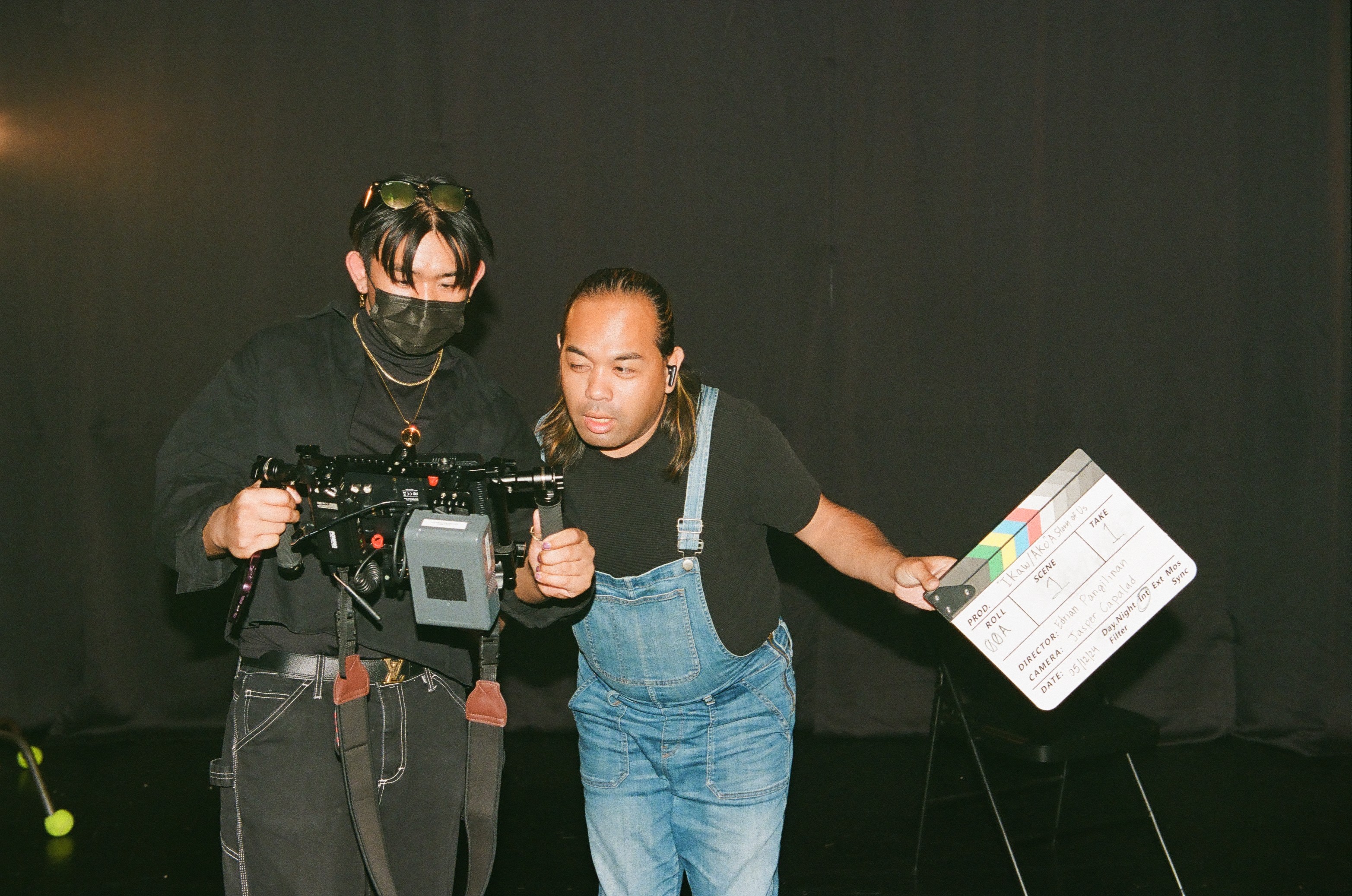
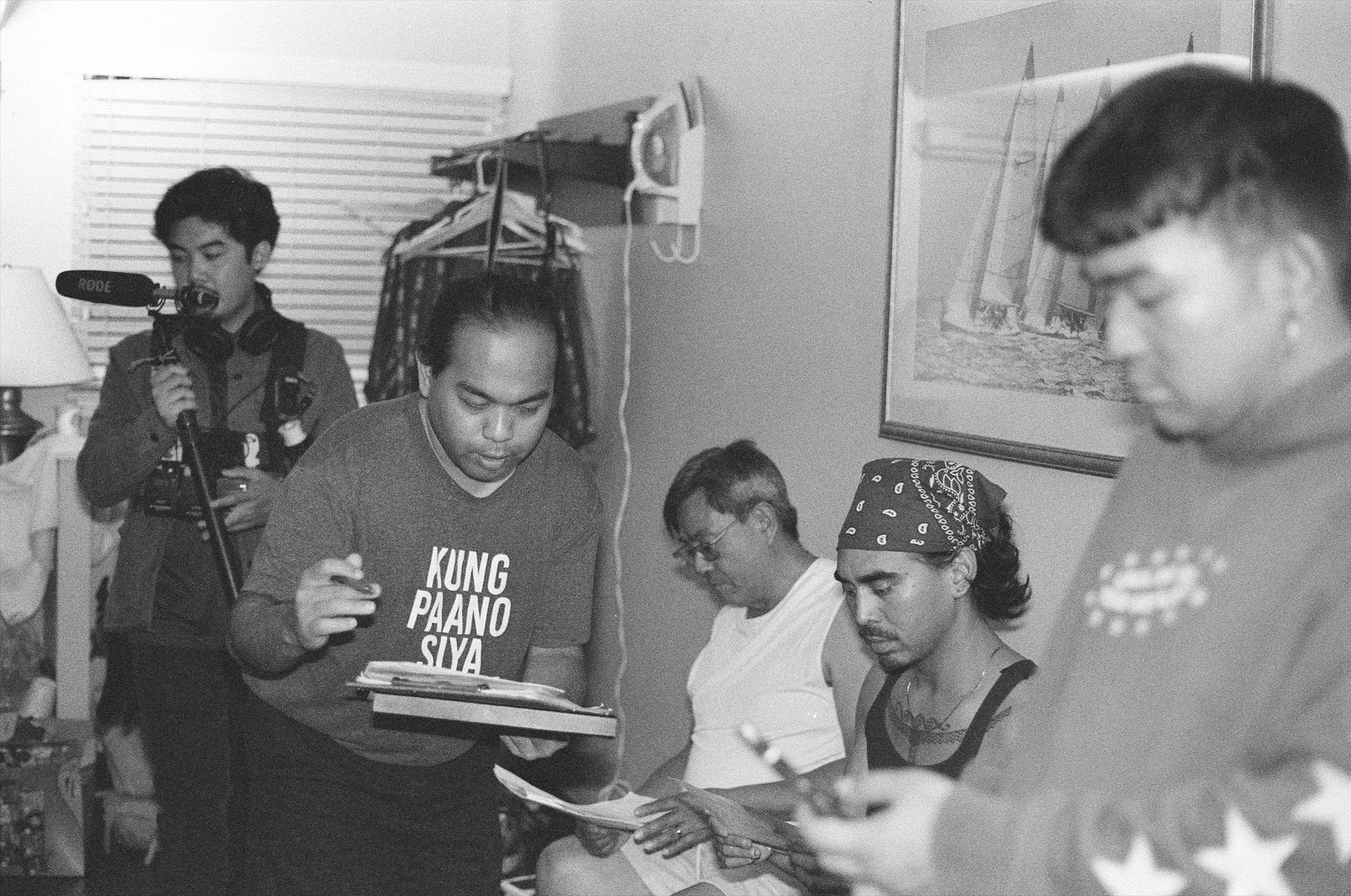
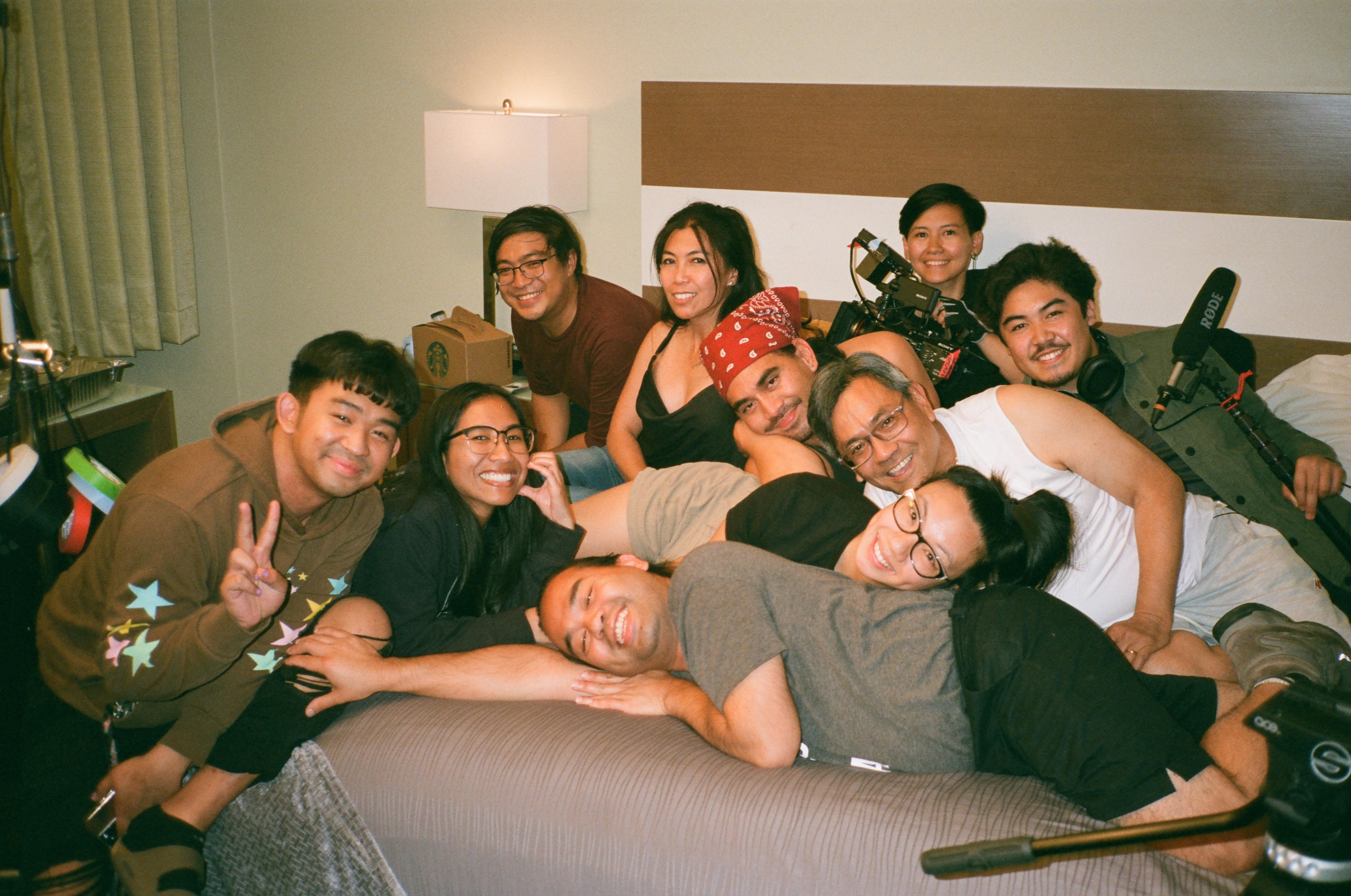
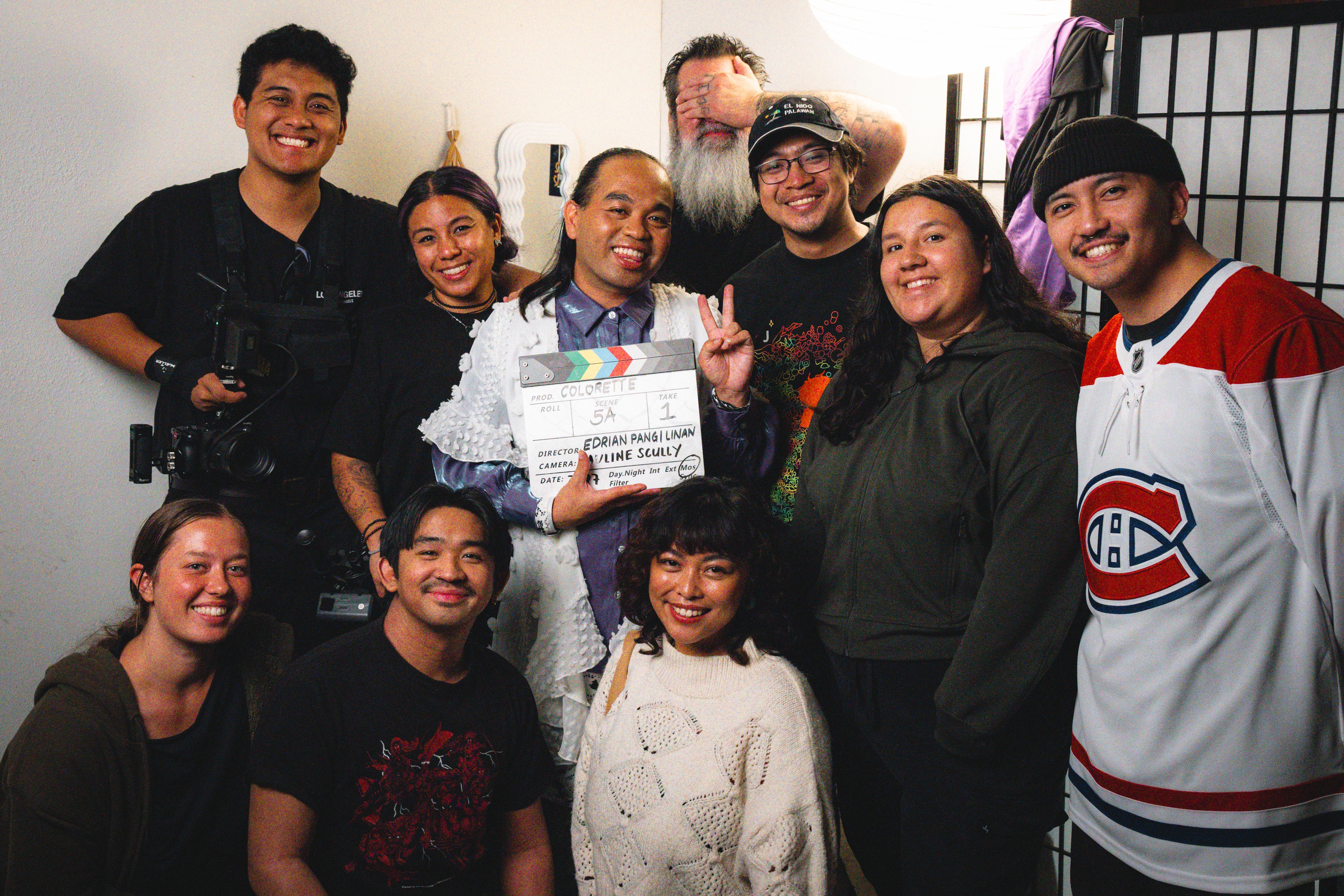
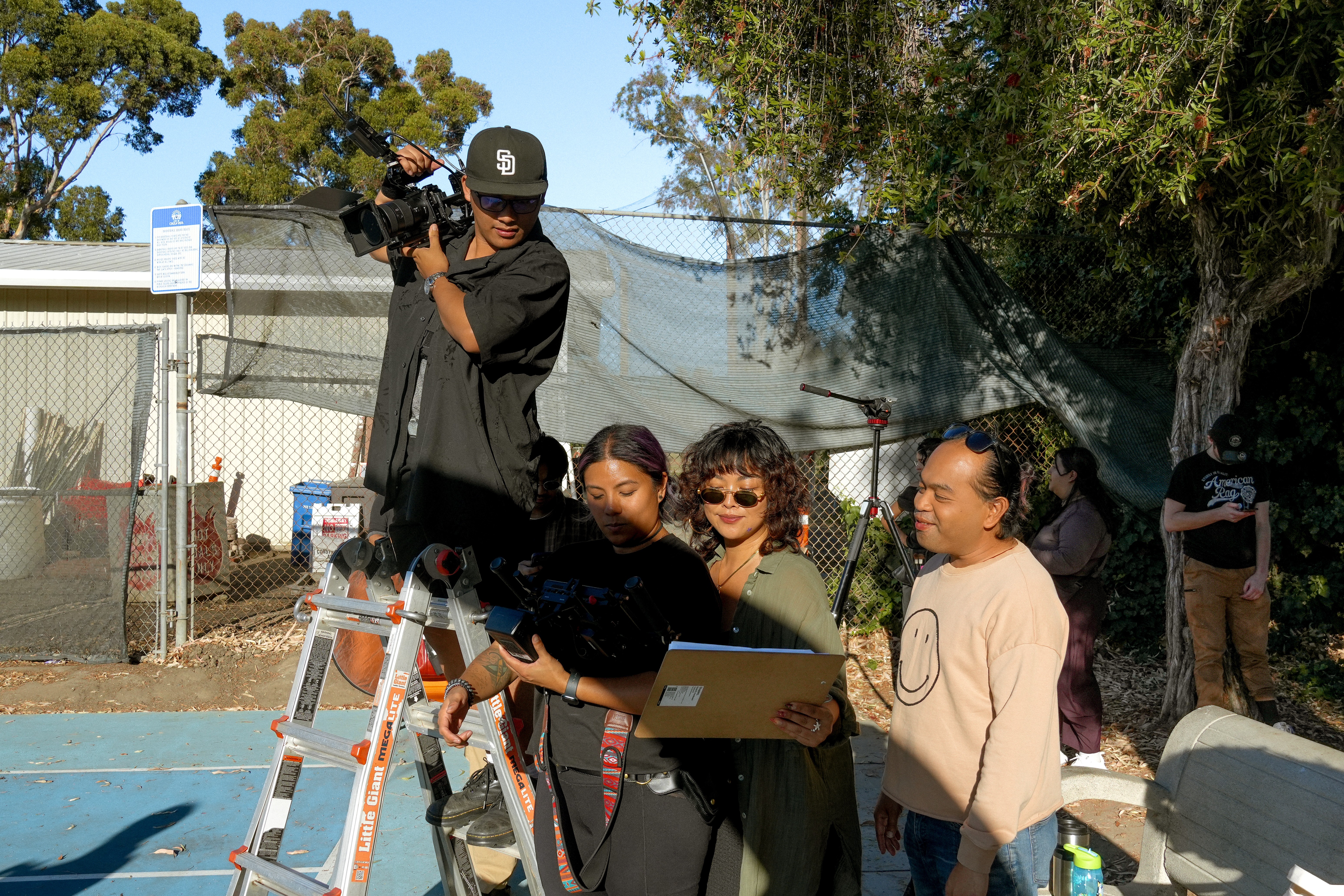
Image Credits
Gelo Macale (@gelomacale) and Lexi Puzon (@shotbylexi)