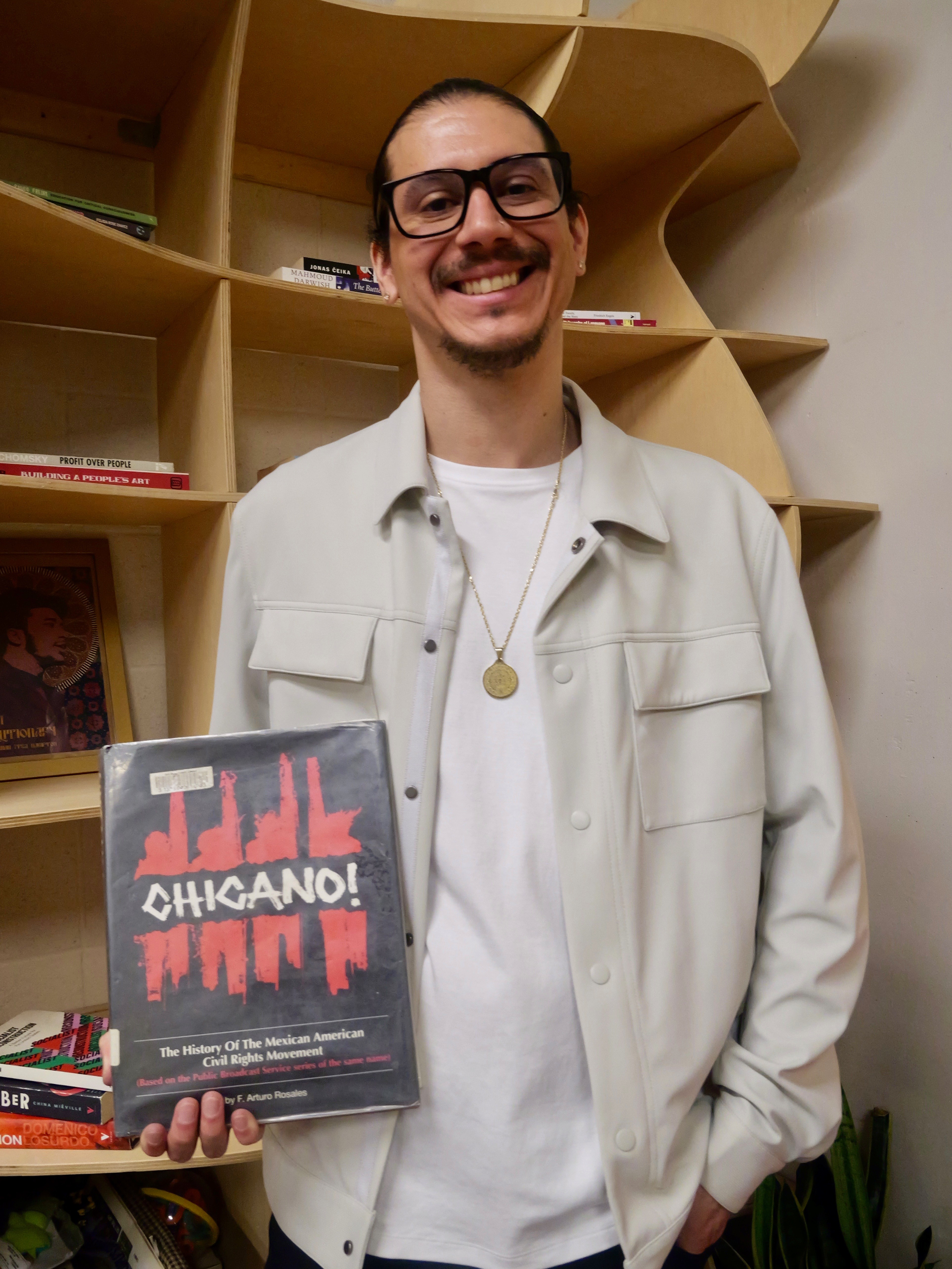
Today we’d like to introduce you to Roberto Camacho.
Hi Roberto, thanks for sharing your story with us. To start, maybe you can tell our readers some of your backstory.
My name is Roberto Camacho, and I am an award-winning freelance multimedia journalist from San Diego, California, and the Vice President of the National Association of Hispanic Journalists San Diego-Tijuana chapter. I’m an alumnus of the Walter Cronkite School of Journalism and Mass Communication at Arizona State University, where I graduated with my BA in Mass Communication and Media Studies. I was born and raised in San Diego, and have resided in San Diego my entire life. I was raised in a working-class Chicano (Mexican-American) family, and I spent my early childhood in San Diego during the 90s before our family eventually moved to El Cajon in the early 2000s when I was a teenager.
Moving to El Cajon in the 2000s was a culture shock. The schools that I attended were not very diverse, and school itself was not something that came easily to me. For as long as I can remember, I struggled with school. By the time I reached middle and high school, it had become apparent that Chicano/Latino students, such as myself, and other students of color were overrepresented in remedial classes and supplementary classes. Unfortunately, many of these classes were often taught by teachers who put in minimal effort, and it was something many of us collectively recognized. Our classes were treated as an afterthought, and our needs often came second to those of higher-performing classes with students bound for four-year universities.
It was one of my first (but far from the last) experiences as a young person, watching a very tangible example of systematic inequality happen in real time right before my eyes. It highlighted the disparities in how resources are allocated, the opportunities that are afforded to different groups, and the power that is embedded within the structures and institutions of our society. This, in tandem with the 2006 immigration protests and getting involved with the anti-war movement against the W. Bush administration and the Iraq War (which was at its zenith by then), set the stage for a lifelong dedication to advocating for racial justice and social equity.
Although I’ve always had a knack for writing and a passion for social justice/civil-rights advocacy (which was highly influenced by my affinity for conscious Hip-Hop of the 90s and the underground Hip-Hop scene of the early 2000s), journalism was not a field I thought I would enter as a young person. It wasn’t a profession that I was ‘born to do’ or had a familial pedigree in. I graduated from high school in 2009 and spent the next seven years working minimum wage jobs and taking community college courses until I transferred to Arizona State University in 2016. From 2009 to 2016, I took part in what we now refer to as ‘citizen journalism’. Starting with the Occupy Wall Street protests in 2011, I would go out with my digital camcorder and document what I observed and come back home to upload the footage to then fledgling social media outlets such as Twitter, Facebook, and later platforms like Instagram and TikTok. This persisted over the years as I started covering the Black Lives Matter and nationwide police reform movement in 2014. Evolving with the times and technological advances, graduating from Sony handycams to smartphones. For several years, I would straddle the line between a concerned community member and amateur journalist. That, however, changed in September of 2016.
That Fall, the city of El Cajon became what I can only describe as an occupied militarized zone after Alfred Olango, a 38-year-old former refugee from Uganda, was shot and killed by the El Cajon PD while he was in the midst of a mental breakdown. Officers on scene claimed they believed Olango was pointing a firearm; the object in his hand was an e-cigarette. The shooting was captured on camera, sparking a series of protests over the next several weeks. The officer who killed Alfred Olango, Richard Gonsalves, had a long and surprisingly very public record of sexual harassment and misconduct against other female officers within the El Cajon PD, and was sued several times prior to the shooting. In spite of his harassment of fellow officers, Gonsalves was demoted from sergeant to officer rather than being fired outright from the department. This was a detail that local media were very slow to include in their coverage during the protests, which only fueled my frustration, as well as the broader community out in El Cajon, who believed Gonsalves should have been fired long before the shooting. Every day, I would cover protests on the scene and see my neighborhood flooded with police from every municipality as far away as Oceanside, roving our streets in military surplus armored vehicles and armed with military-grade weapons in real time. Only to see protesters and my community portrayed in a completely different and often negative light when I returned home to watch and read the local news. This was also at the height of the 2016 presidential election, and sadly, one of many in a cascade of other highly publicized, egregious shootings of unarmed Black men at the hands of police throughout the country that summer.
Many of us documenting the actions of the police feared that the protest in our community would be swept under the rug and that police would literally tear gas and shoot us with impunity while the rest of the country’s attention was focused on other protests and the media circus of the 2016 presidential election. This was the moment I realized it wasn’t enough for me just to be a citizen journalist or another live streamer with a phone posting on social media. But, rather, I had to become a full-fledged journalist if I wanted to see the change in how my community’s stories were told, and how the stories of other marginalized communities were reported on as well. In October 2016, I started my own website, Step Off! Magazine, where I started self-publishing my own reporting. I did this until 2019 when I started writing as the social justice correspondent for La Neta Magazine, a small Barrio Logan-based publication. Since then, my reporting has been published by a variety of news outlets such as Bolts, Prism, Daily Kos, Analyst News, The Daily Chela, Next City, Latino Rebels, Palabra., and CALÓ News. As well as local outlets in San Diego, such as the San Diego Union-Tribune, The Voice of San Diego, Times of San Diego, and San Diego Magazine.
In short, growing up in San Diego and coming from my unique personal background and relationship to social movements in San Diego have given me nuanced perspectives that are informed by the history, culture, and people that set the region apart from any other location in the world. This background made me well-versed in the most pressing issues affecting communities throughout the region, and its often complicated history. And my passion for journalism has been nurtured by my past experience covering criminal justice reform, immigration, education, environmentalism, culture, art, and local, grass-roots activism in San Diego.
We all face challenges, but looking back would you describe it as a relatively smooth road?
The road to becoming a full-time journalist has by no means been an easy road. I’m still currently fighting to land full-time employment in the field, which has been stubbornly elusive. For the past decade, the press and the industry at large have faced no shortage of obstacles as well. From shrinking newsrooms, financial instability, the unregulated spread of disinformation on social media platforms, and threats to press freedom, to declining public trust, the challenges of digital transformation (including the rise of AI), and the increasing corporatization of legacy media have placed unrelenting demands on journalists. All of which has raised concerns for the mental health and physical safety of journalists.
The journalism field is highly competitive, with many people vying for a very limited number of jobs. So as a freelance journalist, you’re also working from a disadvantage. Competing with other people who sometimes have years, if not decades, worth of experience competing for the same positions. I earned my degree through Arizona State’s online program, so I wasn’t able to take advantage of any internship opportunities that I likely would have been afforded had I attended classes physically on campus in Phoenix. If I knew what I know now, I would have definitely done things a little differently.
As a freelancer, you’re also essentially an independent contractor, so in addition to being a journalist, you also have to act like a business owner and promoter. This involves pitching, negotiating pay, managing costs and expenses, designing graphics, and shooting video for social media promo, and finding publications that will accept your pitches—skills that frankly many journalists are not initially trained for in academic settings. These are things you have to do in tandem with balancing another full-time job to pay the bills and taking care of all of the other everyday responsibilities of life that we all have. It’s essentially a full-time job just to find work, and the pay for individual assignments ranges wildly from publication to publication. Needless to say, it is a brutal and unstable career choice for those who want a consistent income. But it’s a necessary process in order to network and build a strong, diverse portfolio of work.
As you know, we’re big fans of you and your work. For our readers who might not be as familiar what can you tell them about what you do?
I’ve become an award-winning multimedia journalist by developing an array of skills through my coverage of stories here in San Diego, the greater border region, and beyond. As a freelance journalist, it’s vital that I am versatile and cover a wide range of stories. If I had to narrow it down, I’d say I’m most known for my reporting that typically focuses on criminal justice reform, immigration, Chicano/Latino issues, and their intersections with social justice. All of which encompasses beats such as race, equity, policing, education, environmental issues, foreign policy abroad, as well as art and culture, which have resulted in a litany of enterprise stories that dig deep and hold policymakers and stakeholders accountable.
I believe I stand apart from my peers in the field because, unlike many other fellow journalists who entered the field because they viewed it as an academic exercise or merely another profession, I entered the field out of necessity to accurately report the stories of my community and those of other marginalized communities. Stories that not only have very real-world consequences, but sometimes have life-or-death consequences if they are not reported accurately. My proximity to the communities and those closest to the harm being done, and my ability to build genuine relationships with people, orgs, and communities who have historically been apprehensive to talk to the press, make me stand apart from other journalists. I am proud of the fact that I am not just merely another reporter who parachutes into a community only to disappear once a story is completed. I build and maintain close professional relationships with my sources and the community members I have met along the way. And in my nearly ten years of freelance reporting, I have built a strong network of sources who trust me and are comfortable going on record for stories. From organizers and grassroots activists to educators, lawyers, city officials, and people from a litany of working-class professions who reside in the communities I report on. As a reporter, I do not shy away from urgent, high-stakes stories that are central to public conversation. Nor am I intimidated by stories that are off the beaten path or require carving out a new lane. In fact, for most of my career, my reporting has largely focused on underreported stories that require such bold reporting.
I don’t say I’m different and that I stand apart from my colleagues because it sounds good in a bio or makes for a cool origin story. My portfolio speaks for itself, and my resilience and tenacity as a reporter do so as well. What I bring to the table as a journalist can’t be taught in a classroom, Googled, nor can it be copied and pasted in a ChatGPT prompt either. What I bring is firsthand real-world experience reporting, intimate knowledge of the region and its communities, and expert understanding of the most pressing issues affecting the people who have the least amount of recourse to fight back.
What quality or characteristic do you feel is most important to your success?
I believe that integrity has been the most important characteristic of my success and is the cornerstone of a person’s character. It’s a quality that holds an immense amount of significance in all aspects of our lives. It is the moral compass that guides our actions, behavior, and decisions, and it is perhaps the most important trait an individual can possess. My parents used to tell my siblings and I that everything in this world can potentially be taken from you. And at the end of the day, all you have in this world is your word and the integrity of your character. As a journalist, that mantra is not hyperbole; all you literally have is your word. At its heart, integrity is about trust, credibility, and character. And a true journalist must consistently demonstrate honesty, transparency, and reliability not only in their words, but more importantly in their actions as well. I believe that as a member of the press, it is of the utmost importance to work to empower communities through sincere journalism that helps illuminate perspectives that amplify their voices, especially those that have historically been underrepresented and marginalized. A person of high integrity is one who consistently upholds a set of strong principles, even when faced with challenges or adversity. It is indicative of the moral fiber of an individual, reflecting their commitment to do the right thing, regardless of the circumstances. Individuals with great integrity are not easily swayed by external pressures or personal gain, because they prioritize ethical principles above all else. Integrity is executed in practice through transparency and honesty in the decisions, words, and actions, working towards the greater good and the well-being of others. It is a tenet that has not only served me well as a journalist but as a leader and trusted member of the community.
Contact Info:
- Website: https://robertocamachoreports.com/
- Instagram: https://www.instagram.com/rob_camacho_sd/?hl=en
- LinkedIn: https://www.linkedin.com/in/roberto-camacho-san-diego/
- Twitter: https://x.com/Rob_Camacho_SD
- Other: https://linktr.ee/rob_camacho_sd
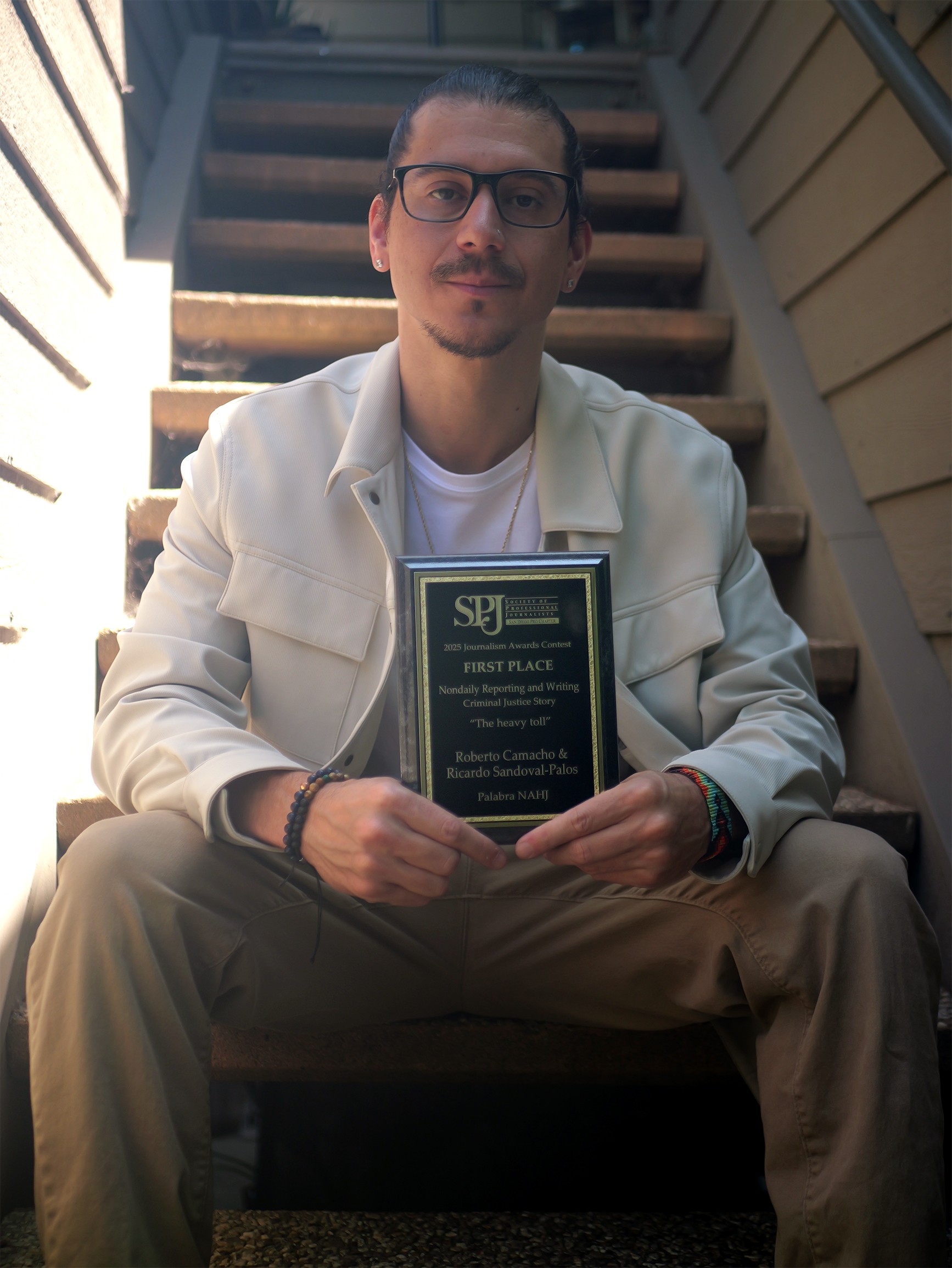
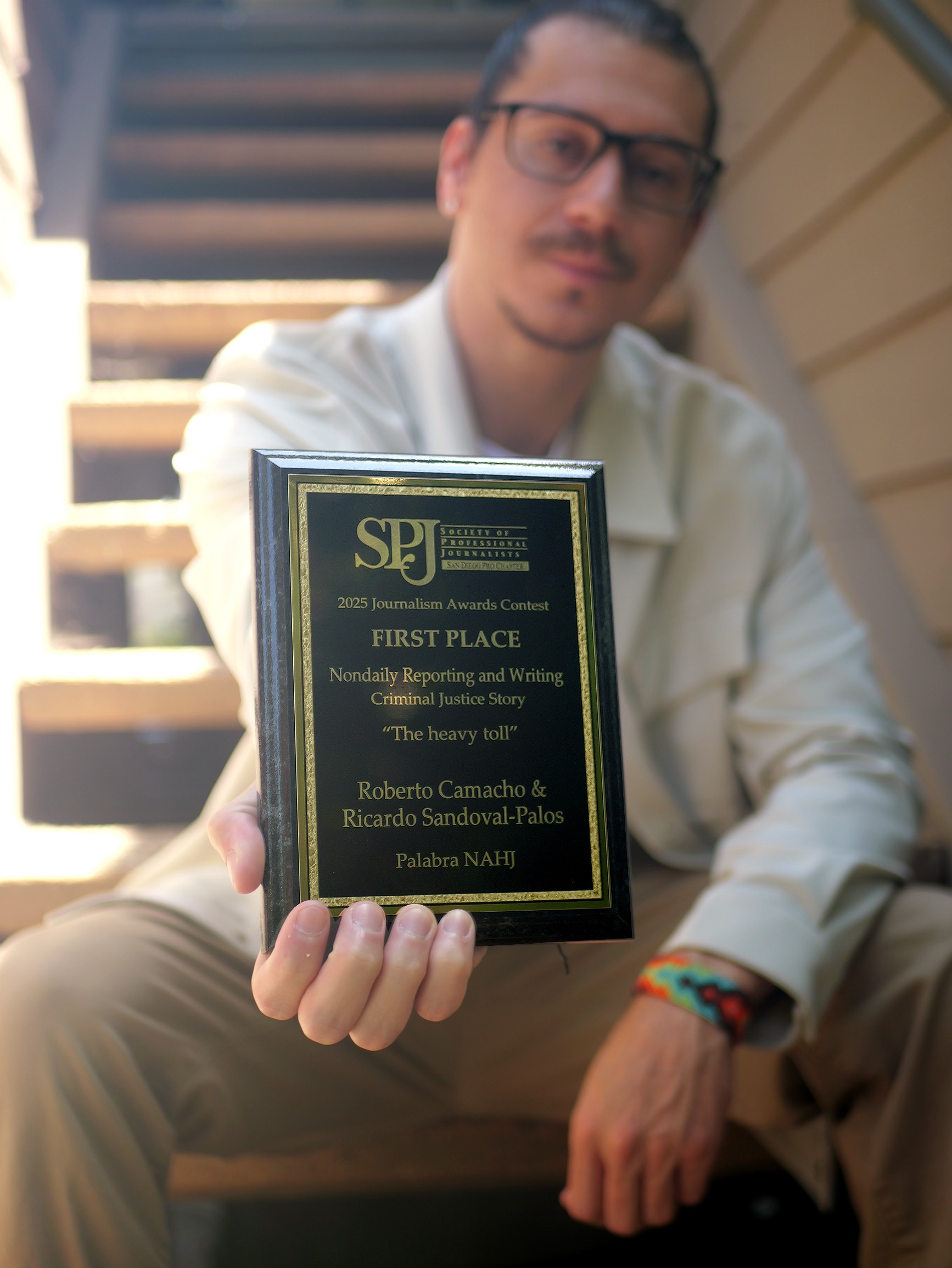
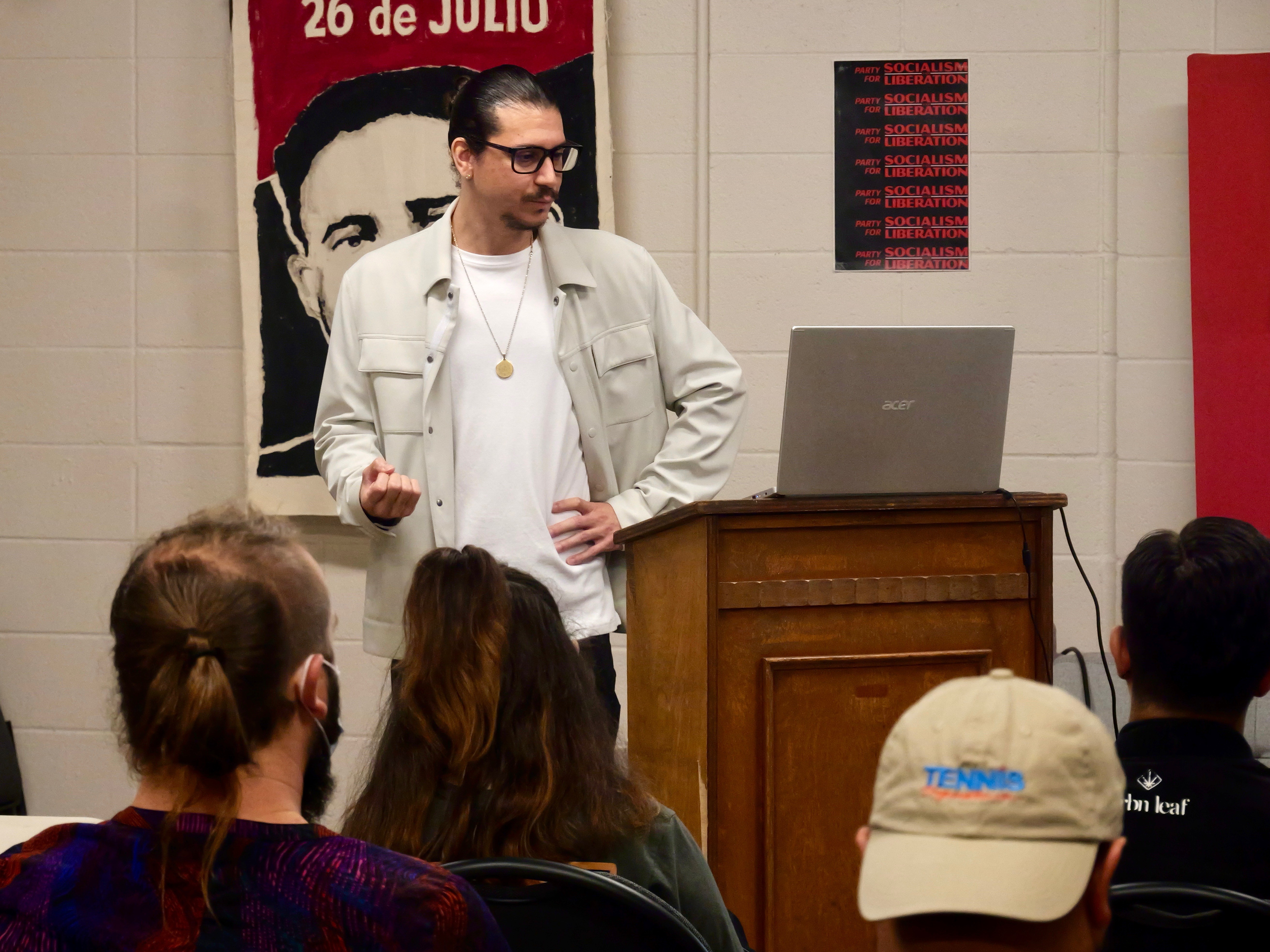
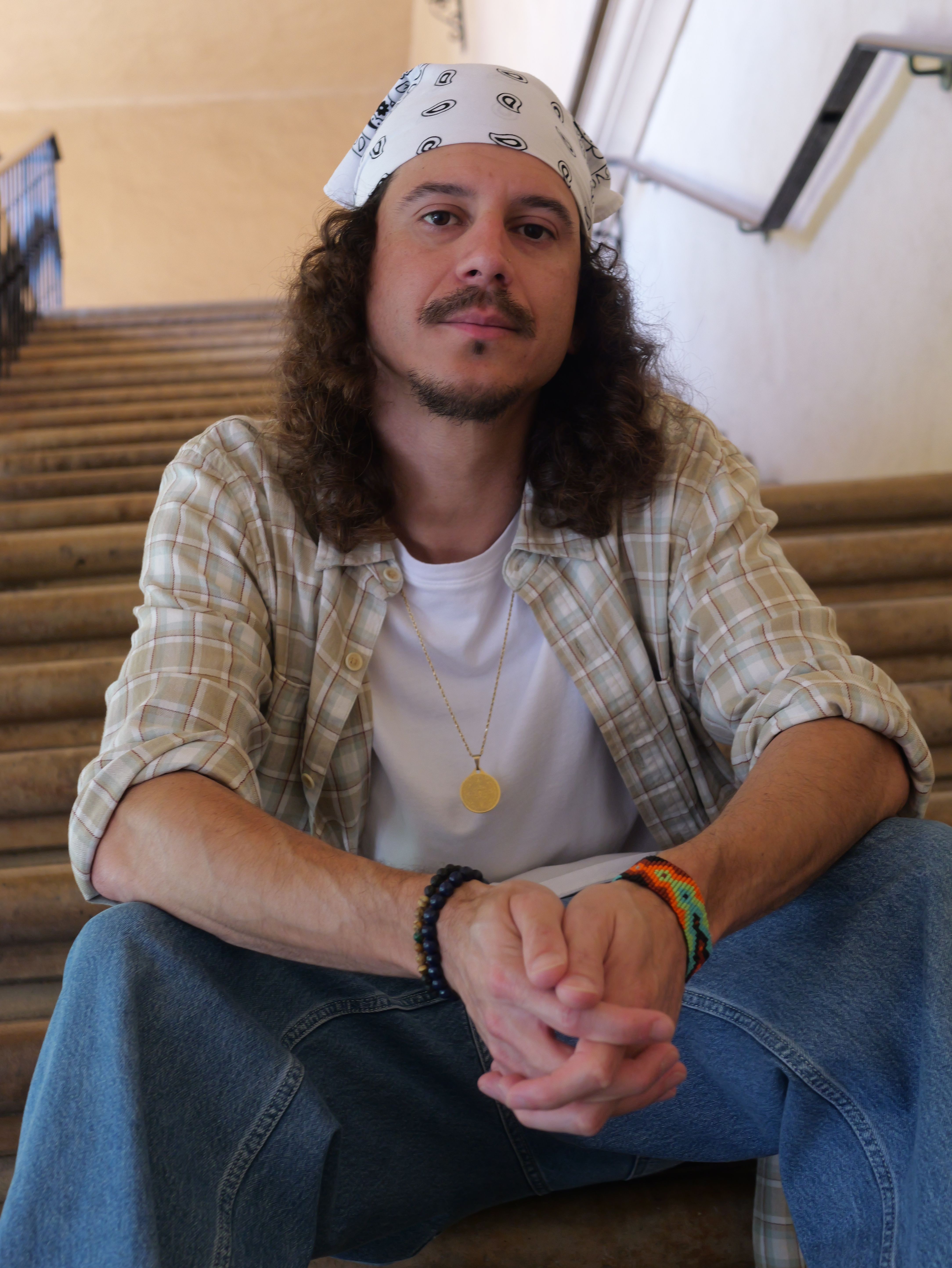
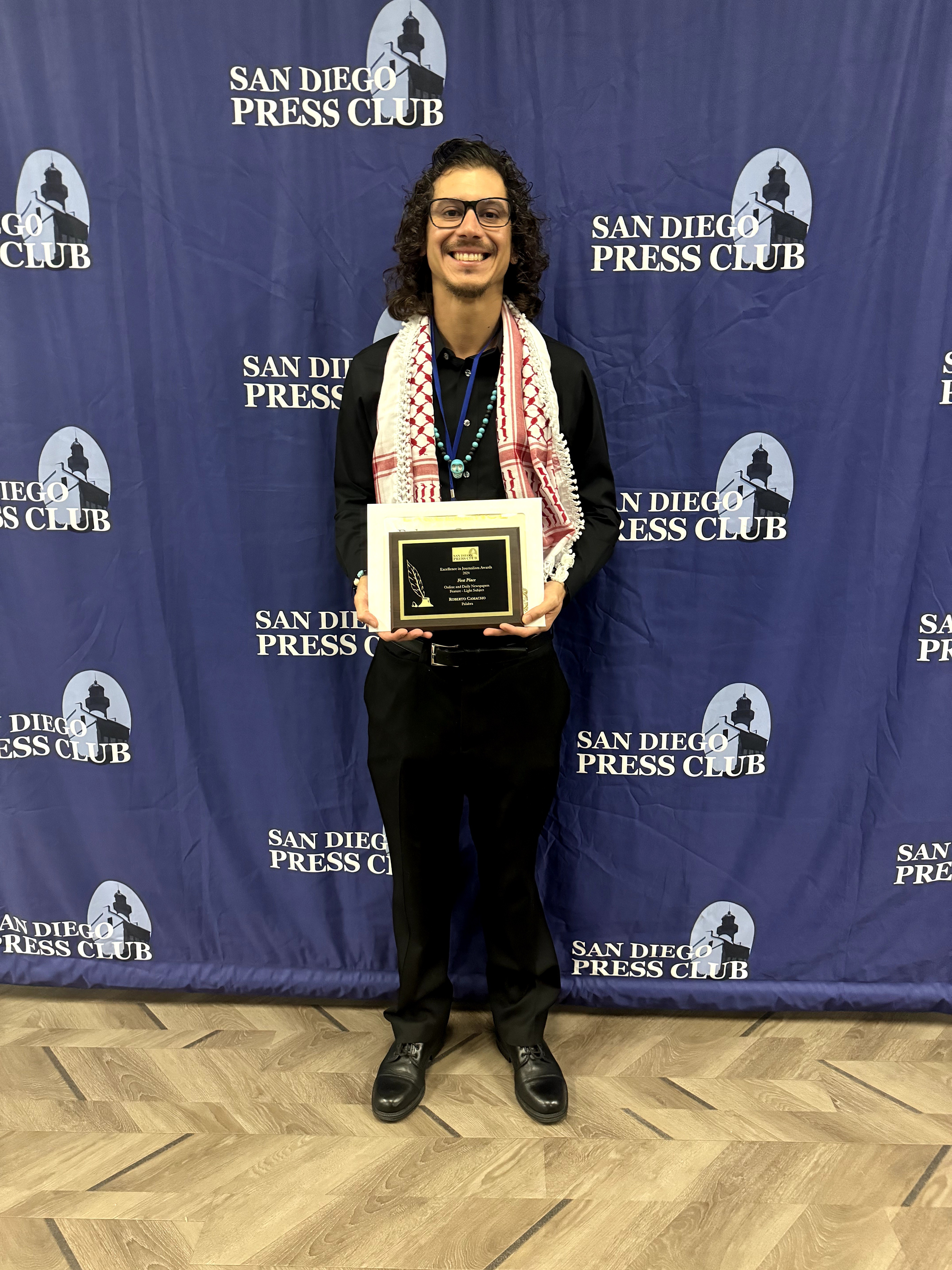
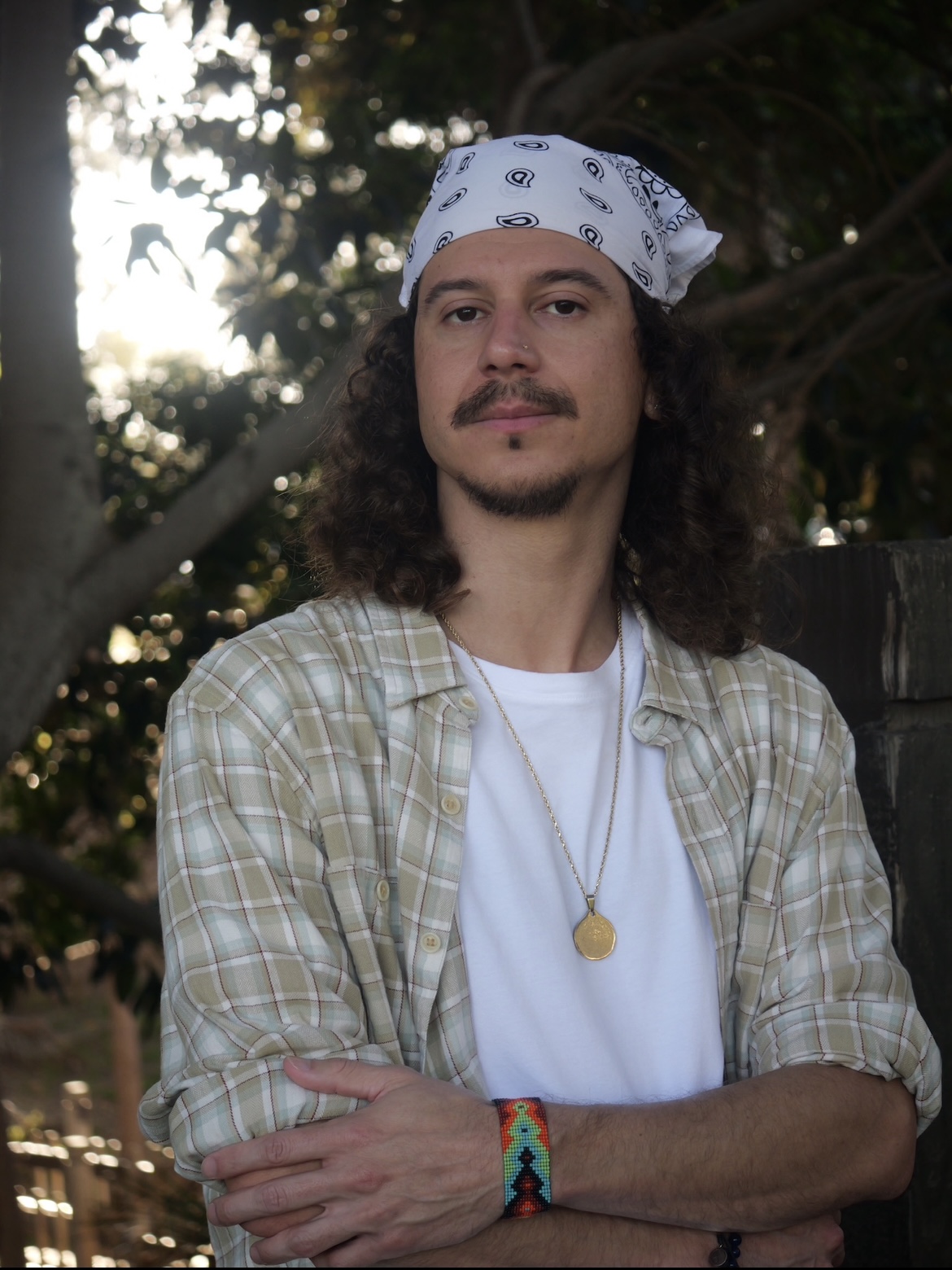
Image Credits
Photo Credit: Clay Scheller and Eddie Aguirre