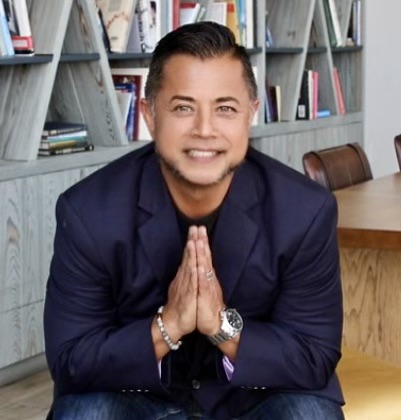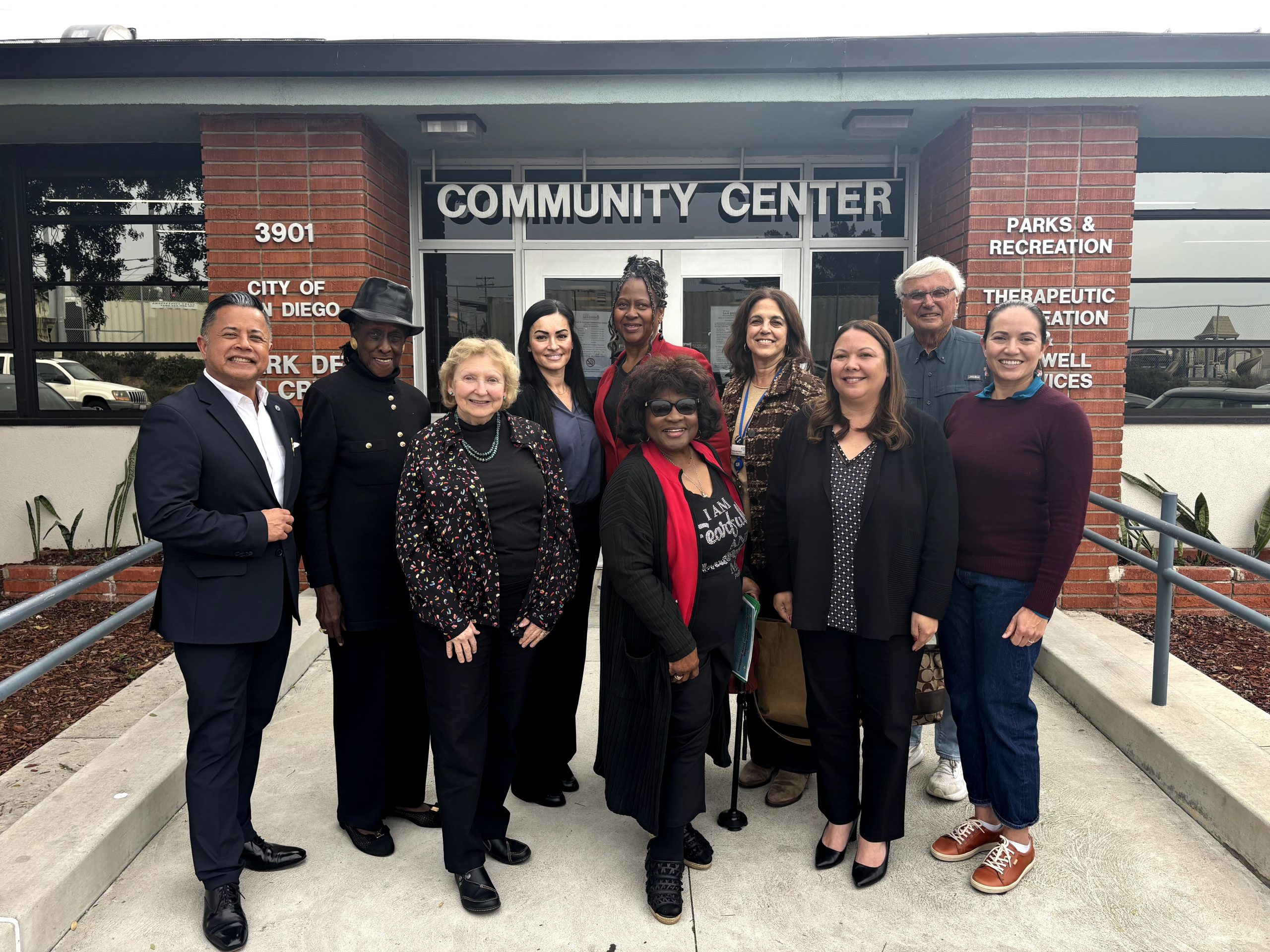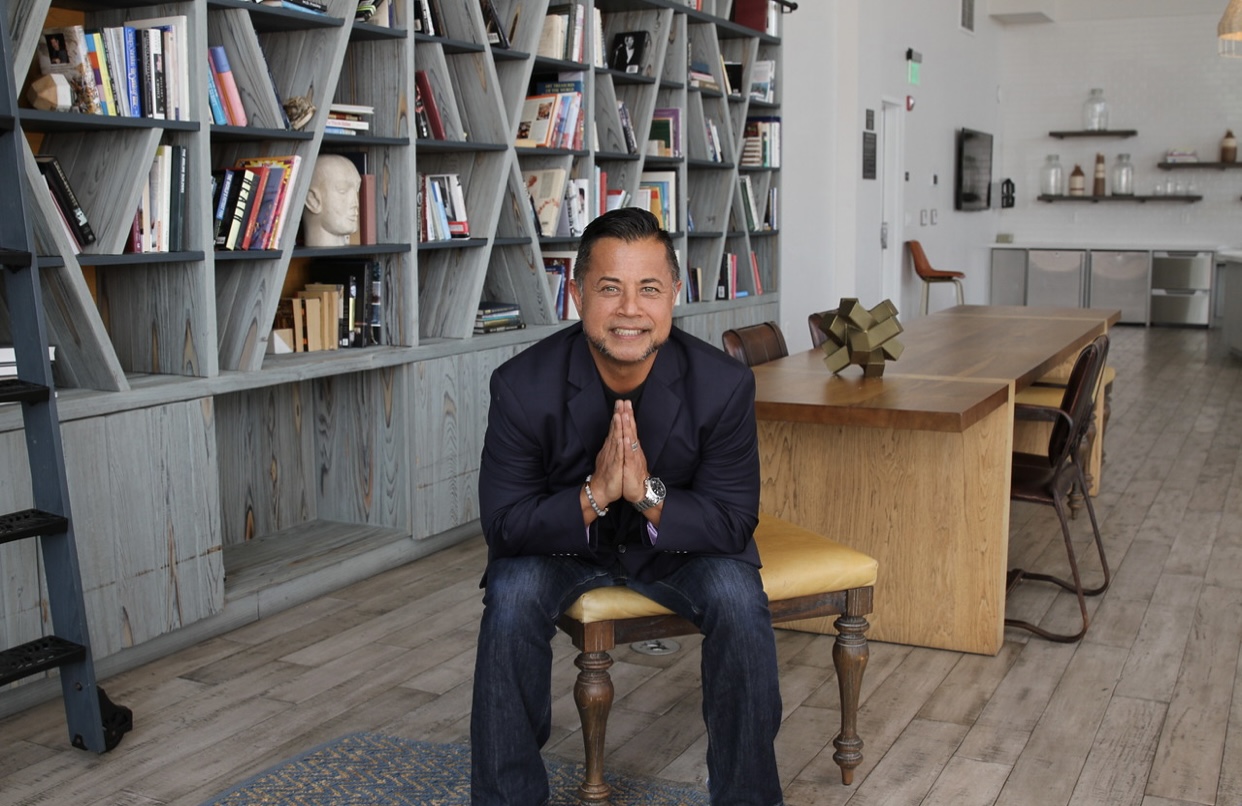
Today we’d like to introduce you to William Peetoom.
Hi William, it’s an honor to have you on the platform. Thanks for taking the time to share your story with us – to start maybe you can share some of your backstory with our readers?
I was born and raised in San Diego as a Filipino/Dutch-American, shaped by a Dutch father and Filipino mother. My father served during the Vietnam War, and like many families from that era, our home carried both resilience and complexity.
Growing up Filipino/Dutch-American—especially during adolescence—meant learning to navigate identity early. There were moments of not fully belonging, of being misunderstood, and of having to define myself before I had the language to do so. Instead of weakening me, that experience sharpened my awareness. I learned how to move between cultures, how to read people quickly, and how to build connection across different perspectives. That became one of my greatest strengths.
At home, there were real challenges, including domestic abuse and instability. That environment required me to grow up fast. But it also trained me—to stay composed under pressure, to observe before reacting, and to create internal structure when the external environment lacked it.
I became a latchkey kid, learning independence early. Over time, I began to recognize patterns—how people behave under stress, how systems either support or fail individuals, and how small decisions, repeated consistently, shape long-term outcomes.
At six years old, I found my first real anchor: judo at the local Boys Club. That discipline changed everything. Judo taught me balance, leverage, and control—not just physically, but mentally. It reinforced a principle I still live by: don’t meet force with force—position, redirect, and stay centered. That path led me to compete in junior invitationals and the Junior Olympics, but more importantly, it gave me a framework for how to operate in life.
Just out of high school, I began practicing Nichiren Buddhism—a discipline I’ve maintained to this day. It gave me language for what I had already been experiencing: resilience, responsibility, and the understanding that inner transformation drives external outcomes. That practice became a constant—reinforcing consistency, accountability, and a long-term orientation toward growth.
Over time, that path expanded into a broader commitment to holistic disciplines. I became a Reiki Master, a Zenkeeper, and an Urban Herbalario, while also carrying forward the lineage of Lomi Lomi Kaomi. These are not titles I use lightly—they represent years of study, practice, and a responsibility to steward traditions centered on balance, healing, and alignment. They inform how I see people, how I approach wellness, and how I design systems that support human sustainability.
As I moved into business, I built my foundation in business development and relationship architecture. That’s where I learned a core truth: transactions are temporary, but trust compounds. Trust creates access. It sustains relationships. It becomes leverage over time. That realization shifted me toward long-term thinking and intentional system building.
I was also elevated by community. The Filipino business community—especially through the Filipino American Chamber of Commerce—expanded my vision and reinforced the power of collective progress. I also carry deep respect for LGBTQ+ leaders whose courage created space for many of us to operate more freely today. That awareness shapes how I lead—building forward while honoring those who made the path possible.
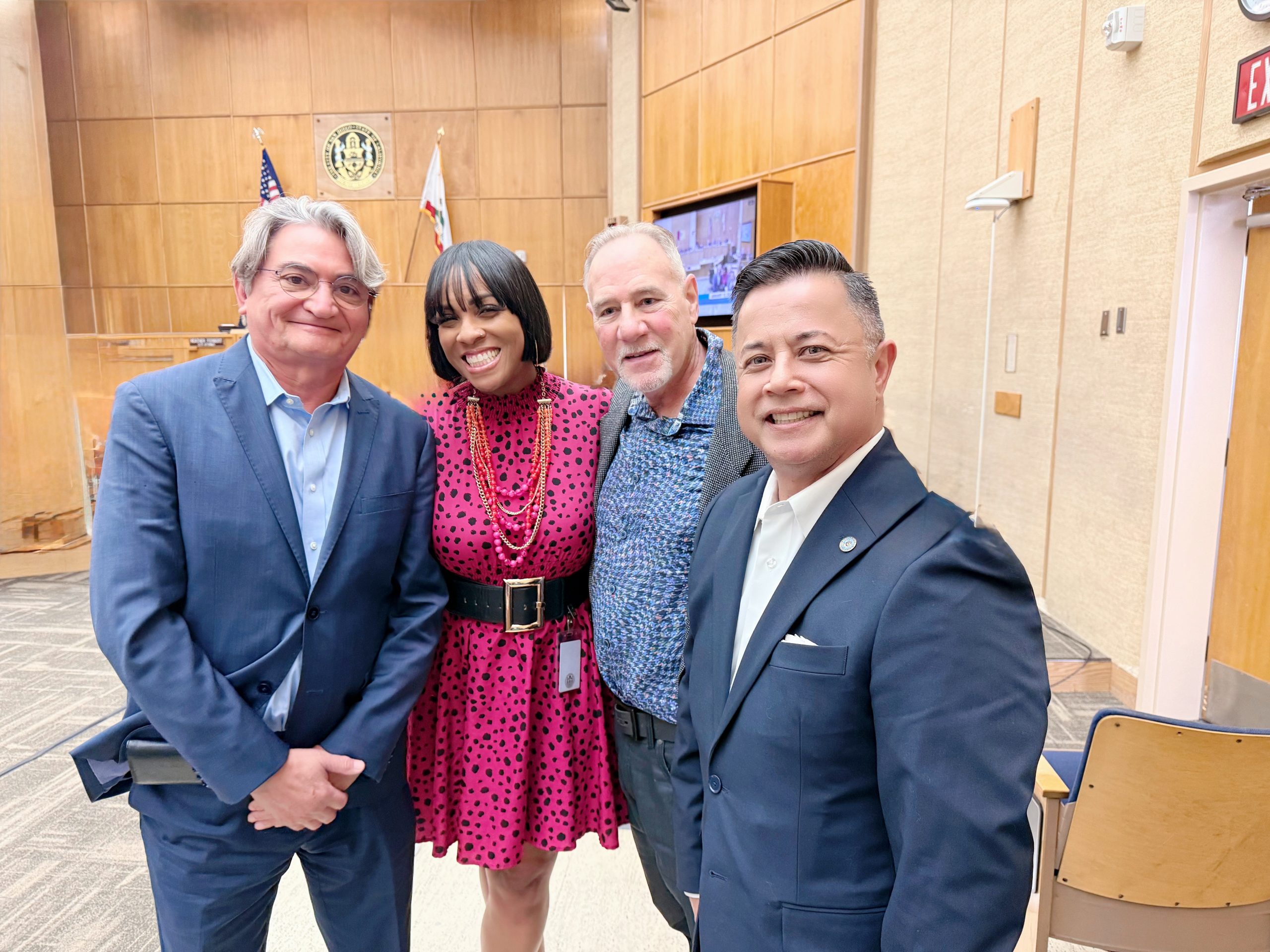
Today, I operate at the intersection of public insight and private execution. I serve as Commissioner for Senior Affairs in San Diego, where I see firsthand the realities families face—rising healthcare costs, caregiver fatigue, and systems that often respond too late instead of preparing people early.
At the same time, I founded Kaizen Group International, where we design capital continuity systems for employers and business owners, particularly in the home health and senior care space. Our work focuses on identifying hidden inefficiencies in workforce health, payroll structures, and long-term financial protection—and then engineering systems that create stability and predictability.
If there’s one throughline in my journey, it’s this: most challenges are not random—they’re structural. And if something is structural, it can be redesigned.
That’s the work I’ve committed to—integrating lived experience, disciplined practice, and system thinking into frameworks that help people and organizations move from reactive to intentional.
Because when systems are designed with intention, better outcomes aren’t left to chance—they become predictable.
Alright, so let’s dig a little deeper into the story – has it been an easy path overall and if not, what were the challenges you’ve had to overcome?
It hasn’t been a smooth road—and in many ways, I’m grateful for that.
Some of my earliest challenges were shaped by my upbringing. Growing up in a household influenced by the aftermath of war, there were real complexities; PTSD, instability, and environments that required me to mature quickly. As a second-generation Amerasian, there were also moments of navigating identity, belonging, and understanding where I fit within different cultural spaces. I became independent early, learning how to read situations, adapt, and create stability where it didn’t naturally exist.
One of the few places where I found structure early on was through judo. I started training at the age of six at the local Boys Club, and it became more than just a sport … it became a discipline. Judo teaches you not to meet force with force, but to understand leverage, timing, and balance. That mindset stayed with me. It taught me how to remain composed under pressure and how to redirect challenges instead of being overwhelmed by them.
As I moved into my professional life, a different set of challenges emerged. One of the biggest was learning how to translate vision into trust. It’s one thing to see patterns and opportunities clearly; it’s another to bring others along in a way that builds confidence and alignment. That required patience, consistency, and a willingness to let results speak over time.
I also had to learn the discipline of focus. Early on, I was involved in multiple areas, driven by a desire to create impact. But I realized that impact doesn’t come from doing everything; it comes from concentrating on where you can create the most meaningful and measurable outcomes. That led me to focus more intentionally on the home health and senior care space, where the need is clear and the opportunity to improve systems is immediate.
Another ongoing challenge has been navigating across different systems; public service, business, and healthcare … each with its own pace and priorities. Aligning those environments requires clarity, patience, and the ability to communicate in a way that connects across different perspectives.
Through all of it, the most important lesson has been this: challenges are not interruptions … they are part of the design process.
They force you to refine your thinking, strengthen your discipline, and become more precise in how you lead.
I’ve come to see obstacles the same way I learned to approach judo, as something you don’t resist blindly, but something you learn to understand, position around, and ultimately use to move forward with greater control.
Thanks – so what else should our readers know about Kaizen Group International?
Kaizen Group International was built on a realization that most organizations don’t have a revenue problem; they have a structure problem.
Behind the scenes, there are often hidden inefficiencies in how workforce health, payroll, and long-term financial strategies are aligned. These gaps don’t always show up immediately, but over time they create pressure … on the business, on the workforce, and ultimately on the people being served.
At KGI, we focus on designing what I call capital continuity systems; integrated frameworks that bring those elements into alignment. Instead of approaching benefits, payroll, and financial planning as separate decisions, we architect them as part of a cohesive system that supports both operational stability and long-term sustainability.
Our work today is heavily concentrated in the home health and senior care sector, where the challenges are both visible and urgent. Employers in this space are navigating rising healthcare costs, caregiver burnout, retention issues, and tightening margins. What we provide is a structured approach to stabilizing those environments—helping organizations operate more efficiently while strengthening the resilience of their workforce.
What sets KGI apart is that we don’t lead with products; we lead with diagnosis and architecture. Through frameworks like the KGI Capital Leak Assessment™, we identify where inefficiencies exist before introducing solutions. That allows us to design systems that are compliant, aligned, and built to last, rather than fragmented or reactive.
I’m most proud of the shift we’re helping create in how organizations think. Instead of waiting for problems to surface, we’re working with leaders to anticipate them; building infrastructure that supports their teams proactively. That shift not only improves performance, it creates a more stable and dignified environment for the people delivering care.
My role as Commissioner for Senior Affairs also provides a unique vantage point. I’m able to see the broader patterns affecting families, caregivers, and communities and bring that insight back into the private sector in a way that translates into real-world implementation. That bridge between public awareness and private execution is a core part of how KGI operates.
Looking ahead, KGI is positioned to contribute to a larger transformation in how employers; particularly in healthcare and senior services … approach workforce sustainability and long-term planning. The opportunity is not just to improve individual organizations, but to influence how entire sectors align people, systems, and outcomes.
At its core, KGI exists to bring clarity where there is complexity, stability where there is pressure, and continuity where there is fragmentation … so that organizations and the people they serve are better prepared for what’s ahead.
Can you share something surprising about yourself?
What surprises most people is that while my work today centers on capital systems, workforce strategy, and organizational design, the foundation of how I think wasn’t built in business—it was built through pressure, discipline, and lived experience.
Kaizen Group International didn’t start as a company idea. It started as a realization: most organizations don’t have a revenue problem—they have a structural problem.
Growing up Filipino/Dutch-American in an unstable environment, I learned early how to read patterns—how pressure builds, where breakdowns occur, and how small misalignments compound over time. That awareness was later refined through judo and my ongoing practice of Nichiren Buddhism, where I developed the discipline to stay centered, diagnose root causes, and design from first principles.
Today, I bring that same lens into business. I don’t see companies as products or transactions—I see them as systems of behavior, incentives, and structure. When those elements are misaligned, pressure builds across the organization.
That’s where our work comes in. At KGI, we identify hidden inefficiencies in how workforce health, payroll, and long-term financial strategies interact—especially in home health and senior care, where the stakes are immediate. Through frameworks like the KGI Capital Leak Assessment™, we design capital continuity systems that align these moving parts into something cohesive, compliant, and sustainable.
Another dimension of my work comes through ecosystem access. Through the Council for Supplier Diversity, I work closely with diverse business owners navigating growth and procurement pathways, gaining real-time insight into how systems either accelerate or restrict opportunity. In parallel, ONE Filipino Directory extends that work globally—building a trusted platform aligned with the vision of ONE global Filipino business community. That effort builds on my time as President Emeritus of the Filipino American Chamber of Commerce of San Diego County, where I learned the responsibility of serving community through commerce.
I also carry deep gratitude for my late predecessor, mentor, and dear friend, Francine Maigue, whose leadership helped shape my path and continues to influence how I lead today.
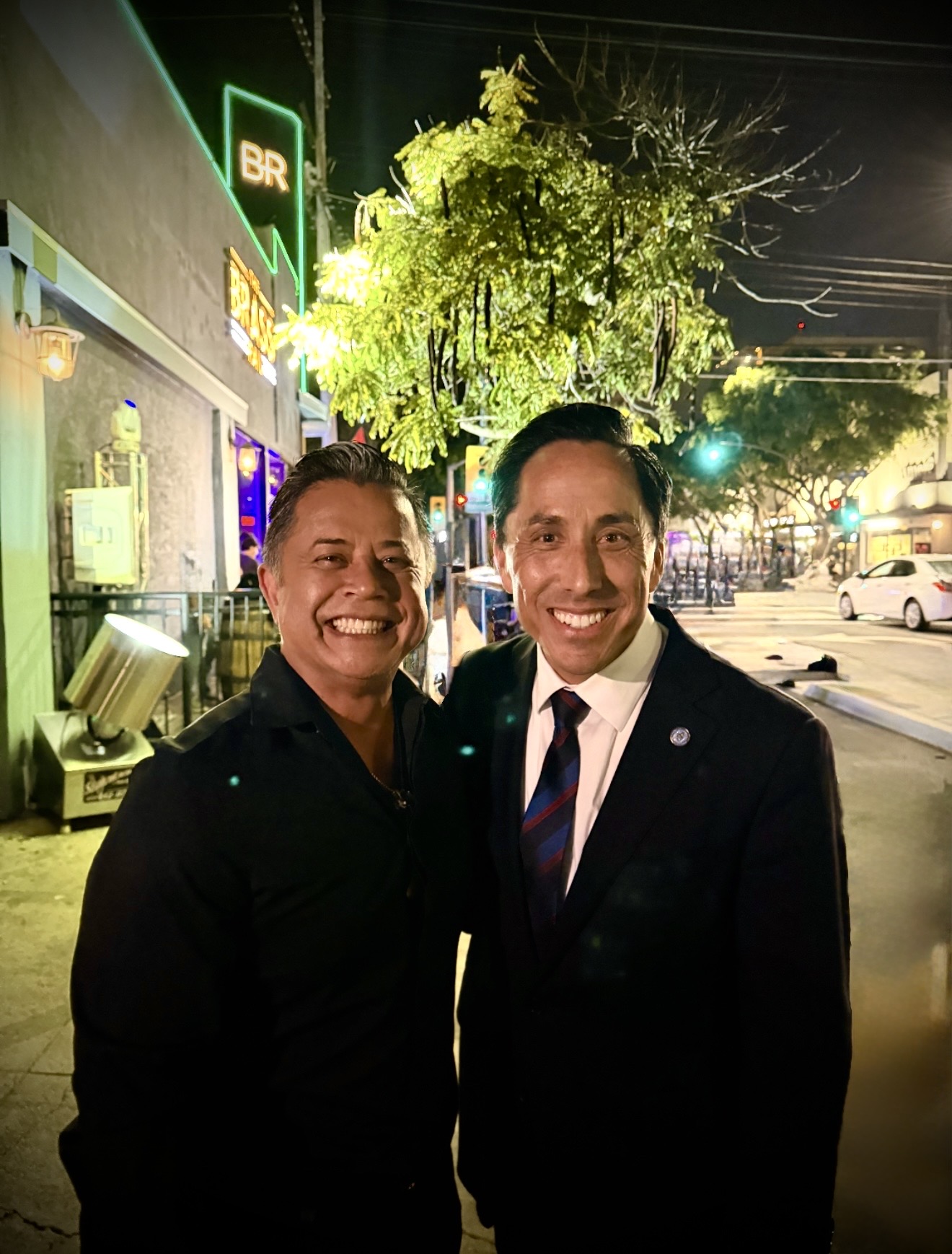
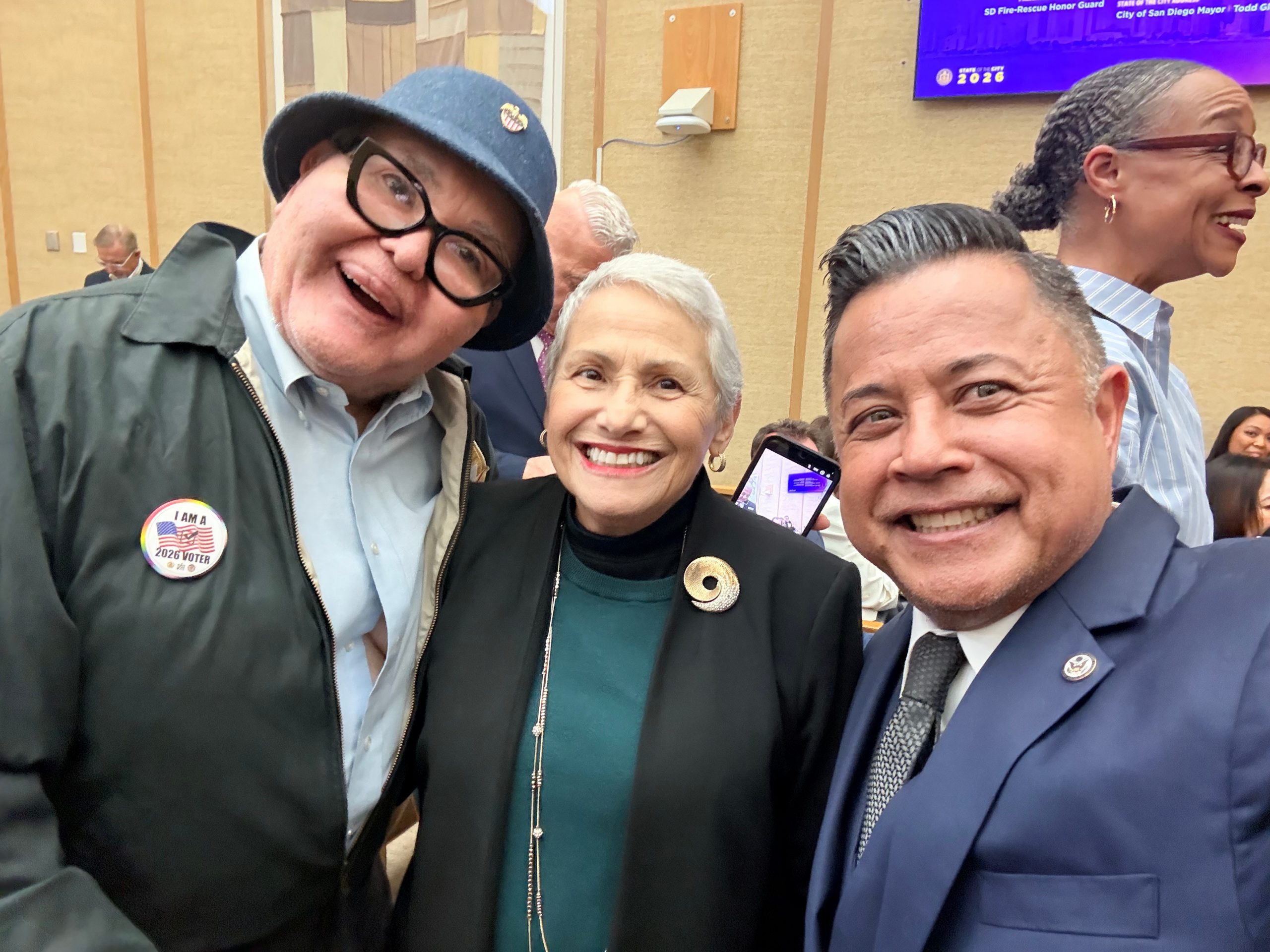
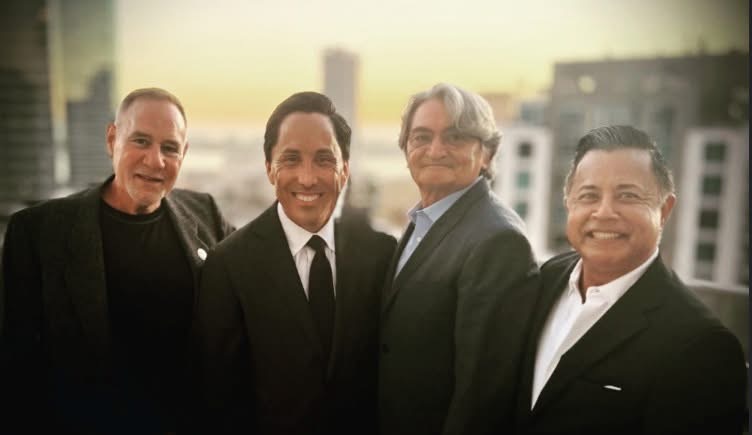
Serving as Commissioner for Senior Affairs, I’m grateful to Todd Gloria for the opportunity to serve. That role clarified my sense of ikigai—aligning purpose, service, and impact—and gives me a direct view into the challenges families and caregivers face, which I translate into practical systems for employers.
I’ve also been fortunate to work alongside strong channel partners and collaborators. That ecosystem allows us to move faster, stay aligned, and deliver outcomes that are larger than any one organization could achieve alone.
So while the work may appear as business strategy on the surface, the deeper truth is this: I’m designing for human sustainability.
Because when systems are aligned correctly, performance improves—but more importantly, people experience greater stability, dignity, and long-term security.
Pricing:
- Complimentary Assessments & Evaluations
- Performance Driven
Contact Info:
- Website: https://www.kaizengroupintl.com
- Youtube: https://www.youtube.com/@KaizenGroupIntl
- Other: https://www.linkedin.com/in/wpeetoom