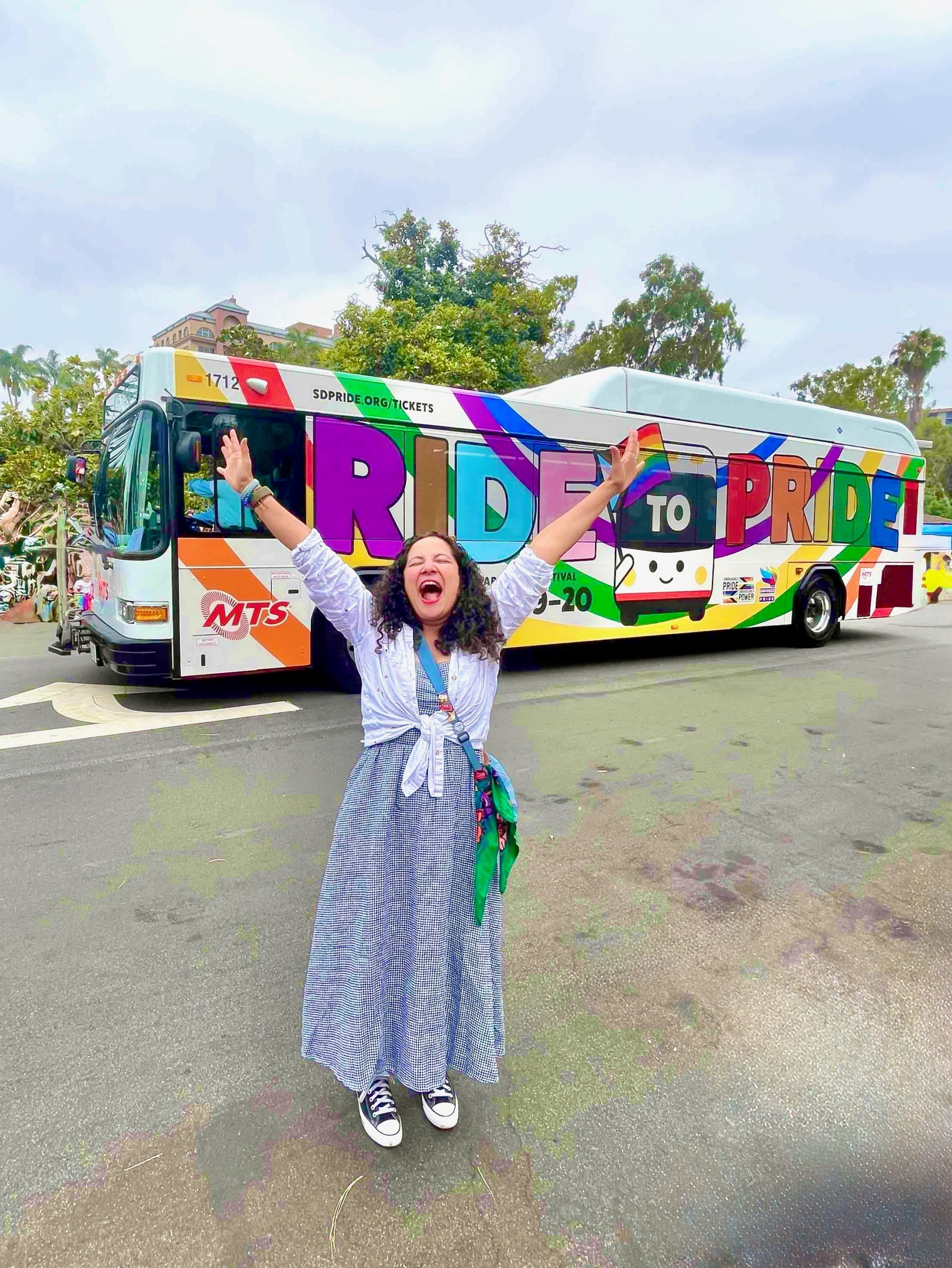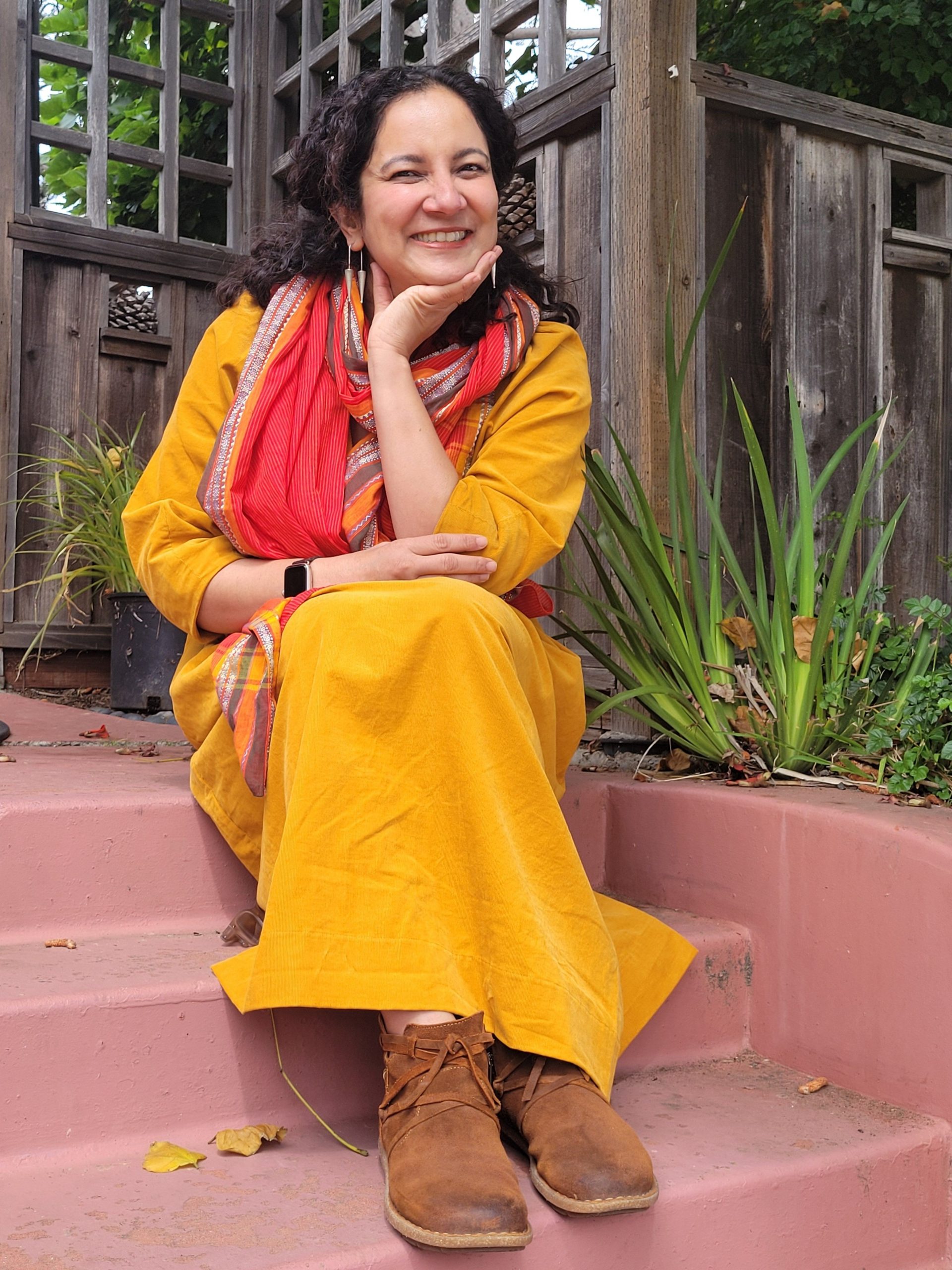
Today we’d like to introduce you to Gauri Savla.
Hi Gauri, can you start by introducing yourself? We’d love to learn more about how you got to where you are today?
I first became interested in mental illness as a freshman at St. Xavier’s College in Bombay, India, after reading I Never Promised You a Rose Garden, a novel based on the real story of a young girl with schizophrenia. Deborah’s story of losing herself to psychosis and finding her way back with the help of caring mental health professionals was inspiring to the idealistic 16-year old me, who longed to change the world for the better, Today, at 48, I still have that longing, more than ever. I went on to complete a BA in Psychology (and Sociology and Anthropology) and a MA in Applied Clinical Psychology at the University of Mumbai, during which I worked closely with people with schizophrenia and other severe mental illness renounced by society to live most of their lives in a long-stay mental institution. I emigrated to the United States after I married my high-school sweetheart in 2000, and worked at the VA Hospital in La Jolla while applying for grad school. By then, my vision was clear to me: I wanted to do research in schizophrenia. My specific interest in older adults with mental illness arose through my work with older veterans with mental illness, as a research associate at the VA and UCSD. I was accepted into the most prestigious Clinical Psychology doctoral program at the time: the Joint Doctoral Program at UCSD and SDSU, on a full scholarship. I received a MS in 2005 and my PhD in 2009. I had loved being a grad student, but as I did my postdoctoral studies, I became disillusioned by academia. I found myself slipping away from actual patient impact and felt the pressure of staying relevant as a researcher. After much soul-searching, I quit my third postdoctoral fellowship in 2013, and dived into private practice. I did not love being a therapist in those early years, but my destiny changed when I met my mentor (and now one of my closest friends), Judith Matson, PhD. Judith was starting to retire from her practice and looking for a capable and compassionate therapist to continue caring for her old-timers; we met for a “brief” lunch that lasted 3 hours. Judith opened up the world of Relational Gestalt Therapy to me (and my patients/clients): Gestalt is a way of doing therapy that is deeply humanistic, respectful, kind, and present-focused. I found my community through Judith and am now deeply involved in the study and practice of this way of therapy and life.
We all face challenges, but looking back would you describe it as a relatively smooth road?
Not at all, I rose steeply as a grad student and fell hard as a post-doctoral fellow in the “real world” of research. I stepped away from years of very hard work in preparation for academic research and started from scratch after devoting 15 years of my life to my prior career goal. Although I am technically in the field of psychology, still, my life before and after starting private practice are like night and day. I have a thriving practice now, but the early years were tough: I was never taught marketing skills, for one (and do not possess very many), and I had to unlearn years of doing rigid, directional therapy and learn to have a much more horizontal relationship with my clients that is marked by mutual dignity. My work is not easy– my clients come to me in pain and I cannot rescue them from it. But I can sit with them in their suffering and help lighten their burdens. I deeply cherish my work and love each of my clients in all their humanity.
I am also a first-generation immigrant woman, with an accent, who works in primarily Caucasian spaces. It is only with insight and time that I can now advocate for myself when I inevitably face conscious or unconscious bias directed toward me. I find that people are largely non-defensive, open, and inclusive. I sincerely believe that California allows for this kind of open dialogue. This is a special place.
Thanks – so what else should our readers know about your work and what you’re currently focused on?
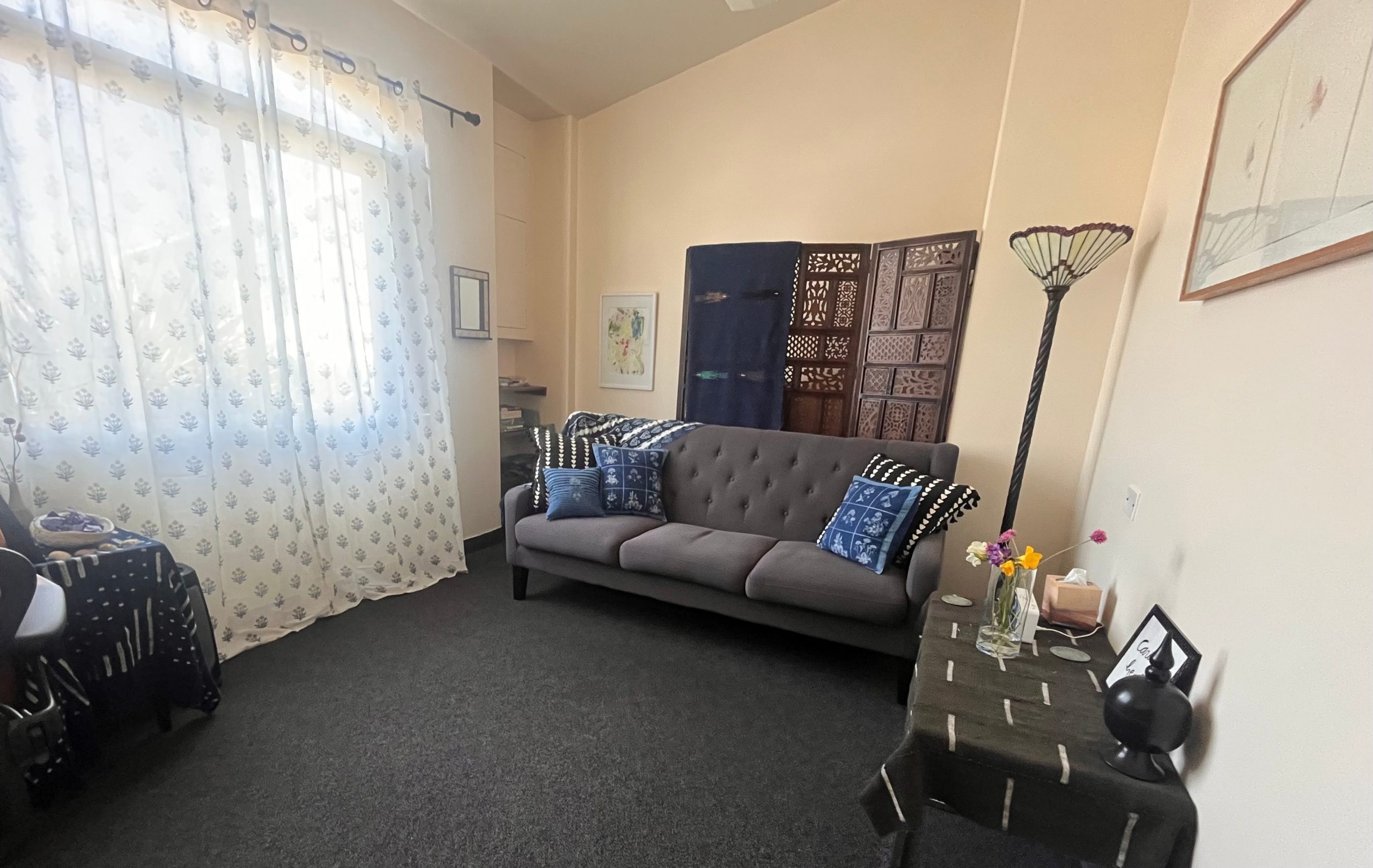
I identify as an Intersectional Relational Gestalt Therapist and I have a solo private practice in Encinitas, My years-long specialization is in geriatric therapy, and I also work with young people navigating their race, ethnicity, gender, sexuality, immigration status, and other social positions. I am most proud of creating a truly unparalleled space of warmth, inclusion, dialogue, nonjudgment, and a commitment to my clients’ truths and experiences. My clients learn very quickly how deeply I care for them and that I hold a safe space — that, to me, is my greatest accomplishment. I am generous with my presence and ability to sit with my clients in their pain and joys, no matter how great or small; I would say that that’s what sets me apart from other therapists.
We all have a different way of looking at and defining success. How do you define success?
Success to me is creating trust and safety in the lives of vulnerable people who come to me seeking support. I wake up every morning, wondering how I might make a kinder impact on the world that is mine for the day. To that end, I am wildly successful.
Contact Info:
- Website: https://www.gaurisavlaphd.com