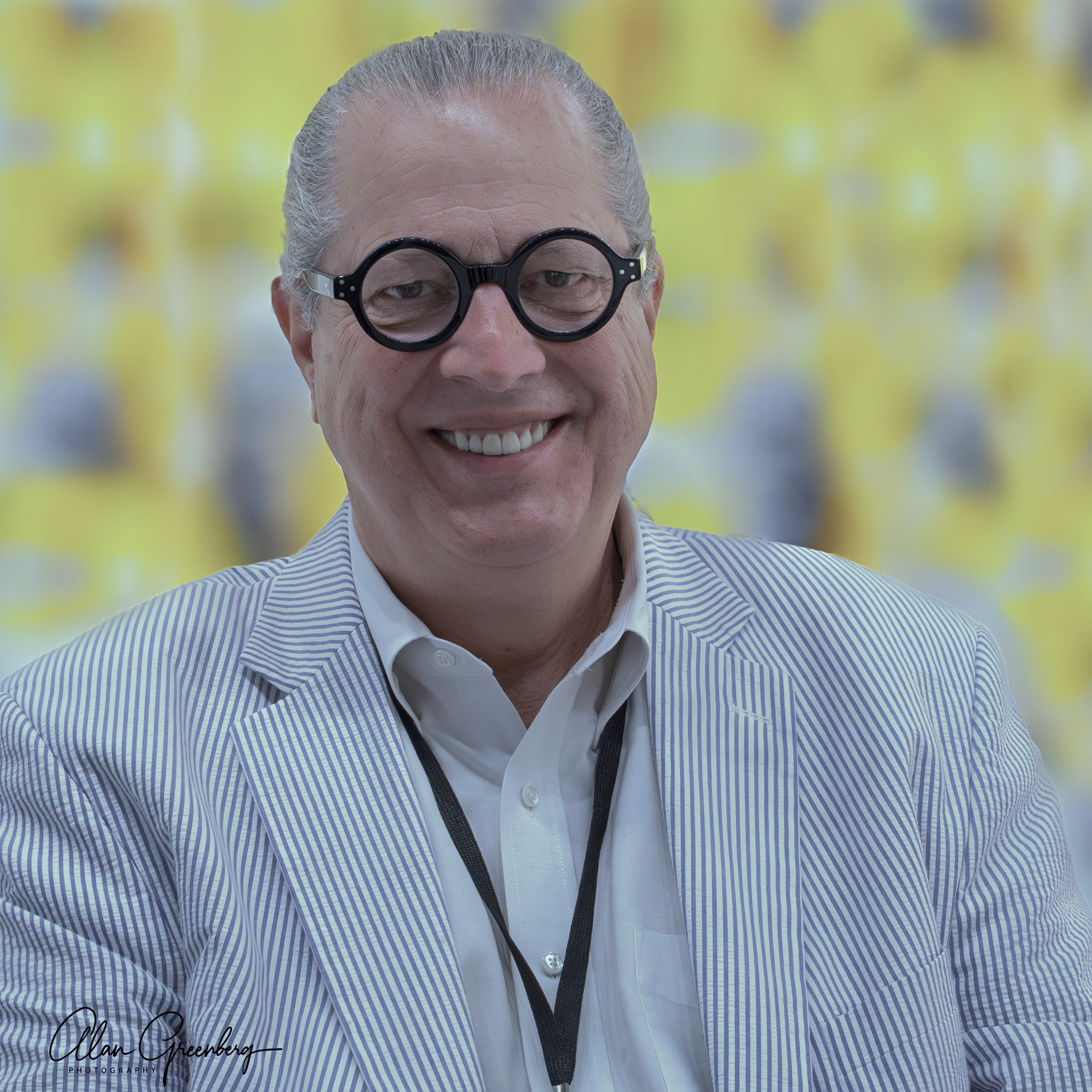
Today we’d like to introduce you to Kazmier Maślanka.
Hi Kazmier, thanks for joining us today. We’d love for you to start by introducing yourself.
I trained as an artist and never stopped — but for 35 years I was also an aerospace engineer, designing the machinery that builds things that fly. Art ran alongside the whole way, always a little hungry for hours. What took me years to notice was the quiet joke of it: the mathematics was never in the way of the art. It was the art, waiting for me to see it. So I’m not an engineer who turned to art. I’m an artist who took the long way around — and finally has the time to make the work.
We all face challenges, but looking back would you describe it as a relatively smooth road?
No, not smooth. I spent my career as an international aerospace consultant in engineering, which meant my art never got the time it deserved. Now that I’ve retired, I finally have the time — but at 71, energy is the currency I’m short on. I have to be deliberate about what I spend it on.
The bigger struggle has been support. My work isn’t the kind that finds a crowd quickly, and I’ve had to accept that making it and being recognized for it are two different projects. I keep working anyway. That’s the part I control.
Alright, so let’s switch gears a bit and talk business. What should we know about your work?
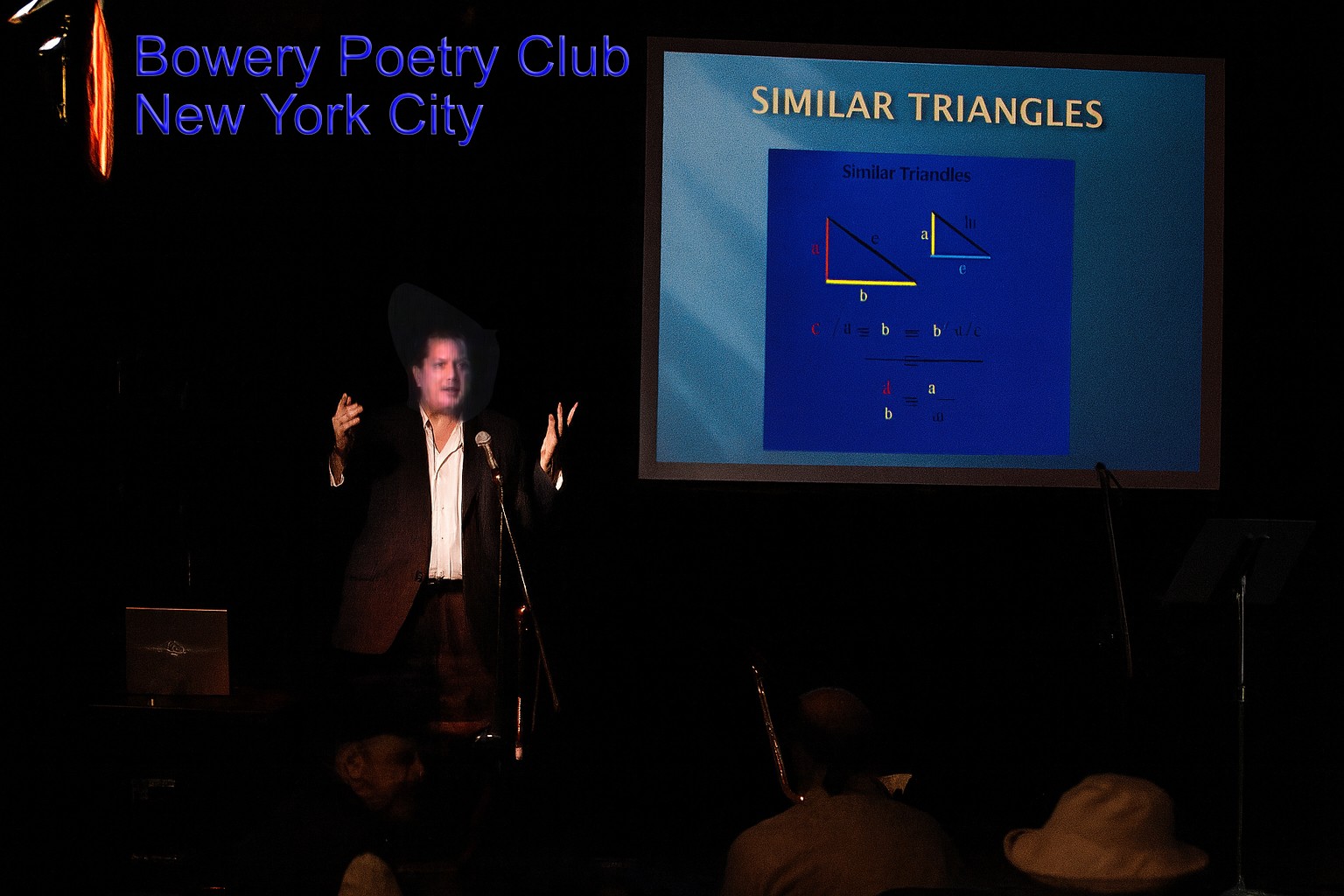
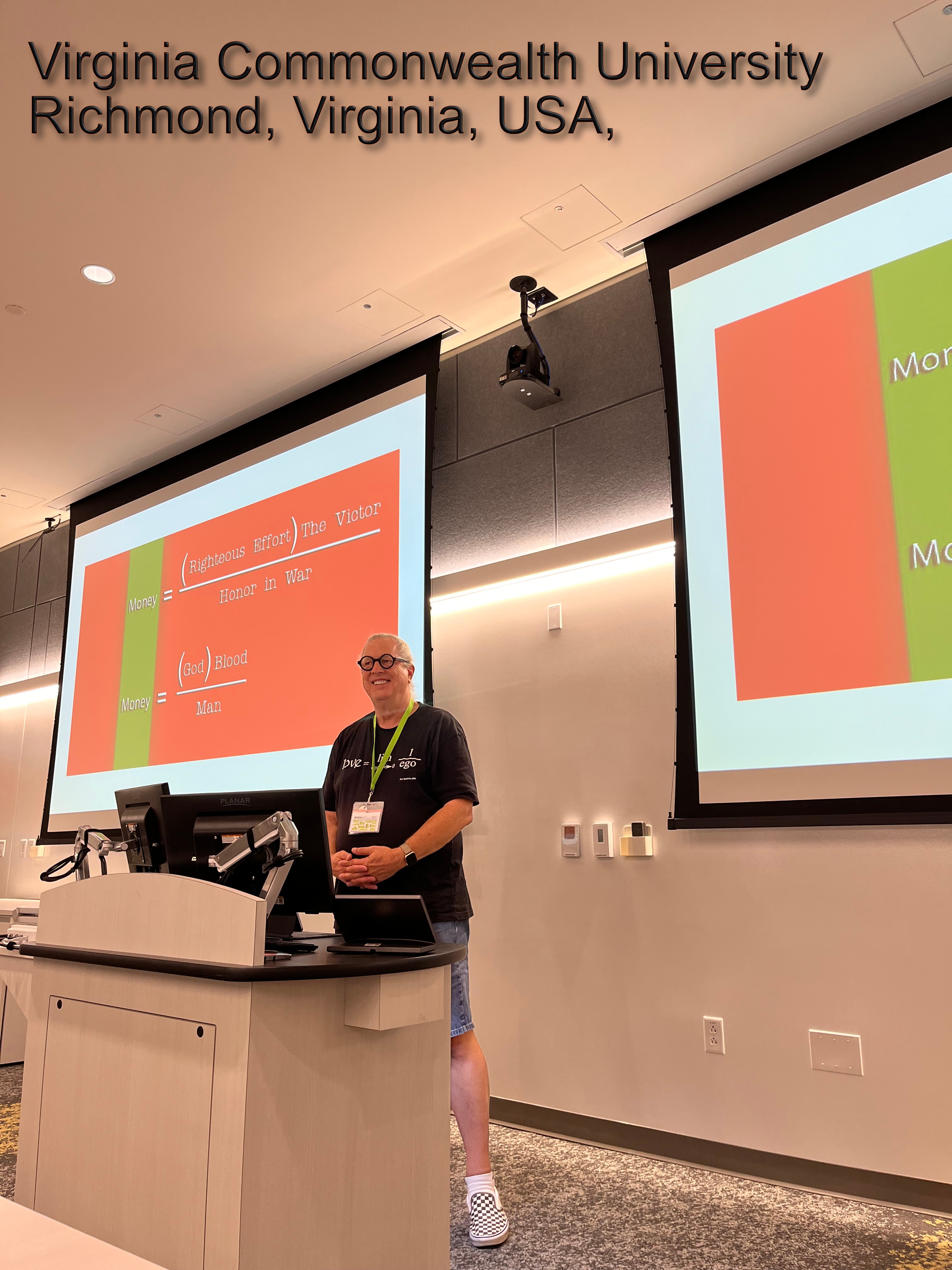
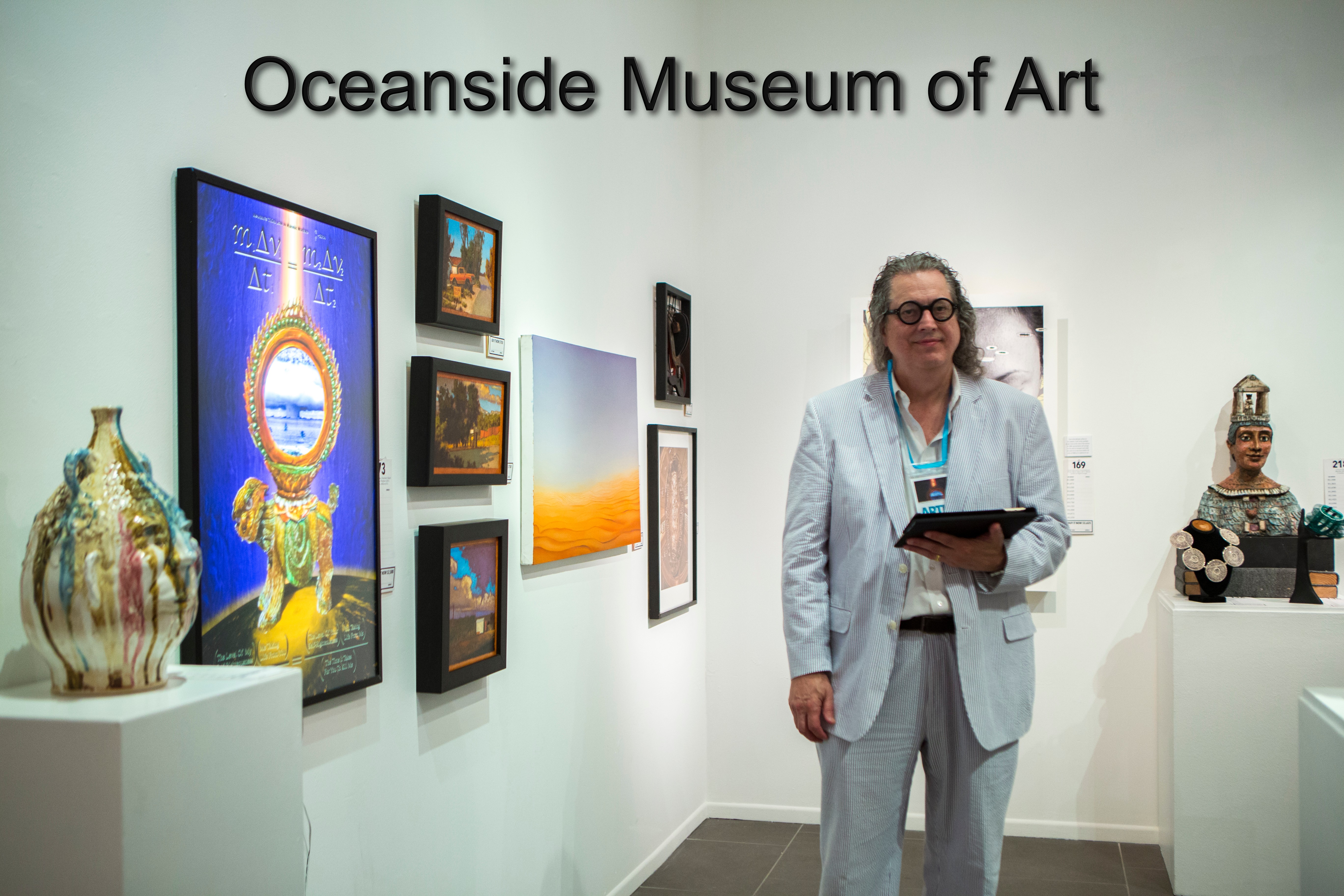
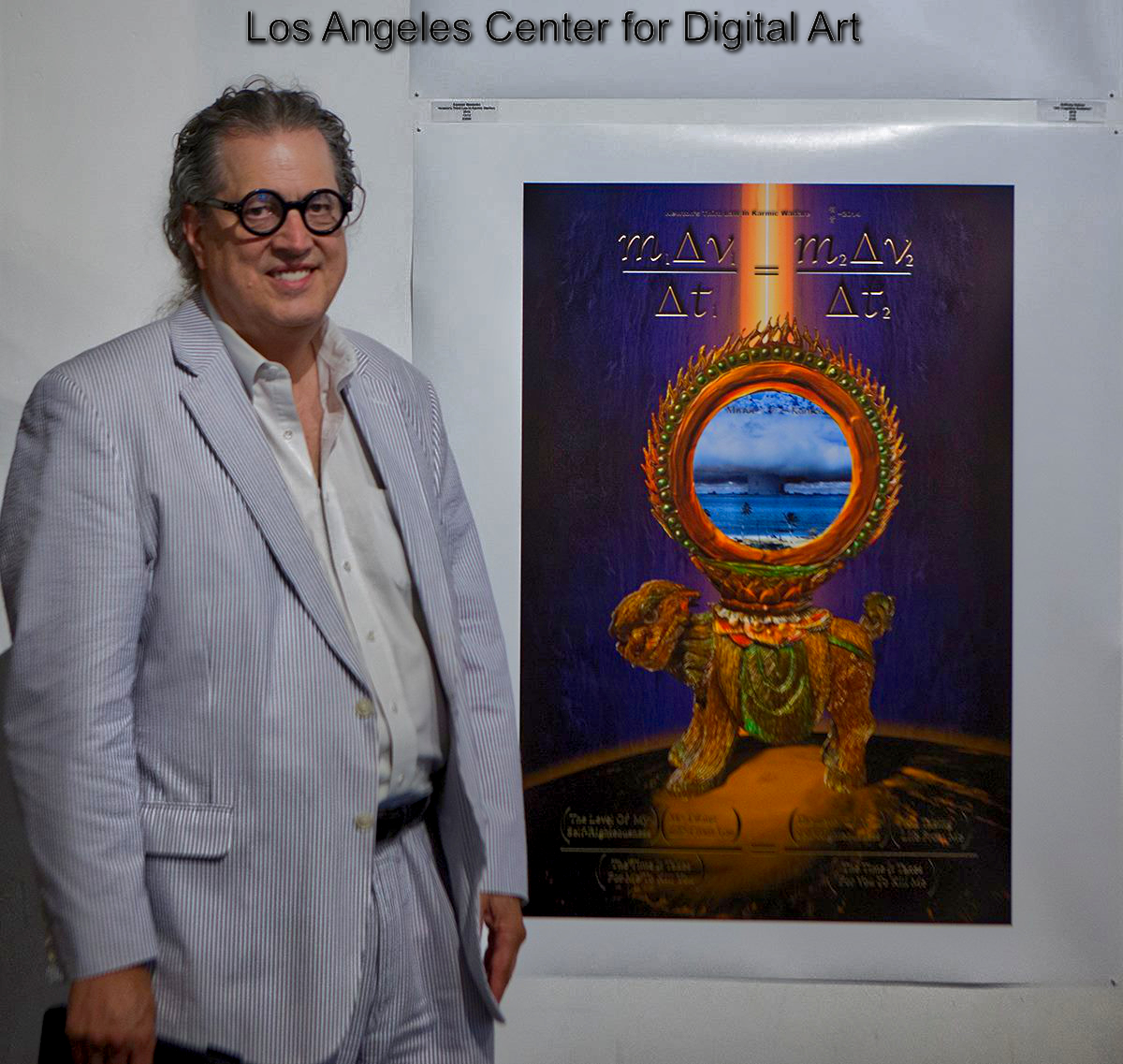
I work in visual mathematical poetry — a genre where equations function as metaphor rather than numerical calculation. In one of my paintings, a cockroach sits above a meditating figure of myself, and the ratio equals one — the numeral inscribed with the character for Buddha’s mind. Anything divided by itself equals one. So the equation says the cockroach and I are the same, and that recognizing it is Buddha’s mind. The mathematics isn’t decoration; it’s the grammar of the poem. Read the equation and you’ve read the piece.
I spent my career as an international aerospace consultant in engineering, so the language of mathematics was my working vocabulary for decades before it became my artistic one. I don’t think I could have arrived at this work any other way.
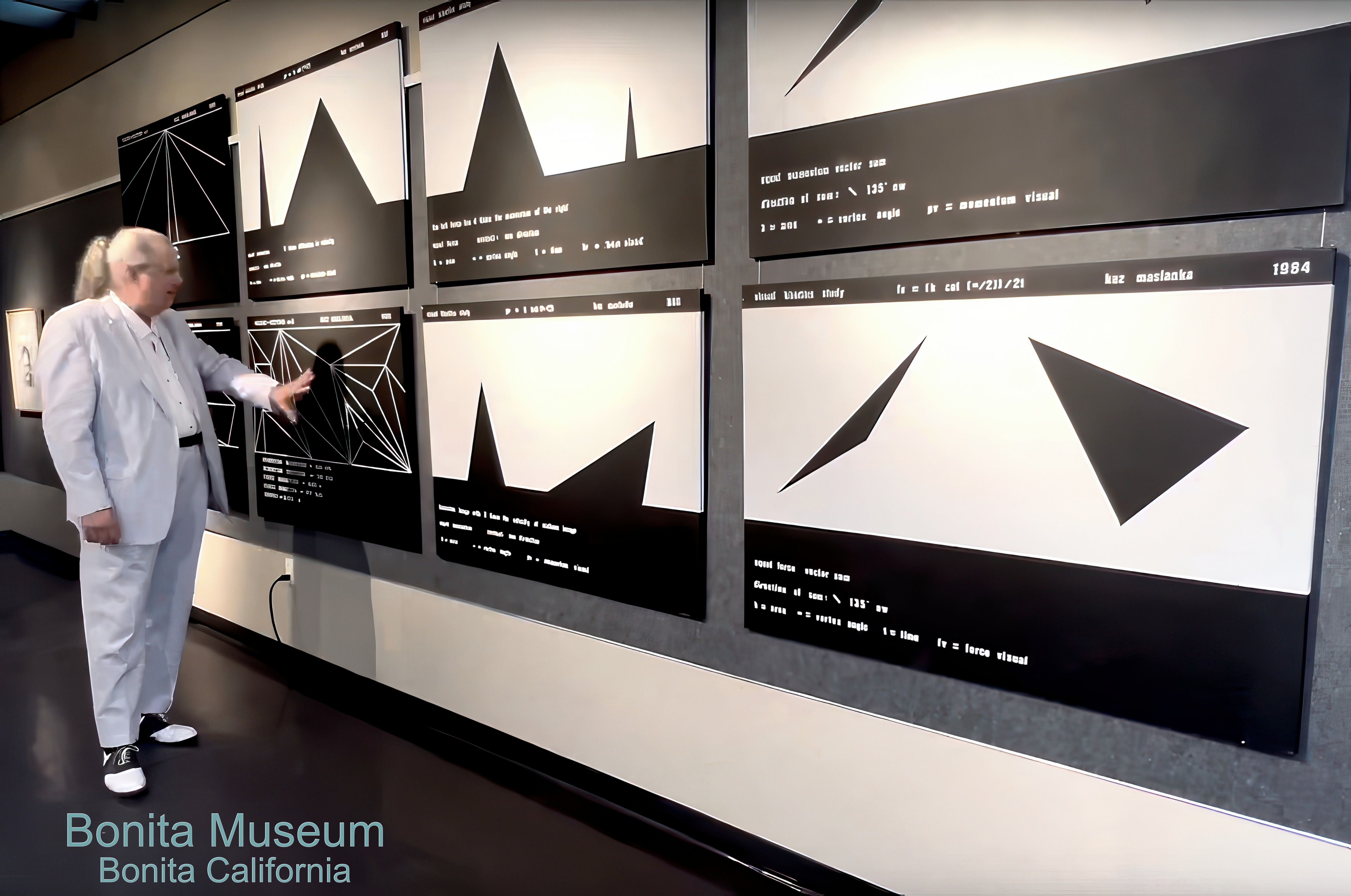
Right now I’m proudest of a few things. The Oracle of Ahmoomha has found a real audience among people willing to spend time with it. I have an acrylic-on-wood painting in Very Well Read, essentially a who’s-who of Los Angeles artists — the curator told me I’m the only San Diego artist in the show. And I’m co-curating an exhibition at the Bonita Museum of Art, History and Culture on visual poetry and its influence on modernist thinking, tracing the form from Mallarmé in 1897 through everything it has become since.
What sets me apart is probably that I’m not illustrating mathematics or making art about it. I’m writing in it.
Can you share something surprising about yourself?
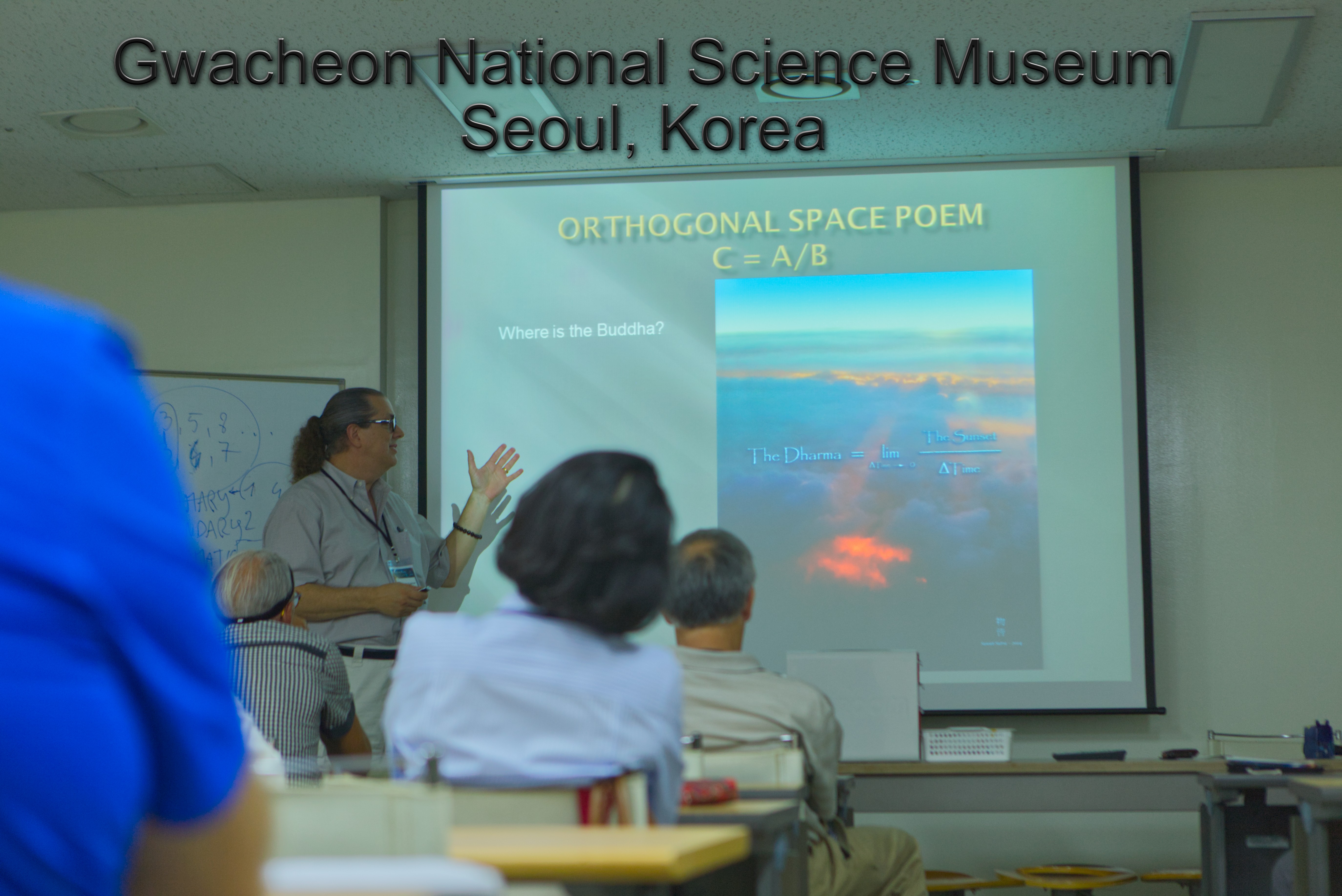
People are always surprised to learn my formal education is in art, not engineering. For 35 years I designed the machinery that builds the things that fly — helicopters, fighter jets, airliners, business jets. I even designed the molds that form the entire fuselage of the Raytheon Premier jet, a whole aircraft body born from just two enormous pieces. Not bad for an art major 😉 The other thing people never see coming is where the work truly comes from: not the hangar, but the temple. Through years spent in the monasteries of Korea, I fell into the study of Zen (Korean Seon) and it quietly rewired how I see everything. The machines taught me precision. Zen taught me what to do with it. Somewhere between those two is where the art lives.
Pricing:
- $1400 for 10000 Dharmas Return – purchase through Mat Gleason Curations in Los Angeles
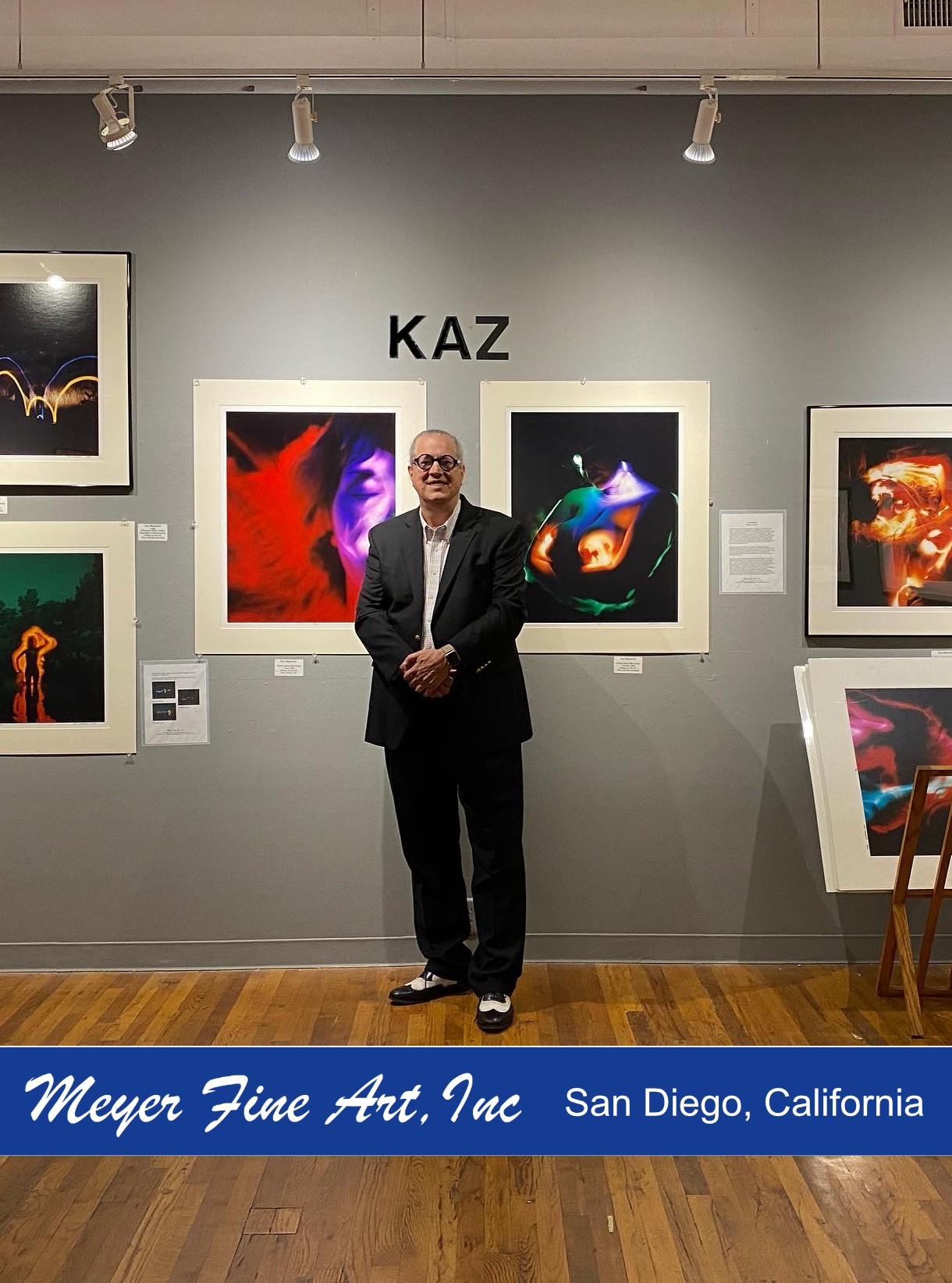
- $700 Photo-Light Paintings sold through Perry Meyer Fine Art in San Diego
Contact Info:
- Website: http://www.kazmaslanka.com
- Instagram: https://www.instagram.com/kazmiermaslanka/
- LinkedIn: https://www.linkedin.com/in/kazmier-maslanka-b599b448/
- Twitter: https://x.com/KazmierMaslanka
- Youtube: https://www.youtube.com/@mathematicalpoetry4066
- Other: https://www.youtube.com/@polyaesthetics367