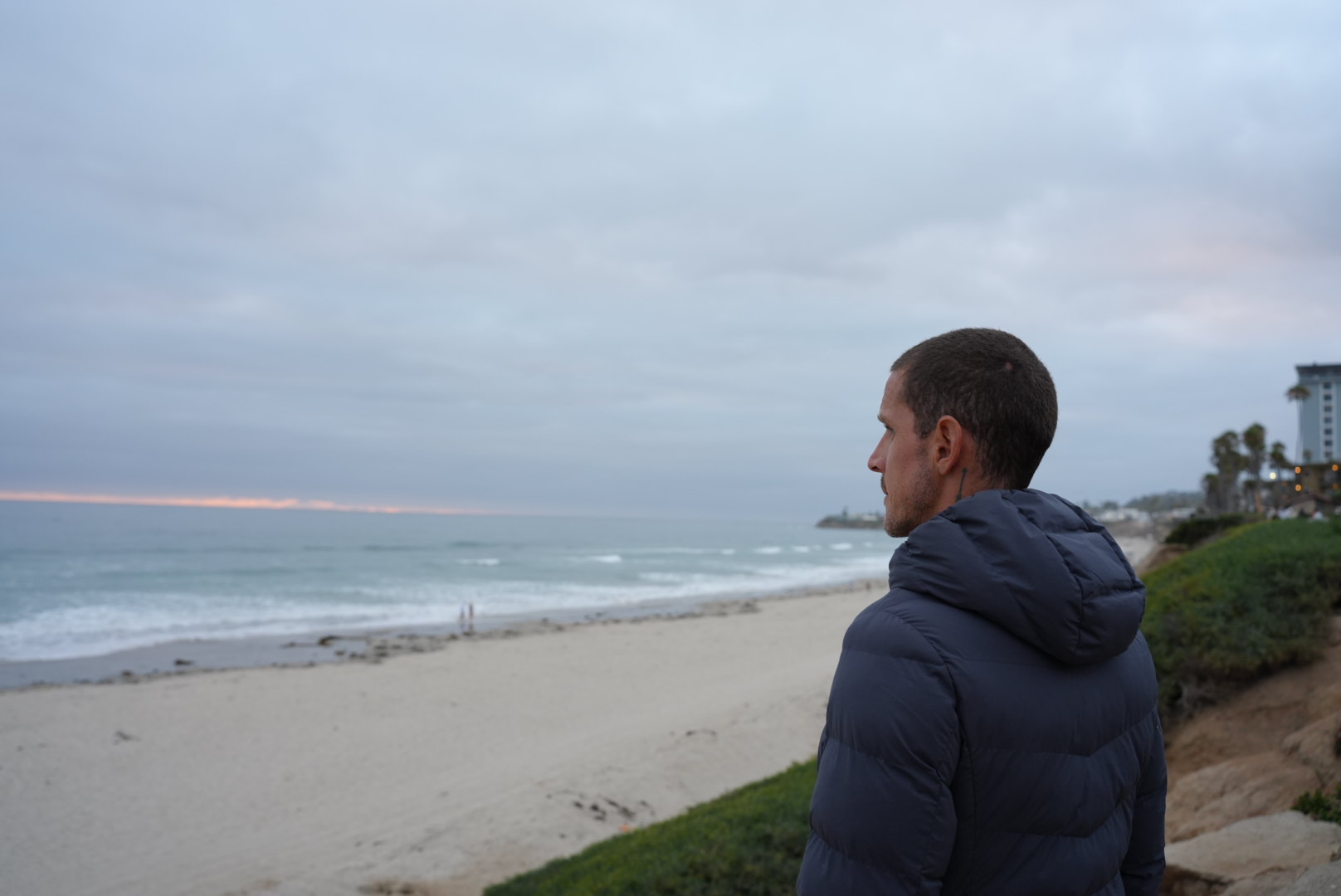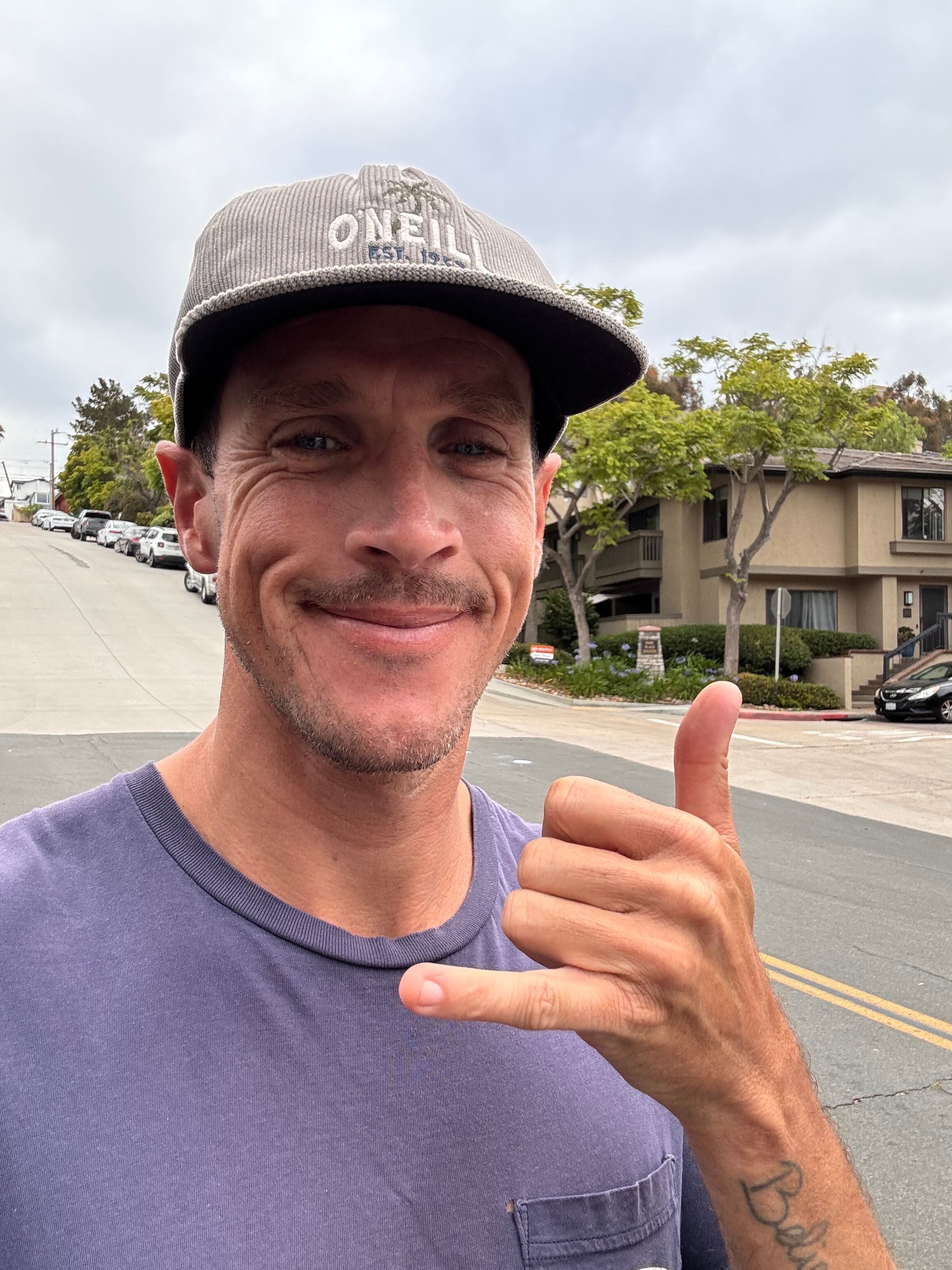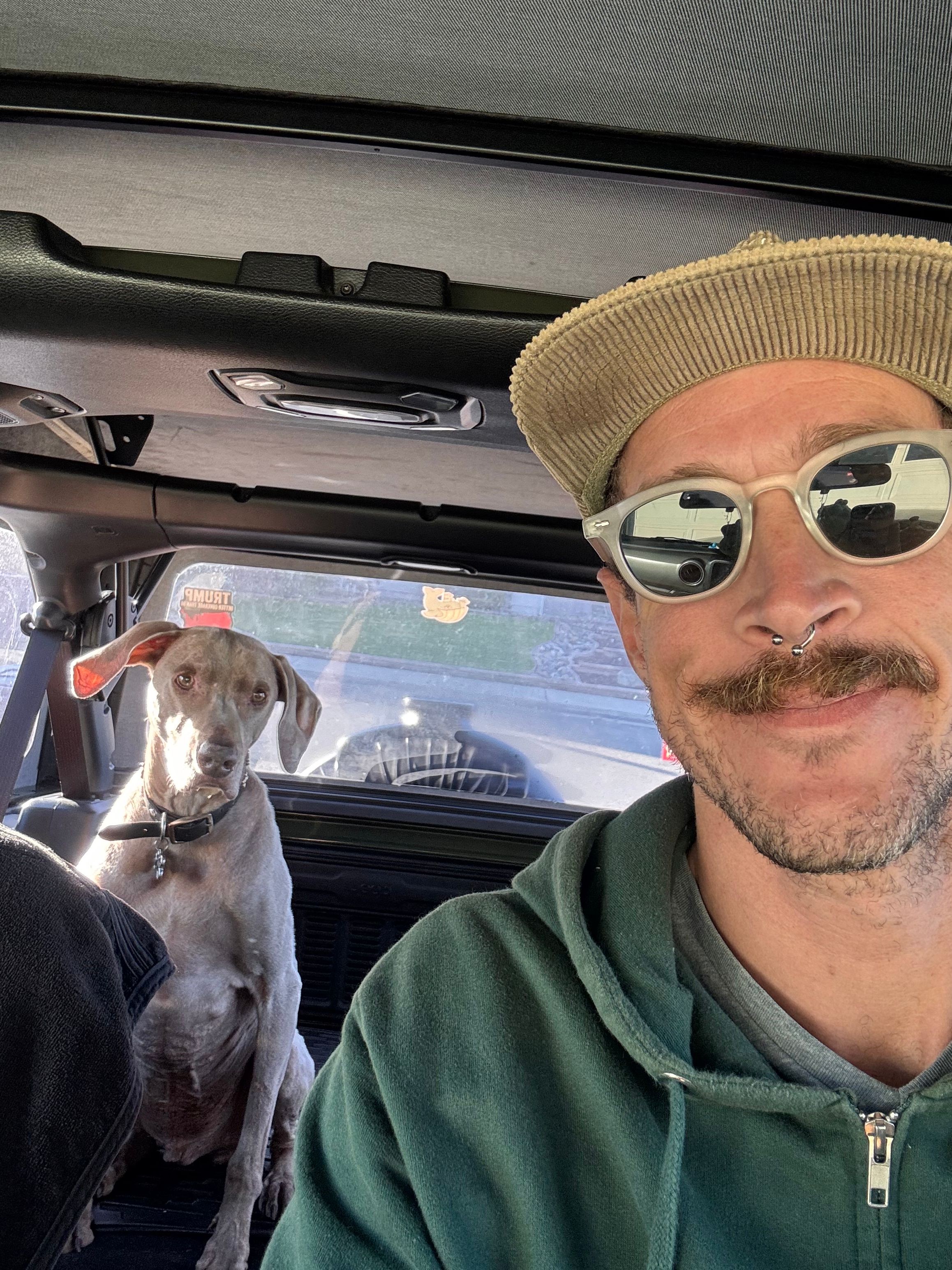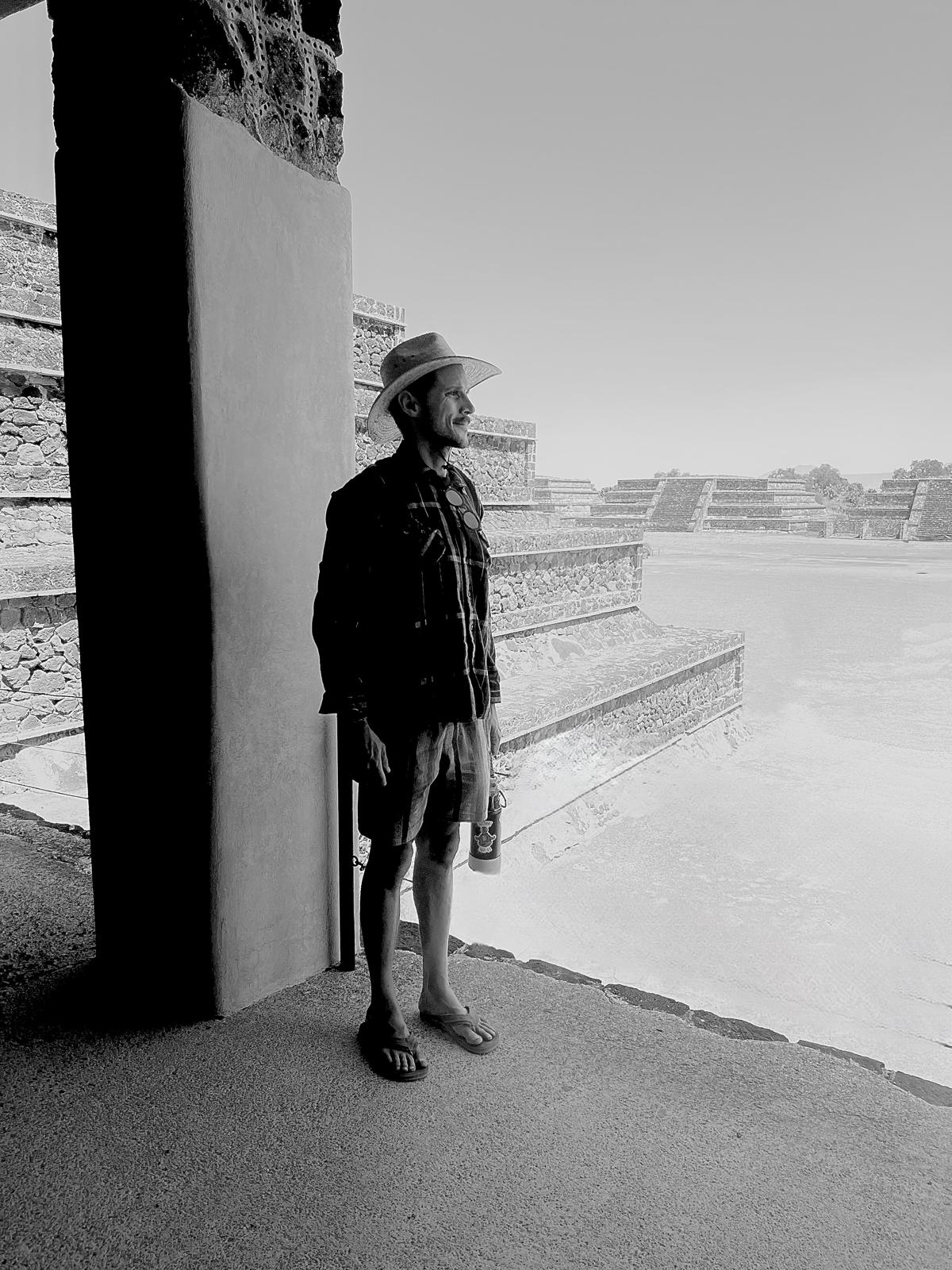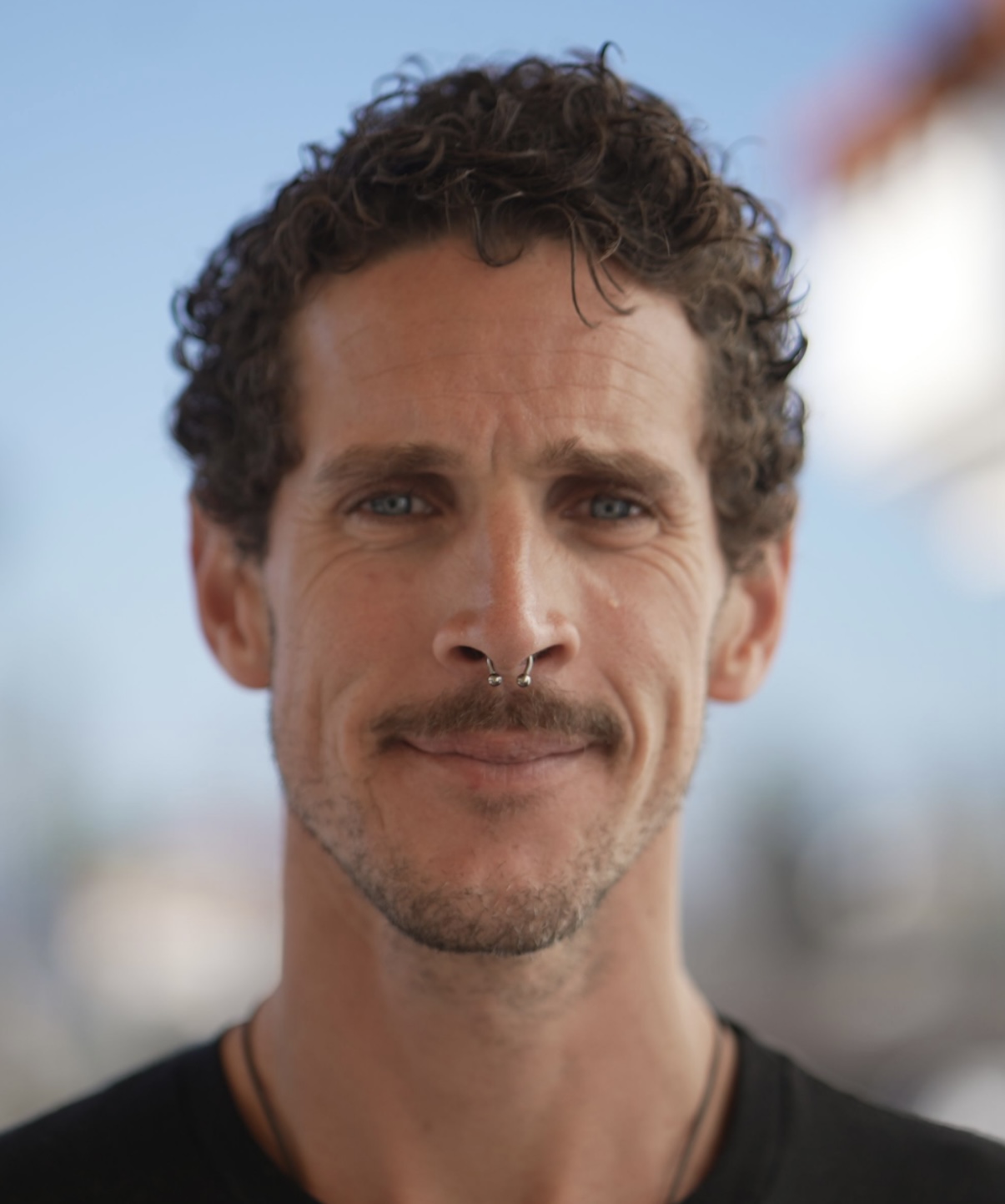
Today we’d like to introduce you to Juan Eduardo Lozano.
Hi Juan Eduardo, we’re thrilled to have a chance to learn your story today. So, before we get into specifics, maybe you can briefly walk us through how you got to where you are today?
When I was three months old, a doctor put me in corrective shoes. I was pigeon-toed — my feet turned inward — and the shoes were meant to straighten them.
They worked. My feet are fine.
But that’s the first thing that ever happened to me. Somebody looked at how I was built and corrected it before I could say a word about it. I’ve spent the rest of my life taking shoes off.
I was born in San Diego, raised in Mexico, and I’ve spent most of it translating. Not just between Spanish and English. Before either of those I saw the world in energy — pattern, frequency, what was underneath what people were actually saying. That was my first language. Nobody taught it to me and nobody asked me to have it.
Then I learned it made people uncomfortable.
So I converted. School was hard for exactly that reason — I was going from something with no name into English every time I opened my mouth. I read so I could put words on what I already felt, so people could understand me.
On the field I found the other solution. I was good at sports. I held back on purpose so I wouldn’t stand out. I didn’t want to be admired. I wanted to be allowed.
People assume the addiction started with the substances. It didn’t. It was there long before — the restlessness, the impatience, never being able to sit still, the certainty that people leave. The drinking and the drugs came later. They were just the most efficient thing I’d found.
They turned the signal down far enough that I could stand being in the room. I told myself I was chasing experiences — I went everywhere. I was running.
It cost me a decade. Relationships. My health. Things I still carry.
The moment it turned wasn’t dramatic. I hadn’t slept in days. I walked into a session and the man I was sitting with told me to look in the mirror. I looked like hell. Then he asked when I’d last eaten.
I couldn’t remember.
He got up and made me a ham and cheese sandwich.
No interpretation. No reframe. He fed my body, because my body was the thing that was starving. I had a warehouse full of insight and I was dying inside it.
That sandwich is why I work the way I work.
I spent the next decade in mental health and substance use — treatment facilities and private practices across San Diego and North County, and a lot of hours in people’s living rooms. I started with kids on the autism spectrum, moderate to severe, doing early intervention. The populations changed over the years and the settings changed, and one thing never did: the moments that actually moved people were never the clever ones. They were the ones where somebody’s body finally got what it needed.
In 2020, mid-pandemic, still in grad school, I launched Mindful Juan. The timing was terrible. I did it because I was done waiting.
Now I work with men. Men who built the life that looks right — the career, the marriage, the house — and feel nothing inside it. We work on the ground, barefoot, through the breath and the body, because that’s the door that was still open for me when every other one had closed.
The thing I was corrected for became the thing I do. Thirty years of learning to put words on what I felt so people could understand me — now I sit with a man who feels something enormous and has no language for it, and I hand him the words. Then I get him out of words and onto the ground.
The shoes went on before I could object. They worked. They still came off eventually.
Most men are wearing something somebody else put on them. Usually it worked. Usually nobody asked.
My job is helping him find the buckle.
Can you talk to us a bit about the challenges and lessons you’ve learned along the way. Looking back would you say it’s been easy or smooth in retrospect?
No. And the parts that were hardest weren’t the ones I expected.
The obvious struggle is the one I already told you about — the years I spent numbing, and what they cost.
But the harder one came after. I got clear, I did the work, I finished the supervised hours. Everything was in place. And I stood there and realized I didn’t want to walk through the door I’d spent a decade earning.
That’s a strange kind of grief. Nobody congratulates you for leaving something you were good at.
Then there’s the one I genuinely didn’t see coming.
I spent my whole life learning not to stand out. That was the strategy — hold back in sports so nobody looks too closely, drink enough to blend into the room, be the version of me that made everyone comfortable. I was excellent at it.
This work requires the exact opposite. It requires being seen, on purpose, saying things most men won’t say out loud.
My first video took ninety minutes to record. Ninety minutes, for forty seconds of talking. Not because I didn’t know what to say — I knew exactly what to say. Because something in me still believes that standing out is dangerous.
That isn’t resolved. I just do it anyway now.
And then there’s the unglamorous part nobody puts in these interviews. Building something honest means a lot of hours that look nothing like the work — insurance, agreements, attorneys, being careful about what you call things and why. None of it is inspiring. All of it is real.
What keeps me going is small. A man messages me and says something he’s never said to anyone. Not a client — just a man who watched a video and felt permission for about four seconds.
That’s the whole business, actually. That’s what I’m building.
Thanks – so what else should our readers know about mindfulJuan?
Mindful Juan. I also go by The Barefoot Coach, and the name is literal.
I work with men. Specifically, men who built the life that looks right from the outside — the career, the relationship, the house — and feel almost nothing inside it. The men everyone leans on, who nobody actually asks about.
Let me be clear about what this is, because the line matters: this is coaching, not therapy. I don’t diagnose or treat mental health conditions. Over a decade in mental health and substance use informs how I work — it isn’t what I’m offering.
What sets it apart is where we start. Most work aimed at men starts in the head — understand the pattern, name it, build a strategy around it. The men I work with have already done that. They’re smart. They’ve read the books. They can describe their own patterns better than most professionals could. And nothing changes.
So I start with the body. Breath, ground, food, movement, sleep. Not because it’s gentler — because it’s the door that’s still open when a man has been thinking about something for fifteen years and getting nowhere.
The other thing I do differently is that I don’t treat what a man built as a defect.
Most men are carrying something they picked up young, usually from another man doing his best with what he had. Don’t cry. Don’t need too much. Hold the line. That armor worked — it got him through things. The problem is it doesn’t fit the life he’s in now, and nobody ever told him he was allowed to take it off.
I’m not trying to fix him. I’m helping him find the buckle.
Right now the work is one to one — conversation, breath, and body-based practice. I’m also building an eight-week group program for men, which is where I think the real medicine is. Part of what’s missing isn’t skill. It’s other men. Most men have nobody who’ll ask them a real question and stay for the answer.
What I’m proudest of isn’t a metric. It’s that men message me and say things they’ve told nobody. Not clients — strangers, who watched a forty-second video and felt permission for about four seconds.
That’s the whole thing. If a man feels less alone in his own house because of something I said, I’ve done my job.
What does success mean to you?
Napoleon Hill defined success as reaching your own definite chief aim without violating the rights of other people. I’ve never found a better one.
Two things in that definition do all the work, and most men skip both.
The first is definite. You have to actually know what you’re after. Not a vague sense of more — a specific aim you could say out loud. Most men can’t. They’re chasing something hard, and if you ask them where it came from, they go quiet.
The second is your own. Hill says your aim. Most men are running someone else’s — a father’s, a culture’s, a version of a man they saw once and assumed was the standard. They hit it. And they feel nothing, because it was never theirs to want.
That’s most of my work, honestly. Not helping a man go faster. Helping him find out whose aim he’s been chasing.
And then the last part, which I think is the whole thing: without violating the rights of others.
A lot of men hit the target and level the house to do it. The marriage. Their health. The years they weren’t there. That isn’t success. That’s a bill arriving later.
So here’s mine.
Success is when the man inside matches the man in the room. No gap between who I am and who I’m performing, and no energy spent holding both.
And I measure it by the room, not the résumé. Is my family safe with me? Do the people closest to me get the real version? Can a kid be a kid around me — or does everyone adjust when I walk in?
That’s the metric.
Everything else is scoreboard.
Contact Info:
- Website: https://www.mindfuljuan.net
- Instagram: @mindfuljuan