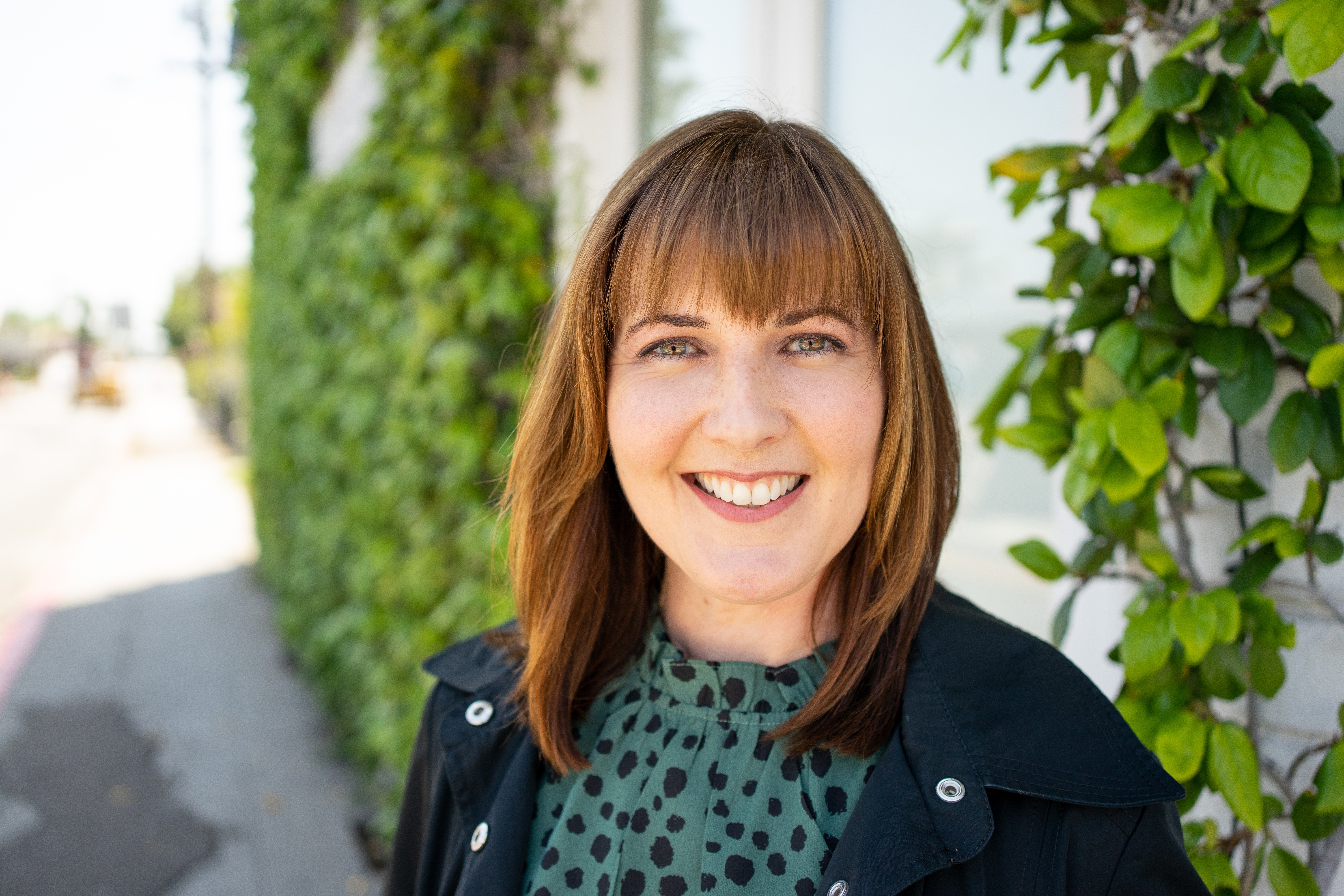
Today we’d like to introduce you to Kristy Fillmore.
Kristy, we appreciate you taking the time to share your story with us today. Where does your story begin?
I’m a Registered Nurse and have worked in nursing for more than 20 years, but when I was in high school, I didn’t know much about nursing or health care careers at all. We had a family friend who was a paramedic, though, and I remember hearing some of his stories and thinking that sounded interesting and exciting, and maybe I could do that.
After high school, I completed a paramedic program and loved learning about health care. Through my clinical experiences, I spent time in emergency departments and saw what nurses actually did. I remember thinking it was too bad I hadn’t realized sooner, because I probably would have just done that! Soon after completing the paramedic program, I enrolled in a three-year nursing program, and that’s when I really started to understand how many different directions you could go in nursing. I was excited about all of the possibilities, and different specialties.
My early career was a little all over the place because I worked as a travel nurse. After becoming an RN, I moved between Canada and the U.S., working in Connecticut, California and back in Canada again. I wasn’t thinking, I’m going to work all over the place so I can develop a broader perspective on nursing. I was just living my life. But I did see a lot. I worked in different hospitals and health care systems and saw how differently and sometimes how similarly patient care was organized from one place to another. I also encountered some of the same frustrations with systems and nursing practice in different places, and I became interested in finding ways to improve them.
I kept going back to school. I completed my bachelor’s degree while working and later returning to Canada for a master’s degree in nursing leadership and health services delivery. After that, I came to San Diego and stayed. I eventually met my husband and started a family here, and I’ve now been at Sharp for more than a decade, where I’ve been fortunate to work as part of a great Nursing Professional Development team.
I’m also pursuing a PhD in nursing, which grew from observations and questions that came out of my everyday nursing practice. Many of those questions involve nursing support staff (nursing assistants) and the important role they have in direct patient care, how they work with nurses, and how we can better prepare and support them in that role.
We all face challenges, but looking back would you describe it as a relatively smooth road?
I would describe the road as winding. For many years, I never really stayed anywhere very long. I moved between Canada and the U.S., worked in different hospitals and cities, and every time I moved I had to figure things out from the beginning like the hospital culture, the job, the people, the city, and how to make friends somewhere new. I got good at starting over though! I learned to ask a lot of questions, get to know people and figure things out. Because I was often the new person, I also noticed the people who went out of their way to help. I remember the people who were genuinely welcoming, answered my questions, taught me something, or helped me find my way in a new place. Those experiences have probably influenced how important it is to me now to help create environments where people feel supported, have opportunities to learn, and don’t always have to figure everything out on their own.
The challenges for me are different now. I work full-time, have two boys, and am about to begin the research for my PhD, so these days it’s mostly a question of how to fit everything in and how to be present in the different roles I’m balancing.
Alright, so let’s switch gears a bit and talk business. What should we know about your work?
I work in Nursing Professional Development at Sharp Grossmont Hospital. My work mostly includes nursing education, nursing practice issues, and patient safety and improvement projects, usually in collaboration with different people and teams throughout the hospital. I also coordinate nursing student placements at Grossmont in partnership with our system team and the nursing schools we work with.
One area of my work that has become especially important to me is supporting nursing assistants and creating more opportunities for them to learn and grow. Hospitals invest a great deal in education and professional development for nurses, but historically there have been fewer opportunities specifically designed for nursing assistants, even though they provide a substantial amount of direct patient care.
My interest in this topic actually grew out of a patient bathing project. We were implementing an infection-prevention practice across the hospital, and as I examined our bathing practices, it became clear how essential the role of nursing assistants is in that process. A bath can sound relatively basic, but there is a lot happening during that interaction. It provides an opportunity to talk to patients, visualize the skin, and be close enough to notice when something doesn’t seem right.
That got me asking more questions about how nursing assistants are incorporated into nursing education initiatives. They help provide some of the most fundamental care hospitalized patients need, like bathing, eating, walking, and getting to the bathroom. But they’re also observing patients and communicating what they see and hear to the RNs overseeing their care. I became increasingly focused on what we were doing to support nursing assistants to be successful in that role and how we could create more learning opportunities specifically for them.
One of the gaps I noticed was continuing education. Many of our nursing assistants are also Certified Nursing Assistants (CNAs) who need continuing education to maintain their certification, yet there weren’t many opportunities geared specifically toward the acute-care hospital environment. I went through the process for our Nursing Professional Development department to become an approved CNA continuing education provider in California. We then began developing classes specifically for nursing support staff on topics they encounter in the hospital, including falls, infection prevention, bathing, bladder management, teamwork and communication, diabetes, end-of-life care and other acute-care topics. My hope is to continue expanding those opportunities within our health system and eventually make classes available to CNAs in the broader community as well.
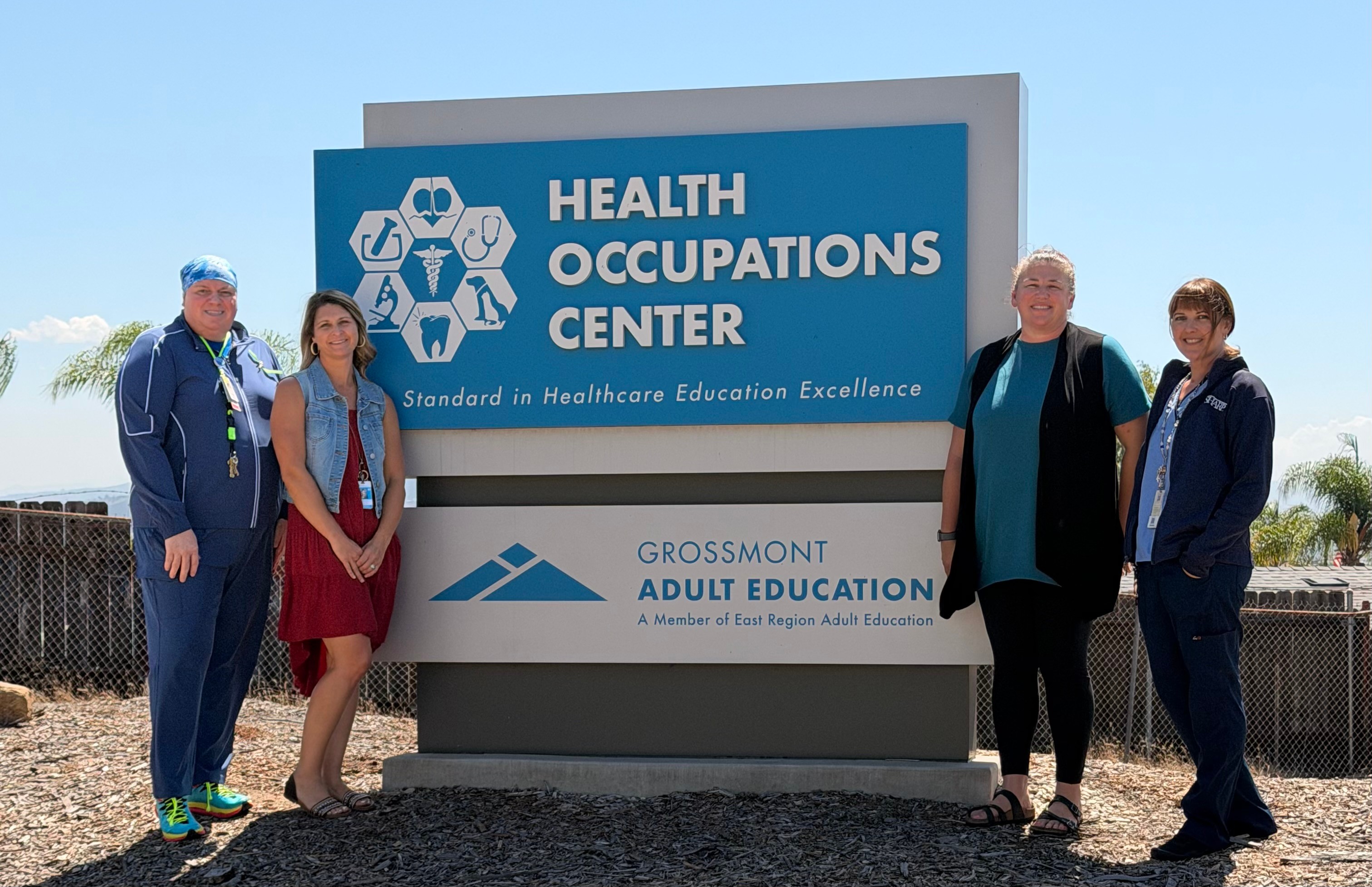
This work grew from an amazing partnership with the team at the Health Occupations Center. What I appreciate about working with them is how collaborative and open they are to trying something new. I can bring an idea that isn’t completely worked out yet, and they’re willing to sit down and figure it out with me. They bring their expertise in CNA and adult education, and I bring what we see and need from the hospital nursing side. One issue we kept discussing was the transition from traditional CNA education into acute-care hospital work. CNA programs provide important foundational preparation, but traditional CNA education is largely focused on long-term care. Nursing assistants who want to work in hospitals may have limited opportunities to experience the pace, complexity, and higher-acuity patients they will encounter in acute care. From those conversations, our teams developed an Acute Care CNA continuing education program that brings those pieces together. The Health Occupations Center provides the classroom education, and Sharp Grossmont provides the clinical experience where students work alongside hospital staff and learn in the acute-care environment.
That program is something I’m especially proud to be part of because it creates another opportunity for people to grow. Several students have since been hired into nursing assistant positions at our hospital, and many are interested in eventually becoming nurses. They get an opportunity to understand hospital nursing and build on their skills before taking that next step. It also gives our hospital staff an opportunity to teach, mentor and support people who may become future colleagues.
Underlying this work has been a question about how nursing assistants experience working with RNs and each other when coordinating care for the same patients that I couldn’t answer through education alone. It eventually became the focus of my PhD research.
I’ve been fortunate to work in an environment where I’ve had enough flexibility to bring forward an idea, ask whether we could try something, and then find people with different expertise who are willing to figure out how to make it work. The continuing education classes, Acute Care CNA program and my research weren’t things I mapped out in advance. One thing really did lead to another, and much of it started with examining something as ordinary as giving a patient a bath and asking more questions about what I was seeing.
How do you define success?
My definition of success has likely changed over time. For me, success is not necessarily an end point even though I think part of it includes achieving a set goal. I think of it more in terms of growth and impact and whether the work I’m doing contributes or creates something meaningful for the nursing profession, and specifically, other people.
Contact Info: