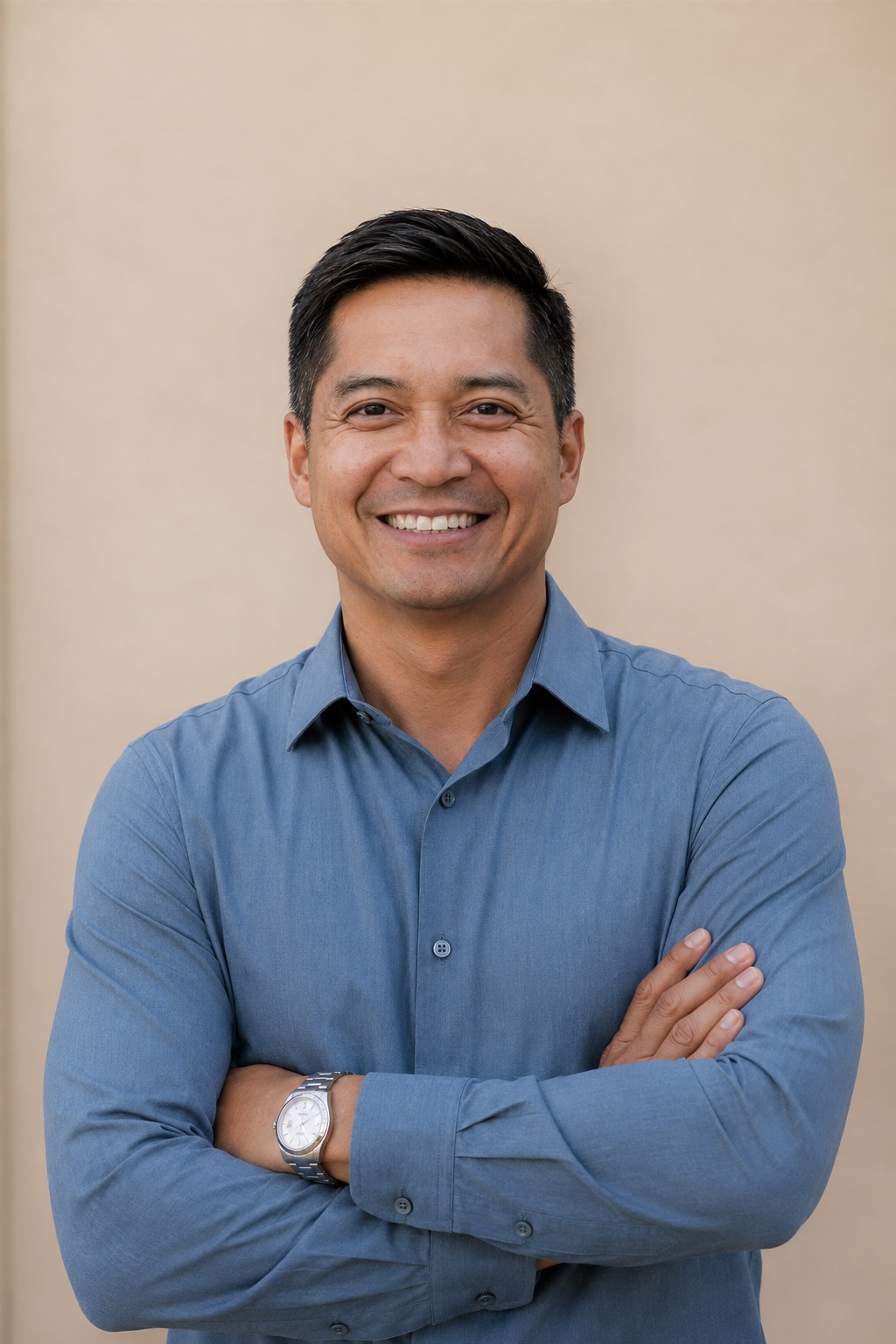
Today we’d like to introduce you to Steven-Paul Lapid.
Hi Steven-Paul, so excited to have you on the platform. So before we get into questions about your work-life, maybe you can bring our readers up to speed on your story and how you got to where you are today?
My story began more than 25 years ago when I joined the U.S. Navy. At the time, I could not have predicted where that decision would take me. I entered the Navy as an enlisted Sailor and began my career working in technical fields, first in electronics and later in information systems. Those early years gave me my first real exposure to leadership, as I experienced what it meant to be part of a team and saw firsthand the difference that good leadership could make.
As I gained experience, my ambitions began to grow as well. I became interested not only in doing my job well, but in taking on greater responsibility and finding ways to contribute at a higher level. That eventually led me to apply for a competitive Navy program that would send me to college and provide the opportunity to earn a commission as an officer. Being selected changed the trajectory of my life.
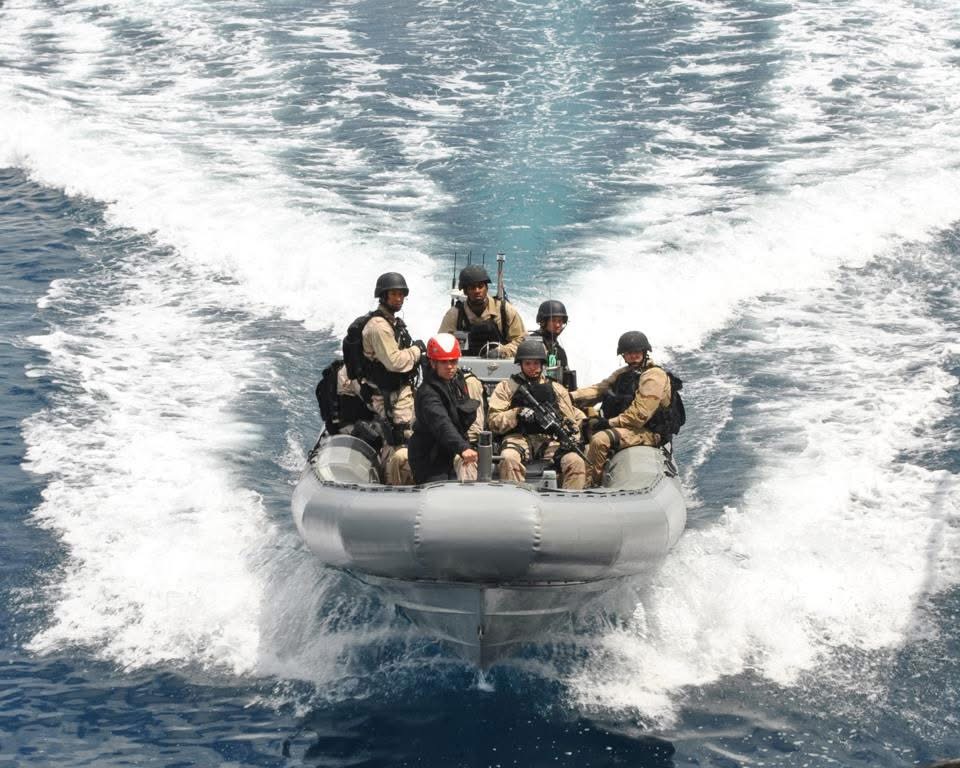
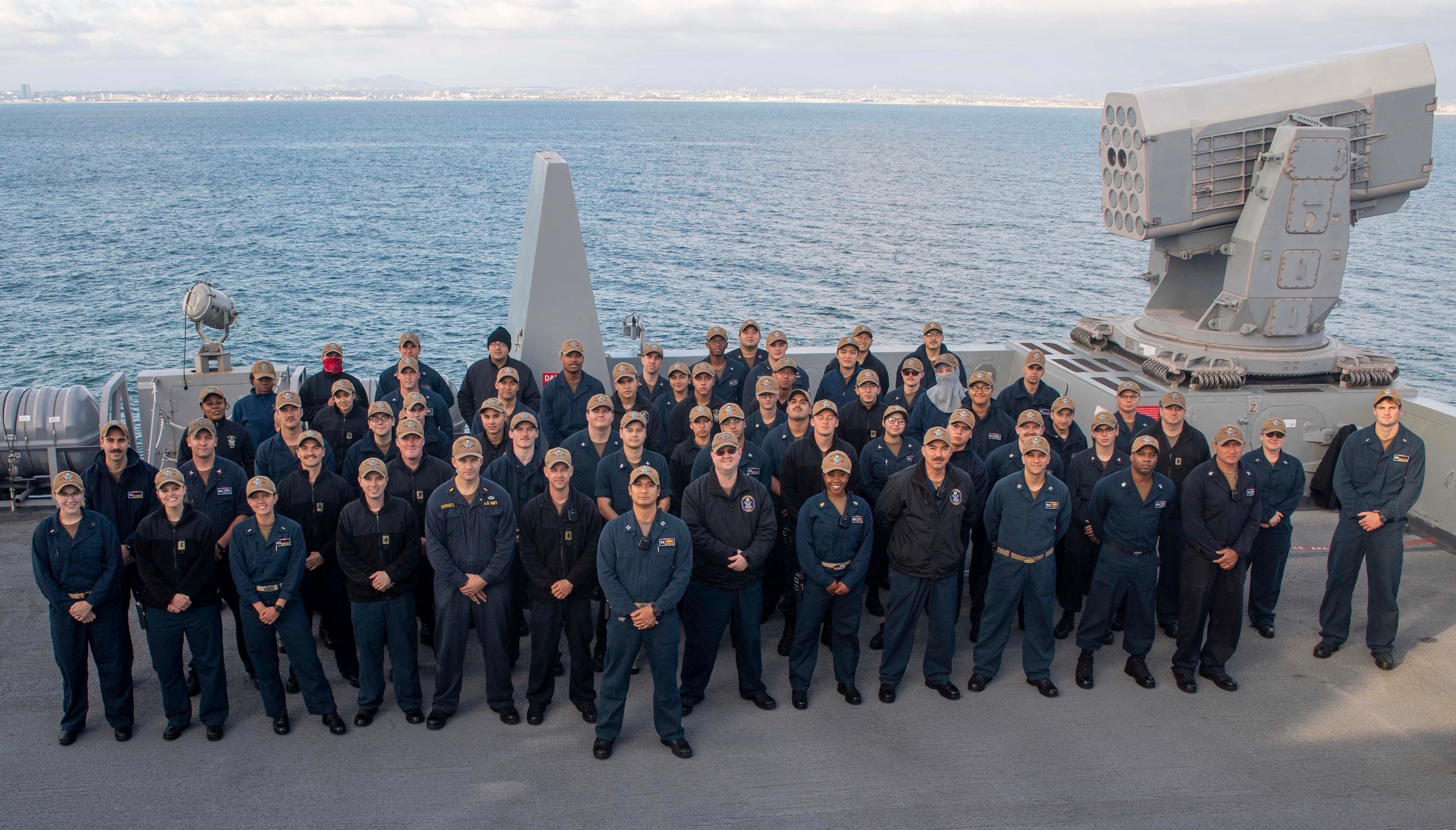
That transition from enlisted Sailor to officer became an important part of how I came to understand leadership. I had the opportunity to experience the Navy from different perspectives and eventually lead Sailors whose positions were not far removed from where I had started. Over the course of my career, I served aboard destroyers, cruisers, and amphibious warships, supported Navy SEAL teams, and worked with commands around the world.
What stayed with me throughout that journey was an interest in leadership, particularly how people develop into leaders and how values, trust, communication, and decision-making shape organizations. After retiring from active duty, I remained connected to the Navy through my work developing training and readiness policies for the fleet here in San Diego, while also beginning to think more deliberately about how I could contribute to leadership development beyond my own career.
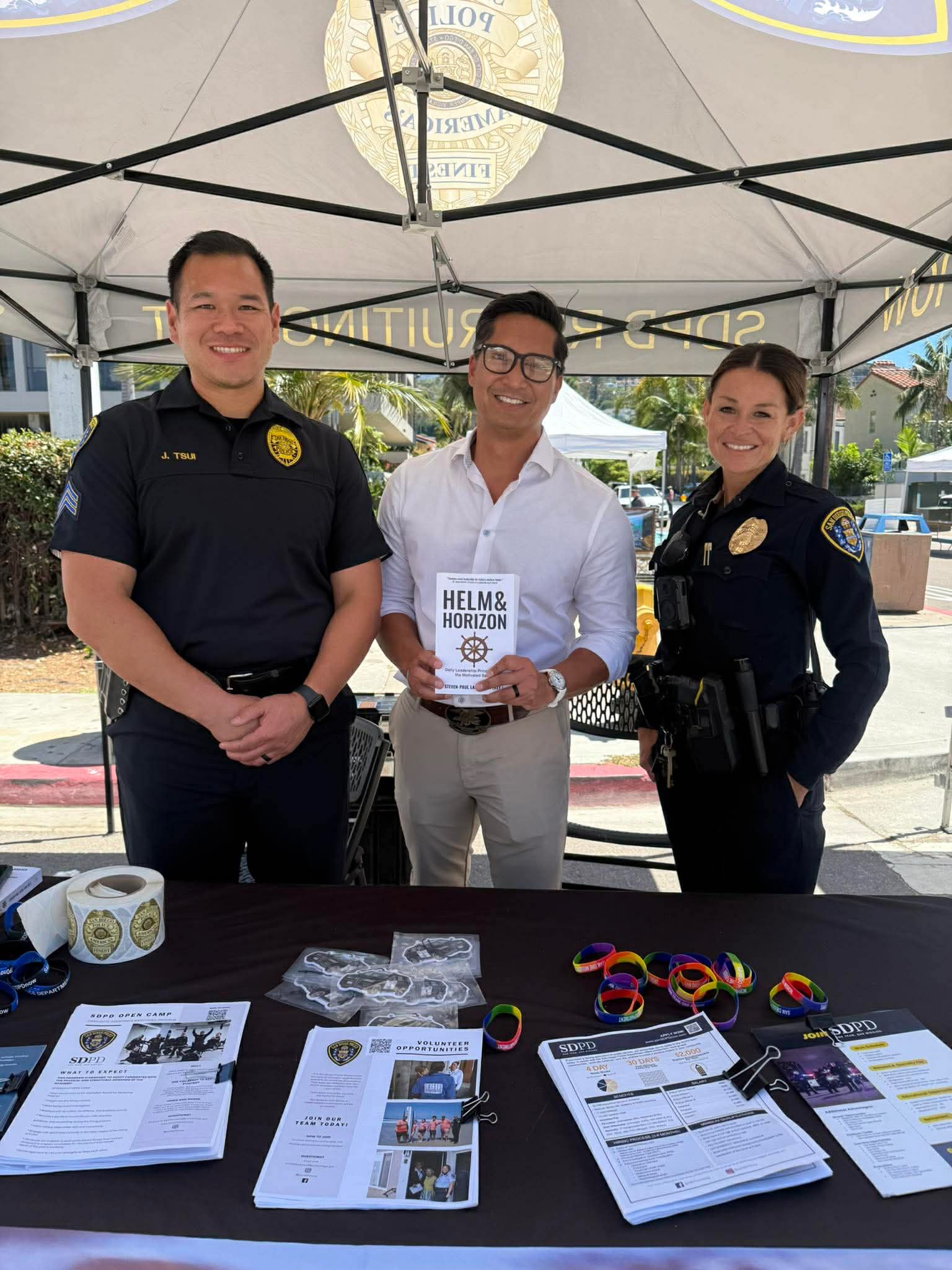
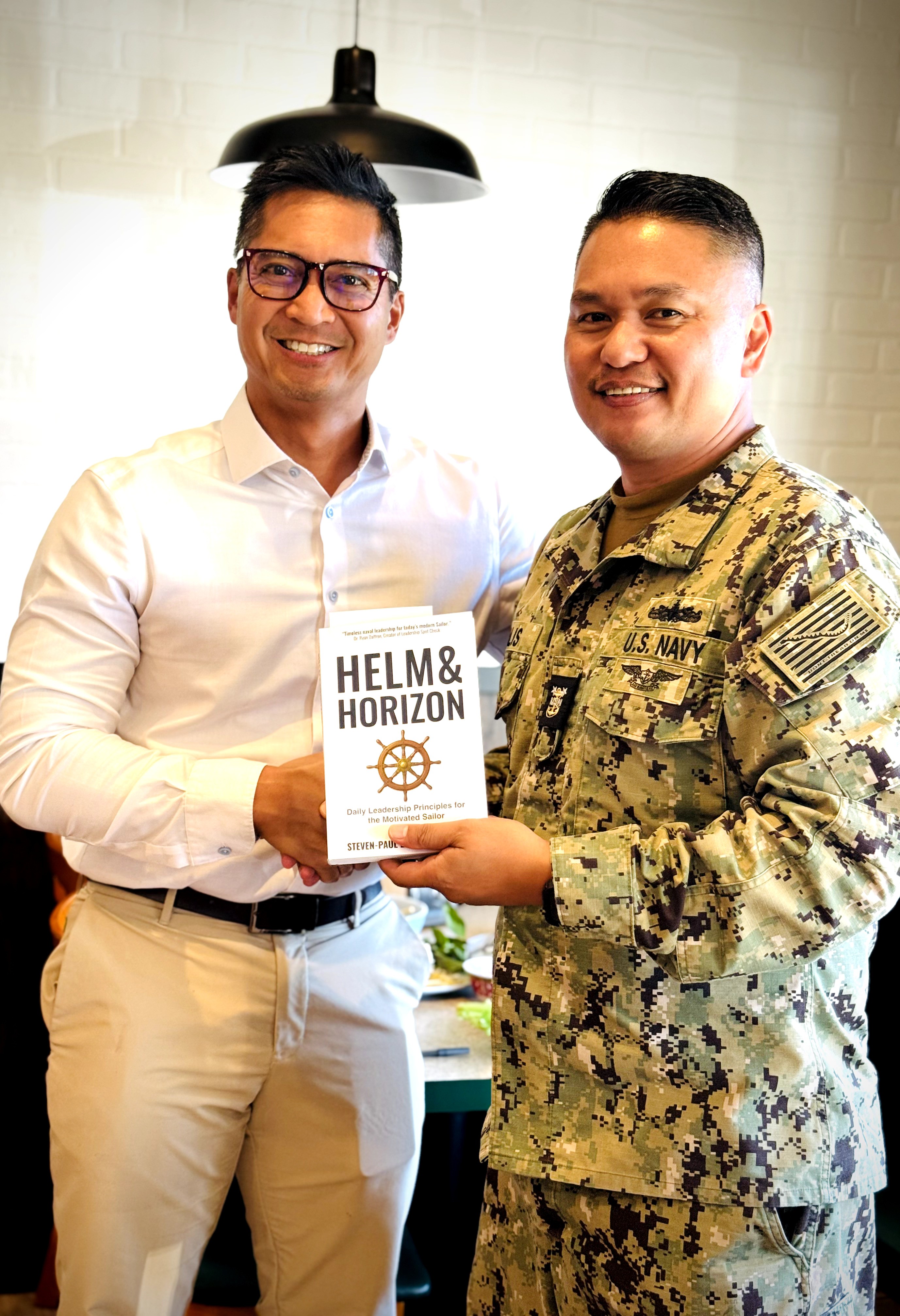
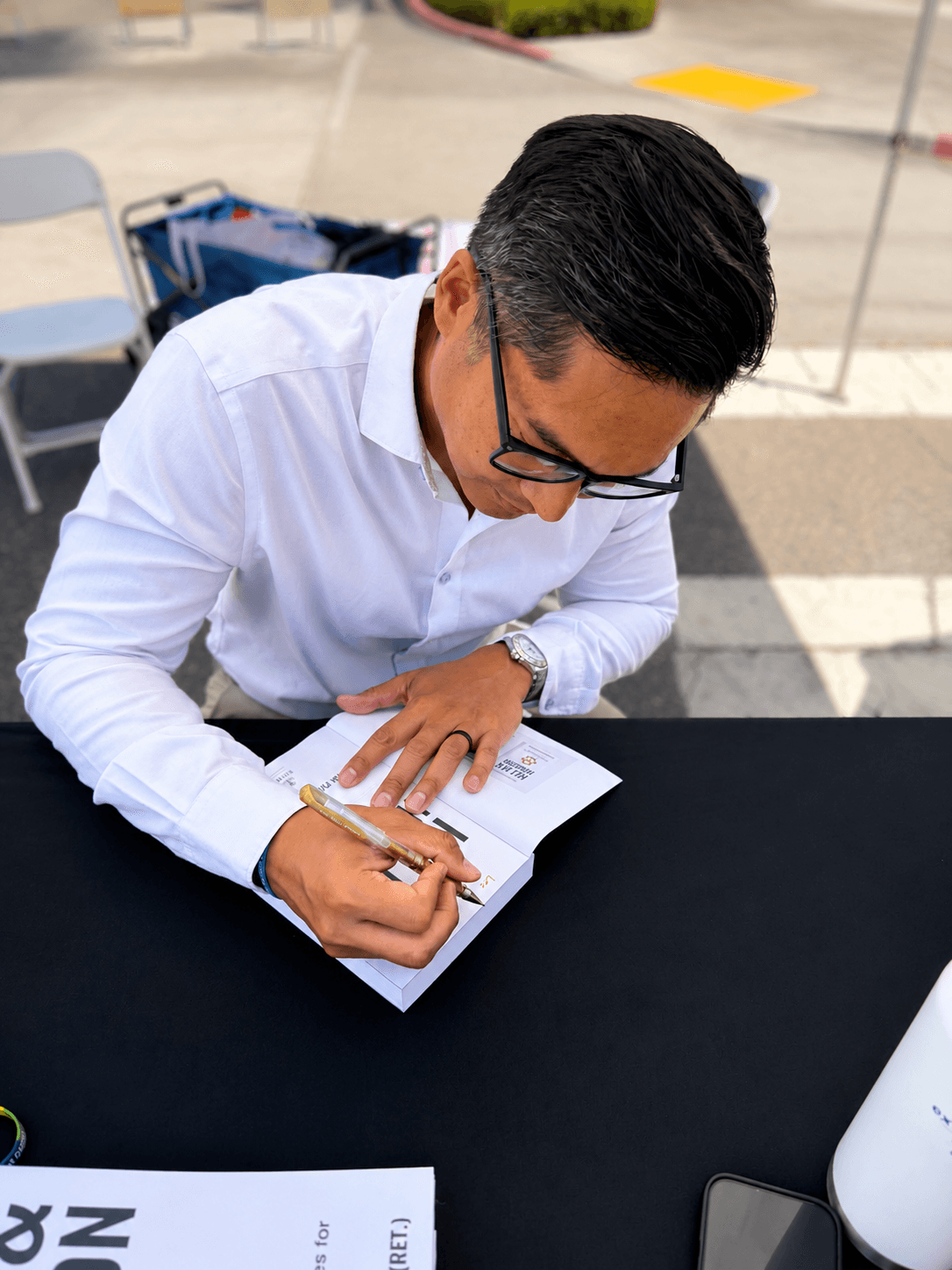
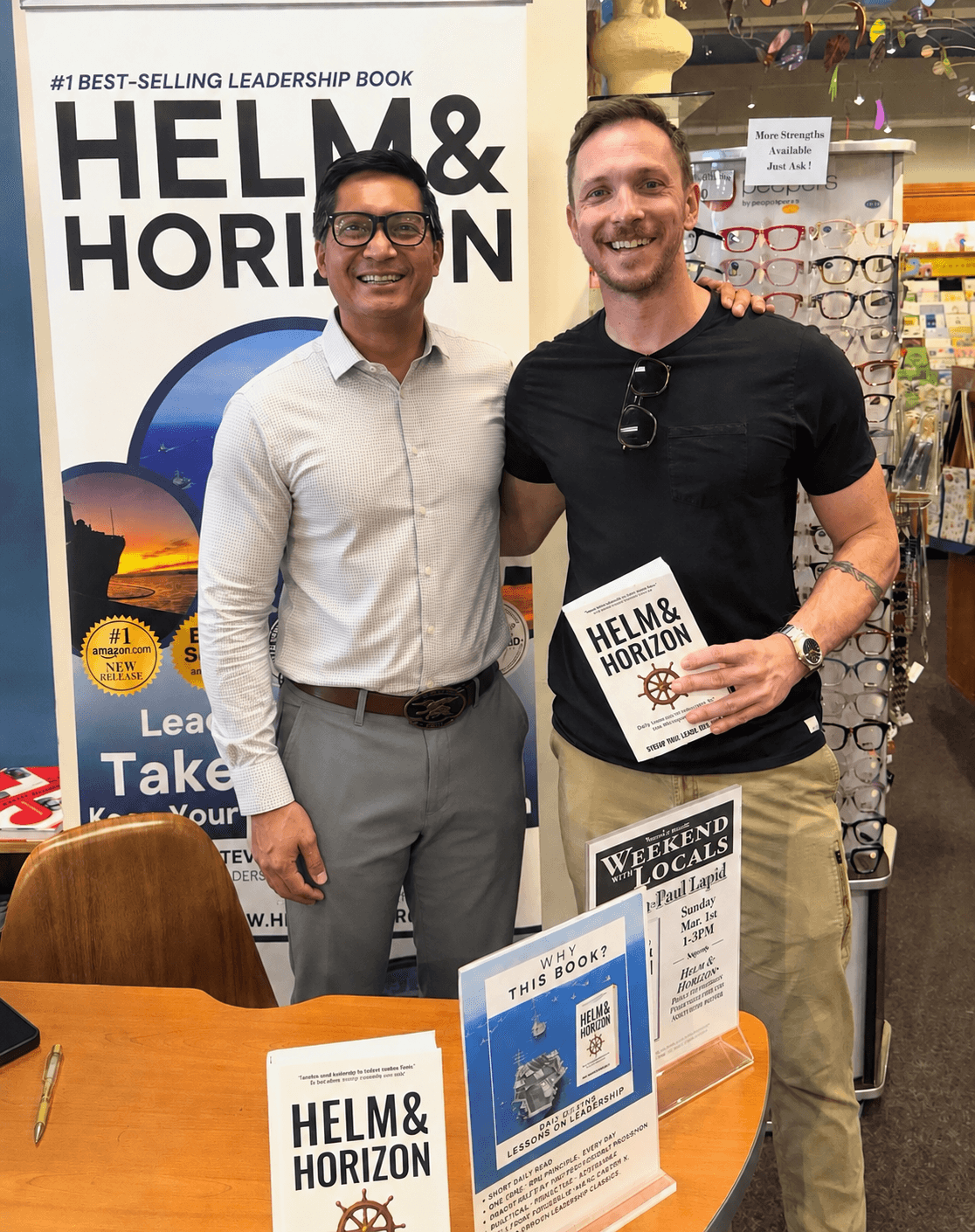
That eventually led to the publication of my first book, Helm & Horizon: Daily Leadership Principles for the Motivated Sailor. I wanted to create something practical for people who genuinely want to become better leaders but may not have hours each day to devote to professional reading. The book organizes 365 concise leadership principles drawn from leadership literature, military and naval history, and other sources into a format designed for continuous development and reflection. Although it was written with the maritime profession in mind, the underlying ideas about character, accountability, teamwork, resilience, and decision-making apply far beyond the military.
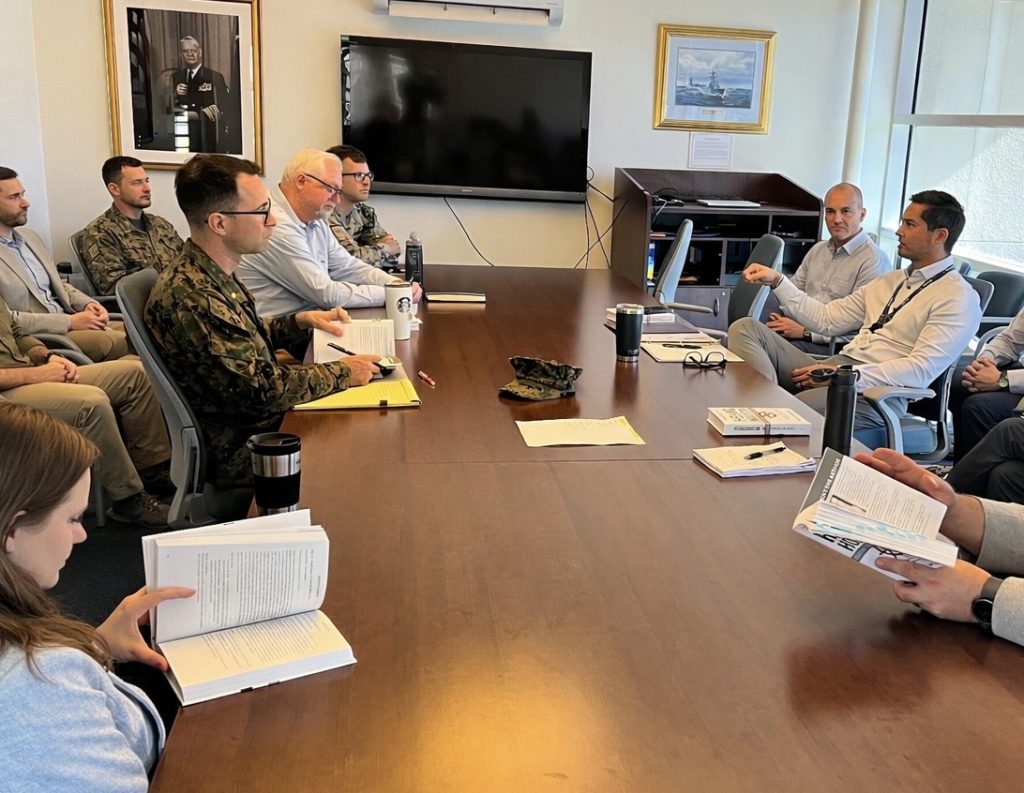
Since then, Helm & Horizon has opened doors I never anticipated. It has allowed me to engage with students, professionals, military leaders, and broader communities about what leadership actually looks like in practice. My work has increasingly expanded into leadership education and professional development, including opportunities within both military and university communities.
Today, I see this less as a reinvention after the Navy and more as a continuation of the same journey. I spent much of my career learning how to lead, working alongside others, and developing teams, but now I have the opportunity to help other people think more intentionally about their own values and the kind of leaders they want to become. It has been an unexpected evolution, but one that has given me the opportunity to take what began as a personal interest in leadership and turn it into work that I hope can have a meaningful impact on others.
Alright, so let’s dig a little deeper into the story – has it been an easy path overall and if not, what were the challenges you’ve had to overcome?
I would not describe it as a smooth road, but I also would not want it to have been one. Some of the experiences that challenged me the most ultimately shaped how I think about leadership today.
Early in my career as a naval officer, I learned how much the environment around you can influence your development. During my first division officer tour, I served under six commanding officers in less than three years. Some of that turnover resulted from significant leadership failures, and the instability affected the entire command. Priorities shifted, trust deteriorated, morale suffered, and at times people became more focused on simply getting through the day than succeeding as a team.
My next assignment was almost the complete opposite. I experienced a culture built around trust, empowerment, mentorship, and continuous learning. Leadership existed throughout the organization, not just at the top, and the crew performed at an exceptionally high level. Experiencing those two environments back-to-back taught me very early that the culture leaders create can fundamentally shape how people experience an organization and what they are capable of accomplishing.
I certainly made mistakes. There were times when I placed too much emphasis on accomplishing the mission and not enough on the people responsible for accomplishing it. There were also times when someone junior to me challenged my thinking and I initially resisted, only to realize later that they were right. Those experiences taught me humility and the importance of creating an environment where people feel comfortable questioning my assumptions.
Transitioning out of the military presented another kind of challenge. For more than two decades, the Navy provided a very clear sense of structure, community, and purpose. Retirement required me to think differently about what the next chapter would look like and how I wanted to continue contributing. Ultimately, that transition helped me realize that my purpose extended beyond my military service and that I wanted to continue developing people and helping develop better leaders.
Looking back, the difficult periods were just as important as the successes. They forced me to reflect, adapt, and become more intentional about the kind of leader I wanted to be. That process continues today.
We’ve been impressed with Helm & Horizon, but for folks who might not be as familiar, what can you share with them about what you do and what sets you apart from others?
Helm & Horizon began with a book, but the larger vision has always been about leadership development. At its core, Helm & Horizon is focused on making leadership practical, accessible, and something people can intentionally work on every day. I believe leadership development should not be reserved for executives, senior leaders, or people with a particular title. Everyone has opportunities to lead, influence others, make decisions, and contribute to the culture around them.
The foundation of the brand is my book, Helm & Horizon: Daily Leadership Principles for the Motivated Sailor. It is structured around 365 concise principles designed to encourage continuous reflection and growth. While the book was originally written with Sailors and the maritime profession in mind, the ideas it explores, including character, trust, communication, decision-making, teamwork, resilience, and accountability, are applicable across professions and industries.
What sets Helm & Horizon apart is that I am less interested in telling people exactly how they should lead and more interested in helping them develop the ability to define that for themselves. Leadership is deeply personal. Your values, experiences, strengths, responsibilities, and the people you serve all influence the leader you become. My goal is to provide ideas and frameworks that encourage people to reflect on those things and then put them into practice.
That philosophy is also allowing Helm & Horizon to grow beyond the book. I have had opportunities to bring these ideas into leadership discussions, professional development programs, and educational settings. I am particularly interested in creating experiences that help people identify their values, understand how those values influence their decisions, build stronger relationships and teams, and become more intentional about their own development.
What I am most proud of is seeing the message begin to resonate outside the audience I originally envisioned. The Navy will always be an important part of Helm & Horizon’s foundation, but leadership is universal. When someone from a completely different profession or stage of life tells me that a principle made them reconsider how they lead their team, approach a decision, or think about their own values, that tells me the idea is reaching beyond its original boundaries.
Helm & Horizon is still growing, and I am excited about where it can go. The book was the starting point. The broader goal is to continue developing meaningful ways for people and organizations to make leadership development part of how they learn, work, and grow.
What quality or characteristic do you feel is most important to your success?
I would say integrity. To me, integrity is the foundation on which everything else is built. Talent, experience, and ambition can create opportunities, but without integrity, it is difficult to build the trust necessary to lead people, sustain relationships, or create anything meaningful.
Throughout my career, I learned that integrity often matters most when a decision is difficult. It means being willing to take responsibility for your decisions, acknowledge when you are wrong, keep your commitments, and make choices that remain consistent with your values even when another path might be easier.
Integrity has also become increasingly important to me outside the military. As an author, educator, husband, father, and someone building a business, I want the things I put into the world to reflect who I actually am and what I believe. Success would mean very little to me if achieving it required compromising the values that gave the work meaning in the first place.
I also do not think integrity means getting everything right. I have made mistakes and will undoubtedly make more. What matters is being honest about them, learning from them, and having the courage to correct course when necessary.
Contact Info:
- Website: https://www.helmandhorizon.org
- Instagram: https://www.instagram.com/stevenpaul.lapid
- Facebook: https://www.facebook.com/stevenpaul.lapid
- LinkedIn: https://www.linkedin.com/in/stevenpaul-lapid
- Other: https://www.amazon.com/author/stevenpaul.lapid