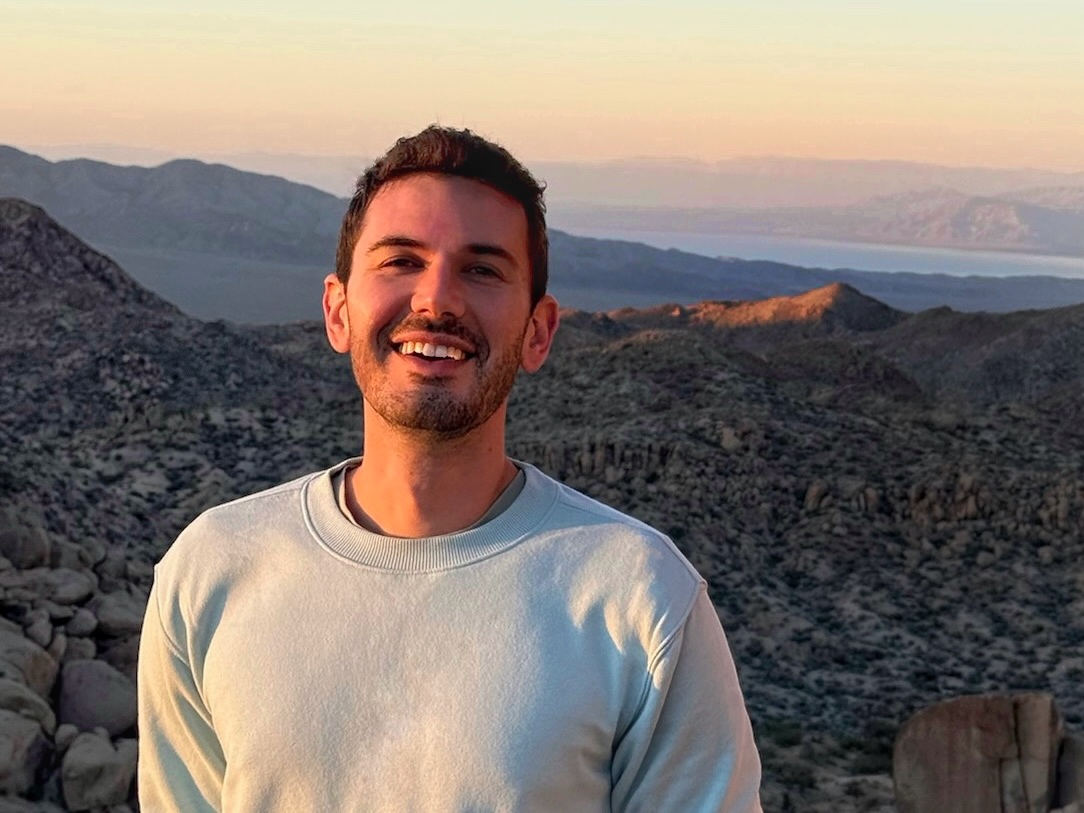
Today we’d like to introduce you to Maxwell Higgins.
Hi Maxwell, thanks for sharing your story with us. To start, maybe you can tell our readers some of your backstory.
My path to becoming a therapist actually started with animals. I worked in the animal field for about six years and was involved in animal husbandry, training, education, rescue, and rehabilitation. Animals were my passion and I thought that this would turn into a lifelong career.
When I moved from San Diego to Santa Barbara for college, I was pursuing a bachelor’s degree in psychology to further my career in animal training. At UC Santa Barbara, I took a psychopathology class with a particularly charismatic professor, and something clicked. I became fascinated by the world of mental health and started reading more about mental health conditions, research, and treatment. For the first time, I realized I had found something that I was even more passionate about than animals. I began looking for opportunities at UCSB where I could explore that interest. I became a research assistant at the campus’s autism center and at a social psychology lab, got involved in several research projects, and began my first clinical experiences supporting adults with autism spectrum disorder. I remember telling my family and friends that a career in psychology could be even more fulfilling than the one I had originally planned for.
After graduating from UCSB, I moved back to San Diego and worked with very young children with various developmental disorders as an early interventionist providing applied behavior analysis (ABA) therapy. I also joined a research lab at San Diego State University doing neuroimaging research to study anxiety disorders. At the time, I thought I wanted to pursue a doctorate in clinical psychology to continue both research and clinical work. I applied to nine clinical psychology doctoral programs but wasn’t invited for any interviews. I was disappointed, but I wasn’t deterred. I knew these programs were highly competitive and I planned to apply again next cycle. In the meantime, I asked to become involved in the lab’s community OCD support group. That experience solidified my interest in directly supporting people clinically. I continued reading more about therapy in my free time and realized that while research could be fascinating, it could also be dry and tedious. After a few more months of reflection, I decided I wanted to focus my career exclusively on clinical work. For the second time, I pivoted my career focus and didn’t look back.
I explored different mental health professions and felt drawn to the Clinical Counseling graduate program at Point Loma Nazarene University. I decided I wanted to become a licensed marriage and family therapist (LMFT) and was so excited when I was accepted into the program! Graduate school was an incredible experience, although the pandemic threw our cohort a major curveball starting in our second semester. In my second year, I began my practicum placement at a crisis center supporting people through a wide range of challenges like mood and anxiety disorders, psychosis, substance use, and housing instability. Working with clients individually and facilitating groups in this setting was challenging and often outside my comfort zone. But that was part of why I chose it for my practicum. Being able to bring a sense of stability to those who were going through such a turbulent time in their lives was very rewarding.
After graduating with my master’s degree, I still had several years of supervised experience to complete before getting licensed. I continued working in community mental health as a lead clinician at an outpatient clinic, then as a clinician for kids and families, and finally a triage coordinator at another adult outpatient clinic. Each position taught me something different. I helped young adults navigate the challenges of instability, identity, independence, and uncertainty that many of us face in our late teens and early twenties. I learned the skills of play therapy and helping kids and parents understand their emotions and communicate better. And I helped to ensure the clinic ran smoothly and connected people with services that could benefit them most.
After several years, more than 3,000 clinical hours, passing the California licensing exams, and the appearance of my first gray hairs, I became an LMFT! I had been dreaming about that moment for years. I knew I wanted to work in private practice, where I could focus on structured, ongoing sessions with clients and less on the administrative demands that come with community mental health. I began my first licensed position at a private practice and settled in quickly. It was the right type of setting for me. The independence and quieter atmosphere were a very welcome change.
That leads me to today, where I’m part of the team at Evolving Paths Therapy. I’m really, really happy here. Looking back, my career has taken me in directions I never expected. Each experience has taught me things about this field and about myself that informs my work. They’ve inspired me to be the best support I can be to others.
Alright, so let’s dig a little deeper into the story – has it been an easy path overall and if not, what were the challenges you’ve had to overcome?
I would say the road has had its bumps, but one of the most interesting parts of the journey has been the fact that it wasn’t linear. But I suppose journeys rarely are.
Some of the biggest struggles were getting Covid several times while working at the crisis center during the height of the pandemic, navigating a bureaucratic county-funded mental health system and the burnout that came with it, and learning to be patient during the three years between graduation and getting licensed. Despite those challenges, I’m grateful for the experiences because they prepared me well. The intensity of the clinical work and the rigor of the expectations pushed me to grow professionally, clinically, and personally. I feel that if I could do that work, I can handle just about anything.
Throughout this process, I was fortunate to have a number of incredible mentors, professors, and supervisors who supported me, challenged me, pushed me to grow, built my confidence, and frequently reminded me of the importance of self-care. These conversations, along with the ways I practice self-care – friends and family time, going for walks, working out, watching a comedy, traveling, prayer, and mindfulness techniques – have been so valuable in helping me find some balance. I’m grateful for the journey.
Thanks for sharing that. So, maybe next you can tell us a bit more about your business?
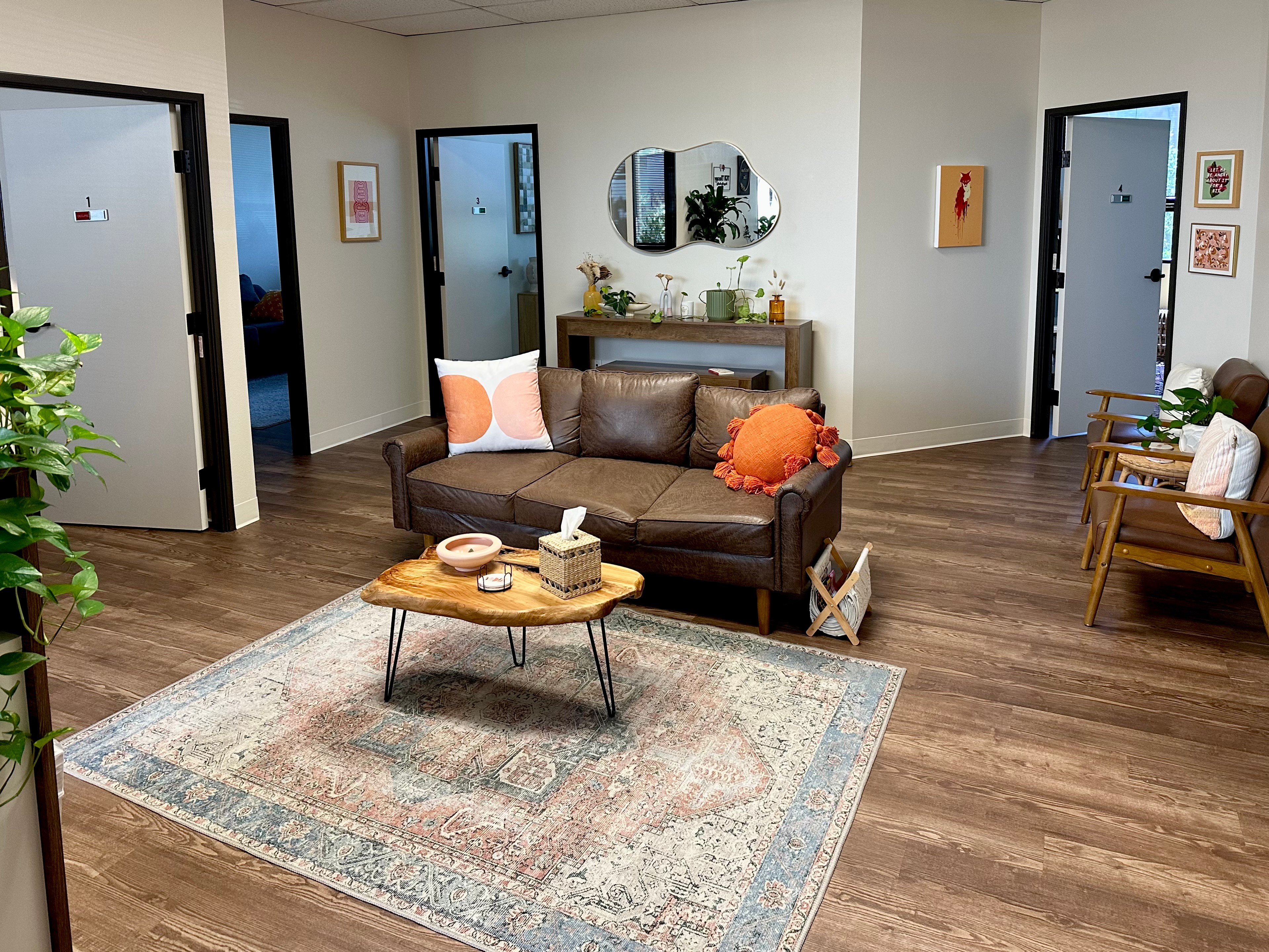
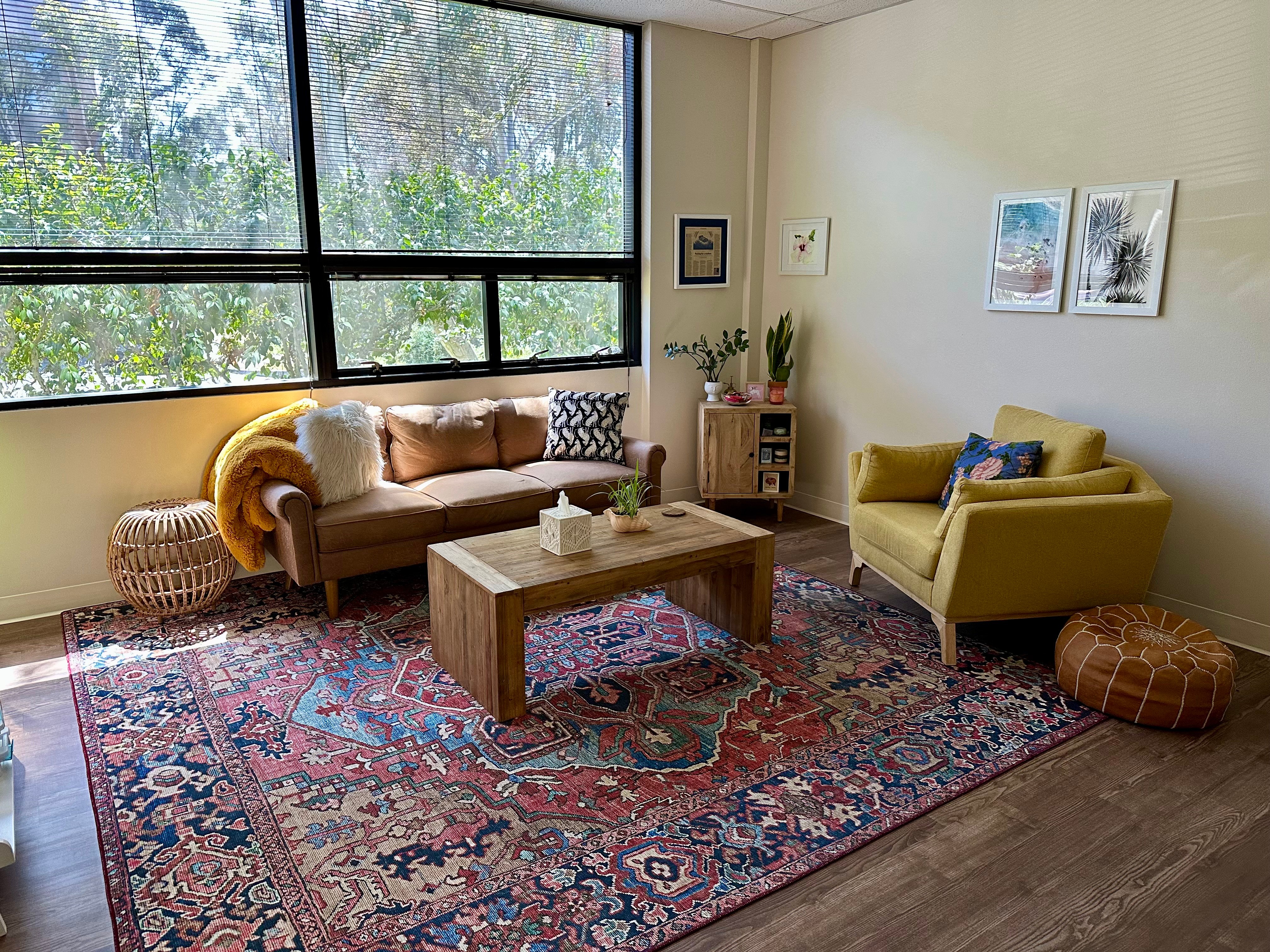
Evolving Paths Therapy is a small private practice in Scripps Ranch. We provide in-person and telehealth therapy for clients all over California and we work with kids, teens, adults, couples, and families. We support clients through a wide range of challenges like anxiety, panic, OCD, depression, trauma, stress, relationship difficulties, and struggles with identity, life transitions, and making important life decisions. What I’m most proud of is that our practice is a place where people can feel comfortable being themselves, talk openly about what they’re going through, and feel supported along the way.
It can unfortunately be really hard to find a therapist who is accepting new clients, is in-network with your insurance, and – maybe most importantly – is someone you can vibe with and feel comfortable being vulnerable with. Finding that right therapist fit makes all the difference. We’re very responsive to new client inquiries and we’re currently accepting new clients. I hope that you’ll reach out if you’re looking for some support!
Some of my particular clinical focuses include anxiety disorders, relationship difficulties, identity, decision-making, and working with LGBTQ+ clients, adults, and young adults. Our practice integrates several research-backed modalities. I mainly use cognitive behavioral therapy (CBT), dialectical behavior therapy (DBT), mindfulness-based approaches, and solution-focused therapy. While these approaches guide my work, the foundation is always client-centered.
My therapy style is warm and collaborative, and at times gently challenging to encourage growth and insight. I also use humor when it’s appropriate. Humor is very important to me and I’ve found it can be such a powerful therapeutic tool at the right time. Through exploration, processing, and skill-building, my goal is to guide and empower you to make decisions based on your own goals and values.
Let’s say you struggle with anxiety, for example. Whether anxiety is something you deal with occasionally or it’s been a long-time fixture in your life, it doesn’t define you. Your experiences, strengths, struggles, relationships, and the things that are important to you all shape who you are. We’ll explore how anxiety impacts you, what you want to be different, and what might help you get there – and we’ll work on it together.
Can you tell us more about what you were like growing up?
As a little kid I was usually shy and reserved around people I didn’t know, but very goofy at home and with friends. I was kind and gentle. I loved dinosaurs, animals, music, spending time with my big sister, and traveling with my parents. I was creative and enjoyed flexing that muscle through drawing, painting, and playing the trombone, which was my instrument throughout middle and high school. I was curious and loved learning, but I didn’t like math or sports.
As I got older, spending time with friends, reading, hiking and camping, band practice, and boy scouts took up a lot of my time outside of school. I was studious and organized, but I often lacked self-esteem. I was a little too eager to please others and I spent a lot of time trying to blend in or be the person I thought other people wanted me to be. But there were times when I wanted to stand out and be noticed. Like the time in 9th grade when I had a ridiculously large and curly mohawk that looked like a vertical lion’s mane. I don’t know where that surge of confidence came from, but I’m glad I did it. It was fun while it lasted, and I definitely couldn’t pull off the mohawk now! I loved connecting with people and I still do. It’s my favorite part of my work.
Contact Info:
- Website: https://www.evolvingpathstherapy.com/
- Instagram: @evolvingpathstherapy24
- Other: https://www.psychologytoday.com/us/therapists/maxwell-higgins-encinitas-ca/1535351