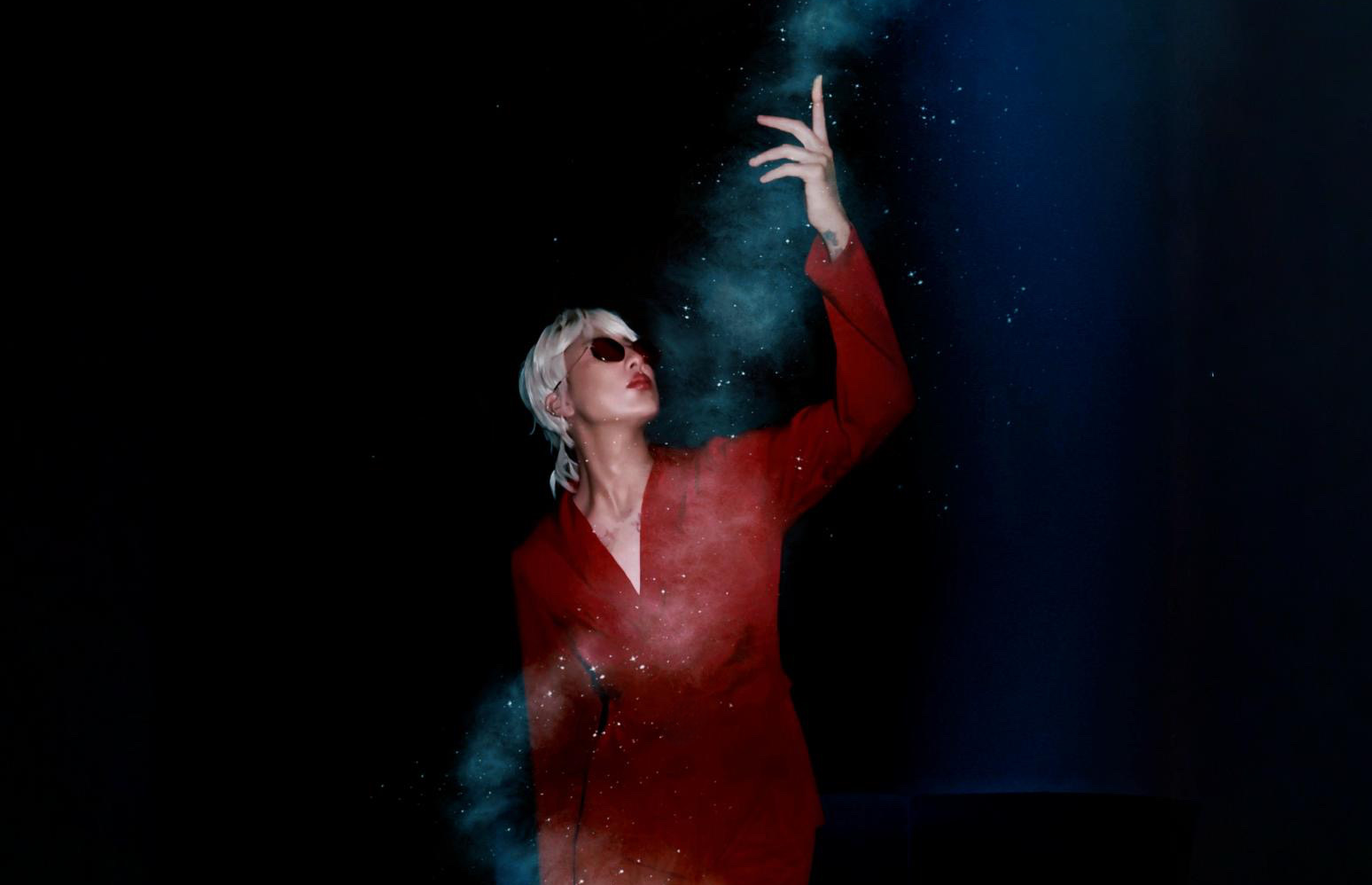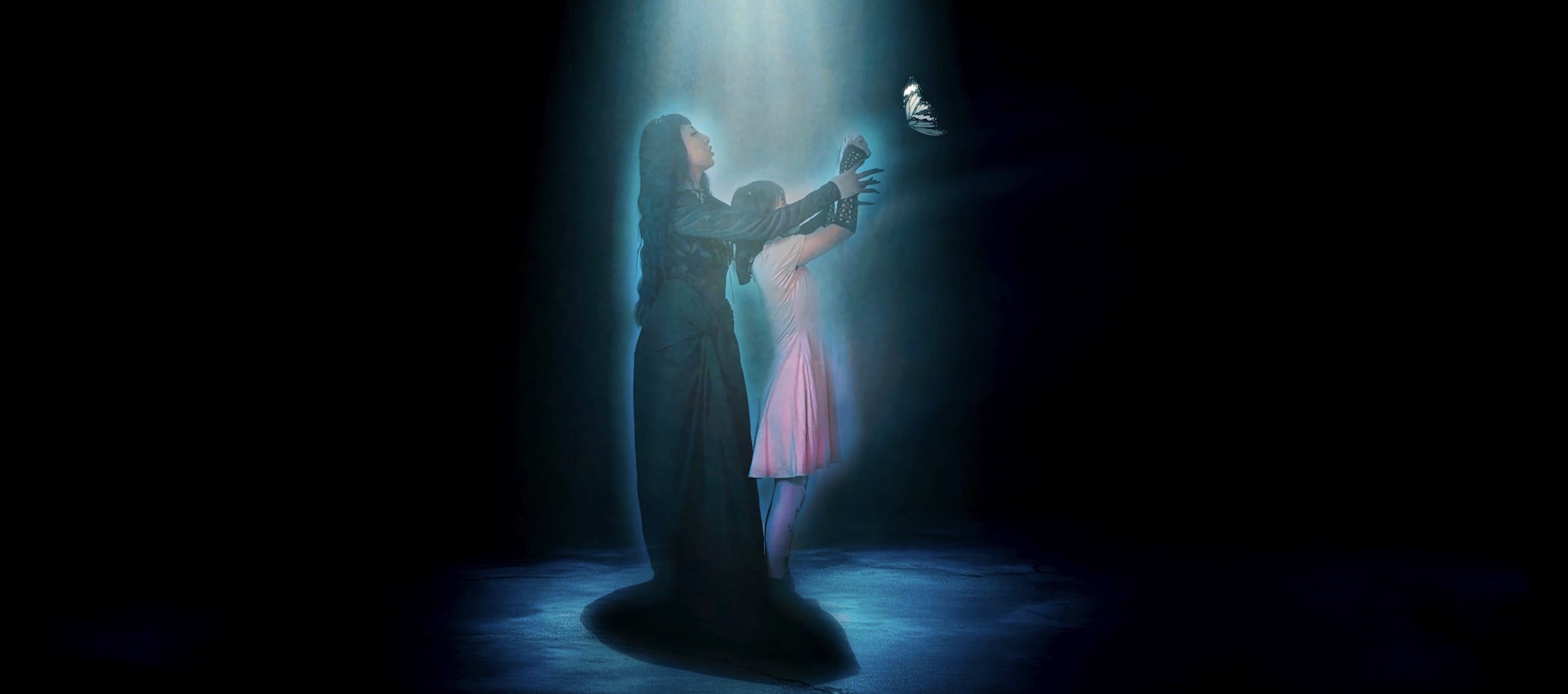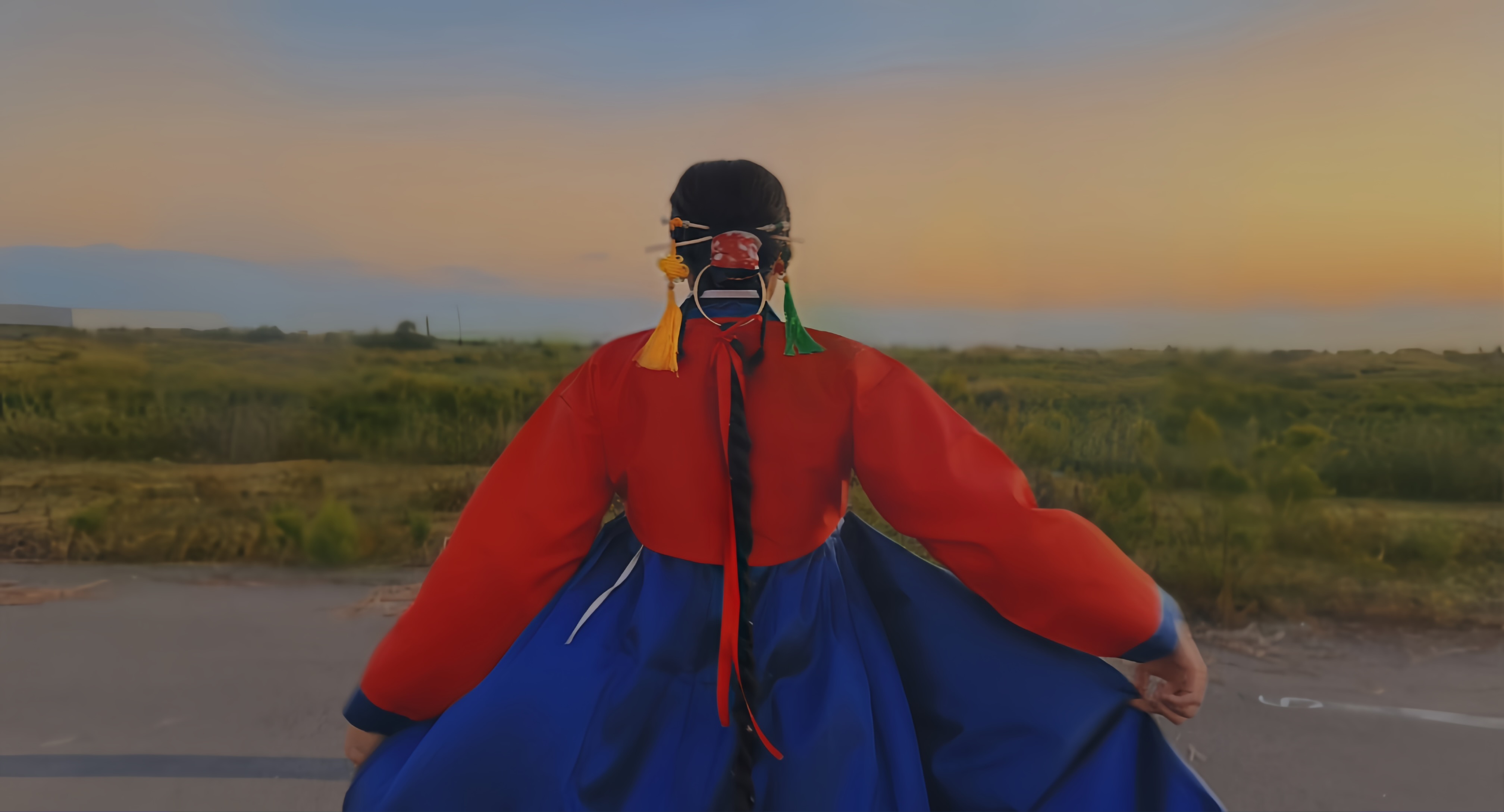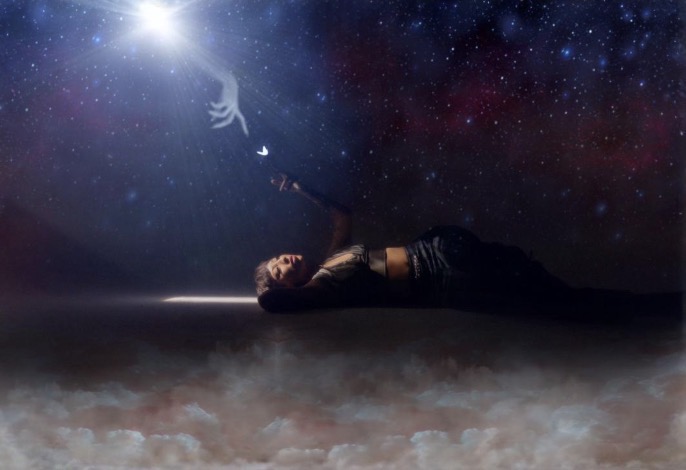
Today we’d like to introduce you to FIARA DREAM.
Alright, so thank you so much for sharing your story and insight with our readers. To kick things off, can you tell us a bit about how you got started?
I got here today by showing up for myself, day by day. It began when I was four years old, playing an electric piano my dad bought for me. He asked me, “What do you want to be when you grow up?” I said, “A star! A model,” and he laughed. My family couldn’t afford formal lessons, but music was always present in the house. For my 15th birthday, I asked for a real piano. My dad brought home an old Wurlitzer upright, untuned with chipped paint. Like him, an engineer, I worked with my hands and imagination to make the best of what I had, so I painted it myself and taught myself to play by ear. In my free time as a teenager, I filled notebooks with poetry, writing about everything I observed in others and what I felt.
In my early twenties, I picked up a ukulele, taught myself basic chords, and wrote my first complete songs. After having moved out of home from a complicated dynamic at 18, I eventually moved back in, and my father and I began repairing our relationship. He always surrounded me with textbooks, pushing me toward traditional study: “Life is hard, study so you won’t struggle later in life” he would tell me. Yet quietly, he paid attention to what I truly loved, sliding music books, all sorts of CD’s he would find thrifting, into my room. When I returned home, a guitar was waiting for me. I picked it up and started to sing some of the first songs I wrote. He seemed happy, and would sometimes take a nap while I played. I moved out again, and life ended for him then.
My world collapsed. I was very broken by that point, and nothing mattered to me. But after a few years of grief, and escaping an extremely abusive relationship that I barely managed to get out of alive, I reached a turning point. Before picking up music seriously, I was doing modeling and acting. I thought maybe being a literal star or model could be a path, but I had too much self-autonomy for it. I couldn’t entirely be myself, having to follow rules and look the way others wanted me to be. I didn’t want to just be placed in front of a lens; I wanted to build the entire world myself and point the lens outwards.
At 21, the idea of pursuing music seriously no longer felt out of reach. Growing up with a Korean dad, I never imagined doing something like that seriously, but I no longer felt like I needed to prove anything to anyone else. I needed to prove to myself that the things I want matter and are worth exploring.
I downloaded Ableton, a software to produce music. I spent a year on my first track, “Burning Gold,” expressing a lot of the grief I carried. I managed to make it happen, released it, and did my first music video for it alone. Prior to that, I never thought I could sing. I was born hard of hearing, so I was mostly quiet and didn’t really voice my opinions. But with singing, all of that disappeared. I sang and wrote things that mattered to me. I finally had a voice, even if it wasn’t perfect.
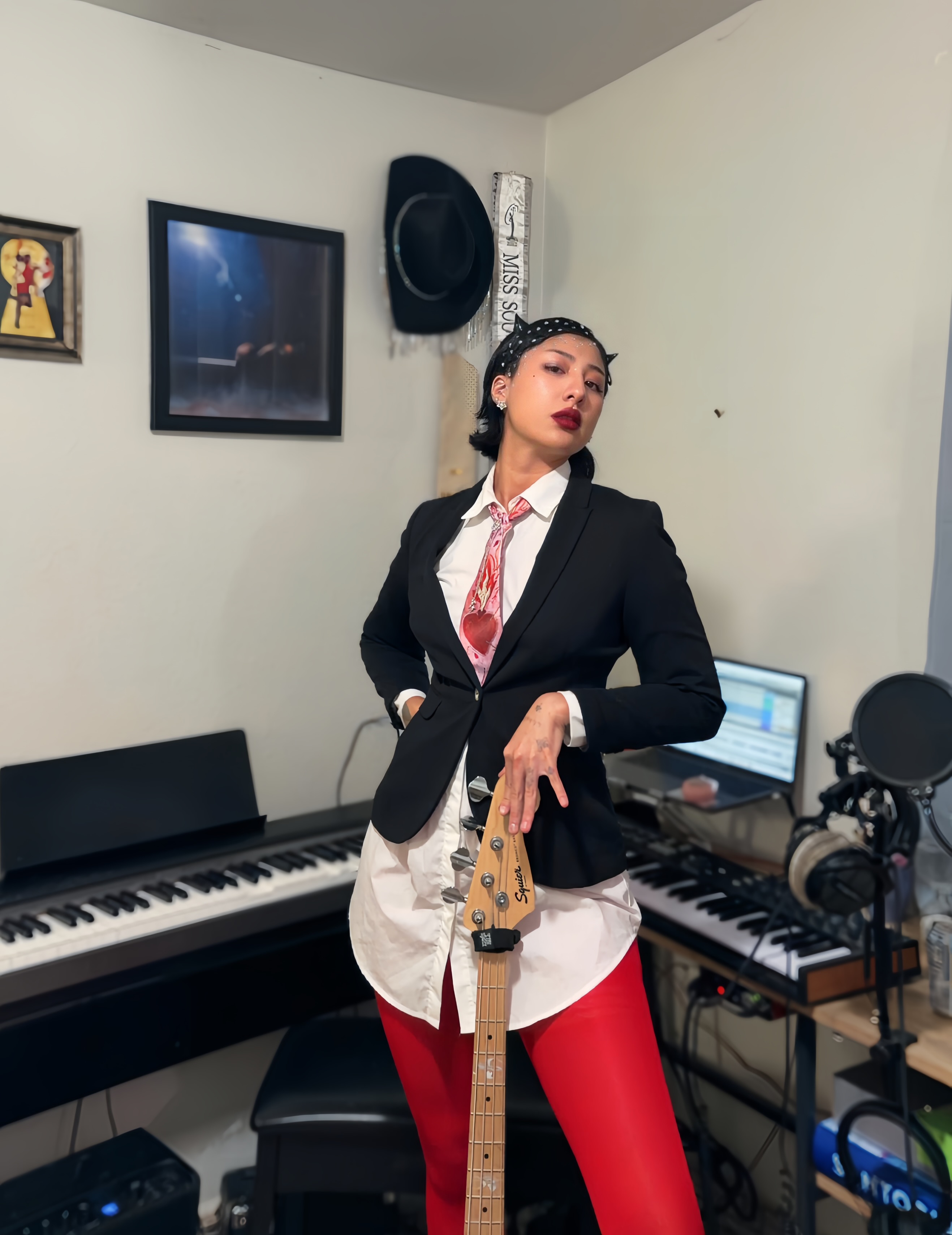
As I studied, experimented, and practiced more over the years, it stopped feeling like just an emotional outlet and became something I got good at. Moving around constantly, I set up my home studio wherever I landed, between Chula Vista, Tijuana, and San Diego, building the visual and sonic world from the ground up. I immersed myself in sound design, music theory, arrangement, and audio engineering.
I was balancing community college, working in healthcare, and doing other things, but I still treated music as a serious practice. That integrity followed me everywhere. In healthcare, I was always a voice for workers and patients. I had a strong sense of justice and my integrity was hardwired in me, seeing the injustices my dad, myself, and people around me experienced. Some could say I’m too rebellious, but in a world with so much suffering, caring is a strength. If I wouldn’t compromise on human dignity at work, I certainly wasn’t going to compromise my voice in music. Music was the only thing literally holding my life back to the earth’s ground. It wasn’t just listening to a song; it was being born out of me.
In 2021 and 2022, I represented South San Diego for the Miss California USA pageant. When I went up on stage and they asked what I wanted to be in life, I said: “Music Producer.” The day before heading to the pageant, I was hospitalized from a nervous breakdown and was becoming really ill. Lying in that bed, I thought, “How am I supposed to show up in front of national TV like this?” But I got up, showed up alone, and did it for myself. I left knowing where my mind was set.
I came back home and started my debut album, The Grand Trines. My direction was, “I’ve done enough sad songs, maybe I need something with more life.” My mom gave me my first bass. Over three years, I wrote and arranged all nine tracks while finishing my degree and battling my physical illnesses. I wrote with raw grit, power, and hope, leaning into punk and alternative music. I tracked bass, arranged beats, and engineered, bringing in session players for live guitar, drums, and saxophone. I’m thankful for the musicians and engineer who understood the vision and wanted to be part of bringing it to life.
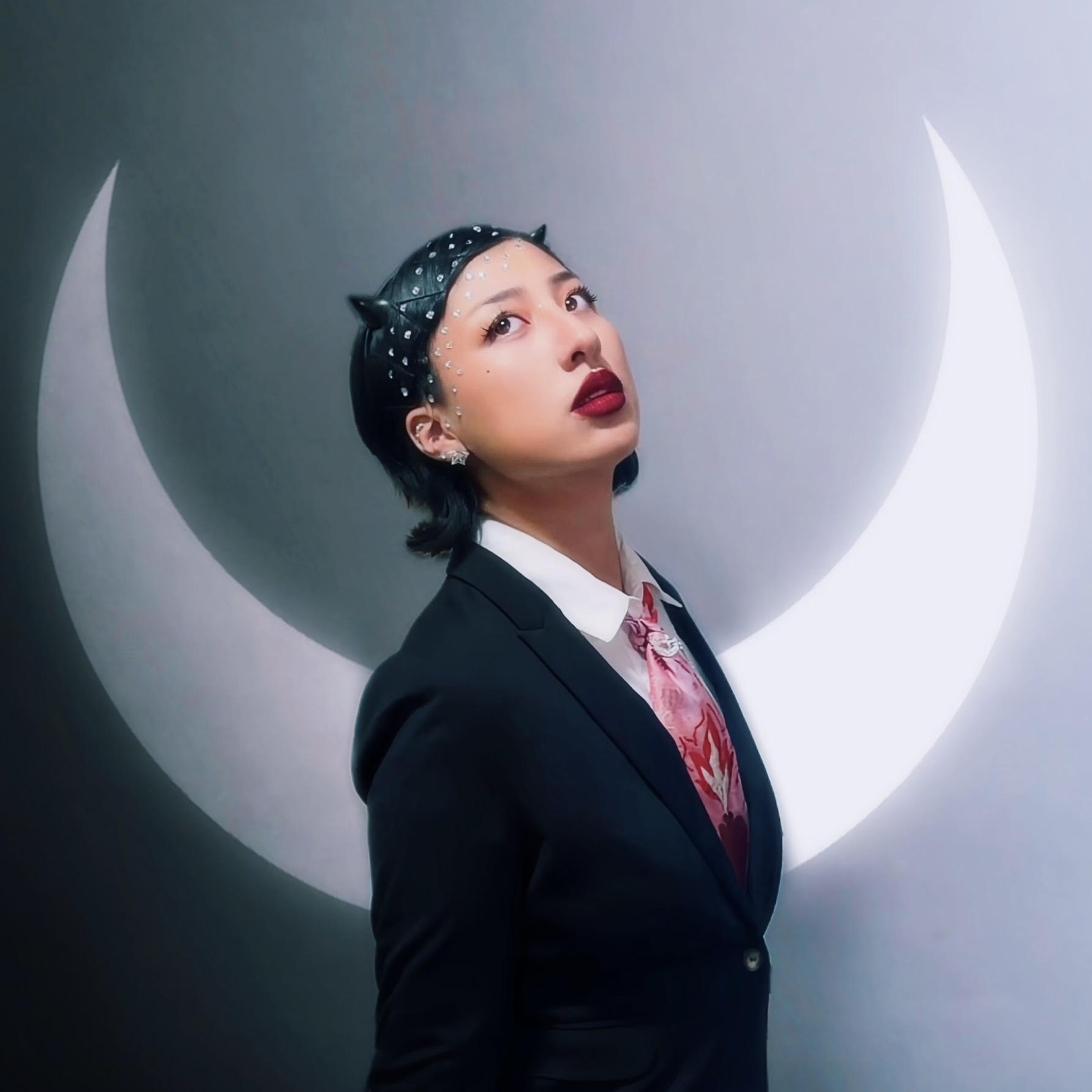
In November 2025, I finished my psychology degree, quit my healthcare job, and released the album. My song “Crown Royalty” hit Spotify’s Punk playlist in Australia, and the music video for “Pay Day” started moving things for me. When it was time to step fully into my visual world, I transitioned to an actual artist name: FIARA DREAM. My definition for “Fiara” is an untamed spirit, a ferocious beast. And “Dream” revolves around my personal aesthetic and what matters to me.
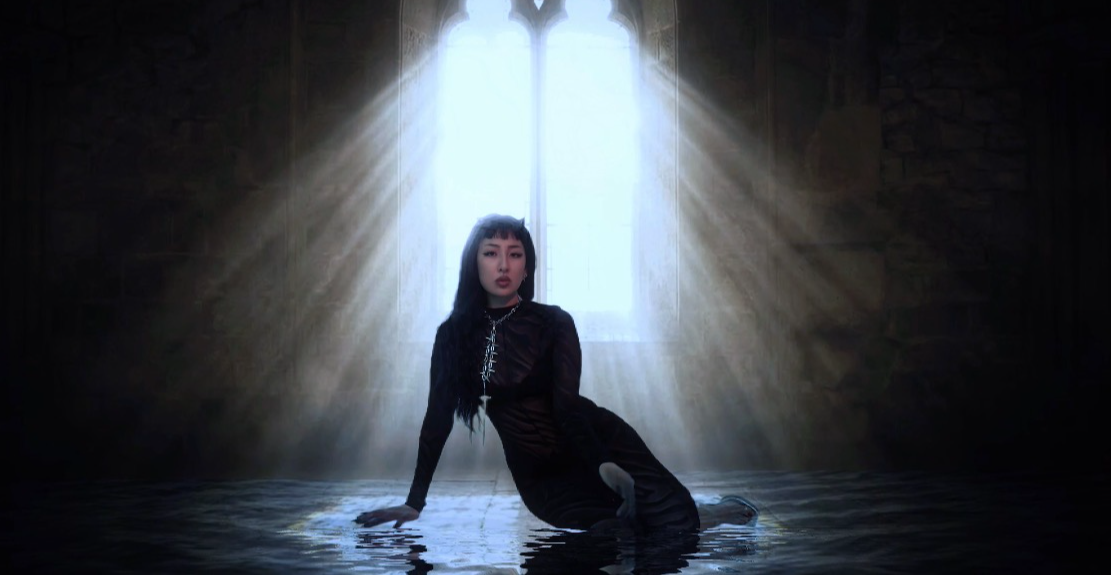
On September 18th, I released my new EP, Lilith, along with a music video that I did all on my own. Sonically and visually, this is where I am headed: raw emotion, identity, dark atmosphere, and cinematic storytelling. I suppose, that’s still pretty punk.
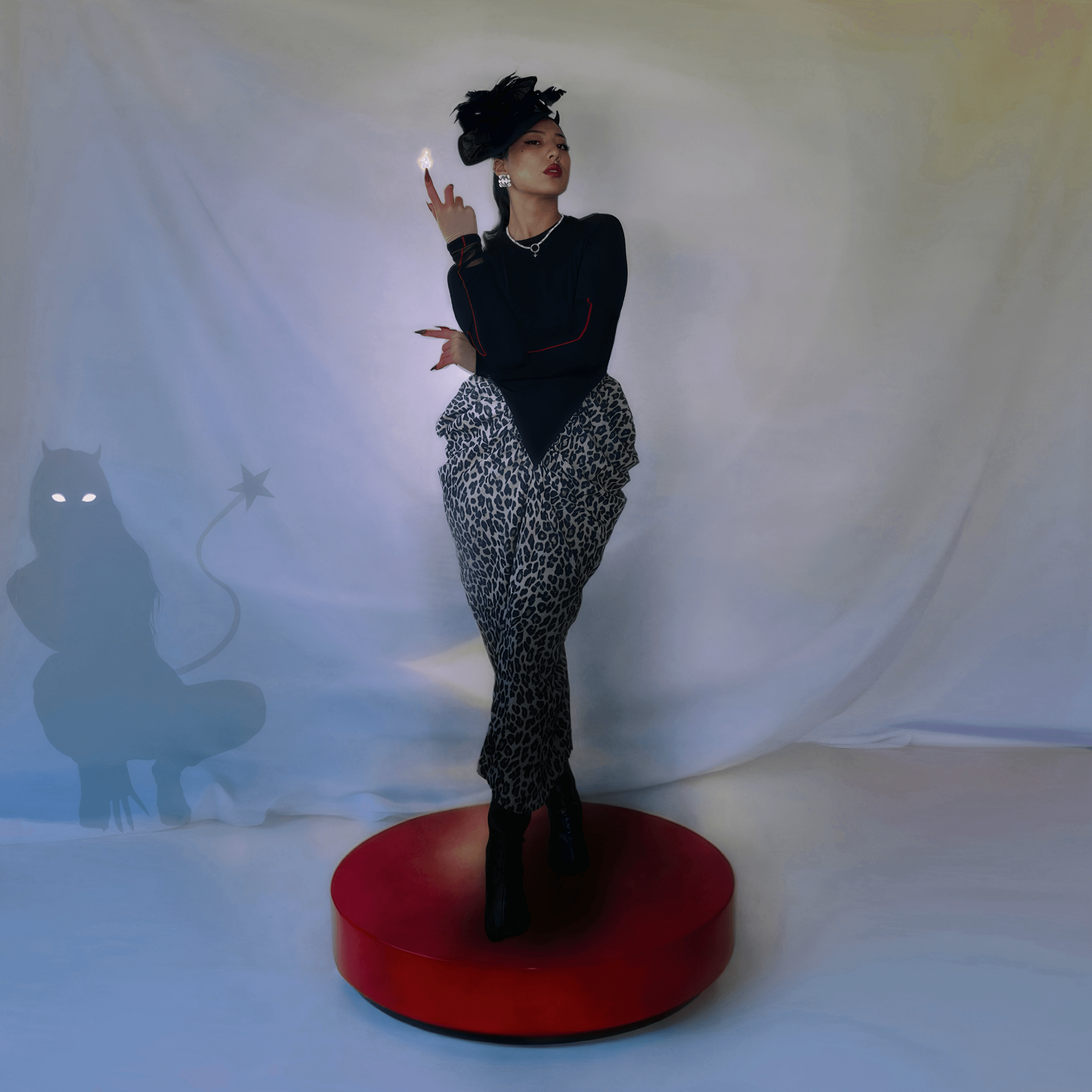
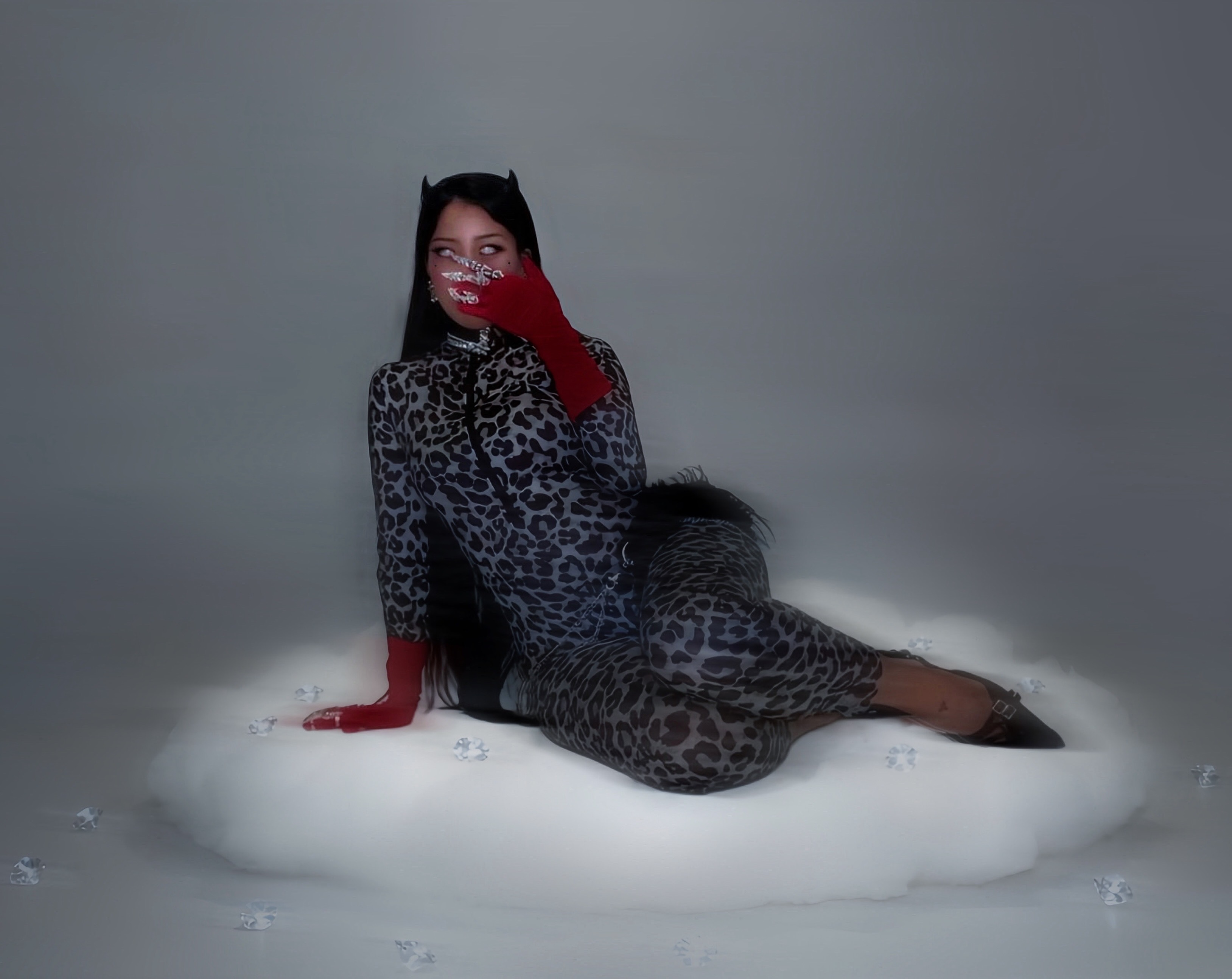
Going back to that childhood story, I think I have made that dream come true. A “star” not for ego, but as a beacon of light in the dark; a “model” in the sense of a role model for resilience. The visual choices I make, like wearing horns and white eyes, hold true to those values and the clues inside my lyrics.
I wake up every single day thinking about music and production, and I go to bed with it. For someone that grew up mostly alone and did things alone, sometimes the thing you need the most is just an ounce of hope and a spark of life.
So who am I?
I’m FIARA DREAM.
Can you talk to us a bit about the challenges and lessons you’ve learned along the way. Looking back would you say it’s been easy or smooth in retrospect?
Being born hard of hearing and deciding to master mixing, mastering, arrangement, and sound design completely on my own in Ableton. Having to train my ears and voice twice as hard as someone with normal hearing or someone with a formal audio engineering degree. Doing all of this while facing hardships, poverty, health declines and life-threatening moments, death and other priorities in life. As well as not having immediate recognition, that some people might illogically think, things are not just handed to you, you know? Choosing to have total autonomy over my direction and artistry came out of not having that many options, opportunities and also because of my tenacious nature to work twice of hard based on just literally being born with my cards that I have. Being not just a musician, but a producer, manager, editor, videographer, while being mindful of what we all see right now analytics, algorithms, AI and social media blaring at our faces.
Thanks – so what else should our readers know about your work and what you’re currently focused on?
At my core I’m a music producer, composer and creative director. I build the entire sonic and visual world from scratch under my artist’s name FIARA DREAM. Technically, I specialize in production for Ableton. That includes: sound design, arrangement, tracking, vocals, audio engineering. Stylistically, my work lives in the tension between dark -electro pop with cinematic scoring and raw punk grit. I write the lyrics, craft progressions and do mixing and mastering. Depending on the project I do work with another engineer to help me polish the mixing and mastering which consist of setting a presentable sound ready for release. On the visual side, I do the same approach as I always do, I don’t do light-hearted work, I don’t know how to, so I pour all in until it just feels complete. I work with what I have and with what I can, styling myself and directing my vision.
What sets me apart is complete autonomy, uncompromising quality and world and how I physically perceive sound. Being born hard of hearing, my relationship to music is deeply tactile. I feel frequencies, sub-bass weight, and resonance in my body as much as I hear them (or not hear them) in the monitors. That sensory reality forces me to engineer with an obsessive focus on balance, dynamics, and atmospheric depth that someone with conventional hearing might take for granted. In an era where music is often treated as fast content, I go against that path and focus on being present, depth and meaningful.
What I am most proud of is myself. Just, knowing everything I went through and still managed to release music, videos and now my latest song with its video “Lilith”, I am proud, I am content.
What does success mean to you?
To me, success is measured by the feeling of uncompromised completion and self-autonomy.
Success isn’t measured by others; it is always measured internally by each person. There isn’t just a single route to getting there. It’s about having a vision in your head, showing up every day to do the work, and bringing it into the world with your own hands without diluting who you are to fit into someone else’s box or by numbers.
I could say I am successful, even if I haven’t hit Billboard, won an award, or gone platinum, yet. Being able to wake up, own my craft entirely, and stay true to my voice on my own terms is where the real value lives.
Contact Info:
- Website: https://paa.ge/fiaradream
- Instagram: https://www.instagram.com/fiaradream
- Youtube: https://www.youtube.com/@fiaradream
- Soundcloud: https://soundcloud.com/fiaradream
- Other: https://open.spotify.com/artist/1CZZZdvHrbCHBlibkbGg8T