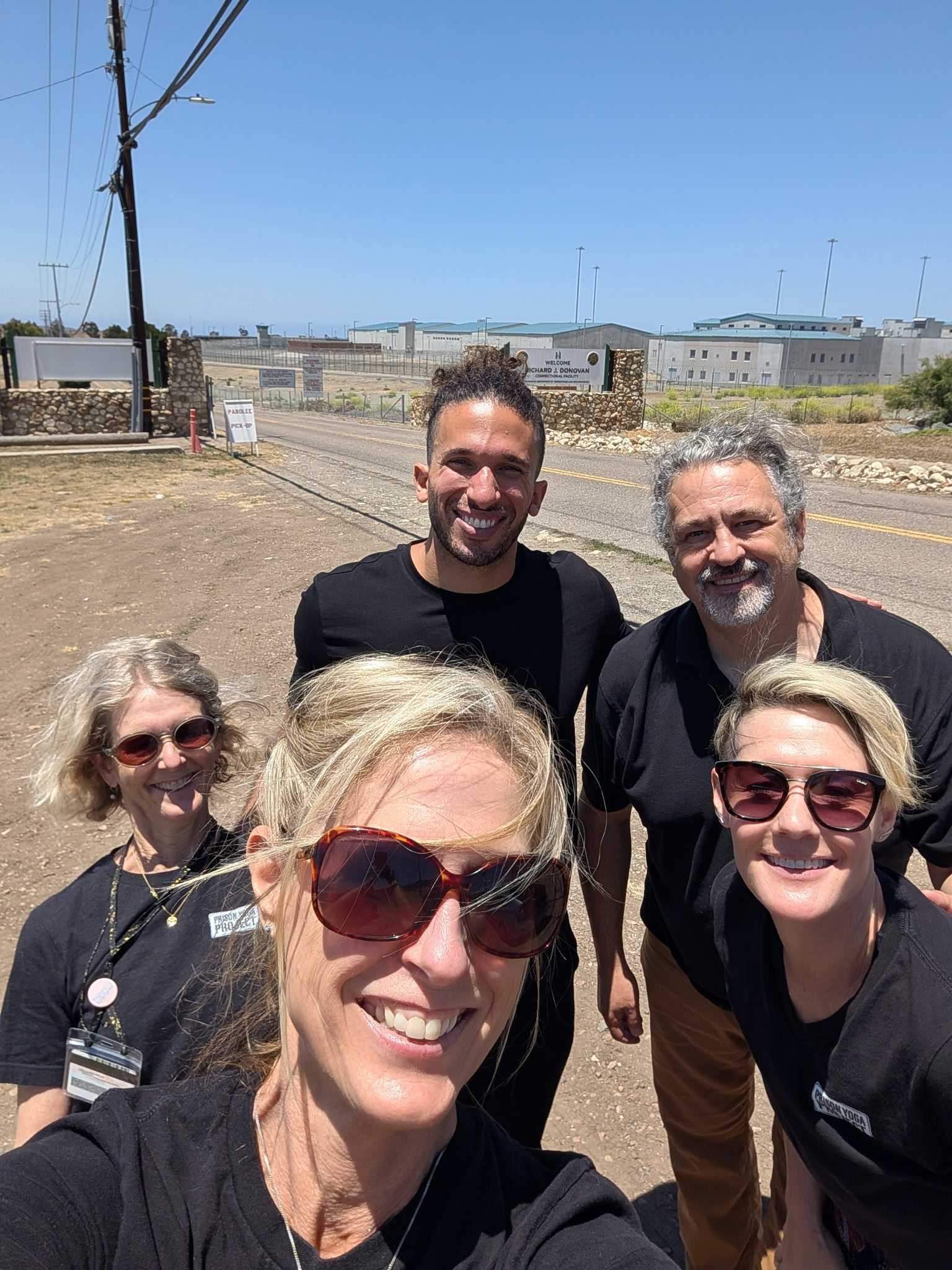
Today we’d like to introduce you to Bill Brown.
Hi Bill, so excited to have you on the platform. So before we get into questions about your work-life, maybe you can bring our readers up to speed on your story and how you got to where you are today?
Before working with Prison Yoga Project, I spent nearly 20 years as a software developer, much of it within large corporations. In 2012, I began practicing yoga and immediately felt significant, life-changing benefits. I entered a yoga teacher training because I wanted to understand yoga more deeply; I had no intention of actually teaching.
During that training, James Fox, the founder of Prison Yoga Project, led a short workshop for us. I immediately recognized that he was presenting a very different approach to yoga—and an area in which I might be particularly well suited to contribute. After completing a weekend training with James, he approached me about teaching inside a correctional facility. I began volunteering with Prison Yoga Project in 2013.
It did not take long for the experience to change the direction of my life. Once I began working inside, I could see how much of what we as a society do in the realm of incarceration is counterproductive and how much suffering the system creates. I could not imagine a place where turning my attention and effort would be more meaningful.
Over time, I helped expand our programming in San Diego and eventually moved into organizational leadership. The experience I had gained working in large corporations proved surprisingly useful as Prison Yoga Project grew. I became Program Director in 2017 and Executive Director in 2018, helping strengthen the organization’s operations, training, curriculum, and program infrastructure.
In 2024, I was happy to hand executive leadership to our current Executive Director, Nicole Hellthaler. Today, as Director of Program Development and Publishing, I can concentrate more fully on developing programs, educational resources, and advocacy that help people understand the transformative potential of this work.
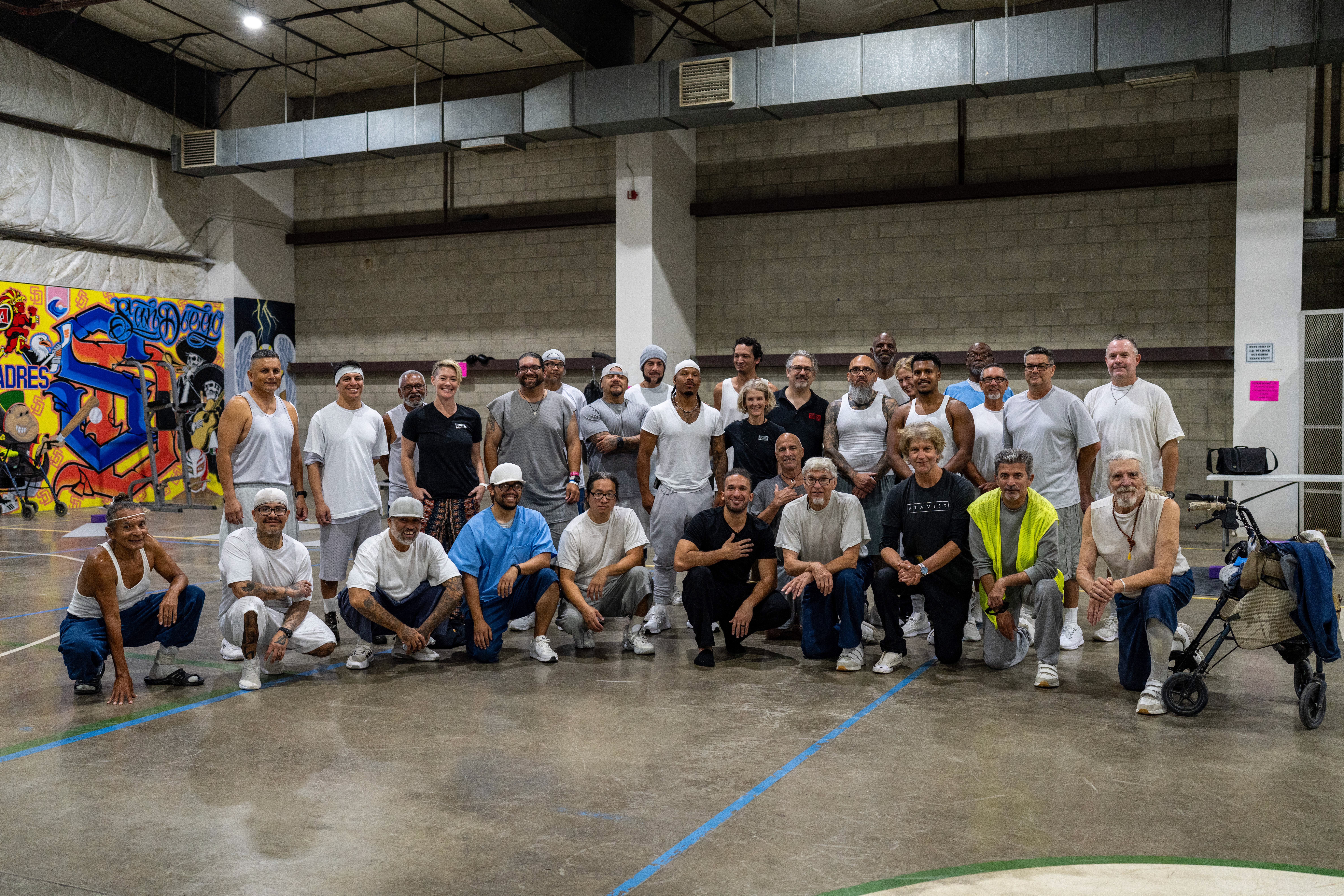
PYP currently supports more than 200 programs across 19 states and nine countries. Collectively, those programs are projected to record more than 54,000 participant visits in 2026.
I’m sure it wasn’t obstacle-free, but would you say the journey has been fairly smooth so far?
It has been rewarding, but not always a smooth road. One of our greatest challenges is the gap between the enormous need for meaningful, evidence-informed rehabilitative programs and the limited financial and systemic support available.
There is broad recognition that we need more effective ways to address trauma, addiction, violence, and mental health within the criminal justice system. At the same time, people often misunderstand what we mean when we talk about yoga. They may imagine that we are simply bringing a physical fitness class into a prison. The physical practice can help people regulate stress responses and develop a safer, more trusting relationship with their bodies—but that is only one aspect of yoga.
Yoga is also a path of personal development. It helps cultivate insight into ourselves, our patterns, and our relationships with others. Greater awareness and freedom from conditioned patterns can strengthen people’s capacity for accountability, wiser choices, and compassionate action. Helping people understand the fullness and relevance of what we offer has been an ongoing challenge.
Scaling the work is another challenge, particularly when rehabilitative programming remains underfunded and must operate within large, complex bureaucracies, but we have developed strong training programs and continue to expand our facilitator community.
Interestingly, though people warn of vicarious trauma and compassion fatigue, I find the work energizes me. Each time I practice with one of our groups or spend time with staff inside a facility, I find the experience deeply rewarding. The most difficult part is seeing the extent of the need while knowing how little societal and systemic support exists for approaches that could meaningfully reduce suffering and support rehabilitation.
As you know, we’re big fans of you and your work. For our readers who might not be as familiar, what can you tell them about what you do?
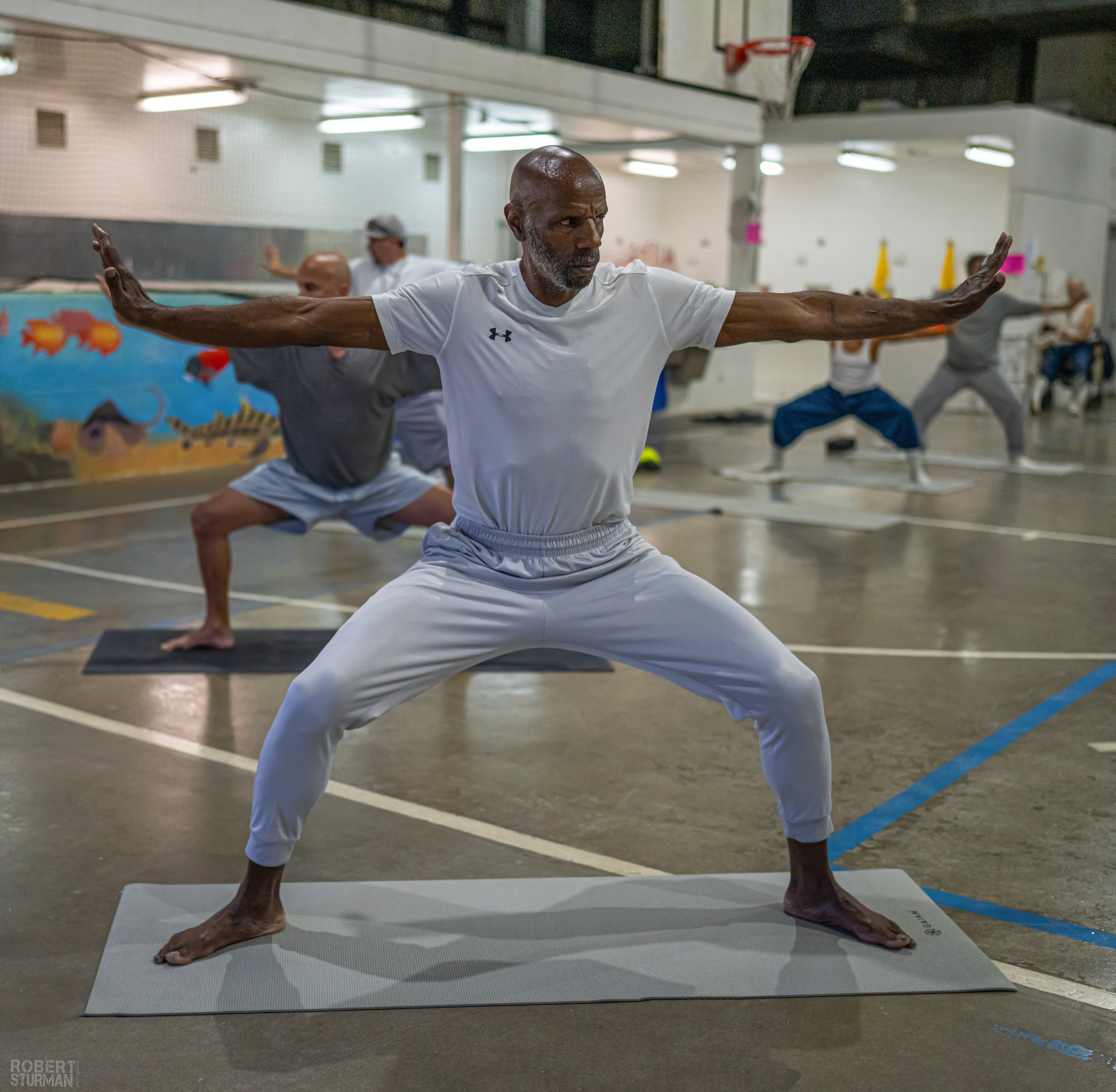
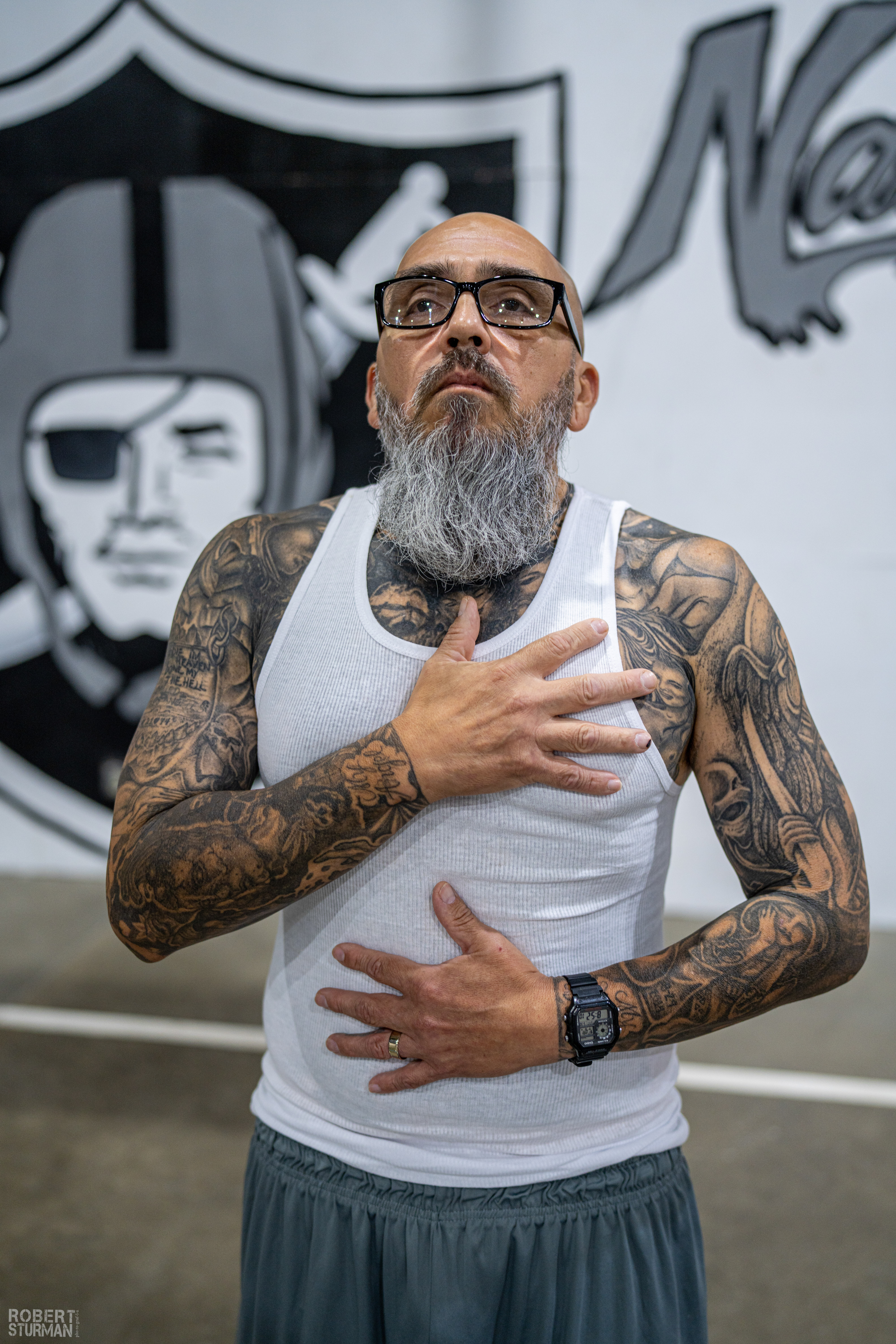
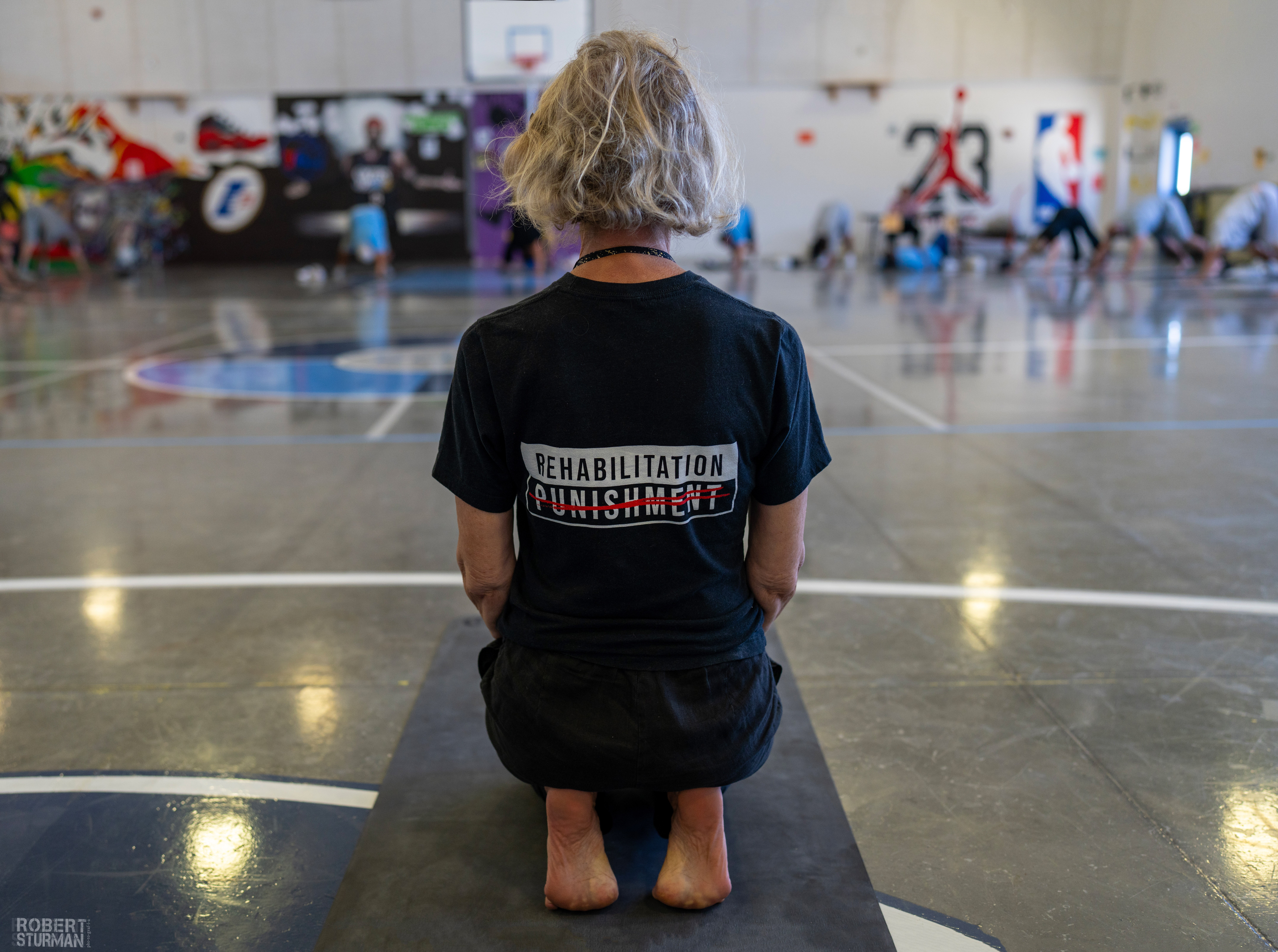
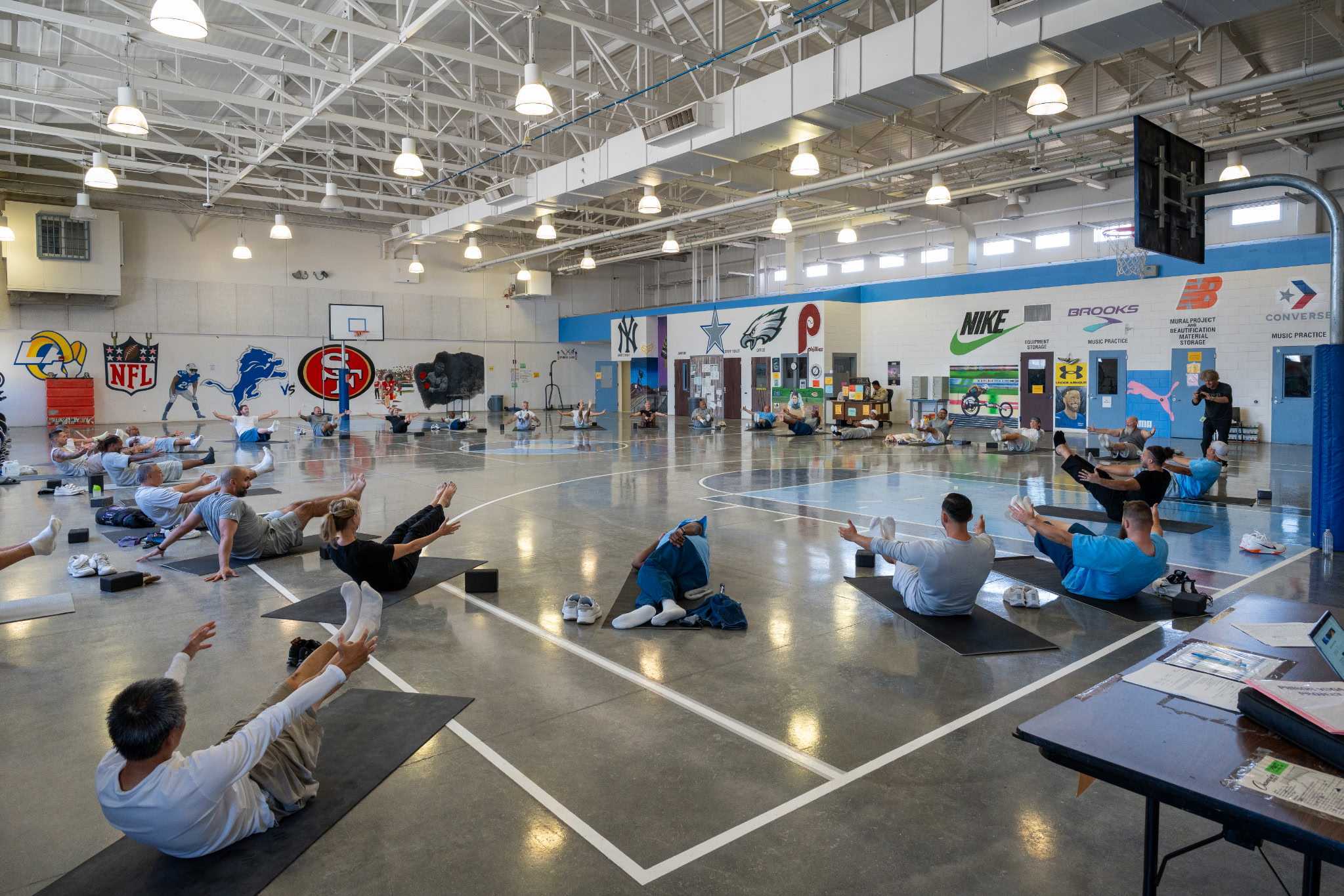
Prison Yoga Project brings trauma-informed yoga and embodied mindfulness to people affected by the criminal justice system. Our work includes direct programming, facilitator training, staff wellness, educational resources, and curricula for incarcerated people, people participating in reentry or alternative court programs, and professionals working within these systems.
Our approach recognizes that trauma is not simply something people remember; it can shape patterns of stress response, the body, relationships, and the way a person responds to the world. We use physical practice, breathing, mindfulness, self-reflection, and the broader philosophy of yoga to help people develop greater self-awareness, regulation, agency, and compassion.
We hold two realities at the same time: people may have caused significant harm, and they remain capable of accountability, growth, and transformation. Compassion does not mean minimizing harm or avoiding responsibility. In fact, genuine accountability becomes more possible when people can examine themselves honestly without being immobilized by shame or permanently reduced to the harm they caused in the past.
What I am proudest of today is the way our facilitators have been accepted by both program participants and correctional staff. Inside a prison, there is usually a very clear divide between those two groups. Participants know that we care about them and believe in their capacity to change. At the same time, officers recognize that we care about them and understand both the unavoidable stress of their work and the additional stress created by the institution and its bureaucracy.
When both groups experience that compassion from us, our presence can create a bridge across that divide. I do not want to overstate what a yoga program can accomplish, but I believe that bridge can help undo some of the harmful dynamics created by an environment that continually separates people into opposing groups. That ability to recognize the humanity, suffering, and potential of everyone within the system is one of the things that most distinguishes our work.
Are there any apps, books, podcasts, blogs or other resources you think our readers should check out?
I have always been a great admirer of Krista Tippett and her podcast, On Being. Her conversations bring together spirituality, ethics, science, art, and the question of what it means to live a meaningful human life.
In understanding trauma, I have been strongly influenced by Judith Herman’s Trauma and Recovery, Bessel van der Kolk’s The Body Keeps the Score, and Peter Levine’s Waking the Tiger: Healing Trauma. Deb Dana’s Anchored and the work of Stephen Porges on polyvagal theory have also helped shape how I understand the nervous system and our fundamental need for safety and connection. Robert Sapolsky’s Behave has also been a major influence.
I find the idea of “domestication” in Don Miguel Ruiz’s The Four Agreements useful: the process through which we absorb social expectations and limiting beliefs until they begin to feel like our essential identity.
More recently, I have been drawn toward work that goes beyond trauma to explore post-traumatic growth, wonder, awe, creativity, and imagination. I also believe that any meaningful conversation about healing and freedom must include an understanding of intersectionality, the social construction of identity, and the ways identities are enforced or policed.
For me, this all connects to the deeper purpose of yoga: gradually unwinding our conditioning so that we can become freer, more spontaneous, and more capable of compassionate action.
Contact Info:
- Website: https://www.prisonyoga.org
- Instagram: https://www.instagram.com/prisonyogaproject/
- Facebook: https://www.facebook.com/prisonyoga
- LinkedIn: https://www.linkedin.com/company/prison-yoga-project/
- Youtube: https://www.youtube.com/@PrisonYogaProject_Peace