


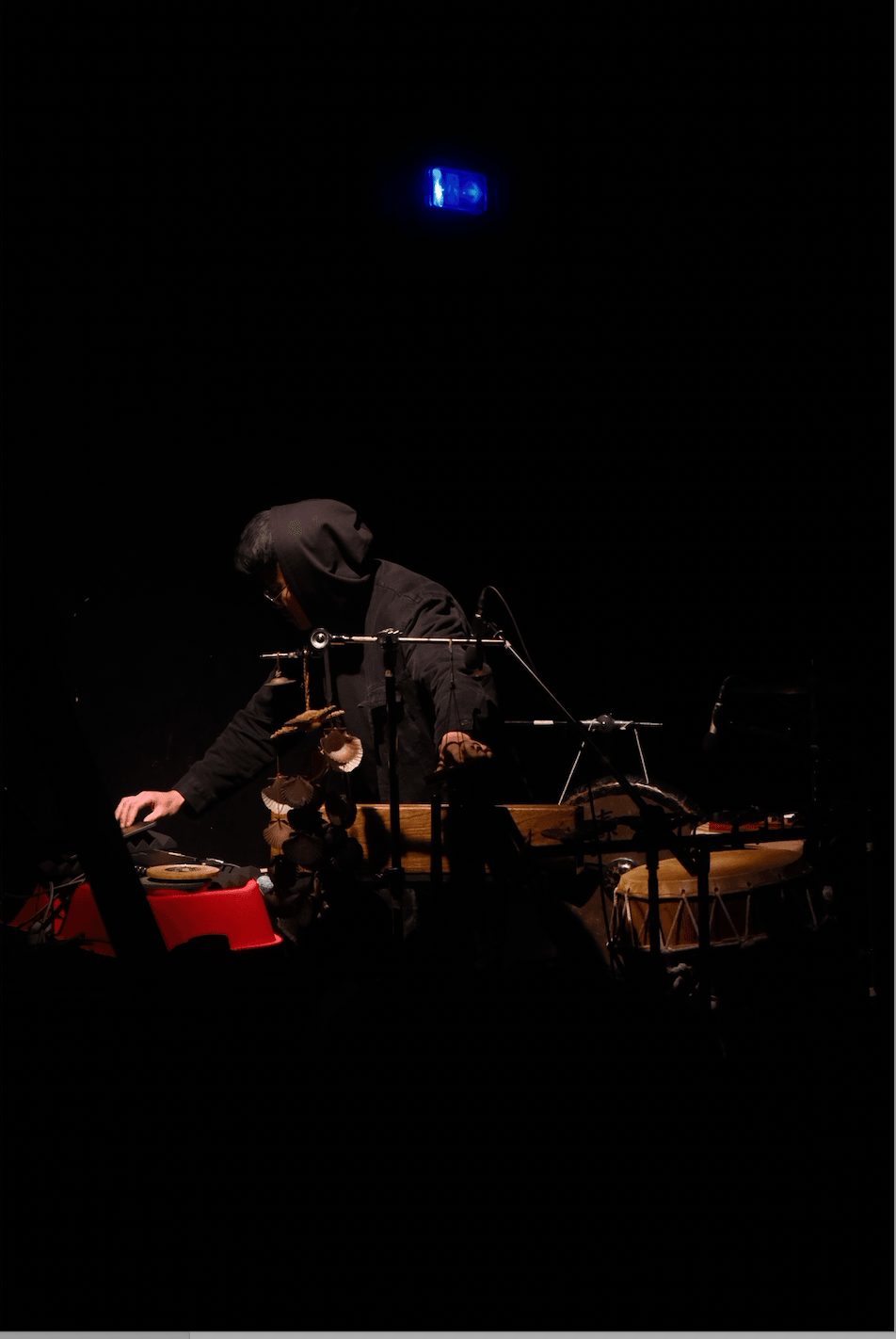
Today we’d like to introduce you to James Koo.
Hi James, please kick things off for us with an introduction to yourself and your story.
I grew up in Tai Hang, a small neighborhood in Hong Kong. Every Lunar New Year we would host the Tai Hang fire dragon dance, a tradition that began in 1880 involving a 219 foot long fire dragon crafted from straw and covered in 70,000 incense sticks. This ritual accompanied by firecrackers and lanterns began as a way to ward off plague and misfortune. But it was also one of my earliest interactions with ritualism and how it can build and transform communities.
Ever since, Ive been drawn to creating art that is reflective of how we use rituals as a way to process our lives. When I was six my parents enrolled me into the pre-college music program at the Hong Kong Academy for Performing Arts (the main music conservatory back home). Here I studied both traditional Chinese and Western Classical music. In high school I played in a 5 piece band that covered anything from John Mayer to the Chili Peppers, we also had a few originals.
In 2017, I graduated high school and attempted to apply to colleges. I had gotten into a few music conservatories in the US but did not have the financial means to attend and so I had to take a gap year. When my grandfather died he left behind a small inheritance that I used to backpack the States whilst simultaneously taking auditions. I was 18 and in a completely foreign country for the first time. My fondest memory was learning about hobo culture and watching a Bill Daniel documentary about Bozo Texino in a youth hostel in Baltimore. I met every kind of American, from someone who was fighting a court case and seemingly unhoused, to fellow backpackers from Stuttgart/Germany, and a young couple on their honeymoon. It was an eye-opening experience and I knew I had to find a way to return.
A year later I started college in Boston – I had lucked out and won a government grant from Hong Kong. I was on a journey, seemingly trying to see if I wanted to make it as a drummer in musical theatre productions, or try to win an orchestral job. Then I had the opportunity to play in the Boston New Music Festival. The piece was Steve Reich’s Music for 18 musicians and it completely changed the trajectory of my life. It was like experiencing a kind of divine intervention, and I had somehow become part of a celestial time machine. The performance had a lasting impact, inspiring me to dedicate myself to a career in contemporary music, relentlessly chasing that same transcendental experience.
When I moved to Ann Arbor for graduate school I felt lost, somehow through the pandemic and the 2020 protests in Hong Kong I had not returned home. It had been six years since I last saw my family and friends, the roots I had come from had felt weak and untethered. I had become fully acculturated to American society. The loss of a childhood friend whom I last saw not long before first flying to Boston, added to my emotional distress. It was hard to reconcile these emotions, both personally and artistically. I decided to redirect my focus from one that was purely dedicated to the American/European composers of the 20th-21st century to one rooted in my culture. How do I reconcile the deep ritualistic traditions I come from with the industrial, post modernist, Euro-American repertoire I had dedicated the last six years of my life to? And in a larger sense, how can ritualistic practices function as a symbolic defense mechanism against our unanimous and cosmic fear of death?
This question has become a longstanding thesis of mine, inspired by my grandfathers funeral. In an effort to to grieve, my family put together a hybrid ritual of Taoist and Buddhist practices. It was an interesting experience as my grandfather seemingly did not ascribe to a particular religion, but we grieved through these rituals nonetheless. I was also heavily inspired by the work of Terry Tsang Luk San who came to the University of Michigan for a residency a few years ago. His work is predicated on the taoist practice of Breaking Hells Gates, which became a big inspiration for developing my artistic practice. I recently premiered a work in France in collaboration with Dr. Fang Fei Miao (Assistant Professor University of Michigan) dedicated to examining how premodern ritual dance in China and Japan brings new insights to the contemporary conceptualizations of queerness and womanhood. I dedicated a portion of the pieces second movement to my grandfather. Using sutra recitation styles found in Taoist and Buddhist practices in my music, I felt a sense of spiritual interconnectedness to the work that was absent from previous projects. Now I am focusing on an upcoming project dedicated to exploring the process of self sacrifice – not in its purely physical sense but rather the symbolic detachment from objects, roles, or identities. For a percussionist like myself, this can manifest as a performance where I gradually remove my symbolic attachments, such as instruments, hair, objects, effectively erasing my artistic identity. This process of disappearance becomes a liturgy, a deliberate act of evaporation. The pursuit of expressing vulnerability on stage is indeed an intriguing aspect, especially when considering the intersection of performance, identity and emotional exposure. My upcoming personal projects include an interdisciplinary dance performance at the University of Michigan, Museum of Art (UMMA) in September and my first doctoral recital on May 11th, 2026. These events will showcase my research and creative endeavors, highlighting the intersection of music, ritual, and cultural heritage.
Can you talk to us a bit about the challenges and lessons you’ve learned along the way. Looking back would you say it’s been easy or smooth in retrospect?
It has definitely been a challenge trying to find a sense of community whilst constantly moving between states and traveling between multiple countries. But I believe I have found that sense of community amongst my fellow artists and colleagues beyond my roots in Hong Kong. Now I have friends all over the country and it has since dissolved my prior notions of a home being attached to a particular geographic location.
Another obstacle has been in the uncertainty of the artistic field, but I am optimistic that opportunities will arise as long as I continue to expand on my skillsets, persist and continue to contribute to my community. I recently had an epiphany: If I were to win the lottery tomorrow, my daily routine would remain unchanged, as I would continue to dedicate my life to creating works that genuinely reflect my artistic vision.
Thanks for sharing that. So, maybe next you can tell us a bit more about your work?
I currently specialize in percussion and dedicate much of my practice to the study of ritualistic practices, pulling from my roots in traditional Chinese percussion and engagement with the contemporary repertoire of the 20th-21st century. Percussion is a non-determined instrumentarium, encompassing any object used to convey action. I recently finished the first year of my doctorate studying with Steven Schick who is a renowned figure in the contemporary music world.
Im an active member in Red Fish Blue Fish, founded by Professor Schick, and named after Dr. Seuss. We regularly perform in San Diego, Los Angeles, and internationally, with upcoming projects including a tour in Spain and an LA premiere. Beyond my music making I enjoy practicing Judo at Unidos Judo Clubs, cooking for my friends and trying to catch a decent wave on the beach. You can find more information about performances on my website: http://jameskooperc.com
Is there anything else you’d like to share with our readers?
You can keep in touch, and posted about my activities through my website!
https://www.jameskooperc.com
Contact Info:
- Website: https://www.jameskooperc.com
- Instagram: https://www.instagram.com/jkoo870/
- Youtube: https://www.youtube.com/@jameskoo830
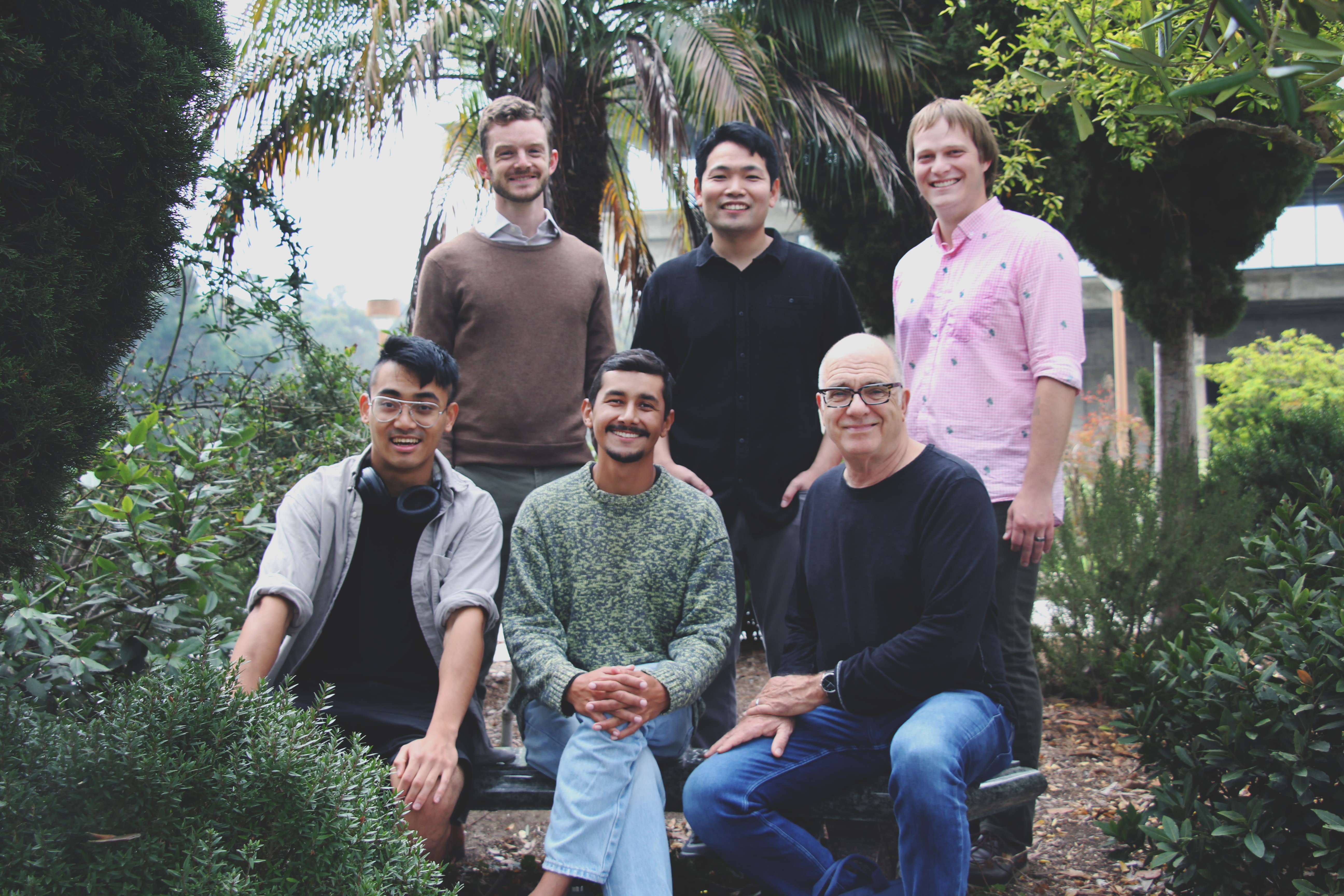
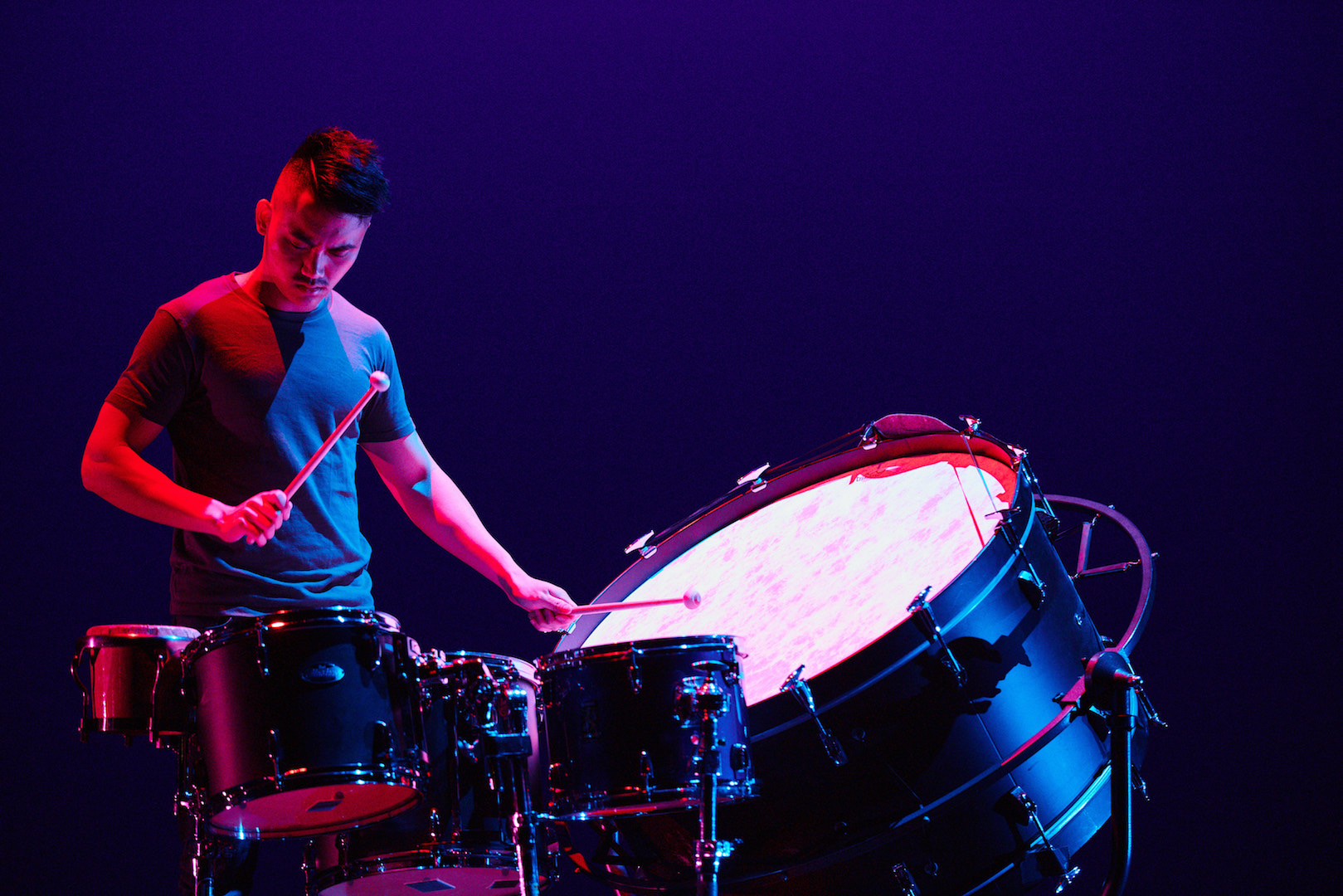


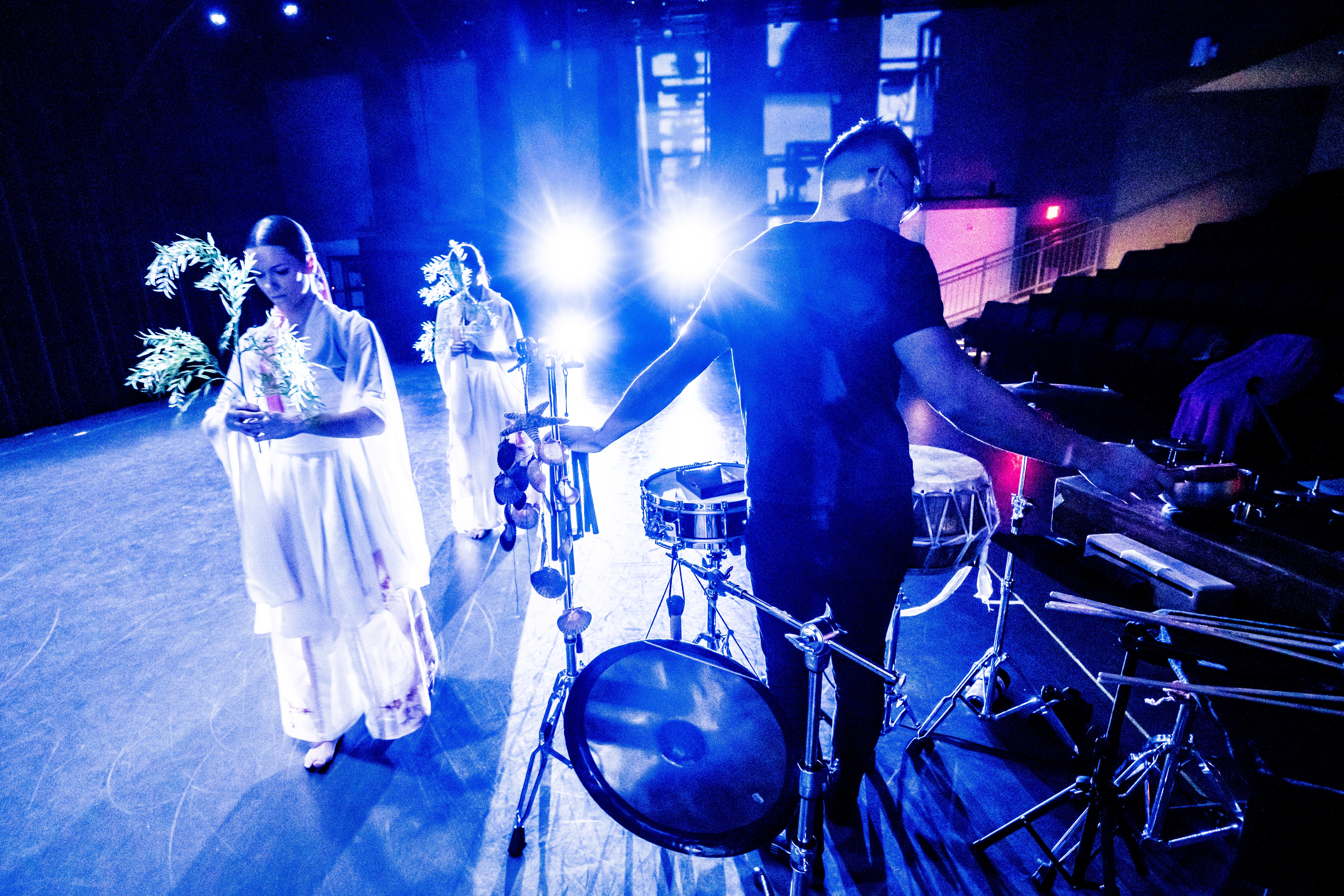
Image Credits
Kirk Donaldson Photo
Photo by Dave Green. Copyright 2020 Boston Conservatory at Berklee
Kendall Fowler Photo
Popular
-
Hidden Gems: Local Businesses & Creatives You Should Know
-

San Diego’s Most Inspiring Stories
-
Maren Hoflund Is Expanding Holistic Healing Beyond the Treatment Room Through Education, Community, and Accessible Wellness
-

How Casey Cantwell Turned a Viral Event Trend Into a Business Built on Celebration and Service

