
Arturo Hoyos shared their story and experiences with us recently and you can find our conversation below.
Arturo, really appreciate you sharing your stories and insights with us. The world would have so much more understanding and empathy if we all were a bit more open about our stories and how they have helped shaped our journey and worldview. Let’s jump in with a fun one: What is a normal day like for you right now?
A normal weekday for me (Monday – Thursday) usually starts with my alarm going off around 6 or 7 AM. First thing, I get up and have my Zena Super Greens morning drink, then I’m out for a run with my Weimaraner (Riga) before finishing the morning at the gym. Once I’m back home, I grab breakfast and head to my desk where most of my day is spent answering emails, session planning, prepping for clinics and camps, building out my Pre-ECNL teams’ periodization plan, reviewing film from past games, or handling other admin work for Elite IQ Football and SD Surf. If I don’t have a coaching staff meeting scheduled, I’ll leave the house a little later and head to the field, where I usually have a private session before training my U11 and U12 SD Surf teams. By the time I get home, it’s all about winding down—having dinner and relaxing with my wife and our dog while catching a show on Netflix.
Can you briefly introduce yourself and share what makes you or your brand unique?
My name is Arturo Hoyos, and I’m the founder of Elite IQ Football, the only all–Zone 1 girls program in the area, built to provide young players with professional-level training in technical, tactical, and decision-making principles. What makes Elite IQ Football special is that we combine a clear developmental structure with a culture of creativity, intelligence, and joy in the game — giving our players an edge from an early age. Alongside running Elite IQ Football, I am the Pre-ECNL coach at San Diego Surf, one of the top youth clubs in the nation, where I get to work daily with some of the most talented and motivated young players. Between both platforms, I’m fully committed to shaping the next generation of footballers into not just elite athletes, but also confident leaders on and off the field.
Okay, so here’s a deep one: What’s a moment that really shaped how you see the world?
In 2013, I had the privilege of living in Terrassa, Barcelona and playing for Club Deportivo Montcada. It was my first time living on my own in a different country, and even though Spanish is my first language, it was still a big adjustment—navigating the different trains and buses to get to school and then to practice, and seeing firsthand how Catalan families lived, many of them in difficult economic situations compared to what I was used to in the U.S. That experience was truly eye-opening. On the field, it was even more humbling. Back home, I was one of the better players in my age group, but in Barcelona, I suddenly found myself at the very bottom of the ladder, surrounded by players who had been immersed in football since birth, coached by some of the best in the world. That experience shaped my worldview—it taught me humility, perspective, and what it really means to live in a culture that breathes football.
What did suffering teach you that success never could?
In the youth soccer world, I see this firsthand. Players may experience suffering on different scales: something major like being cut from a team or dealing with a significant injury, or something smaller like losing a starting spot. But in every case, suffering becomes a mirror. Does the player quit? Do they lash out at the coach or the club? Or do they accept the situation, embrace the challenge, and channel that adversity into growth? The players who choose the latter not only become better athletes, but also much stronger human beings because they’re learning to think long-term and stay connected to their true love for the game.
Personally, suffering shaped my path in a profound way. I once had a teaching job lined up in Japan in 2020, and when the pandemic hit, that opportunity vanished overnight. Suddenly, I was jobless, uncertain, and struggling with what to do next. In that moment of loss, I turned back to the one constant that had always been with me — football. At first, I thought I was simply using it to get by temporarily, but because of my passion and the trust families placed in me, one thing led to another. What started as survival through suffering became the foundation for Elite IQ Football and my role with San Diego Surf Soccer Club.
Suffering taught me gratitude. It taught me the value of passion and perseverance. If everything had always gone according to plan, I might never have found my way back fully into football — the place where my heart has always been.
Next, maybe we can discuss some of your foundational philosophies and views? Whom do you admire for their character, not their power?
I admire my mom and dad for their character. Growing up, they never missed a single soccer game, and they always made sure I knew they had my best interests at heart. They pushed me to do well in school, to go to college, to earn a degree, and to travel so I could see the world beyond a bubble. They encouraged me to pursue what I love, but also guided me to stay away from bad influences and out of trouble.
Even now, as a married 32-year-old, they still look out for me. If I’m going out with my wife or friends, they’ll remind me to be safe and even offer to pick me up late at night if needed. That’s just who they are — parents who never stop caring. I see it continue now in how they are with my niece and nephew, showing the same kind of love and involvement that they showed my sister and me.
They don’t have “power” in the traditional sense, but their influence has been greater than anything power could give. Their character, their sacrifices, and their constant love are what shaped me, and that’s something I’ll always admire.
Okay, we’ve made it essentially to the end. One last question before you go. If you knew you had 10 years left, what would you stop doing immediately?
If I knew I had 10 years left, I would immediately stop overworking. I’d grab my mom, dad, wife, and our dog Riga and start planning vacations together, figuring out a way to budget them into my life. In my world, it’s easy to go three weeks straight between private trainings, team trainings, and weekend games with Elite IQ Football or San Diego Surf. There have been times I’ve missed family reunions or a friend’s birthday because of work responsibilities, and that’s something I’ve been trying to improve on this past year.
This question really hits home because it’s a reminder that there’s more to life than football. As much as I love the game, the most important things in life are family and health. I think I need to start living that balance a little more — especially after reflecting on this question.
Contact Info:
- Website: https://www.eliteiqfootball.com/
- Instagram: @arturoivansd
- Linkedin: https://www.linkedin.com/in/arturo-hoyos-mpa-aa1157110/
- Youtube: https://www.youtube.com/@eliteiqfootball
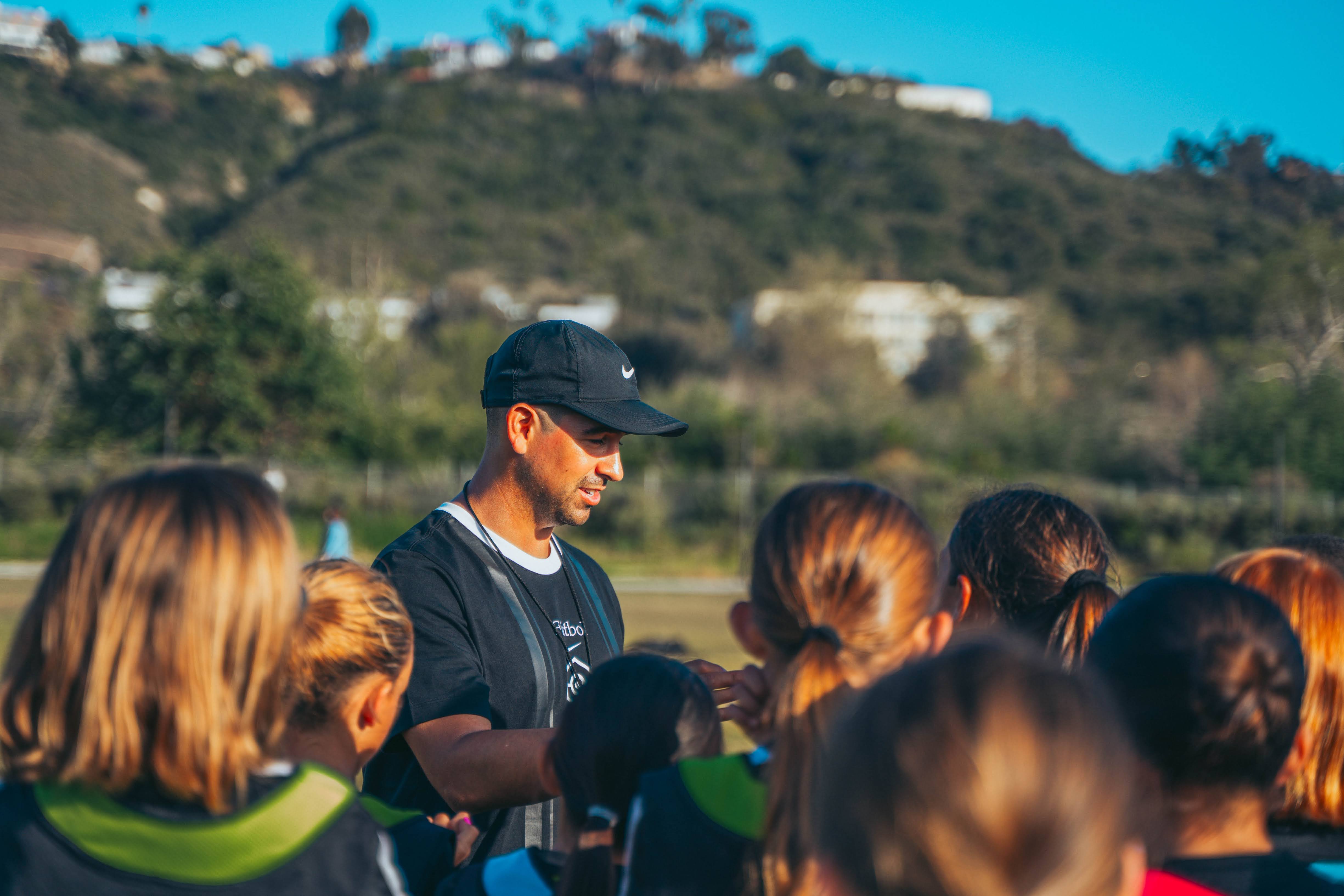
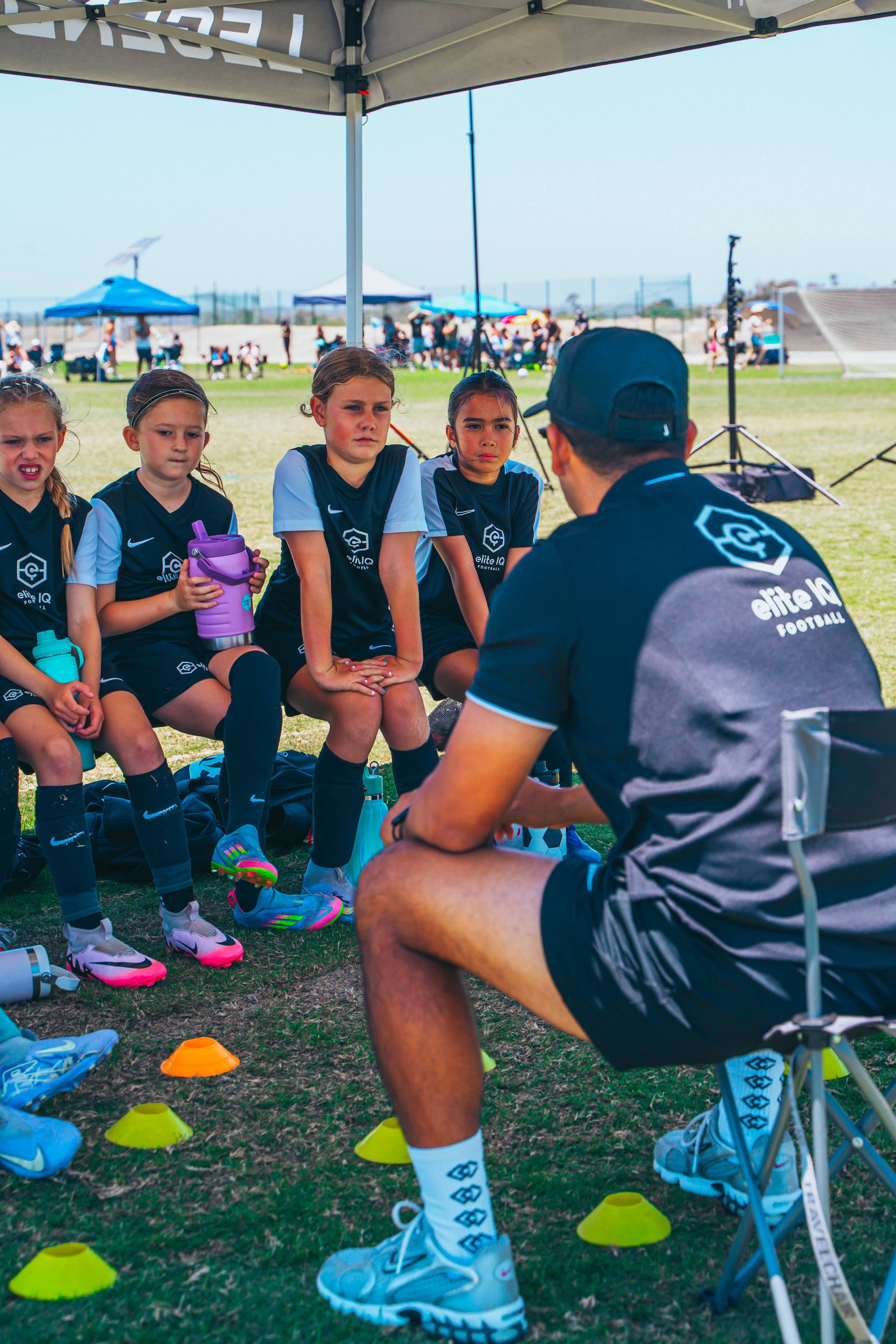
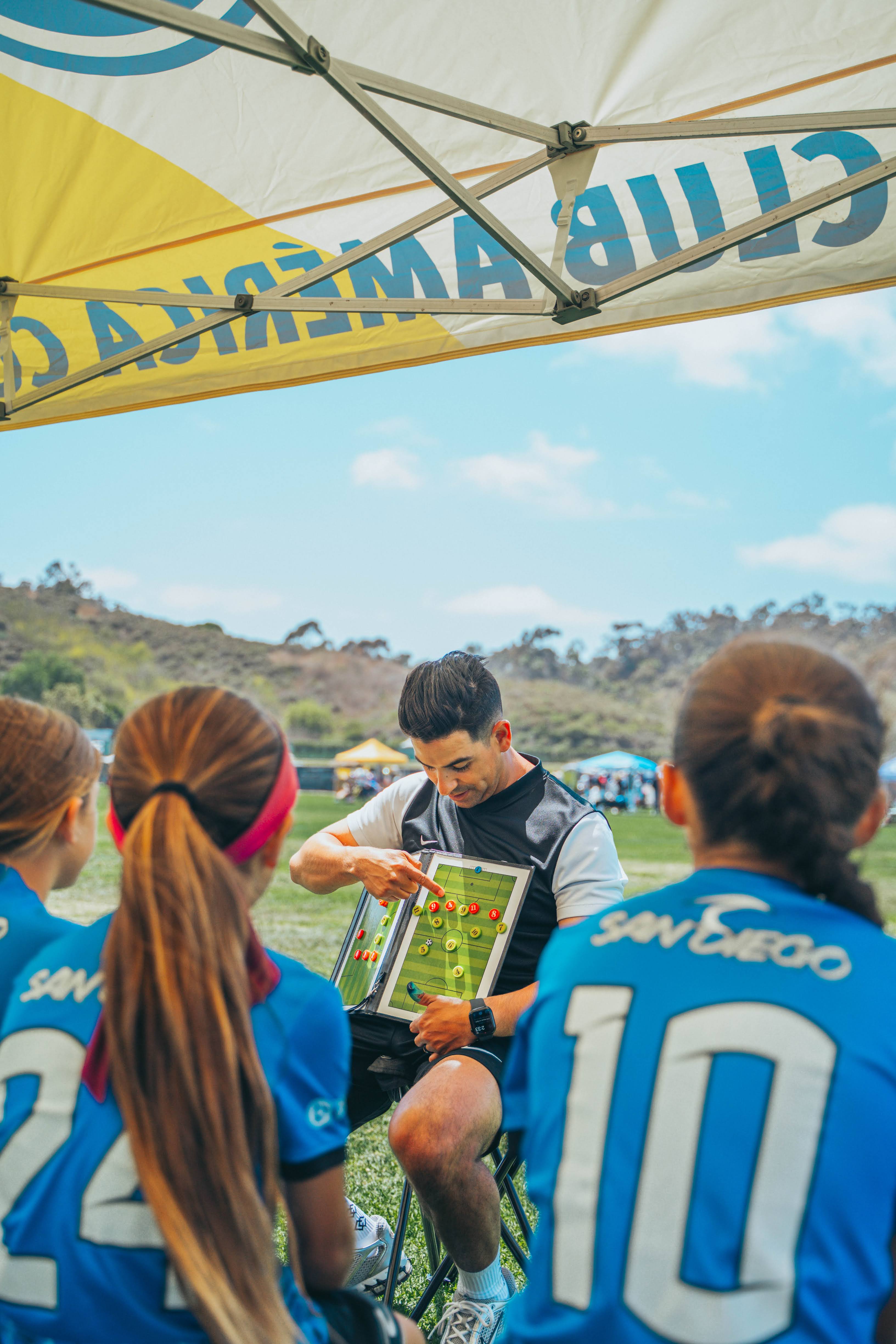
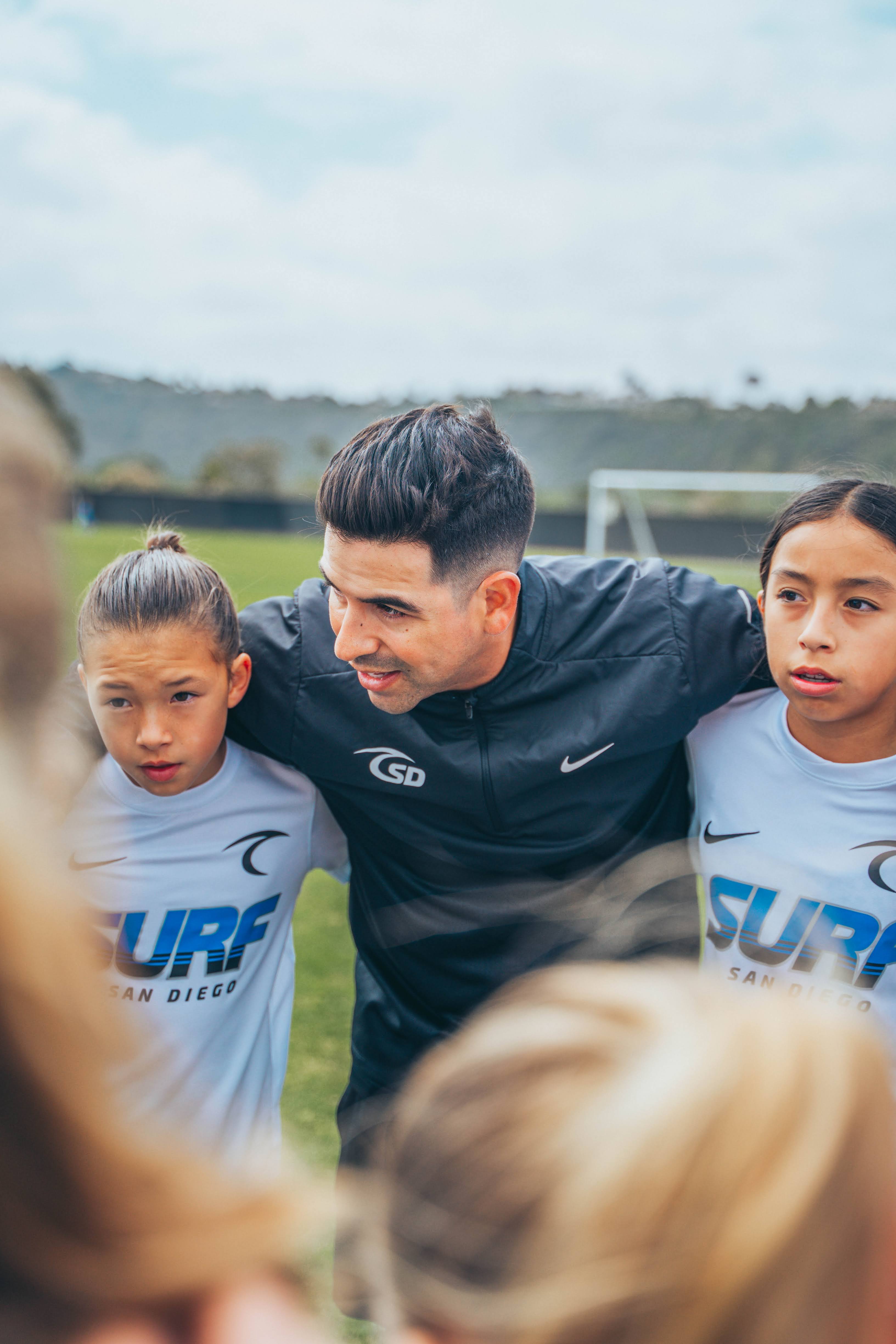
Image Credits
Tommy Dodd