Olive Panes-Gindelberger shared their story and experiences with us recently and you can find our conversation below.
Olive, it’s always a pleasure to learn from you and your journey. Let’s start with a bit of a warmup: What’s the most surprising thing you’ve learned about your customers?
As a massage therapist and bodyworker specializing in women’s health, one of the most surprising and eye-opening things I’ve learned is how deeply ingrained negative body image can be and how long they last, regardless of age. Even clients in their 80s and 90s have begun our sessions by apologizing for their appearance from weight gain. It’s heartbreaking, but also incredibly telling. Even though we all know how much pressure society puts on women’s bodies, we rarely talk about how that pressure lingers in our nervous systems and also cycles through our family generationally. It’s rarely spoken about so openly, especially in moments of vulnerability like receiving care.
This became especially apparent to me when I launched my mobile massage business during the pandemic in 2020. Many women would instinctively apologize for things like not shaving their legs or having a messy home-even though we were in a time of collective survival. I always made it a point to reassure them that their comfort and well-being were far more important. That experience reinforced for me just how important it is to create a space where women feel accepted, safe, and free from judgment.
It also reminded me that care work is also emotional work. My role isn’t just to help ease physical tension, but to hold space where women can feel protected, seen, and reminded that they don’t need to apologize or feel shame for existing in their bodies. I want every woman I work with to feel like she can exhale, not just physically but emotionally. Because when we stop apologizing for our bodies, even just for a moment, there’s room for something softer to take its place like self-compassion, rest, or even joy. That’s the kind of care I aim to offer.
And I understand this all too well. In my own healing journey, especially after experiencing loss and grief, I’ve had to and continue to rebuild my relationship with my body. It’s been a process of choosing kindness over criticism, softness over perfection. So when a client shares her insecurities with me, I don’t see it as a flaw. I see it as an opening. A moment to pause together, to breathe, and to remember that we are already enough—just as we are.
Can you briefly introduce yourself and share what makes you or your brand unique?
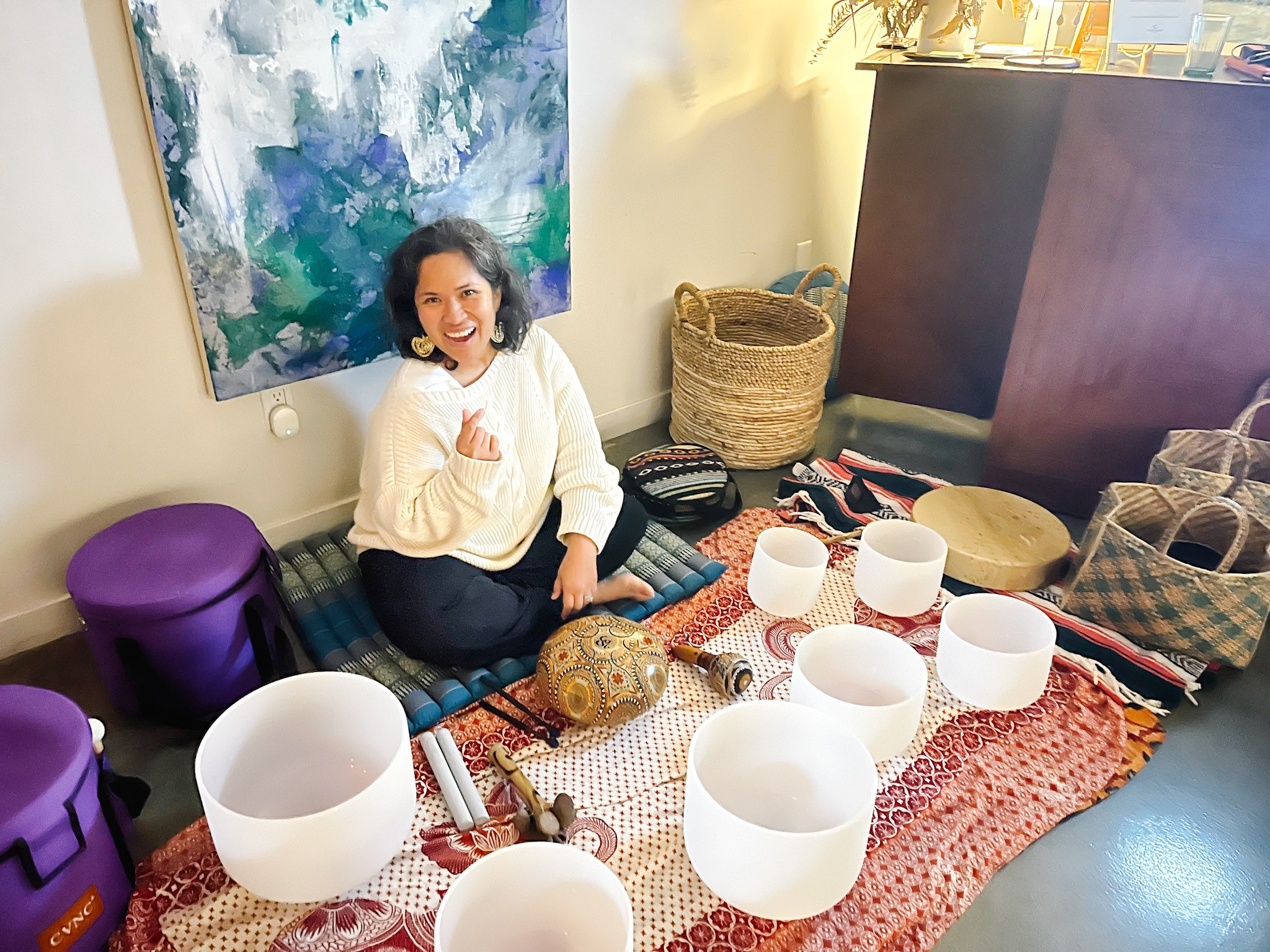
Hi, I’m Olive Panes-Gindelberger, a trauma-informed licensed massage therapist/bodyworker, certified health and wellness coach, and founder of Solimar Wellbeing, a mobile bodywork and wellness practice rooted in compassion, intention, and cultural sensitivity. At my core, I’m someone who believes in the quiet power presence, touch, and story — and that real transformation begins when we feel safe enough to come home to our bodies.
As a Filipino American immigrant, my work centers on supporting women, especially women of color, through all the seasons of their lives, whether they are navigating body changes, grief, burnout, personal healing or simply learning how to rest without guilt. Solimar Wellbeing was born out of my own lived experiences and was created as a soft landing, intentional space for women to reconnect with themselves. Rooted in the Filipino tradition of Hilot (healing hands) and guided by a trauma-informed, decolonized lens, my practice centers care, compassion, and the belief that our bodies hold deep wisdom.
Solimar Wellbeing is more than massage. It is a space to slow down, breathe, and feel safe in your body again. It’s a place where healing isn’t rushed, where stories are honored, and where the body’s wisdom is deeply respected. What makes Solimar Wellbeing special is how personal and intentional it is. I move from a decolonized lens of healing, where wellness isn’t about fixing or performing, but about remembering who we are outside of societal expectations and generational conditioning.
Right now, I’m expanding Solimar’s offerings to include coaching services for women of color, particularly Asian American women, who are ready to reconnect with themselves and their bodies. Through group coaching, we come together to share our lived experiences, learn practical tools, and explore ways to integrate them into our everyday lives so that our growth feels embodied and empowering. My hope is to hold a space that is safe, affirming, and rooted in trust—where you can come as you are, be supported without judgment, and remember that you are already worthy of care, rest, and joy. Always.
Appreciate your sharing that. Let’s talk about your life, growing up and some of topics and learnings around that. What’s a moment that really shaped how you see the world?
A moment that really shaped how I see the world was becoming involved in community grassroots organizing in my early 20s. During that time, I met Filipina American leaders, comrades, and community builders who fought tirelessly for human rights and advocated for women and children experiencing oppression. That experience shaped my lens around advocacy, community accountability, and understanding the needs of underserved populations.
The work was incredibly demanding and completely unpaid, but the lessons I learned, the movements we helped build, and the connections I made are invaluable. It gave me a deeper understanding of how the world operates and laid the foundation for becoming a stronger advocate for both myself and others. It taught me empathy, sharpened my awareness, and reminded me to stay rooted in something bigger than myself.
Being in those spaces showed me that change doesn’t always happen in grand or visible ways. It often lives in small acts of care, solidarity, and consistently showing up for one another. It opened my eyes to the ways systems impact our daily lives, especially for marginalized communities, and instilled in me a sense of responsibility to use my voice and gifts to uplift others.
Another important lesson I carried from that time was the true meaning of burnout. That constantly giving your all without pausing to rest eventually takes a toll on your emotional, physical, and mental well-being. The phrase “you can’t pour from an empty cup” became very real to me. It was the beginning of many ongoing lessons about what it truly means to care for others without abandoning myself in the process. To offer myself and others grace during times of difficulty and need. Lessons I’m still learning and practicing today.
That experience continues to guide how I move through the world today. Whether I’m supporting someone through bodywork or holding space in community, I try to lead with compassion, collective care, and the belief that everyone deserves to be seen and supported. It’s why I continue to learn and practice from a trauma-informed, decolonized lens not only to offer meaningful care, but to better understand and honor the needs of others. That time in my life affirmed what I’ve always known deep down: I was meant to help people.
What have been the defining wounds of your life—and how have you healed them?
Content Warning: miscarriage and pregnancy loss, including related medical details (e.g., bleeding)
One of the most defining and tender wounds of my life happened in April 2024. I experienced my first pregnancy, at about five to six weeks, which resulted in a miscarriage. As someone living with Polycystic Ovary Syndrome (PCOS), conception has always felt uncertain. PCOS often causes irregular or absent ovulation and hormonal imbalances, making conceiving and sustaining a pregnancy incredibly difficult.
Because of that, my pregnancy came as a complete surprise. My husband Nathan and I only found out after I went through what I thought was an unusually heavy and painful period. After nearly two hours of intense hemorrhaging, I asked my husband to take me to the emergency room. A series of tests from bloodwork, urine and an intravaginal ultrasound confirmed I was pregnant, though I would need to return in two days to monitor my hCG (human chorionic gonadotropin) levels to determine whether the pregnancy was progressing.
Deep down, I sensed what was happening, but we still held onto hope. Two days later, our worst fears were confirmed when my hCG levels dropped significantly. I had miscarried the day I went to the ER.
This marked the beginning of one of the darkest chapters of my life. I still carry that grief with me, and yet I’m grateful to be here. I chose to share my story openly because 1 in 4 women experience miscarriage and yet so many go through it in silence and isolation. I was overwhelmed by how many women reached out to share their own experiences, many of whom had never spoken about it publicly due to shame or fear of being dismissed.
There were moments when the pain felt unbearable. Moments when waking up felt like the hardest task. Even now, grief still finds its way in—sometimes in small ways, sometimes in waves. In those times, I’ve leaned on my husband for comfort, fallen into the arms of my best friends and loved ones, and been held by the stories of other women who have walked this path.
Another painful realization was learning that postpartum depression (PPD) can also occur after miscarriage. A fact that was never mentioned during my ER visit and is rarely spoken about within our healthcare system. According to the National Library of Medicine, PPD affects about 1 in 5 new parents after birth, and similar hormonal shifts can happen after miscarriage or stillbirth. Add emotional trauma to that, and the impact can be profound. This lack of awareness and support fueled my desire to speak more openly about women’s health, especially within Asian/ Filipino American communities where mental health conversations are still emerging.
How have I healed?
The truth is — I’m still healing. And I probably will be for the rest of my life. Grief doesn’t go away; it changes shape. What has helped me is being honest about my experience, taking time away from bodywork so I wouldn’t unintentionally transfer my own grief to clients, limiting social media and avoiding triggering situations, and surrounding myself with community. Friends honored my loss with rituals and intentional time including a surprise trip to a Korean spa where I found relief in the cold plunge, simply being able to feel something again.
I joined virtual gatherings on infertility and pregnancy loss, sought out communities, and worked closely with my therapist who reminded me that it’s okay to feel deeply, and that medication can also be a form of care. Most importantly, my husband has walked beside me every step of the way, reminding me to give myself grace as I move through this experience.
This journey has reminded me that I’m not alone and that sharing our truths creates space for others to feel less alone too. Since then, I’ve slowly returned to seeing both longtime and new clients who have found their way to me. I’m grateful for these moments, because they remind me of why I do this work. This experience has given me an even deeper capacity to hold space for those who have experienced loss, carried the weight of unexpressed emotions, or simply need a place to rest without explanation. It’s made my work feel even more meaningful and given me a renewed sense of purpose in offering care that is tender, intentional, and true.
Sure, so let’s go deeper into your values and how you think. What are the biggest lies your industry tells itself?
There are several misconceptions and old ideologies that are preconceived when they think about healing in the wellness space. For instance, when people think about massage, it’s thought of as a “luxury,” but in reality, it’s essential to our whole being. It’s marketed as a spa-day indulgence or just muscle relaxation, but in reality, it’s deeply emotional, energetic, and even ancestral. It has many other benefits and factors that not just affect our physical body, but also help calm our nervous system and destress our minds.
“More pressure = more effective” is a very common one. Many may think that deep tissue means it has to hurt to heal. In truth, safety and nervous system regulation are often more transformative than force. A colleague once gave me an example that left an impact. She asked, “If you see an injured animal on the road, do you give it more pain to help heal it?” A lot of people may find that adding more pain to “feel” it means the bodywork is extra effective, but that doesn’t last long. Your body goes back to where it was and you’re back to your baseline. There are instances when deeper pressure may be necessary such as chronic pain of fibromyalgia, but it doesn’t mean going harder. This is one of the reasons why I provide various modalities that are lighter touch such as Manual Lymphatic Drainage and Craniosacral Therapy, to address what’s underneath including the somatic. We don’t think that there could be emotions attached to pain or discomfort and it’s why most times, people prefer feeling the pain because addressing the emotions may be too much. Deeper doesn’t mean harder. Effective deep tissue is usually slow, intentional, and tuned into the client’s breath and feedback.
Within the wellness industry, what comes to mind as a misconception is the “Love and Light” mindset. Not only does this bypass the experience or trauma one had gone through, it gaslights you into thinking that you don’t need support in your healing because all you have to do is think positively. Not only is this dangerous, but this bypasses trauma, systemic oppression, and lived reality. Healing is never just “thinking positive,” it’s going deeper within you and doing the work with the right support systems.
I’ve seen how the wider wellness and spiritual industry can mislead people into chasing shortcuts. There’s a growing belief that if you just find the right retreat, the right ceremony, or the right “guru,” you’ll unlock instant transformation. Sacred practices like ayahuasca, for example, have been lifted out of their cultural roots and turned into commodities, marketed as a quick fix for trauma. Without the community, lineage, or integration that traditionally hold these practices, people can end up more wounded than when they started.
And it’s not just ayahuasca — yoga, cacao, even breathwork have been repackaged and sold, often at a price only the privileged can afford, while the cultures who carried these practices are ignored or exploited. Healing becomes less about care and connection, and more about consumption.
The harm is real. People are left vulnerable, disappointed, or retraumatized, and entire traditions are diluted or disrespected. What gets lost is the truth: real healing is slow, relational, and requires respect for ourselves, for each other, and for the communities who have tended these practices long before they became trends.
If there’s one thing my own journey has taught me, it’s this: healing cannot be bought as a perfect package deal or rushed. It unfolds in its own time. It’s tender, messy, and deeply human. And maybe that’s where its sacredness lies- in the reminder that even when we feel most broken, we are not alone.
Okay, so let’s keep going with one more question that means a lot to us: What do you understand deeply that most people don’t?
What I understand deeply, maybe more than most, is how our bodies and experiences hold the stories of our lives, especially the ones we don’t always talk about. Grief, healing, and the changes our bodies go through can feel isolating or even frightening, but I’ve learned that leaning into them, rather than resisting, is where real understanding begins. Is it easy? No. Is it worth it? Yes.
Becoming self-aware is one of the hardest things a person can do and become. It’s messy, uncomfortable, and often slow. But through somatic work, listening to what your body feels, honoring it, and moving through emotion physically, I’ve discovered a way to connect with myself that words alone can’t reach. Somatic work is also a practice that helps you tune into your body’s sensations, release stored tension, and process emotions physically. I’ve discovered it’s my innate gift and a way to connect with myself that words alone can’t reach.
This kind of awareness doesn’t erase pain or make body changes disappear, but it allows you to hold your full experience with compassion, to heal in layers, and to meet yourself with honesty and better understanding. Most people don’t realize that self-awareness isn’t just introspection, it’s an embodied practice. And when you commit to it, it can be life-changing with the right support systems from your therapist to community, the people who remind you that healing doesn’t have to be done alone.
It’s because of this that I want to fulfill my goal of creating more spaces for women of color, especially Asian American women, to have dialogue on our lived experiences. To have a community where hard conversations can be had, but also create tools and resources that can be applied in life to help provide a deeper understanding within, allowing growth. Healing, to me, is both individual and collective: when we come together to share our lived experiences, we strengthen our capacity to understand ourselves and each other. That’s where real transformation begins, when our stories, bodies, and voices are honored as sources of wisdom and power. When we come together in that shared recognition, healing extends beyond the individual, fostering growth, connection, and collective empowerment.
Contact Info:
- Website: https://www.solimarwellbeing.com/
- Instagram: solimar_wellbeing
- Linkedin: https://www.linkedin.com/in/olive-royce-panes-gindelberger-lmt-91203320b/
- Other: Google: Solimar Wellbeing- https://share.google/BcdJC0F3II7fIGDgr
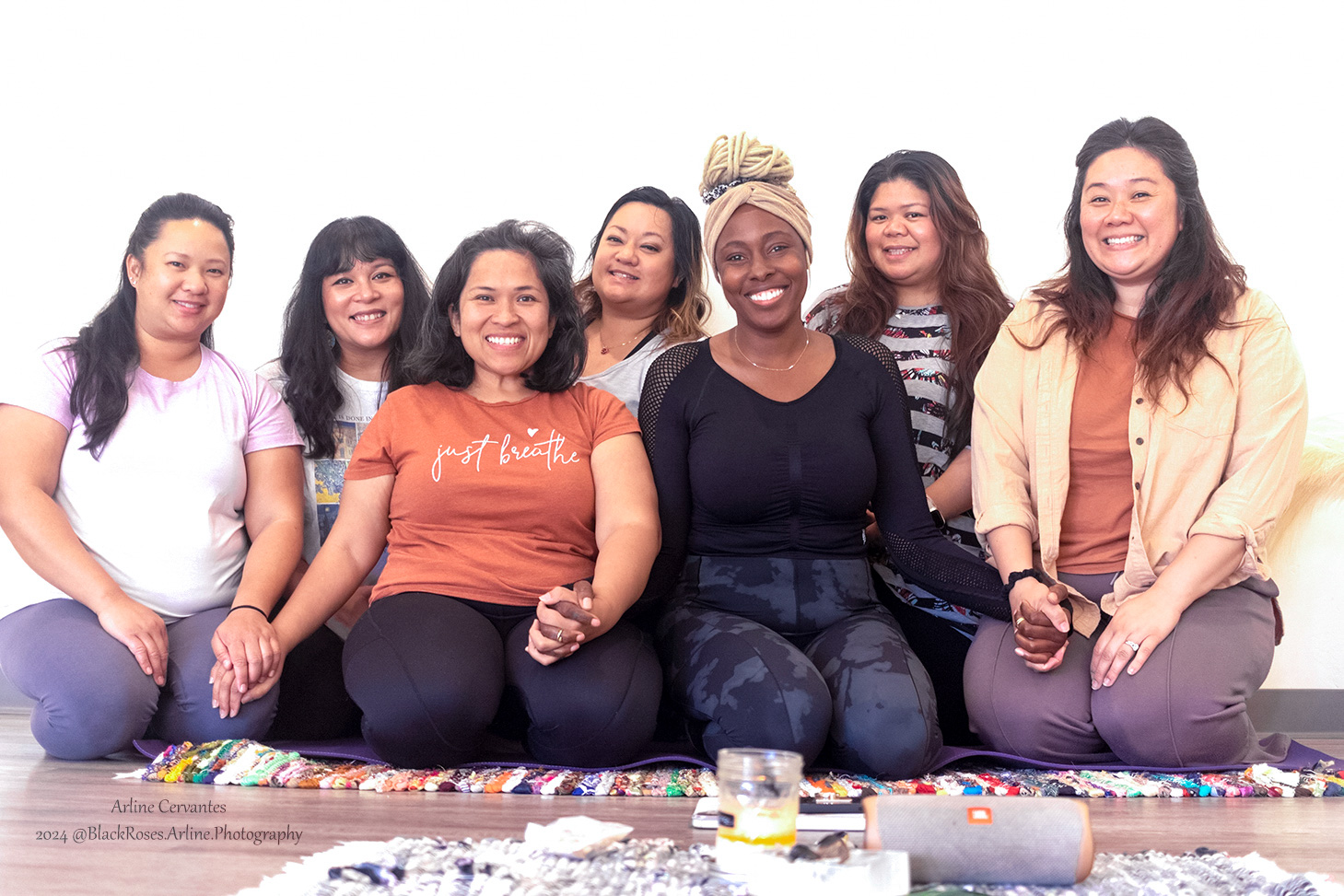
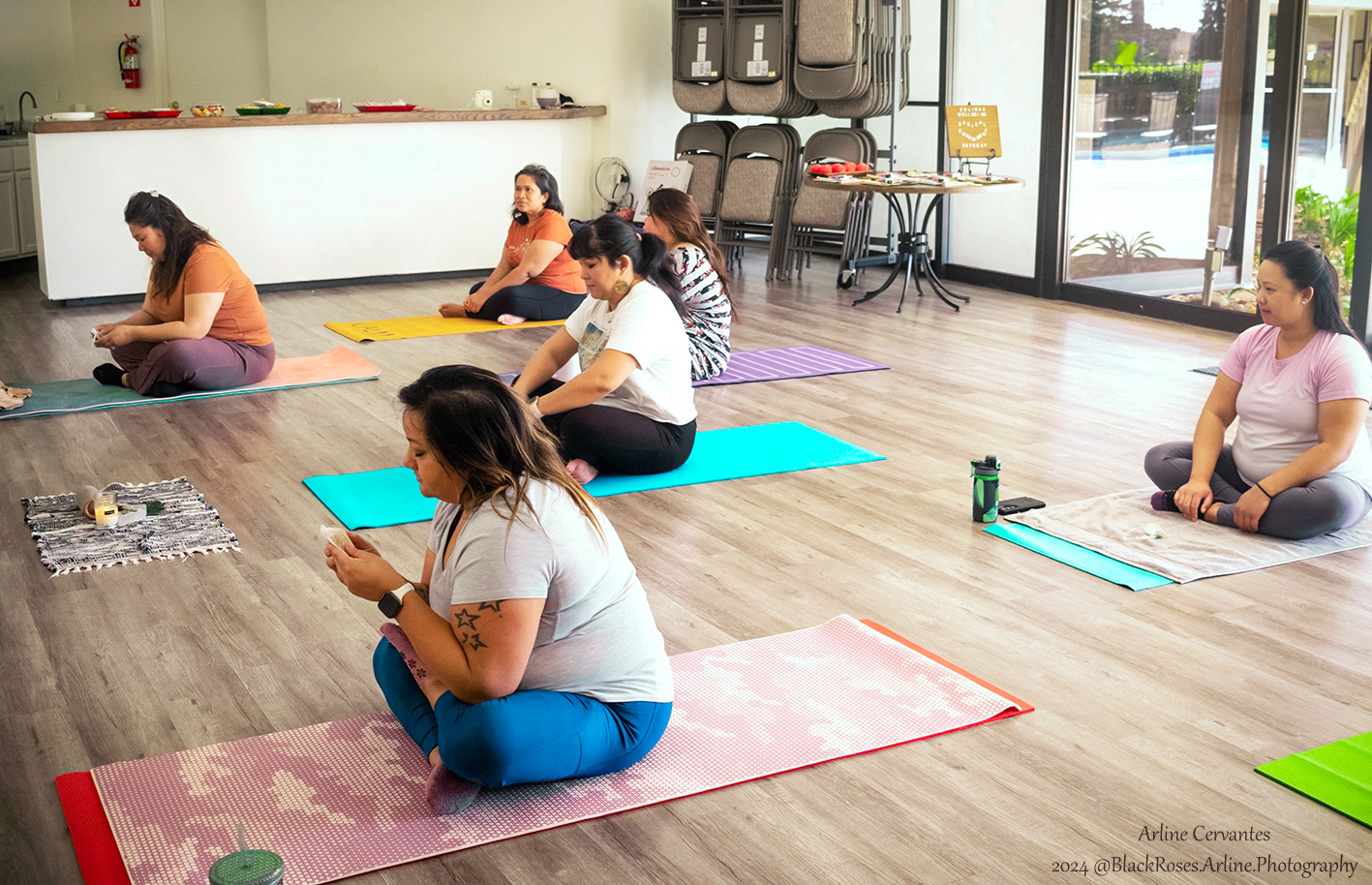
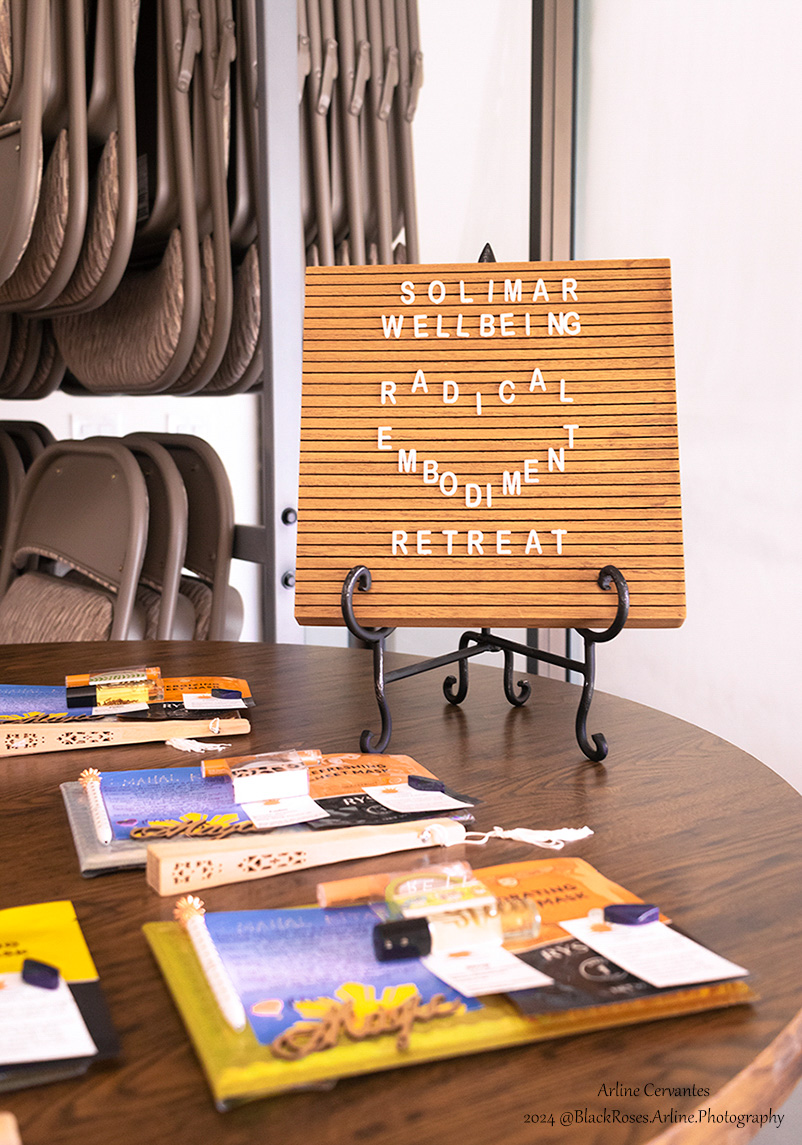
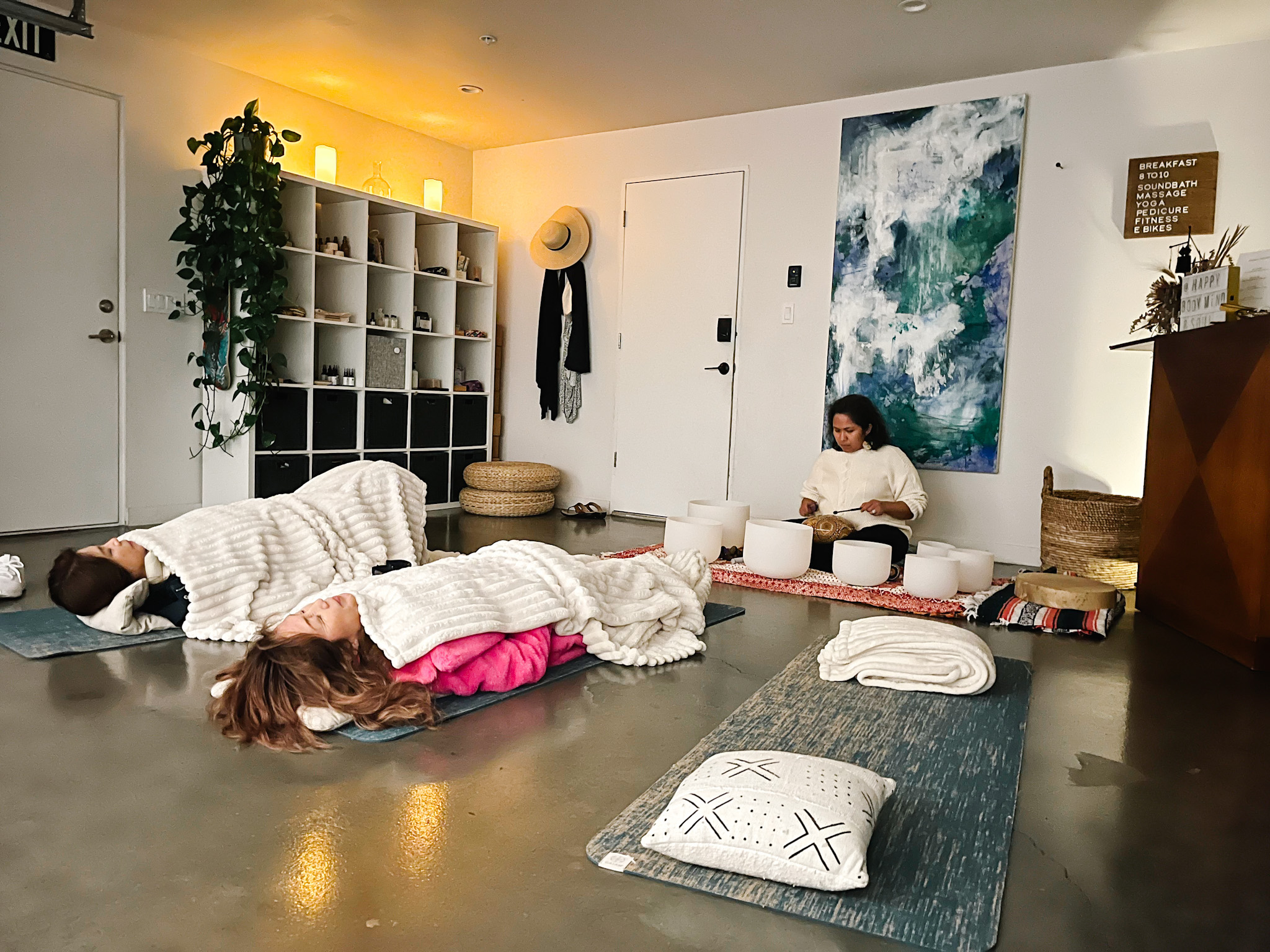
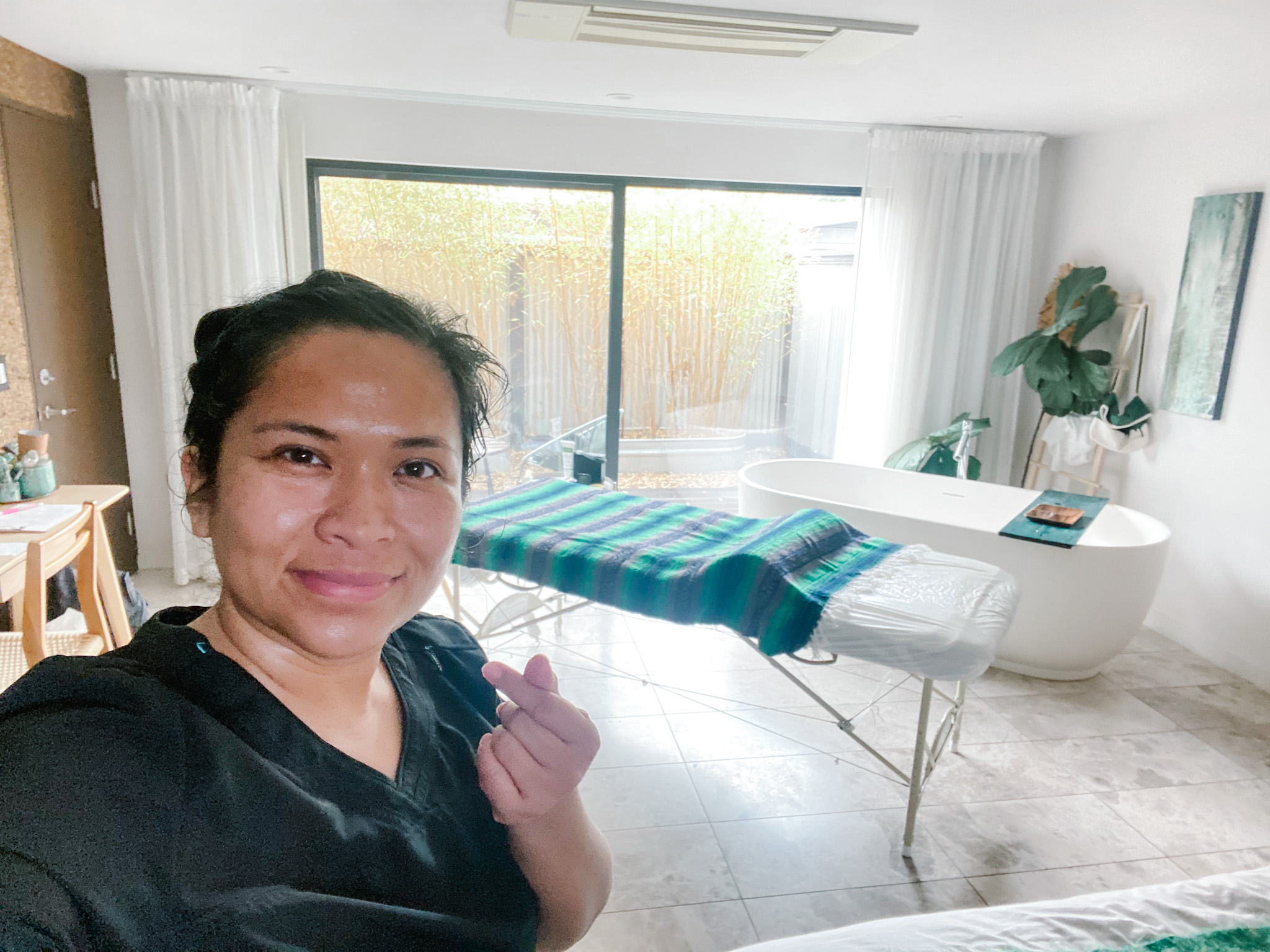
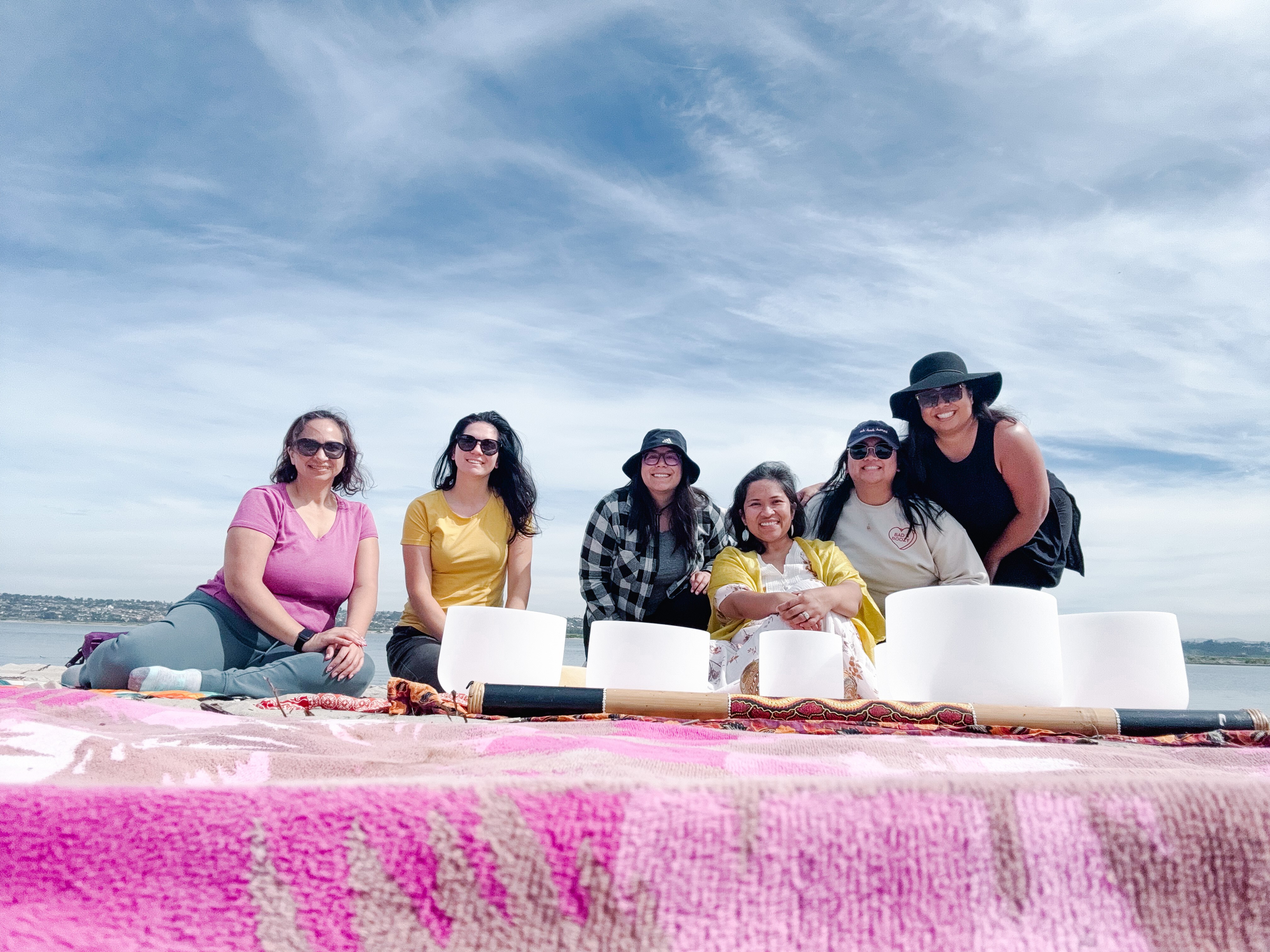
Image Credits
BlackRoses.Arline.Photography