We’re looking forward to introducing you to Robert Smith. Check out our conversation below.
Robert, it’s always a pleasure to learn from you and your journey. Let’s start with a bit of a warmup: Have any recent moments made you laugh or feel proud?
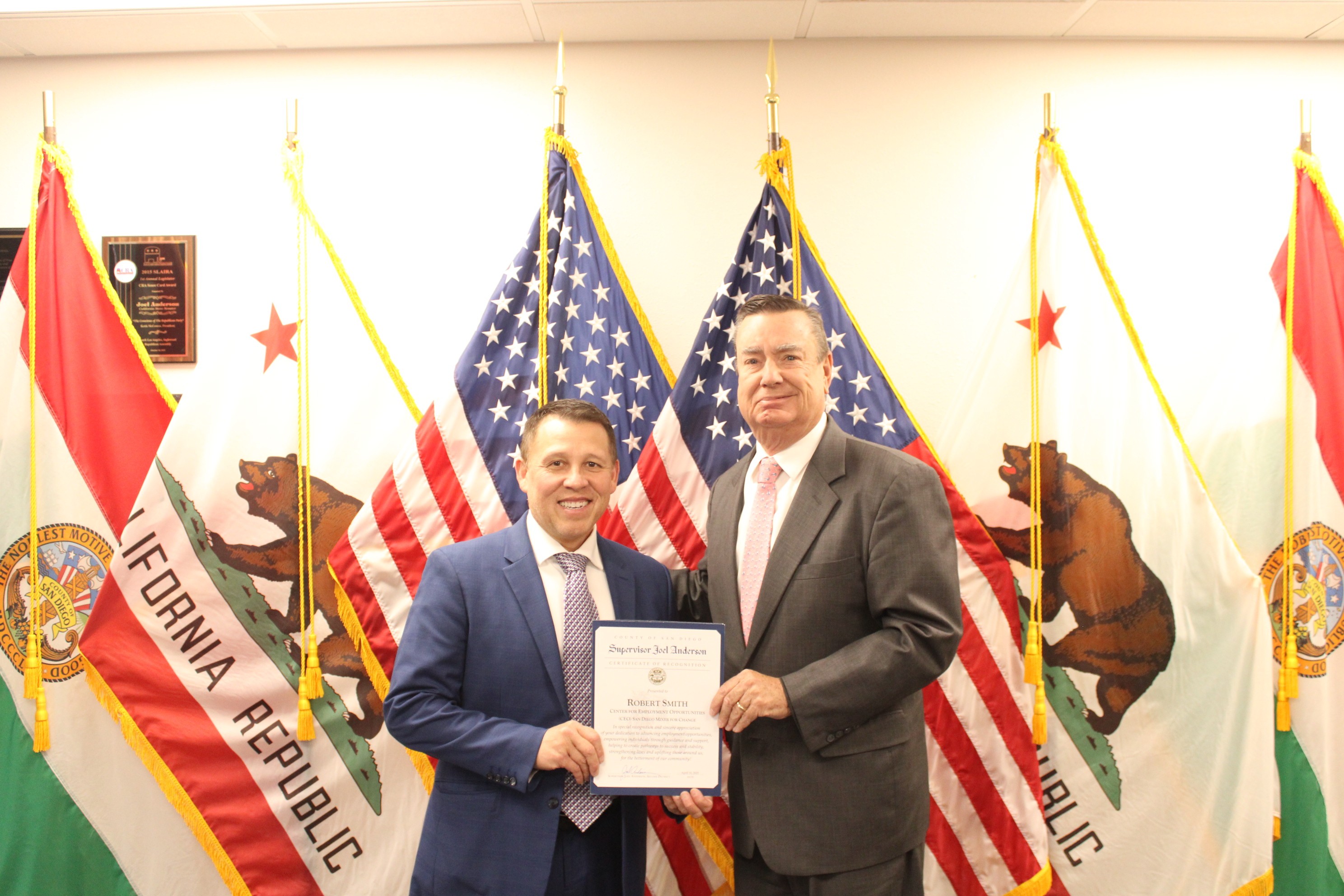
As the Chair of the San Diego Homeless Court Committee we recieved the Witkin Award, the 2025 Bernard E. Witkin Award, one of the region’s most respected recognitions presented by the San Diego Law Library Foundation.
For those unfamiliar, the Witkin Awards celebrate individuals and programs that demonstrate civic leadership and excellence in the practice of law, adjudication, legal education, and the advancement of access to justice. Named after Bernard E. Witkin, whose legal scholarship remains foundational in California, the awards highlight efforts that strengthen our justice system and expand equitable access to the law.
Can you briefly introduce yourself and share what makes you or your brand unique?
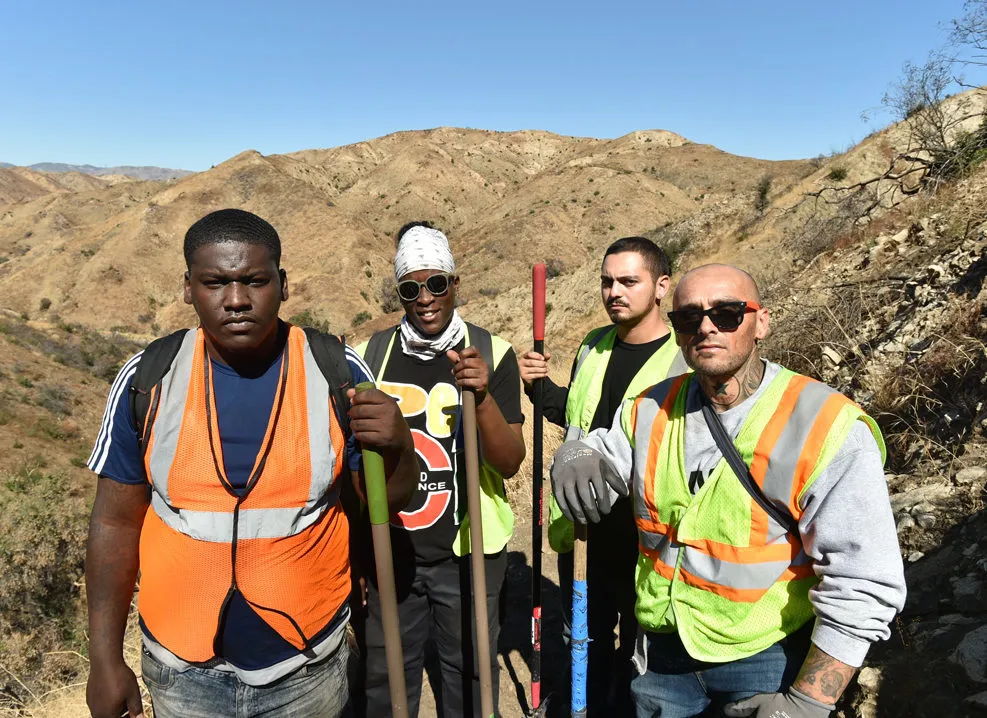
The Center for Employment Opportunities (CEO) is a national nonprofit that’s been helping people successfully reenter the workforce for more than three decades. From the start, our mission has been simple but powerful — to provide employment opportunities for people coming home from incarceration and help them build financial stability and long-term career growth.
We’re now in 30 cities across 12 states, and our model starts with immediate, paid transitional work. Participants earn daily income while rebuilding confidence, structure, and experience. From there, we offer job coaching, placement services, and advanced training in high-demand fields like commercial driving, construction, IT, solar installation, and more — all designed to help people move into stable, well-paying careers.
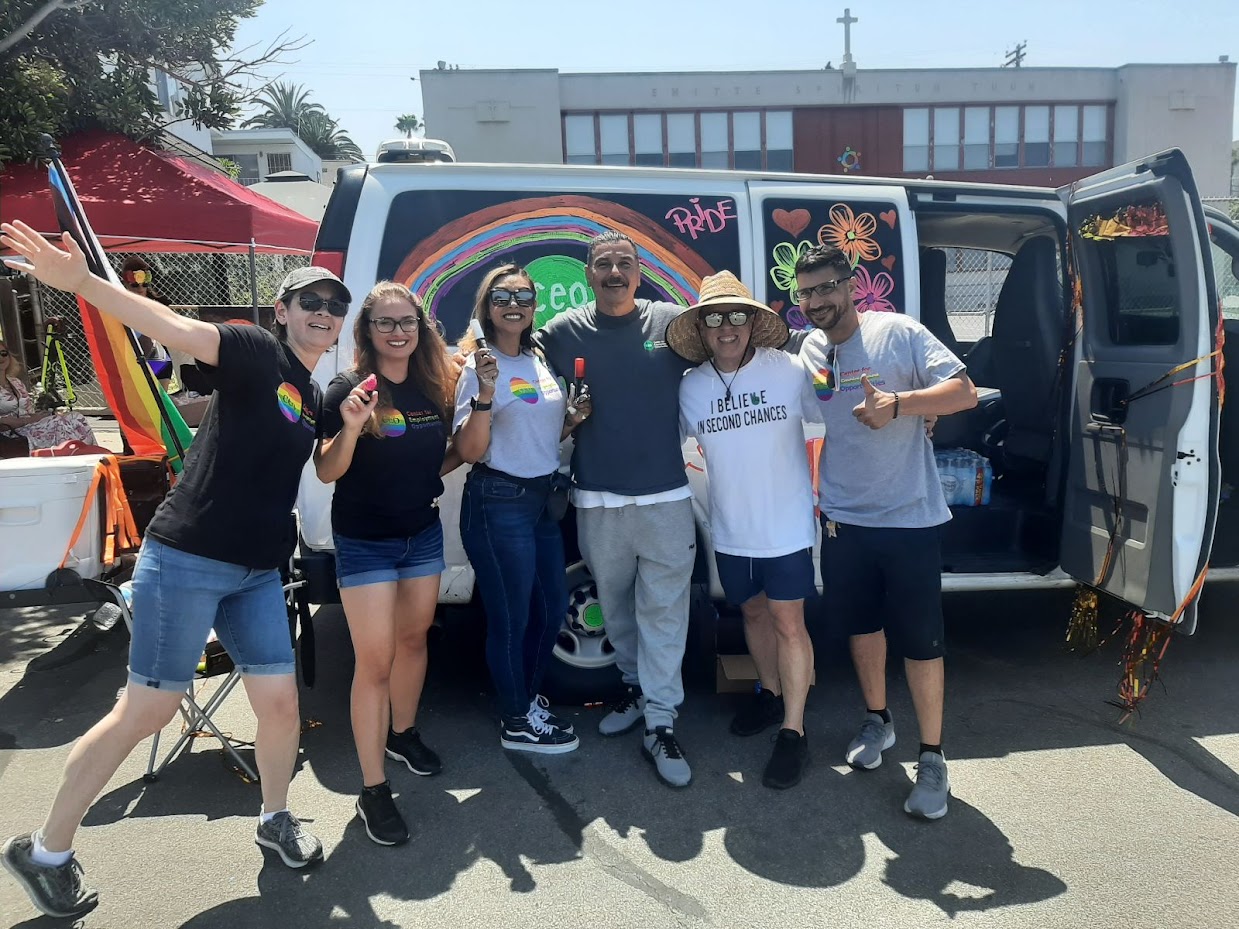
What really sets CEO apart is our commitment to meeting people where they are and seeing their potential, not their past. Nearly one in four of our staff members has been justice-impacted themselves, which means our work is deeply informed by lived experience and empathy. That connection drives our results — we’ve helped more than 30,000 people find employment nationwide and continue to change how employers think about fair chance hiring.
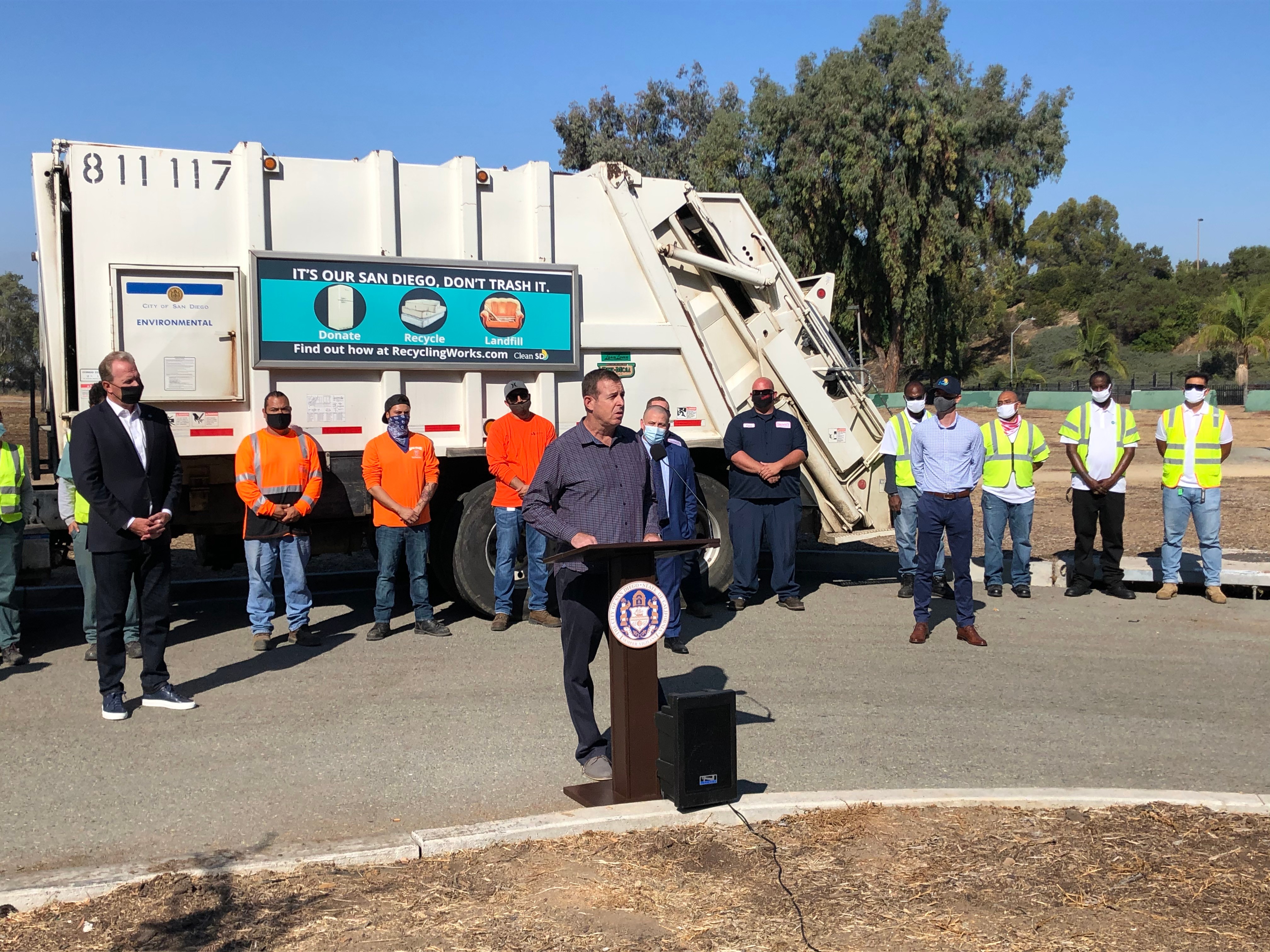
We also work closely with businesses and policymakers to promote inclusive hiring practices and open more doors for people who deserve a fair shot at success. At the end of the day, our work shows that investing in fair chances doesn’t just change individual lives — it strengthens families, communities, and the economy as a whole.
Okay, so here’s a deep one: What’s a moment that really shaped how you see the world?
Being incarcerated completely changed the way I saw the world and my place in it. Before that experience, I did not fully understand how systems shape people’s opportunities or how easy it can be to get caught in cycles that are hard to break. Inside, I saw both the harm and the resilience that exist in people. It taught me empathy, patience, and the importance of using my own experience to help others find a different path. That time made me see that change is possible, but it often takes support, understanding, and the chance to be seen for who you are, not just for your past.
When did you stop hiding your pain and start using it as power?
I stopped hiding my pain when I realized that speaking my truth could help others heal too. For a long time, I carried the weight of my childhood abuse in silence, believing it made me weak. Over time, I began to see that surviving it showed my strength, not my shame. When I started to open up about what I had been through, I found connection instead of judgment. That moment changed everything for me. My pain became a source of purpose, a reminder that I could turn what once broke me into something that builds others up.
I think our readers would appreciate hearing more about your values and what you think matters in life and career, etc. So our next question is along those lines. Where are smart people getting it totally wrong today?
I think a lot of smart people are getting it wrong when they believe that intelligence alone can solve complex human problems. We live in a time when data, technology, and strategy often get more attention than empathy, lived experience, and community. Some of the smartest people overlook the power of listening to those who have actually lived through the struggles they are trying to fix. Real change comes from combining knowledge with understanding, and from valuing people’s experiences as much as their credentials. Being smart is not just about knowing the answers, it is about being open enough to keep learning from others.
Okay, so let’s keep going with one more question that means a lot to us: What is the story you hope people tell about you when you’re gone?
I hope people say that I never gave up on myself or on others. That I turned my pain into purpose and used my experiences to help people believe in their own power to change. I want to be remembered as someone who spoke the truth, who showed compassion, and who stood up for those who felt unseen. More than anything, I hope people say that I left the world a little better than I found it, and that I helped others see that they could do the same.
Contact Info:
- Website: https://ceoworks.org
- Instagram: https://www.instagram.com/ceoworks/
- Twitter: https://twitter.com/ceoworks
- Other: https://drive.google.com/file/d/1QTeike3dX8urhmEFcsBs2folKie_n8Xo/view?usp=sharing