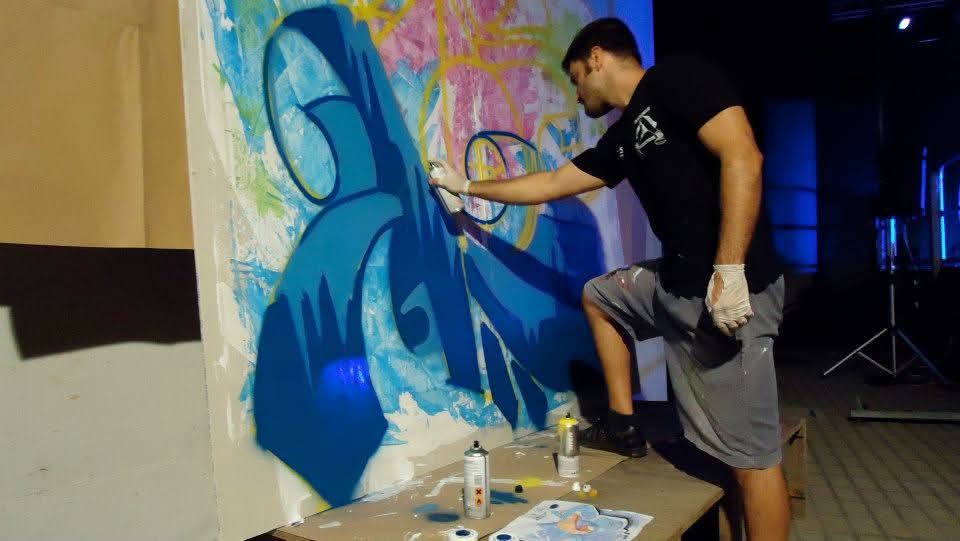
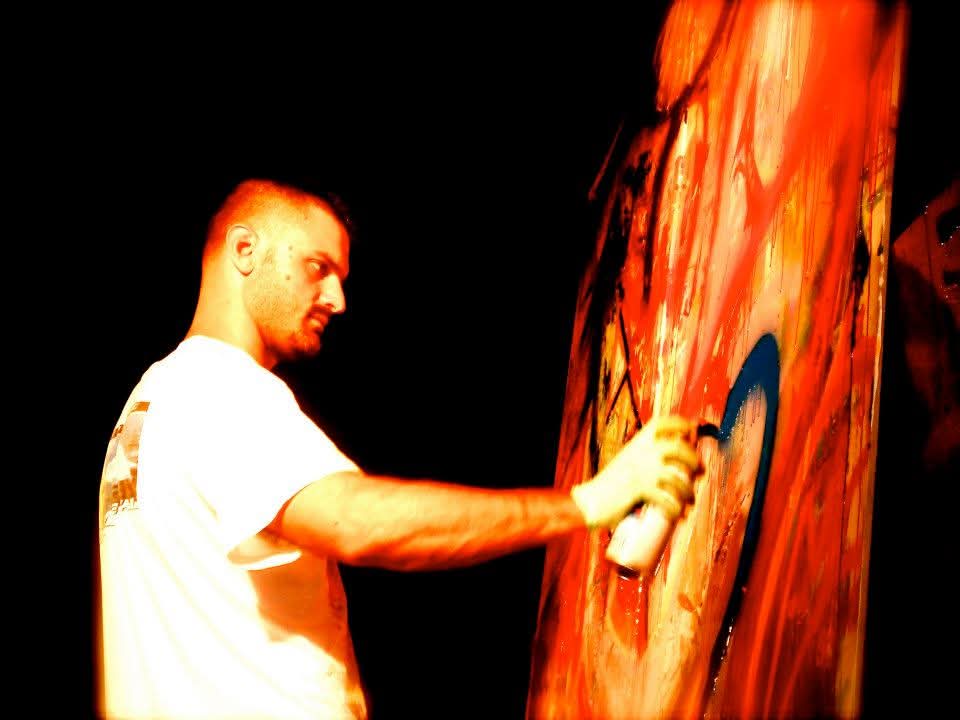
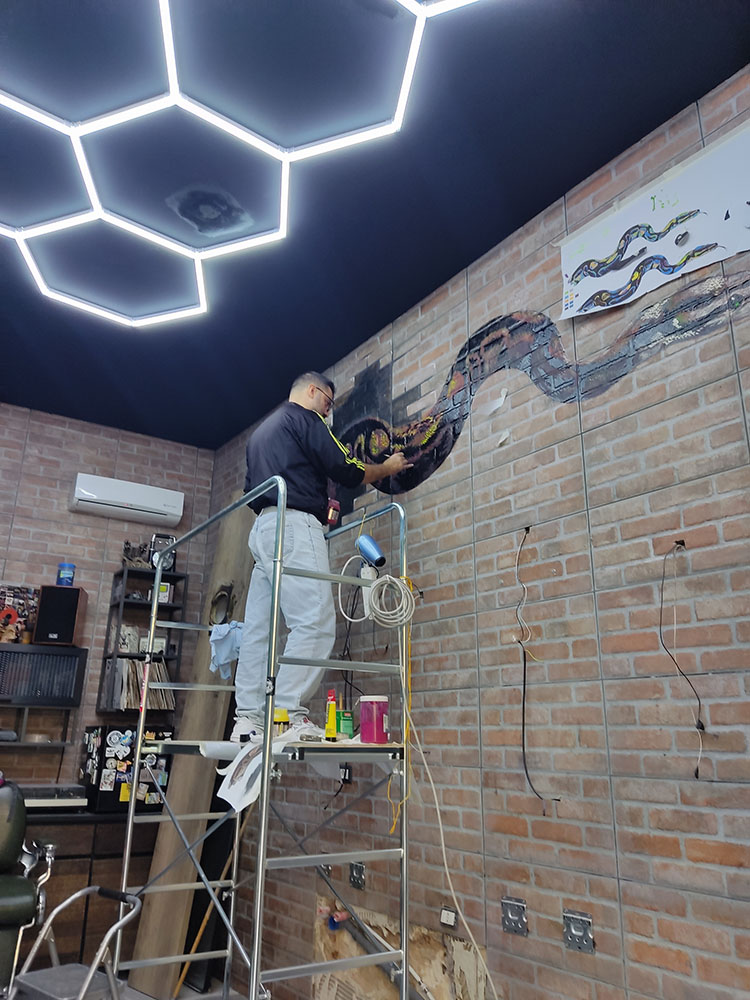
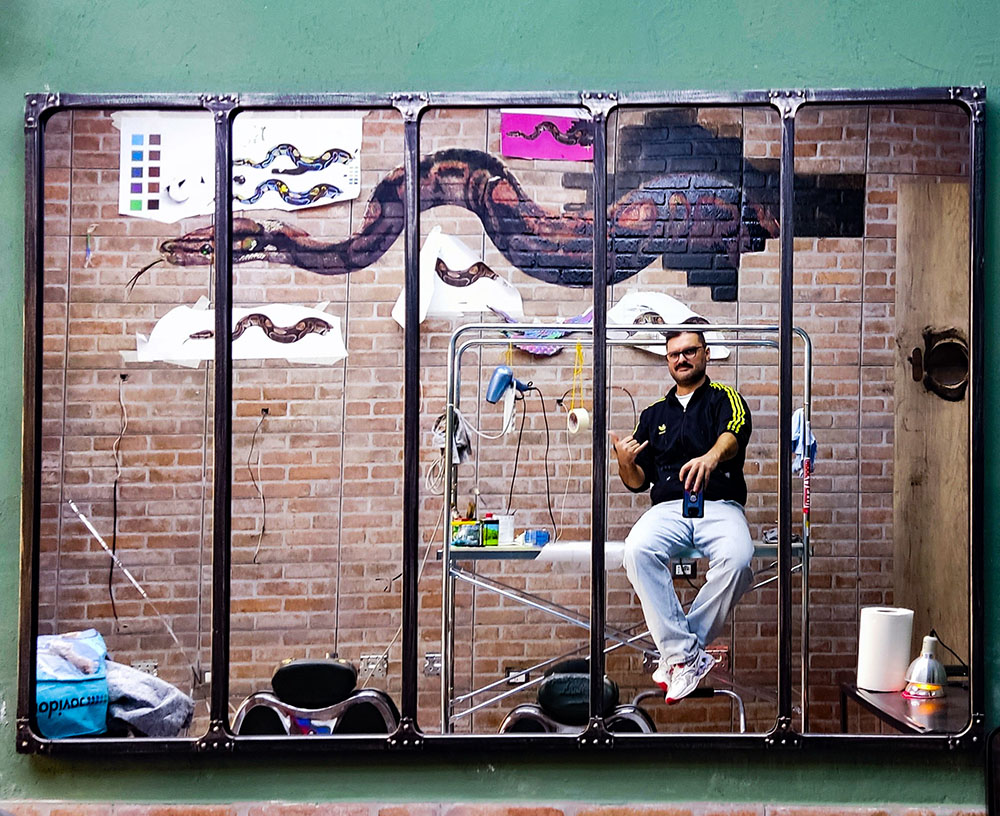
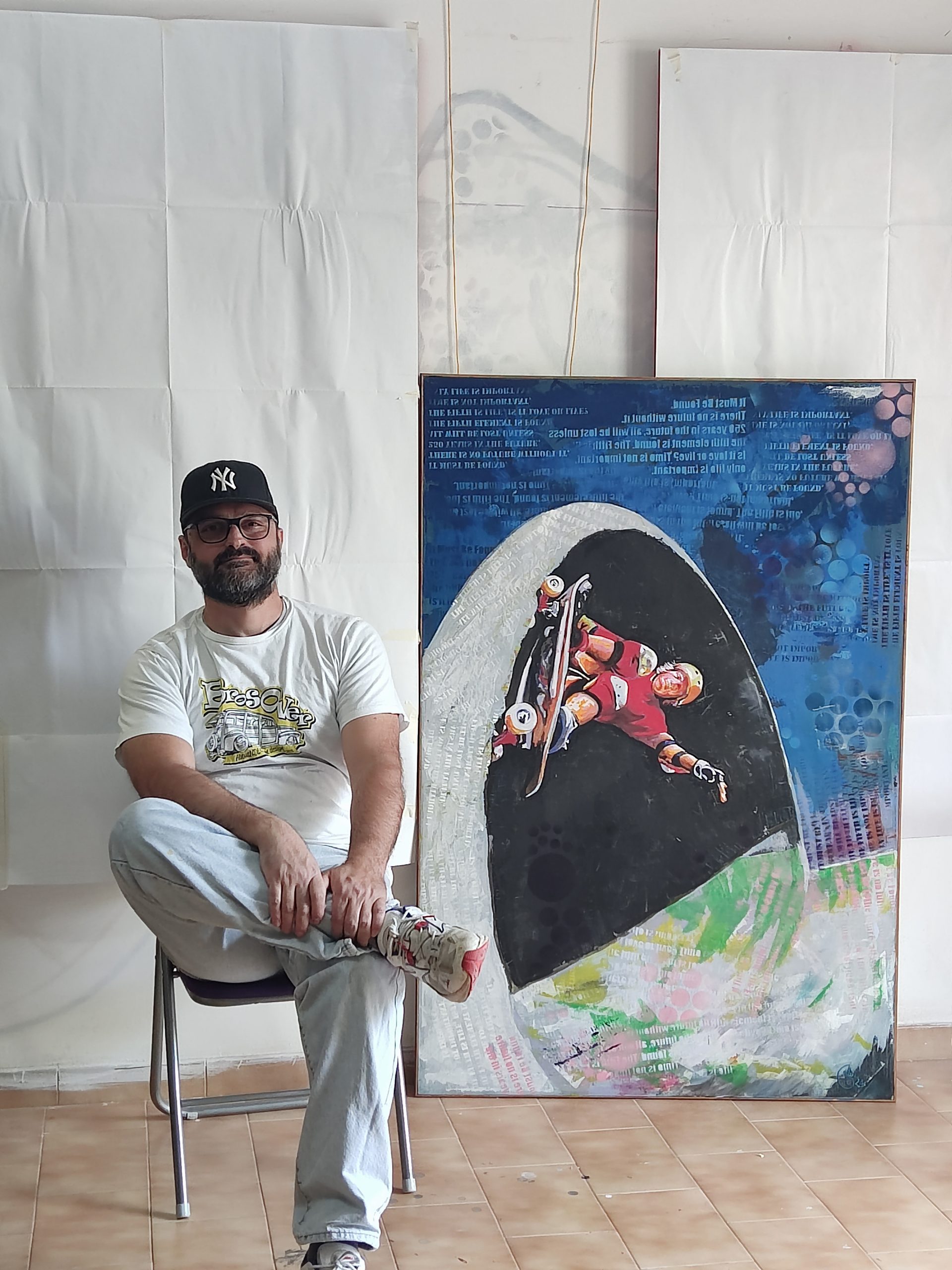
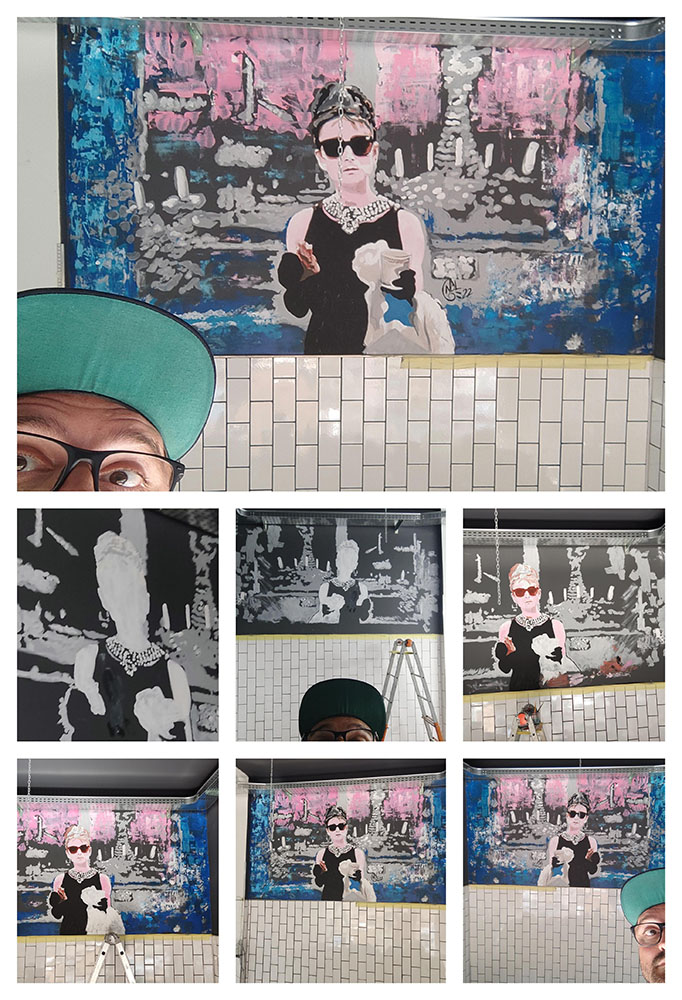
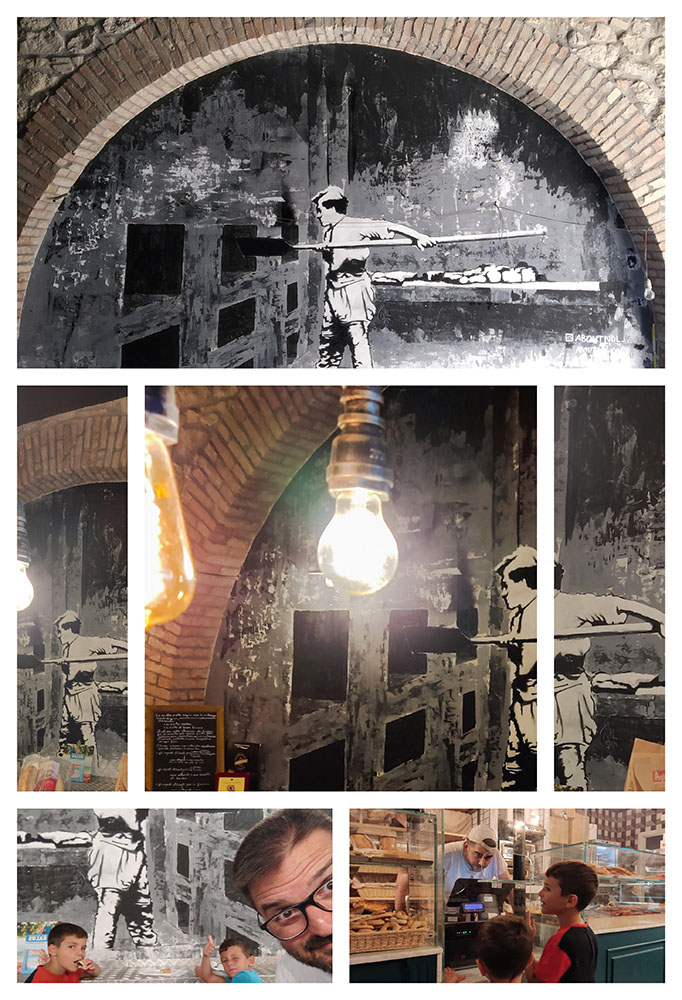
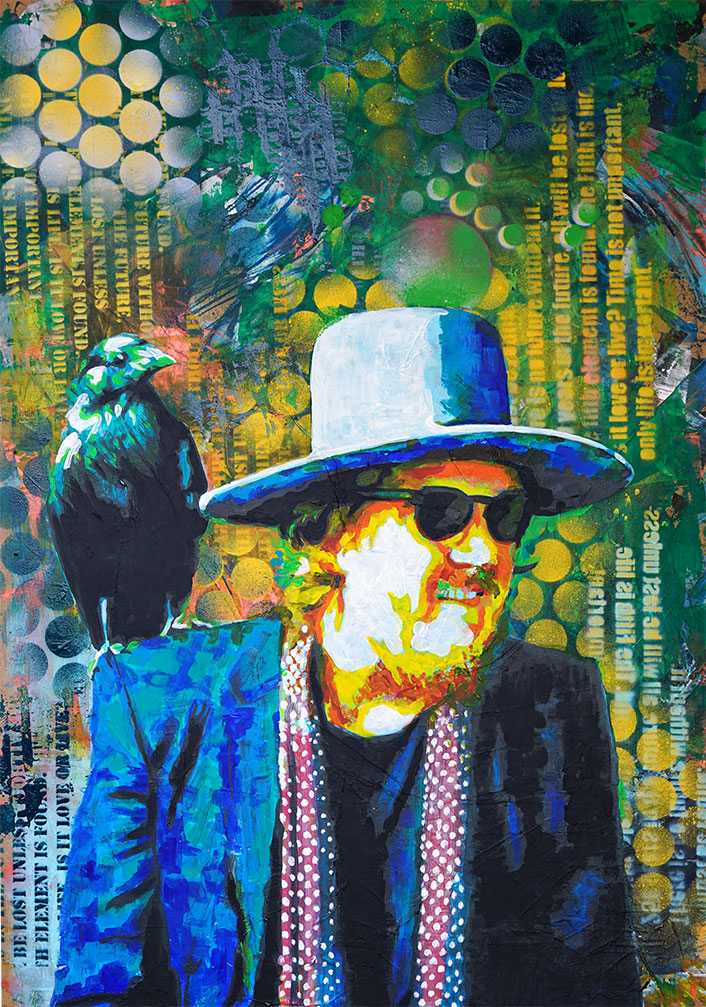
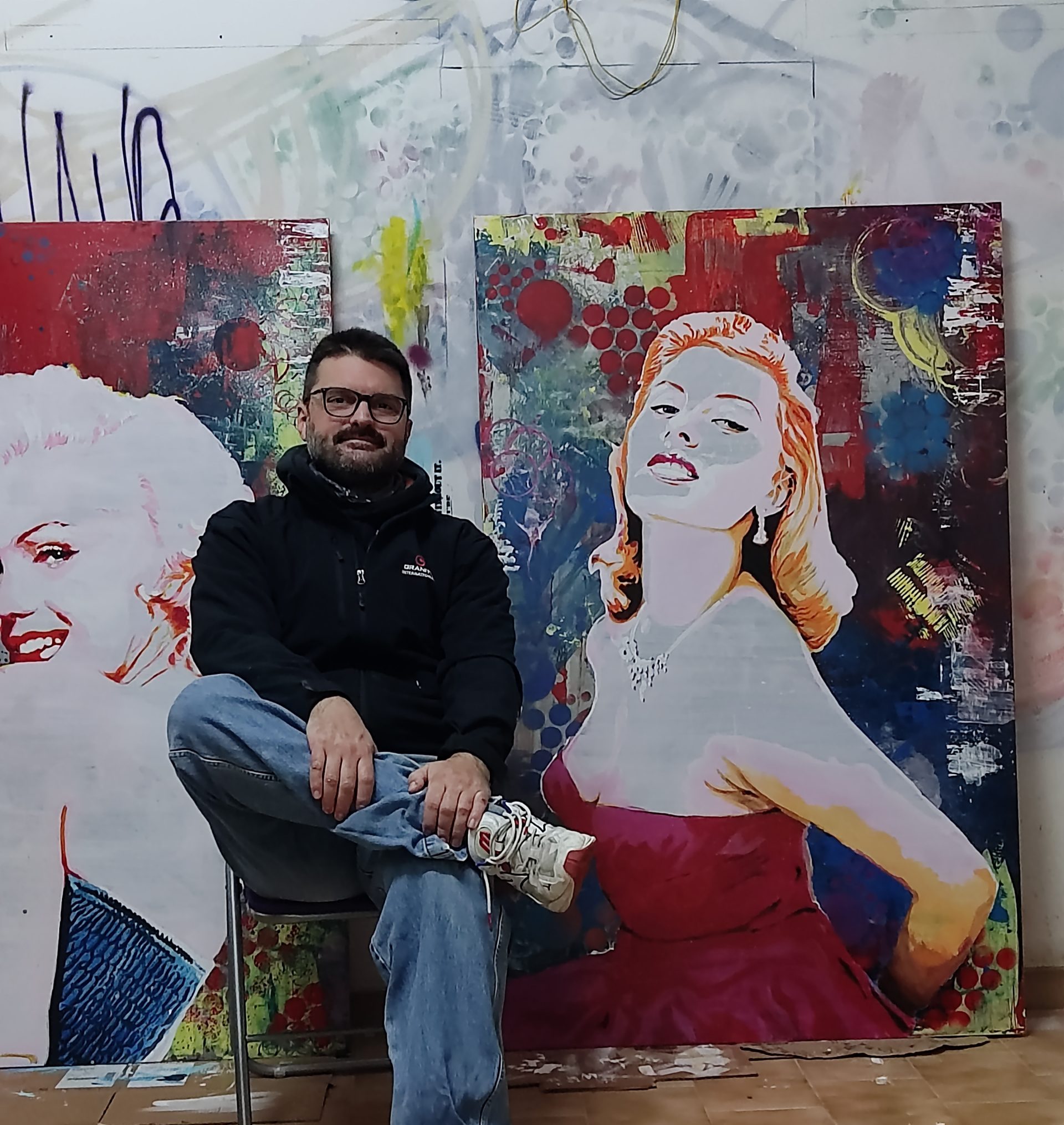
Nicola Di Liegro approaches art not as representation, but as a way to awaken sensation and memory. Through his evolving practice with AboutNDL, he moves beyond traditional drawing into immersive, material-driven work that captures the feeling of experience rather than its image. By embracing experimentation, subtraction, and the tension between control and unpredictability, Nicola creates pieces that are both precise and alive — inviting viewers to not just see, but physically and emotionally engage with the essence behind each form.
Nicola, you describe your work as going beyond traditional drawing. How would you define the most profound element you bring to your art?
Drawing, in my work, has always been a point of entry rather than a definitive language. It’s an initial device, a way to connect with something that then takes different directions: material, spatial, conceptual. With AboutNDL, I gradually shifted the focus from representation to the construction of experience. I’m not interested in describing a subject, but in triggering a perception in the observer. This shift was especially crucial in the work on waves, where the sea ceases to be an image and becomes a condition. The origin of that series is not visual, but physical: the sensation of being left breathless under a wave, of losing orientation and control, and finally resurfacing. I intend to activate, reawaken a bodily, almost primitive memory. My work begins there, from something that cannot be seen, but felt. The most profound element I try to convey is precisely this: to create a form that doesn’t represent that form itself, but rather retains the trace, the memory of real experience. The form I’m referring to is necessary, not decorative.
Your process involves observation, elaboration, selection, and creation. Can you walk us through how an idea evolves through these stages into a finished design?
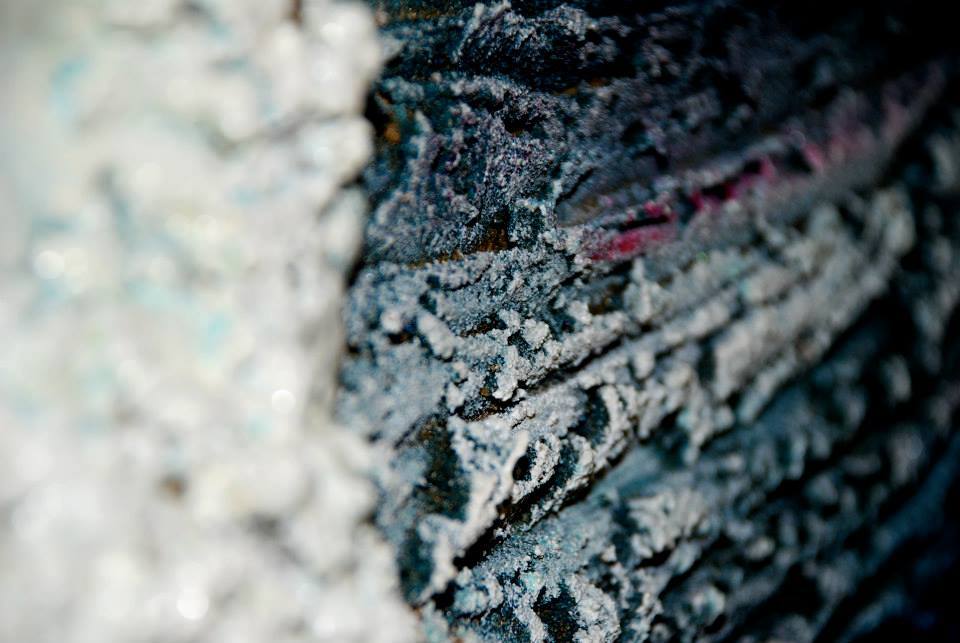
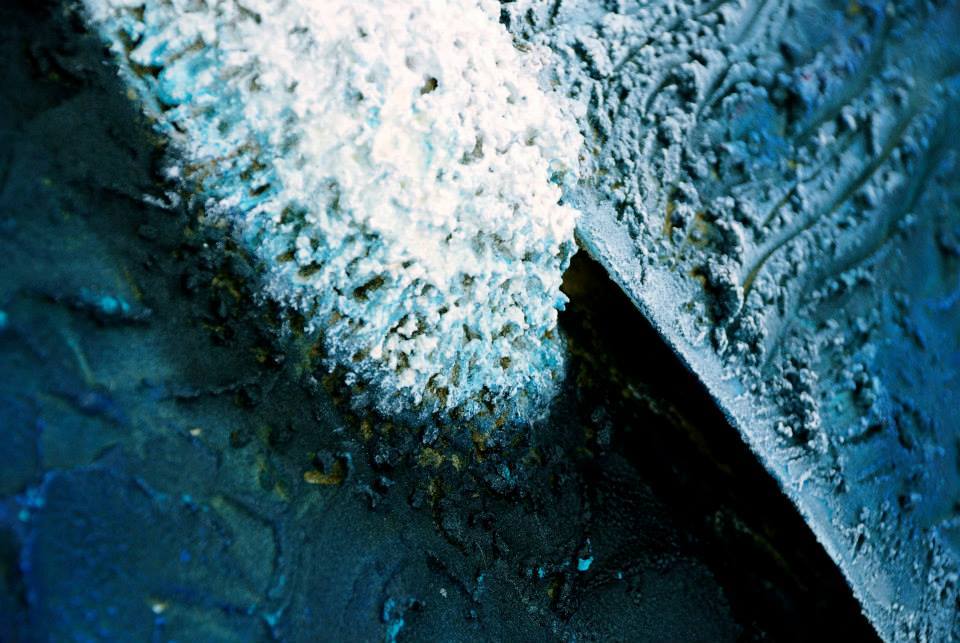
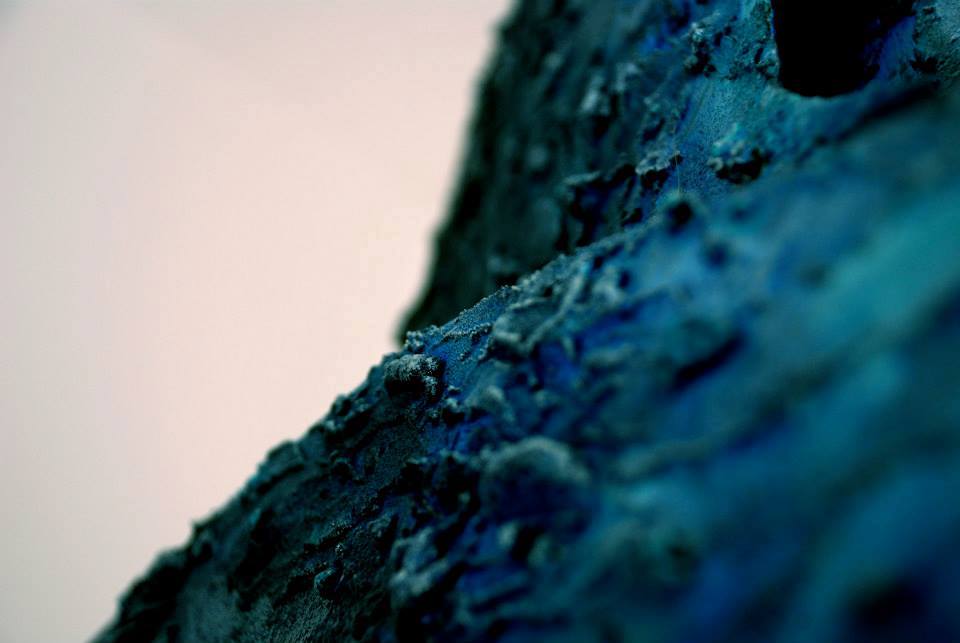
My process is structured in phases: observation, elaboration, selection, and creation, but in practice it’s an open system, made of continuous feedback. Observation is always active. It doesn’t just concern what I see, but how I react to what I see. It’s a process that includes context, but also the personal dimension. Processing is sacrifice, it’s obsession, it’s fear, it’s a blank sheet of paper that disturbs the nights. When I’m ready, I enter into those fears, I look at my limits, I cross them, and the precise idea emerges in my head. It’s a silent elaboration. It’s the moment when emotions become images, lose definition, and begin to transform. I don’t immediately seek a form; I try to give direction to my inner journey. Selection is the most radical step. In a saturated visual landscape, designing means above all eliminating. Removing what’s already known, already codified, already seen. Creation comes as a consequence. The underlying idea is that of a journey, through layering and materials. I use wood, sand, and paint to construct surfaces that aren’t just images, but objects that react to light and space. The result is never completely controlled—and that’s precisely where the work stays alive.
You work across multiple techniques and mediums. How does experimenting with different forms influence the final outcome of your projects?
Experimentation is a necessary condition. My path began in a hybrid territory, between illustration, graphics, photography, and design, and continues to move in that direction. Each medium introduces a limit, and it is precisely these limits that generate new possibilities. My work on waves, for example, also stems from the desire to transcend two-dimensional representation to construct something more physical, more immersive. I’m not looking for a stable style, but for a deeper coherence: that between idea, material, and perception. The language changes, but the method remains the same.
You mention removing preconceptions and the superfluous. Why is this step so important in creating meaningful and effective designs?
Because we live in a constant state of excess. Images, references, languages. In this context, adding is simple; taking away is a choice. My choice doesn’t focus on the superficial but on the essential! Subtraction is a critical act. It means deciding what is necessary and what isn’t. It’s not minimalism, but precision. When I began working on the theme of the sea, I realized that everything had already been represented. The only way to find direction was to stop looking at it as an image and start considering it as an experience.
Your work spans both artistic expression and branding. How do you balance emotion and concept when creating something for a business versus a personal piece?
AboutNDL was born as a hybrid space, where art and design coexist. I don’t consider them separate fields, but two different ways of constructing meaning. In branding, there’s a more defined system, made up of objectives, identity, and audience, but this doesn’t exclude the possibility of research. In fact, that’s where it becomes interesting: bringing a less predictable approach into existing structures. At the same time, artistic work is never completely free. I think discipline, consistency, and direction are necessary. In both cases, the point remains the same: to create something that is not only correct, but effective, direct, and captures the essence!
Links: