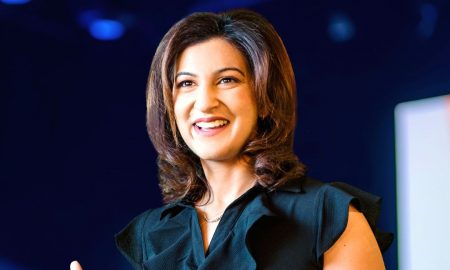
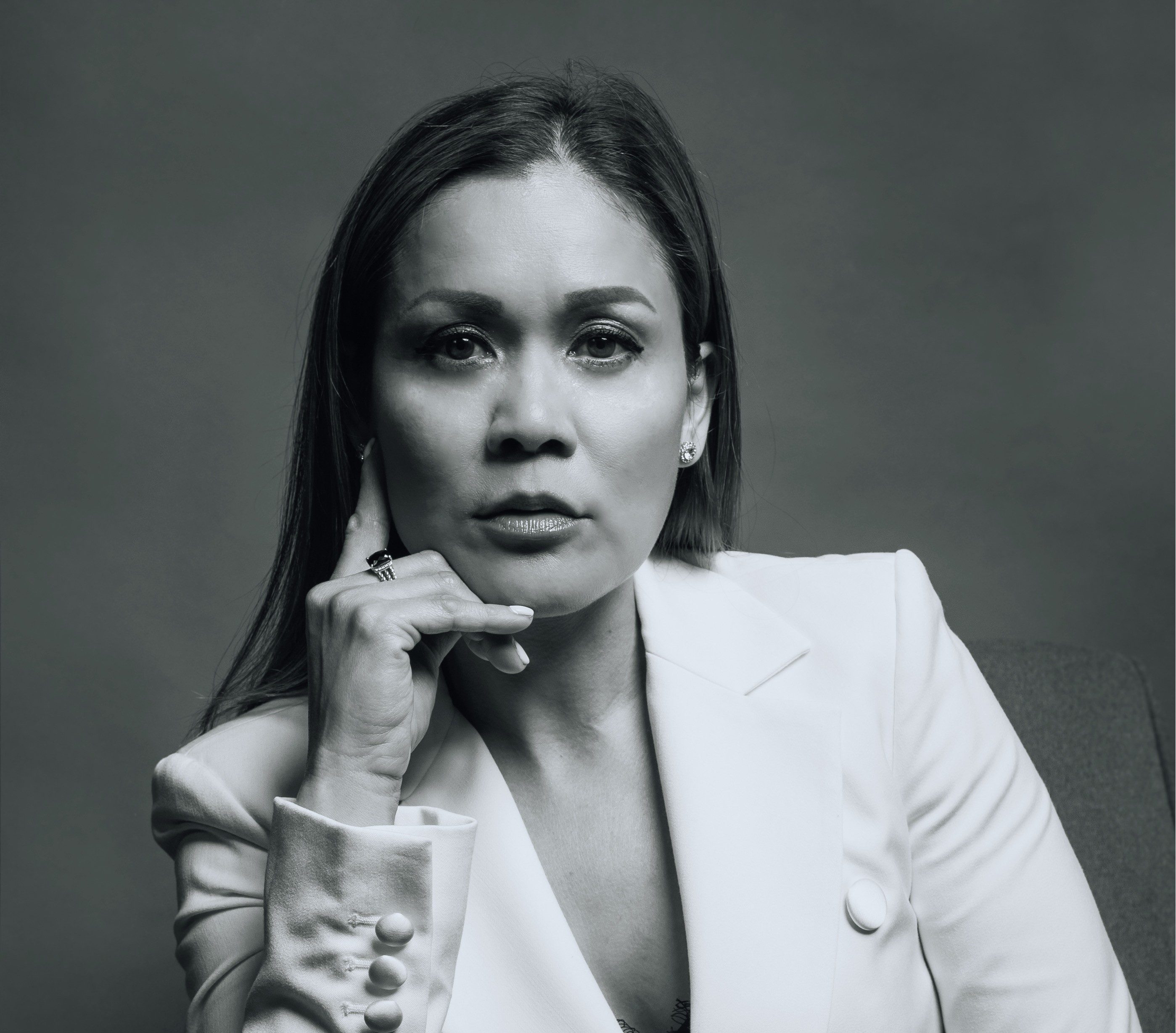
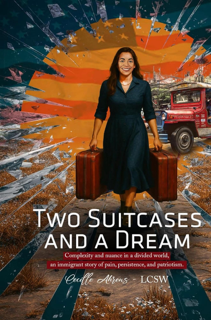
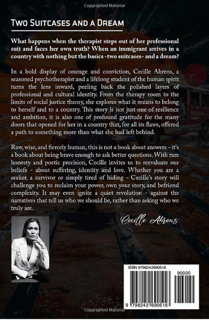
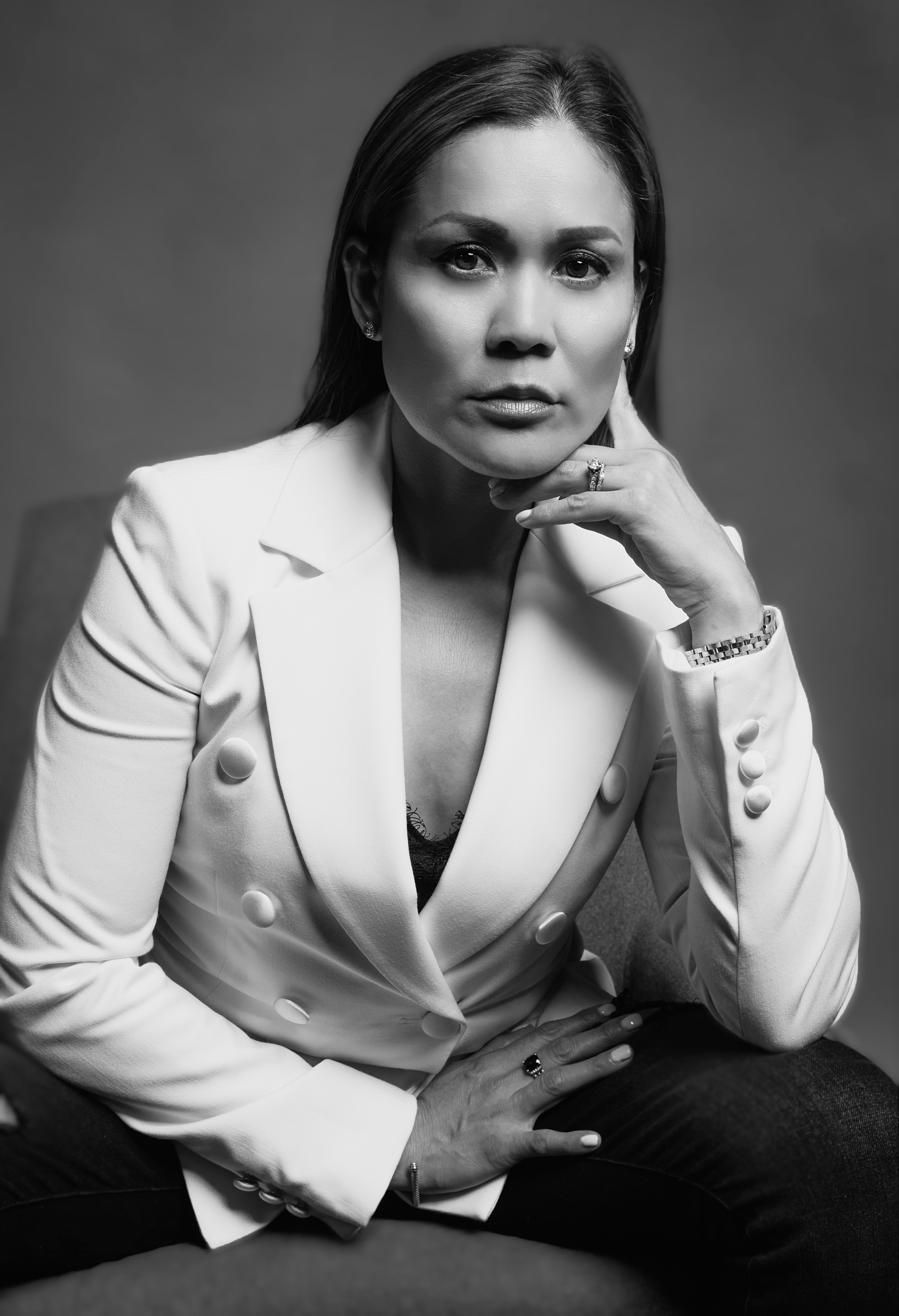
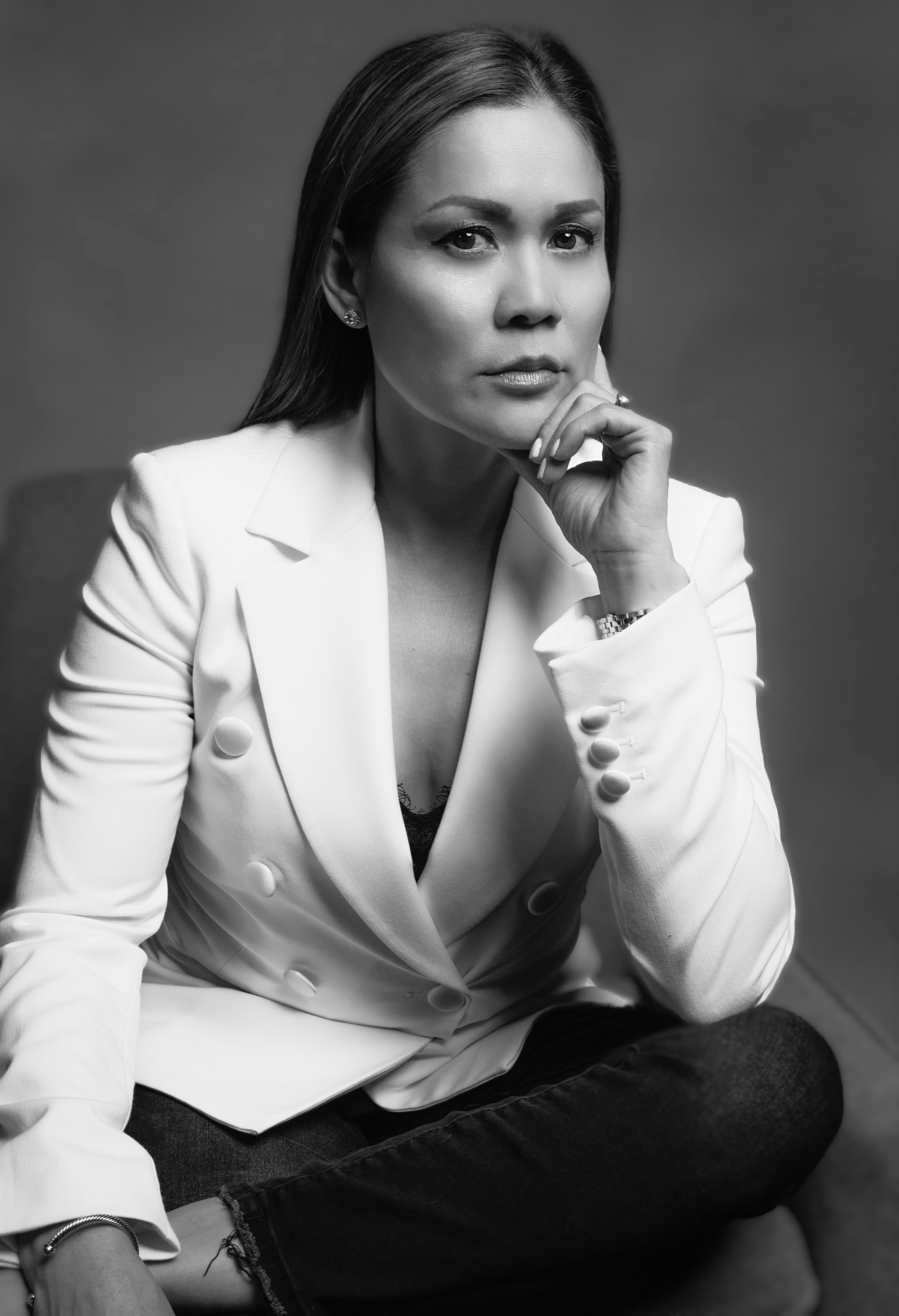
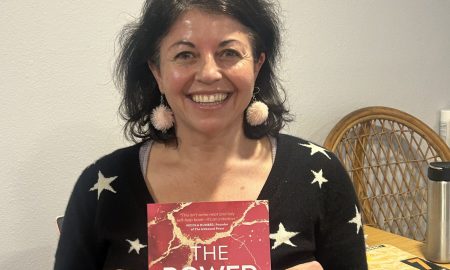
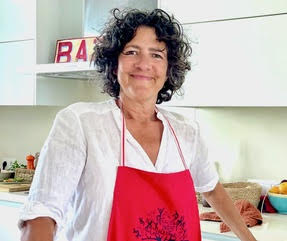
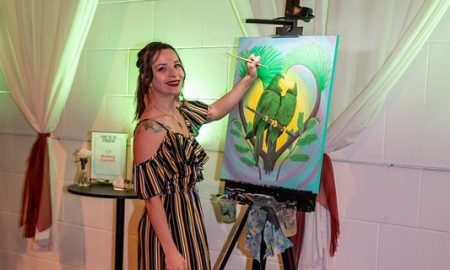
For Cecille Ahrens, the decision to write her first book emerged from witnessing how rigid, black‑and‑white thinking was eroding empathy in both personal and public life. Drawing from her experience as a first‑generation immigrant, psychotherapist, and social worker, Cecille blends memoir with social commentary to challenge ideological extremes and advocate for curiosity, humility, and active compassion. At its core, her work invites readers to slow down, examine their own belief systems, and reclaim nuance as a path toward deeper understanding, personal agency, and a more humane society.
Cecille, you’re preparing to launch a new book—can you share what inspired you to write it and why this moment felt like the right time to tell your story?
I honestly never thought I would write a book. But a change of heart slowly transpired as I witnessed the dangerous binary thinking that was happening with my clients, friends, family, and the world at large. I wanted to share my story in the hopes of fighting against our toxic culture, and to inspire people to work towards kindness, curiosity and respect, especially during these challenging times.
How has your personal experience as an immigrant shaped the way you show up in your work as a psychotherapist and social worker?
Being a first-generation immigrant and a multinational has been an extraordinary gift to me — both as a human being and as a psychotherapist. It has allowed me to see the world in full color. Having lived in three countries has given me a deep appreciation for diverse cultures and customs. More importantly, it has exposed me to the impact that systems and policies have on people’s lives. Experiencing different social, political, and cultural landscapes firsthand has been extremely helpful in my role as a psychotherapist and social worker.
Lastly, being an immigrant has put many things into perspective for me. It has been a constant reminder of the subjectivity of suffering – how pain is shaped not only by individual circumstances, but also by context, culture, and environment. This awareness continues to inform both my humanity and my work, allowing me to meet others with greater humility, curiosity, and compassion.
Your book blends memoir with social commentary—what was important for you to explore at the intersection of your personal journey and your professional perspective?
Great question. It was deeply important to me to convey the value of nuance and complexity at a time when so many of our most urgent issues are framed in stark, binary terms. We are living in a moment of profound division, where ideological rigidity often replaces curiosity, and disagreement too quickly becomes dehumanization. I wanted to explore the dangers of this kind of black-and-white thinking — how it fuels tribalism, distorts reality, and, at its worst, contributes to chaos and even violence.
At the same time, I felt compelled to offer something hopeful and grounded in fact. Despite our divisions and shortcomings, there remains something extraordinary about America. Ours is a nation defined not by perfection, but by an ongoing, often difficult pursuit of a more just and inclusive society. We have struggled, erred, corrected, and progressed — again and again.
As a woman of color in the mental health field, what challenges or insights have most influenced your path and voice?
My beliefs might be considered counter-culture, but to be honest ~ I used to suffer from what I call “internalized racism”, meaning I used to fear that clients, particularly white clients, might not want to see me, or might not regard me as competent or capable, because of the color of my skin. That fear was less about lived experience, and more about messages from others (groups, institutions, academia, media) that I internalized. Sure, I’ve experienced direct and indirect racism, but what I realized was that the messages towards, and about, people of color, can also be harmful. Not only can these messages be inaccurate, they can also be misguided. These messages shape how we see ourselves, and how we move through the world. This insight gave me the gift of discernment ~ to recognize when racism or injustice is occurring objectively or subjectively. How much of our suffering is the result of systemic inequalities, and how much of it is a result of our own choices and our own projections? It’s a delicate dance. As a trauma therapist ~ my work in helping people understand their personal histories and reclaim their sense of personal power and agency ~ has been informed by these insights and this deeper questioning of our ideological constructs.
What do you hope readers walk away with after engaging with your story and the conversations your book invites?
It was particularly important for me to share my story given the intense political environment we currently find ourselves in, especially as it relates to immigration. This issue is deeply personal to me and my family, having gone through various processes to become citizens of Australia and the U.S. it is a privilege we do not take lightly. My hope is that when people read the book, it will cause them to pause, reflect, and objectively examine their own belief systems. I hope it will support people in their effort to make sense of the current political landscape. I also ambitiously hope that my book will inspire more compassion – one that is active – not paassive compassion. A kind of compassion that mobilizes people to actively act kindly and respectfully. As Gandhi beautifully stated: “Peace between countries must rest on the solid foundation of love between individuals.” It starts with each and everyone of us.