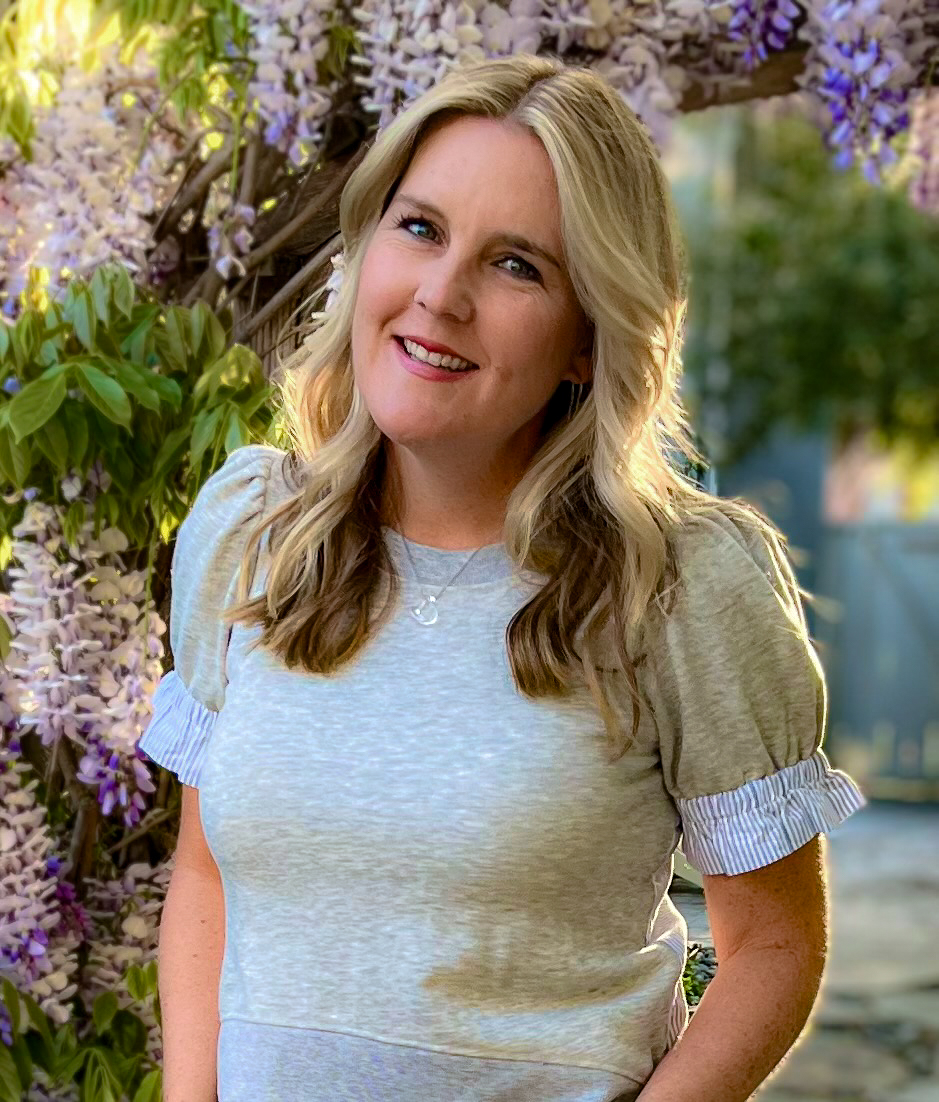
We’re looking forward to introducing you to BROOKE Wagner. Check out our conversation below.
Good morning BROOKE, we’re so happy to have you here with us and we’d love to explore your story and how you think about life and legacy and so much more. So let’s start with a question we often ask: What makes you lose track of time—and find yourself again?
Landscape photography is what makes me lose track of time and settle into myself. When I’m behind the lens, the noise of the world quiets and my focus softens into presence. I slow down enough to notice light shifting across a horizon, the little but mighty details and natural beauty around me, or how a single moment feels different from one breath to the next. It brings me a deep sense of peace and tranquility—an unspoken conversation with nature where nothing is required of me except to observe, notice, and receive. In those moments, time fades, my nervous system settles, and I feel grounded, connected, and fully myself.
Can you briefly introduce yourself and share what makes you or your brand unique?
I’m Brooke Wagner, the host of Finding Hope on the Spectrum, a podcast and platform dedicated to supporting neurodivergent individuals and the families who love them through compassionate, whole-child, whole-family conversations. I’m also the founder of Therapeutic Approach to Growth, a Southern California–based clinic created to offer meaningful and effective support to families and professionals who support autistic individuals, and I am an RDI® Program–certified consultant and supervisor. I believe in moving away from compliance-based methods that prioritize behavior over relationships. Instead, my approach centers on connection, nervous-system regulation, and guided participation—honoring the child’s internal experience while supporting growth through trust and engagement. Through my podcast, workshops like Connected Communication, my clinical work, and upcoming courses, I help families move from reactivity and uncertainty to clarity, confidence, and deeper connection—reminding them they don’t have to navigate this journey alone.
Mission: To help families and professionals shift from compliance to connection, fostering relationships where neurodivergent individuals are understood, supported, and empowered to grow within safe, trusting relationships.
Appreciate your sharing that. Let’s talk about your life, growing up and some of topics and learnings around that. Who taught you the most about work?
The people who have taught me the most about work are the clients and families I’ve had the honor of serving. Over the past 25 years, they have been my greatest teachers. Each family and each individual has invited me into their lives with trust, and in doing so, they’ve continually challenged me to grow, reflect, and evolve both personally and professionally.
Through them, I’ve learned where I was falling short and how much I still had to learn. They taught me humility—how to let my ego step aside, release the need to be the “expert,” and truly listen. I learned the importance of collaboration, of showing up as a team member rather than a director, and of honoring the wisdom that families and clients already hold about their own lives. They showed me the power of being heard—how validation, presence, and genuine curiosity can be just as impactful as any strategy or intervention.
They also taught me how to slow down and be fully present, to notice and celebrate the small, often quiet wins, trusting that those moments are the foundation for meaningful, lasting growth. Along the way, they strengthened my blind faith—reminding me that God meets me most clearly in moments of uncertainty, stretching me and partnering with me when I need guidance the most. Above all, my clients and their families have shown me how deeply fulfilling this work can be, and how extraordinary it is to witness progress, resilience, and connection unfold over time.
If you could say one kind thing to your younger self, what would it be?
I would tell my younger self how proud I am of her. I’d remind her that she is brave, courageous, a truth seeker, resilient, and—most importantly—a person of deep faith. I’d tell her to keep believing in fighting for what’s right, even when it means not being liked, misunderstood, or disappointing others, because integrity will always matter more than approval. I’d want her to know that she is here for a purpose, that her intuition is worth listening to, and that she can trust the path unfolding in front of her. Even the really hard days that will come—and they will—are shaping her into someone stronger, wiser, and more aware. In the end, everything will work out for her higher good, just as it always does. So I’d tell her to enjoy the ride, trust the process, and buckle up—because it’s going to be meaningful.
So a lot of these questions go deep, but if you are open to it, we’ve got a few more questions that we’d love to get your take on. Whom do you admire for their character, not their power?
I admire my friend Deanna, who I met early in my career supporting autistic individuals. From the moment I met her, she has radiated positivity, cheerfulness, and an infectious energy that makes every interaction joyful. She’s someone I can laugh with until I cry, and she isn’t afraid to embarrass herself—or me—if it means sharing a moment of pure fun. Even through hard times, like losing loved ones or facing financial struggles during COVID, she has remained steadfast in her faith and hopeful outlook.
I will always treasure our dance parties, her shimmying to cheer me up, her loud, off-key singing, and her ability to listen when I needed it most. She has a gift for making any child feel like her best friend and equal, and she has offered me unwavering support—never critical, always cheering me on. I once had a dream where Mother Mary told me I needed to have more fun, and in my dream, Deanna and I rolled in the sand at the beach laughing and giggling. Not long after, she recreated that moment for me in real life, video-taping herself rolling in the sand and laughing, thanking Mother Mary.
Deanna’s joyful spirit, faith, loyalty, and unwavering support are qualities I deeply admire, and she will always be someone who inspires me to embrace life with courage, laughter, and heart.
Thank you so much for all of your openness so far. Maybe we can close with a future oriented question. What is the story you hope people tell about you when you’re gone?
I hope people tell a story of someone who genuinely cared about the well‑being of others. I hope they remember that I helped shift the field of autism toward a more compassionate, nervous‑system‑informed way of thinking—one that honored humanity, connection, and dignity over compliance or control. I hope they share that I supported growth in others, not just professionally but personally, and that my work helped improve the quality of life for the clients and families I served, as well as for the staff I worked alongside. More than anything, I hope the story they tell is one of care, impact, and connection—of someone who left people feeling seen, supported, and better because of it. To me, if that is the story people tell, then my work will have been a great success.
Contact Info:
- Website: www.findinghopeonthespectrum.com, www.tagforgrowth.com
- Instagram: https://www.instagram.com/findinghopeonthespectrum/
- Linkedin: https://www.linkedin.com/in/brooke-wagner-4819233a/
- Facebook: https://www.facebook.com/profile.php?id=61574918739411
- Youtube: https://www.youtube.com/watch?v=AThq2_OM2YA
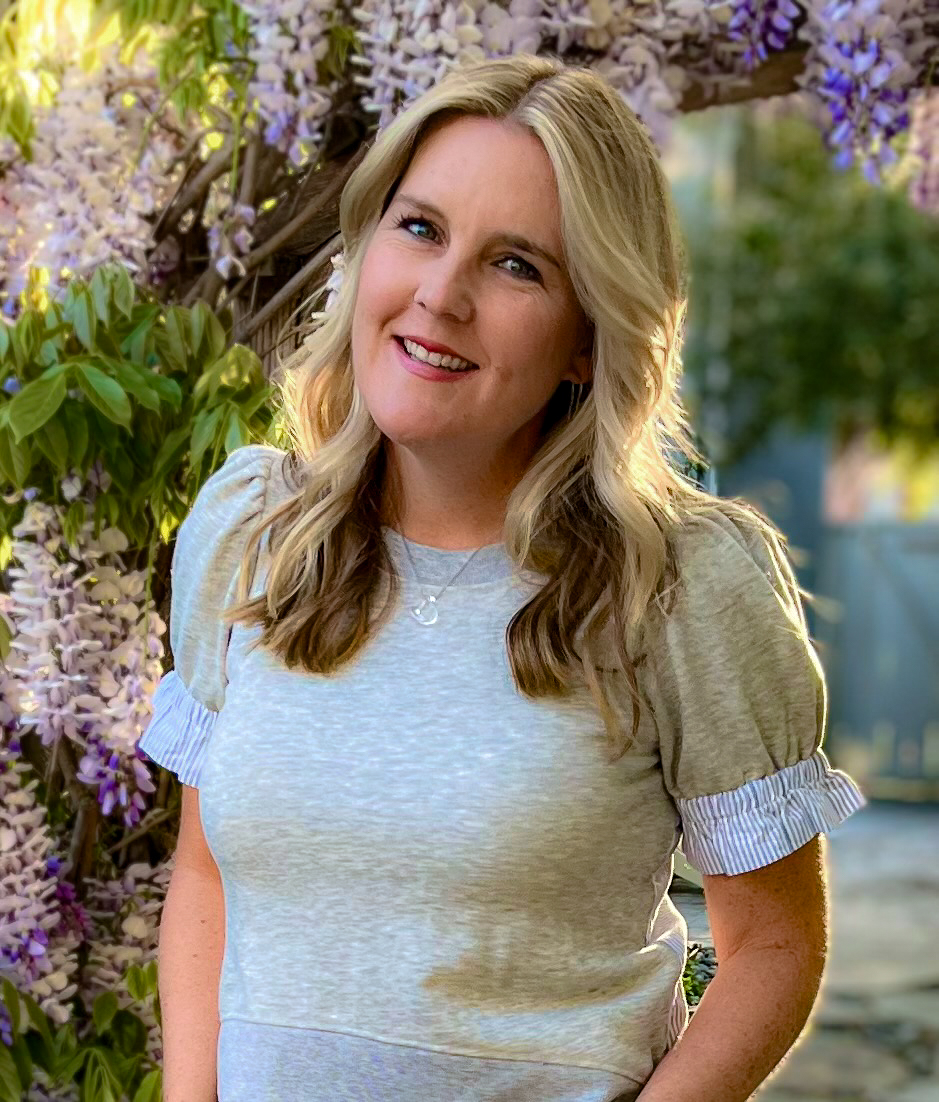
Image Credits
McKinley Wagner