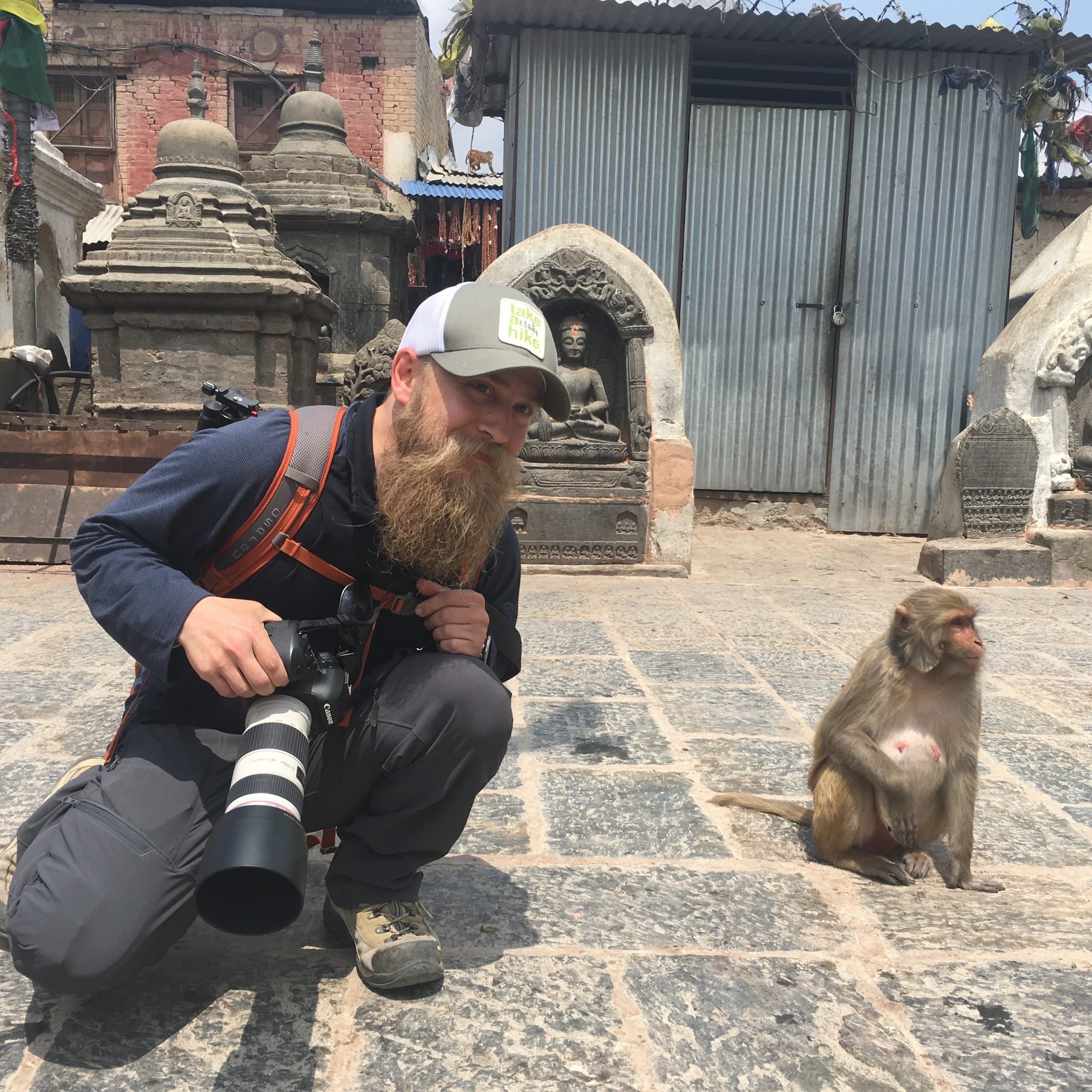
Today we’d like to introduce you to Brice Weaver.
Brice, we appreciate you taking the time to share your story with us today. Where does your story begin?
My path into photography wasn’t traditional. I didn’t grow up with a camera in my hands, and I didn’t go to school for it. But I did grow up just outside Washington, D.C., and some of my earliest memories of visual inspiration came from school trips into the city, visiting places like the Smithsonian museums and the National Gallery of Art. At the time I didn’t realize how much that exposure mattered, but it planted an early appreciation for imagery, storytelling, and the emotional impact that art can have.
I picked up my first DSLR in 2016, mostly out of curiosity, and very quickly realized it was changing the way I experienced the world. What started as exploration became something much deeper, a way of paying attention.
From the beginning, I was drawn to places that required effort to reach. That included trekking to Everest Base Camp, diving with great white sharks off Guadalupe Island, and spending long stretches in remote landscapes like the Anza-Borrego Desert. Those experiences shaped not just what I photographed, but how I approached photography. Patience, uncertainty, and respect for environment became central to my process.
Over time, my work evolved from simply documenting places to creating images that carried emotional weight and narrative. I became increasingly interested in film photography and analog processes because they slow you down. With film, every frame matters. That discipline changed how I see light, timing, and composition, and it continues to influence my work today.
As my portfolio grew, so did recognition within the professional photography community. My work has received multiple international awards, including first place in the International Photography Awards, along with honors from several other global competitions. I also earned my Certified Professional Photographer designation through the Professional Photographers of America, which was an important milestone in committing to the craft at a professional level.
Today, my focus is primarily on fine art photography, creating museum-quality prints for collectors and interior spaces. Much of my work explores the relationship between place, time, and human presence, even when no people are visible in the frame. I’m interested in the quiet stories environments hold and the moments most people walk past.
Photography started as curiosity, but it became a way of seeing, and ultimately a way of understanding the world more intentionally. That’s still what drives me every time I pick up a camera.
Would you say it’s been a smooth road, and if not what are some of the biggest challenges you’ve faced along the way?
It definitely hasn’t been a smooth road. The creative side of photography is challenging, but the business side is often even more complex.
One of the biggest obstacles has been building consistent visibility and client momentum. Photography is a crowded field, and talent alone doesn’t guarantee opportunities. You have to learn marketing, branding, pricing, networking, and client communication, all while continuing to grow creatively. Finding portrait clients and building trust takes time, especially when you’re establishing a reputation from the ground up.
There’s also a modern pressure in the industry to constantly produce content for social media in order to stay visible. While platforms can be useful, I’ve always been more interested in developing meaningful work and long-term credibility rather than becoming an influencer. Balancing visibility with authenticity has been an ongoing challenge, figuring out how to reach the right audience without losing the integrity of the work itself.
Financial uncertainty is another reality that many creatives face. There’s often a long period where you’re investing in equipment, education, travel, and portfolio development before the business becomes stable. Learning how to price work appropriately and position it in a sustainable way takes experience and persistence.
Over time, recognition through professional awards and industry credentials began to open doors, creating more opportunities and reinforcing that the path I was on was working. That progress didn’t happen overnight, but it showed me the value of staying committed even when results weren’t immediate.
At the same time, those challenges have been valuable. They forced me to become more intentional, both creatively and professionally, and to focus on building a career that’s grounded in quality and longevity rather than quick success.
Thanks for sharing that. So, maybe next you can tell us a bit more about your work?
I’m a fine art and portrait photographer, and my work is centered on creating images that feel intentional, timeless, and emotionally grounded. A lot of what I’m drawn to involves the intersection of environment and human experience, places that hold presence, history, or quiet tension, even when there are no people visible in the frame.
One area I’ve become particularly known for is working with film and analog processes alongside digital capture. Film changes the pace of photography. It requires patience, precision, and trust in the moment, and that mindset carries into everything I create. I’m interested in photographs that aren’t just visually appealing but that continue to reveal something the longer you look at them.
Professionally, I divide my time between commissioned portrait work and fine art photography. Portraits allow me to connect directly with people and tell personal stories, while my fine art work is created for collectors and interior spaces, produced as museum-quality prints using archival materials and careful presentation. The final physical print is just as important to me as the capture itself.
What I’m most proud of is seeing how certain images resonate beyond my own expectations. My photograph “Great Bite,” captured while diving with great white sharks off Guadalupe Island, has reached a global audience through awards, publications, and media exposure, and has likely been seen by millions of people. That experience was especially meaningful because diving with sharks was something I had dreamed about since I was a child, after visiting the Smithsonian and seeing the megalodon jaws for the first time and reading about Jacques Cousteau. To have a moment from that environment become one of my most recognized images felt like a full-circle realization of something that started decades earlier.
At the same time, I’m proud of the consistency of growth. Entering photography later and developing both artistic voice and professional recognition relatively quickly required focus and persistence. Recognition through international awards and professional credentials has been validating, but more importantly, it confirmed that the work itself resonates.
What sets me apart is probably restraint. I’m not chasing volume or trends. I’m interested in creating fewer images that carry more weight, photographs that someone can live with for years and still find depth in. That philosophy shapes how I shoot, how I edit, and how I present finished pieces.
At the end of the day, I want the work to feel honest. If an image creates a moment of pause or reflection for someone, then it’s doing what I hoped it would do.
Can you talk to us a bit about the role of luck?
Luck definitely plays a role, but I’ve come to see it more as opportunity meeting preparation.
There are moments in photography that are impossible to control. Being in the right place at the right time, having conditions align, or encountering a subject in a way you couldn’t predict can feel like luck from the outside. The image people often associate with me most, “Great Bite,” is a good example. From the first day of diving with the sharks, I had a very specific photograph in my mind that I wanted to create. I could visualize the composition and the behavior I was hoping to capture, but timing something like that in an open ocean environment is incredibly difficult. For several days I tried to anticipate the moment, adjusting position and watching patterns, but it just didn’t come together.
It wasn’t until the final day, on the last dive before we had to pack up and head back to Ensenada, that everything finally aligned. The shark approached in exactly the way I had envisioned, and I was ready when it happened. From the outside, it might look like a lucky shot, but it was really the result of preparation, patience, and persistence meeting a brief window of opportunity.
In business and in photography more broadly, I’ve noticed a similar pattern. Progress doesn’t always happen on your timeline, and sometimes results come later than you expect. There are also moments where things don’t go as planned. Conditions don’t cooperate. Projects fall through. Financial risks don’t immediately pay off. Those experiences can feel like bad luck, but they often become part of the learning process that leads to better decisions later.
Over time I’ve realized that while luck can create moments, persistence creates trajectories. The more you show up, keep working, and stay committed to improving, the more those fortunate moments seem to appear.
Contact Info:
- Website: https://www.briceweaverphotography.com
- Instagram: https://www.instagram.com/briceweaverphotography/
- Facebook: https://www.facebook.com/BriceWeaverPhotography
- LinkedIn: https://www.linkedin.com/in/briceweaverphotography/
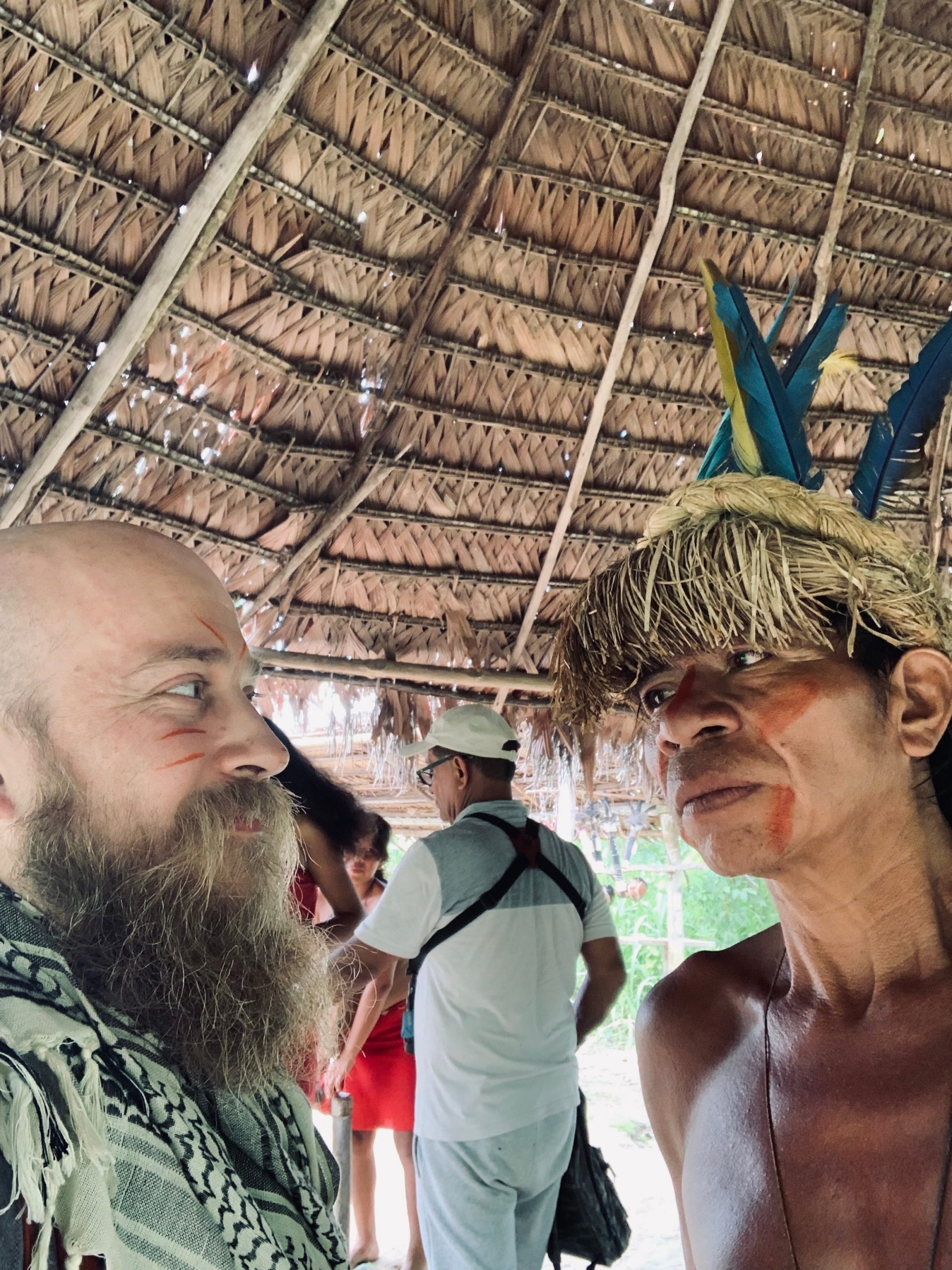
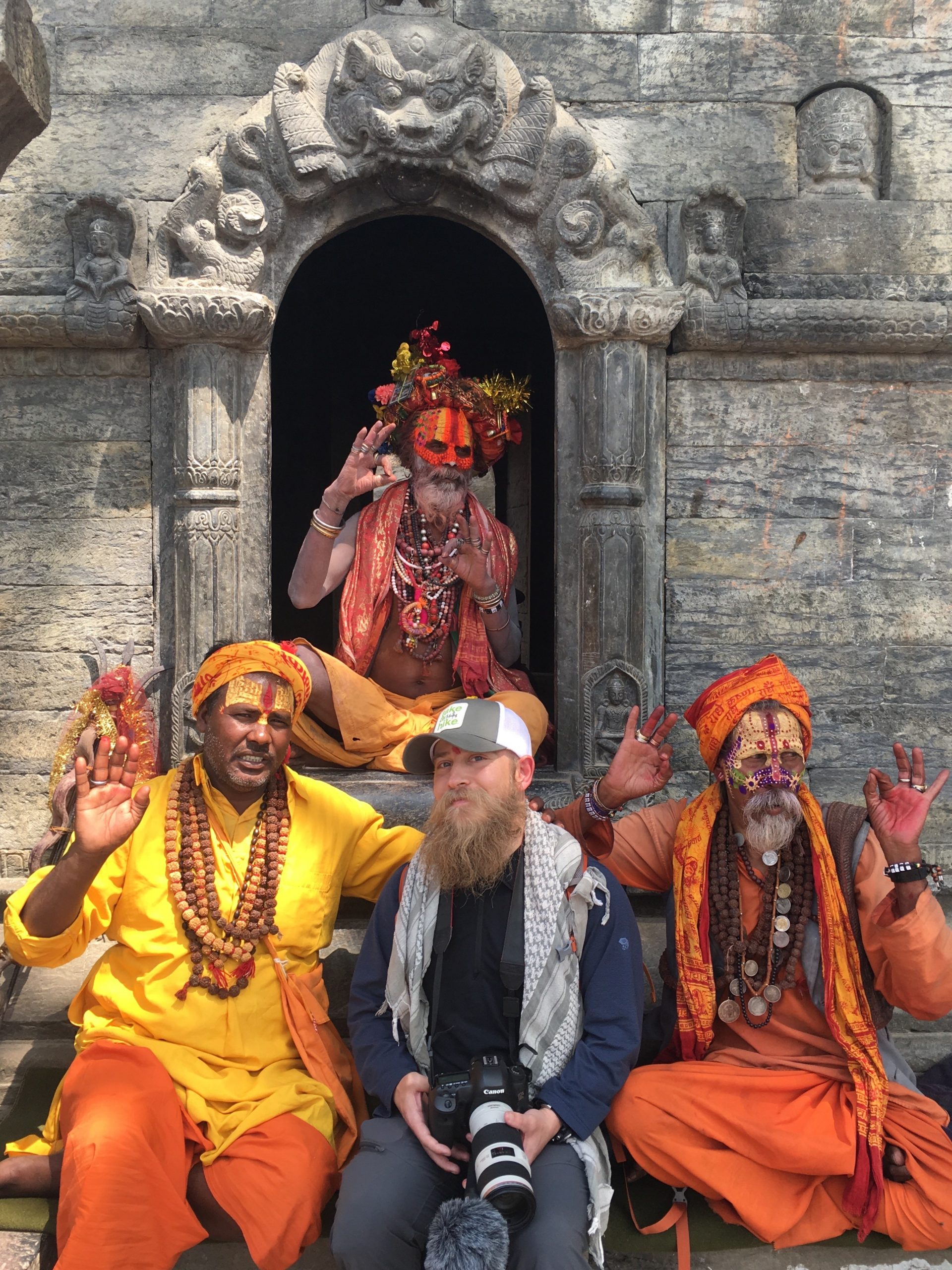
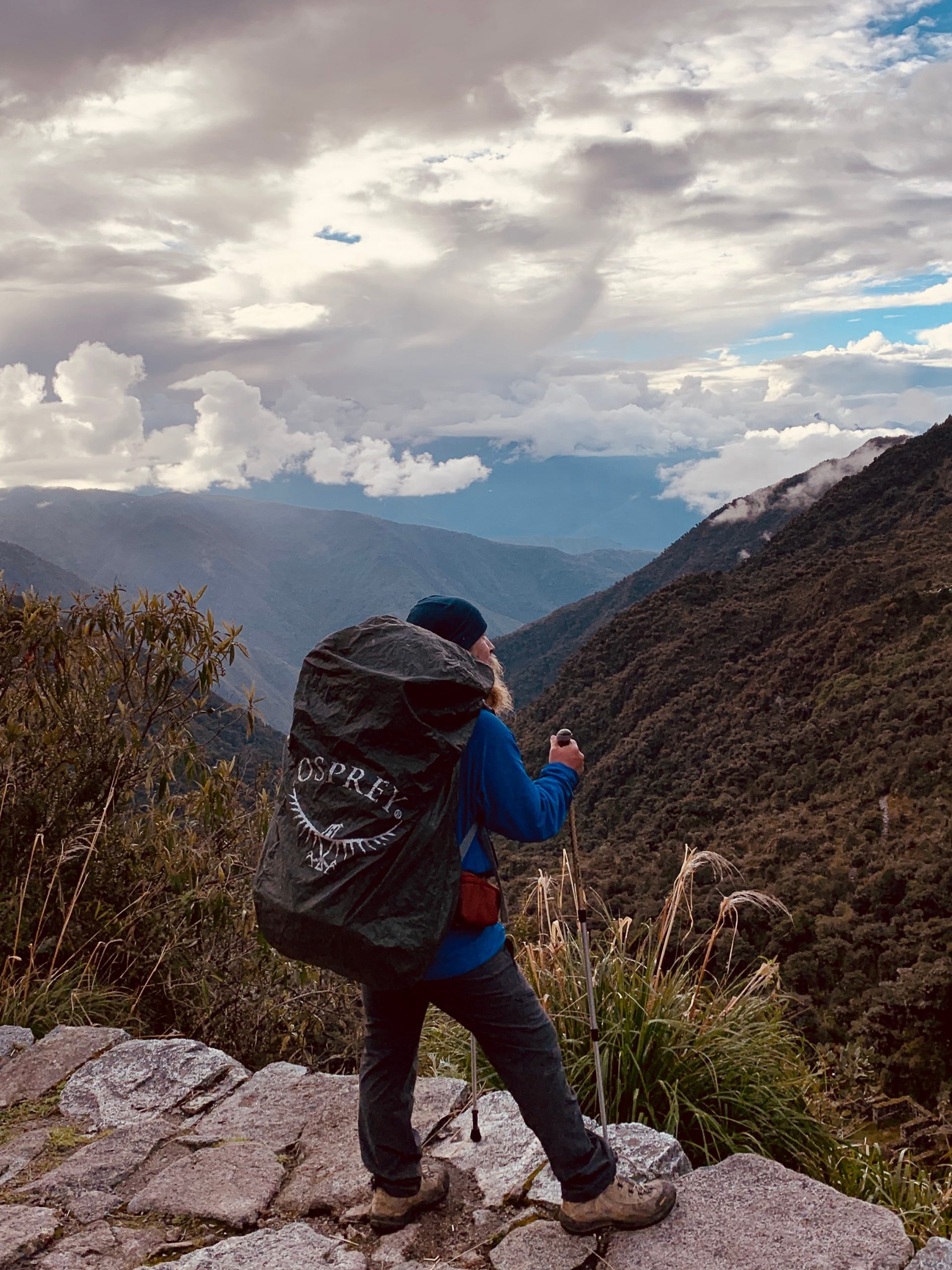
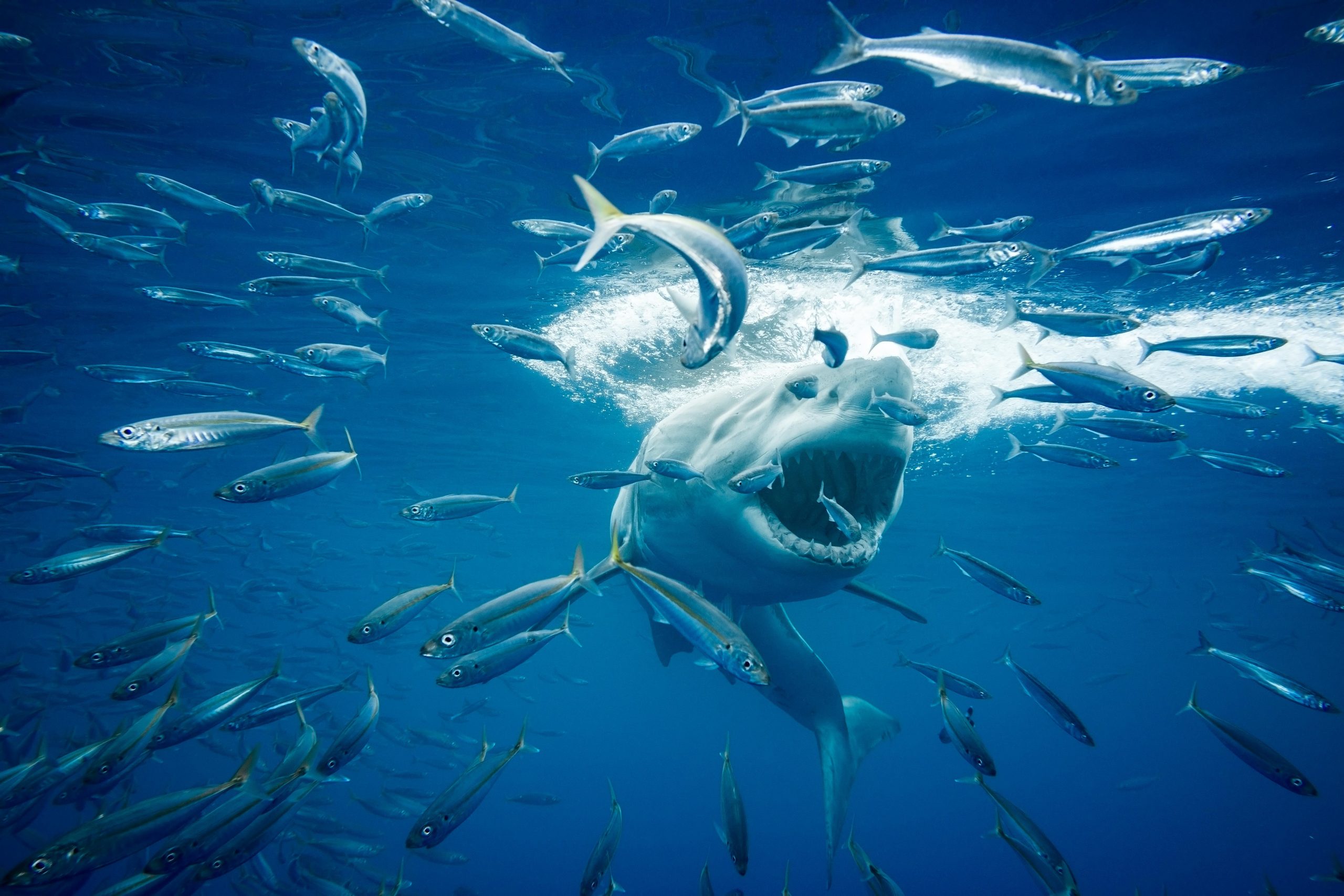
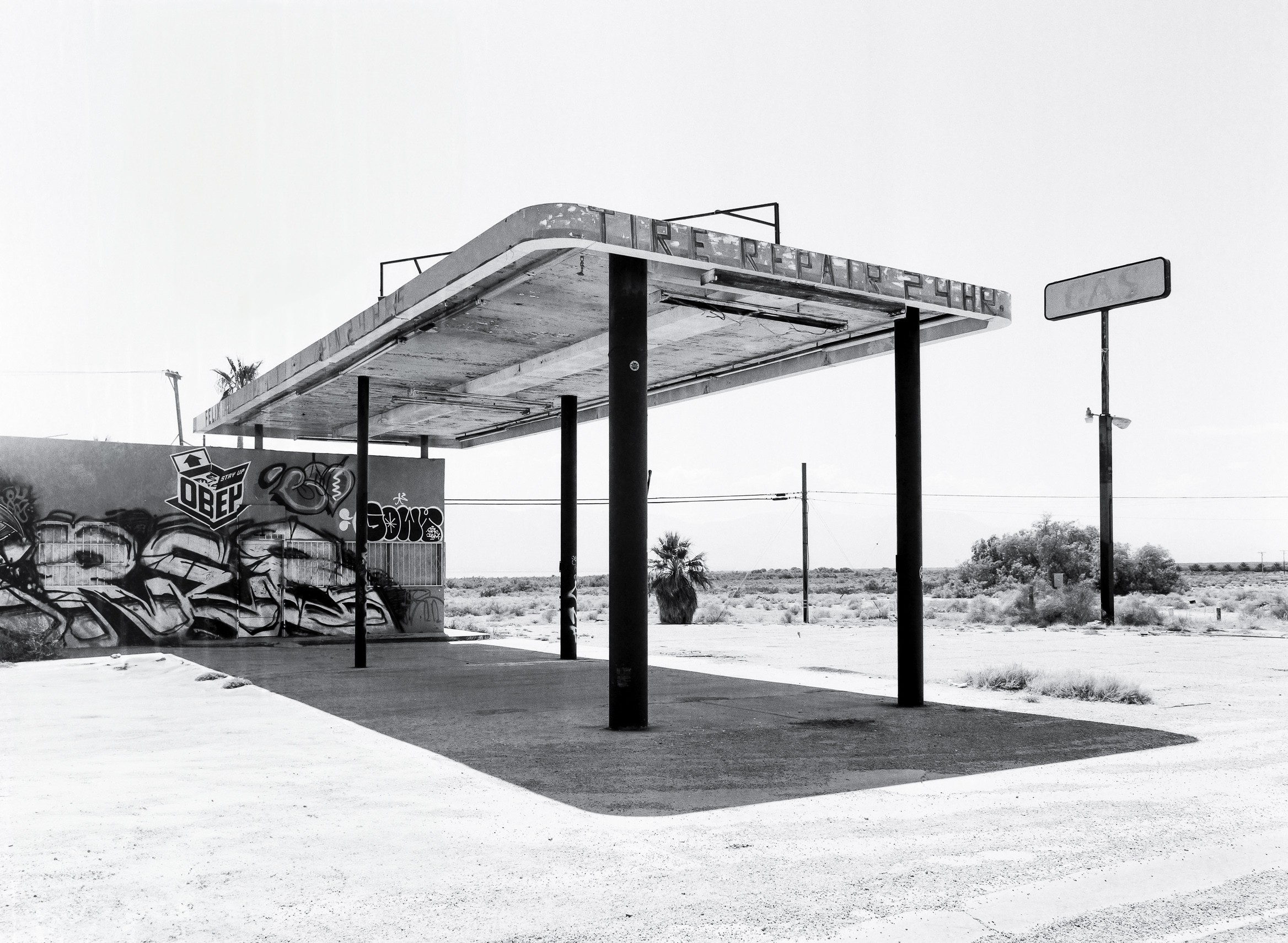
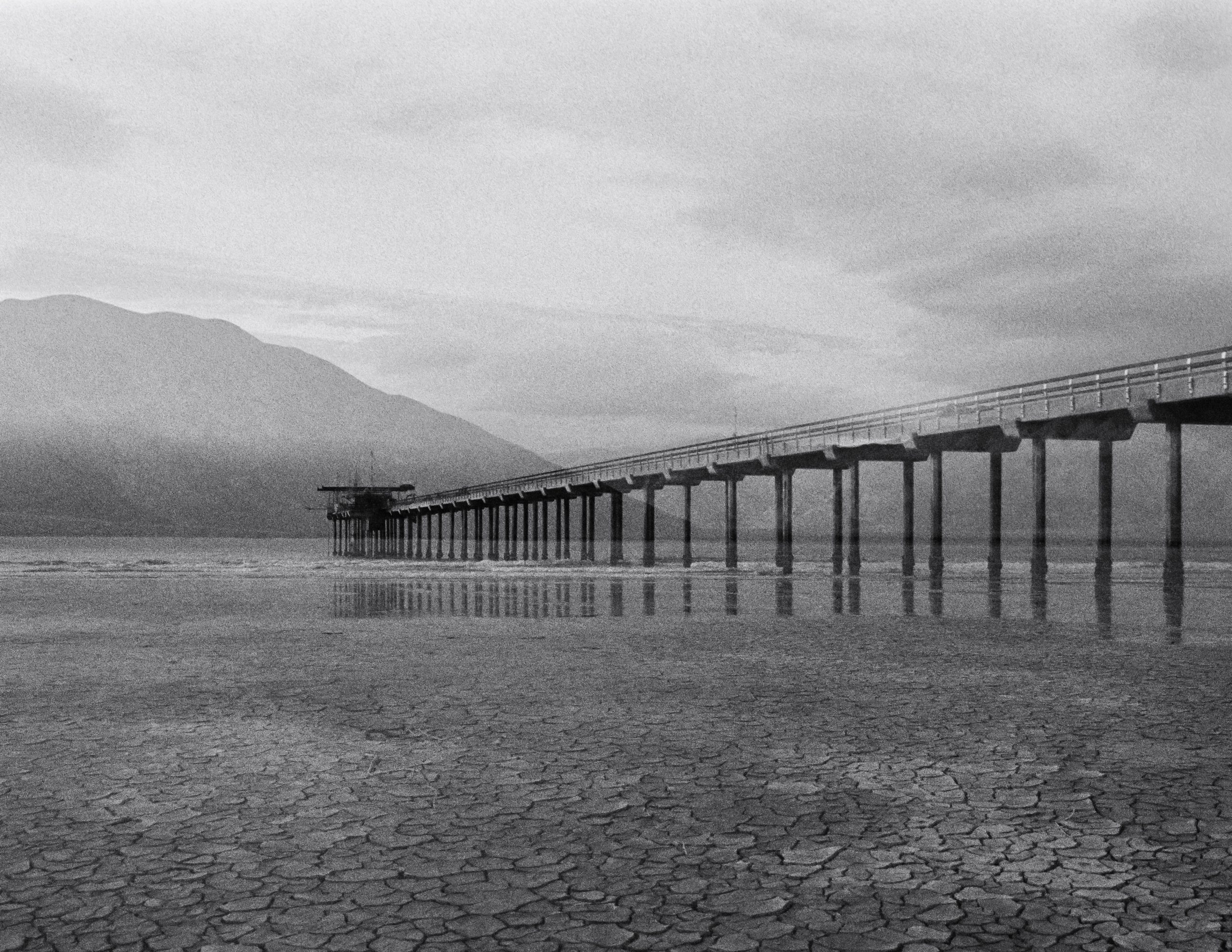
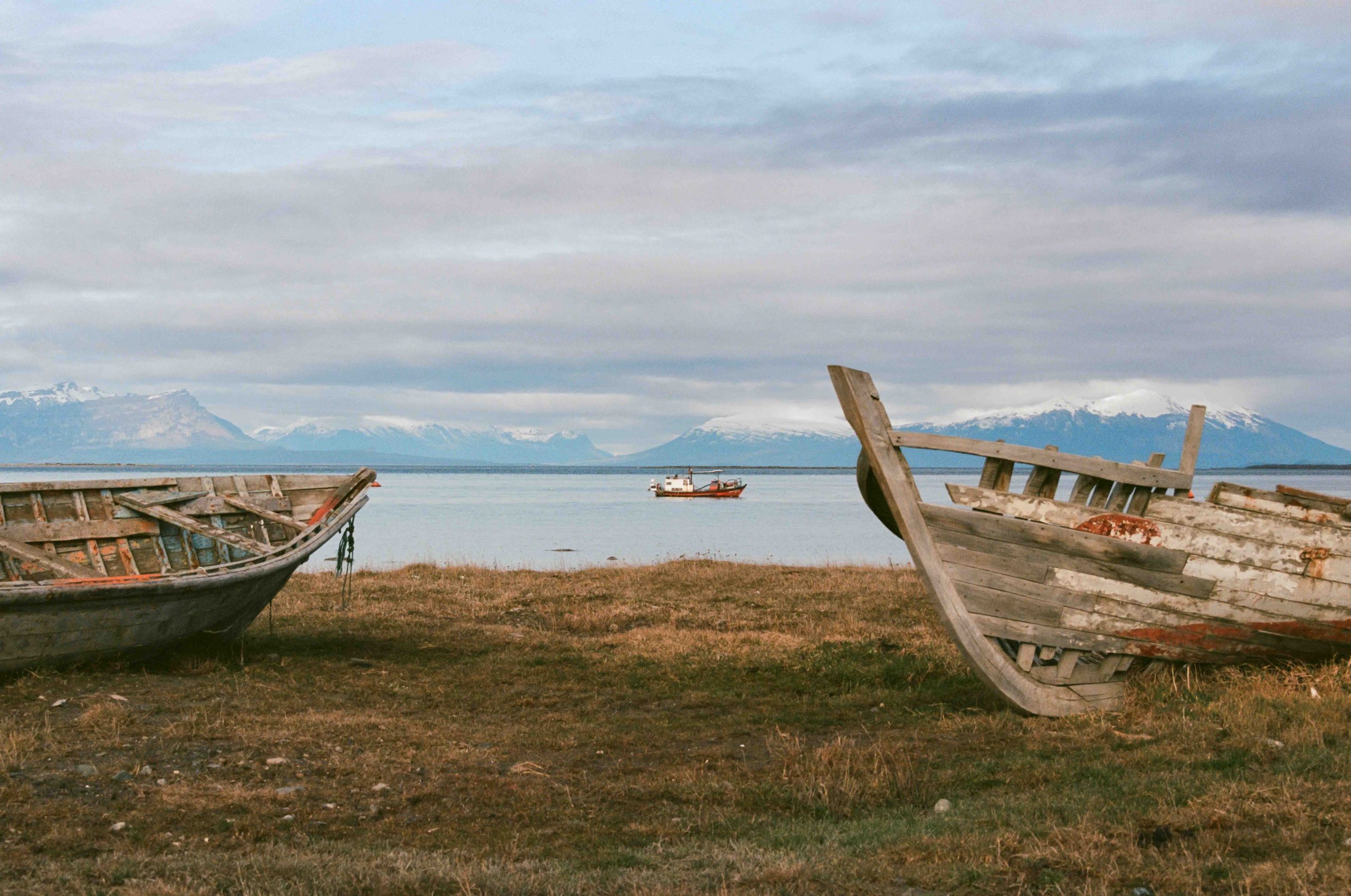
Image Credits
Brice Weaver