Today we’d like to introduce you to Rhianna Basore
Hi Rhianna, please kick things off for us with an introduction to yourself and your story.
Drawing from my roots as a creative force organizing neighborhood plays and talent shows, I discovered early on that theater and storytelling were my lifeblood. This passion led me to NYU’s prestigious drama program, where I gained incredible artistic training but faced my first real money monster: student loans.
After graduation, I landed a two-year regional theater contract and began bouncing between gigs. Despite joining the union before 25 and working internationally, I struggled with the stark reality that even at the height of my performing career, financial stability felt out of reach. A pivotal moment came during my off-Broadway run – I couldn’t afford to fly home when my grandfather passed away, even while living my creative dreams.
This wake-up call led me to transform my relationship with money. Through my parallel work in nonprofit business development, I gained vital financial skills that our creative training often overlooks. I realized I had uniquely positioned myself at the intersection of artistic vision and business acumen – able to translate complex financial concepts into creative, actionable strategies.
I took myself from tens of thousands in debt to building a fully-funded retirement account, substantial savings, and a thriving international career spanning stage, screen, and business consulting. Now, I’m passionate about helping other creative entrepreneurs build their own “self trust funds” – because I believe financial freedom is every artist’s birthright.
Through my company Self Trust Fund, I empower women entrepreneurs to break free from the feast-and-famine cycle and create sustainable success. By combining my decades of performance experience with proven business development expertise, I help clients price their worth, negotiate powerfully, and fund the creative lives they’ve always dreamed of building.
When I’m not coaching clients or managing my creative projects, you can find me preparing for my next international production or sharing financial wisdom through my expert column in Backstage magazine. Because true abundance isn’t just about money – it’s about having the freedom to bring your creative visions fully to life.
Would you say it’s been a smooth road, and if not what are some of the biggest challenges you’ve faced along the way?
From star acting student to off-Broadway success, my path looks linear from the outside. But the reality revealed deeper challenges that ultimately became my greatest teachers.
Early in my career, I juggled countless side hustles – from counting counterfeit watches to cocktail waitressing at jazz clubs. While I was “making it” professionally, performing internationally and joining the union young, I was still living paycheck to paycheck. That experience taught me that success and financial stability don’t automatically go hand in hand.
The wake-up call came during my off-Broadway run. When my grandfather passed away, I couldn’t afford to fly home for just one day with my family – even at what seemed like my career peak. That heartbreak revealed how deeply I’d internalized the “starving artist” mindset.
Another pivotal moment was when my relationship ended during that same period. I had to choose between romantic stability (and financial security) or pursuing my creative dreams. Walking away was terrifying but showed me I needed to build my own foundation.
But here’s where the alchemy happened: Those very struggles drove me to develop financial literacy through my nonprofit work. I learned business skills that transformed my relationship with money. What started as survival became expertise I could share with other creatives.
Even recent setbacks became opportunities. When COVID canceled our Iceland theater premiere, we pivoted to film. Our “closet movie” reached thousands more viewers than the live show ever could have. That experience crystallized my philosophy that constraints breed creativity.
I’ve learned that financial empowerment isn’t about denying our artistic nature – it’s about funding it sustainably. These hard-won lessons now serve as the foundation for helping other creatives build their own self-trust funds.
The greatest transformation has been internal: realizing that creativity and prosperity aren’t opposing forces but natural allies. Every setback taught me to look for the opportunity hidden within. Now I help others do the same, turning their creative fire into sustainable gold.
Thanks – so what else should our readers know about your work and what you’re currently focused on?
I transform creatives’ relationship with money, helping them build sustainable wealth without compromising their artistic integrity. After taking myself from crushing student debt to international success as an actor, director, and producer, I now guide other high-achieving creatives to financial empowerment through my company, Self Trust Fund.
My specialty is translating complex financial concepts into creative frameworks that resonate with artistic minds. I call this “emotional compound interest” – teaching creatives to view money as a collaborative force rather than an antagonist. My approach combines practical business strategy with the understanding that artists need different tools than traditional entrepreneurs.
What sets me apart is living at the intersection of art and commerce. With over twenty years performing professionally and a decade managing nonprofit business development, I bridge both worlds authentically. My clients benefit from someone who’s not just teaching theory but has personally navigated from struggling artist to financially thriving creative.
I’m most proud of helping artists recognize their true worth and build sustainable careers. Whether it’s an actor negotiating their first major contract or a creative entrepreneur scaling their business, I help them create what I call their own “self trust fund” – the financial foundation that funds their creative dreams.
My work has been featured in New York Times, The Wall Street Journal, and major theater publications. But my greatest achievement is proving that artists can thrive financially without “selling out.” By teaching creatives to become their own patrons, I’m helping reshape the myth of the starving artist into a story of creative abundance.
Before we let you go, we’ve got to ask if you have any advice for those who are just starting out?
Looking back, I wish I’d understood three key things when starting my creative career:
First, your creative gifts have real financial value. I spent years undercharging and over-delivering because I’d internalized the cultural myth that art isn’t “real work.” Start viewing your talents as valuable business assets from day one.
Second, business skills aren’t the enemy of creativity – they’re rocket fuel for it. While NYU gave me incredible artistic training, I had to learn financial literacy the hard way. Take a business class. Learn about contracts. Understand pricing. These tools don’t diminish your art; they fund it.
Finally, become your own patron. I used to wait for external validation and support, both creatively and financially. But true creative freedom comes from building your own financial foundation. Start small – even $5 a week into a dream fund creates momentum.
The most transformative mindset shift? Realizing that “starving artist” isn’t a badge of honor – it’s a story that keeps creatives playing small. You can honor your artistic integrity while building real wealth. In fact, financial stability often leads to bolder creative choices because you’re not creating from scarcity.
Remember: Start building your financial muscles now, no matter how small. Your future self will thank you for every step you take toward sustainable creative abundance.
Pricing:
- $397 – How To Slay Your Money Monster self study course
- 1:1 Coaching ~ prices available upon request
Contact Info:
- Website: https://selftrustfund.com
- Instagram: https://www.instagram.com/howtomakemoneyyourfriend/
- Facebook: https://www.facebook.com/selftrustfund


Image Credits
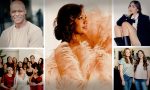
Headshot by A. Jay. All other photos are mine.