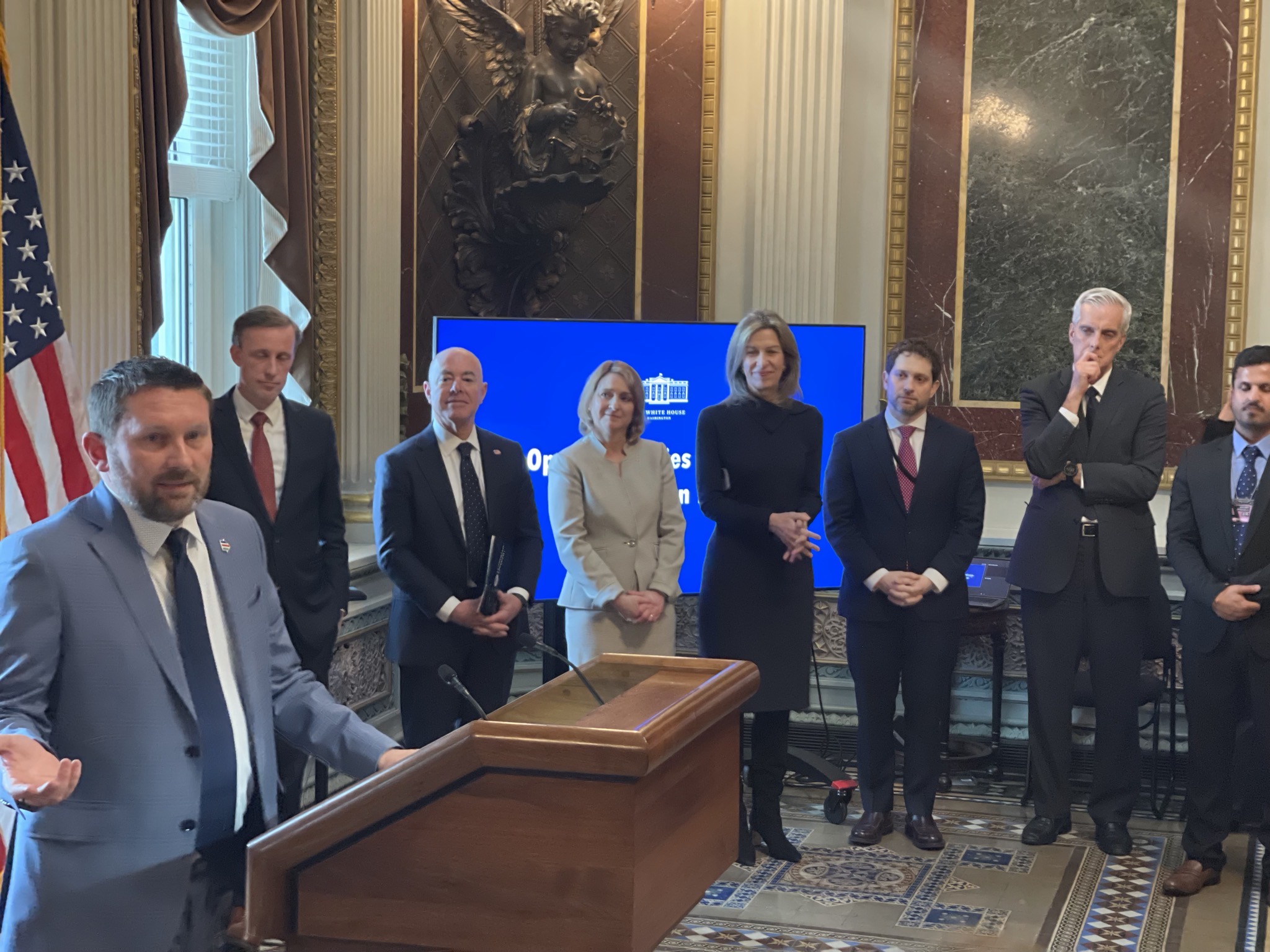
Today we’d like to introduce you to Shawn VanDiver.
Alright, so thank you so much for sharing your story and insight with our readers. To kick things off, can you tell us a bit about how you got started?
I was not supposed to end up here. I got kicked out of two high schools, in Bakersfield, where I grew up. Then got shipped off to a boot camp for troubled kids, where I managed to get kicked out twice more. I was, by every official measure, a bad bet. But even then there was a stubborn streak in me that refused to just fail on someone else’s terms, so I walked away from that place with both a GED and a high school diploma. Spite is an underrated motivator.
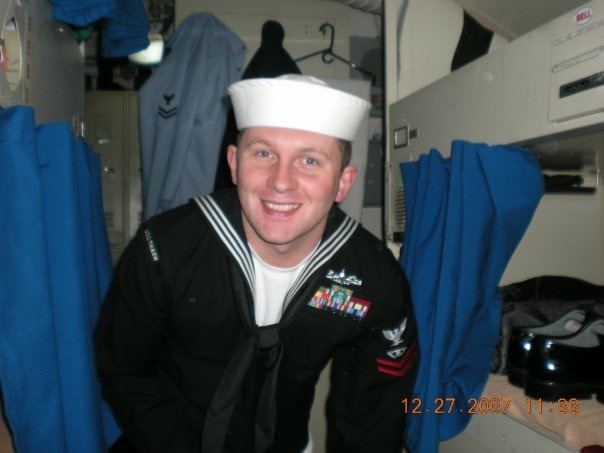
The Navy is where I finally got my act together. I enlisted right out of that chapter of my life in 2001 and spent the next twelve years as a Fire Controlman, eventually serving as an AEGIS Weapons System Supervisor aboard the USS Chancellorsville. Throughout my career, I deployed several times in support of Operation Iraqi Freedom, Operation Enduring Freedom, the broader Global War on Terrorism, and the War on Drugs. The military gave a kid who had been told he was a lost cause a mission, a standard, and a family. It also taught me the thing that has shaped everything since: when you tell someone you have their back, that promise is only worth what you are willing to do to keep it.
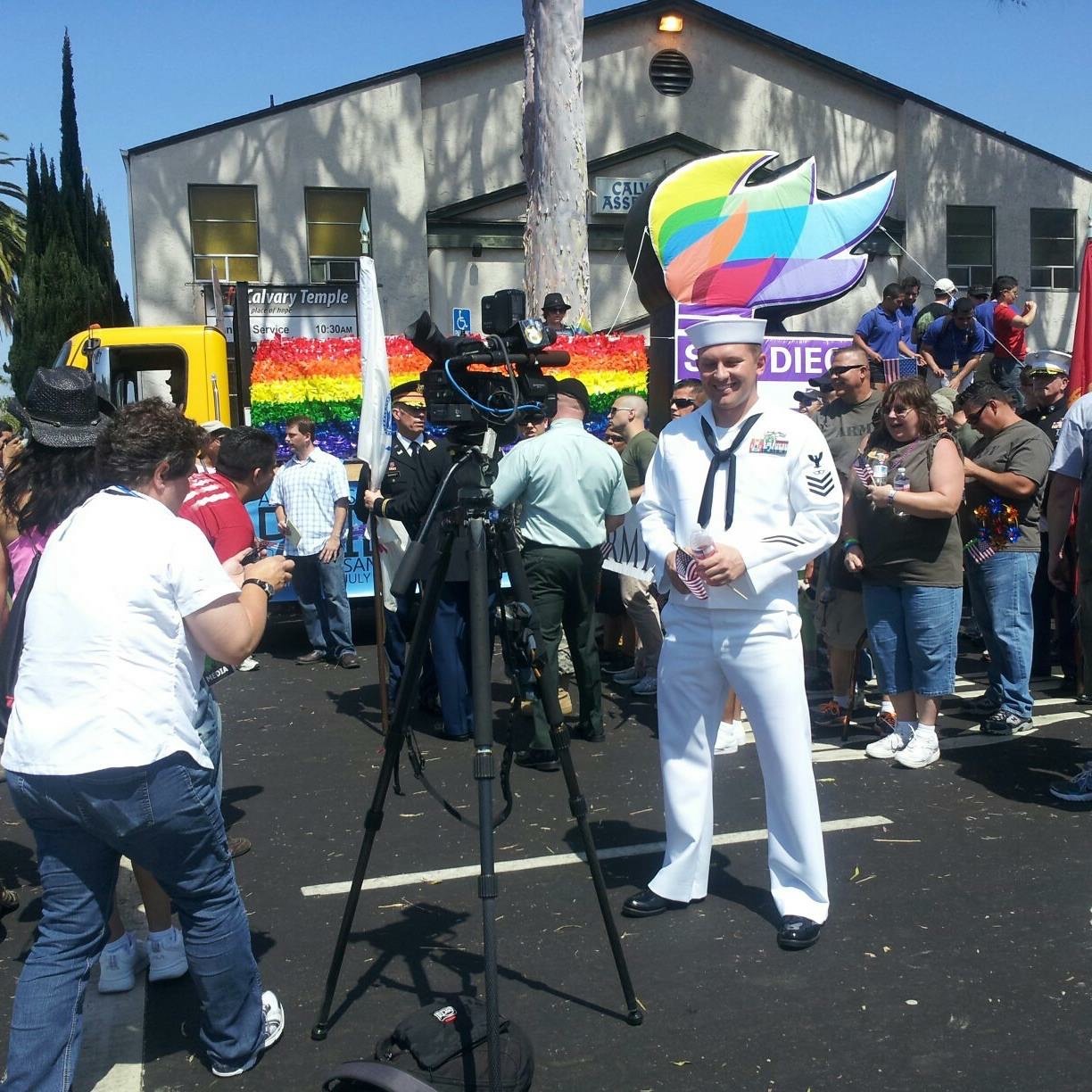
The Navy also taught me how it feels when an institution breaks that promise to you. In 2012 I marched in a Pride parade in support of my LGBTQ+ shipmates, and it did not sit well with my leadership. I was targeted for it, and in 2013 they used my status as a single parent as the lever to push me out of the service I had given more than a decade to. It was a gut punch, and it lit a fire. If the institutions we trust can turn on the people who serve them, then somebody has to hold them accountable and stand up for the people they leave behind. That is the moment I stopped being just a sailor and became an advocate.
That did not happen overnight. My first job out of the Navy was at PlayStation, of all places. But public service kept pulling me back, and I built my civilian career around it. Along the way I put myself through school, earning a bachelor’s and my first master’s from National University while I was still in uniform, plus a certificate from the Naval Postgraduate School, and later a second master’s in public leadership from the University of San Francisco during the pandemic. For a guy who couldn’t stay in one school long enough to finish, every one of those degrees felt like a quiet vindication. I threw myself into civic life in San Diego. I founded the local chapter of the Truman National Security Project, served on veterans boards, and eventually chaired the San Diego Convention Center Board of Directors. I believed then, and I believe now, that showing up in your community is not a side project. It is the whole point.
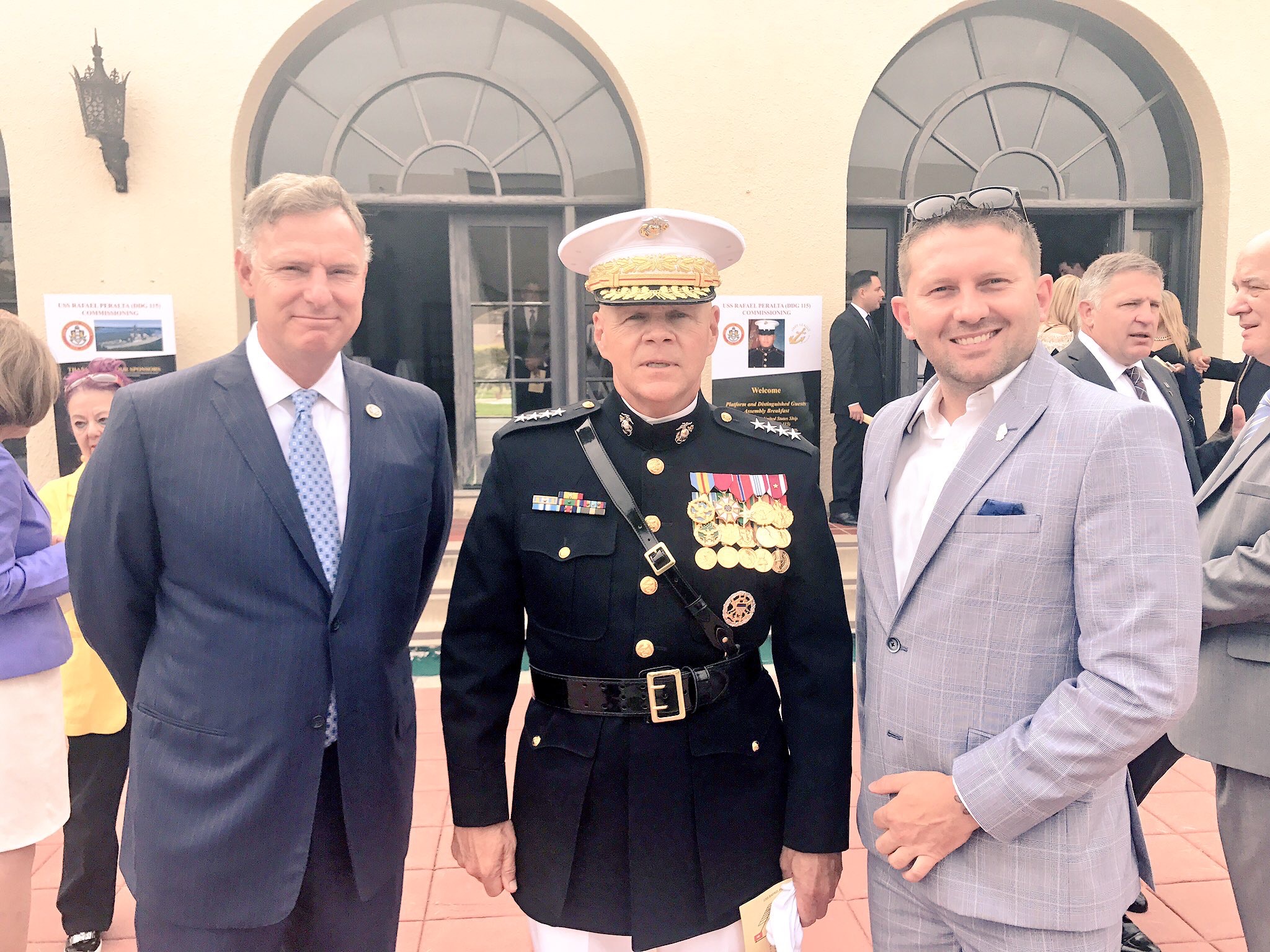
Then August 2021 happened. As Kabul fell, I got a text from my friend Lucky, an Afghan ally who was trapped and running out of options. I helped get him out. Then I called Congressman Scott Peters and Ruben Gallego, who was in the House at the time, and I shared Lucky’s story online.
That is when it snowballed. Through that post, through the Truman National Security Project, and through a dozen other communities, I ended up in something like forty group chats at once. Veterans, aid workers, former interpreters, and government officials, on the phone at all hours, all of them working the problem, and almost none of them talking to each other. There was no coordinating mechanism. So we built one.
We had made a promise to the people who stood beside us for twenty years. We went into their country and asked them to believe in the idea of democracy, and we told them that if they worked with us, they would have a shot at the American dream. I am not willing to let our country be made into a liar.
So I founded #AfghanEvac, the organization I built to coordinate and help lead a much larger effort, activating a network of veterans, policy leaders, and civil-society partners I had been building for years. We built and grew a coalition to more than 250 organizations working in direct partnership with the U.S. government, and together we have helped resettle over 200,000 Afghan allies and their families. It is one of the largest civil-society humanitarian partnerships in American history, and the work is not finished. All of it ran out of San Diego. The calls, the coordination, the three in the morning problem solving, all of it from a Navy town that understands better than most what we owe the people who serve beside us.
These days I wear a few hats. I lead #AfghanEvac as its president, I advise government and business leaders through my firm, Gaslamp Consulting, and I spend a fair amount of time in front of cameras and congressional committees making the case for keeping our word. But the throughline of my life is simple. It is civic engagement at every level, from the hyper-local to the global. The same instinct that put me on a convention center board in my own city is the one that now puts me in rooms at the White House, and to me it has always been the same job: show up, be useful, and keep the promises your community made. The kid who got kicked out of everything, and later got pushed out of the service he loved, grew up to build his life around keeping those promises. I am a sailor at heart, a proud father, and someone who still believes a promise means something. My job is to make sure we keep ours.
Can you talk to us a bit about the challenges and lessons you’ve learned along the way. Looking back would you say it’s been easy or smooth in retrospect?
No, it has not been a smooth road.
I grew up without my dad. He was mostly absent, in and out of my life in fits and starts, and that kind of absence shapes you whether you want it to or not. You spend a lot of your childhood trying to figure out who you are supposed to be with no one modeling it for you, and you spend a lot of your adulthood unlearning the habits you picked up filling in the blanks. Money was tight, stability was rare, and I was carrying more than a kid should have to carry.
I was diagnosed with ADHD young, around six or eight, so it always had a name. That did not make it any easier to live with. To plenty of adults I was simply “too much.” Too loud, too restless, too quick to push back, too hard to keep in a seat. That is a big part of why I got kicked out of everywhere I got kicked out of. For a long time I thought that wiring was a defect I had to hide. It took me years to understand that the same brain that could not sit still in a classroom is the brain that can run point on a global evacuation at three in the morning, hold fifty threads at once, and refuse to let go of a problem until it is solved. The thing that made me too much for some rooms is the thing that makes me useful in the rooms that matter now.
There was also the day the Navy pushed me out, which I described above. What I did not say is how long it took to stop feeling like a failure. Losing that career felt like the floor giving way, and for a while I was not sure who I was without it. It also handed me my purpose, so these days I am almost grateful for it.
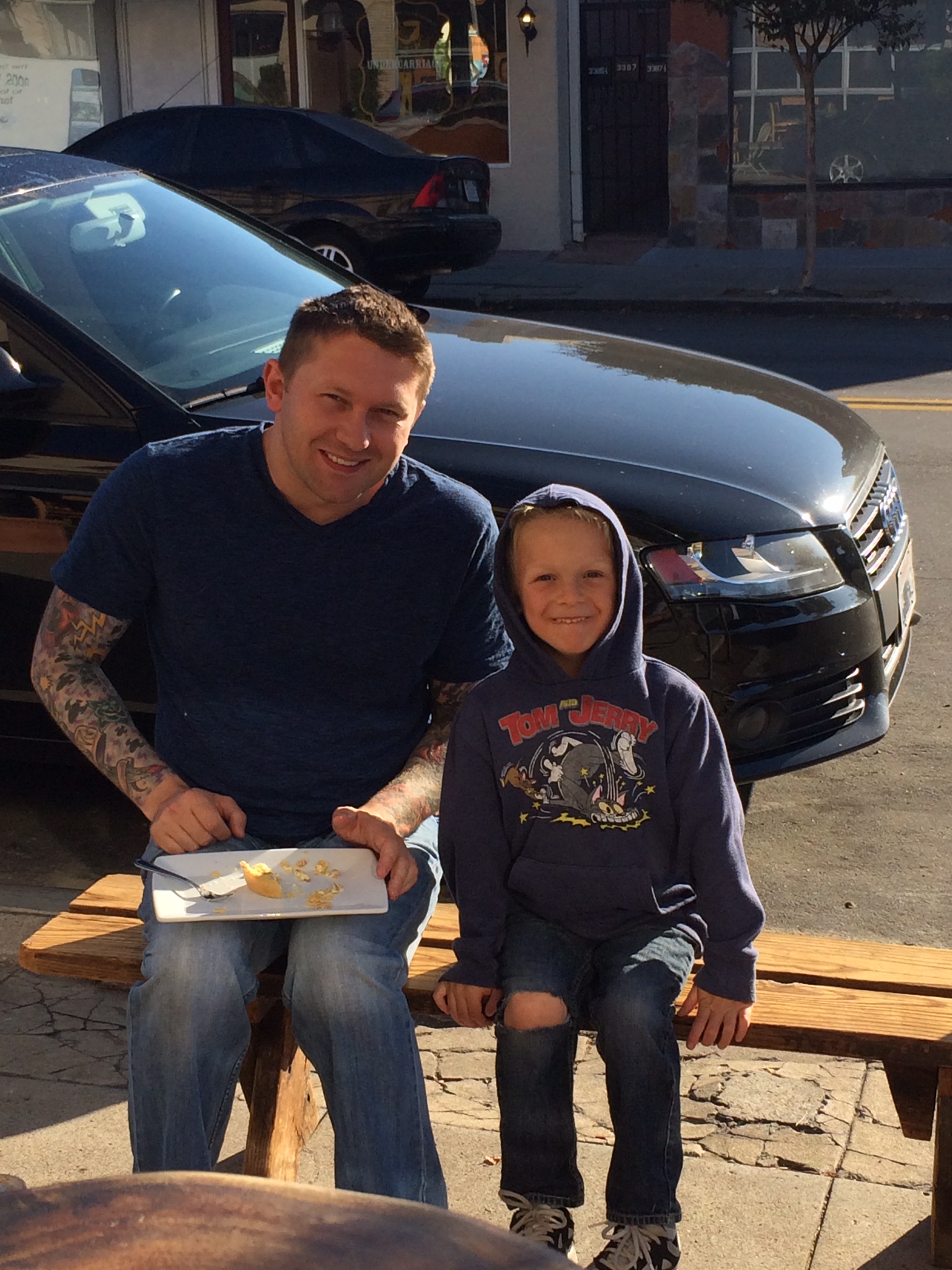
Then there is the part I am proudest of, which is being a father to my two kids, Ryan and Daphne. Ryan is seventeen and Daphne is six, and they are having very different childhoods. I raised Ryan almost entirely on my own, his mother gone since he was a year and a half old, and for nearly all of his life it was just the two of us figuring things out. I was younger then, more anxious, stricter than I needed to be, convinced every problem had a solution if I just worked and pushed hard enough. Daphne’s world is different. Her mom and I are divorced, but she has two parents who love her and show up for her consistently, and if I am honest, she has a more relaxed father than Ryan grew up with. It is the truth every parent eventually confronts: the father Ryan got is not the same father Daphne gets, and much of the dad Daphne has exists because of what Ryan taught me. Ryan taught me resilience. Daphne is teaching me joy. Doing all of this while running an organization that never sleeps means falling short of my own standards constantly and getting back up to try again. But they are the reason I do any of it, and being their dad is the best thing I will ever do.
I want to be clear about something, because it matters. None of this happened because I am some singular force of will. So many people have carried me, believed in me before I had earned it, and picked up the pieces when I dropped them. I owe more debts than I can ever repay.
And honestly, the hardest part of the work is not the logistics. It is the people. Coalition building always means managing a lot of egos, eccentricities, and strong personalities, all of them convinced they are right, many of them actually right, and layering all of that on top of Washington politics that can turn on you overnight. Herding that energy toward a shared goal, keeping fragile alliances intact, and absorbing the friction so the mission can keep moving has been the real education. It turns out the kid who was “too much” grew up to be pretty good at holding a room full of too-much together.
As you know, we’re big fans of you and your work. For our readers who might not be as familiar what can you tell them about what you do?
At the core, my work is keeping promises that powerful institutions would rather forget they made.
Day to day, I lead #AfghanEvac, the organization I founded in 2021 to coordinate and help lead a much larger coalition. When Kabul fell, I did not start from nothing. I activated a network of veterans, policy people, and civil-society leaders I had been building for years, and #AfghanEvac became the vehicle to organize that energy into something that could actually work with the U.S. government at scale. At our peak, that coalition was more than 250 organizations, and together we have helped resettle over 200,000 people. I also run a consulting practice, Gaslamp Consulting, where I advise government, non-profit, and business leaders on strategy, government relations, and high-stakes communications. Different clients, same core skill, which is figuring out how to move a complicated system toward a decent outcome.
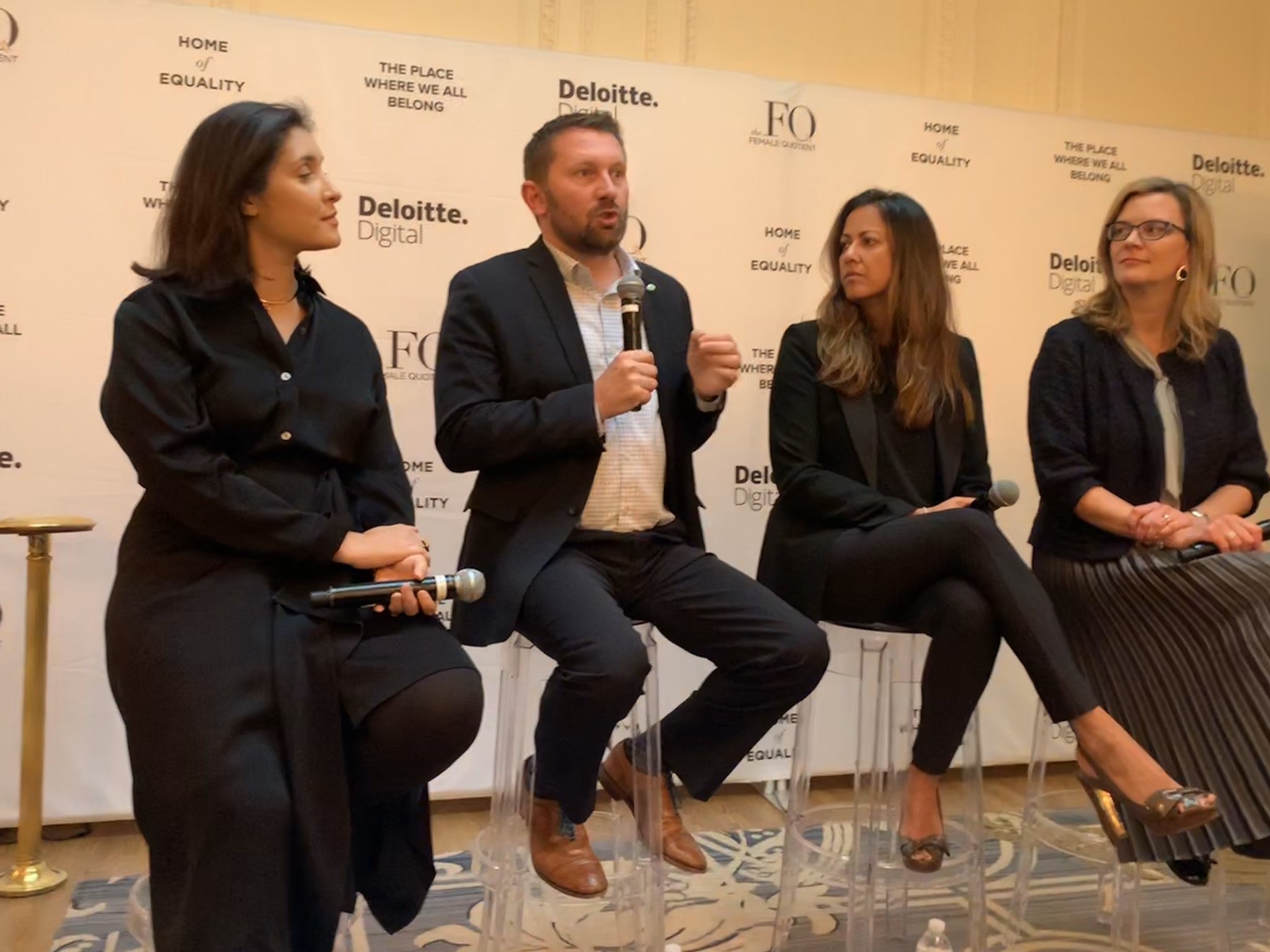
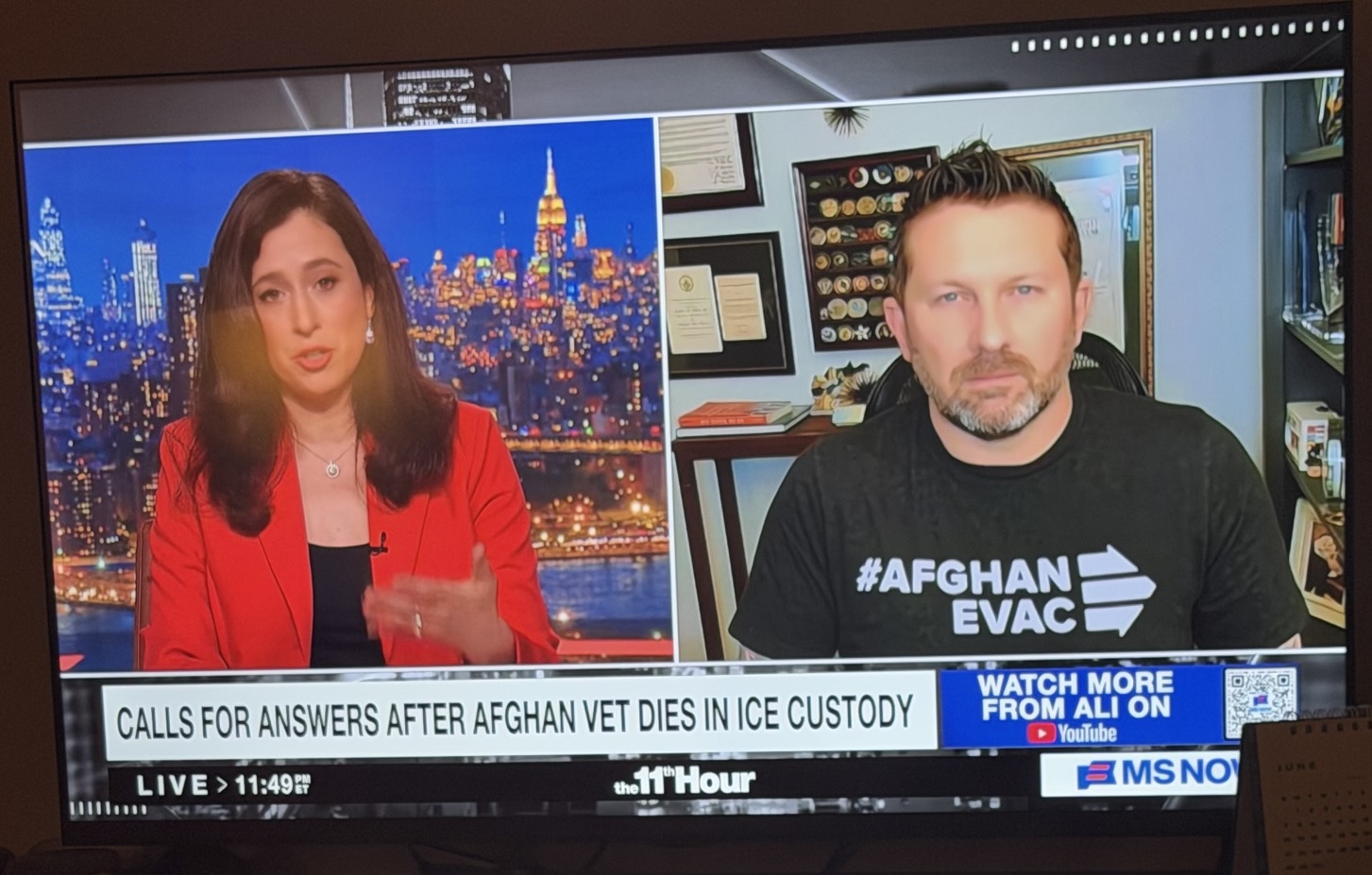
What I specialize in is the seam between government, the private sector, and civil society. Most people are fluent in one of those worlds. I have spent twenty years learning to translate across all three, which means I can sit in a briefing at a federal agency in the morning, on a call with frontline aid workers in the afternoon, and in front of a camera that night, and speak each of those languages honestly. I am known for building coalitions that hold, for saying the thing other people are thinking but will not say out loud, and for keeping a hard issue alive in the public conversation long after the news cycle has moved on. When you see me on CNN, PBS, NPR, or MSNBC, or testifying before Congress, that is the job. Refusing to let people forget.
What I am most proud of is not a number, although 200,000 lives is a number I will carry with me forever. I am most proud that we built something durable and trusted across a bitterly divided landscape. Republicans and Democrats, generals and refugees, megachurches and secular nonprofits, all rowing in the same direction because we kept the mission bigger than the politics. In this era, getting people who agree on almost nothing to agree on this may be the thing I am proudest of.
What sets me apart is that I do not come to this from a place of comfort or credentials. I come to it from a kid who got written off early, found his footing in the Navy, and learned firsthand that a promise is only worth what you are willing to do to keep it. That lived experience makes me direct in rooms that reward polish, and it makes me stubborn when the smart move is to quit. I am not the most diplomatic person in the room and I have made peace with that, because diplomacy that leaves people behind is not a virtue. What I offer is credibility, candor, and a genuine unwillingness to let the people we made promises to become an afterthought. That is the whole job, and I would not trade it for anything.
Can you talk to us a bit about the role of luck?
Luck has played an enormous role, and I distrust anyone in a similar position who says otherwise.
Start with the bad luck, because that came first. I did not choose the household I was born into, the father who was mostly gone, the instability, or the brain wiring that made school feel like a cage. Plenty of kids get dealt that hand and never climb out, not because they are weaker than me but because the next lucky break never came. I have never believed I earned my starting line. I just refused to let it be my finish line.
Then came the good luck, and a lot of it. I had the extraordinary fortune of being born an American, which meant that when the world came apart in Kabul in 2021, I was the person making the phone calls, not the person trapped at the airport gate praying someone would pick up. That is not virtue. That is the geography of where I happened to be born, and I try never to forget it.
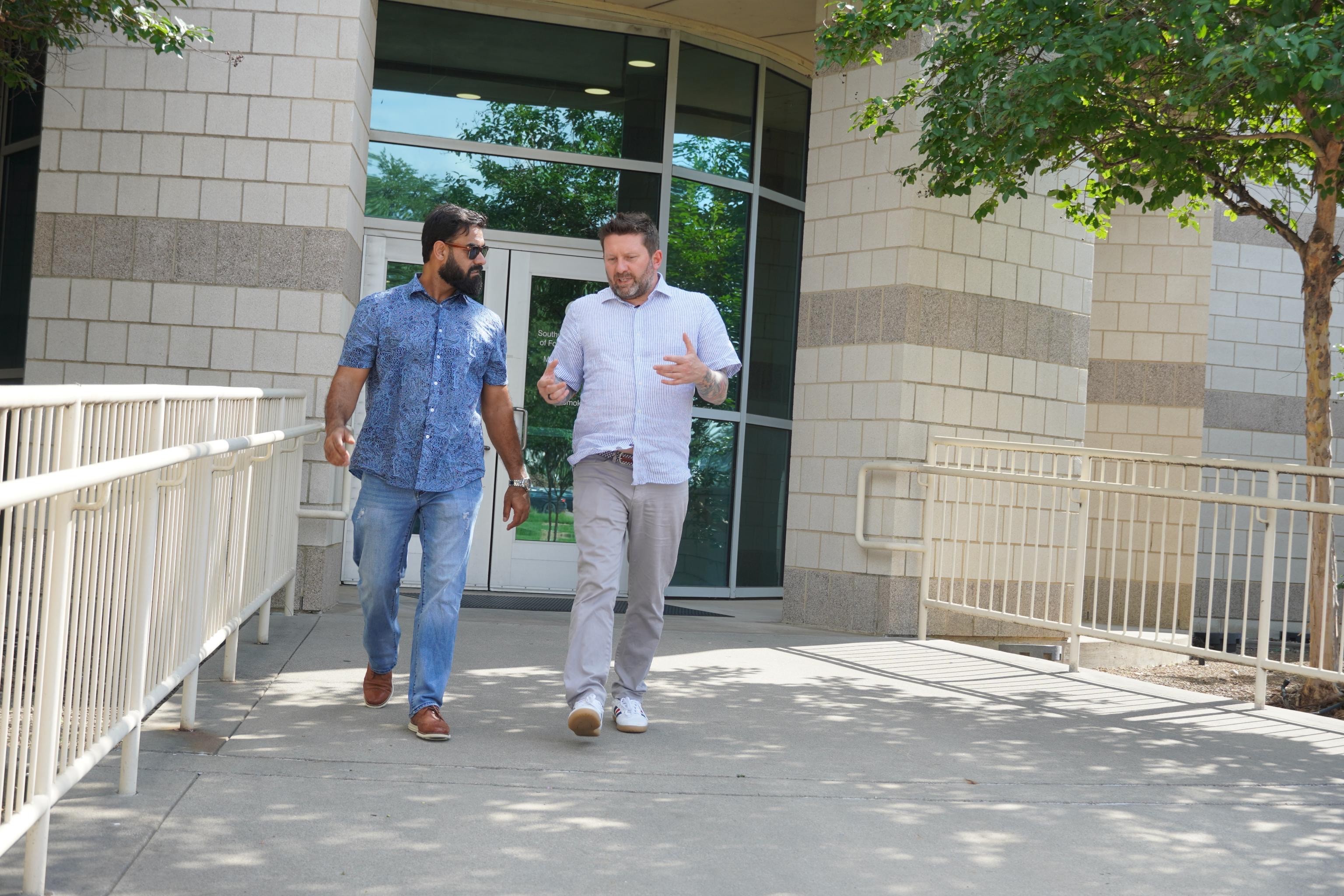
There is a poetry to this that I do not take lightly. The friend whose message set all of it in motion goes by Lucky. He is the reason #AfghanEvac exists, and he is a U.S. citizen today. So when people ask me about the role of luck, I can point to a person by that name and tell them, in the most literal sense, that luck is the reason I do what I do.
But here is what I have learned about luck. It is real, and it is also raw material. Good luck that you sit on is wasted, and bad luck that you learn from becomes an edge. The people we resettle had the worst luck imaginable, born on the wrong side of a border when the music stopped. My whole job is to bend that luck, to make sure a person’s odds are not sealed by an accident of birth or a date on a calendar.
So yes, luck made me. I got lucky in the people who believed in me, lucky in the timing, lucky in the country I call home. What I try to do with the time I have is turn some of that luck outward, and give people who never caught a break a fighting chance at one.
Contact Info:
- Website: https://afghanevac.org
- Instagram: https://instagram.com/shawnjvandiver
- LinkedIn: https://www.linkedin.com/in/shawnvandiver/
- Twitter: https://x.com/shawnjvandiver
- Other: https://shawnvandiver.com