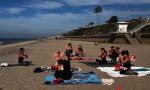
Today we’d like to introduce you to Van Ethan Levy Âû (they | Elle)
Hi Van Ethan, so excited to have you with us today. What can you tell us about your story?
My story is deeply rooted in my own experiences with identity and the hardships I’ve experienced by just existing. I am a queer, non binary, trans, AuDHDperson of color who grew up navigating a world that did not accept me. I spent much of my entire adolescence in conversion therapy, a deeply traumatic experience, and it’s something that I carry with me. That period of my life made it clear to me how vital it is to create spaces where people feel validated in their identities, especially those who are historically excluded or marginalized.
Over the years, I’ve channeled that pain and collective realities into advocacy and service. I’m a licensed Marriage & Family Therapist and Licensed Professional Clinical Counselor, and my work focuses on supporting folks with diverse identities, including trans and non binary individuals, the LGBTQPIA2S+ community, neurodiverse folks, and those navigating disabilities. My passion for social justice and anti-oppressive engagement is vital to me as well as constantly learning how to hold space for people to explore and affirm their true selves.
One of my major projects is the No More Gatekeeping initiative, a national provider list and app that ensures folks can access affirming care quickly and without barriers. I also created the interactive book Exploring My Identity(ies) and produced the Do Something: Trans & Non Binary Identity(ies) documentary, which was followed by an international conference on identity in 2022, the Do Something: Identity(ies) Conference. These are all efforts to help individuals access life-saving resources and to share the stories of people whose identities and struggles too often go unknown, invalidated, denied and so much more.
Currently, I’m the Executive Director of Do Something: Identity(ies) and serve as the Director of Behavioral Health at Transgender Health & Wellness Center, where I continue my work in advocating for trauma-informed care and social justice. My goal is simple: to make sure that the support I offer and the spaces I create are accessible, affirming, and safer for every person. What happened to me should never happen again to anyone, and I will continue to fight for those who are still experiencing these violent engagements.
Would you say it’s been a smooth road, and if not what are some of the biggest challenges you’ve faced along the way?
No, it has not been a smooth road. My journey has been marked by ongoing abuse, struggle, and constant micro and macroaggressions. From a young age, I have been experiencing personal trauma but also systemic discrimination, especially as a queer, non binary, trans, AuDHD person of color who has disabilities. The abuse I experienced, particularly during my adolescence in conversion therapy, shaped much of my early life. It wasn’t just a matter of fighting for my identity—it was fighting to survive in a world that rejected me at every turn and staying alive.
Even as an adult, the road has been filled with barriers. From microaggressions in everyday interactions to more overt forms of oppression, it’s been a relentless effort to carve out space for myself and others who share similar experiences. On top of that, I’ve had to fight for my livelihood, for resources, for the ability to even exist in a way that feels authentic and true to who I am. But through it all, I’ve also found my resilience and my strength.
Despite the obstacles, I remain committed to this work because I know how vital it is to create spaces of support and healing for those who continue to face the same struggles. The very work I do now is a response to these struggles—I want to ensure that others don’t have to endure what I did, and I want to build something that sustains not just myself, but my community as well. It’s been hard, yes, but it’s also been a driving force in everything I do today.
Thanks – so what else should our readers know about your work and what you’re currently focused on?
The work I do through my nonprofit, Do Something: Identity(ies), is at the core of my mission to create safer, more accessible ways for trans and non binary individuals to access affirming care. One of our key initiatives is the No More Gatekeeping Providers list, which is a nationwide resource of vetted providers who are willing to offer an assessment and write a letter in just one session so people can have access to life saving medical care. This is crucial because, historically, many mental health providers require trans individuals to undergo months—or even years—of therapy before they can access life-saving care like hormones, procedures and/or surgery.
As someone who has personally vetted and trained many of the providers on our list, I know directly how important it is to remove these barriers. Therapy is often expensive—an hour of therapy can cost $100 or more, and the average yearly salary for a trans person is around $10,000. That means that for many, getting a letter to access medical care would cost more than half an individual’s annual income. This is not only financially prohibitive, but it also keeps people from accessing the care they need in a timely manner.
The statistics are staggering: the CDC reports that 1 in 3 LGBTQ+ youth attempt suicide before the age of 18. But when they have access to affirming care—things like hormones, surgeries, and the ability to have their names used—this number dramatically decreases. That’s why creating accessible, trauma-informed resources like No More Gatekeeping Providers List is so vital to me.
We’re also developing an app to further streamline this process, offering providers trauma-informed questions for assessments, and generating the letter all in one session. This app will provide a more efficient and safer way for individuals to access affirming care, regardless of their geographic location.
What sets me apart is my commitment to making sure that every provider listed is not just qualified but is truly aligned with an anti-oppressive, affirming approach. I’ve experienced these barriers, I understand the trauma and the gatekeeping, and I’m using my personal and professional experience to create solutions that allow others to live and thrive in a world that often wants to exclude them.
Ultimately, I’m most proud of the foundation we’re building with Do Something: Identity(ies). We’re creating spaces where people can access care with reduced barriers and gatekeeping, and where we trust the person to live authentically and safely. I’m passionate about identifying gaps in care and creating innovative ways to close them, so we can support our community, improve outcomes, and continue to help folks thrive.
Can you tell us more about what you were like growing up?
Growing up, I was very serious and organized. I thrived on structure, and I liked things to be in order. I had a lot of anxiety, and certain textures really bothered me, which made the world feel even more overwhelming at times. He and she were a grounding presence for me. I often felt misunderstood and alone, as it was hard to connect with others, especially when it felt like I was the only one who experienced the world the way I did.
One thing that really helped me navigate my childhood was my love for nature. I adored climbing things, swimming, and spending time with animals—especially reptiles and living creatures. I was always fascinated by the diversity of life and enjoyed exploring that connection to the world around me. Plants were also something I felt deeply drawn to, almost like they provided a sense of peace in the chaos.
I really enjoyed school and doing homework because it gave me a chance to connect with my teachers but was severly bullied and experienced physical, emotional and sexual abuse from my peers and some folx in positions of power. I felt less alone when I was able to have that one-on-one time with specific teachers. Unfortunately, though, I struggled with interpersonal connections with my peers. I’m naturally direct, transparent, and honest, but I often found that people weren’t accustomed to that kind of communication, which made it harder for me to relate to others. As a result, I spent a lot of time feeling like an outsider, even when I was so desperate for connection and constantly attempting to adapt to be more palatable. I continued to lose more of who I am, yet I was still so disconnected from those around me.
Please consider donating to Do Something: Identity(ies) at https:DoSomethingIdentities.org and help save trans, non binary and many more non cis folx.
Pricing:
- We need donations, please
Contact Info:
- Website: https://DoSomethingIdentities.org
- Instagram: https://www.instagram.com/sktrvan/?hl=en
- Facebook: https://www.facebook.com/search/top?q=do%20something%20identities
- LinkedIn: https://www.linkedin.com/in/van-ethan-levy-11549459/
- Twitter: https://x.com/sktrvan2
- Youtube: https://www.youtube.com/@vanethanlevythey1178


Image Credits
@CapturedByJenise