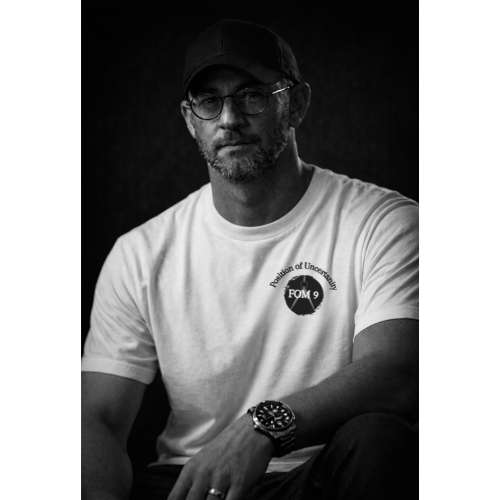
We’re looking forward to introducing you to Andrew Frischer. Check out our conversation below.
Hi Andrew, thank you so much for taking time out of your busy day to share your story, experiences and insights with our readers. Let’s jump right in with an interesting one: What’s the most surprising thing you’ve learned about your customers?
Honestly, the most surprising thing has been how little people care about the “product” in the way I expected—and how much they care about the story behind it.
I thought customers would mostly show up for a design they liked, maybe the vibe, maybe the quality, and a little bit about the why. But a lot of them really want the detailed story behind them. They ask about where the ideas come from, what the words mean, what the references are, what part of navigation or the sea it’s tied to—and they’re curious about me, too, which still feels weird to say out loud.
I’ve had people tell me they bought something because it felt like it stood for a mindset, not a logo. Like it was made by someone who actually lived the work, not someone who just Googled “nautical aesthetic.” That’s been the biggest surprise: people aren’t just buying clothes, they’re buying a piece of meaning—and they want to know the person who’s lived it.
Can you briefly introduce yourself and share what makes you or your brand unique?
Greetings, I’m Andrew, and I’m the guy behind FOM 9.
By choice I’ve spent most of my life in navigation—teaching it, installing the systems, troubleshooting when things go sideways, investigating mishaps… the whole spectrum. It’s been basically a 30-year relationship with charts, instruments, and the ocean.
FOM 9 started as a creative outlet, honestly. I wanted to make gear that felt true to that world. The designs come from the actual tools, language, and moments that stick with you if you’ve spent time around the sea or adventuring—things sailors identify with. I work to make pieces feel clean and intentional, but still have a story behind them, so it’s not just a graphic—it means something.
What makes it special, I think, is that it’s built from lived experience. I’m not trying to pretend I’m a fashion house—I’m a navigation guy who cares about the culture, the history, the tools, and the people who do it for real. The brand is for anyone who chases horizons, but especially for the ones who know what it means to stand a watch and be responsible for getting it right.
Right now, I’m working on the next season’s line, and most of that is still under wraps, but excited for what’s to come. The bigger thing I’m always working on is making FOM 9 feel like more than merch—more like a signal. Something you recognize in someone else and go, “Yeah. That person gets it.”
Okay, so here’s a deep one: Who taught you the most about work?
Honestly, it wasn’t one person. It was a lot of sailors over a lot of years.
I learned from chiefs, officers, and the people I stood watch with—some were great examples, some were the opposite, but I took something from all of it. A lot of the real learning wasn’t in classrooms. It was on the job: tired, under pressure, fixing problems, trying not to be the reason something goes wrong.
I was a submariner for 24 years. That’s a world unto its own, and an unforgiving one. Some of the best sailors and humans I’ve ever known, in both good and bad times, at peace and at war. I would say they all had a part in who I am.
That’s how work got shaped for me—watch after watch, team after team. You see what good looks like, you see what sloppy looks like, and you decide what you’re going to carry forward.
If you could say one kind thing to your younger self, what would it be?
I’d tell him: don’t stop learning—ever. Stay curious about everything and everyone, even when you think you already have it figured out.
And I’d also tell him to stop giving so much time to doubt—especially other people’s. You’re going to hear a lot of noise, and some of it will sound convincing. Let it pass. Keep your head down, keep getting better, and keep moving toward what you want.
Relentless doesn’t have to mean loud. Just keep chasing it.
Sure, so let’s go deeper into your values and how you think. Is the public version of you the real you?
Unapologetically, yes.
That said, like anyone, I’ve got different versions of me depending on where I am and what I’m doing. At my core I value peace more than anything, and I’m pretty private by nature. But if I’m going to build something like FOM 9, I can’t hide behind the work forever—I have to be public-facing, and I have to accept everything that comes with that.
So when I’m working the brand, I push myself to be more forward and more engaging. It’s still me. It’s just me choosing to step out a little more than what feels natural, because the mission matters.
Thank you so much for all of your openness so far. Maybe we can close with a future oriented question. When do you feel most at peace?
Out on the ocean, away from land. When it’s just water in every direction, stars overhead, waves underneath, and nothing trying to get your attention except the environment itself.
There’s a quiet out there that’s hard to find anywhere else. It doesn’t feel lonely—it feels grounding. Like the noise fades out and you’re left with what’s real, and that’s enough.
Contact Info:
- Website: https://fom9.myshopify.com
- Instagram: fom_9designs
- Facebook: FOM9Designs
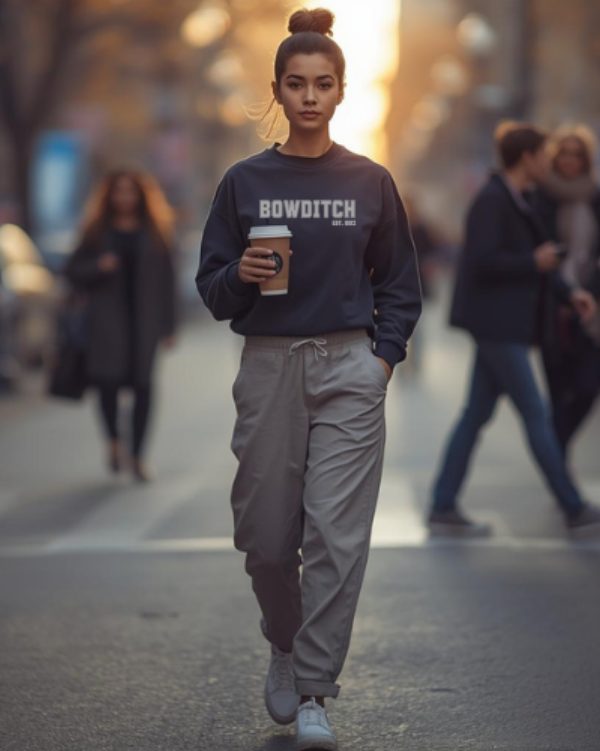
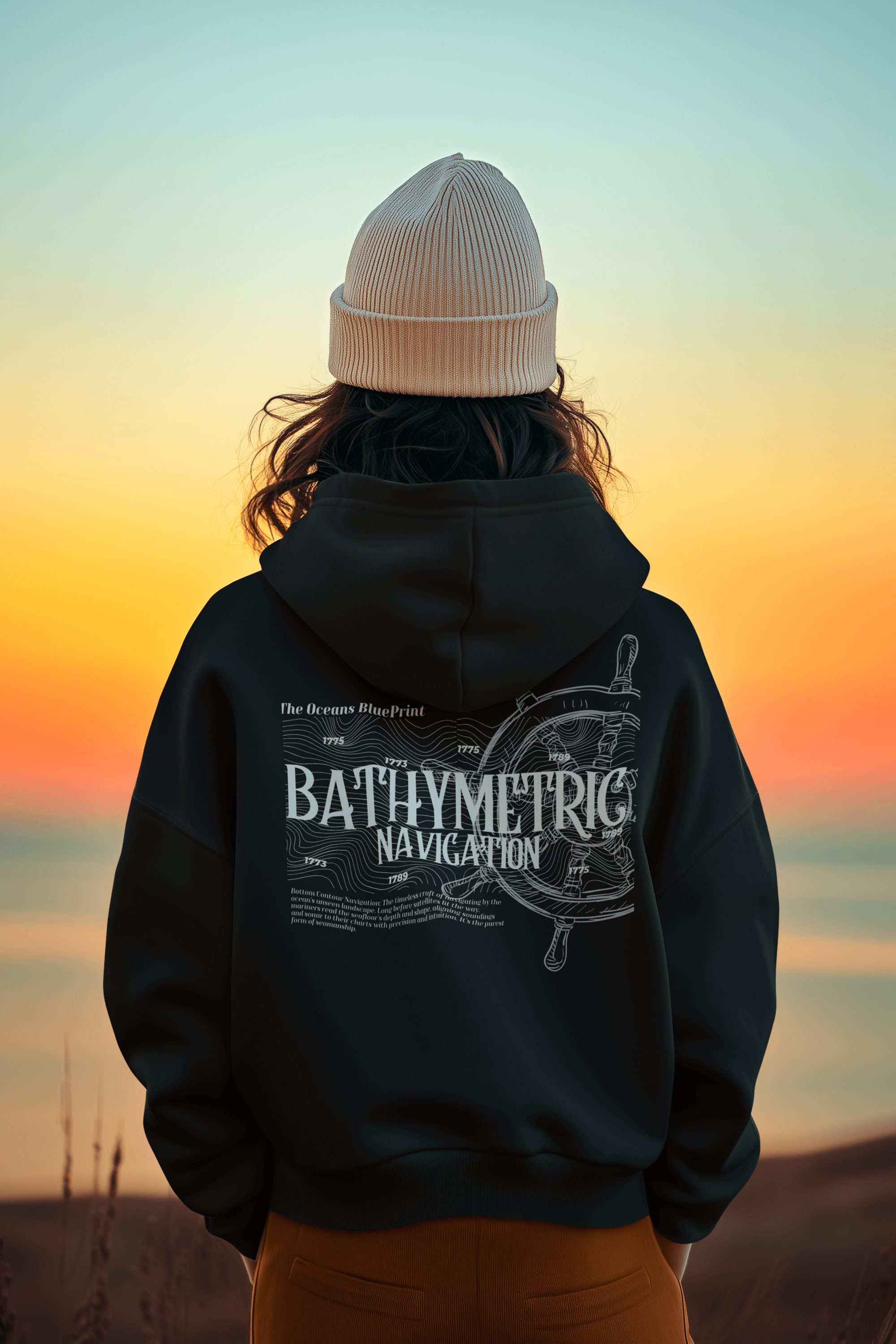
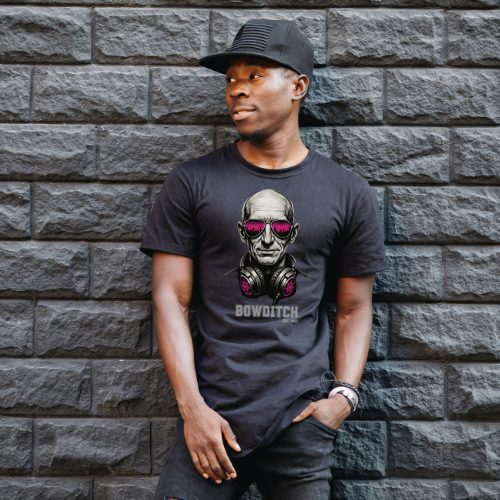
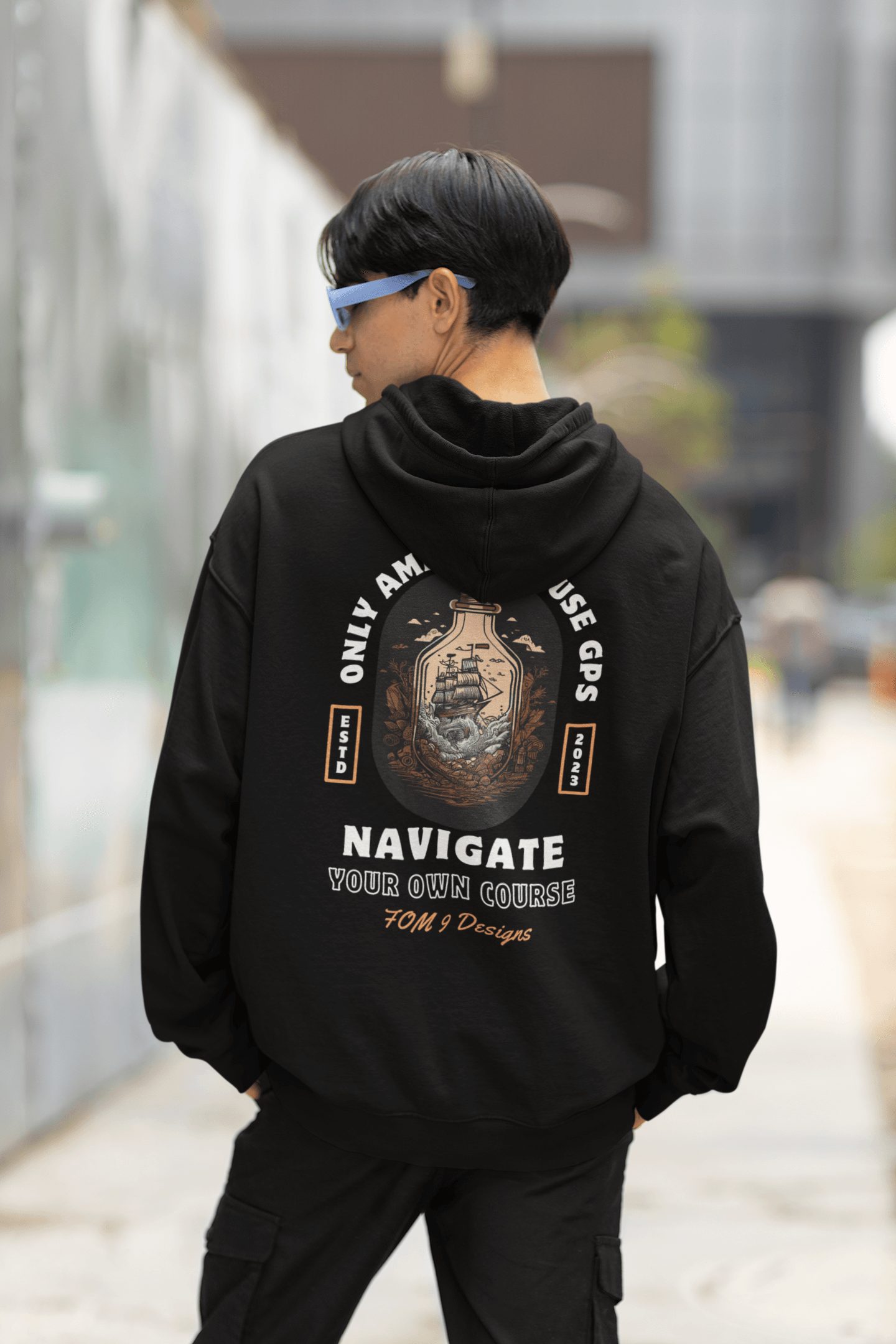
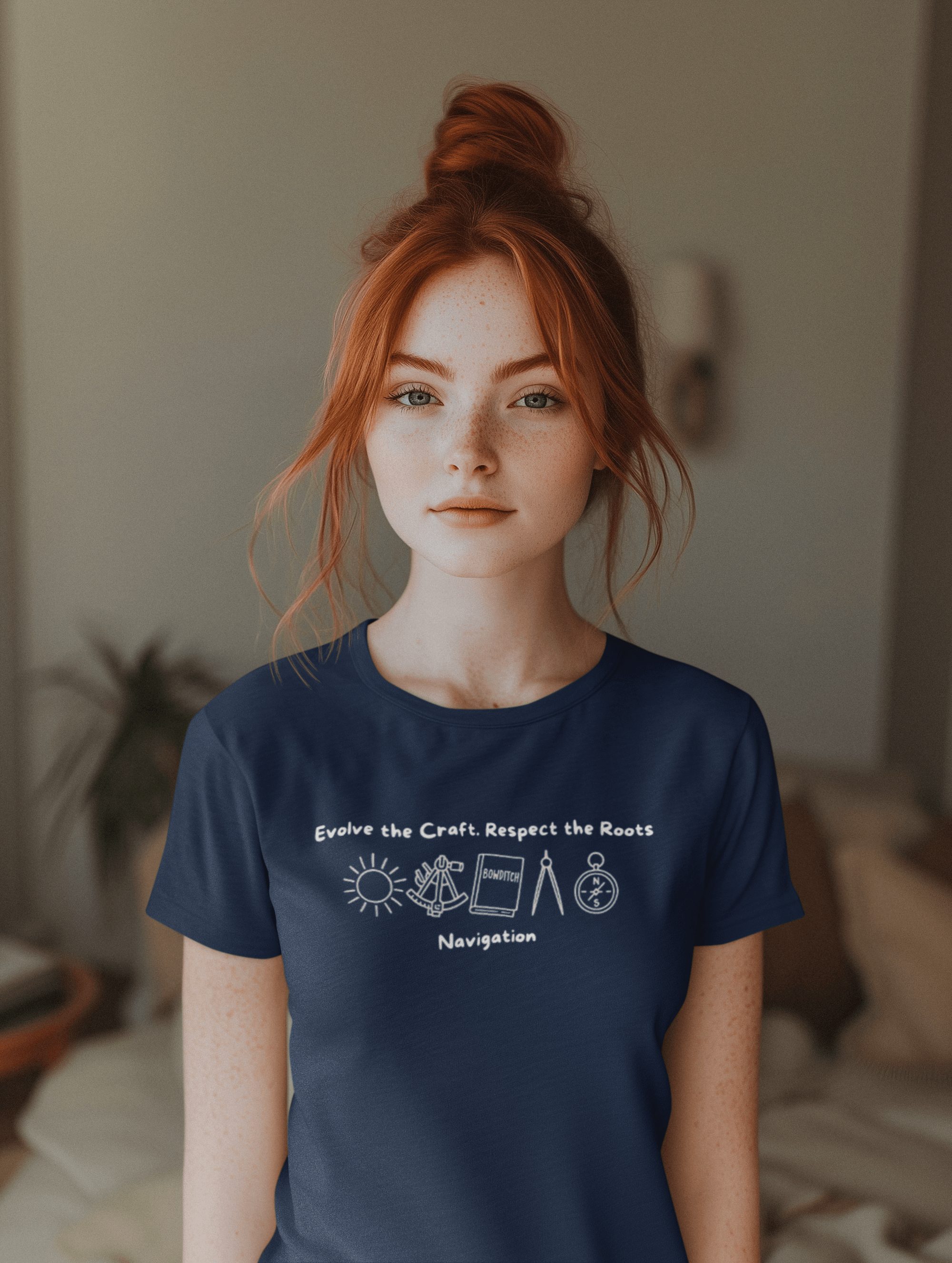
Image Credits
None, all me.