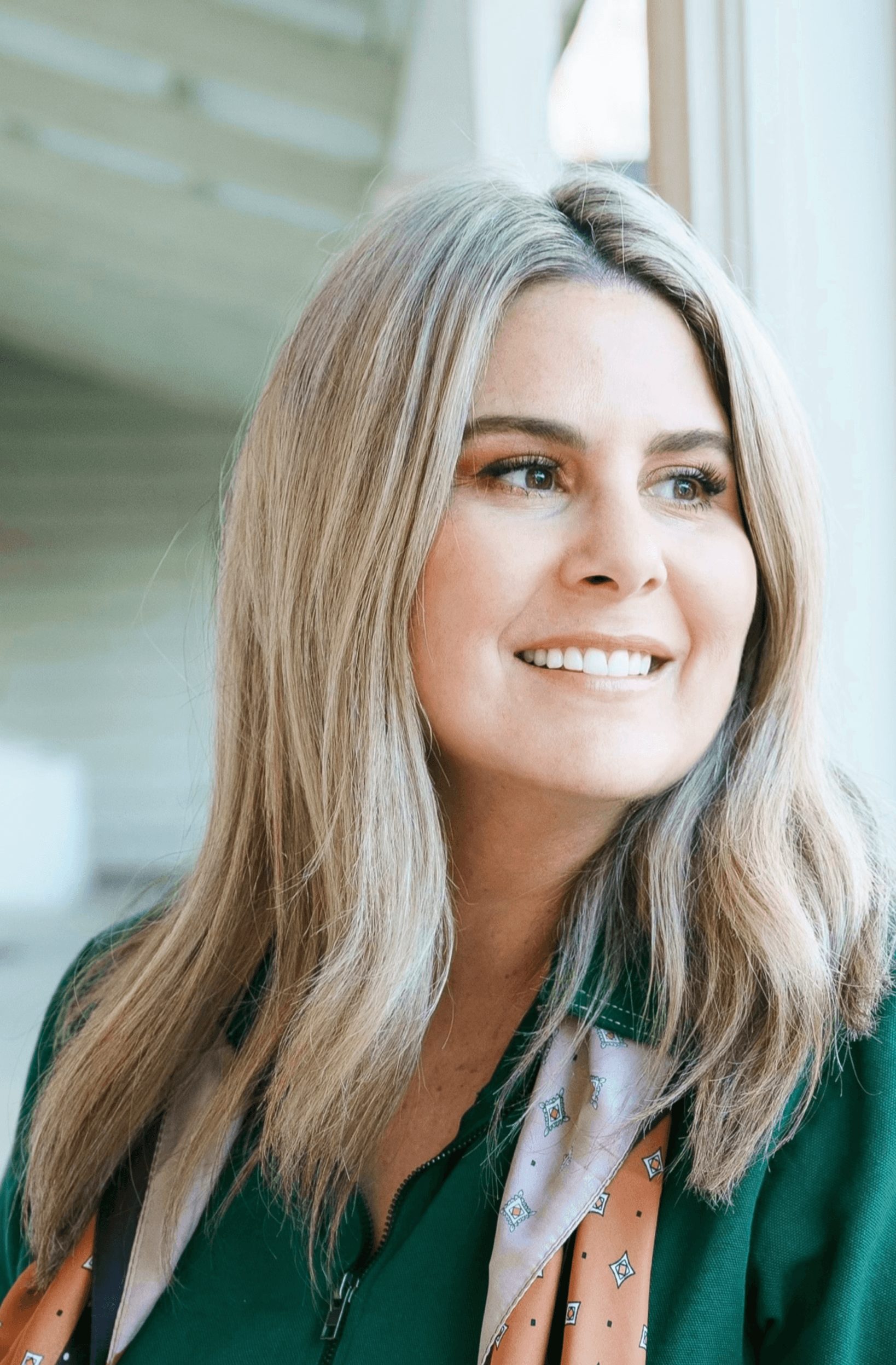
Devon DuBois shared their story and experiences with us recently and you can find our conversation below.
Hi Devon, thank you so much for joining us today. We’re thrilled to learn more about your journey, values and what you are currently working on. Let’s start with an ice breaker: What is something outside of work that is bringing you joy lately?
Something that brings me joy outside of work is music. I have a deep appreciation for the arts- film, theater, and live music. But music, in particular, moves me in a very embodied way. When I hear a song I love, I feel a full somatic shift in my body. My nervous system settles and my spark gets brighter. Which is wild, considering I’ve spent years learning regulation skills and I still respond best to a good chorus or beat. There’s research showing that music can lower stress and support heart health, and that feels intuitively true to me. Music has a way of regulating, grounding, and opening us.
Music has always mattered to me; even before I could name why, it knew how to find me. I remember riding in my dad’s black 1989 Ford Probe, the kind of car that felt impossibly cool. “Tusk” by Fleetwood Mac would come on, loud enough that the bass rattled the doors, and that unhinged drumbeat filled the small space until it felt bigger than the road. The world rushed past the windows, and for a few minutes, everything felt electric and fun. Joy was riding shotgun with me and my dad.
I also had a karaoke machine growing up. I would sing classic rock and malt-shop oldies in my room which was decorated like a 1960s diner. It was a vibe.
I love a good vinyl record dive… the hunt… the moment of discovering something that was once hidden and now feels found. There’s something especially meaningful about putting on a vinyl and letting an entire album play. You don’t just hear a song, you walk alongside the artist, track-by-track, connecting to their story. Music invites presence, creativity, and inspiration. It reminds me to slow-down and savor the experience of being human.
Can you briefly introduce yourself and share what makes you or your brand unique?
Professionally:
I’m a Psychotherapist with over 16 years of experience, grounded in evidence-based practice and deeply informed by attachment science. At the heart of my work is helping people feel safer, closer, and more steady- with themselves and with the people they love.
Eye Movement Desensitization and Reprocessing (EMDR) and Emotionally Focused Couple Therapy (EFCT) are my primary clinical focuses. I am certified in both modalities. These models guide how I understand distress, healing, and change- whether I’m working with individuals or couples. Both approaches are support the belief that our nervous systems and attachment relationships shape how we experience ourselves and the world.
EFCT is an evidence-based, attachment-focused approach to couples therapy that helps partners understand and shift the emotional patterns that keep them stuck. Rather than focusing on surface-level conflict, EFCT identifies the negative cycles that erode connection and explores the unmet attachment needs underneath them. By helping partners become more emotionally accessible, responsive, and engaged with one another, EFCT supports the repair of attachment injuries, strengthens emotional safety, and fosters deeper, more secure relational bonds.
EMDR is a trauma-informed, evidence-based psychotherapy model that helps the brain process and integrate distressing experiences that have become “stuck” in the nervous system. While widely known for treating PTSD, EMDR is also highly effective for complex trauma (C-PTSD), anxiety, depression, intrusive thoughts, emotional regulation, and developmental trauma. By supporting the nervous system in reprocessing both big-T and little-t (trauma) experiences, EMDR helps reduce emotional reactivity, increase clarity and stability, and create more adaptive ways of relating to self and others. EMDR changes the way the body holds trauma, so experiences that once felt disturbing become less charged.
In addition to clinical work, I supervise clinicians seeking certification in the EFT model- a role I feel incredibly grateful for. I get to observe other therapists doing couples therapy with their clients via video, sit with the nuance of the work, and help fellow clinicians deepen their understanding of attachment and the EFT model. I believe this work deserves full presence and curiosity.
I work with concerns including C-PTSD, PTSD, anxiety, stress, depression, emotional regulation, attachment and bonding issues, relational distress, and life transitions. Across all of this, my goal is consistent: to help people develop more adaptive coping strategies, feel more empowered and clear, and experience less activation in their nervous systems. My work centers on relationships, with a focus on repair and helping people reconnect.
I believe deeply in showing up as my best self- fully human, reflective, and attuned. Therapy asks a lot of us, and I hold my own process with care, knowing how it can impact the therapeutic journey. My hope is that clients experience our work together as a space that feels safe, collaborative, and steady; one where meaningful change becomes possible.
On a Personal Level:
I’m a native San Diegan who spent part of my childhood living in Hawaii. Between sports and surviving my two older brothers’ Pennywise-level terror (Tim Curry edition) childhood was never boring. My parents were (and still are) funny, lively, and full of spirit; always up for a good time and never taking themselves too seriously. My mom has a soft spot for characters like Gollum and Ursula, which only adds to her charm.
Before becoming a therapist, I earned a degree in fashion design, as I’ve always loved drawing and creating. I can whip up a pretty solid pattern or sketch, but don’t ask me to sew unless you want a shirt with backwards sleeves. I grew up with a chinchilla (among many other pets), and I appeared on “The Nanny” as a kid. If a reboot ever happens (the Granny?), I’m totally trying to be an extra again… purely for nostalgia.
I love exploring other cultures and traveling whenever I can with my family. I’m a concert chaser- if there’s a live show, I’m there. Family means a great deal to me and I love collecting memories and moments through pictures, art, and random tchotchkes. I find joy in the small things: the power of imagination, craft coffee, solid cackles, whipping up fresh salsa, and gathering a motley crew of humans from all backgrounds- creativity, connection, and maximum Casa Bonita energy. I’m also into games and geek culture. I’ve had a few first graders come up to me to talk about Zelda. I must give off “cool gamer adult” vibes, which I’m here for.
Appreciate your sharing that. Let’s talk about your life, growing up and some of topics and learnings around that. What breaks the bonds between people—and what restores them?
Not all relationships break in the same way. What causes distance or disconnection depends on the nature of the bond.
Let’s unpack this…..
First- I love this question- it’s energizing- like the moment when a John Williams’ score soars and you feel the world open up. As a psychotherapist who works primarily with attachment, relationships, and bonds, answering this question is genuinely fun for me. This is the stuff I happily geek out on.
As the question relates to….
Attachment-based Relationships or Romantic Bonds: What breaks the bond between two people isn’t a lack of love; it’s a loss of felt emotional safety.
Bonds begin to fracture when there is a shift in emotional safety and dependability. When someone no longer feels emotionally available or accessible- when you begin to wonder if you matter- or if it no longer feels safe to share what’s happening inside- the connection starts to fray. Bonds weaken not because people stop caring, but because the sense of being able to count on one another erodes. When reach is no longer met with responsiveness, protection replaces vulnerability, and distance begins to grow.
As humans, when we don’t feel seen, understood, or safe with someone we are close to, we often turn to protective strategies like shutting down, becoming defensive, getting critical, or ramping up. While these reactions make sense, they end up blocking connection and can push the other person further away. When people get stuck in this negative dynamic, curiosity fades, vulnerability feels risky, and authenticity is often replaced with armor. As individuals stop reaching and start protecting, loneliness can certainly set in. Loneliness is not only one of the greatest threats to connection; it’s also one of the most significant threats to mental and physical health.
What restores the bond in attachment-based relationships is the very thing that was lost.
Healing begins when people drop the rope and lean in with empathy, curiosity, and vulnerability. When we slow down and ask, “What’s happening underneath?” we begin to see each other not as the enemy, but as someone protecting something tender. When emotions are accessed, named, and shared in a safe way, something almost magical happens: people begin to reach for one another again.
Repairing a bond requires valuing the relationship more than your ego and being willing to take a hard look at your own reactions and adaptations. Repair asks us to become curious; not only about the other person, but about ourselves. We must recognize that we all have blind spots and that sometimes our responses are disproportionate to what is happening in the present because they may be tied to an older story. Restoring a bond takes humility, courage, and the willingness to lean-in even when it feels uncomfortable. When we can acknowledge how our defenses may impact the other person, we create space for connection, understanding, and a deeper sense of safety. And here’s the lovely part: attachment can be repaired. Repair happens when we are willing to reflect, grow, take emotional risks, and reach again; trusting that connection is still possible.
Family-of-origin or Sibling Relationships
Family-of-origin relationships, including sibling dynamics, often carry added complexity, as family systems are shaped by multiple intersecting factors that can strain a bond; ranging from big-T and little-t traumas to abuse, addiction, rigid or inflexible roles, and differences in values.
In family systems, bonds can weaken or break for many reasons beyond obvious or acute ruptures. Unspoken rules and rigid roles, chronic emotional neglect, loyalty binds, parentification, boundary violations, or enmeshment can erode connection over time. Avoidance or emotional cutoffs often replace repair, allowing repeated micro-ruptures to accumulate without acknowledgment. Mental health challenges that go unsupported, intergenerational patterns that remain unexamined, and power or control dynamics that silence certain voices can further strain relational bonds. Grief and loss, major life transitions, and differences in communication styles may expose or intensify existing fractures, while shame and secrecy around unspoken topics keep relationships stuck.
Family therapy can help bring these dynamics into the open, strengthen communication, and, in many cases, support the restoration of connection and trust within the family system. Accountability matters in all relationships. Owning your side of the street, naming your impact, taking responsibility where needed, and resisting defensiveness, creates the conditions for repair and trust.
Friendships and other Relationships: Rupture and repair look different in friendships and professional relationships than they do in attachment bonds. In these relationships, repair is often less about emotional processing and more about listening and curiosity. What tends to be most helpful is clear, respectful communication; sharing your experience from your own perspective instead of blame-shifting, avoiding, or being critical. Most people aren’t seeking corrective feedback in moments of tension. Slowing down, being mindful of tone, and naming that the relationship matters can go a long way in restoring trust. And when the relationship itself doesn’t hold deep personal value, but still requires collaboration, repair can be boundaried and straightforward: clarifying expectations, expressing a desire to work together productively, and maintaining mutual respect.
Repair can happen through intentional check-ins on the relationship itself. Naming, rather than avoiding, what feels different. Simple, direct statements like “How are we doing?” or “I wanted to check in on our relationship” make the implicit explicit and invite dialogue. Naming a felt sense- “I’m noticing an energy shift between us and wanted to check in,” keeps the focus systemic rather than personal. Framing experiences without accusation helps move the conversation away from “you did this” and toward shared understanding. It’s also important not to speak for the other person or assume their intentions; conjecturing (if it’s not done in a curious way) can block repair. Let people speak to their own experience, while you take responsibility for sharing yours clearly and calmly.
What did suffering teach you that success never could?
Suffering has taught me things that success never could. It has shown me how strong I am- not in a loud or performative way, but in the quiet, steady way. It has taught me how deeply we need one another, how healing and survival are rarely solo acts, and how true it is that it takes a village.
One of the most profound lessons I’ve learned from suffering came through significant postpartum health challenges. That season taught me the power of advocacy and how important it is to persist, advocate, and trust your body.
I believe that suffering can lead to clarity, helping us define boundaries, recognize what we truly need, and make the shifts necessary for a healthier life. After all, the body keeps score, and when we learn to listen, we can begin to heal.
Success can be affirming, but suffering can teach us to live with depth, humility, and gratitude. Suffering can also soften us in ways that deepen our empathy for others.
Sure, so let’s go deeper into your values and how you think. What’s a belief or project you’re committed to, no matter how long it takes?
A belief and project I am deeply committed to is something I call “Normalize the Couch.” At its core, it’s about dismantling the stigma around psychotherapy and mental health and reframing support as a normal, healthy part of being human.
We can all benefit from stretching parts of ourselves and engaging in a journey of self-growth. When we shame or judge people for seeking support- comments like: “They go to therapy, what’s wrong with them?” or “You need therapy”- we do a profound disservice not only to individuals, but to future generations. That mindset keeps people stuck, silent, and alone. And honestly, it’s not the move.
Going to therapy is no different than seeing a doctor for a physical. It’s preventative, restorative, and rooted in care. We all deserve a chance at a better, fuller life. And if you haven’t felt a connection with a therapist yet, keep looking, as it’s a lot like dating. Fit matters. Not every therapist or modality is right for every person, and that’s okay.
This message matters deeply to me on a personal level. I want my son to grow up in a world where compassion and empathy are present, where people feel safe enough to self-advocate, and where doing the inner work is seen as strength, not weakness. I want to model for him that it’s okay- and often wise- to seek support.
And imagine the shift in our world if we truly socialized our boys to talk about their emotions. What kind of environment might we create if vulnerability was normalized, connection was valued, and asking for help was simply part of being human?
That’s the heart of “Normalize the Couch.”
Okay, so let’s keep going with one more question that means a lot to us: Are you tap dancing to work? Have you been that level of excited at any point in your career? If so, please tell us about those days.
Am I tap dancing to work? I like to think I do a little tap or maybe a mini river-dance number on most days that I work. I feel honored to do the work that I do. Humans are truly resilient, and I’m continually touched by the courage it takes for people to show up, share their stories, and lean into the uncomfortable when it would be easier to avoid.
Clinical work keeps me on my toes. I’m always learning, adjusting, and never fully sure what my day will look like. Working with others inspires me to deepen my understanding of the human experience and strengthen my skills in both EFT and EMDR.
Being invited into someone’s inner world is not something I take lightly. When people heal, reclaim parts of themselves, or shift long-standing patterns, I swear I hear the Indiana Jones’ score playing softly in the background; equal parts awe, adventure, and triumph. Even on the heavy days, there is meaning, sometimes humor, and so much humanity in the room and that’s what keeps me coming back.
If I can make just one person’s day a little brighter, or witness even a small part of someone’s healing- and maybe, just maybe, play a collaborative role in it- then I have something to tap about. Supporting each other and connecting- that’s the meaning of life, ey?
Contact Info:
- Website: https://www.devondubois.com
- Instagram: @devon_dubois_
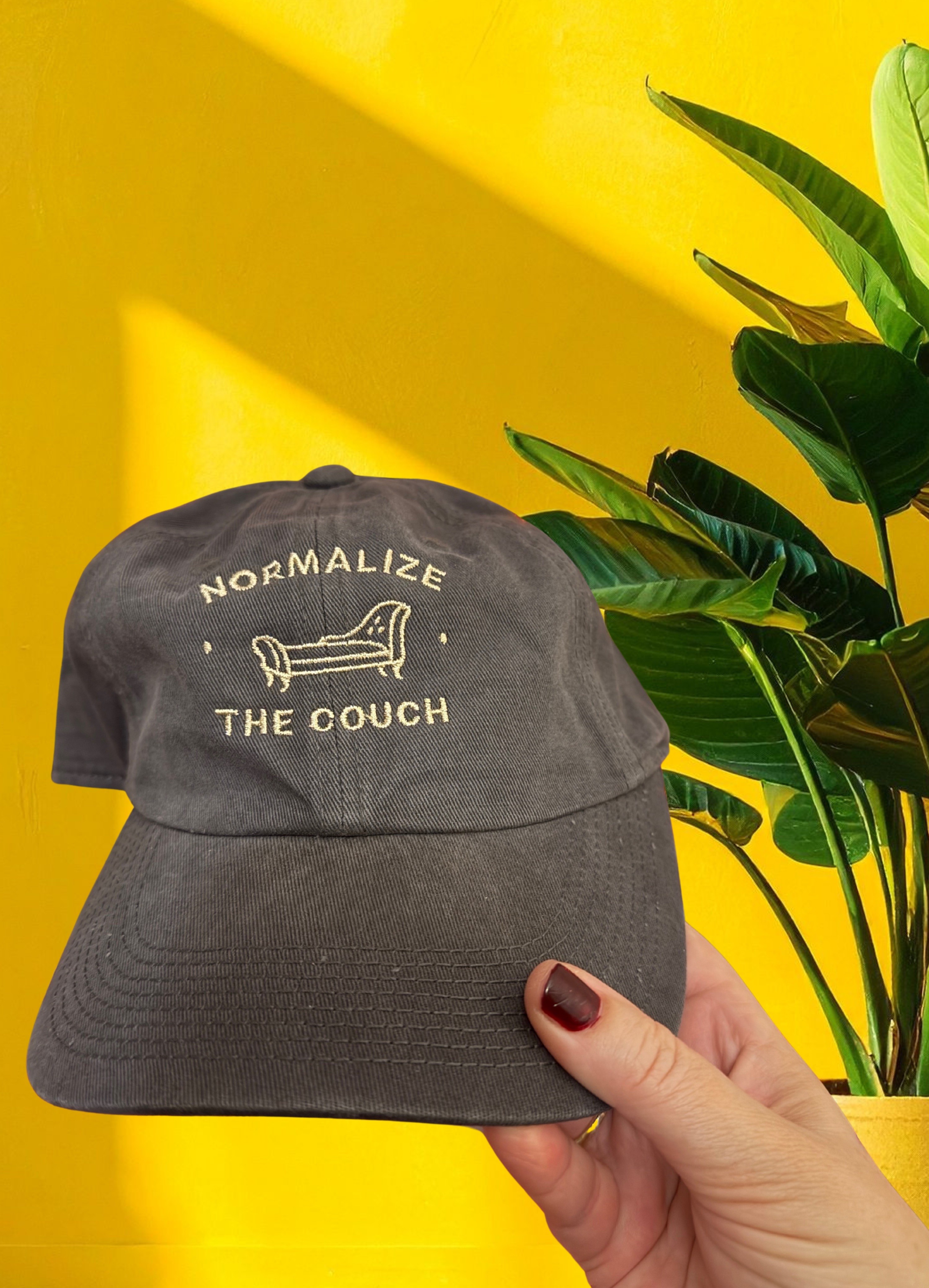
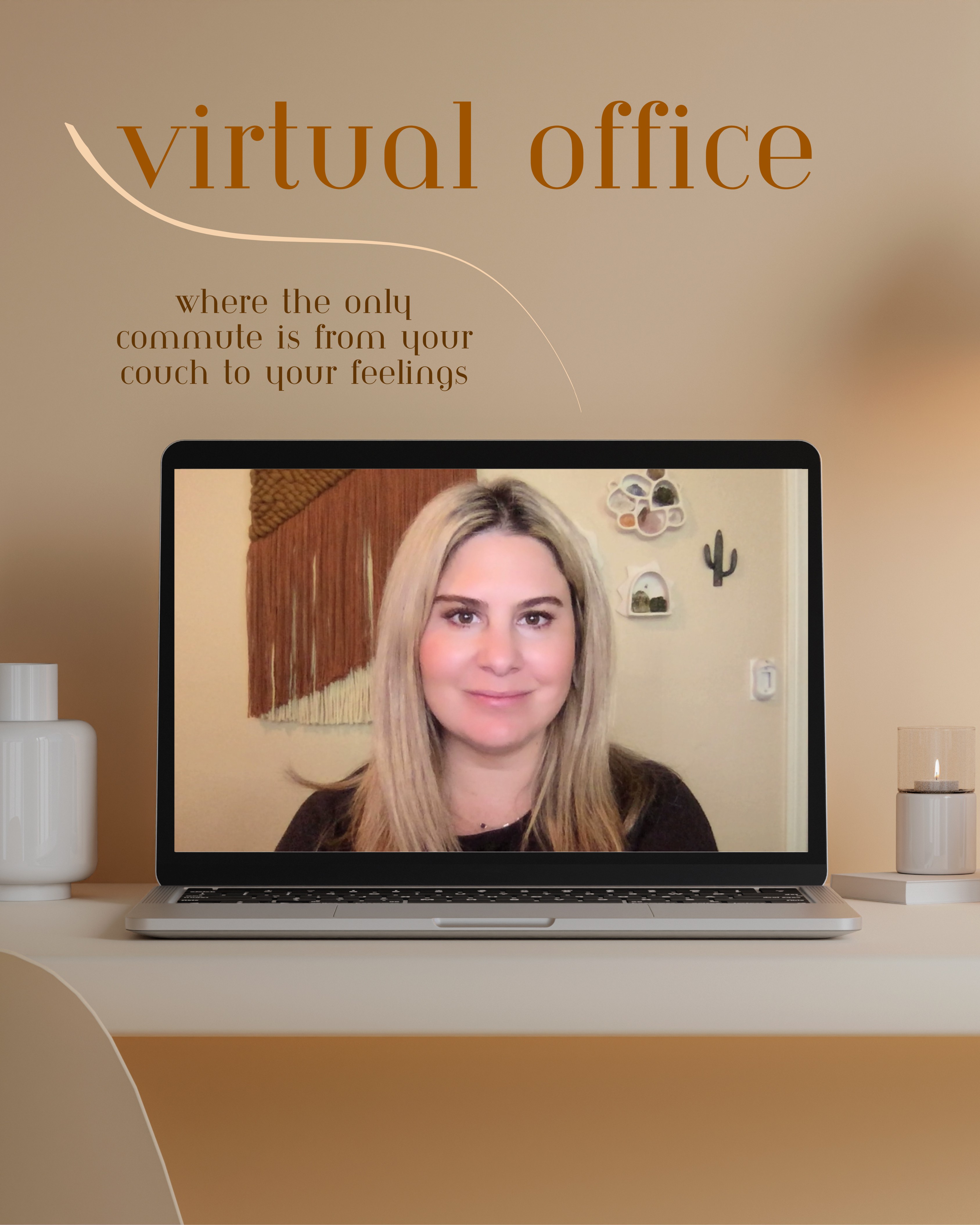


Image Credits
All Colors Photography
acbajetphoto