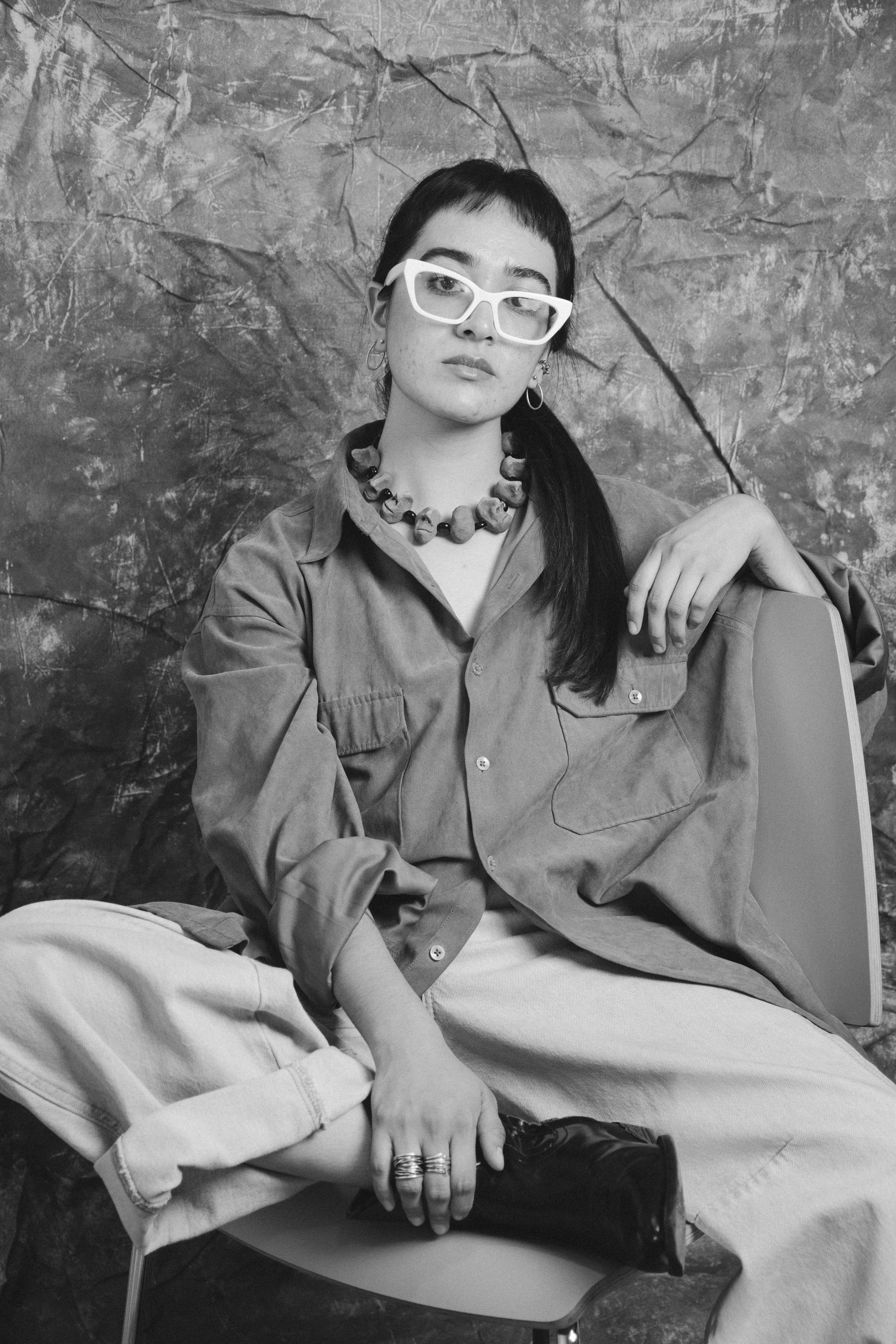
Today we’d like to introduce you to Cassandra Cerón.
Cassandra, we appreciate you taking the time to share your story with us today. Where does your story begin?
I like to think that my curiosity as a child is what brought me to where I am today. I spent my early years in Atlanta, Georgia, surrounded by trees and soil. Later, I moved to Hidalgo, in central Mexico, where I grew up among springs, rivers, rocks, and an incredible community of people. Those landscapes deeply shaped the way I see and understand the world.
I studied Environmental Geology Engineering at the Universidad Autónoma del Estado de Hidalgo. By the time I was in college, I had already fallen in love with analog photography after a friend gifted me my first film camera. Around the same time, I also began taking ceramics classes, because I felt there was a connection between ceramics and geology–even though I couldn’t yet explain exactly what it was.
Over time, ceramics became another way for me to engage with geology. It allowed me to connect with the material world in a more intuitive and creative way while raising new questions that continue to shape my artistic practice. Later, I studied photography at Escuela de Cine Comunitario y Fotografía Pohualizcalli, where a class with Gretta Hernández helped me recognize and reaffirm that I am drawn to photograph the parts of myself I don’t immediately understand and take time for me to notice. Photography allows me to return to those images, question them, reflect on them, and discover meanings that were not visible to me at first.
For many years I regularly traveled to Tijuana and San Diego to visit family, and eventually I decided to make this binational region my home. I see it as an expansive place, one that encourages experimentation, collaboration, and the meeting of different cultures, landscapes, and ideas.
Looking back, I think the most important decision I made was simply to follow my curiosity. Every question became an opportunity to learn something new, and over time I realized that my interests in geology, photography, and ceramics weren’t separate paths. They were all converging into the same artistic practice.
Today, I work as an educator at Outside the Lens, where I have the opportunity to guide young people through artistic exploration and creative inquiry. I love that this work allows me to continue experimenting, learning, and sharing those discoveries with my students. It’s a space where education and my own artistic practice constantly inform one another.
Can you talk to us a bit about the challenges and lessons you’ve learned along the way. Looking back would you say it’s been easy or smooth in retrospect?
I’ve always experienced change as something challenging. At first, it can feel very sharp, but over time, with experience and the people around us, those sharp edges slowly become rounded.
Language has been one of my biggest challenges. First, I had to learn Spanish after moving to Mexico from the United States, and now I’m continuing to relearn and strengthen my English. It’s been difficult because language is one of the primary ways we connect with others, and connecting with people is something I deeply appreciate.
I believe everyone has something meaningful to share, and every conversation creates an opportunity for connection, understanding, and growth. Even though navigating different languages hasn’t always been easy, it has expanded the way I communicate, learn, and relate to the people around me.
Thanks for sharing that. So, maybe next you can tell us a bit more about your work?
Fortunately, I found a connection between what once seemed distant and what now feels like an extension: photography, ceramics, and geology. Rather than existing as separate disciplines, each one complements and expands the others. Together, they become tools for research, documentation, and artistic expression.
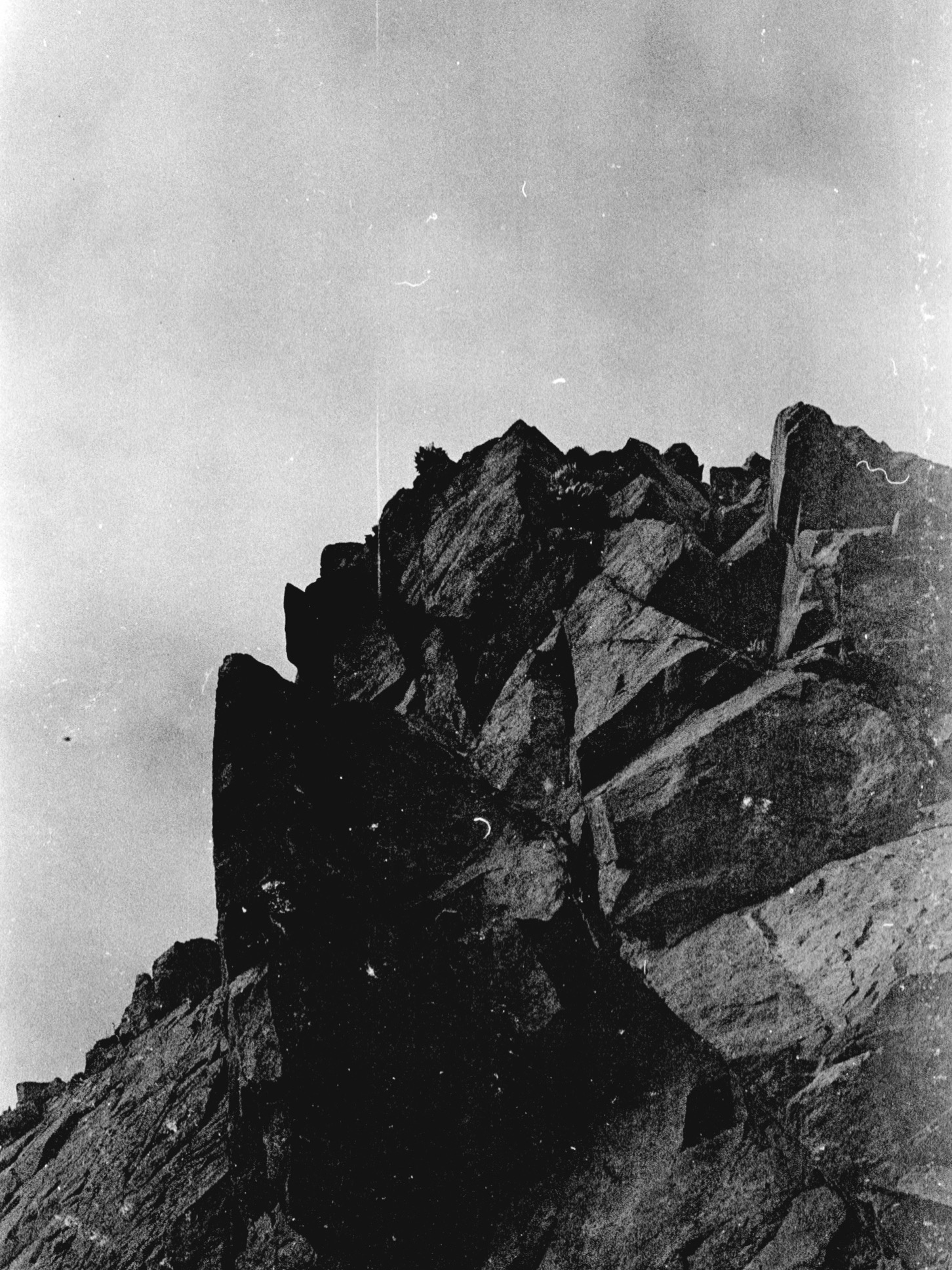
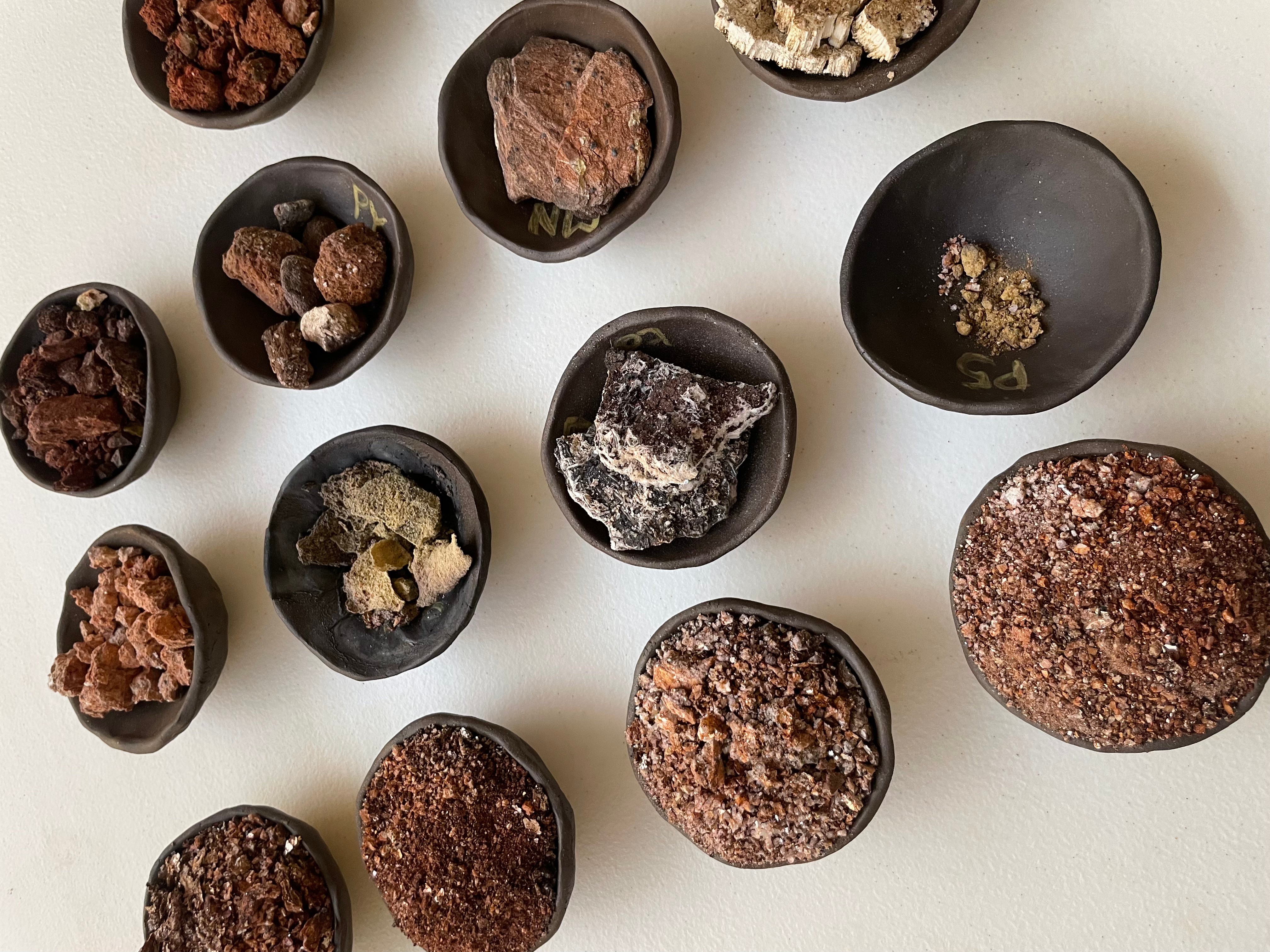
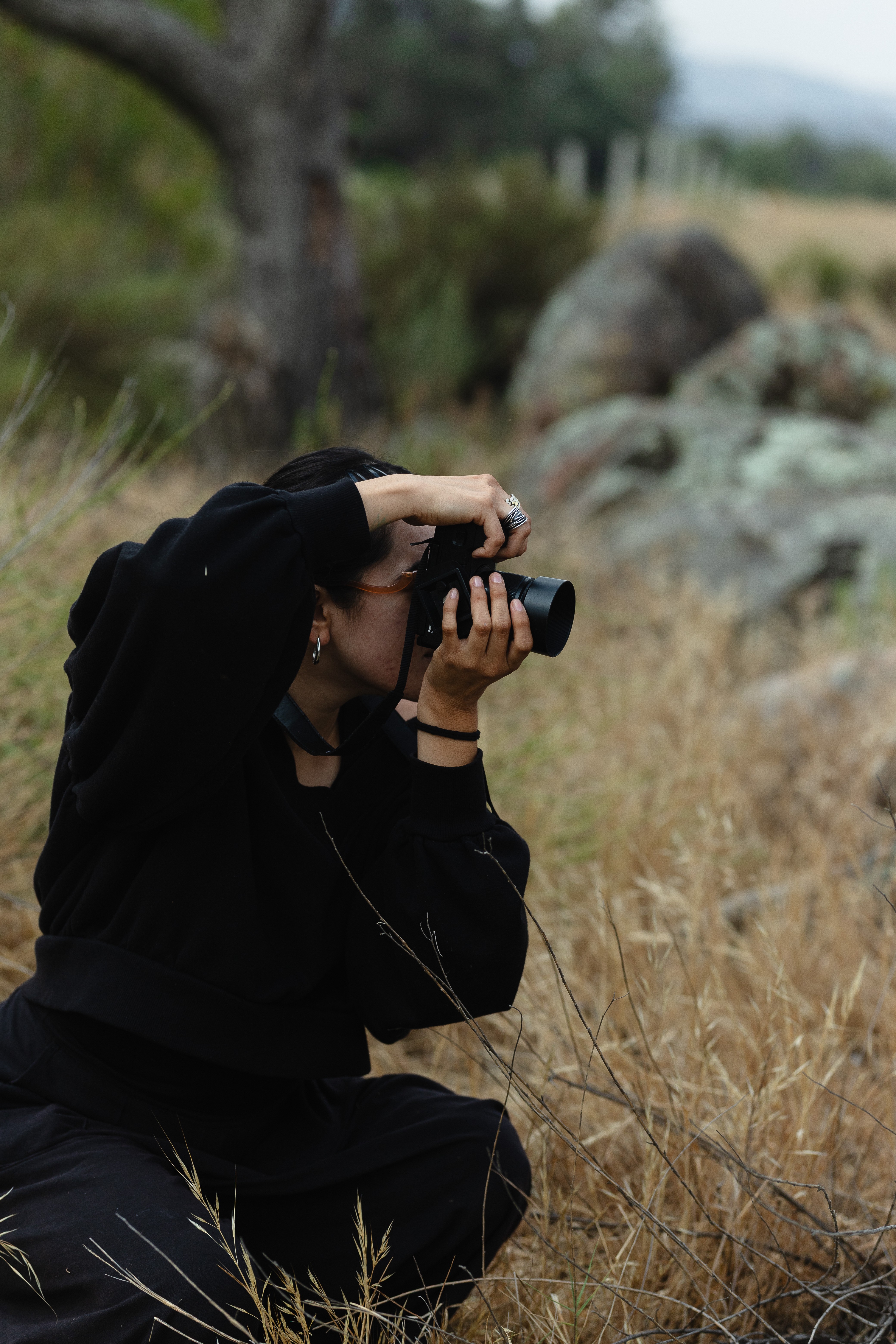
Photography allows me to document the emotional landscape as an essential part of my geological fieldwork. When I collect materials, I move through environments shaped by natural and human processes, observe the cracks, record coordinates, and, when possible, speak with people who have a continuous relationship with those places. These exchanges contribute to a deeper understanding of the geological features and histories embedded within these places.
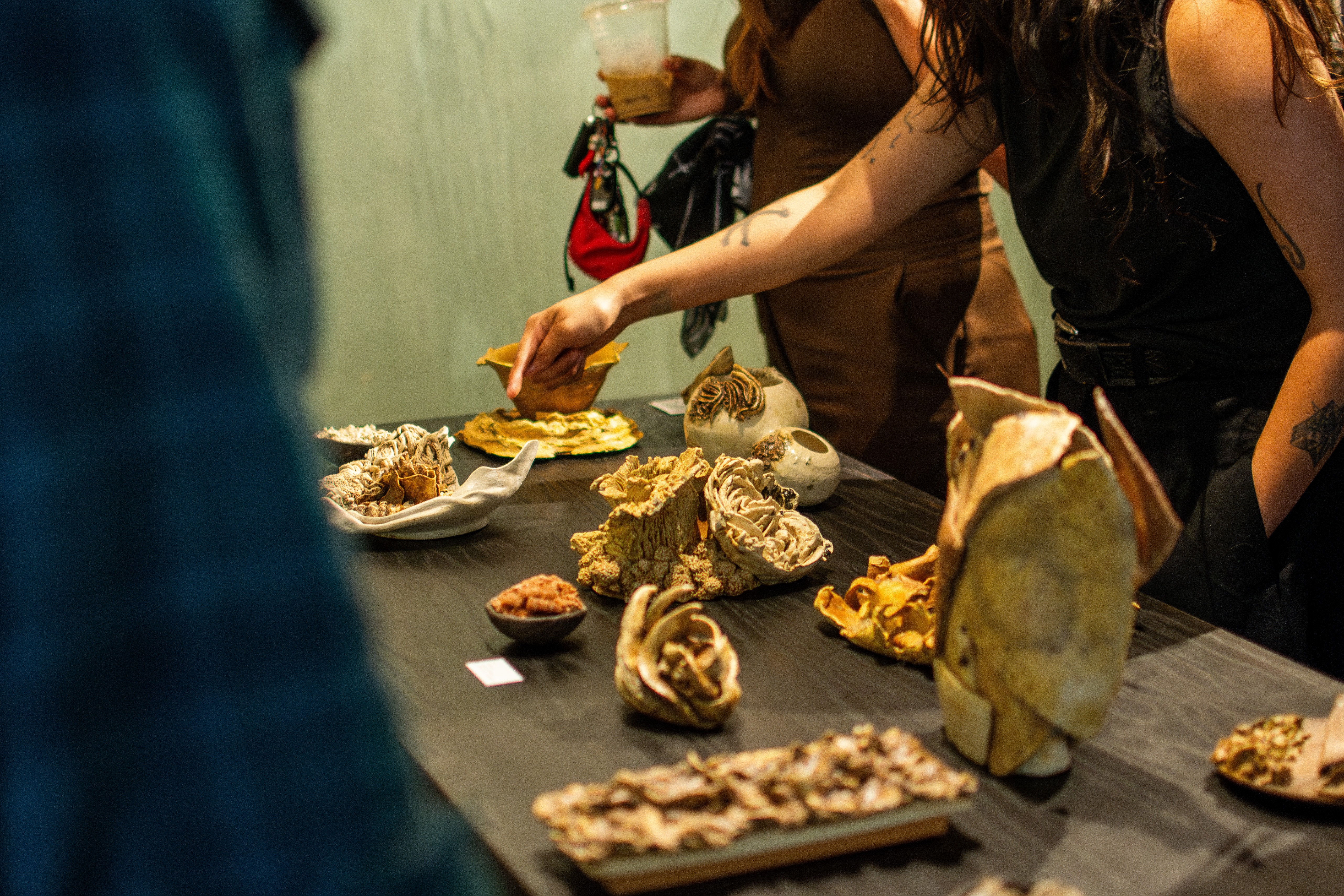
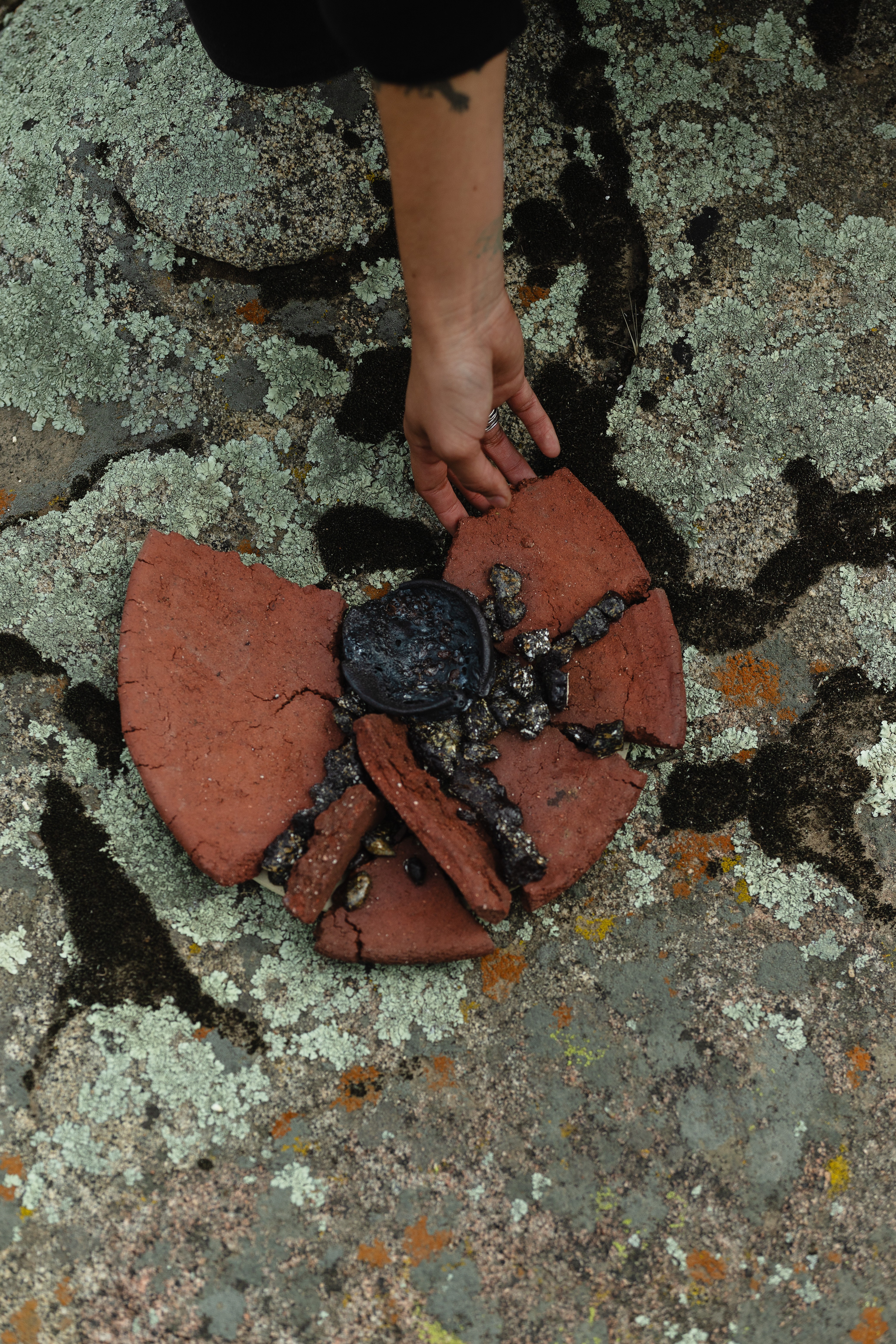
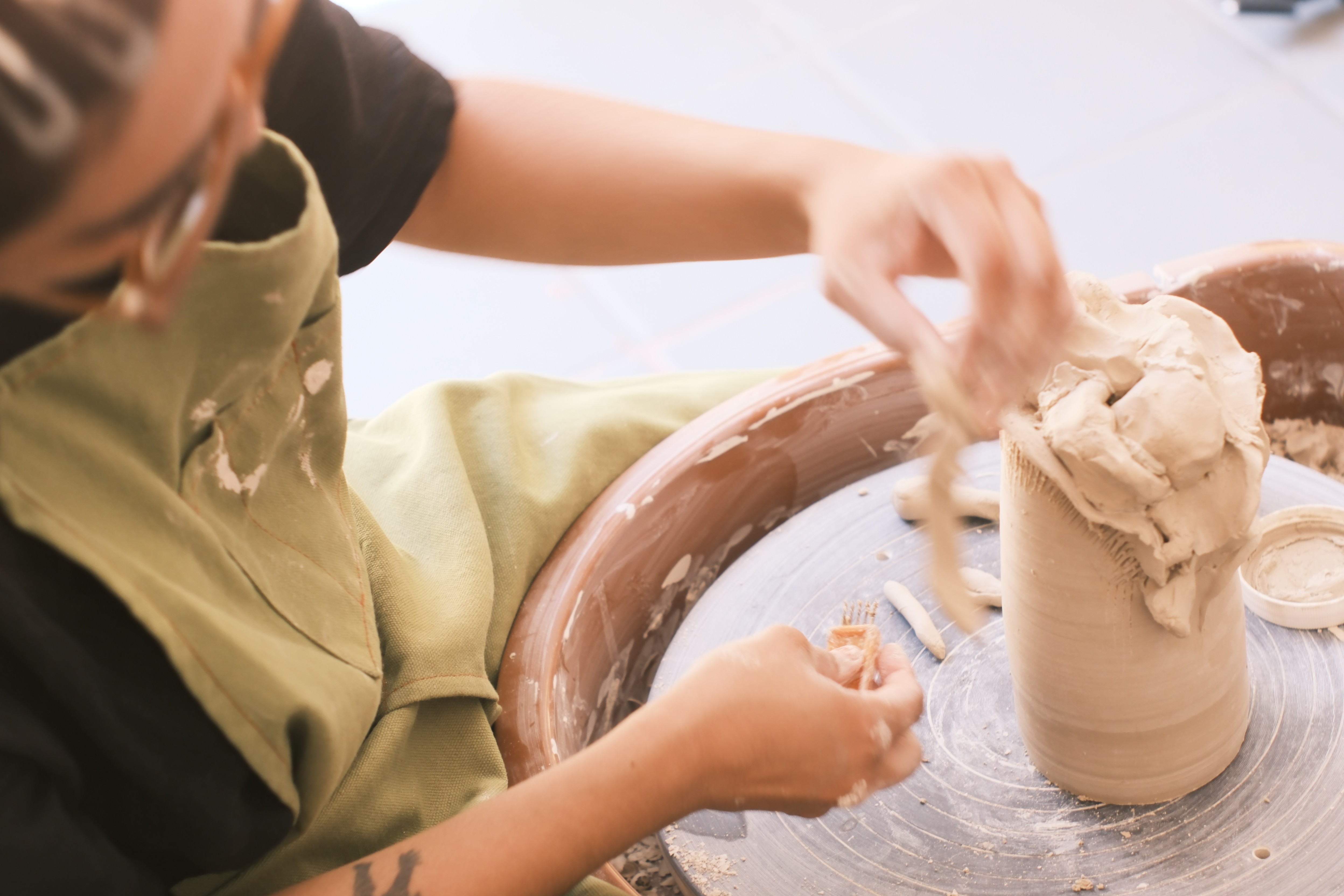
When I return to the studio, I pair each rock with the information gathered in the field and begin researching its material properties. I test and determine whether it should remain in its natural state, be ground into powder, or be fired at different temperatures to understand how it behaves. Through many experiments, I develop ceramic glazes that bring color to sculptures that often reflect what I notice and capture through photography–sometimes intentionally, and other times in ways I only recognize later.
My work is a process of co-creation rather than something I do alone. Each piece is shaped by preexisting minerals–the organisms that have passed through them, the particles carried by the wind, and the uneven surfaces that affect the sculpture during transportation. The wheel, the tables, the tools, and my body become collaborators in shaping the clay, pressing the shutter of the camera, and collecting materials that leave their traces in the negatives I develop with water and plants I find in nature.
Rather than imposing a final form, I respond to changes and see them as possibilities that emerge. My role is to facilitate this engagement and allow the stories already held within the materials to unfold.
Can you talk to us a bit about the role of luck?
I think luck has shown up in my life through relationships. When I talk about relationships, I don’t just mean human ones; I also mean my relationships with landscapes, rocks, plants, water, and the many living and nonliving beings that shape the places I spend time in. I believe there is always an exchange taking place, and I feel incredibly fortunate to be able to build these connections.
I’ve also been lucky to be surrounded by remarkable people who are generous, creative, and deeply inspiring. Every stage of my life has been shaped by someone who introduced me to a new idea, asked a meaningful question, or encouraged me to explore something I hadn’t considered before. These relationships have opened doors to experiences and opportunities I never could have planned on my own.
Because of that, I don’t think of luck as something that simply happens to us. I think of it as something that grows by getting close, observing, asking questions, and allowing curiosity to guide us.
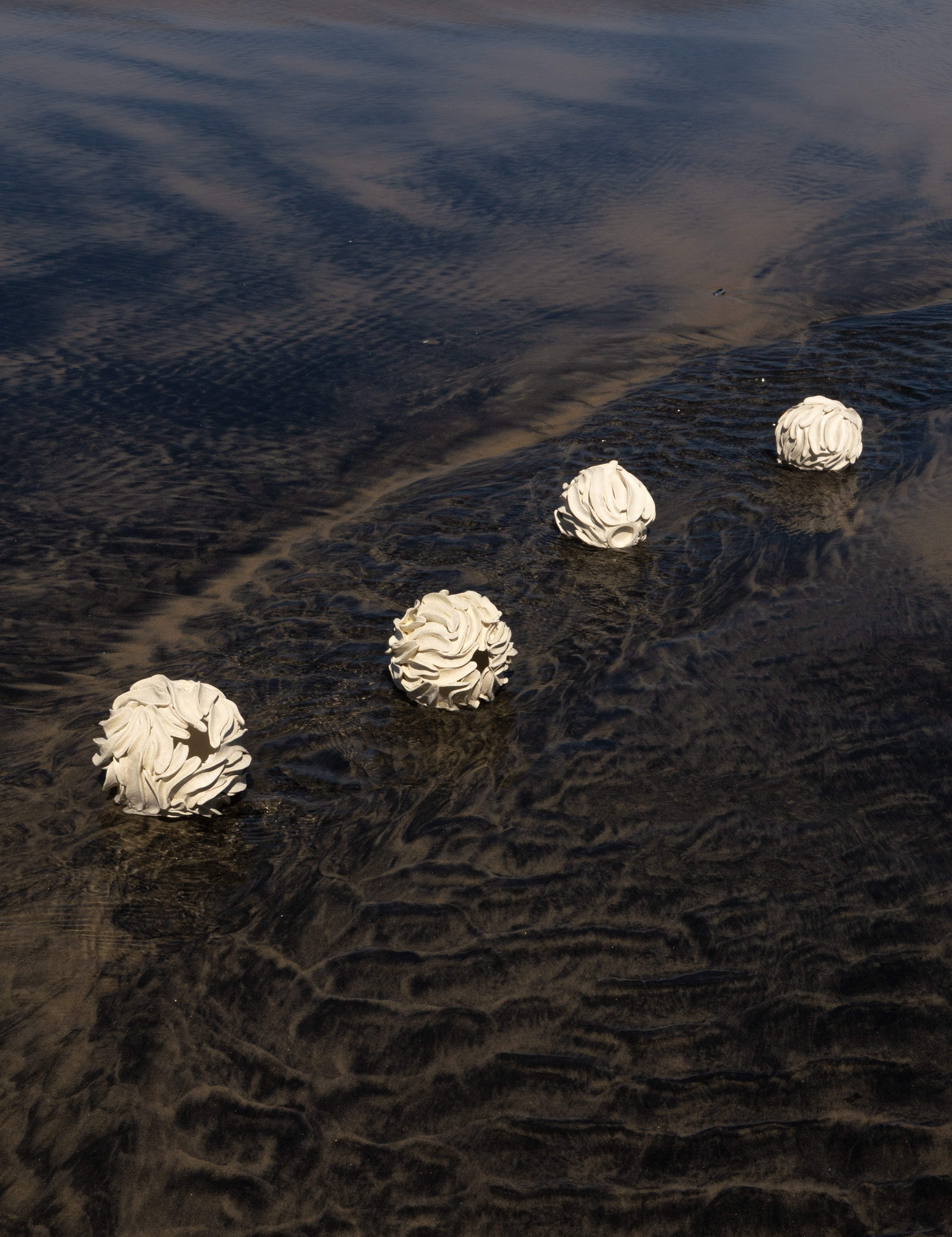
Recently, I had the opportunity to exhibit Archivos del Paisaje, and one of the most rewarding parts of the experience was the conversations it sparked. As a conclusion to the exhibition, Ana Villalpando and I presented a conversation about Affective Geologies, along with our collaborative piece titled La Placenta, a project where people had the opportunity to document the interactions of the sculpture within the environment. At some point, the piece disappeared, yet people continued returning to the site to search for it. This experience reminded me that the relationship created around a piece can continue beyond the physical presence of the object itself.
This experience allowed me to connect more deeply with the materials and the stories they carry. It reminded me that my practice is ultimately about creating relationships between people, landscapes, materials, and different ways of understanding the Earth.
Contact Info:
- Website: https://cassandraceron.com
- Instagram: https://www.instagram.com/ceron.cassandra/
- Other: https://www.outsidethelens.org