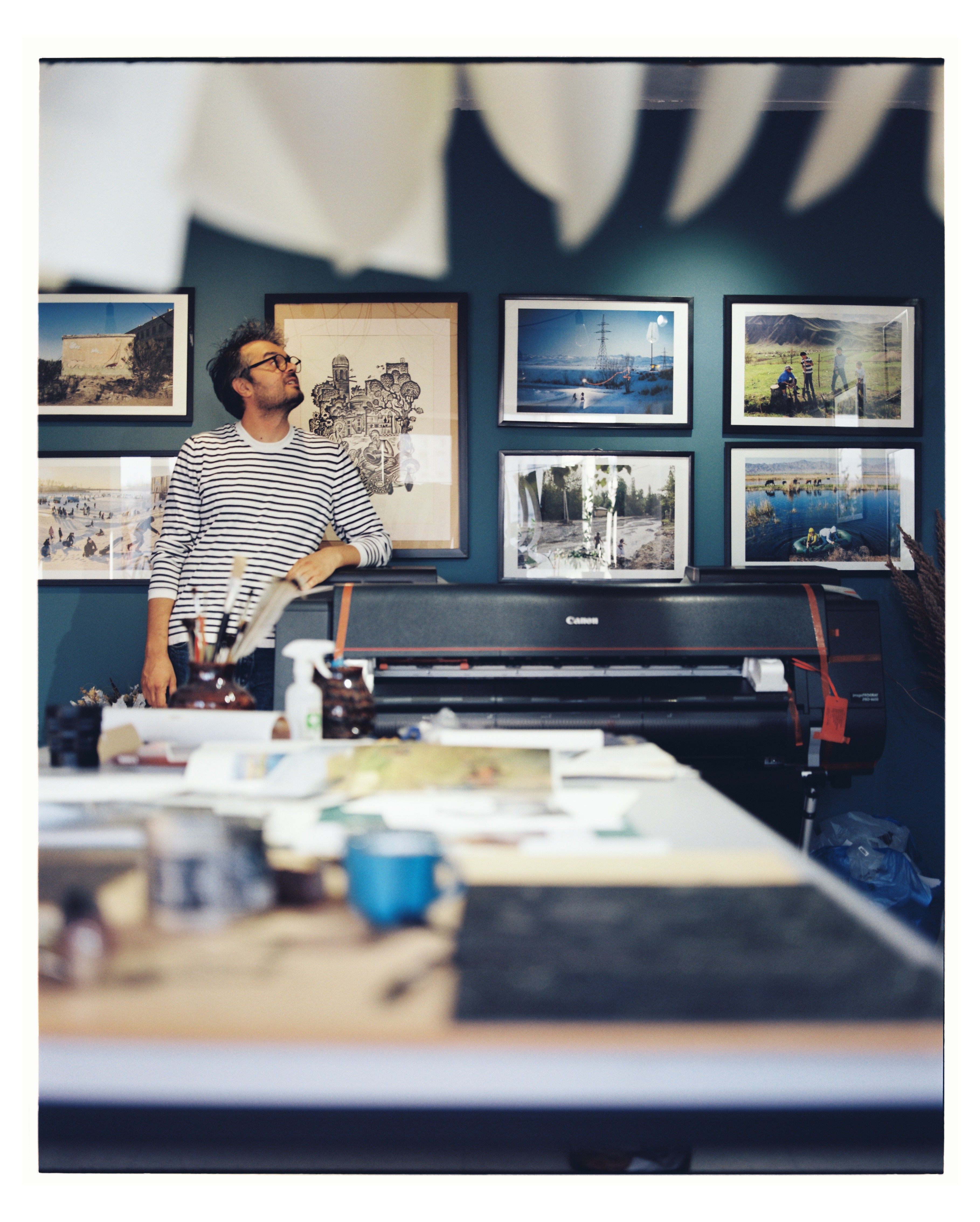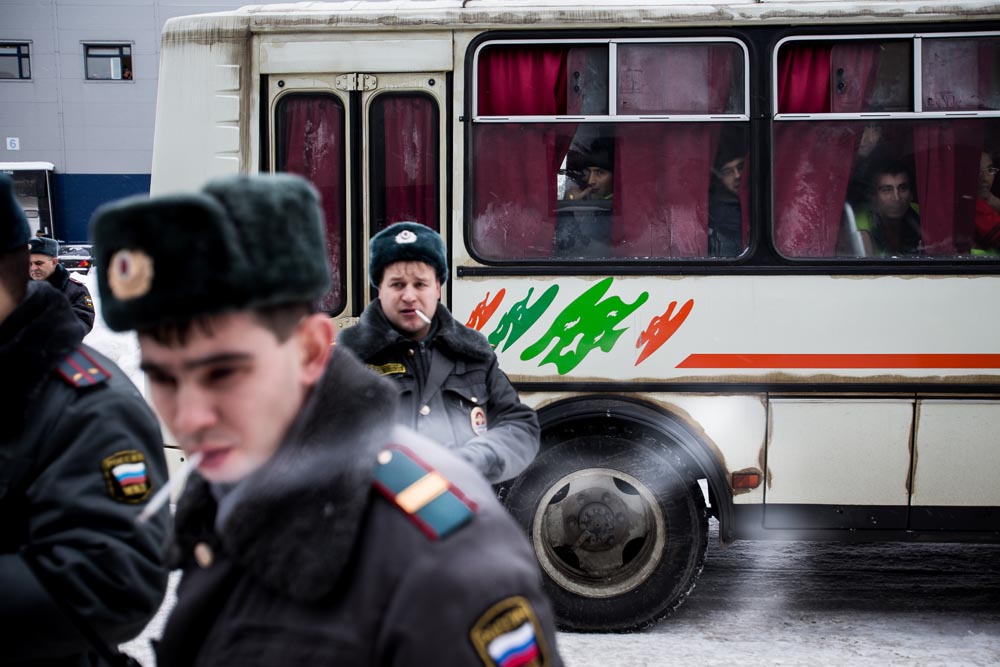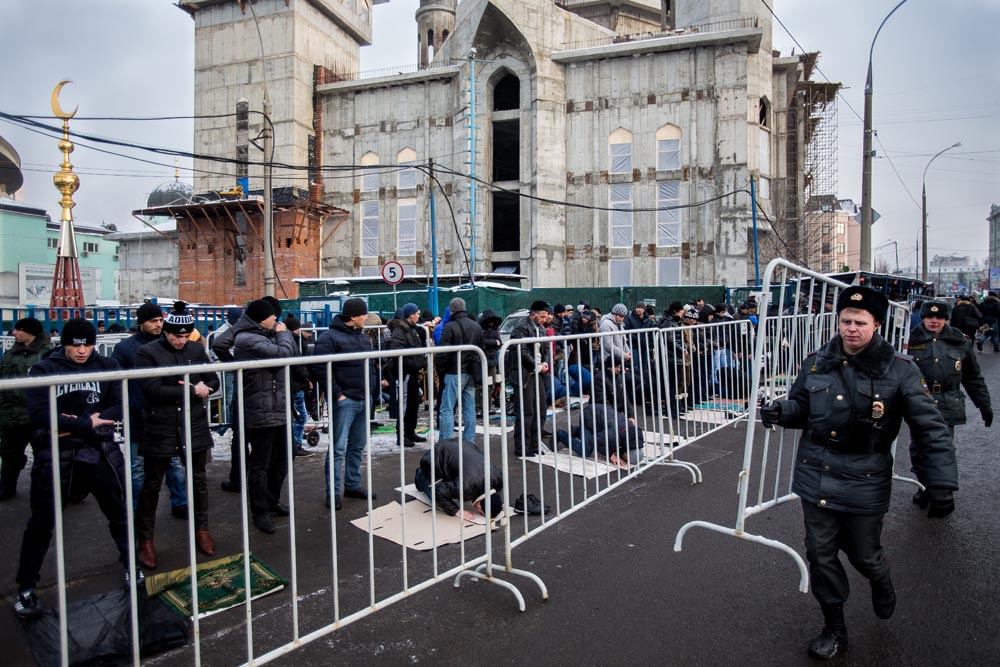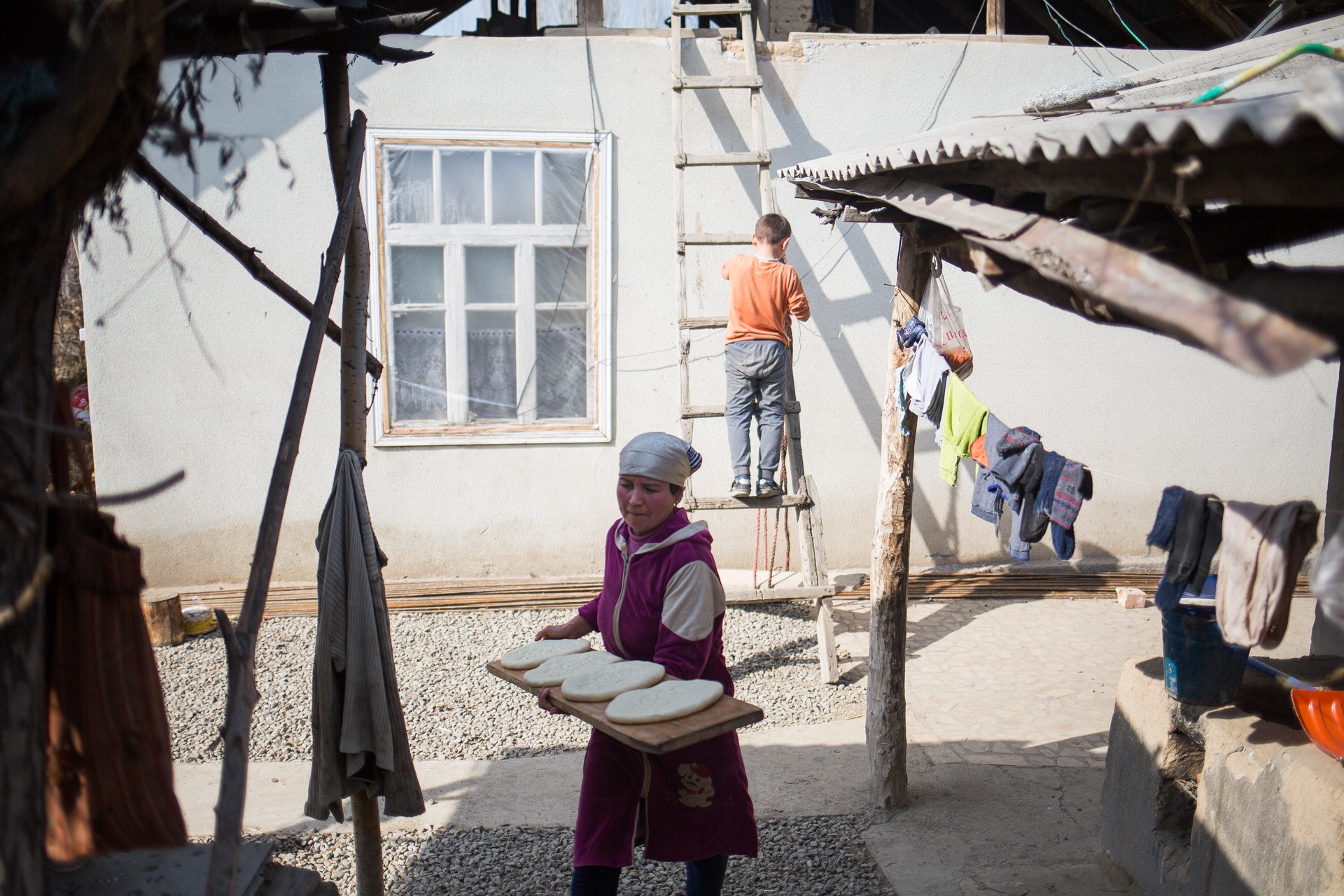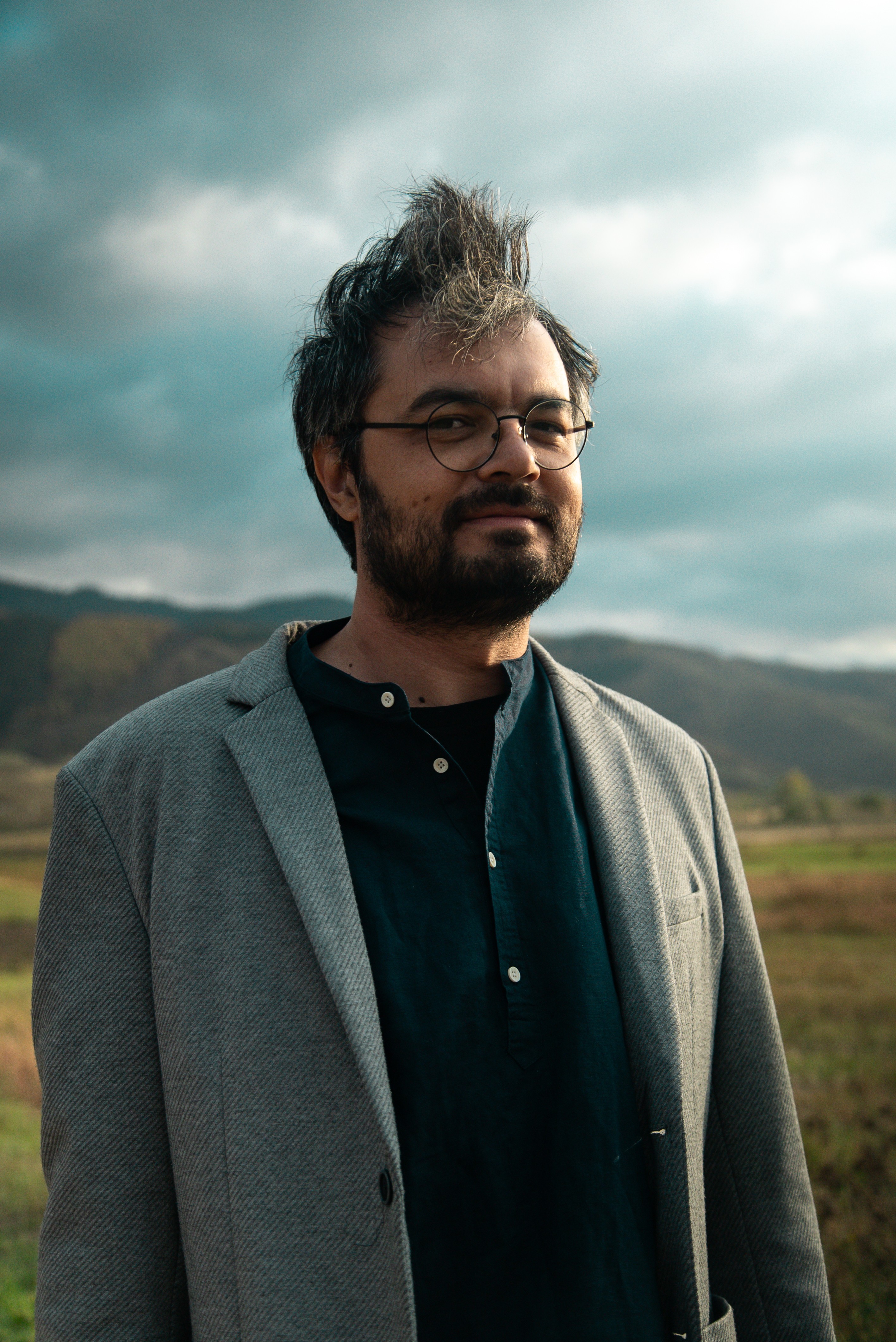
Today we’d like to introduce you to Elyor Nemat.
Hi Elyor, please kick things off for us with an introduction to yourself and your story.
I grew up in a little town around Bukhara, Uzbekistan, during the last years before the USSR collapsed. My country inherited chaos, a totalitarian regime, inhumane bureaucracy, poverty, and a deep economic crisis. So growing up in need was not something unusual for the families around us.
There was not much society could offer to the new generation. All the factories and organizations our parents used to work for had collapsed. Everybody tried to sell something at the local market just to make ends meet. Buying flour to make bread at home was a luxury, because the local bakery had a limit of two loaves per family. You could get those only if you were lucky enough to win the fight in the queue at the small window of the bakery. And sometimes we could eat half of the bread on the way back home. That was the sweetest bread I have ever tasted.
So everything I experienced in childhood became a strong texture and palette that I still use today.
Later, I studied fine arts at college and did my best to make one dollar a week, which my parents gave me, last for transportation, pencils, and paper. Buying a normal watercolor set was a big dream. I finally achieved it when I turned 19 and was able to buy one. Until then, I used leftover paper, ink, and pencils whenever I could.
When I was in the 9th grade, I could run away from the dormitory at night to work on restoration work at a local Jewish businessman’s hotel. I convinced him to pay me $100 to restore old patterns on the walls. He still can’t believe he paid that much to such a little boy, especially because he paid half that amount to my art teachers, who were also working for him.
That was the biggest amount of money I had ever made. I bought a film camera with it, and I wanted to become a photographer.
And this is exactly where everything started.
Today, I am one of the world’s documentary photographers, with many years of experience, recognition, and international work. And, at least in terms of the region where I grew up, I have probably achieved more than I ever imagined that little boy from Bukhara could.
We all face challenges, but looking back would you describe it as a relatively smooth road?
The biggest suffering one can have is wanting something very badly but having no idea where to go or whom to ask. I think one of the strongest gifts I was given was a very, very strong desire. If I loved something deeply, I would give it everything I had and do whatever it took. I could never give up until I felt I had done everything I could and things still didn’t work.
My old Soviet camera had very limited and low-quality capabilities. My first photo projects were made mostly with cameras I borrowed from other photographers I met while trying to learn photography and storytelling. I could borrow a camera for a day or two at a time.
Even getting one roll of film meant saving money from the $1–1.50 my parents used to give me. Later, I started working night shifts at the reception of a local boutique hotel, which finally gave me a little more freedom to buy film and continue photographing.
Alright, so let’s switch gears a bit and talk business. What should we know about your work?
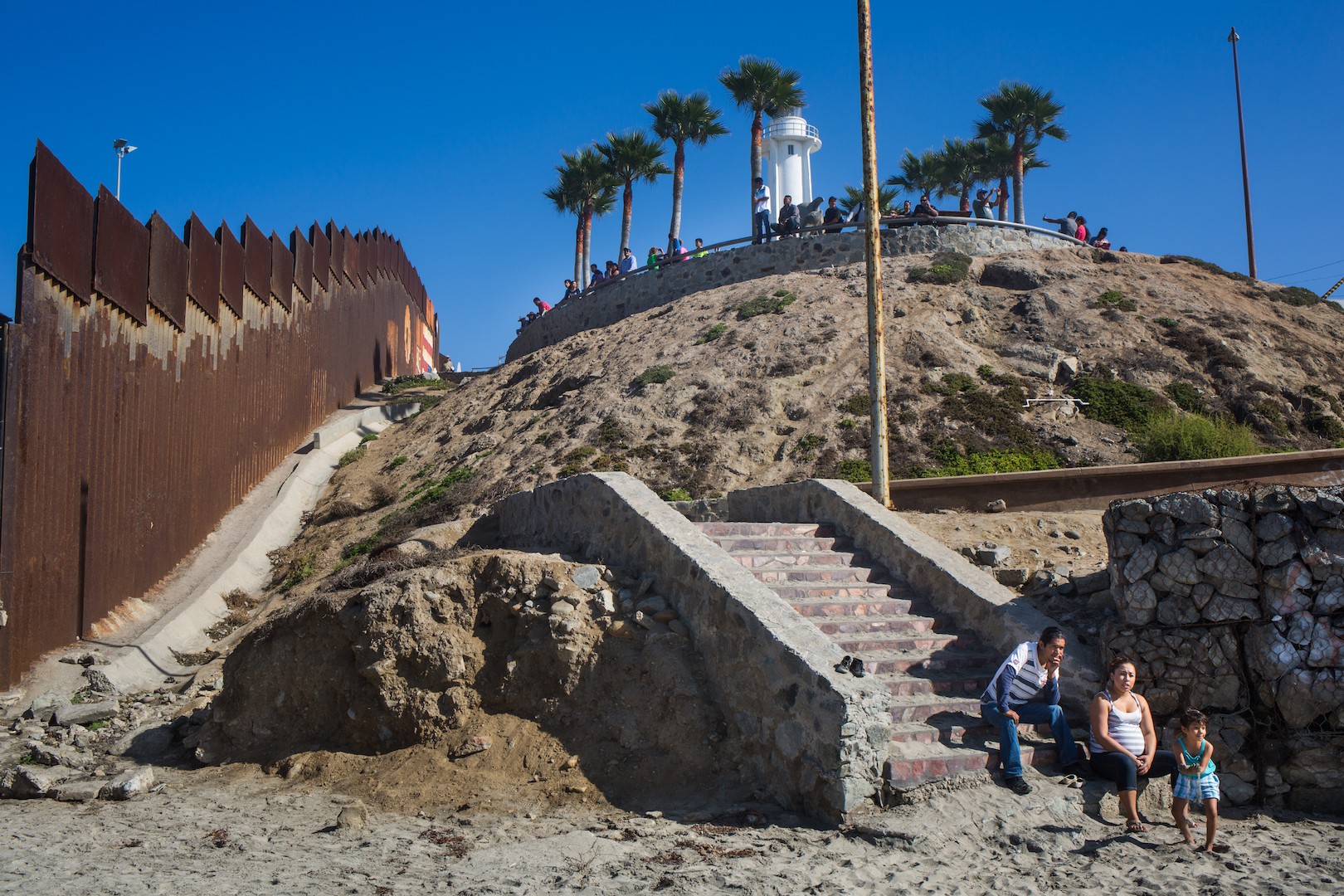
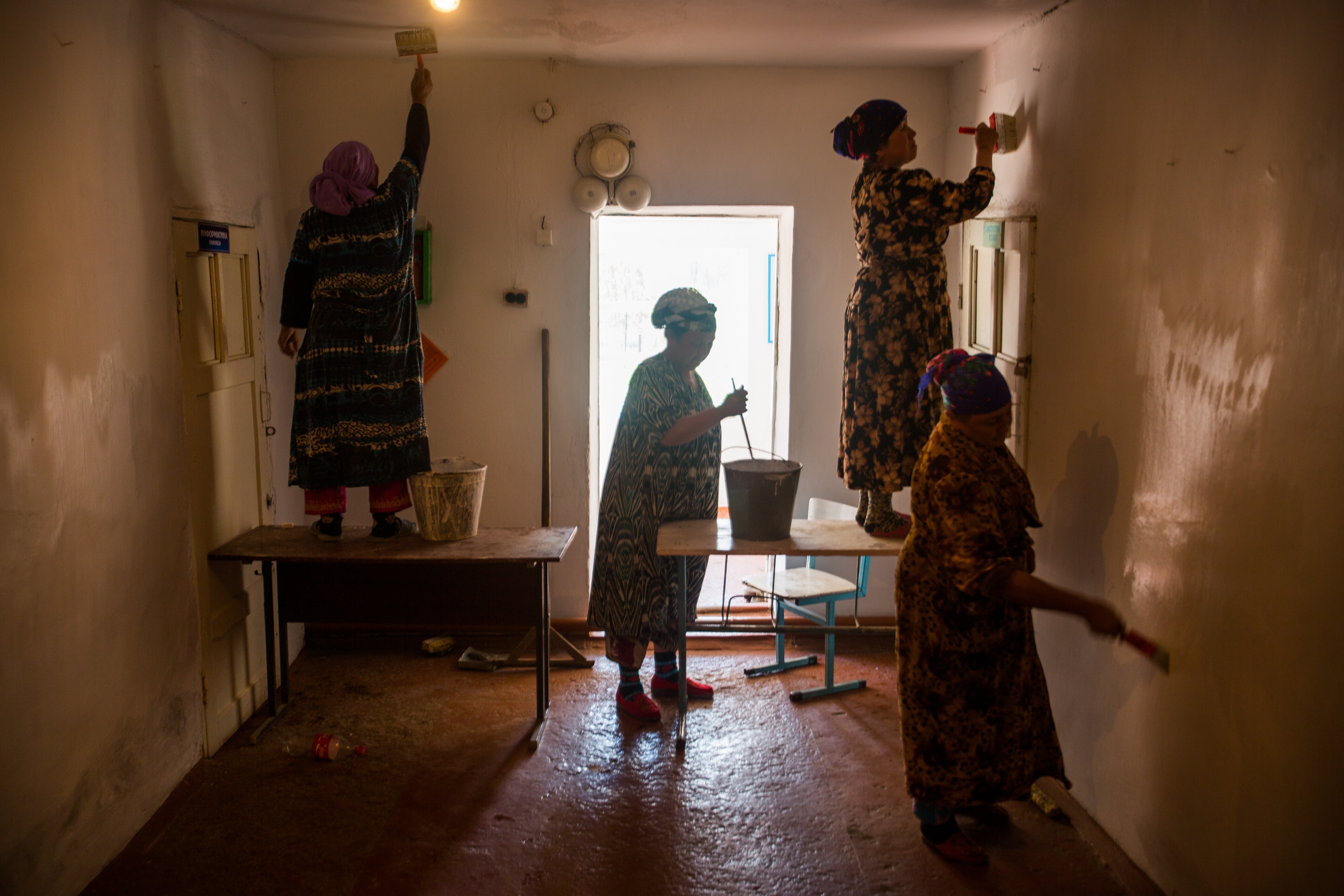
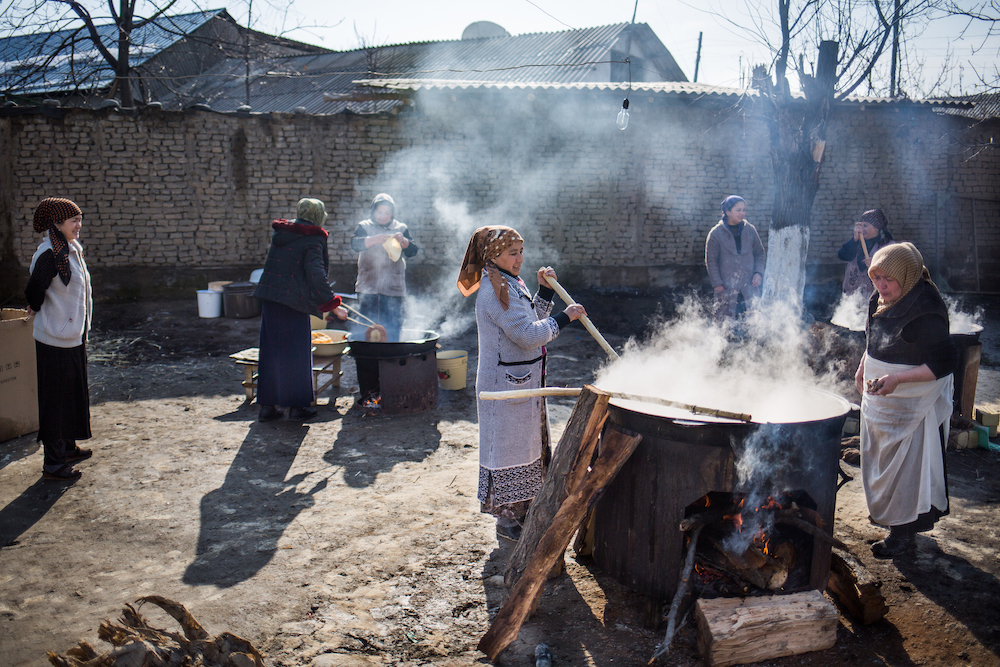
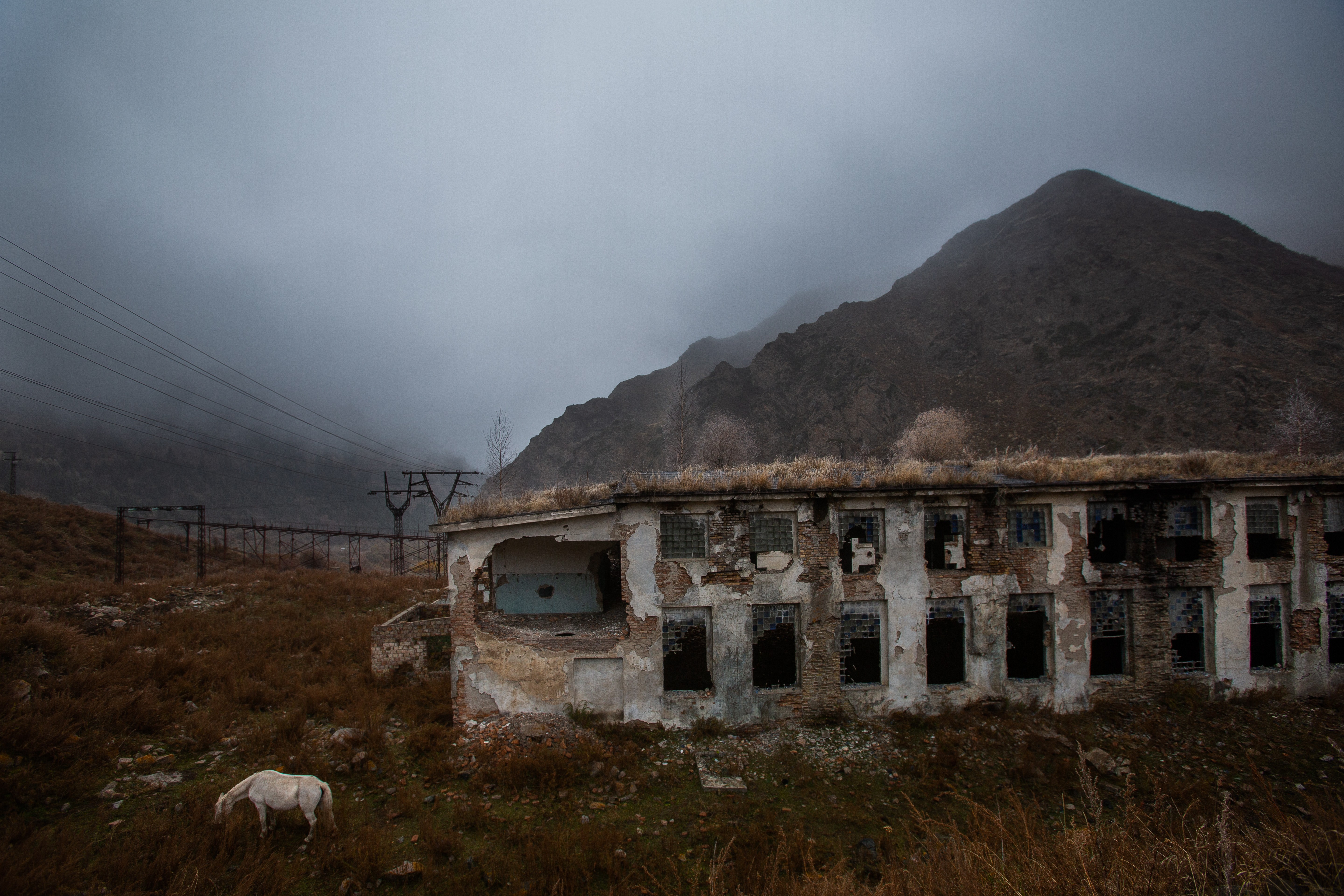
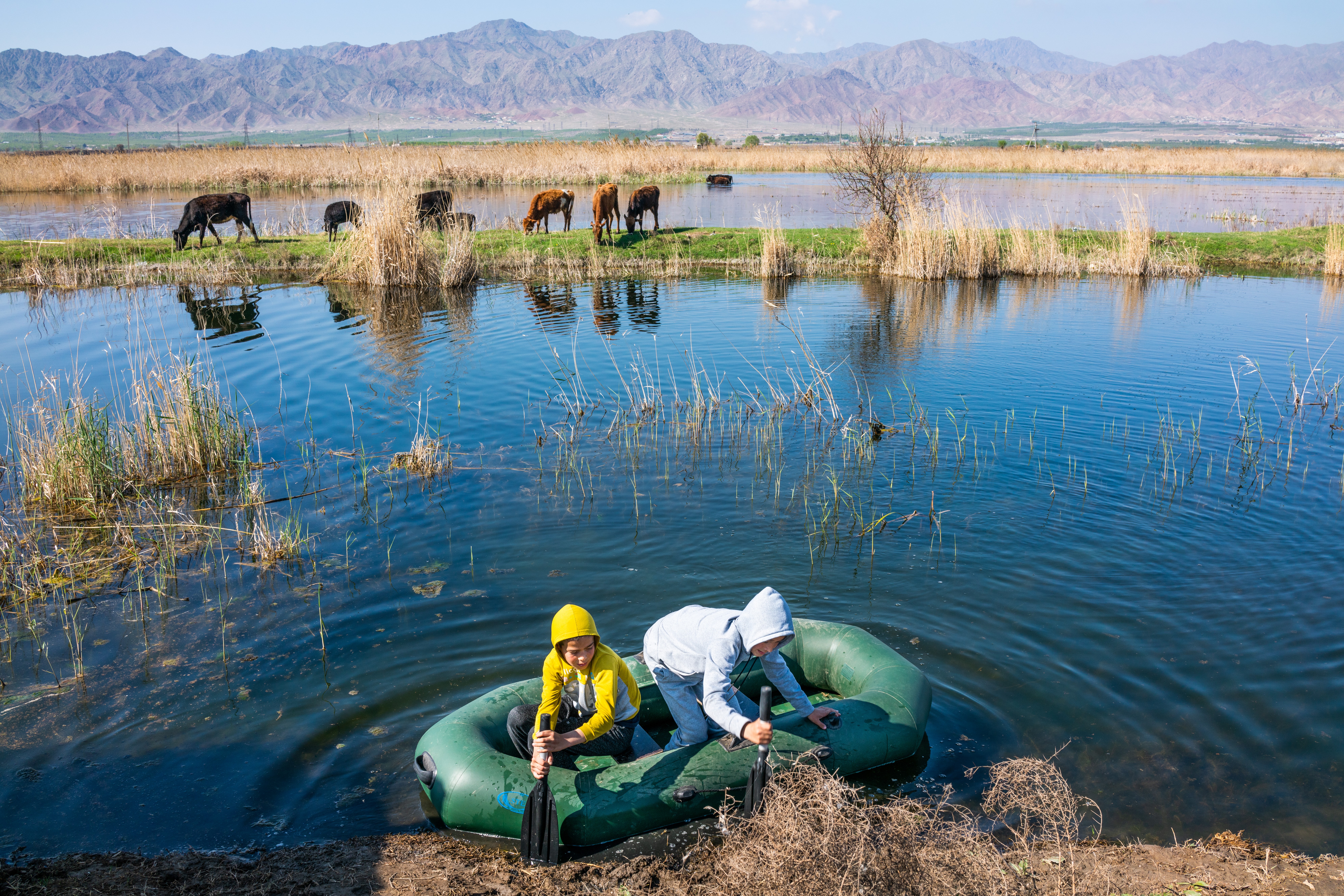
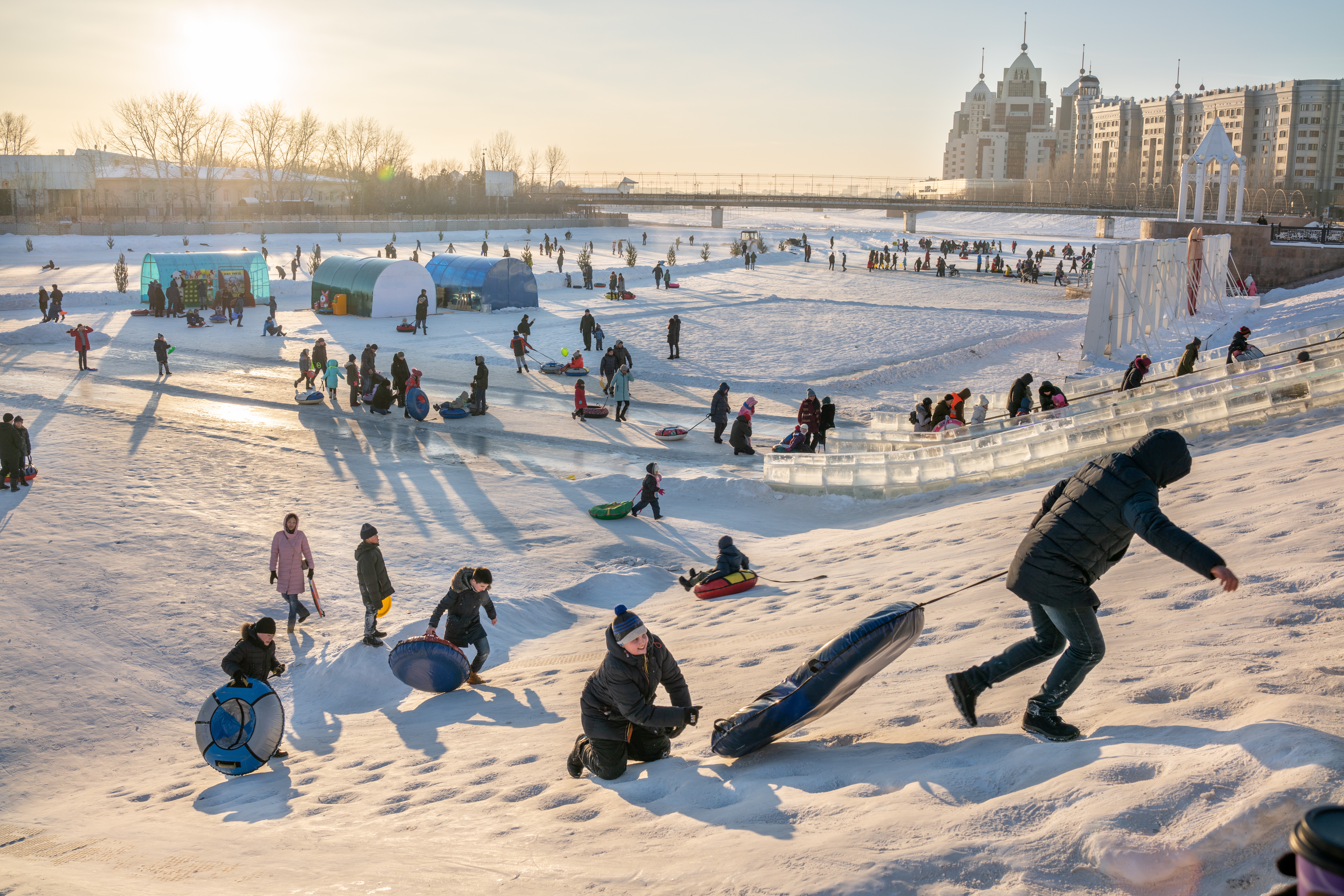
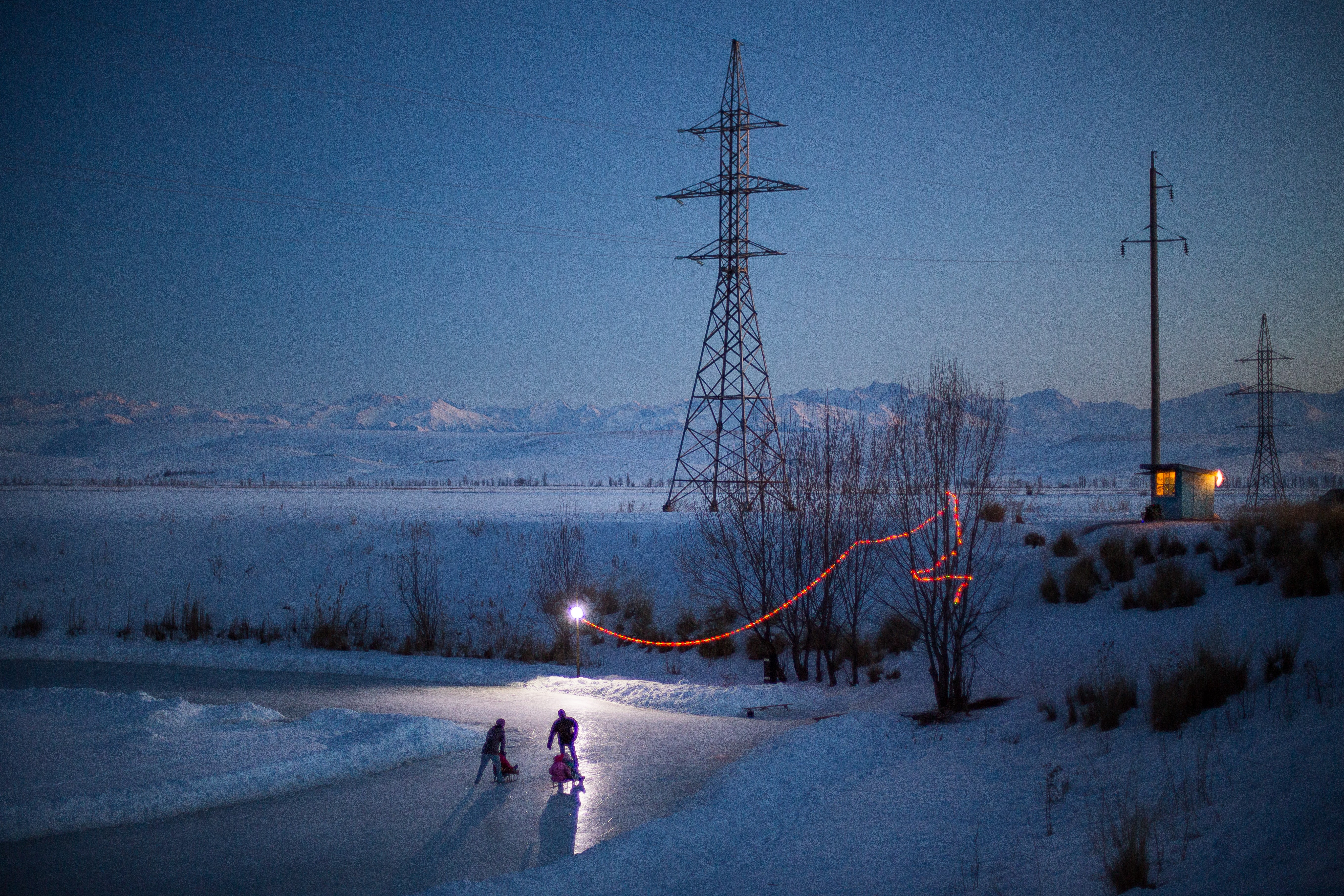
I am a documentary photographer, mostly working on long-term projects in Central Asia.
Photography alone wasn’t enough for me. I wanted to use more tools, such as sound and moving images, so I found documentary filmmaking to be another way to tell stories and immerse the audience more deeply into a story and a moment.
And there is one more thing I do as a way of meditating and getting some rest from storytelling, because it can be exhausting when you keep working on difficult subjects. In this regard, I do fine art, particularly linocut printmaking.
And sometimes, the prints I make from my linocuts sell better than copies of my photography.
Irony.
Is there anything else you’d like to share with our readers?
When I was working night shifts at the hotel, I met the Cultural Attaché of the French Embassy in Uzbekistan. He asked me why I was so young and working night shifts while going to university in the mornings. I told him it was the only source of income I had at the time.
He also became interested in my photography and asked if I could show him my portfolio.
At that moment, I wasn’t even able to make 10×15 cm prints of my photographs. I had never owned a computer. So I spent my little savings to print around eight 10×15 cm photographs. But even then, I had to make them stretch. Each print contained four different photographs, so after cutting them, they became roughly the size of matchboxes. That was the actual portfolio I could afford.
My entire portfolio could almost fit into a matchbox.
The French Cultural Attaché liked my work and immediately suggested that I come to Tashkent, where he could organize exhibitions for me. He even paid for my trip to Tashkent.
So I went.
Eventually, he even helped publish my first personal photobook.
Looking back, it was one of those moments when a very small opportunity opened a much bigger door.
Having my work published in some of the world’s most respected publications, including The Wall Street Journal, The Guardian, The Telegraph and others; working with many international NGOs and media organizations; collaborating with Magnum Photos and NOOR Images; and, a few years ago, becoming first a regional Asian and then a Global Jury Member for World Press Photo — all of these have been important milestones in my journey.
But throughout all of this, I have felt a deep appreciation for the experiences of my childhood and for all the obstacles I had to overcome along the way. I believe they helped me stay honest and dedicated to the art I chose and to the goals I set for myself.
Contact Info:
- Website: https://www.elyornemat.com/
- Instagram: https://www.instagram.com/elyornematov/ https://www.instagram.com/elfdraw/
- Facebook: https://www.facebook.com/share/14tesnGUdH2/?mibextid=wwXIfr
- Youtube: https://www.youtube.com/@elyornemat