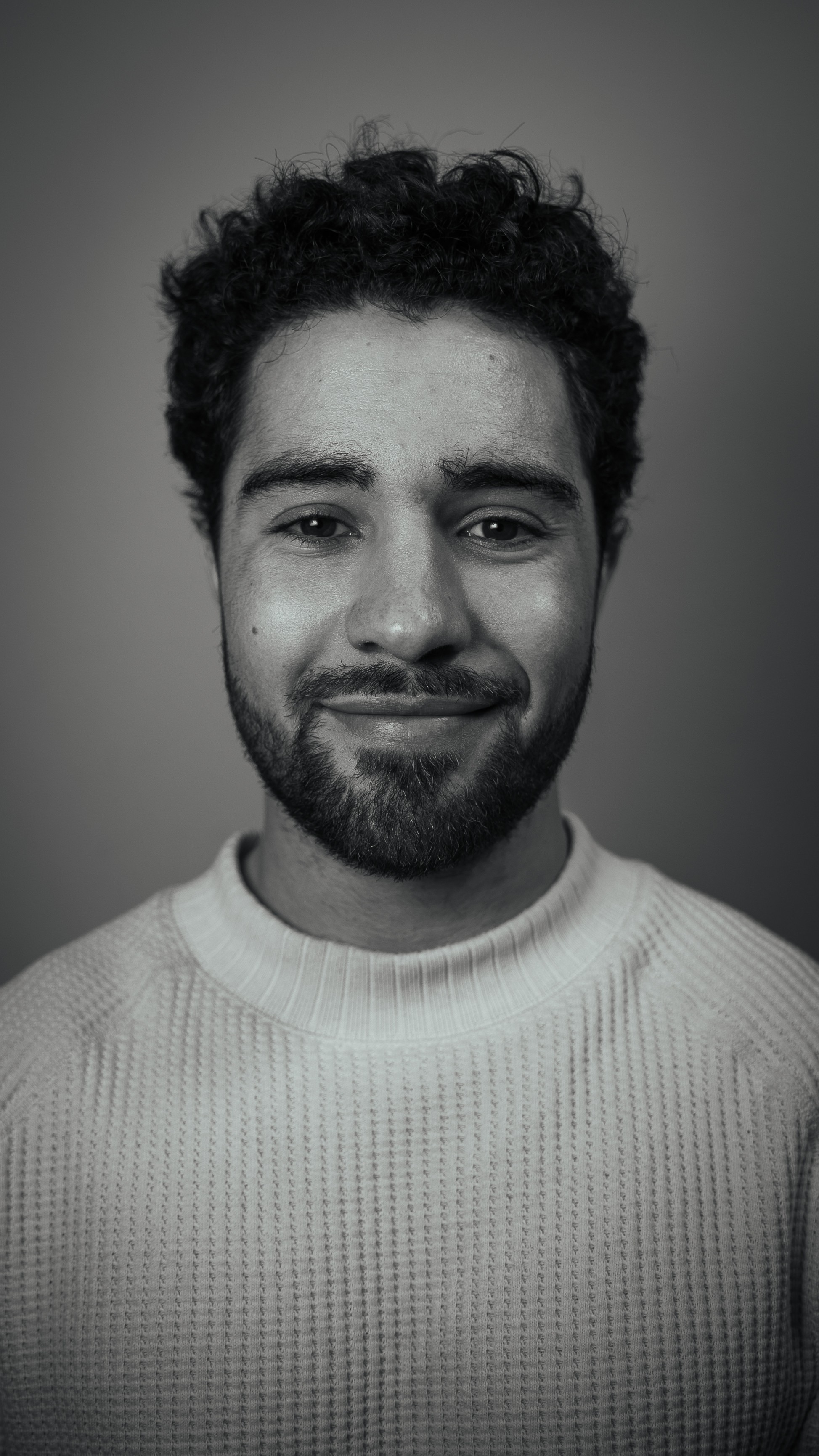
Today we’d like to introduce you to Emerson Mahoney.
Alright, so thank you so much for sharing your story and insight with our readers. To kick things off, can you tell us a bit about how you got started?
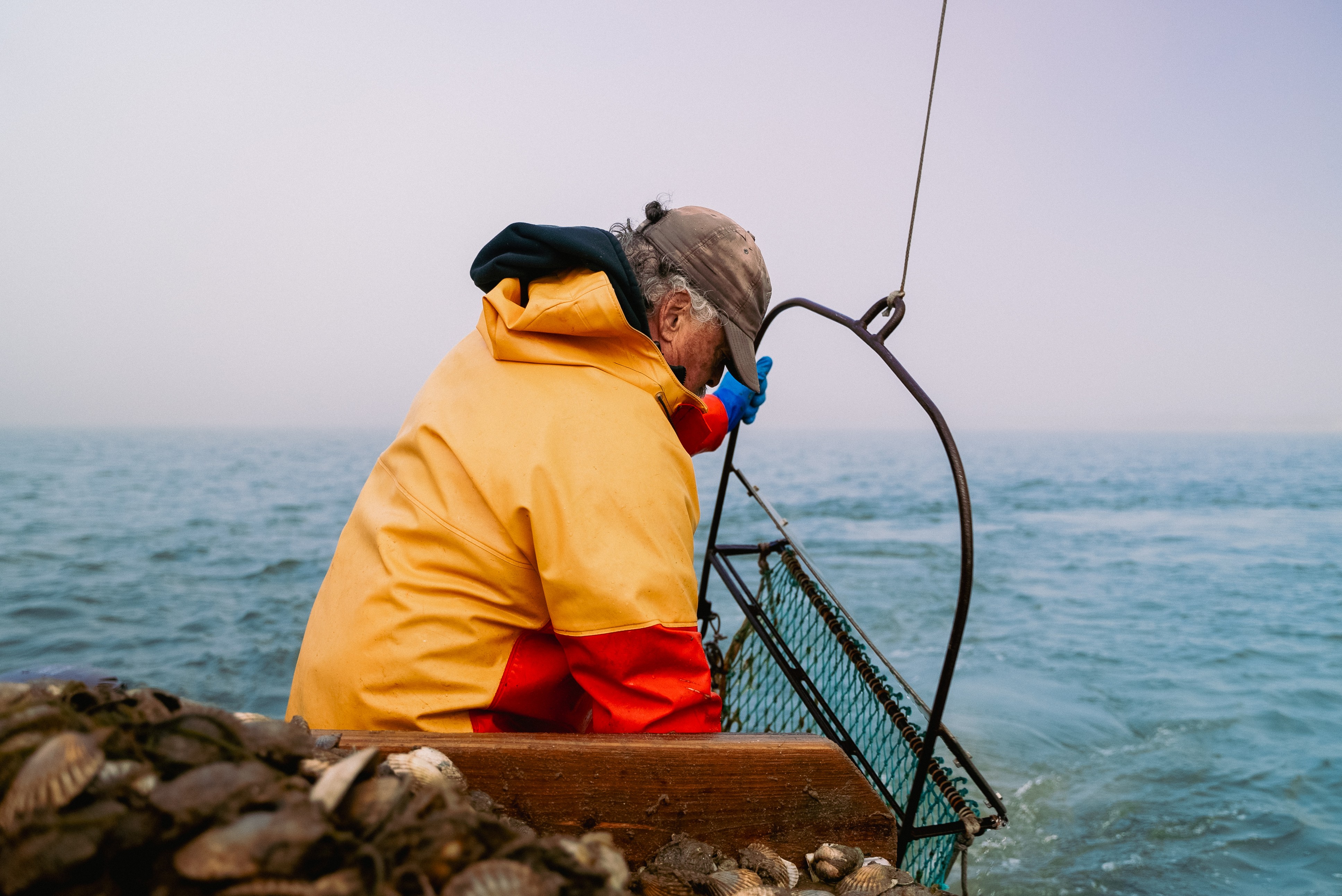
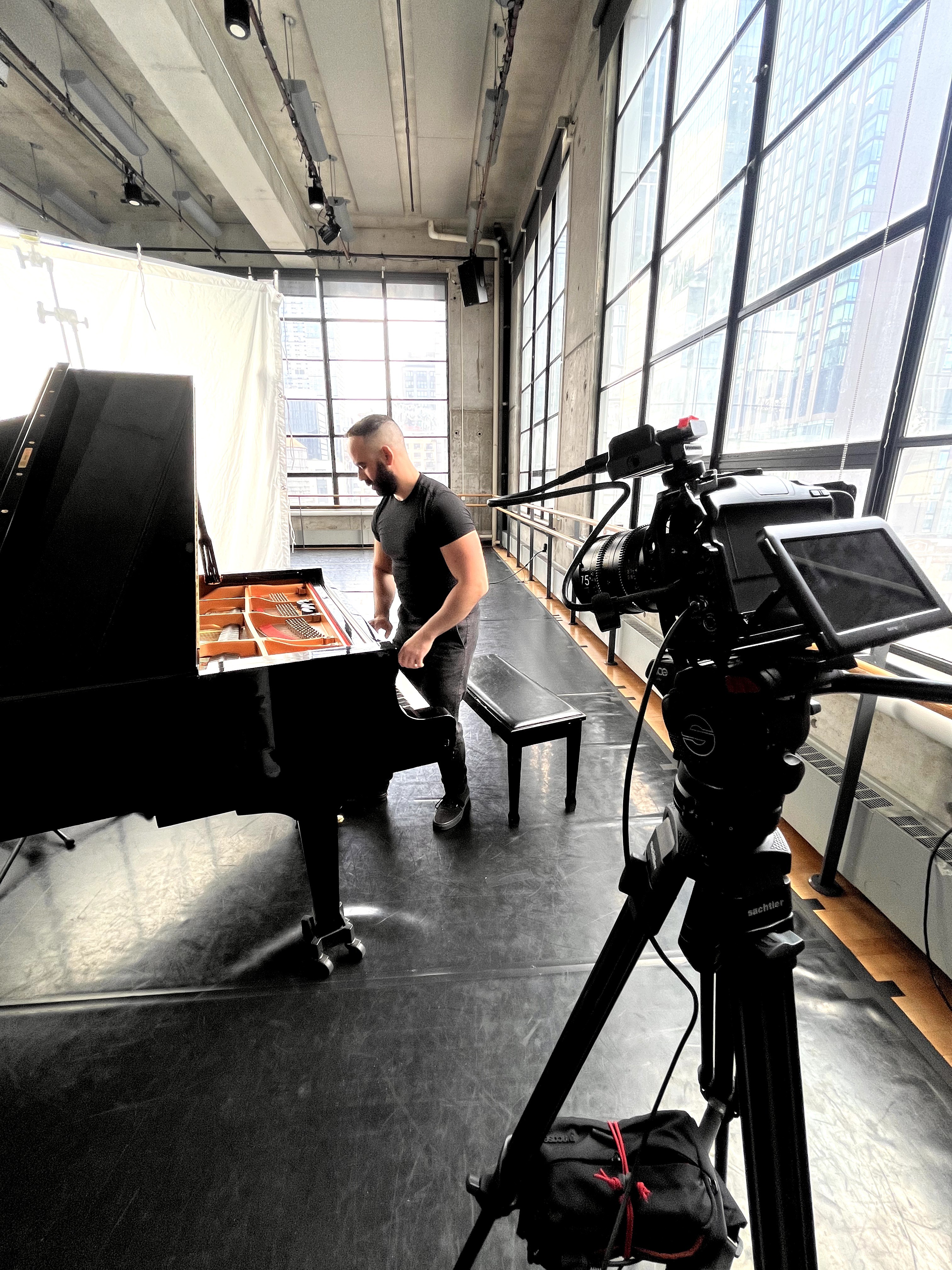
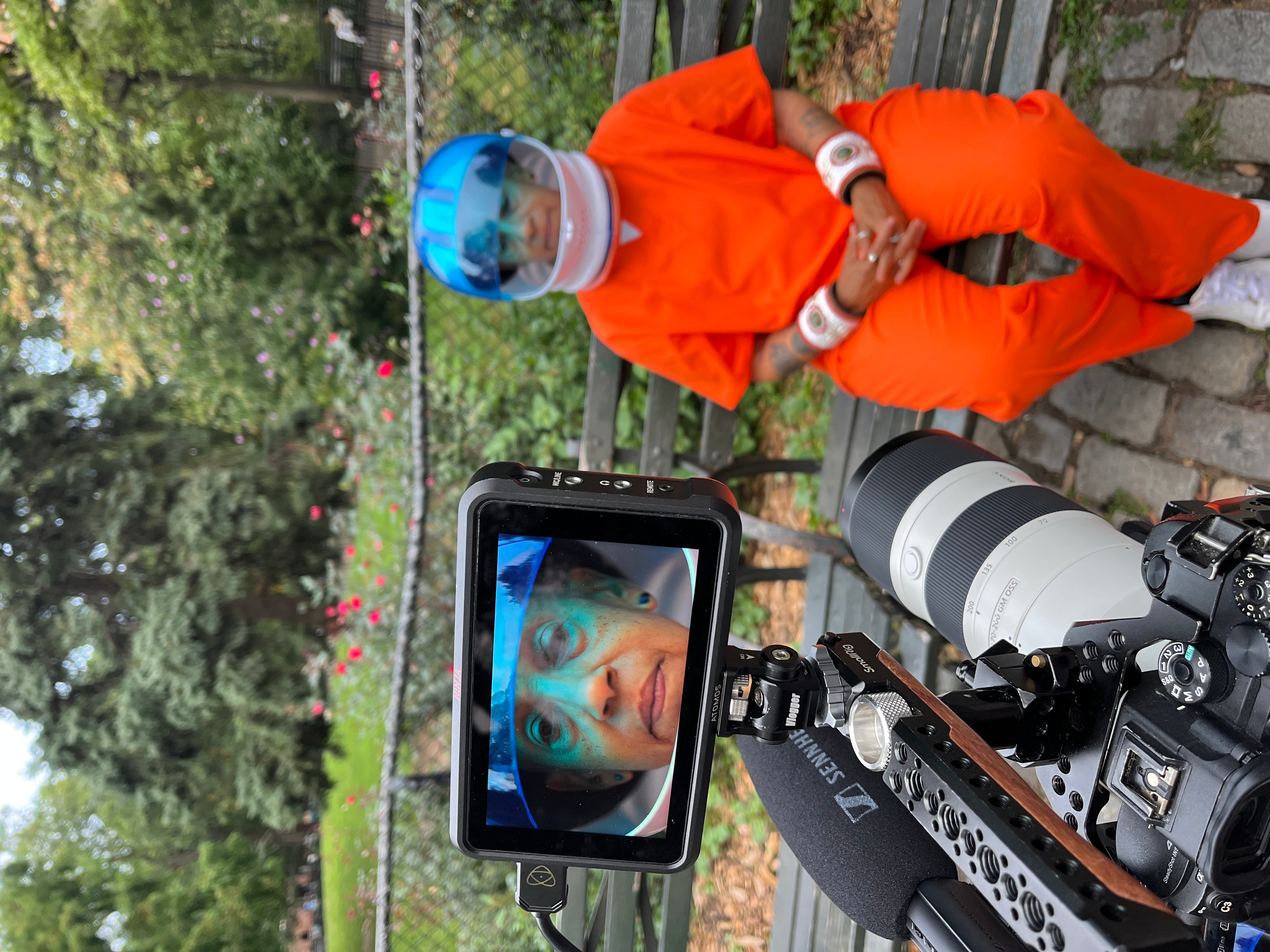
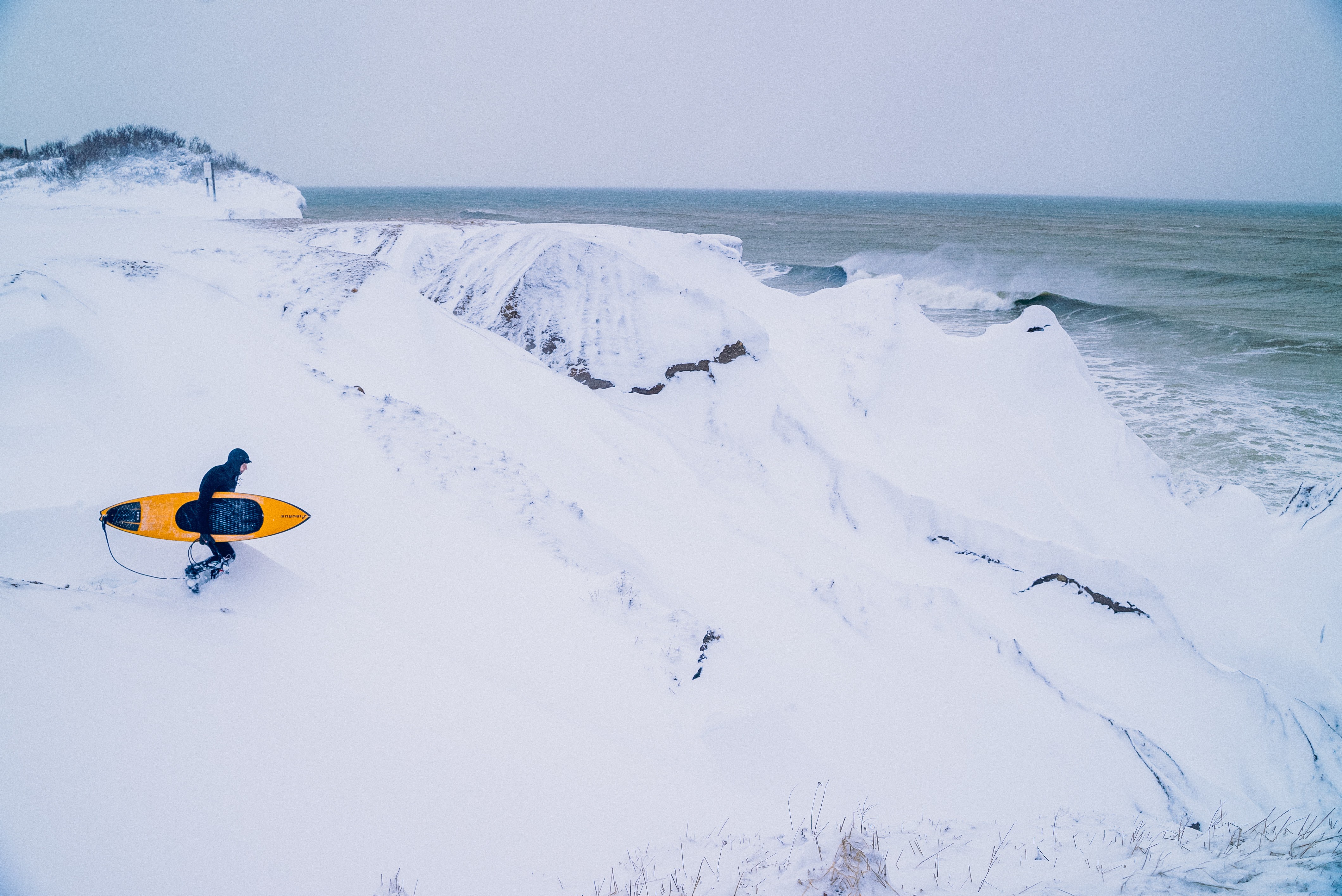
I remember making some photography prints with a point-and-shoot when I was in elementary school. I submitted one of them into a photography competition at the local agricultural fair on Martha’s Vineyard and ended up winning an award. After a long time of shooting mostly action sports and making mostly compilation videos with friends, I ended up studying abroad in college with some talented photographers, and I was obsessed with what they were doing with their cameras and how much more a real DSLR could do compared with an action camera. Shortly after that, I bought my first DSLR and shot everything I could. I shot surfing, weddings, portraits, you name it. After devoting so much time to the medium, I was one year out of college and finally making enough money to afford a real camera. So I bought a Sony a7S III, and not long after that, I quit my full-time job as a Data Scientist at the Army Corps of Engineers and moved to New York City. Over the past five years, I’ve spent a lot of that time learning from peers and mentors on set, but I’ve also been lucky enough to be a cinematographer and camera operator on a number of documentaries, shoot podcasts for Michelle Obama and Craig Robinson, create content for H&M, and work on a comedy in East Hampton as a camera assistant for Zev Starr Tambor while learning from an incredible mentor, AC Chris Seehase.
I have so many people to thank for the journey that New York has been for me thus far. First is Catherine Gund of Aubin Pictures, who gave me a chance to move beyond being a PA on some of her documentaries, and to her and her team for recognizing that I was a capable operator. Working with her team on three documentaries now has been instrumental in my development as a documentary DP and in my understanding of how documentary films are made. I also have to thank the amazing team at Tabu Productions for having faith in me and putting me on so many jobs with dream clients like Motorola, Veuve Clicquot, H&M, and many more. I’ve also had the unique privilege of being able to work for multiple summers with MacArthur Fellow and playwright Anna Deavere Smith on a documentary project that has been long in the works. I’d also like to thank director Jesse Hayes for seeing my vision and collaborating with me on two of his abstract scripted films, Submerge and Syzygy. I’d also like to thank some of my hometown heroes, Tim Persinko and Ollie Becker, for involving me in some of their work with Circuit Arts, a Martha’s Vineyard-based non-profit production company. They are both true professionals in their fields who’ve shown me what it can look like to hold yourself to a high standard on set.
I’m currently working on a film project with a group of Indigenous people from tribal nations in the Northeast and Bermuda who are developing course curricula on the history of Indigenous enslavement and the consequent health impacts on their well-being and communities. I’m grateful to be able to document these individuals’ stories and to have the chance to document what we hope will become a standard for reparations and for Indigenous inclusivity in both educational curricula and the broader understanding of our country’s history. I’m based in NYC, and I’m looking for more people to learn from and collaborate with. The city keeps me excited because you never know what opportunity waits around the corner. I’m doing my best to prepare myself for those opportunities.
Would you say it’s been a smooth road, and if not what are some of the biggest challenges you’ve faced along the way?
The biggest struggle has actually been getting on set, and learning to advocate myself and not be taken advantage of. Not many people are willing to take a chance on you if you haven’t already been in the position before or if you don’t have a connection to vouch for you. Ironically it has always been easier for me to get jobs as a camera operator than it has been even as production assistant. Maybe that’s because I’ve always had a camera reel and owned my own gear, even if the work I had to show was just what I had shot for the love of it. A lot of my peers from Dartmouth College went into finance or consulting, so I think a lot of their daily struggles or aspirations were quite different than mine. Not many of us went into creative fields after we graduated. I still deal with the “that’s so cool” when people hear what I do for work. It is cool, but there’s a lot of struggle when it comes to determining exactly how to create my own path and knowing where your time and energy is best spent each week or each month. Sometimes, especially in winters, there’s a lot of downtime between jobs. So I end up having to make all the decisions for myself about how to stay productive, or how to find more work.
Can you tell our readers more about what you do and what you think sets you apart from others?
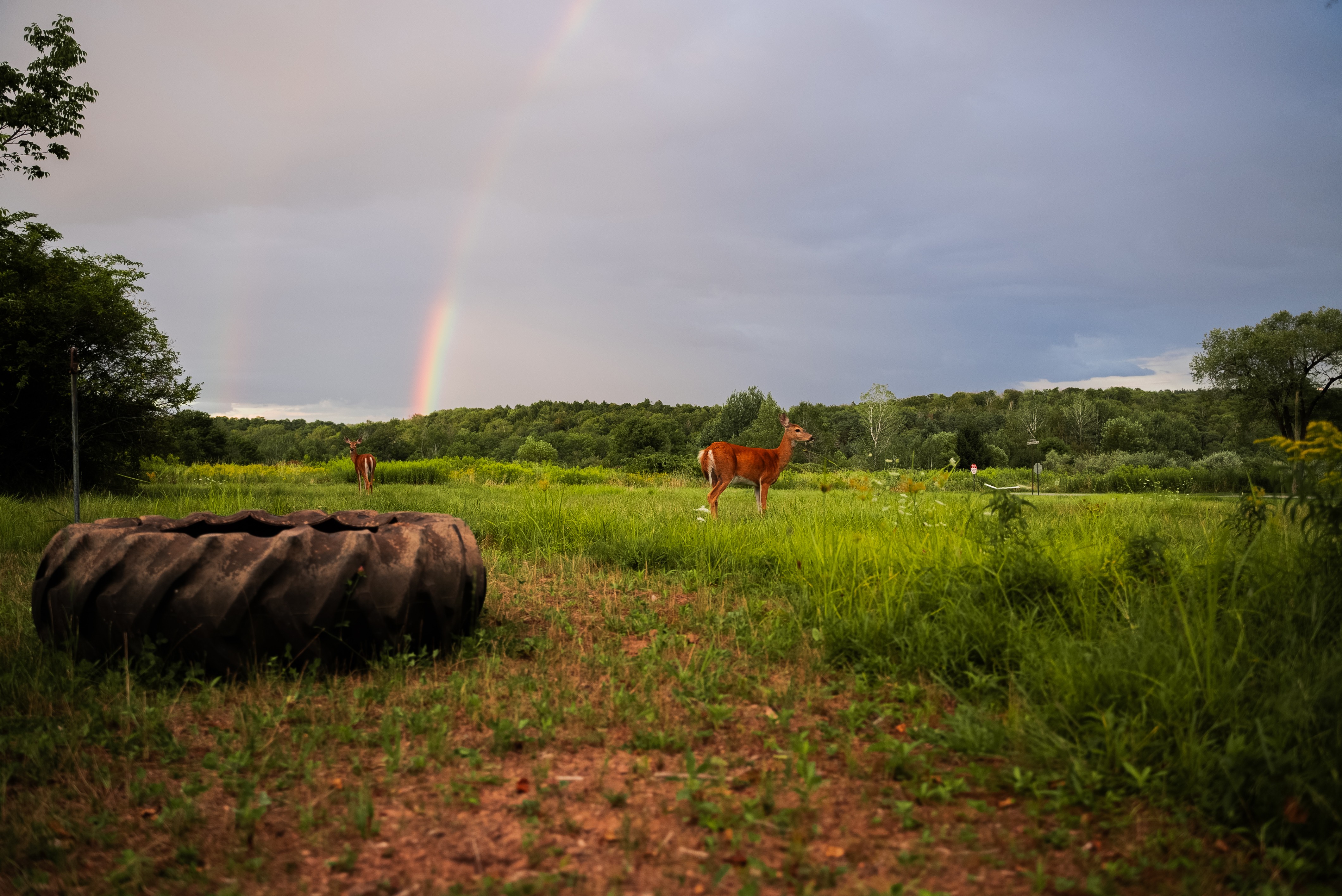
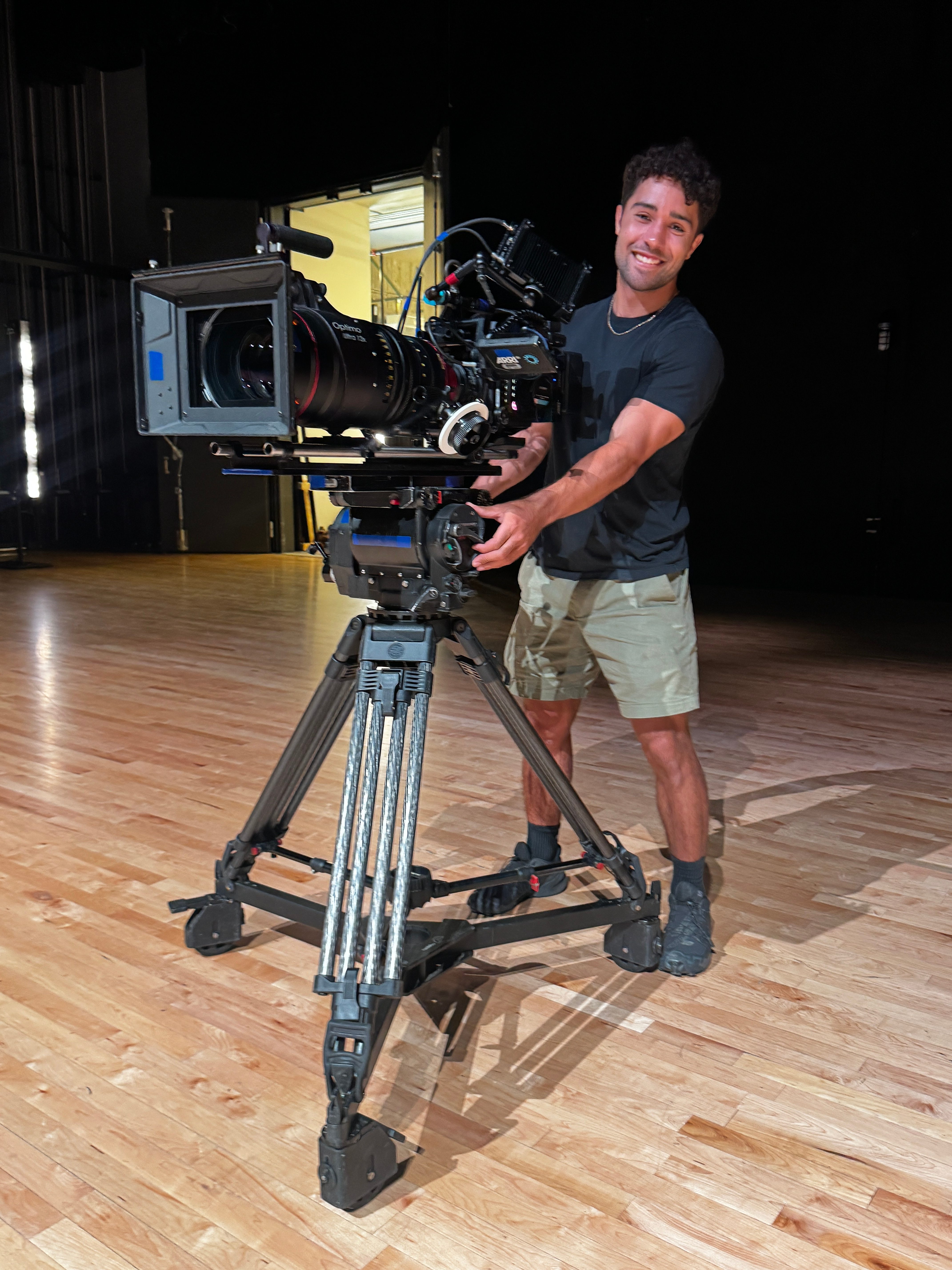
I’m a camera operator and cinematographer. My biggest projects have all been in the documentary world, though I’ve dabbled in fashion, narrative, music videos and more. I think I might be most known for my adventurous style of story telling through all the travels I do outside of work, actually. I promote that a little bit more than I do my actual work, possibly to a fault. I’m most proud of the standard of work I hold myself to, and the optimistic attitude that I bring to a set. I try not to let anyone else’s negativity bog me down because I want to contribute to a positive environment on set where everyone can enjoy working with each other. In terms of a piece of work, I might be the documentary I shot that’s currently in festivals. The film is about an intern’s experience of getting to know and relate to somebody after they’ve passed away, through the archive they left behind. It’s called “And Again I Dream,” and I’m hoping there will be a New York City premiere soon. My ability to dream and to imagine is what sets me apart from others. I come from a place called Aquinnah, which is a very freeing place where I’ve spent a lot of time connecting with nature and learning about the legends of my Tribe. I hope some of that lived experience shows in my work. If it hasn’t already, I know it will in some of the pieces I’ve written and plan to create in the future.
What sort of changes are you expecting over the next 5-10 years?
I want to continue experimenting more with light, and working more on sets that give me the creative freedom and resources to light shots the way I imagine them. For me this is a big part of my desire to work more in the scripted world and on music videos. I also want to seek out more opportunities to tell indigenous stories. Growing up I didn’t see myself on a screen that often, and it always felt special when I did. I want to provide that experience for other indigenous people. I want to give them something to relate to so they can feel less like the “other.”
Contact Info:
- Website: https://emersonmahoneyvisuals.com/
- Instagram: https://www.instagram.com/emahoney_97/
- Youtube: https://www.youtube.com/@emersonmahoney3904