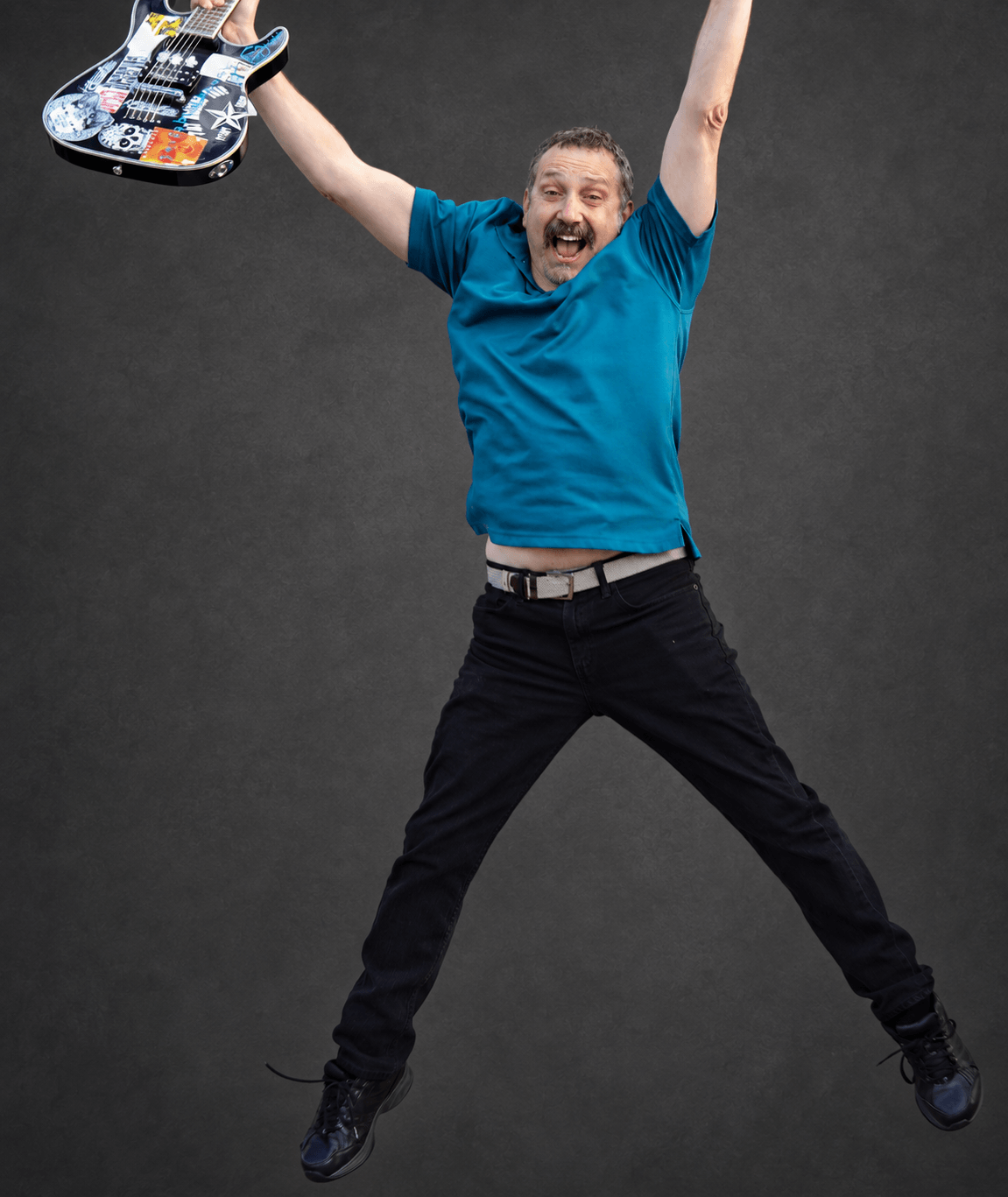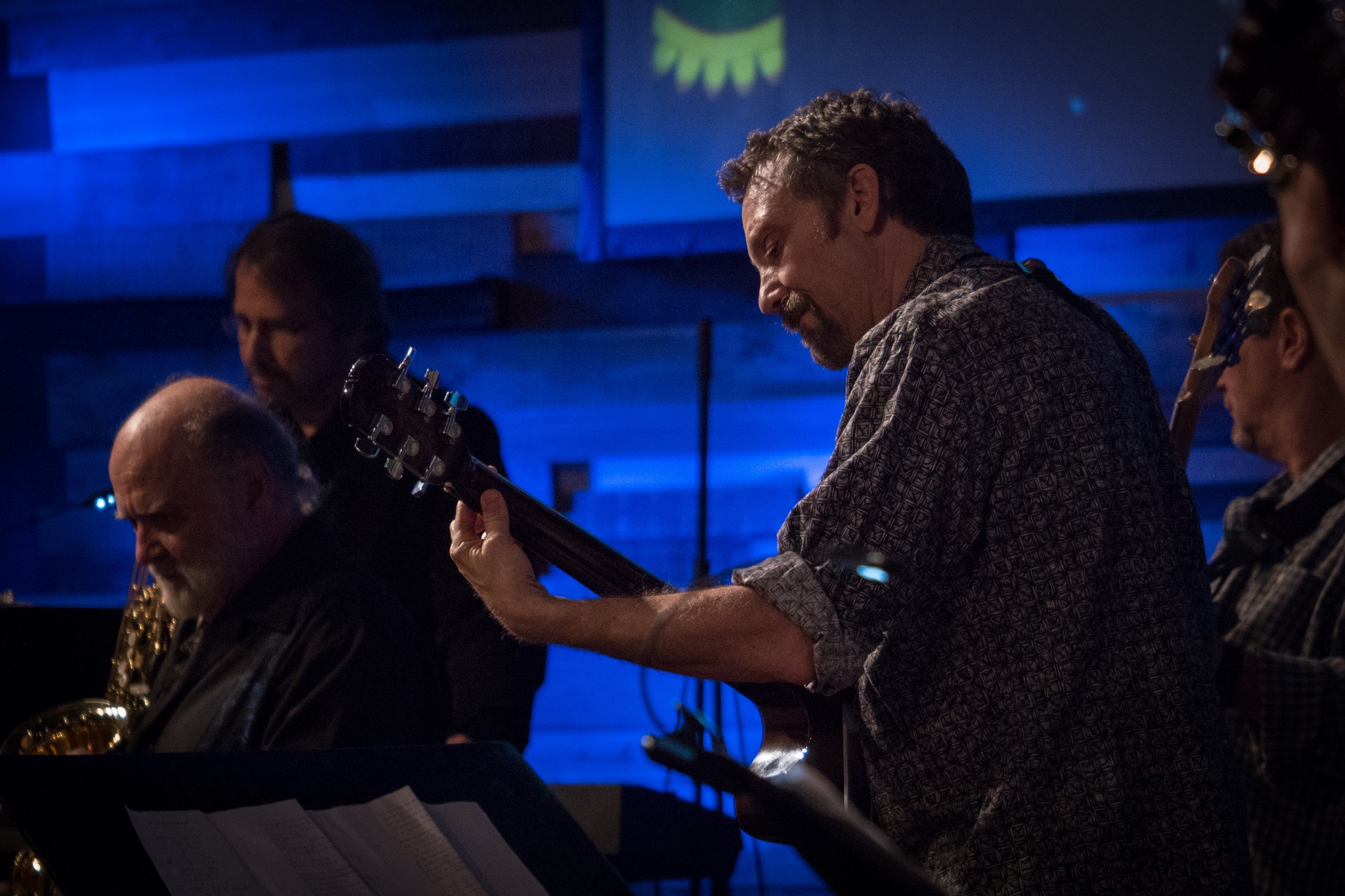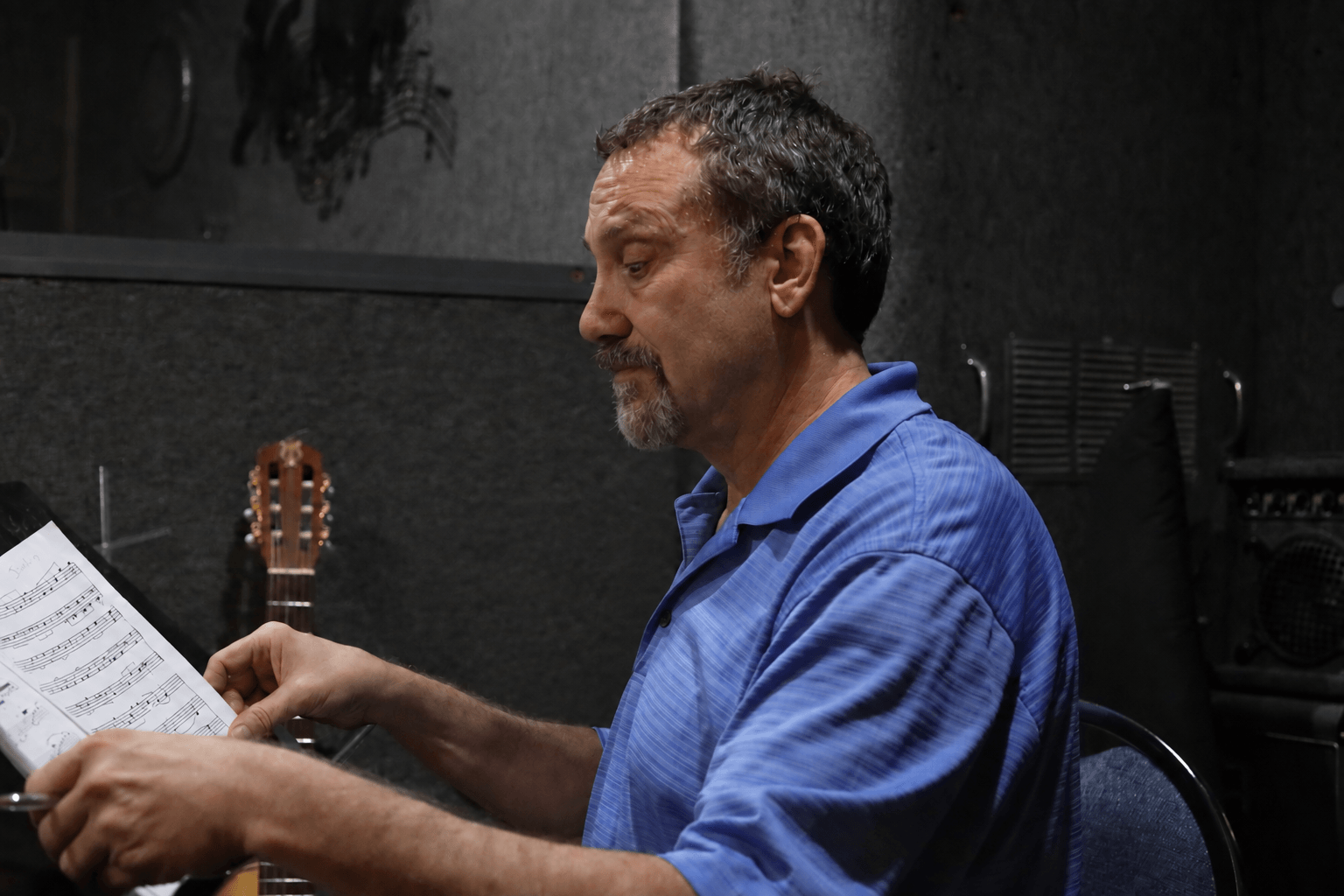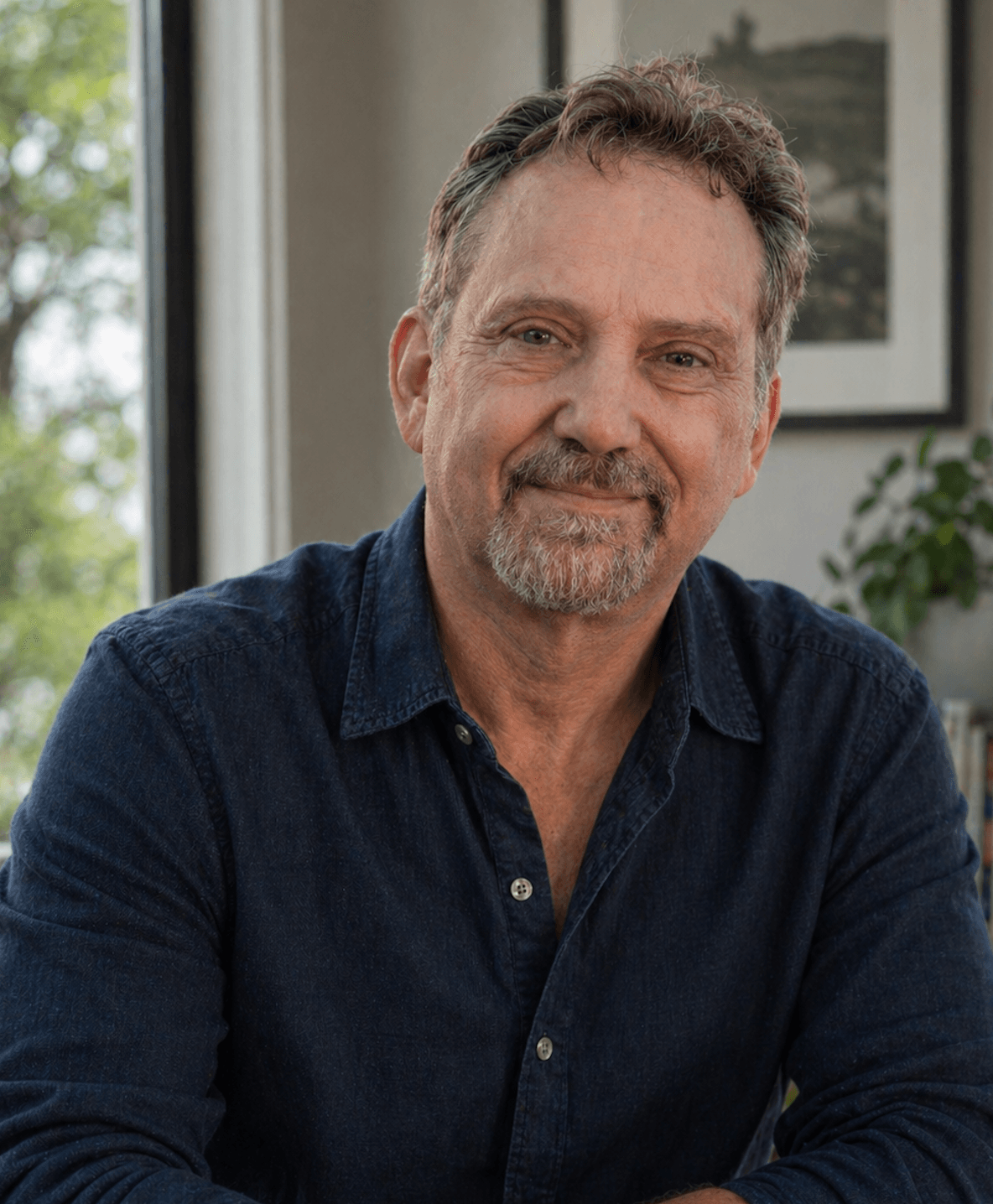
Today we’d like to introduce you to Jerry Danielsen.
Hi Jerry, so excited to have you with us today. What can you tell us about your story?
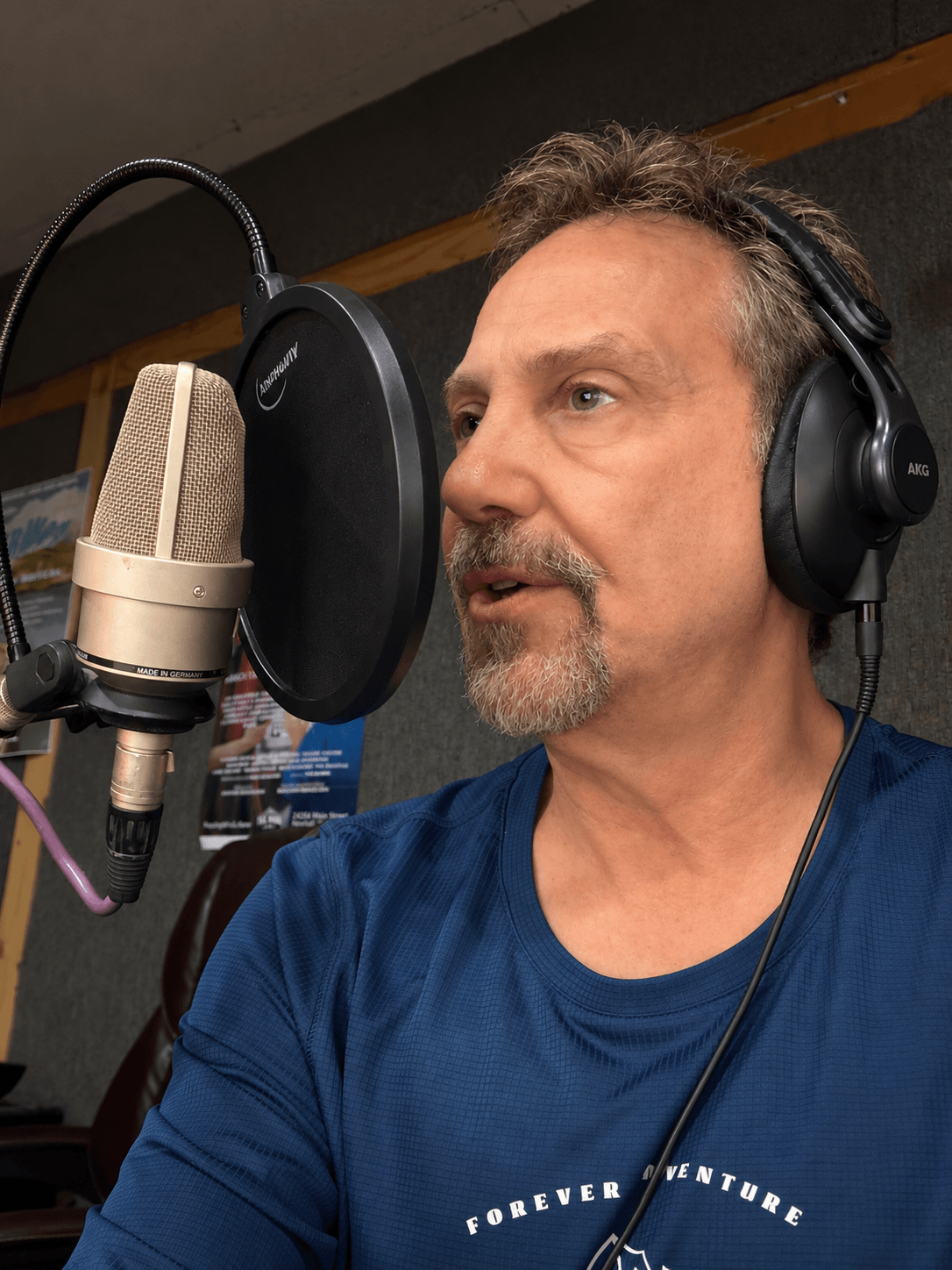
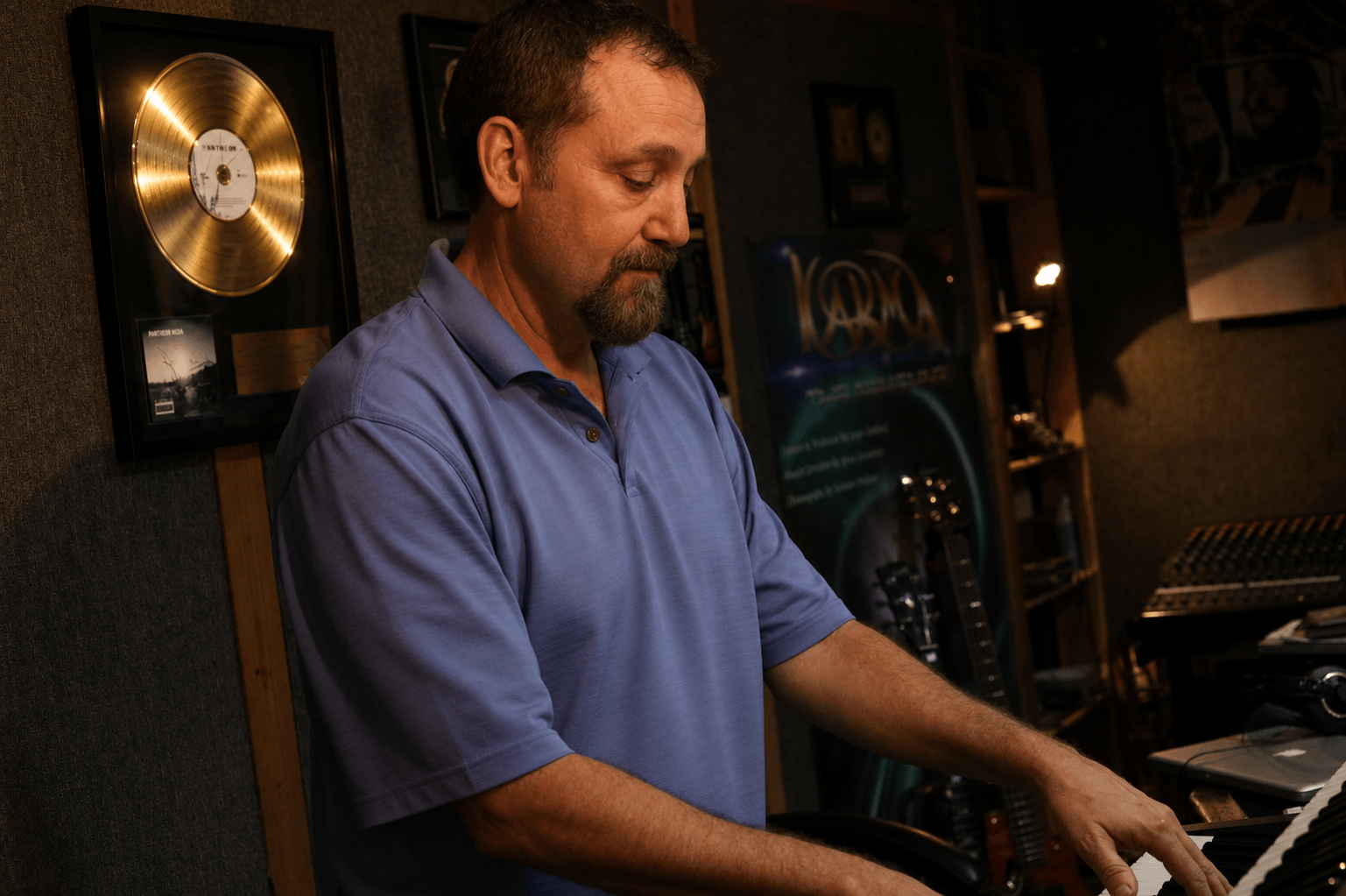
I’ve spent most of my life creating in one form or another. Music was my first language. I’m a composer, producer and recording engineer, and I own Busy Signal Studios in Southern California. Over the years, I’ve had the opportunity to work on a wide range of music and audio projects, including film scores and music for television and theater. Today, I’m also the Chief Audio Engineer for Pantheon Media, a network devoted largely to music and pop culture.
But writing has always been part of my life, too. I’m a poet, and years ago I founded and edited a poetry magazine called Volume Number, as well as Los Angeles Poets’ Press. So although music and audio became a large part of my professional life, storytelling through words was always there in the background.
Then my life changed dramatically when my late wife, Angela, was diagnosed with breast cancer, which eventually became Stage 4 metastatic cancer.
Suddenly, our lives could have become entirely about doctors, treatments, test results and fear. We decided we didn’t want that. We wanted to keep living while we were dealing with everything that was happening to us.
So we traveled. We laughed. We made plans. We created memories. We jokingly called our travels the “F**K Cancer National Tour.” We learned how to navigate the healthcare system, how important it was to become an advocate, and how sometimes you have to put joy on the calendar just as deliberately as you put a doctor’s appointment there. Attitude is important, and we discovered how profound it could be simply to have positive experiences ahead of us to look forward to.
After Angela died, I eventually began writing about what we had experienced. At first, I thought I was simply telling our story. But as I wrote, I realized there was another book inside it—the book I wish someone had handed me when we first heard the word “cancer.”
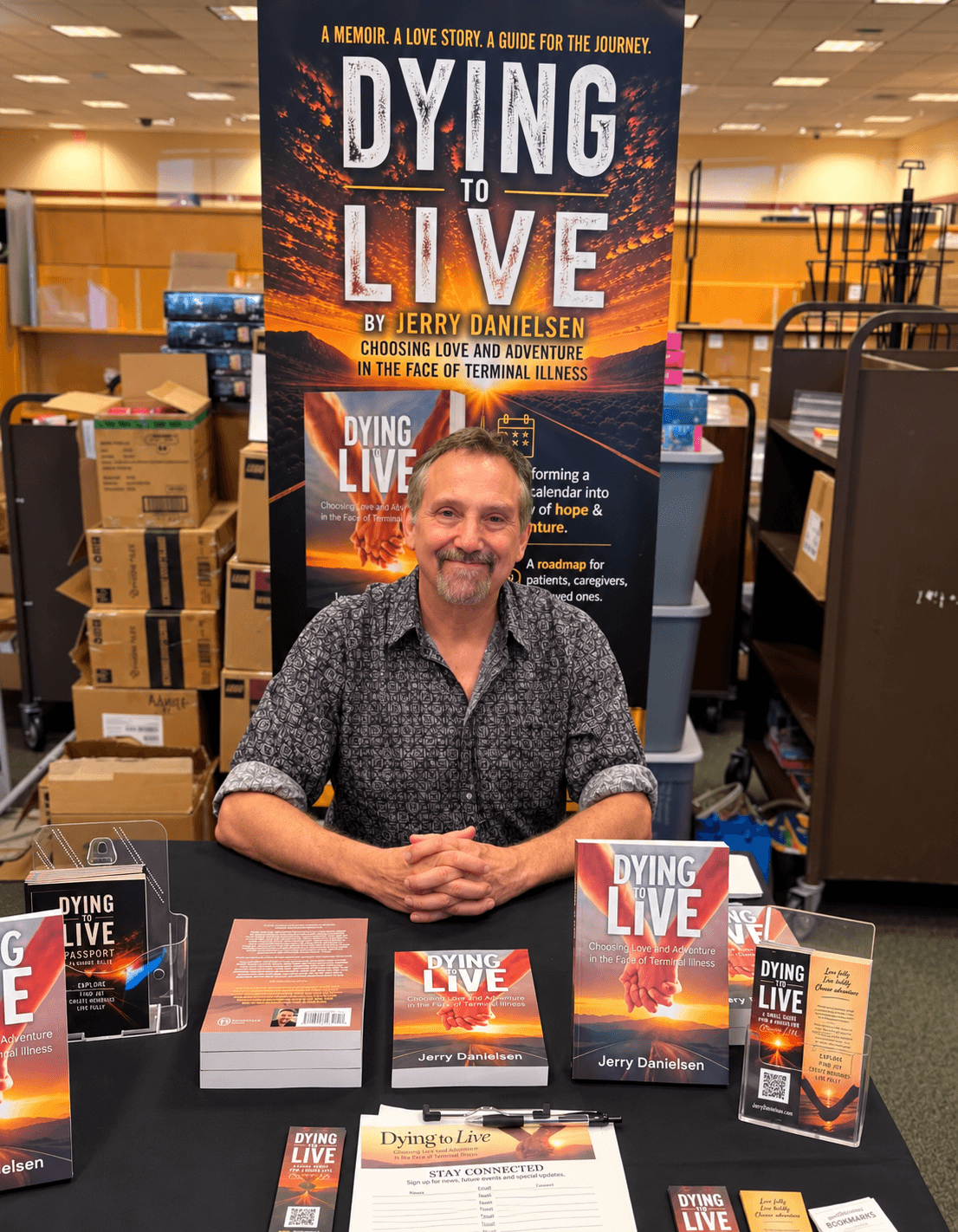
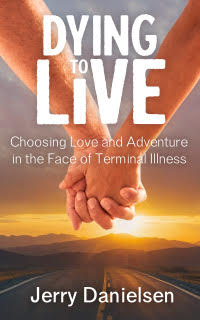
That became Dying to Live: Choosing Love and Adventure in the Face of Terminal Illness, which is being published September 29.
It’s certainly a memoir and a love story, but I also wanted it to be useful. It talks about caregiving, advocacy, communication, grief, navigating the system, and deliberately continuing to live when life suddenly looks very different than you thought it would. For us, the journey was about learning how to go from feeling powerless to feeling powerful.
In some ways, the book feels like a natural continuation of everything I’ve done creatively. Whether I’m composing a piece of music, producing an artist, writing a poem or writing a book, I think I’ve always been interested in the same thing: telling stories and finding ways to connect with people.
We all face challenges, but looking back would you describe it as a relatively smooth road?
Definitely not. I’ve taken some pretty big risks along the way. When I was 28, I quit what I thought of as my “normal job” to see if I could actually make a living in music. There was no guarantee it was going to work. I just knew that if I didn’t take the chance, I’d probably always wonder what might have happened.
Being self-employed in a creative field has its own challenges. You can’t just wait for the phone to ring. You’re constantly looking for the next project while taking care of the work that’s already in front of you. Even after you’ve been doing it successfully for years, you have to stay proactive, keep building relationships, and keep finding ways to evolve. And of course, you’re also riding the ups and downs of the music industry and the economy.
There have certainly been disappointments along the way. At one point, I signed on to score a major feature film, which was a huge opportunity for me—only to have the film never get made. And then there are the stranger moments. I once had a recording client throw my headphones across the room because he was singing out of key. Apparently, somehow, that was the headphones’ fault.
But through all of it, I’ve been incredibly fortunate. I took that chance at 28, and I’ve actually been able to make a living doing creative work that I love. Not everybody gets to say that, and I don’t take it for granted.
Of course, nothing in my professional life compared to what happened when my late wife, Angela, was diagnosed with cancer—initially deemed curable—and eventually with terminal metastatic cancer. Suddenly the struggles I had worried about in my career seemed very different.
That experience changed the direction of my life. Angela and I made a conscious decision that cancer was going to be part of our lives, but it wasn’t going to become our entire lives. We traveled, laughed, had adventures, and tried to keep putting things on the calendar that gave us something to look forward to, even while dealing with treatments, doctors, fear, and uncertainty.
Losing Angela was by far the hardest thing I’ve ever experienced. But those years also taught me something that has stayed with me: you don’t always get to choose what happens to you, but you can still make choices about how you live through it. That idea ultimately became the heart of Dying to Live.
Appreciate you sharing that. What else should we know about what you do?
I’ve worn a lot of hats over the years—composer, producer, recording engineer, sound designer, studio owner, and now author. But the common thread has always been creating things and telling stories, whether that’s through music, sound, or words.
I took a pretty big leap when I was 28 and left my “normal job” to try to make a living in music. All these years later, I’m still doing it. I’ve been self-employed for most of my adult life and own Busy Signal Studios, where I’ve had the opportunity to work with an incredible variety of artists and projects.
As a composer, my music has found its way into quite a few television shows over the years, including Jersey Shore, Deadliest Catch, Floribama Shore, and Martha & Snoop’s Potluck Dinner Party. I’ve also composed music for feature films, including Rage of Innocence and, most recently, Evil InSight, with additional credits listed on IMDb. Today, I’m also Chief Audio Engineer for Pantheon Media, working in another corner of the audio world that has grown tremendously—podcasting.
Along the way, I’ve been fortunate to have a Gold Record for my involvement in music and, more recently, a Signal Award for my work in podcasting. Those two awards came from very different parts of my career, which I suppose says something about the path I’ve taken.
If there’s something that sets me apart, I think it’s probably longevity and versatility. The music business has changed dramatically since I started. Recording technology has changed, the way music is distributed has changed, and the ways musicians and composers make a living have changed. I’ve had to keep changing with it. I’ve never really fit neatly into one box, and I think that has ultimately been an advantage.
I’m also both a composer and a writer. I was writing poetry long before Dying to Live, and I founded and edited a poetry magazine and a small press. Music and writing may seem like separate disciplines, but to me they’re closely related. They’re both about communicating something—telling a story, creating an emotion, or finding a way to say something that might be difficult to express otherwise.
Professionally, I’m probably most proud that the 28-year-old who quit his “normal job” to see if he could make a living doing something creative actually managed to do it. I’ve been very fortunate, and I don’t take that for granted.
On a personal level, I’m incredibly proud of my son, Sean, who built his own career in music as the leader of the band Smile Empty Soul, which has earned multiple Gold Records and a Platinum Record. Watching him find his own path in this crazy business has been pretty special.
And now, with Dying to Live, I’ve found myself telling perhaps the most personal story I’ve ever told. In some ways, it feels very different from composing or producing a record. In other ways, it’s exactly what I’ve been doing my whole life—trying to take an experience, turn it into something meaningful, and hopefully connect with someone on the other side.
Is there anyone you’d like to thank or give credit to?
There are honestly too many people to name. I’ve been doing this for a long time, and although I’ve spent most of my career self-employed, nobody really builds a life or a career entirely on their own.
I’ve had wonderful teachers, beginning with my years studying music composition at CalArts, friends and family who believed in me, musicians and artists who trusted me with their work, and clients who came back again and again—and recommended me to others. In a business like mine, those relationships are everything.
I’ve also learned something from almost everyone I’ve worked with. Sometimes it was about music or recording, sometimes about business, and sometimes simply about how to treat people. I feel very fortunate that so many people have encouraged me, opened doors for me, trusted me, or just showed up at the right time.
So, to everyone who has believed in me, hired me, taught me something, or helped me along the way—thank you. You know who you are.
Contact Info:
- Website: https://JerryDanielsen.com
- Instagram: https://www.instagram.com/jerrydanielsen
- Facebook: https://www.facebook.com/jerrydanielsenwordsandmusic
- LinkedIn: https://www.linkedin.com/in/jerrydanielsen
- Twitter: https://x.com/JerryDanielsen
- Youtube: https://www.youtube.com/@JerryDanielsen
- Other: https://dyingtolivebook.com