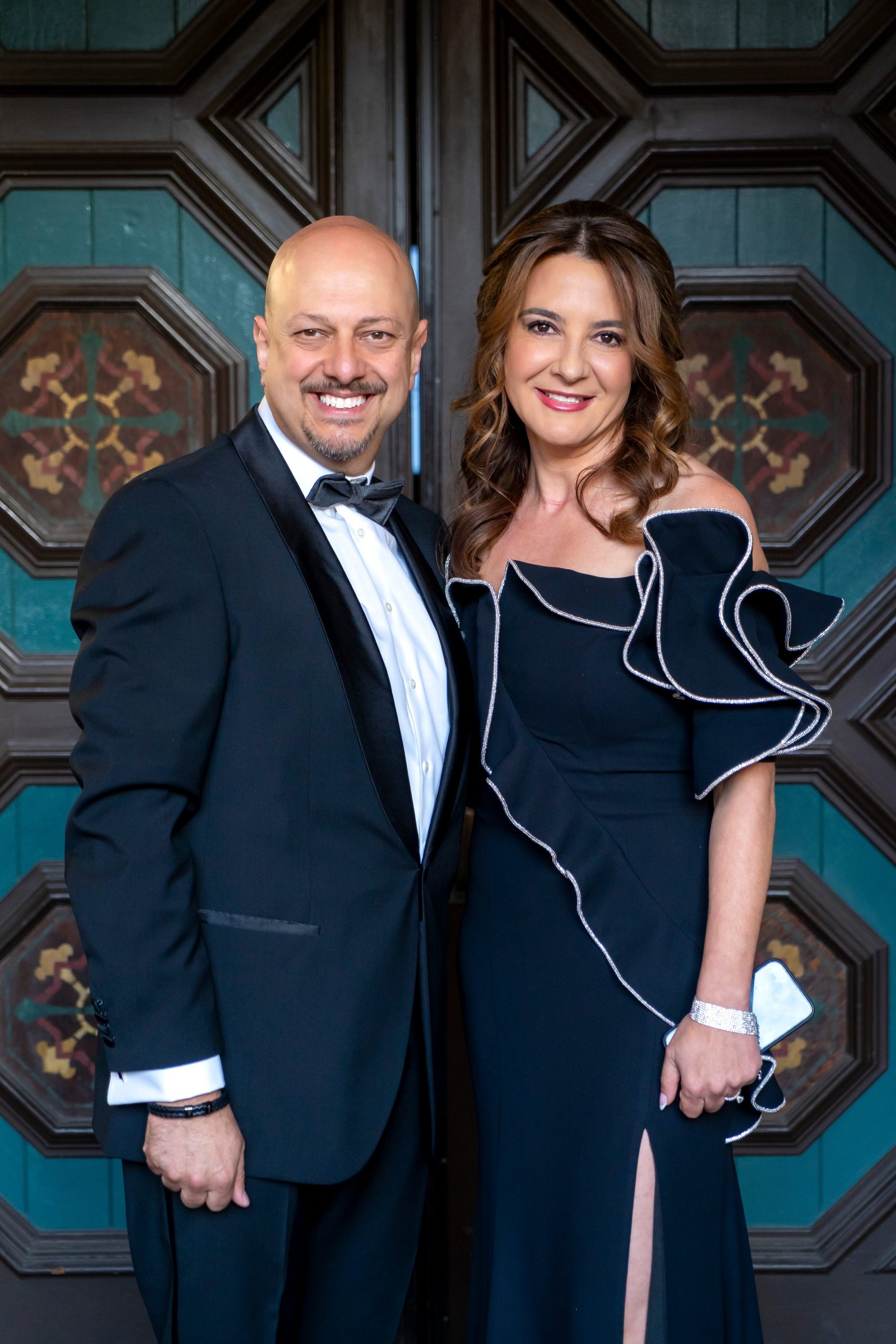
Today we’d like to introduce you to Rita Saliba.
Hi Rita, we’d love for you to start by introducing yourself.
My journey didn’t begin with a business plan; it began with a diagnosis. In 2012, when my son was diagnosed with autism, the world I knew—the world of finance and small business lending—suddenly felt small compared to the ‘world of uncertainties’ we were thrust into.
I spent years navigating the struggles familiar to so many families: the fear of a future where our children are seen only for their deficits rather than their brilliance. I watched as the ‘cliff’ of adulthood approached, knowing that for many on the spectrum, the reward for years of hard work in school is often social isolation or a job that asks them to hide who they are just to fit a ‘typical’ mold.
I got to where I am today because I realized that ‘awareness’ is a hollow gesture if it isn’t coupled with action. I took my background as a loan officer—where I saw the grit required to build something from nothing—and married it to my mission as a mother. I founded Blissful Seeds not just to create jobs, but to create a sanctuary where ‘differently abled’ is recognized as a strategic advantage, not a barrier.
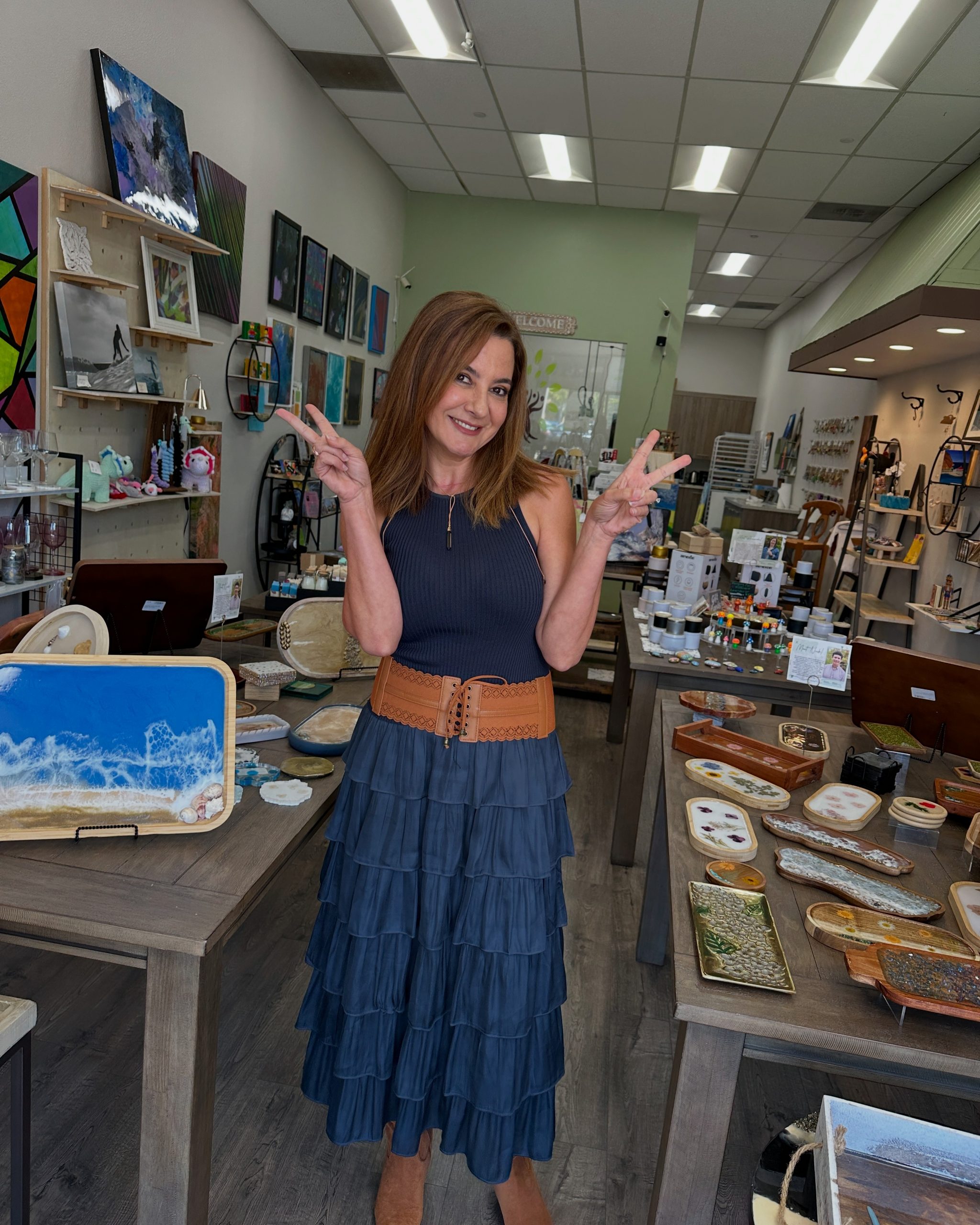
Today, we are more than a nonprofit; we are a community that proves a disability is not a sentence to a life of failure. We’ve moved from a kitchen-table dream to a vibrant storefront and vocational program that empowers artists to be entrepreneurs. I am here today because I refused to accept a world that tries to ‘fix’ my son, and instead, I decided to build a world that is ready to receive him—and others like him—exactly as they are.
Can you talk to us a bit about the challenges and lessons you’ve learned along the way. Looking back would you say it’s been easy or smooth in retrospect?
I often say that the most beautiful gardens are grown in the most challenging soil. No, the road has not been smooth—it has been a series of steep climbs and unforeseen obstacles.
The first struggle was the silence. When you enter the world of neurodiversity, there is a profound lack of a roadmap. I spent years fighting for basic visibility, advocating for my son in systems that weren’t designed to see his potential. That personal exhaustion is a weight every parent on this spectrum carries, and bringing that struggle into the public eye to start a nonprofit was a massive emotional undertaking.
Then, there was the skepticism. In the beginning, when I spoke about ‘vocational empowerment,’ many saw it as a hobby or a craft circle. I had to break through the glass ceiling of ‘pity.’ I didn’t want a program where people bought products because they felt sorry for the artists; I wanted to build a brand where the quality was so undeniable that the ‘disability’ became secondary to the talent. Moving from a kitchen table to a professional atelier meant overcoming financial hurdles, navigating complex state regulations, and constantly proving that neurodivergent individuals can—and should—be competitive entrepreneurs.
But perhaps the greatest struggle was the wait. Watching a young adult sit on a waiting list for years, losing their skills and their spark, is a quiet tragedy. Every time we faced a setback—whether it was a permit delay or a funding gap—I saw the faces of the families waiting for a spot in our program.
However, these weren’t just ‘roadblocks’; they were the blueprints for Blissful Seeds. The struggle taught me that we don’t just need more programs; we need a complete shift in how society values human contribution. We haven’t just survived the bumps in the road; we’ve used them to pave a new path entirely.
Can you tell our readers more about what you do and what you think sets you apart from others?
At my core, I am a builder of sustainable futures. What I do—and what I specialize in—is translating the ‘potential’ of adults with neurodiversity into tangible, economic self-sufficiency.
My work at Blissful Seeds is built on a foundation of professional rigor. I specialize in Customized Employment—a methodology where we don’t just find a job for a person; we build a role around their unique interests and abilities. I am known for bridging two worlds that rarely meet: the precision of the banking and lending sector and the advocacy of the special needs community.
What am I most proud of?
I am most proud of the moment an artist in our program realizes they are no longer a ‘recipient of care,’ but a ‘producer of value.’ In my previous career as a Senior Credit Officer, I approved loans for middle-size companies and government-subsidized industries. Today, I apply that same standard of excellence to our artisans. I am proud that we have moved beyond ‘awareness’ to creating a model where individuals who were once sidelined are now business owners, teachers, and creators contributing to their local economy.
What sets me apart?
What sets me apart is that I view vocational empowerment through a lens of Justice and Finance. My education in Justice Studies at Arizona State University, combined with my years as a supervisor in the banking sector, allows me to navigate complex legal and financial frameworks to secure the best outcomes for our participants.
While others may see a disability as a liability to be managed, I see it like a banker sees an undervalued asset: something that, with the right investment and structural support, can yield an incredible return for the individual and the community. I don’t just want to provide a service; I want to provide a legacy of independence.”
Can you share something surprising about yourself?
It’s true that I am an open book—transparency is a core value of my brand. But what people might find surprising is the sheer emotional weight I carry behind the professional exterior.
People see the Executive Director who analyzes financial spreadsheets and navigates state regulations, but what they don’t see is that I am a relentless dreamer. I don’t just see a program; I see a world that doesn’t exist yet, and I feel a deep, personal responsibility to build it.
I am incredibly—perhaps even radically—invested in the lives of the people we serve. For me, a participant’s success isn’t just a data point on an annual report; it’s a victory that I feel in my soul. When one of our artists makes their first sale or masters a new skill, I’m not just ‘happy’ for them—I am moved to tears. I carry their struggles home with me, and I carry their dreams as if they were my own.
Most people see the ‘business’ of Blissful Seeds, but the surprise is that every single strategic decision I make is actually an act of love. I’m not just running a nonprofit; I’m fighting for a future where my son, and everyone like him, is cherished. My ‘dreams’ might look like spreadsheets to some, but to me, they are the blueprints for a more compassionate world.
Contact Info:
- Website: https://www.blissfulseeds.org/
- Instagram: @blissful_seeds_ca
- Facebook: blissfulseeds
- LinkedIn: Rita Saliba