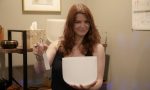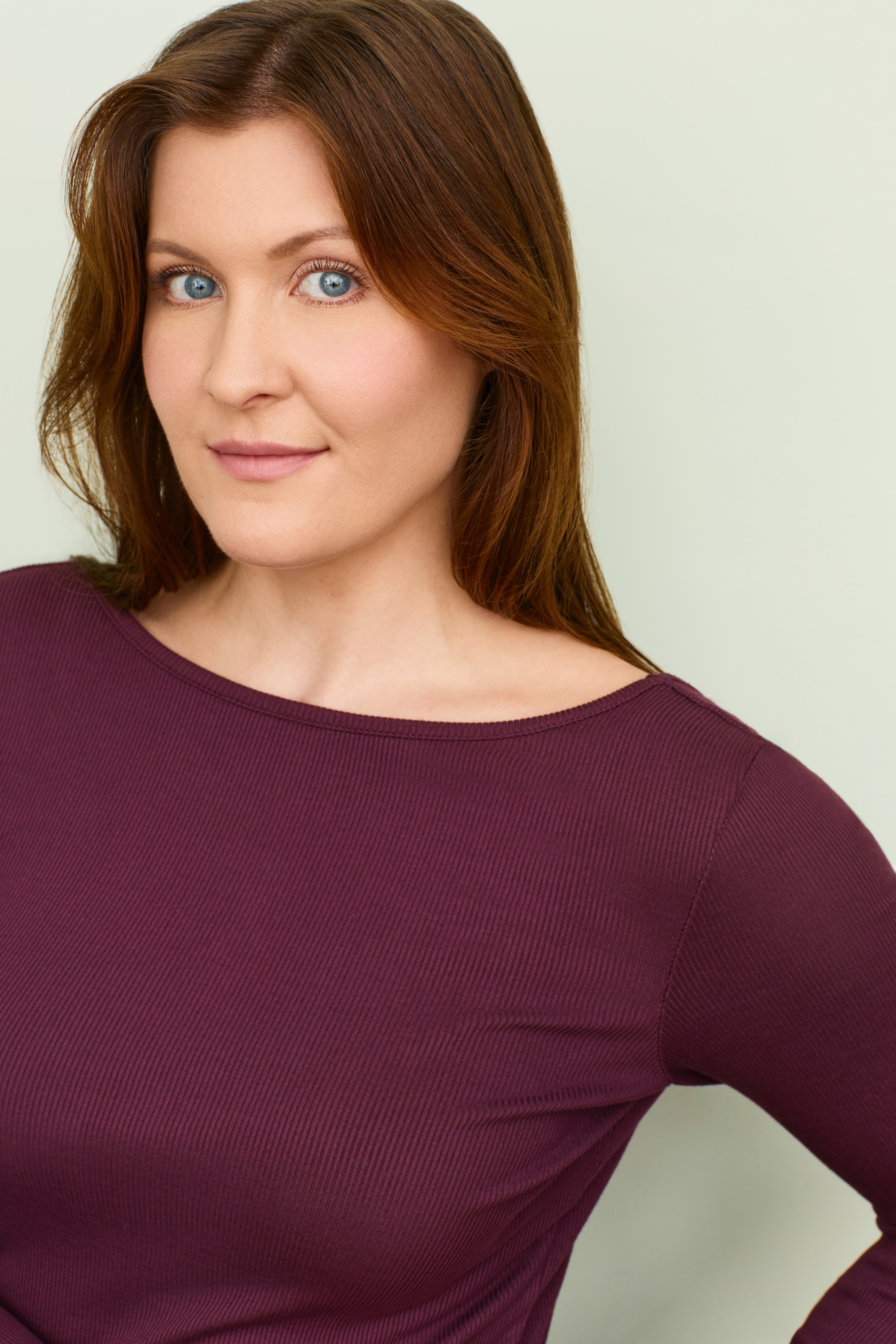
Sherilynn Rauschkolb shared their story and experiences with us recently and you can find our conversation below.
Hi Sherilynn, thank you so much for taking time out of your busy day to share your story, experiences and insights with our readers. Let’s jump right in with an interesting one: What is a normal day like for you right now?
A normal day for me right now starts at 6am. I open the curtains immediately because if I don’t, I will try to negotiate with myself into going back to sleep. I throw on workout clothes, make the bed so I feel like I’ve done something, and I’m out the door to Pilates by 645am. That hour is my favorite part of the day because it’s the only time my brain takes a break from running its daily marathon of to-do lists and ideas.
After Pilates I’ll sometimes swing by the grocery store, or head home and step into what I call “CEO of my own life” mode. I check emails, organize my to-do list, and map out class schedules so I can keep myself somewhat sane. I work in 45-minute focused blocks with 15-minute breaks in between, and during those breaks I try to do something that resets my brain a little. I’ll play a quick game of chess, or pick up my guitar, lately I’ve been deep in a sourdough phase. I didn’t expect bread to become my creative outlet, but there’s something very satisfying about keeping something alive and watching it grow… which feels oddly symbolic of life right now.
Can you briefly introduce yourself and share what makes you or your brand unique?
I am a San Diego-based artist and actress who specializes in character-driven pieces that explore serious subject matter. Some of my favorite themes to explore are psychological, emotional, family dysfunction, and disillusionment.
I’ve built my experience through independent films, student productions, and collaborative creative projects, with on-screen work including Bringing Someone to Life, Confession, Kiss the Barrel, and other emerging projects within the Southern California indie film community. I’m currently a student at the Identity School of Acting, where I continue to train and refine my craft. I’m Known for my natural presence and commitment to truth in performance, I believe storytelling has the power to turn isolation into empathy, and when people share their truth, it reminds others they’re not alone.
Okay, so here’s a deep one: What’s a moment that really shaped how you see the world?
The moment that really shaped how I see the world, was more like a season of my life growing up in a military family. I have attended too many schools to count, and every time I’d start to feel settled, it was time to start over again. As a kid, that meant always being the new one, the observer, the person trying to figure out where they fit. At the time it felt isolating, but looking back, it taught me how to read people, adapt quickly, and understand that everyone is carrying something you can’t immediately see.
I think that experience is what naturally pulled me towards acting. Storytelling became the first place I felt like I could make sense of people and emotions, including my own. It shifted how I see the world. I don’t really take things at face value. I’m always curious about what’s underneath, what someone’s history might be, or what led them to where they are. It gave me a lot of empathy early on, and it’s something I carry into everything I do now, both in my work and in how I connect with people.
When did you stop hiding your pain and start using it as power?
I don’t think there was one dramatic moment where I suddenly stopped hiding my pain. It was a slow realization that pretending I was “fine” was exhausting. Growing up I learned how to adapt, how to be the new girl, how to observe before speaking. When you don’t feel fully rooted anywhere — even within your own family — you start shrinking parts of yourself just to survive. For a long time, I thought strength meant not needing anyone and never admitting I felt disconnected.
Acting changed that. Stepping into characters who were messy, grieving, ambitious, flawed made me realize I wasn’t alone in what I felt. The pain I once tried to hide became texture. It became empathy. It became range. I stopped seeing it as something to fix and started seeing it as something to channel.
I also stopped trying to fit into other people’s ideas of me. It’s not my responsibility to manage what someone else believes about who I am. However, it is my responsibility to live truthfully and show up fully. The moving, the distance, the disconnection that once made me feel like an outsider now allows me to step into complex emotional worlds without fear.
Pain can isolate you, but when you use it as fuel instead of a hiding place, it becomes power.
So a lot of these questions go deep, but if you are open to it, we’ve got a few more questions that we’d love to get your take on. What would your closest friends say really matters to you?
My closest friends would probably say I have a strong internal compass and it doesn’t wobble. My morals and values aren’t flexible depending on the room I’m in — they’re steady.
Integrity really matters to me. My morals and values aren’t seasonal or situational. I care deeply about honesty, even when it’s uncomfortable. Especially then. I’d rather have an uncomfortable truth than a comfortable illusion.
They’d also say I care deeply. I genuinely want to understand where people are coming from, even if we land in different places. I think you can stand firm in your values without bulldozing someone else’s perspective. That balance of truth and understanding is something I protect fiercely.
Okay, so before we go, let’s tackle one more area. What is the story you hope people tell about you when you’re gone?
I hope people say “she lived honestly. That she didn’t shrink to make others comfortable or bend her values to fit the room. That she told the truth — in her work and in her life — even when it was hard.” I also hope they say “she had the courage to pursue a usually untraveled path.” Choosing the film industry isn’t typically on the standard list of “acceptable” careers you’re handed growing up. It’s uncertain and vulnerable, and I hope they say “she went after it anyway because it was aligned with who she truly was.”
Most of all, I hope they say “she made people feel seen. That through her stories and performances, she reminded people they weren’t alone. That she turned her own pain into something that gave others permission to feel theirs. Not fearless — but brave enough to choose growth over comfort, integrity over approval, and purpose over predictability.” If my life gave even one person the courage to live more fully, that would be enough.
Contact Info:
- Website: https://www.sherilynnrauschkolb.com/
- Instagram: @Sherilynnrauschkolb
- Other: IMDb – https://www.imdb.com/name/nm13090609/?ref_=ext_shr_lnk