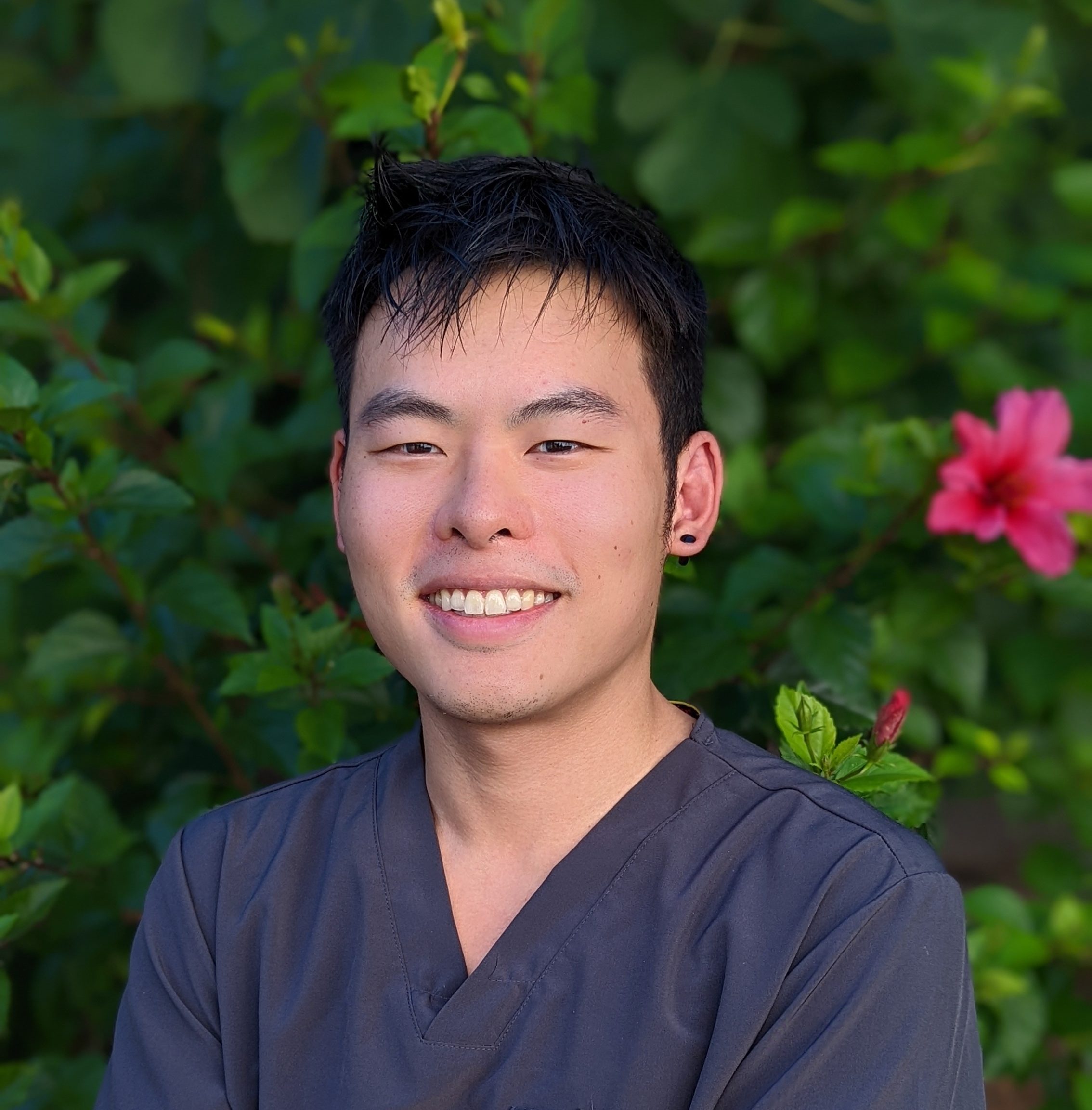
Jimmy, you run a solo physical therapy practice with a niche focus on headaches and vestibular disorders—can you share what led you to specialize in this area and why it feels so important to you?
I would say it’s a mix of lived experience and also necessity. I am in fact a chronic headache patient and have had a 24/7 headache for the past seven years. When I first got out of school, I was working in acute rehab which was very physically taxing work. I had to be responsible for teaching people how to walk again after serious neurological injuries, such as a stroke. But when I became a chronic headache patient, this became much more difficult. I knew I had to shift, but I also knew that I wasn’t that interested in orthopedics. My interest still lies in neurology. So vestibular and headaches made a lot of sense to transition into and I haven’t looked back since.
For readers who may not be familiar, how do vestibular disorders show up in everyday life, and why do you think public awareness around dizziness and vertigo remains so low?
There are over 20 vestibular disorders in existence, and they all present differently. It’s important to realize that vertigo is a symptom and not a diagnosis. Many people equate vertigo to a single vestibular disorder called benign paroxysmal positional vertigo – both lay people and healthcare providers alike. It’s a fairly easy diagnosis to treat. But when we use it as a blanket explanation for a patient’s vertigo, we can set them up for disappointment.
Vertigo can be loosely defined as a false sense of movement when there actually is none. This can present in many different ways, such as: room spinning, swaying, or rocking on a boat. It can even be more abstract than that, such as feeling out of body. Public awareness likely remains low because these are invisible illnesses. There also isn’t enough emphasis placed on vestibular disorders in most healthcare curriculums. The demand is very high, but there is a shortage of qualified professionals, further diluting public awareness.
What makes treating headaches and vestibular issues different from more commonly understood physical therapy work?
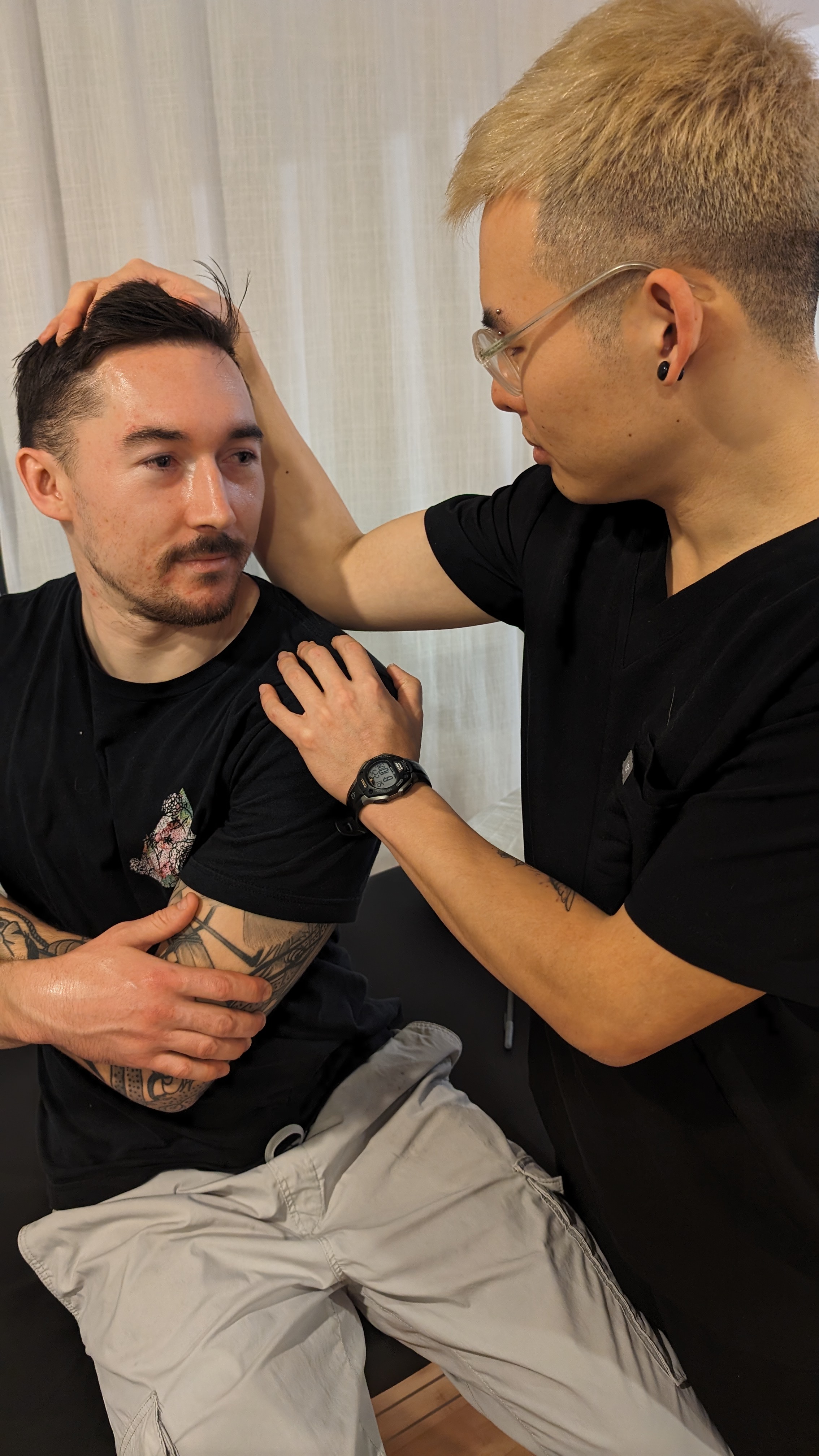
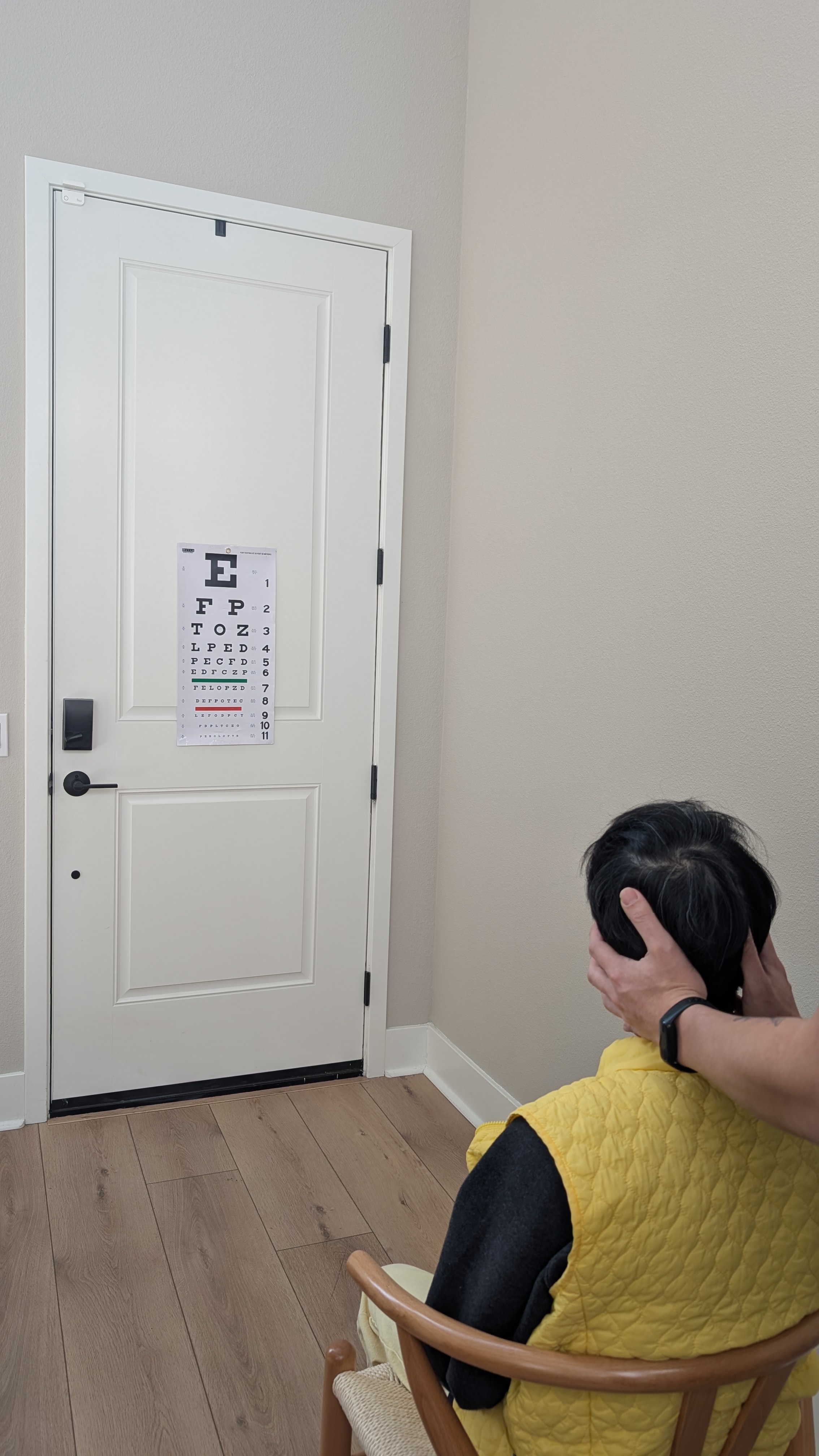
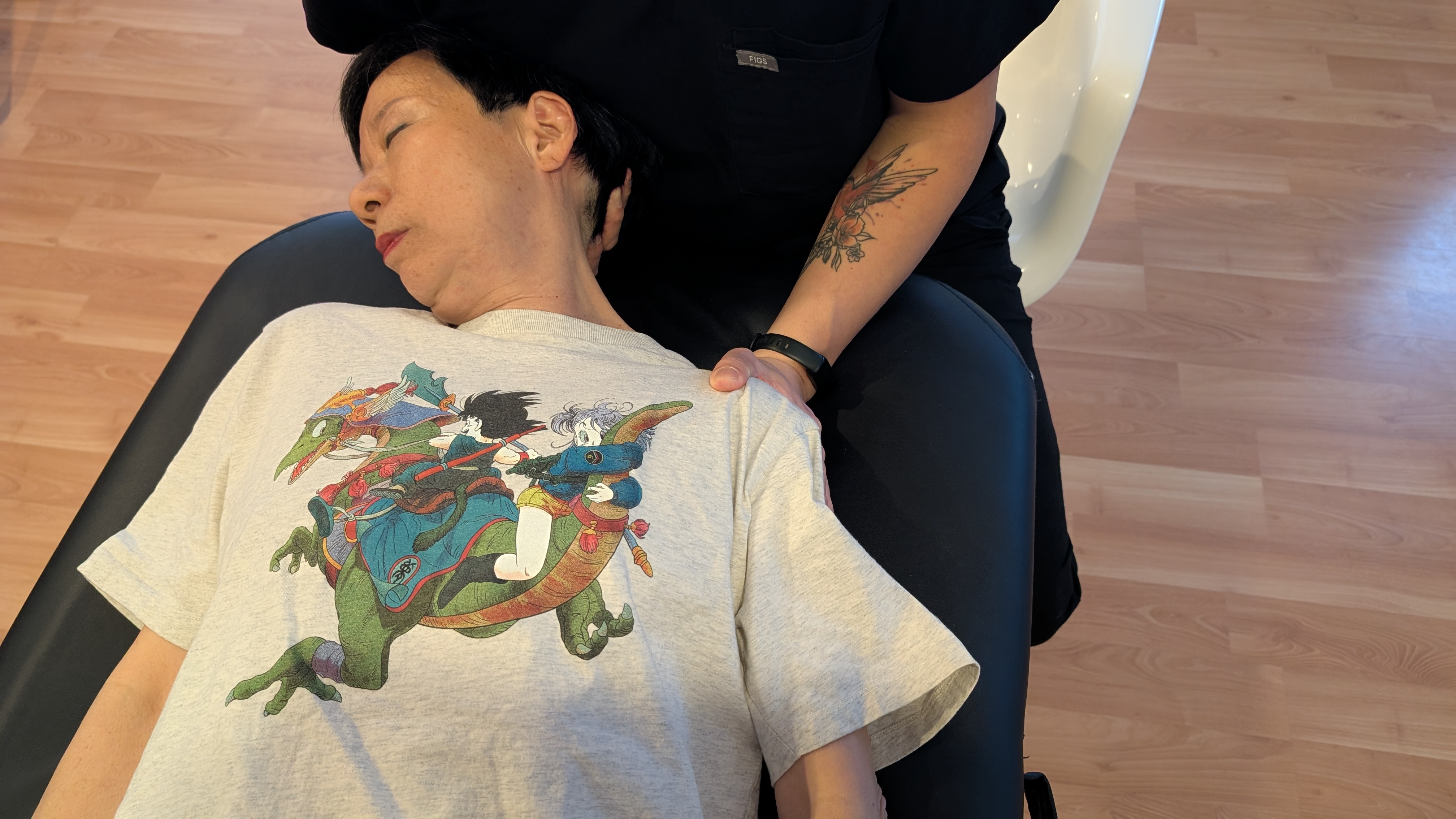
Physical therapy is so much more than orthopedics. We can work on many different physiological systems of the body, especially those of the head and neck, when it comes to headache and vestibular issues. Generally, I take a comprehensive look at neck dysfunction, eye movements, and inner ear function. These are systems that need to be integrated well in the brain for a healthy sense of balance. Dizziness, vertigo, and headaches are a result of systems mismatch. The good news is that these systems can be recalibrated and retrained with the proper interventions. The fact of the matter is that vestibular therapy is actually the gold standard for treatment of most vestibular disorders. It produces much better outcomes than medications.
Your current model is in-home treatment—what have you learned from working directly in patients’ homes, and how does it shape outcomes and relationships?
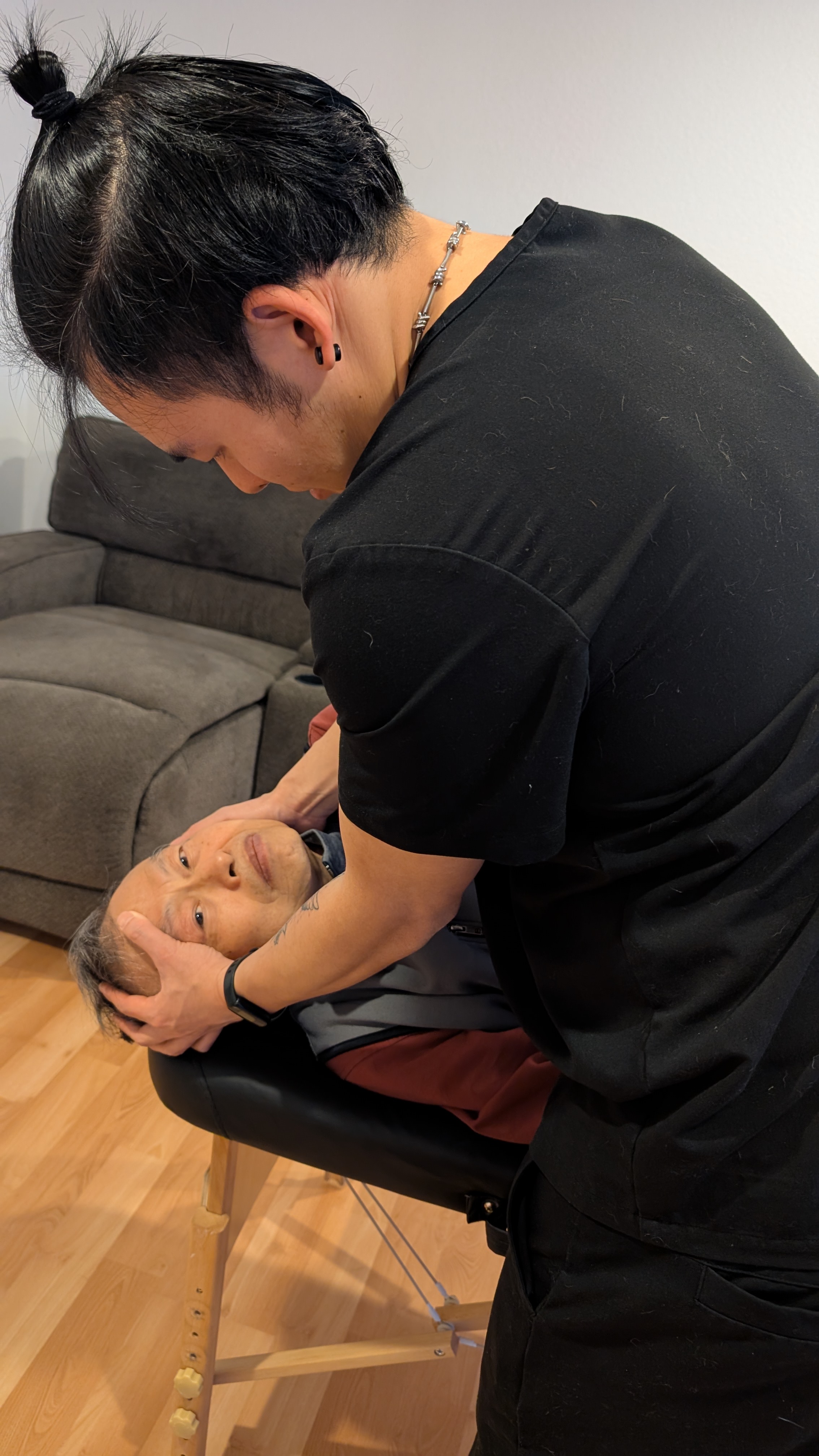
If you’re dealing with dizziness or vertigo, having in-home care can make all the difference! It isn’t easy sitting in a car when you are feeling unwell and especially sensitive to motion. Going to them already helps to give them a sense of control and safety. It’s a great way to start and much more manageable for patients as they become more confident and advanced in their interventions.
As your practice continues to grow, what are your hopes for expanding education or access around vestibular care in the future?
My dream is to build a practice specifically dedicated to vestibular and headache disorders. I would love to go beyond physical therapy intervention though, and include other specialties that address the physiological systems of the head and neck. This could include vision therapists, occupational therapists, speech therapists, and even neck and shoulder massage therapists. Right now, patients spend too much time being bounced between different providers. By having everyone under one roof, I’m looking to streamline care and recovery for the headache and vestibular community.