



Today we’d like to introduce you to David Obuchowski.
Hi David, thanks for sharing your story with us. To start, maybe you can tell our readers some of your backstory.
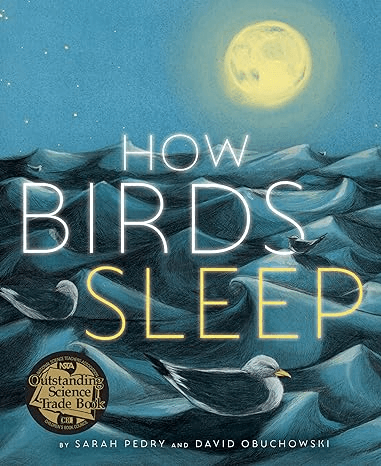
My name is David Obuchowski, and I am a professional copywriter/engagement expert of 25 years. Throughout that time, I have an active creative life, which includes being in many bands that release records and tour, publishing fiction with literary journals and magazines in the US and abroad, publishing long-form essays, writing/producing/hosting a documentary series podcast that was developed into a television show, and being an award-winning children’s book author.
In parallel with this creative output, I do a lot of marketing/engagement/communications/editing work for various clients in the financial, lifestyle, tech, and non-profit spaces.
I’m sure it wasn’t obstacle-free, but would you say the journey has been fairly smooth so far?
It’s never a smooth road. In fact, I’ve grown so accustomed to it being a rough road, that I get very anxious during the rare times when it feels smooth. The music and publishing industries are extremely difficult (from many perspectives). And I have found that between economic turbulence, AI, and other factors, the professional side of things has become more challenging despite (or, in some ways, because of) my experience.
That is to say, I’ve been doing my professional client work for 25 years. That’s a lot of experience. But from what I’m observing, experience is not as valued as it once was. This is a great time to be a young, aspiring copywriter because companies are looking for people who are current with new platforms and technology and vernacular. Also because, anecdotally, hourly freelance rates seem to be falling. I am seeing more and more mid-weight copywriter vacancies at around $30 – $40. Clearly, companies and agencies are making an effort to attract younger professionals who may very well be more able to adapt to our more rapidly evolving (or devolving…er, let’s go with “changing”) world.
Alright, so let’s switch gears a bit and talk business. What should we know?
When I was in college and then in my early copywriting days, I was really inspired by how artful and irreverent advertising could be. In fact, when I was at the University of Illinois, I was writing radio commercials for a local media company AND for a boutique national agency located in Portland, Maine. (This was late ’99 to early ’01, so I would receive my orders by fax and then fax back my copy!) I really liked to play with the form and push how creative an ad-buyer was willing to go.
For example, one highlight from back then was a five-part radio campaign for The Texas Roadhouse. They wanted their menu items featured heavily. The way it had been was a 30-second spot with some twangy kind of rock and a narrator just, essentially, listing off the items and the address. But what I pitched them on was going with a series of 60-second spots, and building an actual story. It was called “The Steaks of Our Lives” and it was a parody of a soap opera. They went for it (to my surprise), and the spots opened with narration along the lines of, “Welcome to the Steaks of Our Lives, where key story features are replaced with menu items from the Texas Roadhouse.” And then it would be these very quick scenes with overwrought acting. Like, “Randall, I think you should know, the 16 ounce porterhouse with bleu cheese…isn’t yours.” And then each spot would end with a “Tune in next time, when…” and there would be a teaser. This was for the Illini Media Company’s radio station 107.1 WPGU, and I ended up casting nearly everyone in these spots because we had all these characters saying ridiculous lines. DJs, producers, I even had one of my roommates come in, but I think the best line was delivered by the receptionist.
In any case, that was where I’d come from. But after I graduated, I was finding more and more work with financial institutions. It really drove home for me that there was a lot more than just being, you know, fun. People had real money involved, they had their retirements invested. Suddenly you realize, there’s a lot more than just getting someone’s attention or capturing a lead. We had services and tools that could help them grow gains or mitigate losses, but it was complicated stuff. So this was a real lesson for me in engagement and clarity. When I got it right, I saw results. I saw clients sticking around, retention rates going up. I was creating newsletters with real content, and people were writing in letters to the editor.
That really resonated with me because it challenged my perception of what creativity was. I never stopped coming up with irreverent campaigns over my career, but I also reflected on what art (literature and films) moved me the most, and it was the quieter stuff that I connected with on some deeper level. And I realized, wow, if my remit is to communicate with people who have hundreds of thousands of dollars invested, they have a lot of stake, and I’d better not take it lightly, I’d better really pull from what I know about connecting.
And so, here I am 25 years later, and I think what I bring to every project is a real focus on connection and engagement with the audience. I can dial the creativity and irreverence up or down depending on the project. But no matter what, I see every project as an opportunity to create something that resonates with people, that inspires them to act, that is meaningful. That’s what a client gets from me.
What has been the most important lesson you’ve learned along your journey?
You cannot underestimate the importance of working with good people. Not only does it make your workday more enjoyable, You can learn so much, and it makes you more invested in what you are doing. If you have the opportunity to work with someone who you sense is smart and who treats you with respect, open yourself up to learning, to asking for feedback. Clients and jobs come and go, but these connections can persist and resurface, and the things you learn from each other make you so much better. On the flipside, a lesson I am still learning is when to say no, or when to end things with clients or companies who aren’t giving you what you deserve. This business can be tough. You have to scrap and eat what you kill, but on the other hand, if all of your bandwidth is taken up by clients who underpay you or don’t treat you with respect, then you have none to give to better opportunities.
Contact Info:
- Linkedin: linkedin.com/in/dobuchowski
- Other: www.davidobuchowski.com
Popular
-

San Diego’s Most Inspiring Stories
-

Reclaiming Boundaries: Tanya Dantus on the Transformative Power of Saying No
-

Reclaiming the Kitchen: CC Consalvo’s Mindful Approach to Everyday Health
-

Leading Through the Hard Seasons: Dr. Anita Polite‑Wilson on Resilience, Anticipation, and the Real Work of Leadership