With a new slate of deeply personal and socially resonant releases, Anna David is reaffirming a publishing vision rooted not in genre, but in truth. From addiction and trauma to recovery, mental health, and medical possibility, the books her company champions are united by one common thread: lived experience shared with intention and care. Rather than chasing volume or trends, Anna focuses on stories that confront hard realities, honor nuance, and help readers feel less alone — work she sees not as content, but as legacy.
Hi Anna, thank you so much for taking the time to share your work with our readers. Your company has recently released a powerful and diverse group of books, ranging from deeply personal memoirs to transformative health stories. What inspired this latest collection, and what connects these projects under one publishing vision?
What connects our most recent group of books is less genre and more concept.
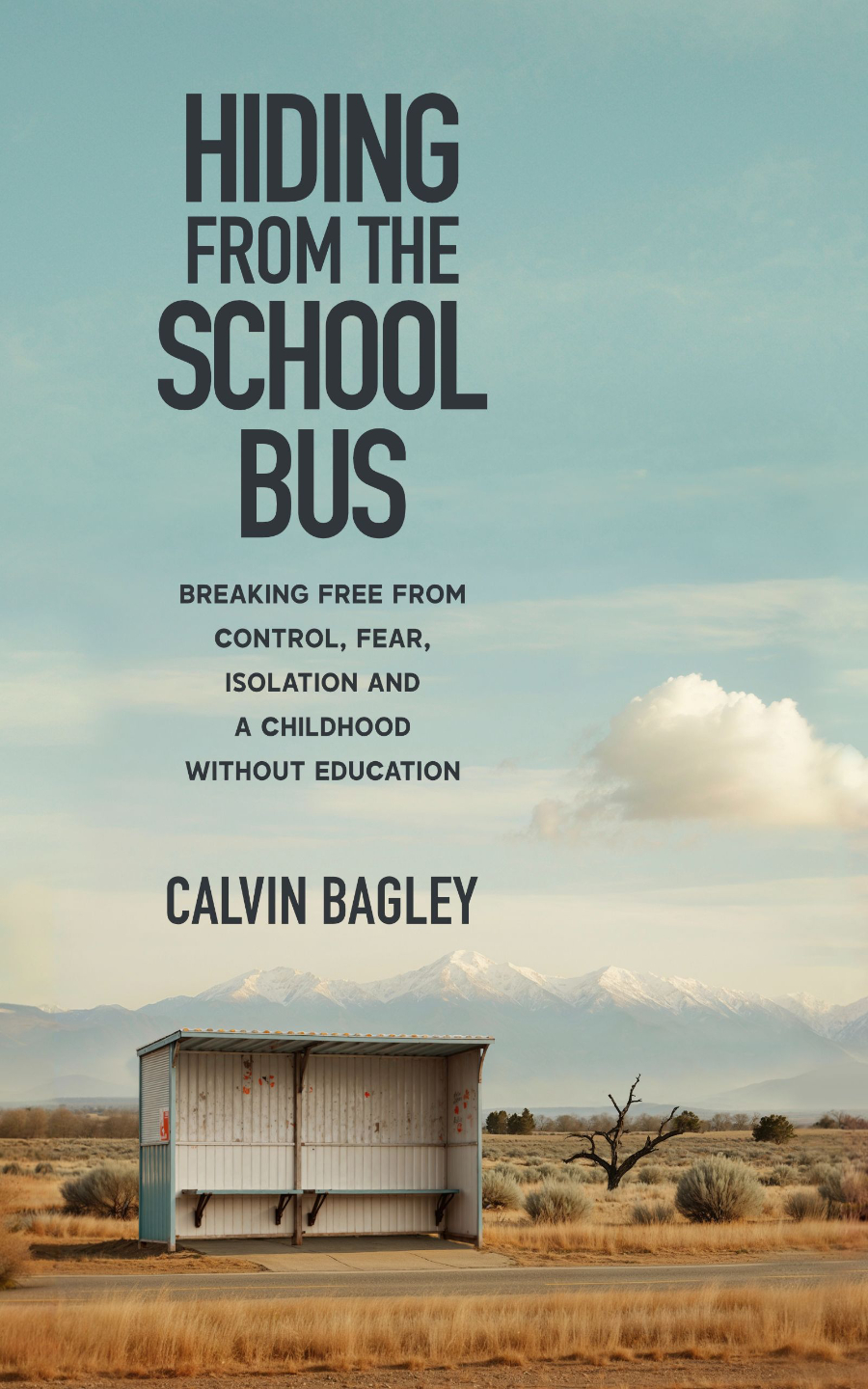
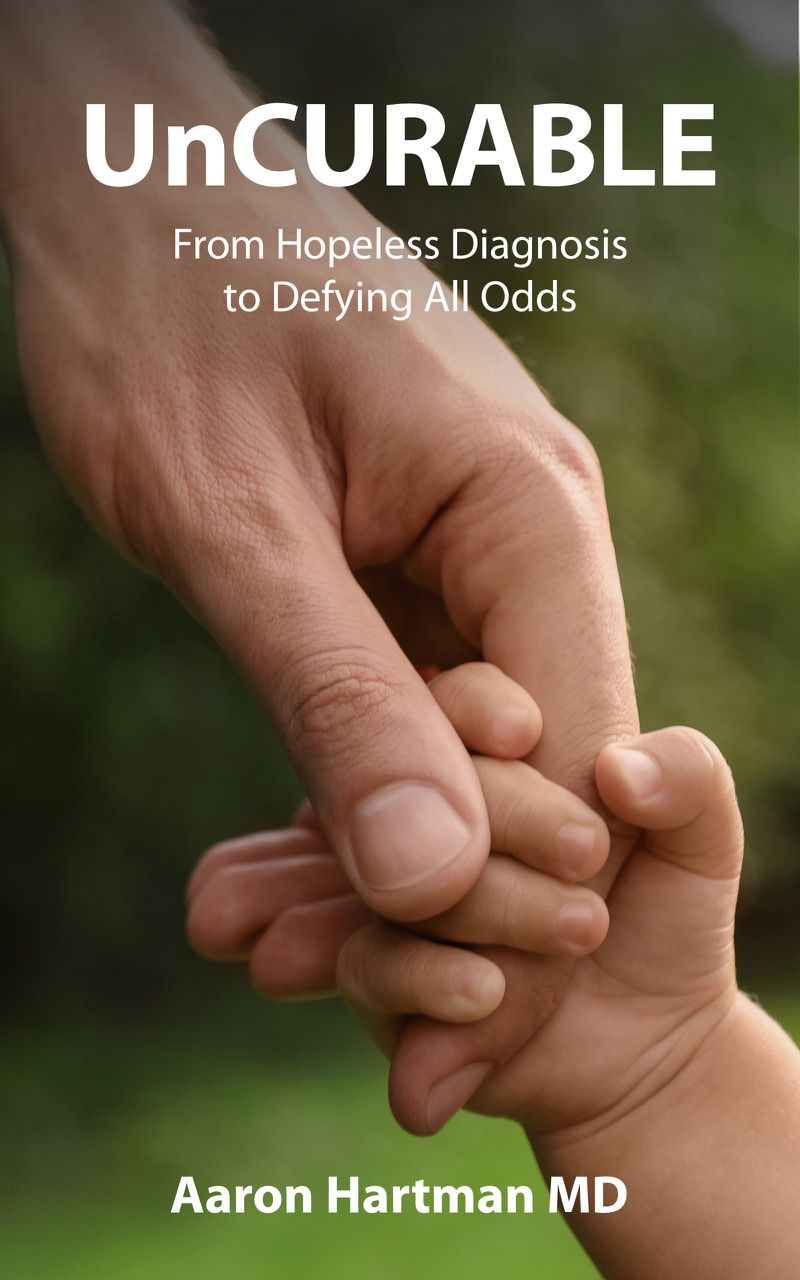
Each of these authors didn’t just want to release a book so they could say “I published a book.” They wanted to tell the truth about something that shaped them. In Addicted to Failure by Jimmie Applegate, it’s about how broken systems can keep people stuck in addiction. In Uncurable by Dr. Aaron Hartman, it’s about a father who refused to accept limits placed on his daughter’s cerebral palsy diagnosis and searched for new paths to healing. In Hiding from the School Bus by Calvin Bagley, it’s about the long shadow of childhood abuse and the resilience it took to survive it.
We like to publish books that change the conversation, whether it’s about recovery, trauma, mental health, medical possibility or anything else.
Several of these books tackle incredibly heavy and vulnerable topics, including overcoming abuse, addiction, and serious medical challenges. What draws you to stories rooted in resilience and transformation, and why do you believe these narratives matter so much right now?
We’re living in a time where so many people are quietly struggling—with addiction, burnout, depression or the feeling that they’re failing at life despite doing everything “right.” Stories of real resilience cut through that in a way advice alone never can.
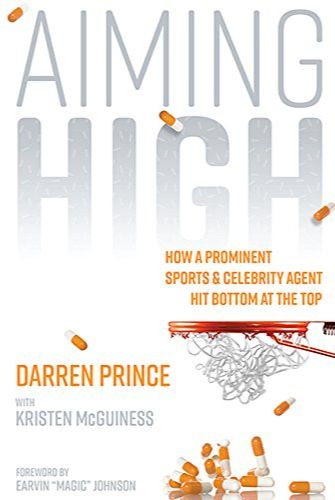
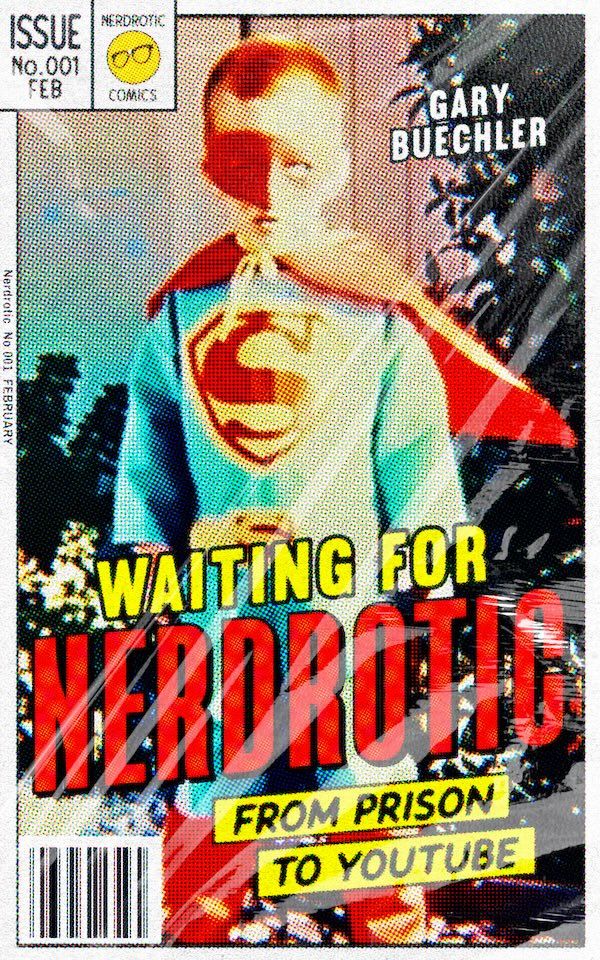
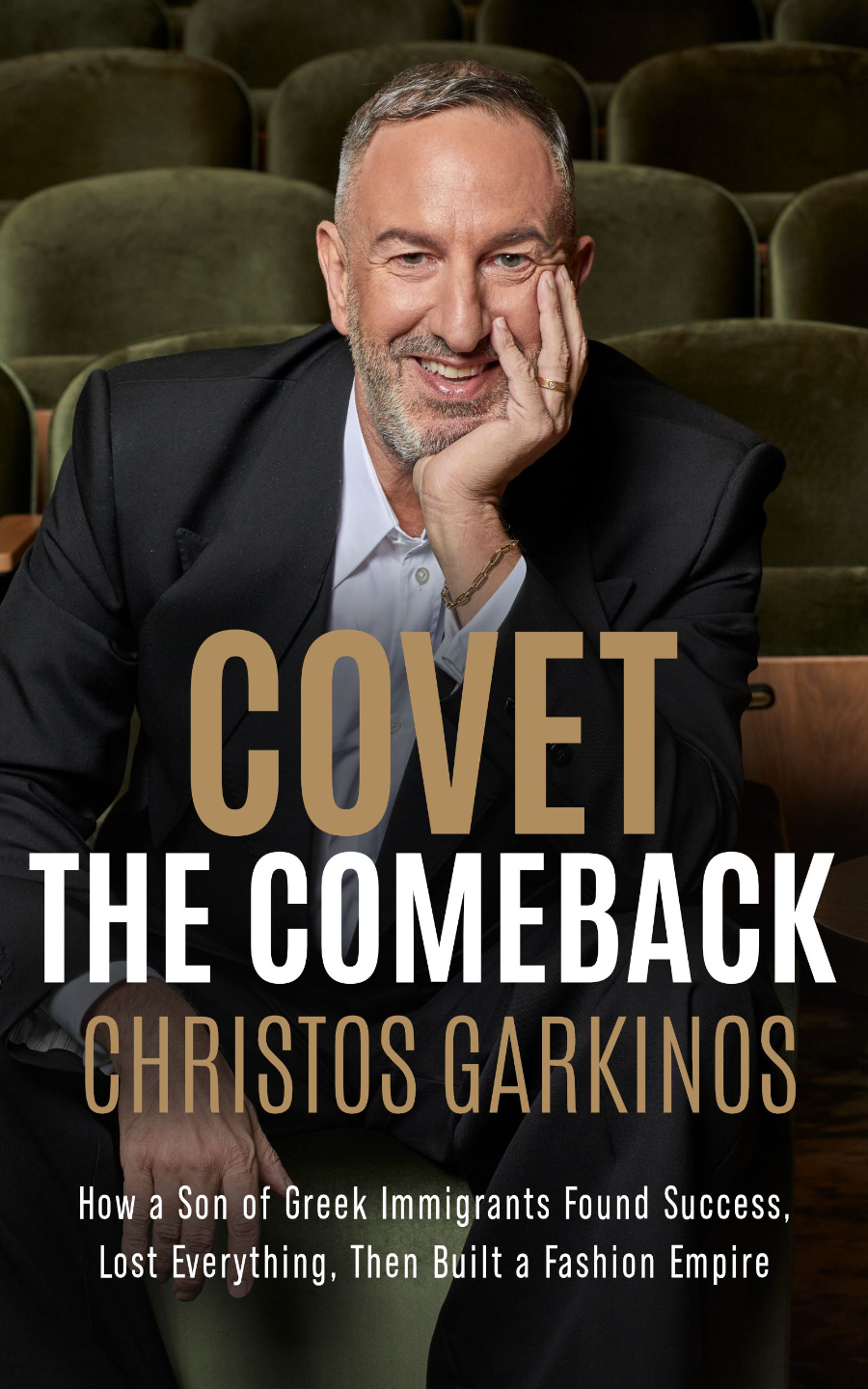
In Aiming High by Darren Prince, readers see a high-powered sports agent at the top of his game confront his own addiction and rebuild his life from the inside out. Waiting for Nerdtrotic by Gary Buechler shows that even someone who’s been homeless and spent time in jail can find recovery (and then build a massive online following). And Covet the Comeback by Christos Garkinos shows that recovery isn’t just about survival but reinvention.
None of them pretend transformation is easy or glamorous. They show the messy middle, and what happens if you’re willing to muddle through.
As a publisher, how do you approach working with authors who are sharing such intimate parts of their lives, especially when their stories challenge cultural norms, belief systems, or conventional thinking?
First, with a lot of sensitivity. It’s so important that an author has processed something traumatic before writing a book about it and we’ve turned down working with people we believe need more time.
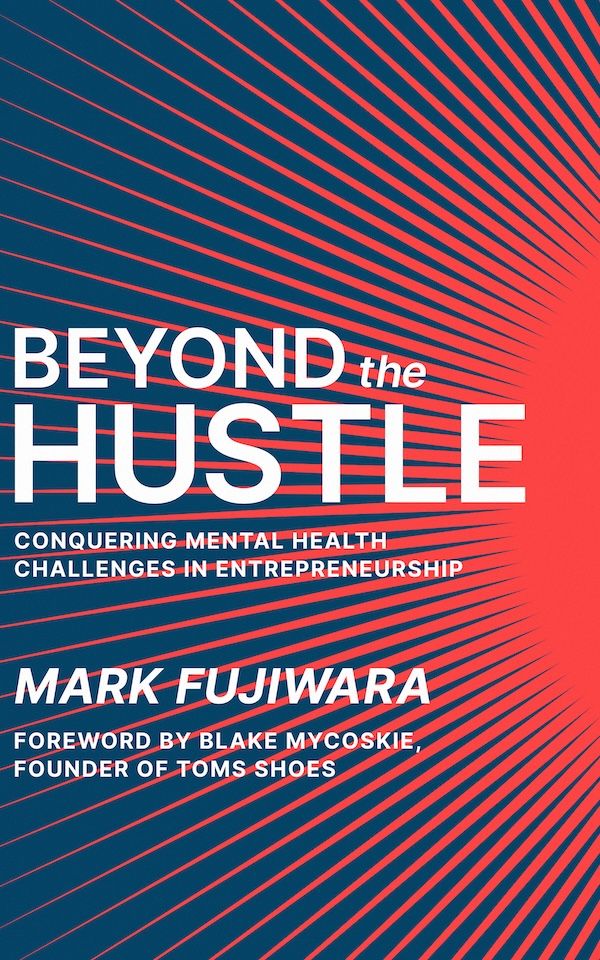
When someone is sharing their experience with addiction, suicidal thoughts or a child’s medical journey, the process has to feel safe and collaborative. With Beyond the Hustle by Mark Fujiwara, which explores depression and the emotional cost of high achievement, we were especially mindful about showing that even people who “have it all” can struggle in unimaginable ways.
At the same time, we don’t shy away from the parts that feel uncomfortable or unconventional. Addicted to Failure challenges the effectiveness of parts of the rehab industry. Uncurable questions what families are told is medically possible. Our job is to help authors express those ideas clearly and responsibly, while preserving their voice and truth.
This new group of releases spans very different worlds — religion, digital culture, addiction recovery, and alternative medicine. How do you balance honoring each author’s unique voice while maintaining a cohesive standard and mission for your company?
It’s really more about standards than topics. There are publishing companies out there that literally advertise that you can write a book in two weeks or even a weekend, and they often stress that it doesn’t matter what’s in the book—that it’s just about being published. They promote that they publish hundreds of books a year. I don’t see how it’s possible to maintain quality at that level.
I see a book as a part of a legacy—something that will outlast you. Why would you want to attach your name to something that isn’t of the highest quality?
For the books we ghostwrite, we work with writers I’ve known for years—some decades. They’re pros at the top of their game—people who write for places like the New York Times and who have ghosted Wall Street Journal and USA Today bestselling books. I’m the first to admit that I’m a snob when it comes to writing: I don’t want someone who learned “copy” or “content” but someone who creates art.
I want each of our books to provide real value for the reader. The voice of a sports agent rebuilding his life after addiction in Aiming High is very different than the voice of a survivor reflecting on childhood trauma in Hiding from the School Bus. But each of these books is grounded in lived experience and written with the intention of helping someone else feel less alone. I often say I’d rather have 100 people read a book and have their lives change as a result than 10,000 people who will forget about the book the next week.
In an era where attention spans are short and publishing is rapidly changing, what excites you most about bringing long-form, story-driven books into the world today?
Books are one of the only places where nuance gets to exist today.
A social post might tell you that recovery is possible. A book like Waiting for Nerdtrotic or Aiming High can show you the full arc—the denial, the consequences, the turning point and the daily work of staying sober. A headline might talk about depression, but Beyond the Hustle can walk a reader through the emotional unraveling behind high performance.
Authors are the only people around who are providing substantive content. A book is the rare opportunity in this day and age to get to share your story in a truly meaningful way.
Looking ahead, how do you hope readers are impacted by these books, and what kinds of stories are you most excited to help amplify next?
My hope is that readers see themselves somewhere in these pages—if not in the exact circumstances, but in the emotional journey.
If even one person struggling with addiction reads Addicted to Failure, Aiming High, Waiting for Nerdtrotic or Covet the Comeback and feels less alone, that matters. If a parent facing a daunting diagnosis finds possibility in Uncurable, that matters. If a survivor of childhood trauma sees their experience reflected in Hiding from the School Bus, that matters.
Looking ahead, I’m most excited to continue amplifying the voices of people who have been through something, made meaning from it and now feel called to share their journey with the world.






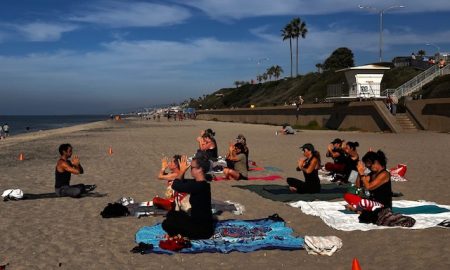 Finding Flow by the Shore: How Mary Reaston Is Redefining Wellness with Yoga Your Way
 Chris Dowd on Documenting the Seasons That Matter Most
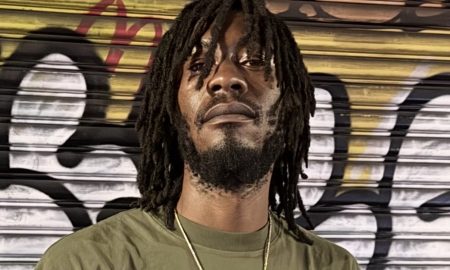 For the Marathon: DaygoSmoove Opens a New Chapter With The Warm Up
 Scaling With Intention: Inside the Rise of Rather Be Properties
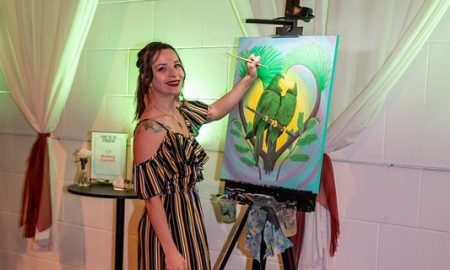 Where Creativity Meets Community: Zara Murphy’s Parkside Palette
 Honoring Heritage, Designing the Future of Muay Thai
 Choosing Nuance in a Binary World
 Wellness as a Competitive Edge
 A New Season of Alignment and Sisterhood