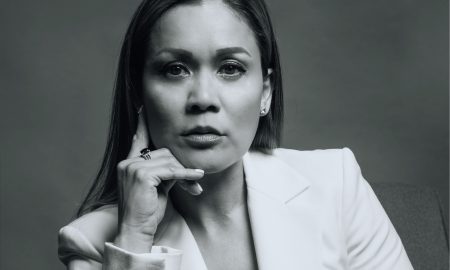
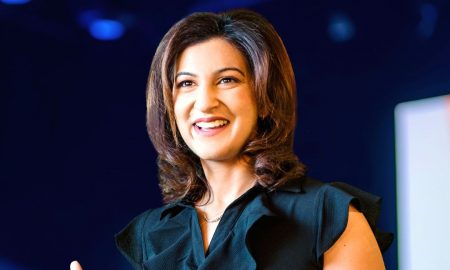
For holistic chef CC Consalvo, better health starts not with complicated diets but with a functional, empowering kitchen. Through his program The Mindful Kitchen, Consalvo teaches people how to organize their space, plan meals efficiently, and create a natural “flow state” while cooking—skills he developed while working with private clients and patients referred by doctors who needed support but couldn’t hire a personal chef. Instead of promoting one nutrition philosophy, his system focuses on building sustainable cooking habits that work for any lifestyle or medical protocol, helping students shift their mindset from seeing cooking as a stressful chore to embracing it as a powerful form of self‑care and long‑term wellness.
CC, as a personal holistic chef, what inspired you to create The Mindful Kitchen, and how did your experience working with private clients shape the method you’re now teaching others?
I truly believe great health begins in the kitchen. However, most of us neglect cooking for ourselves because we think it’s too hard or we don’t have time.
In order to execute well as a chef, I had to be very organized and create a system that included meal planning, efficient grocery shopping combined with tool placement and creating a cooking flow state. That is exactly what The Mindful Kitchen is based on. It’s not a cooking class, rather it’s a bring your kitchen to life and making it user-friendly class. This concept sets people up for every-day cooking success, which to me is the best longevity tool there is.
You mentioned the class began after a request from a partnering doctor whose patients couldn’t hire a private chef—how did that moment influence your decision to turn your personal workflow into something accessible to a wider audience?
When someone isn’t well and has to change their eating habits, it can be exhausting to cook. Especially if they feel lost and unprepared. So when the Doctor mentioned his patient was ill but not in a position to hire a chef, I felt for him.
My clients are everyone from young adults going off to college or moving into their own places. Newlyweds and of course my partnering Doctor’s patients, who have been recently diagnosed.
I thought maybe I could break down my strategy into simple steps and essentially, show people how to become their own personal chef. And it’s working! People who once believed they couldn’t cook, are now consistently meal prepping and feeling better as a result.
One unique aspect of The Mindful Kitchen is that it doesn’t promote a specific diet or nutrition philosophy—why was it important for you to design a system that works whether someone is plant based, keto, carnivore, or following a medical protocol?
Most of my clients are working with very specific and unique protocols set forth by their doctors and practitioners. So I wanted to focus only on a framework around meal planning and setting up the kitchen. This way, as needs change and protocols evolve, the practice of meal planning and cooking stays in place. This was important to me in creating The Mindful Kitchen. A system that anyone can adapt no matter their eating or cooking style.
Many people see cooking as stressful or time consuming—how does your approach to meal planning, shopping, and preparation help students move from kitchen confusion to cooking with ease and flow?
The Mindful Kitchen is specifically structured to take students from overwhelmed to efficient by breaking down meal prep into smaller more doable tasks. When we give our kitchen a little love by stocking it and having tools within reach, it becomes a lighter, more creative space.
It’s a mind game because cooking has this unique ability to reshape time. When you’re fully immersed in this creative process, time becomes less of an obstacle. With a shift in perception and a little focus, we turn a once thought chore, into a life long skill.
Lastly, when we consider 70% of dis-eases and 90% of heart conditions are preventable through diet and exercise then preparing a home-cooked meal, is an act of empowerment.
These are just a few ways I inspire my students to see cooking as a self-care tool verses a task to outsource.
You describe the kitchen as a “control center” and cooking as a form of self care—what mindset shift do you hope students experience by the end of the three week class?
If cooking is prevention, then the kitchen is our medicine cabinet. I encourage my students to see their power not only to feed themselves, but to improve how they look, feel, think and perform. So the kitchen connects us to all these amazing results. Cooking is spiritual and it connects us to the natural world. I also like to point out that preparing food, is a social and sensory experience and it’s proven to reduce anxiety.
Self-care and longevity are all the rage. The way I see it is, if we can spend hours at the gym or the hair salon, we can take a few hours a week to support our health by cooking. That’s all it takes and the return on our investment is endless. The energy you say you want, can be found in the meal you’re too busy to cook. The Mindful Kitchen breaks this cycle and restores us to our most basic, primal instinct which is preparing food.