







More in Partner Series
-
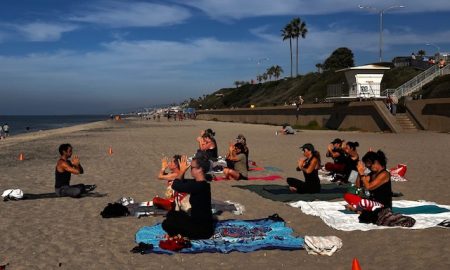 Finding Flow by the Shore: How Mary Reaston Is Redefining Wellness with Yoga Your Way
For Mary Reaston, the ocean isn’t a backdrop—it’s a collaborator. Through Yoga Your Way, Mary and her team have transformed the Carlsbad coastline into a...
March 4, 2026 -
 Chris Dowd on Documenting the Seasons That Matter Most
After 16 years behind the camera, Chris Dowd is still driven by the relationships that grow alongside the families she photographs. What began...
February 26, 2026 -
 For the Marathon: DaygoSmoove Opens a New Chapter With The Warm Up
With The Warm Up, DaygoSmoove sets the tone for a season rooted in gratitude, resilience, and long‑term vision. Drawn from early sessions at Quad Studios,...
February 21, 2026 -
 Scaling With Intention: Inside the Rise of Rather Be Properties
Built from the perspective of owners first, Rather Be Properties has grown into a multi‑market vacation rental brand by prioritizing design, data, and...
February 21, 2026 -
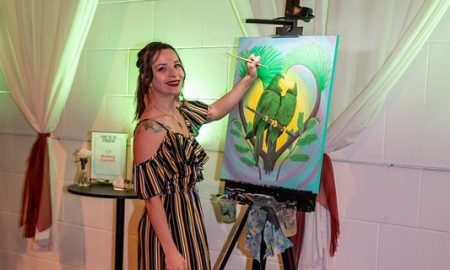 Where Creativity Meets Community: Zara Murphy’s Parkside Palette
For Zara Murphy, creativity was never meant to be practiced alone. Through Parkside Palette, she’s cultivating a free, come‑as‑you‑are gathering that invites artists...
February 21, 2026 -
 Honoring Heritage, Designing the Future of Muay Thai
For Phakapan Salao, Muay Thai was never just a sport—it was a cultural calling. Inspired by the traditions she encountered in Thailand,...
February 21, 2026 -
 Choosing Nuance in a Binary World
For Cecille Ahrens, the decision to write her first book emerged from witnessing how rigid, black‑and‑white thinking was eroding empathy in both...
February 20, 2026 -
 Wellness as a Competitive Edge
For Aesha Tahir, peak performance doesn’t start in the boardroom—it starts in the body. Through Tone and Strengthen Wellness, she helps executives transform...
February 20, 2026 -
 A New Season of Alignment and Sisterhood
For Samantha Peters, the relaunch of Light Up Your Life marks a powerful personal and professional rebirth. Born from a season of deep healing,...
February 20, 2026