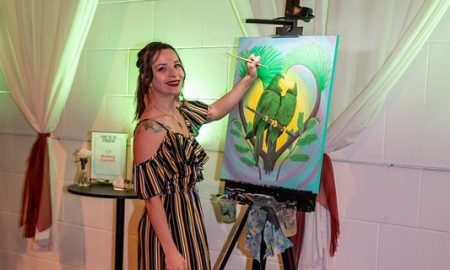
Maria, your work sits at the intersection of nature, Italian artistic heritage, and sustainability — how did these influences come together to shape your creative voice?
My creative voice was shaped early on when I studied sustainable design at San Francisco State University’s MA Design program, Here I focused on resourcefulness, durability, and low-impact materials. At the same time, interning with a Berkeley architect who designed shared living communities based on traditional village models deepened my appreciation for vernacular architecture — something that already felt personal, given my Italian heritage.
While studying architecture at the Università di Napoli, I explored how Italy’s hill towns were built from local quarry materials, creating harmony between architecture, landscape, and agriculture. That philosophy stayed with me: true design respects the land it comes from.
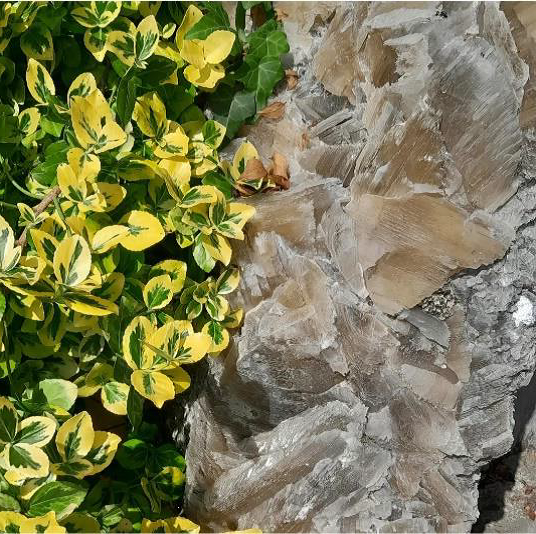
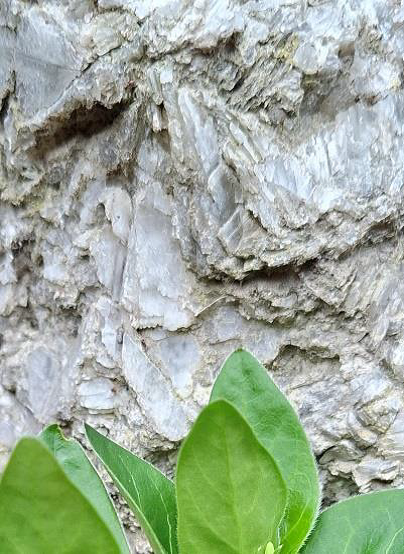
Years later, moving to Bologna and living in a historic selenite stone home — built from the very quarries that shaped the city — felt like a full-circle moment. Nature, heritage, and sustainability were never separate influences; they’ve always been one continuous thread in my work.
You often reference symbolism, repetition, and ornament in your patterns; how do you decide which natural elements or motifs become part of a collection?
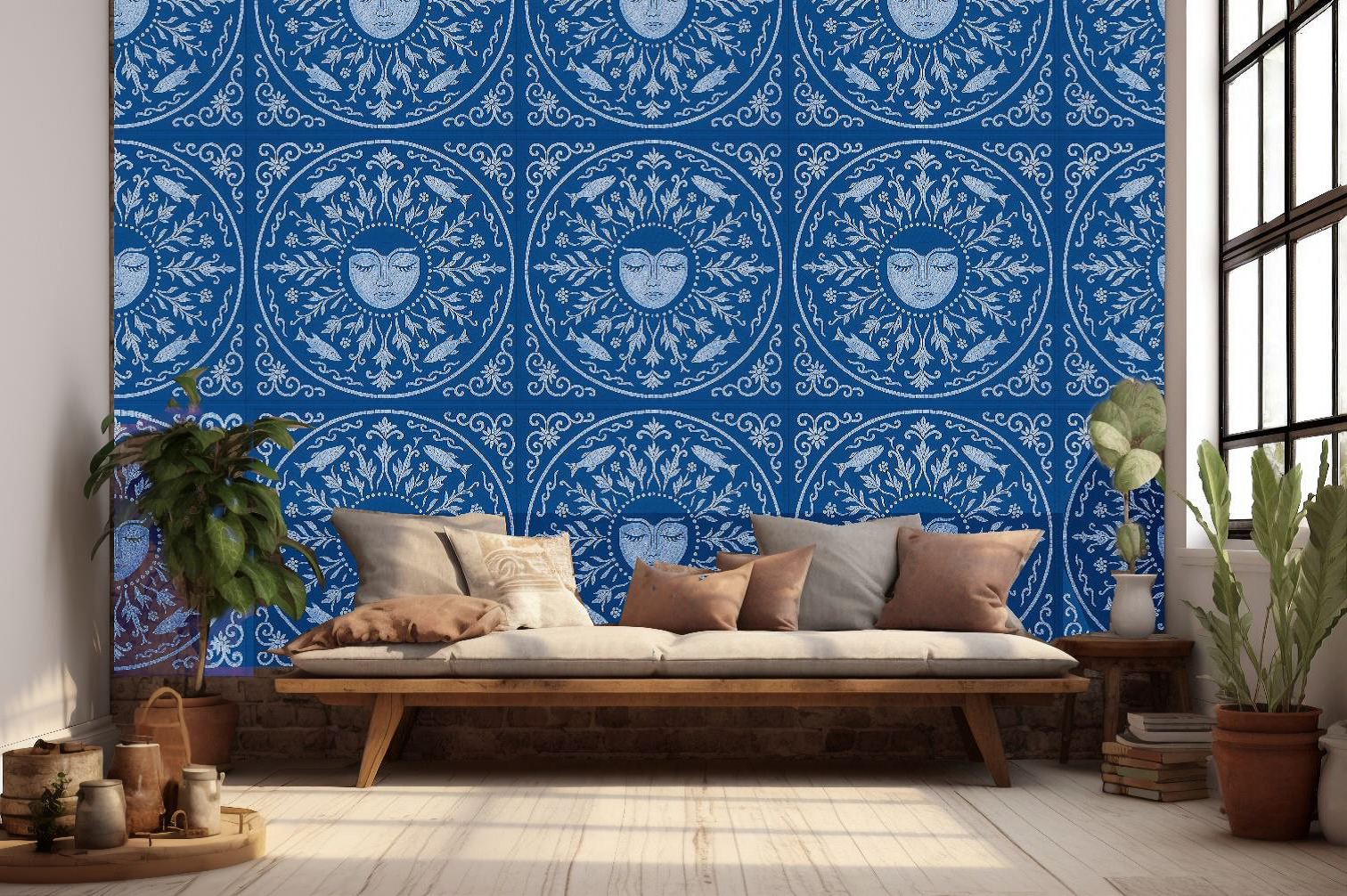
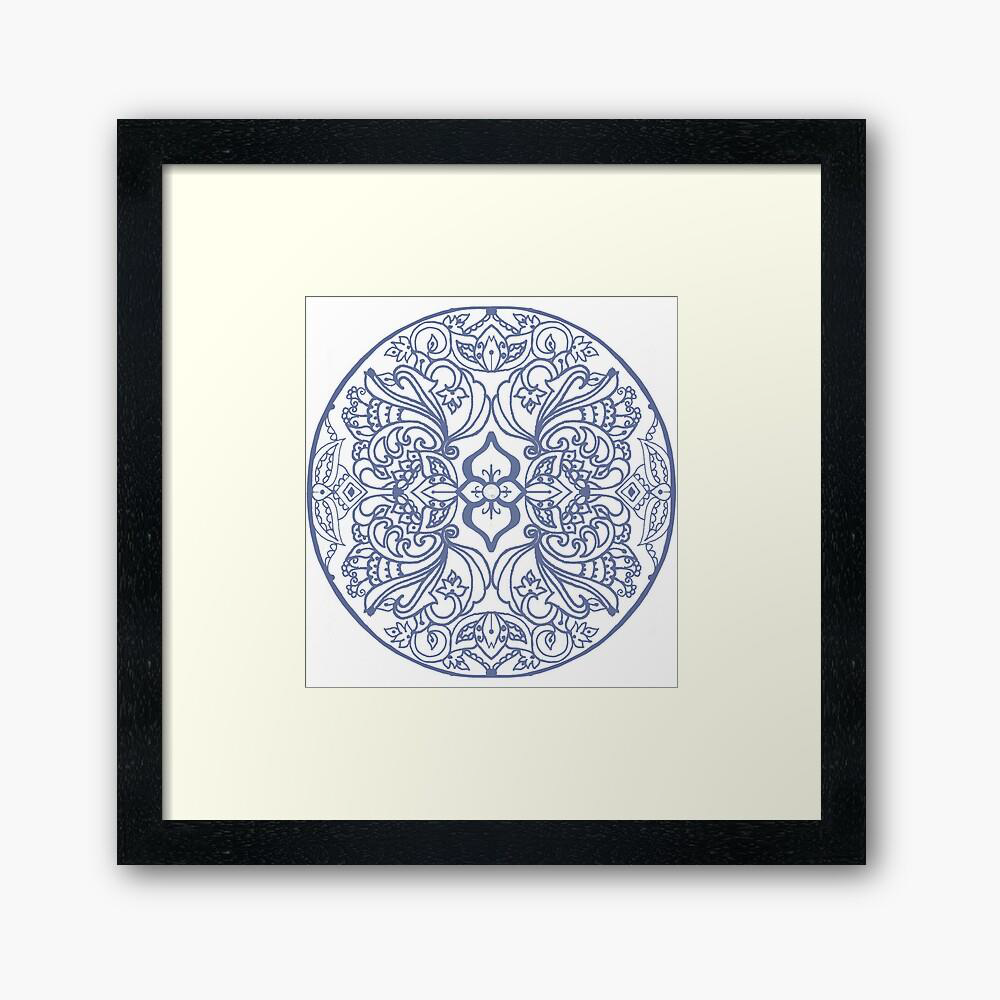
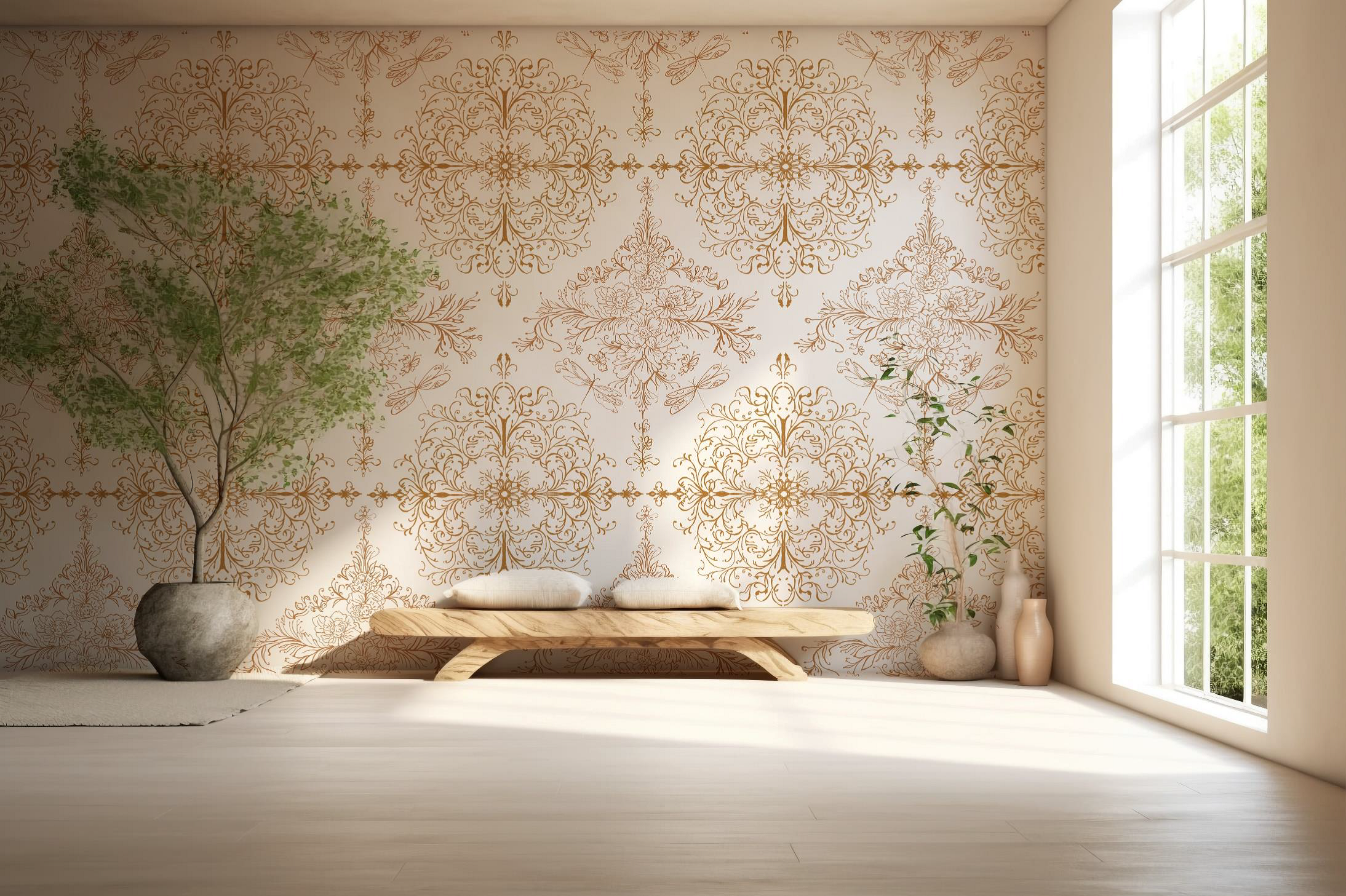
Every collection begins with meaning. My very first print, the “Selenite Mandala,” set the tone — inspired by selenite’s lunar and angelic symbolism, I layered a moon-like frame with botanical forms that radiate outward, creating both a mandala and a tessellation of angel wings. That balance of symbolism, geometry, and nature became my foundation.
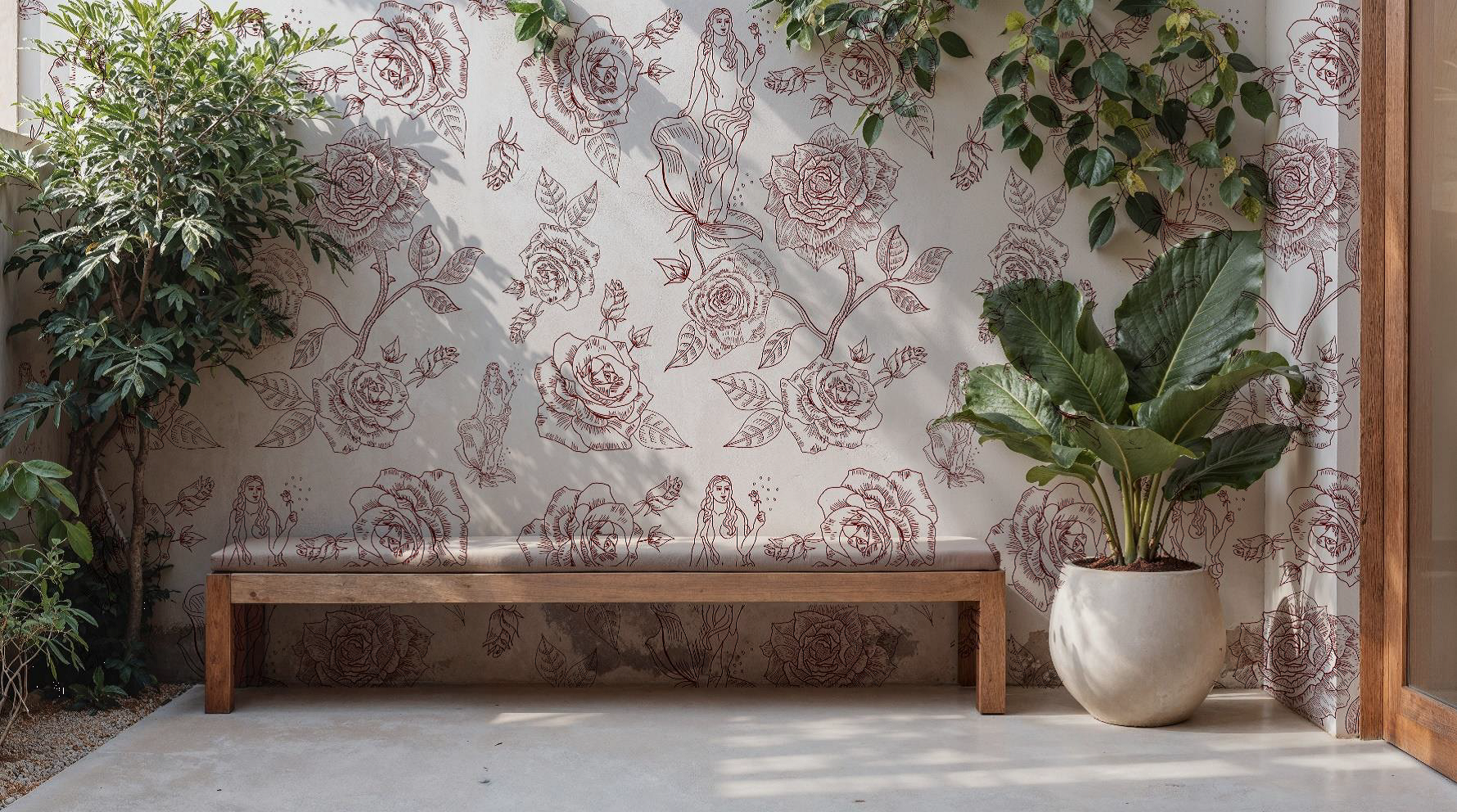
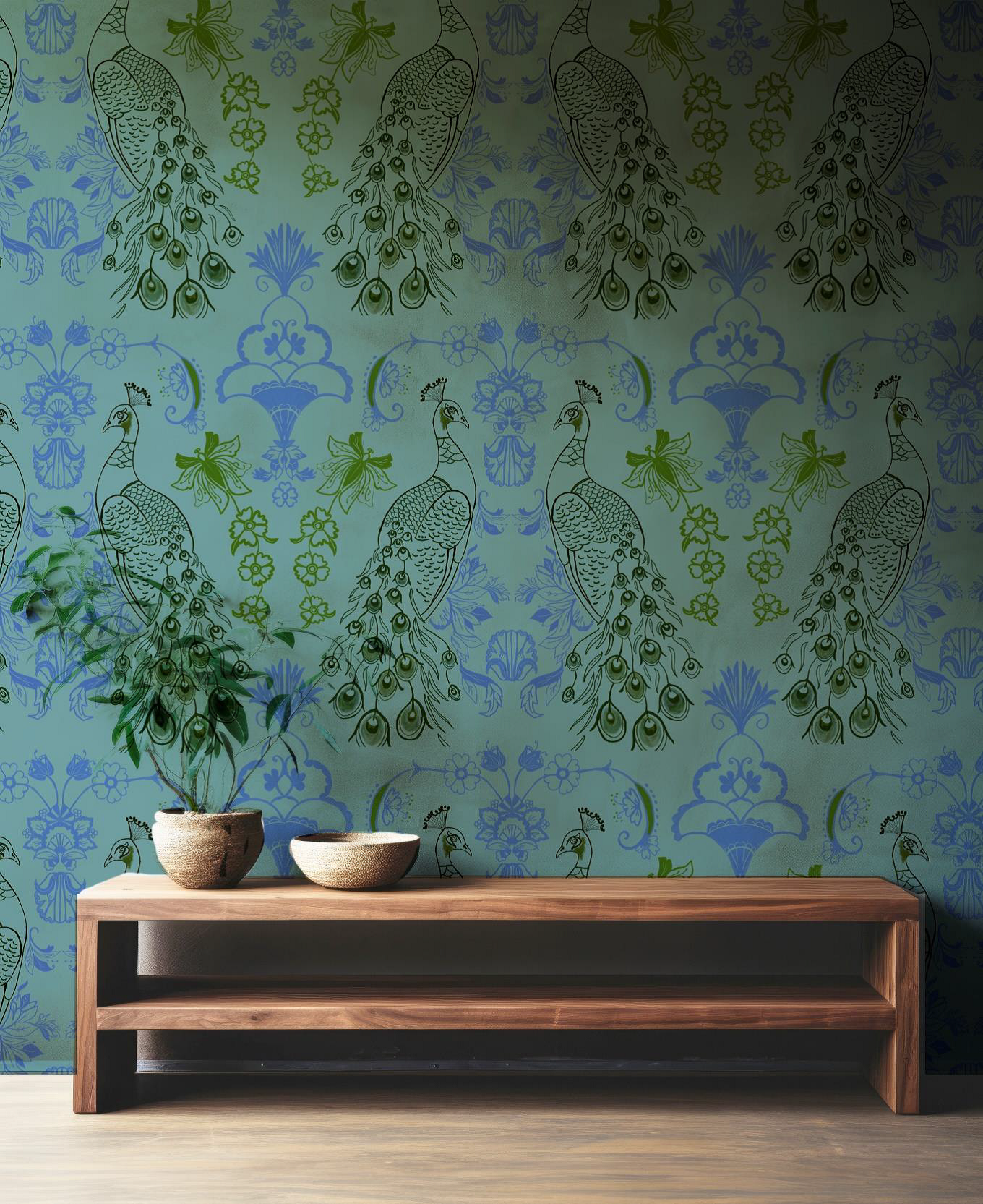
From there, motifs unfold through cross-cultural and historical resonance. The peacock- seen in “Giardini dei Pavoni”- recalls Roman garden luxury gardens while echoing Indian and Middle Eastern ornament. “Rose di Venere” draws from classical Roman sculpture of deities — a tribute to love and beauty. “Libellule di Oro”-inspired by local white dragonflies-reference water, abundance, and transformation. Finally “Pizzo di Burano” celebrates the art of lace that dawned on Burano island in Venice in the 1500’s.
I’m always guided by the sacred geometry of nature — circles for unity, squares for stability, hexagons for harmony — allowing repetition and ornament to emerge organically. Whether modern or traditional, each pattern is designed to carry story, symbolism, and a sense of place.
How has your background in sustainable design and architecture influenced the way you think about materials, longevity, and responsibility within your artistic practice?
My background in sustainable design shapes every decision I make — from how a pattern is produced to how a space is experienced. This approach is used in all three divisions of the Mia Luna brand: licensing patterns, creating products and design consulting.
With Mia Luna’s licensing model, I prioritize print-on-demand production, minimizing waste and excess inventory while embracing a more conscious approach to design. I apply the same philosophy to creating my products (available in my Etsy shop), offering made-to-order prints and organic clothing crafted in Italy — woven in Milan, tailored in Bologna — combining artisanal quality with responsible production. Longevity, not volume, is the goal.
Finally, with my consulting work, including my role as a Wellness Advisor with Genesis/PHTA, I extend that mindset to outdoor and water spaces. I focus on water conservation, natural materials, and sensorial design elements that create lasting beauty and wellbeing — proving sustainability isn’t a limitation, but a refinement.
For me, responsibility means designing with intention with the following principles: less is best, quality over quantity, and longevity guaranteed.
Your home atelier, built from ancient Roman selenite stone, sounds deeply meaningful — how does working in that space affect your creative process and sense of connection to history?
Working in a home built from ancient Roman selenite feels like creating inside a living piece of history. An artist once told me selenite is a “channeling stone” for creativity — and whether symbolic or not, I truly feel a natural creative flow in that space.
Beyond the stone itself, being immersed in Italy’s layered architecture, color, and atmosphere feeds my work daily. Designers like Fortuny deeply inspire me — his ability to merge classical and modern, nature and ornament, tradition and innovation. Just as he absorbed the spirit of Venice, I absorb the energy of Bologna and the selenite it was built upon.
My atelier isn’t just a workspace — it’s a dialogue between past and present, and that conversation continually shapes what I create.
As someone reinterpreting tradition through a contemporary lens, how do you balance honoring the past while keeping your work feeling modern and alive?
I see my work less as a contrast between past and present, and more as a fusion of the two. Tradition brings depth, symbolism, and warmth; modernity brings clarity, simplicity, and space to breathe. Together, they create something authentic and alive.
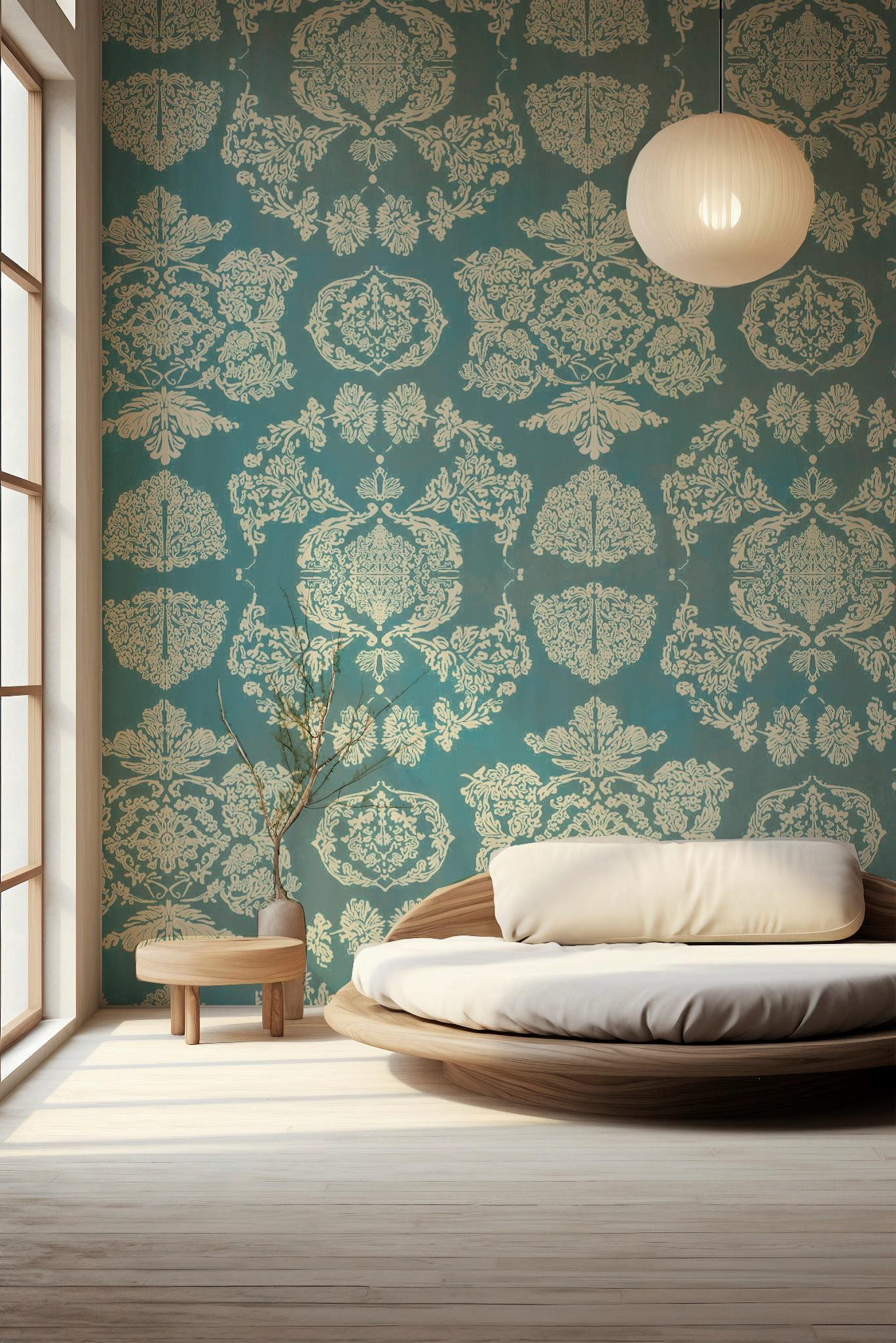
In my Mia Luna patterns, for example, a softly toned, ornamented wallpaper can sit beautifully within a streamlined, contemporary interior. The traditional backdrop adds richness, while modern furnishings keep the space fresh and adaptable.
I take the same approach in wellness and outdoor design — pairing clean materials like stainless steel with terracotta, mosaics, or classical elements. The result is harmony: comfort meets lightness, history meets now.
For me, honoring the past isn’t about preserving it unchanged — it’s about letting it evolve.