
James Garcia shared their story and experiences with us recently and you can find our conversation below.
James, so good to connect and we’re excited to share your story and insights with our audience. There’s a ton to learn from your story, but let’s start with a warm up before we get into the heart of the interview. What battle are you avoiding?
This probably seems like a tough question to open up about and answer, but my answer is kind of in my choosing. The battle I’m avoiding is often just leaning into difficult things rather than ignoring or skirting around them. Owning a business means there’s no roadmap and no boss to turn to for help. Everything pretty much starts and comes back to you. You’re constantly making your best judgment in financial planning, sales, project decisions, or client interactions but theres no “right” answer because every business and every circumstance is different. It’s easy to gravitate toward what feels fun or comfortable, but the truth is, the hard stuff is usually what makes you get better and move forward. I have 2 great partners, they’re amazing. I’m extremely lucky to have them, but we all feel our own version of a solitary element to leadership, and you have to remind yourself sometimes to stop dodging and just run head-on into the challenges.
I’ve also seen how much progress can come from that. I was recently looking back at a big project from 2018 — at the time it was the largest we had ever taken on, and I was stressed to the point where it ruined a birthday weekend. Looking at it now, with more experience and better systems, what once felt overwhelming would just be another project for us today. That perspective helps me remember that theres another side to the things that feel stressful and difficult now, and they will probably feel much more manageable the next time I encounter them. The battle, really, is choosing to face the hard things now instead of avoiding them…because that’s where growth happens.
Can you briefly introduce yourself and share what makes you or your brand unique?
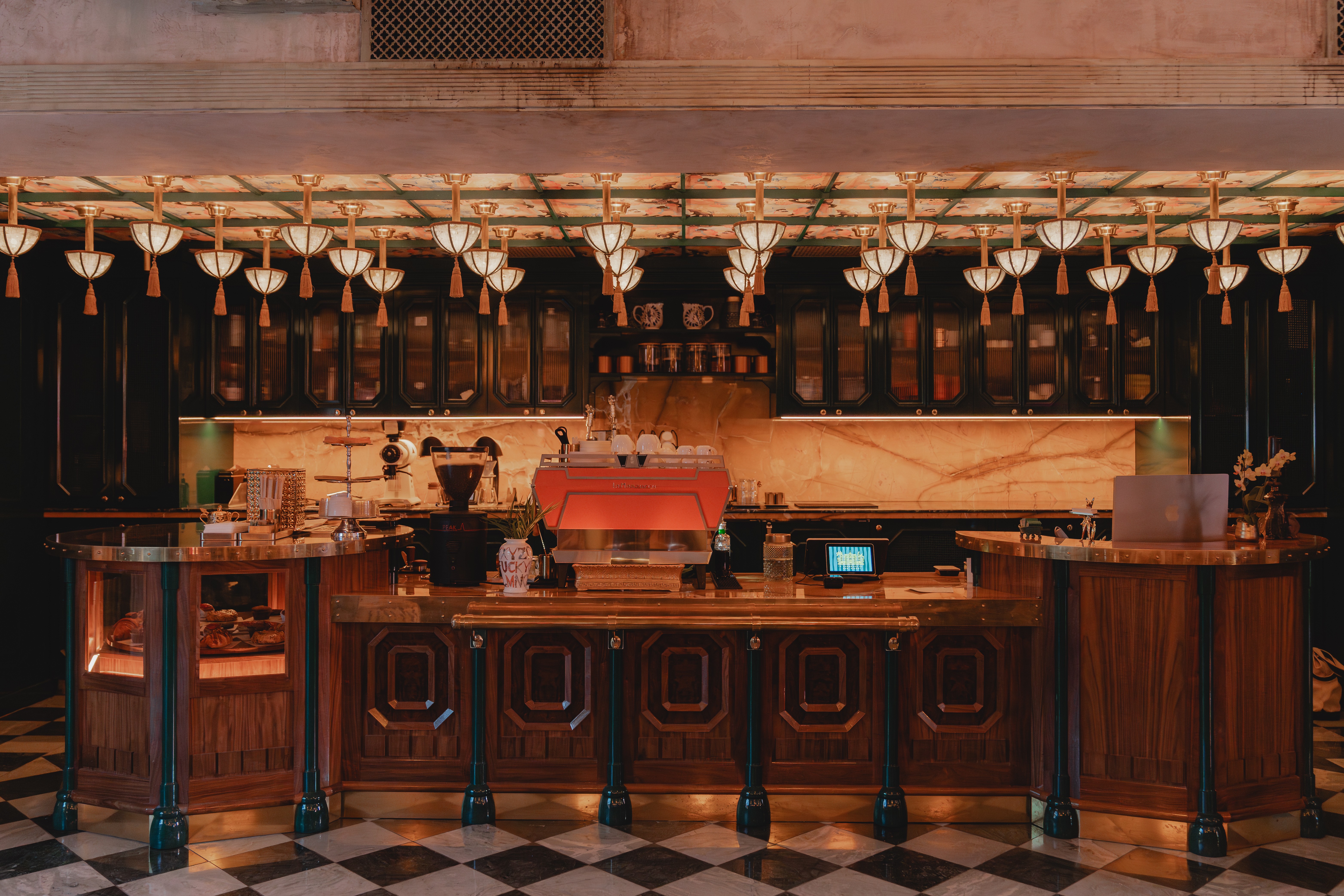
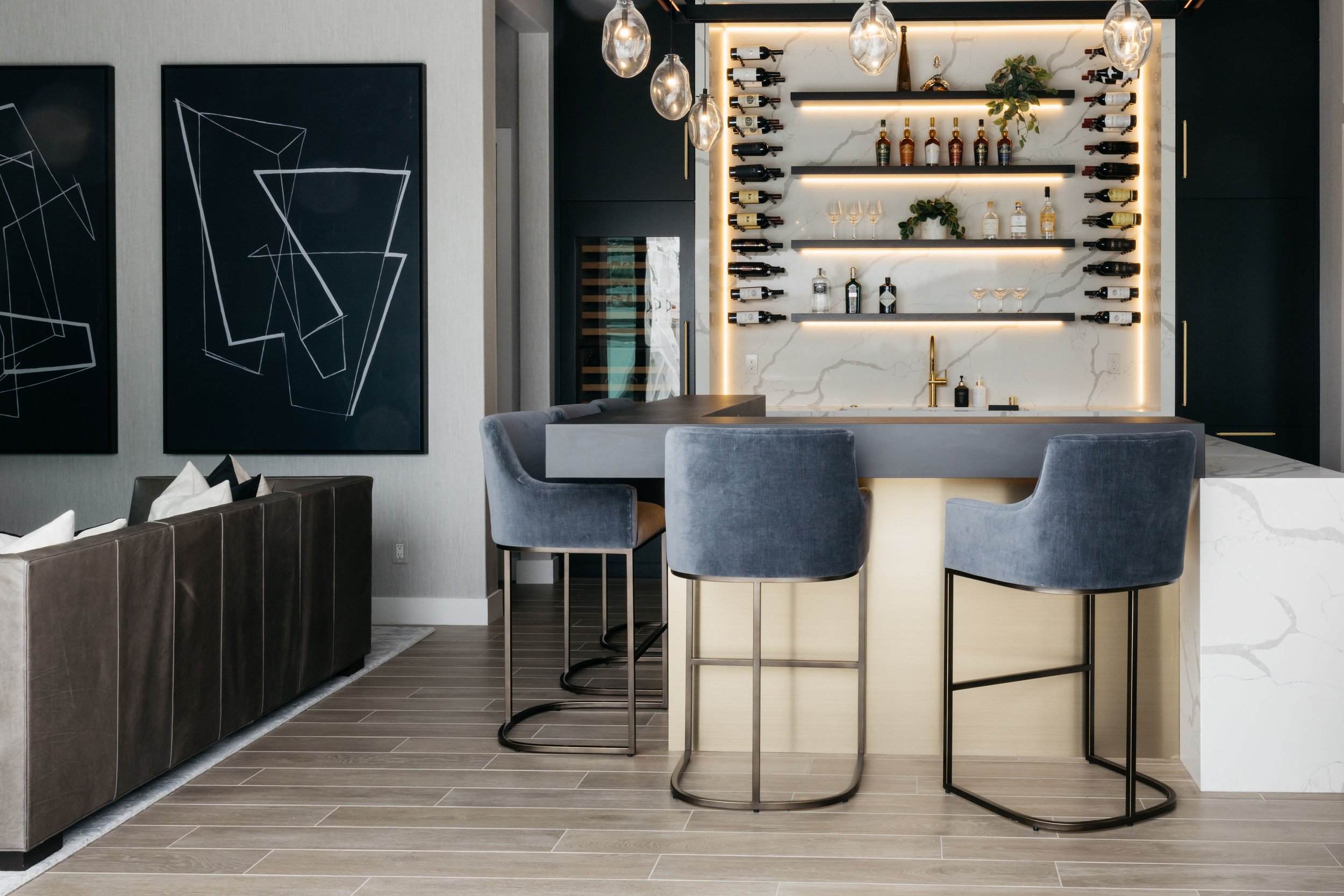
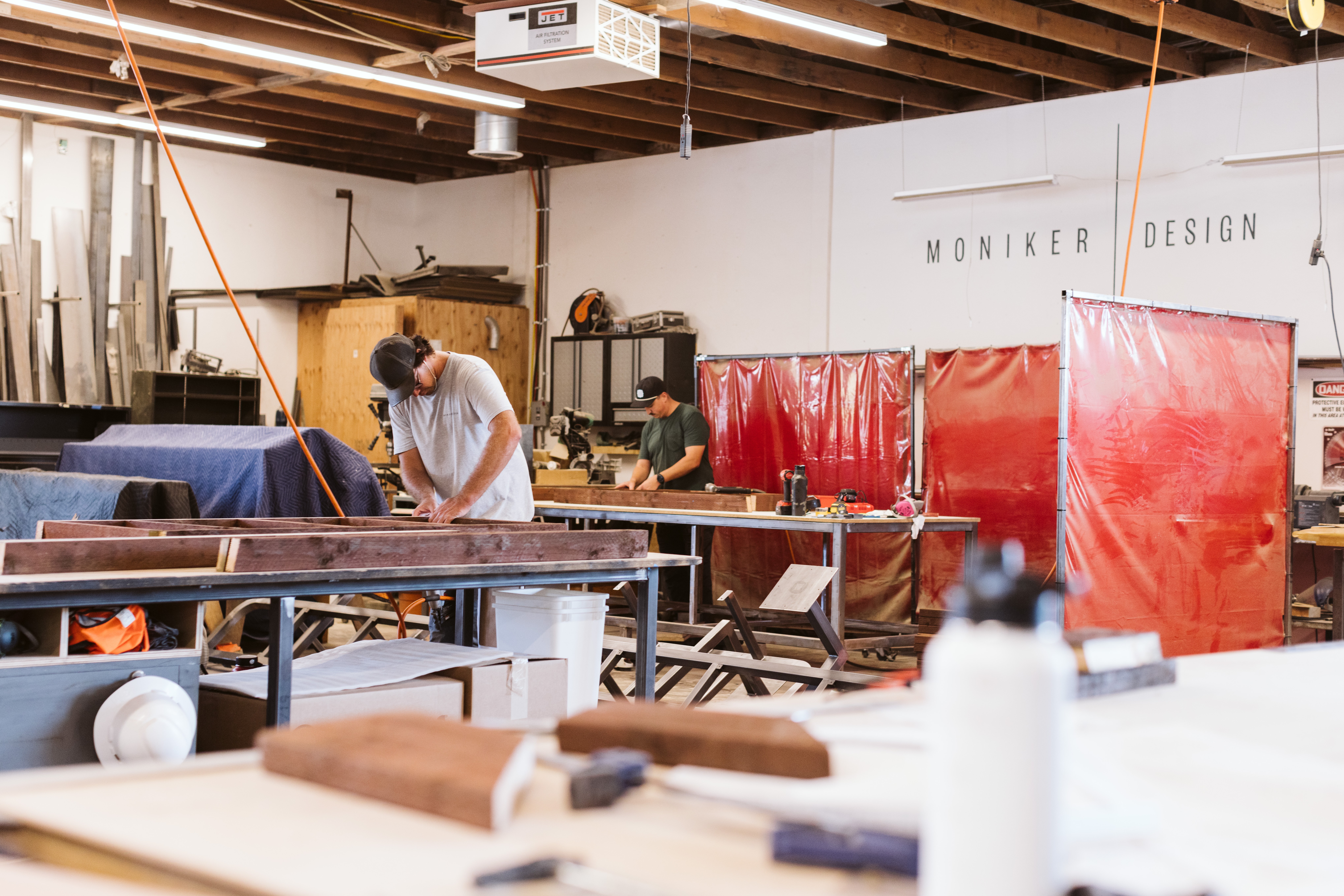
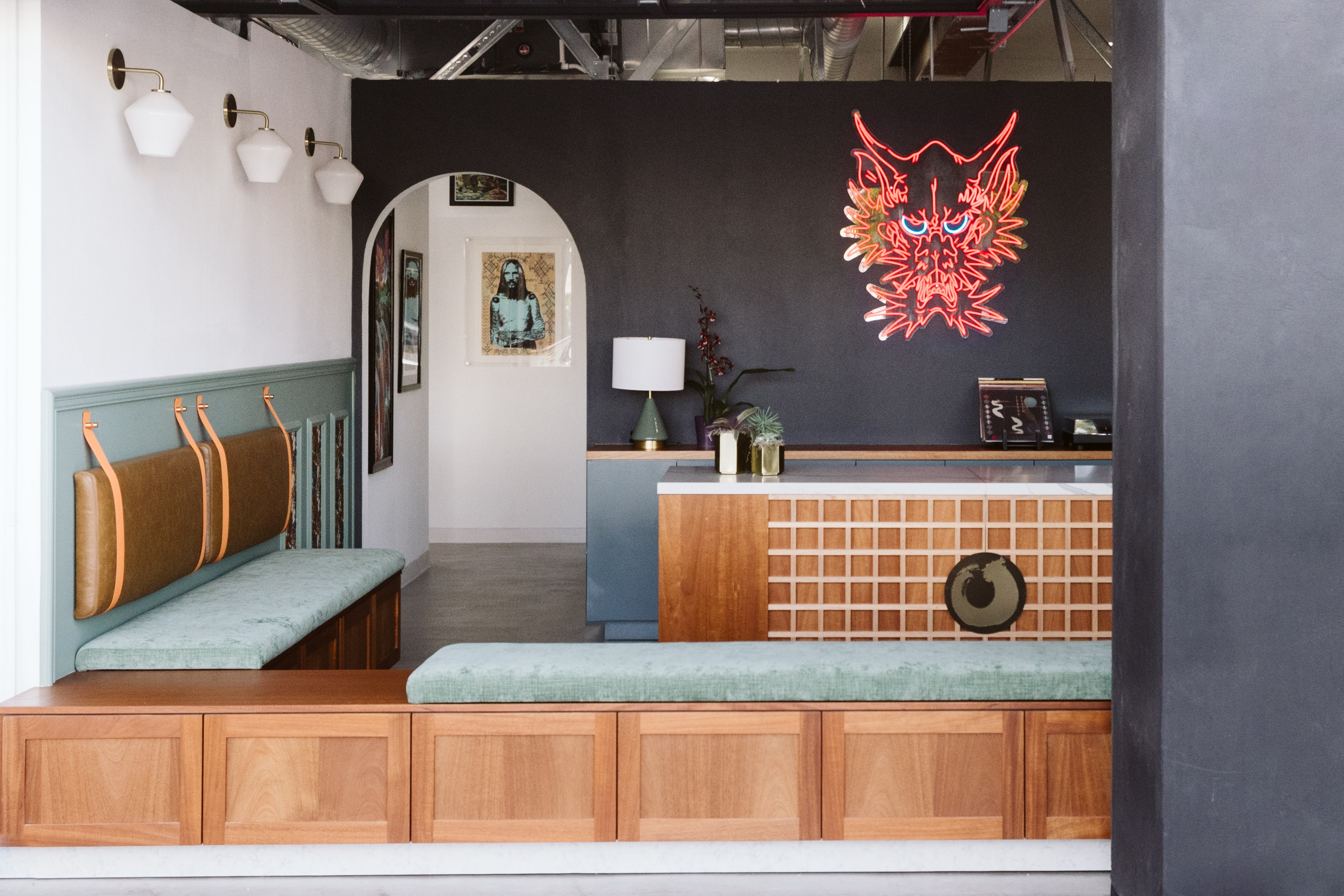
I help lead both an interior design company called Moniker Design Studio as well as a specialized millwork company called Moniker Building Co in San Diego, where most of our work focuses on hospitality and high-end residential projects. What makes our approach unique is the way we look at projects holistically. We try to consider not only the client’s needs, but also the contractor’s, the end user’s, and our own role in the execution of the project.
For us, the “why” is about improving the way the industry operates, both individually and collaboratively. Construction hasn’t always had the best reputation for dynamics, and stats aren’t great about the toll it takes on people. Most people either have, or have heard a horror story about a project they did. Which I understand…theres few things in the world where you make one of your biggest financial investments in your life, create a very conceptual version of it beforehand, then have 1 chance to build it in real life correctly. Its no wonder they occasionally to go sideways. It’s also one of the oldest industries in the world, so change happens slowly. Our aim is to shape the small sphere of work we touch making the process more enjoyable, collaborative, and even fun for everyone involved. Its an exciting thing to bring your dream to life, we don’t want you to traumatizes by it.
I see my role as supporting that mission and taking care of the company so it can thrive for our employees, our clients, and ultimately for the communities who gather in the spaces we help create. None of us had to choose this work, but we did because we care deeply about it. We believe that thoughtfully designed and well-built spaces have the power to bring people together and make their experiences memorable, comfortable, and meaningful.
Appreciate your sharing that. Let’s talk about your life, growing up and some of topics and learnings around that. What did you believe about yourself as a child that you no longer believe?
As a kid, I believed that not fitting neatly into one group meant I didn’t belong anywhere. Which in reality, is probably the case for most people feel in their youth. I wasn’t just an “athlete” or “artist” I floated between groups, more of a chameleon. At the time, it felt like a weakness, but now I see it as a strength. That ability to adapt helps me quickly understand where people are coming from and what makes them tick. In my work, that means listening before assuming and making sure I know what someone challenge really is instead of jumping in with my assumption of the problem. It’s made me better at building trust and solving the right challenges.
I also used to think leadership only looked one way: loud, commanding, front-and-center. That never felt like me. Over time, I’ve realized leadership can look very different and often, some of the best leaderships are quieter. My style today is more about listening first, supporting rather than commanding, and helping people do their best work. Sometimes that means holding people accountable, but just as often it’s about looking ahead at what needs to be challenged, improved, or considered and then guiding the team in a way that brings out the best in everyone.
Was there ever a time you almost gave up?
I can remember a point probably around 2016 when I almost made a move our of my path and into a different one. I’d been working at Moniker for a few years doing everything from marketing to fabrication and while I enjoyed building, the crew, and the company, I felt unsatisfied. Something was missing. I even looked at other pursuits like urban planning, architecture, or even changing industries entirely. At the time, it felt like I hadn’t yet found my place in the business.
What kept me from leaving was a mix of honest conversations and opportunity. I spoke with my now-partner, Ryan, about what I felt was missing. Looking back, a lot of it was impatience, but he and Cody took leaps of faith in giving me new challenges and responsibilities. Having leaders who were willing to take a chance on me, and then being able to make the most of those opportunities, made all the difference.
Years later, the company looks completely different, and so does my role. I’m now in a partnership position, and I feel like I’ve found where I’m meant to be. Not just because of the industry or the projects we take on, but because the responsibilities and challenges align with what I was searching for. I think what saved me back then was realizing the dissatisfaction wasn’t a dead end, but a signal that I needed to grow, take on more, and prove myself in new ways.
Next, maybe we can discuss some of your foundational philosophies and views? What’s a belief or project you’re committed to, no matter how long it takes?
The commitment that drives me isn’t tied to one specific project, it’s more about my sense of purpose. I want to create sustainable environments where people with unique skills can focus on being the best at what they do, without having to worry about whether the environment around them supports that.
Right now, that happens through interior design and construction, but it isn’t confined to those industries. I think of it in terms of vocation versus occupation: my occupation is operating businesses in design and construction, but my vocation is creating an environment or opportunities for them to use their skills fully without having to worry about looking over their shoulder.
It’s not something that will ever be “finished.” It’s a lifelong pursuit to continually working to shape spaces, teams, and systems that let people do their best work and become the best version of themselves. That’s the belief I’m committed to, no matter how long it takes, because it’s not just work for me it engrained in the deepest part of who I am.
Okay, so let’s keep going with one more question that means a lot to us: What is the story you hope people tell about you when you’re gone?
The story I hope people tell about me when I’m gone is not about accomplishments or projects but about how I showed up for others. I hope people remember me as someone who was quick to help, especially friends and family. That when they asked for help, I was there without hesitation, not because I wanted something in return but because I genuinely enjoyed being able to support them.
For me, selflessness is about making “how can I help” the reflex instead of “what’s in it for me.” We live in a culture that often leans toward the latter, and I think that contributes to people feeling more separate and isolated. But if more of us leaned into helping first, we would create a cycle where everyone feels like someone has their back. That is the legacy I would want to leave behind: that I showed up when people needed me, that I gave more than I asked for, and that I believed in the power of simple, reflexive generosity to change the way we connect with each other.
Contact Info:
- Website: monikerbuilding.co, monikerdesign.co
- Instagram: @monikerbuildingco, @monikerdesign
- Linkedin: https://www.linkedin.com/company/moniker-building-co, https://www.linkedin.com/company/moniker-design-studio