We’re looking forward to introducing you to Laura Spielman. Check out our conversation below.
Laura, really appreciate you sharing your stories and insights with us. The world would have so much more understanding and empathy if we all were a bit more open about our stories and how they have helped shaped our journey and worldview. Let’s jump in with a fun one: What makes you lose track of time—and find yourself again?
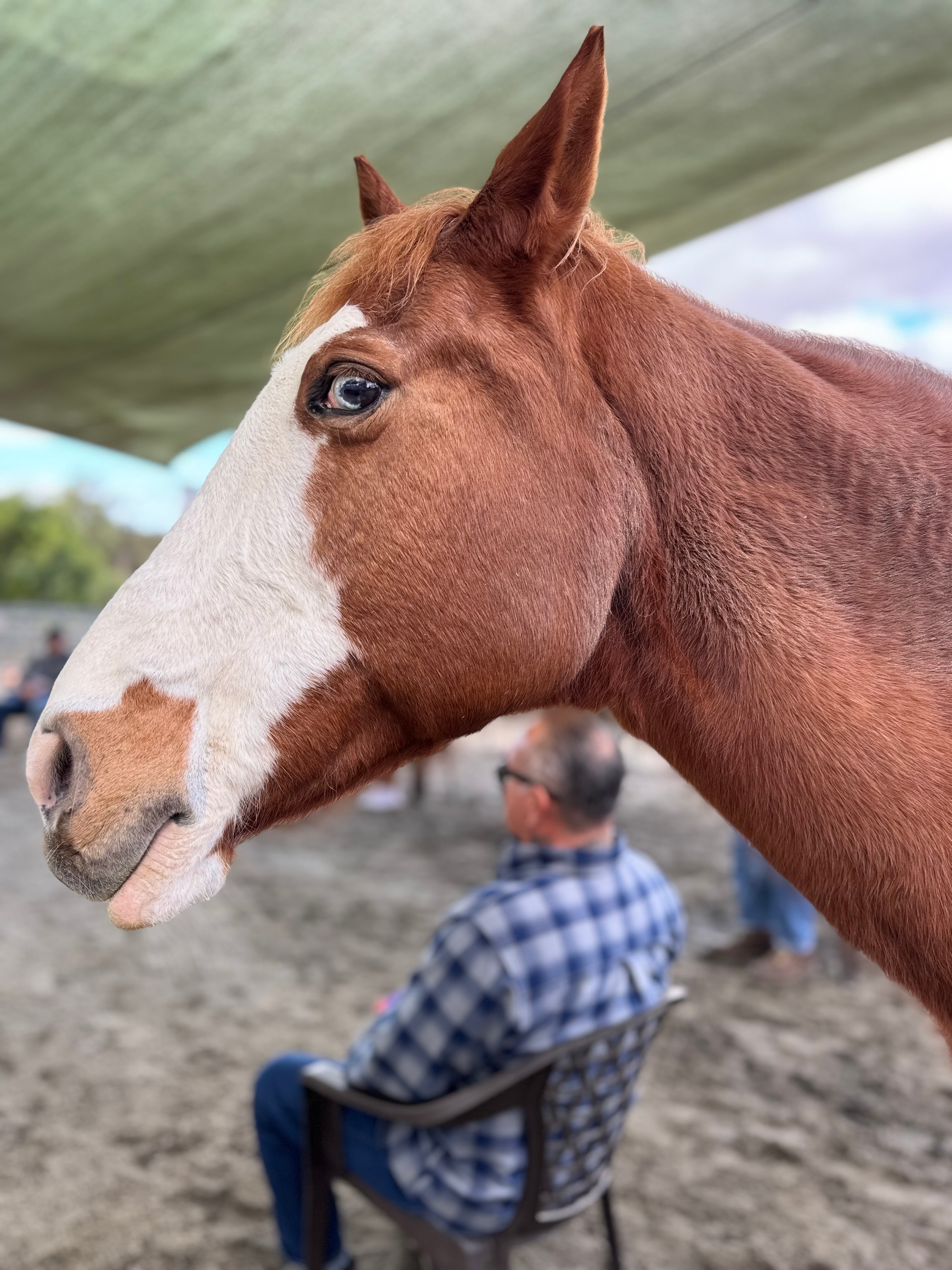
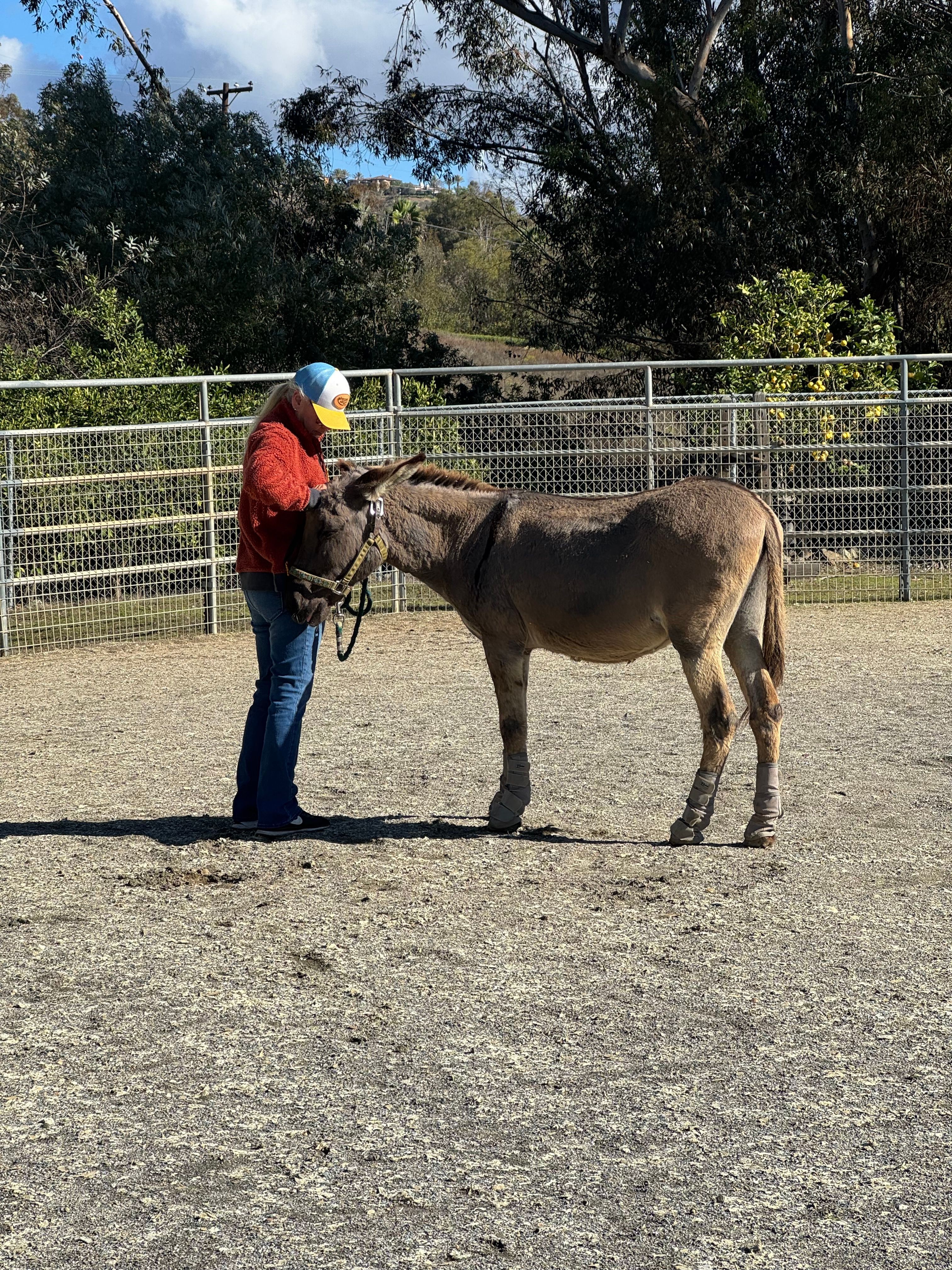
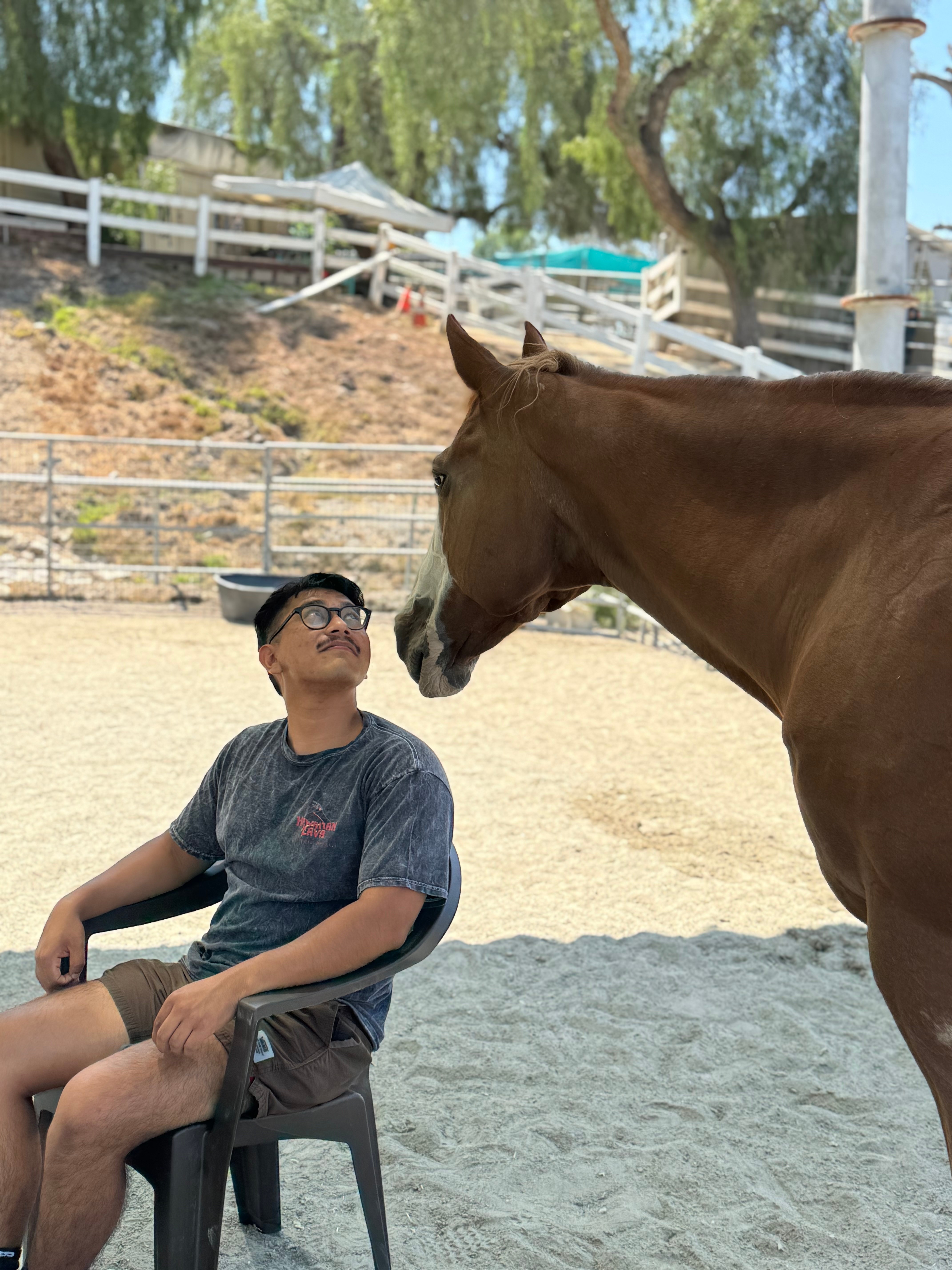
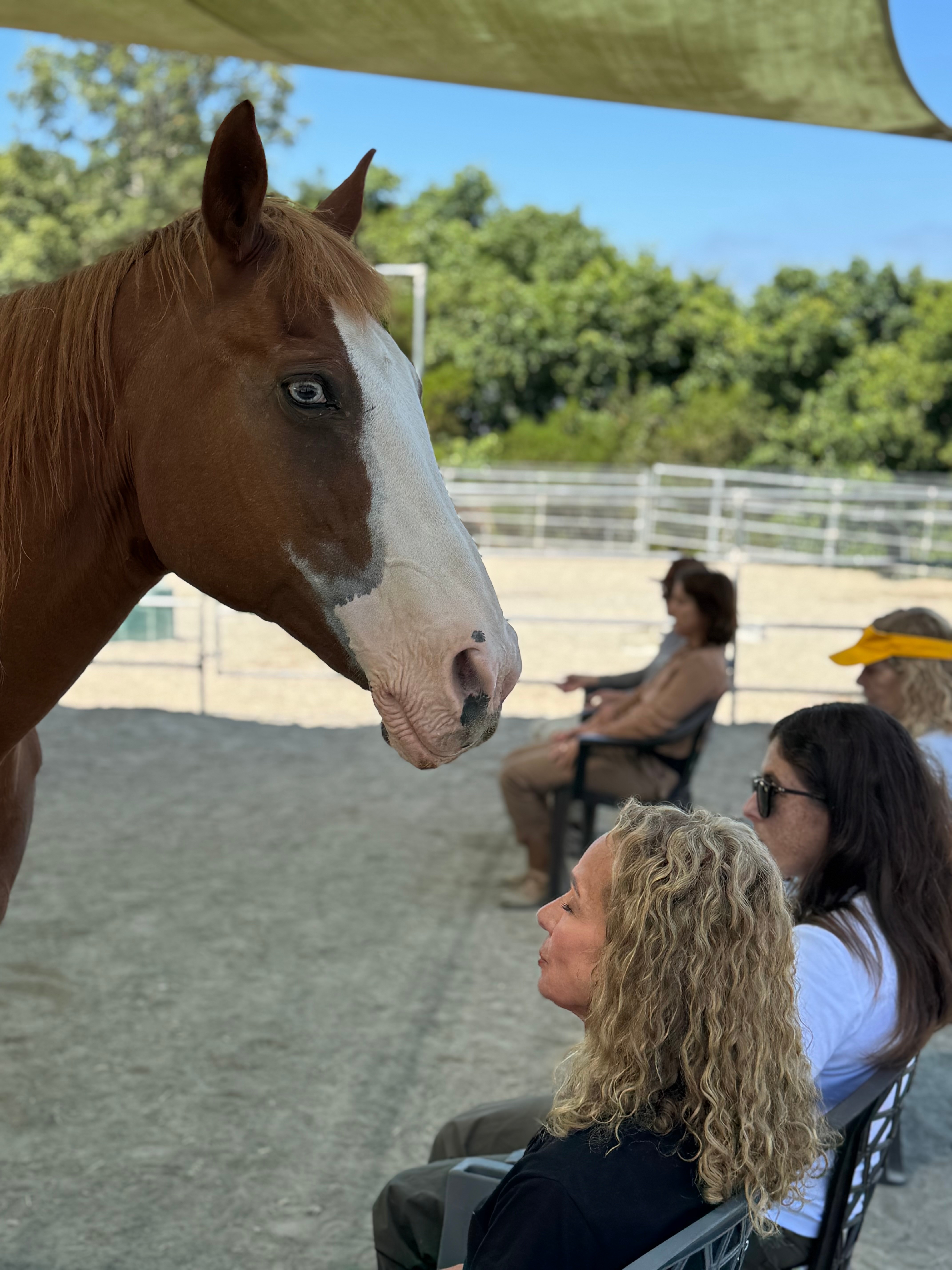
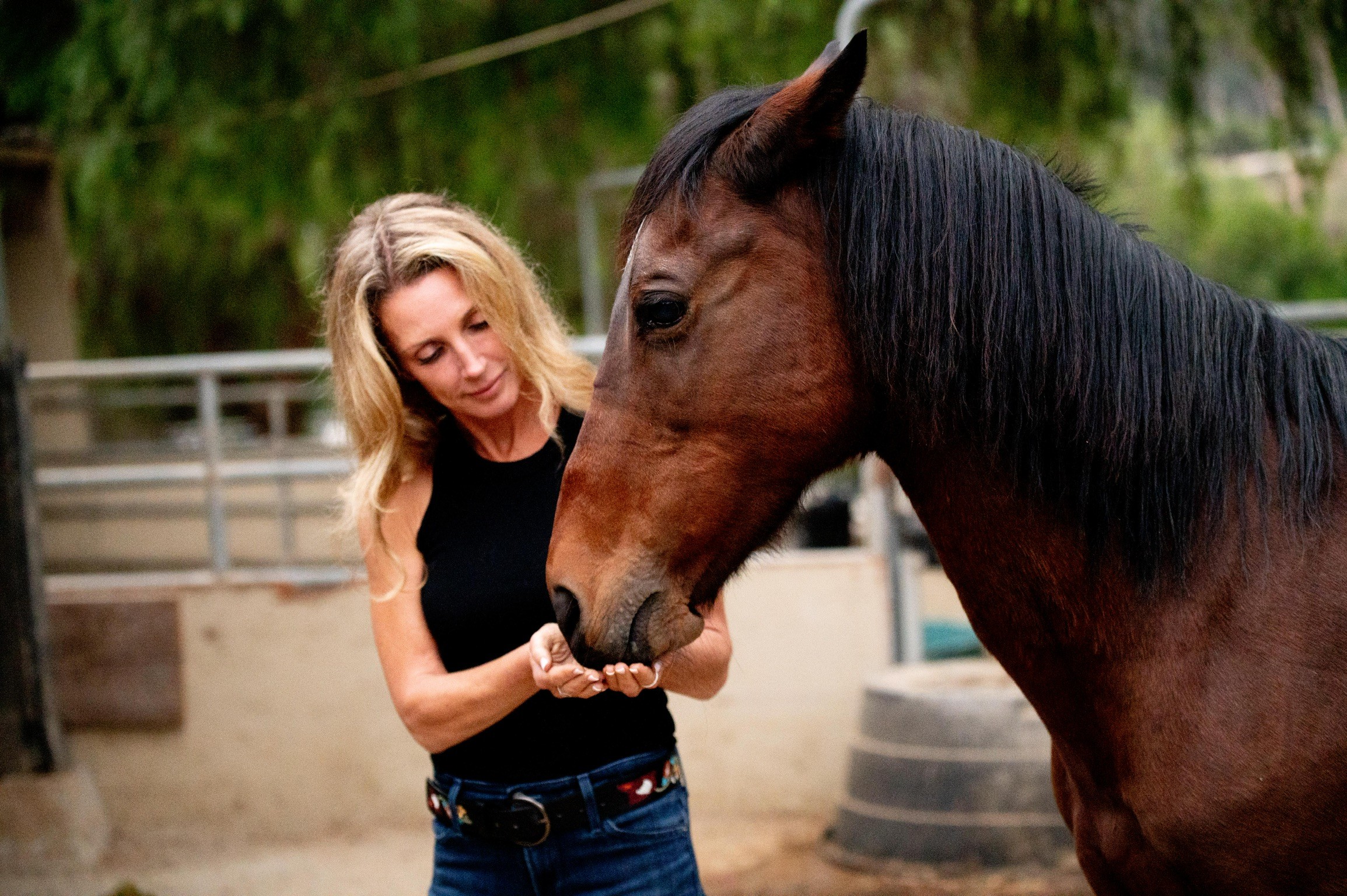
Spending time with horses has a way of suspending the world around me. The moment I step into the arena, the usual noise of the day falls away. Horses don’t rush; they exist in the present, and being with them pulls me into that same rhythm. Whether I’m brushing a coat, walking a horse through an exercise, or listening to someone share their story beside a gentle horse, I lose all sense of minutes or hours.
In those spaces, time becomes something softer — not a pressure, but a backdrop. The connection between horses and humans demands presence, calm, and honesty, and in offering that, I feel myself return to center. I rediscover the parts of me that get pushed aside in busy weeks: patience, intuition, compassion, and a quiet inner strength.
Working alongside horses and people reminds me of who I am at my core. The simplicity of the moment — a breath, a touch, a shared sense of safety — helps me find myself again. It’s not just work; it’s grounding, healing, and a kind of homecoming I carry back into the rest of my life.
Can you briefly introduce yourself and share what makes you or your brand unique?
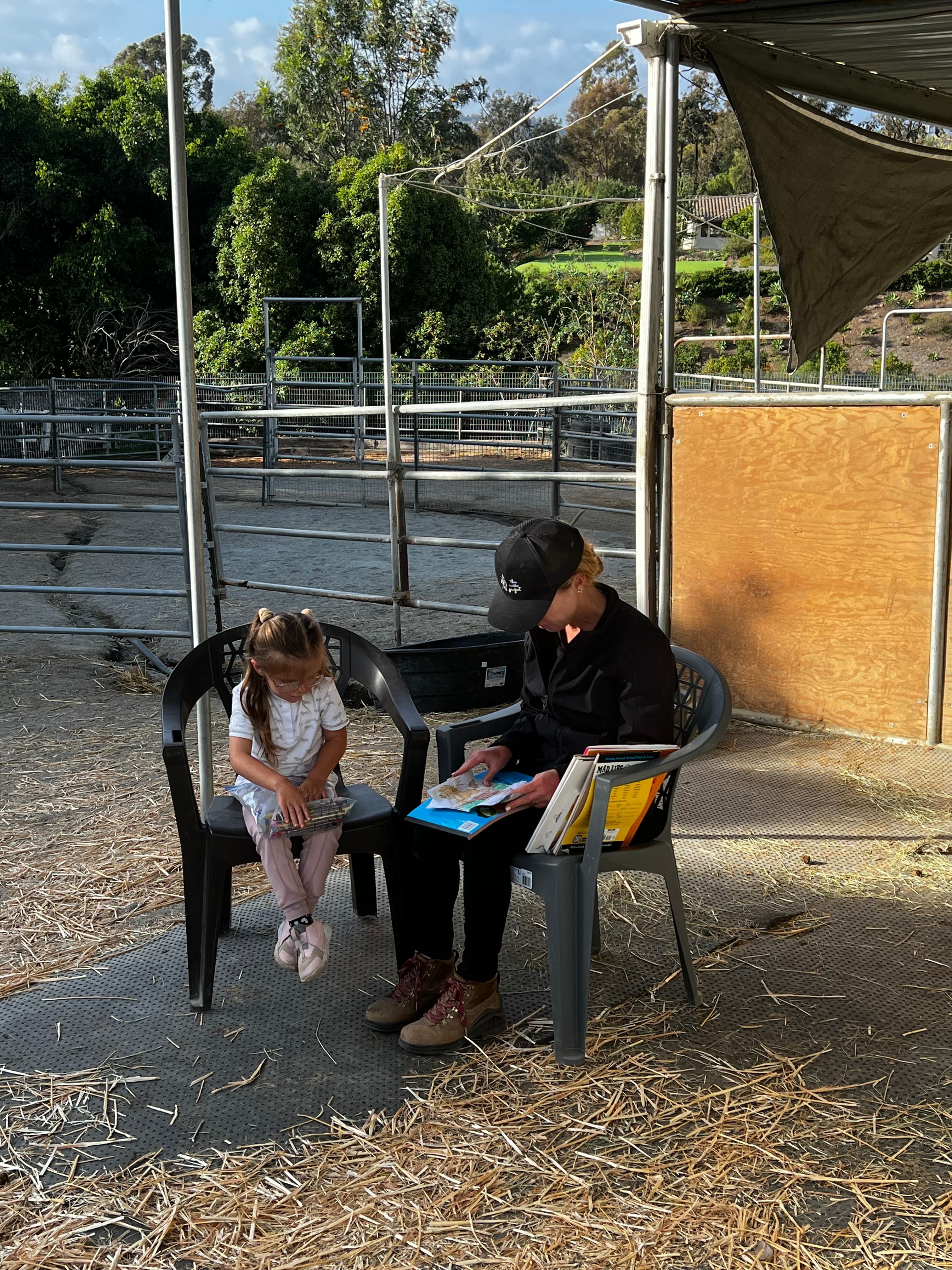
I am someone who has built my life around connection, healing, and service. Through The Rosie Project, I work at the intersection of horses and human resilience, creating spaces where veterans, active-duty service members, first responders, justice-involved individuals, children, and families can experience emotional grounding and growth through equine-assisted work. What makes The Rosie Project so special is its heart: every session is rooted in dignity, trust, and the belief that people heal best when they feel seen and safe. The Rosie Project offers a living, breathing partnership with horses—animals who respond to authenticity rather than perfection. This dynamic creates an experience that is both profound and unique.
My role is to help bridge these worlds—supporting humans, supporting horses, and witnessing the powerful transformations that happen between them. It’s work that is meaningful, uncommon, and deeply human, and it continues to shape not just the lives of our participants but my own.
Great, so let’s dive into your journey a bit more. Who saw you clearly before you could see yourself?
I always saw myself as a daughter, a sister, a granddaughter, a niece, a friend, and then lucky enough to see myself as a wife and a mother. What I didn’t see, and honestly know how to find, was myself. The interesting thing about that is that I don’t know if anyone other than my parents clearly saw who I was aside from all of that. They saw the early on love of animals, the connection to animals, the need to constantly be with them. Most people in my life always knew me as a dog lover, but horses? That I don’t think anyone saw coming.
What have been the defining wounds of your life—and how have you healed them?
The death of my sister from mental-illness–related causes is one of the deepest losses of my life, and it became a turning point in how I understood healing, connection, and unmet need. Her struggle showed me how many people move through the world without the support, safety, or resources they deserve. In the years that followed, I poured that grief into building The Rosie Project—a space where people can rediscover connection, regulation, and hope through the grounding presence of horses. I want to honor my sister by helping others access the kind of understanding and support that every person deserves, especially in their most vulnerable moments.
So a lot of these questions go deep, but if you are open to it, we’ve got a few more questions that we’d love to get your take on. Where are smart people getting it totally wrong today?
We live in a society where people are often taught—implicitly or directly—that putting themselves first is selfish. Many of us grow up believing that our value comes from what we give, how hard we work, or how well we care for others, and not from how well we care for ourselves. As a result, choosing rest, boundaries, or emotional space can be misinterpreted as self-indulgence instead of self-preservation. But the truth is that self-care is not selfish; it is a necessary act of maintaining our mental, emotional, and physical stability. Without it, we burn out, become disconnected, and lose the capacity to show up for the people we care about. In a culture that glorifies constant productivity, learning to prioritize our own well-being becomes a quiet form of strength—and an essential one for anyone working in healing or service-centered professions.
Horses embody self-care in its purest, most instinctive form. In a herd, their survival depends on each member’s ability to regulate, rest, stay aware, and maintain physical and emotional balance. A horse that ignores its own needs becomes vulnerable and, in turn, weakens the safety of the entire herd. This is why horses prioritize their well-being without hesitation—they eat when they need to eat, rest when they need to rest, seek space when they feel overwhelmed, and reconnect when they’re ready. Their self-care is not selfish; it is a responsibility. By tending to themselves first, they preserve the strength and stability of the whole group.
In this way, horses model something humans often forget: caring for ourselves is the foundation for caring for others. The herd thrives when the individual is well. So do we. It is the very concept of putting the oxygen mask on ourselves first.
Okay, we’ve made it essentially to the end. One last question before you go. What is the story you hope people tell about you when you’re gone?
I always tell my children that we are only as good as the legacy we leave behind. The legacy I want to leave is one of compassion, connection, and accessibility—creating a world where people of every background, every story, and every struggle can find support for their mental health without fear or judgment. Through my work with The Rosie Project and beyond, I hope to build spaces where healing feels possible, where people are met with dignity, and where no one feels alone in their pain. I want my impact to stretch across communities: veterans learning to regulate again, first responders releasing what they carry, justice-involved individuals discovering their worth, children building confidence, and families finding stability and hope.
My legacy is not about solving every problem; it is about ensuring that more people feel seen, valued, and supported. I want to be someone who expanded what care looked like, who honored the humanity in every person, and who helped build pathways to emotional safety and growth. If I can help even one person feel understood at a moment when they needed it most, then I will have left something meaningful behind.
Contact Info:
- Website: https://www.therosieproject.org
- Instagram: therosieprojectsd
- Linkedin: The Rosie Project