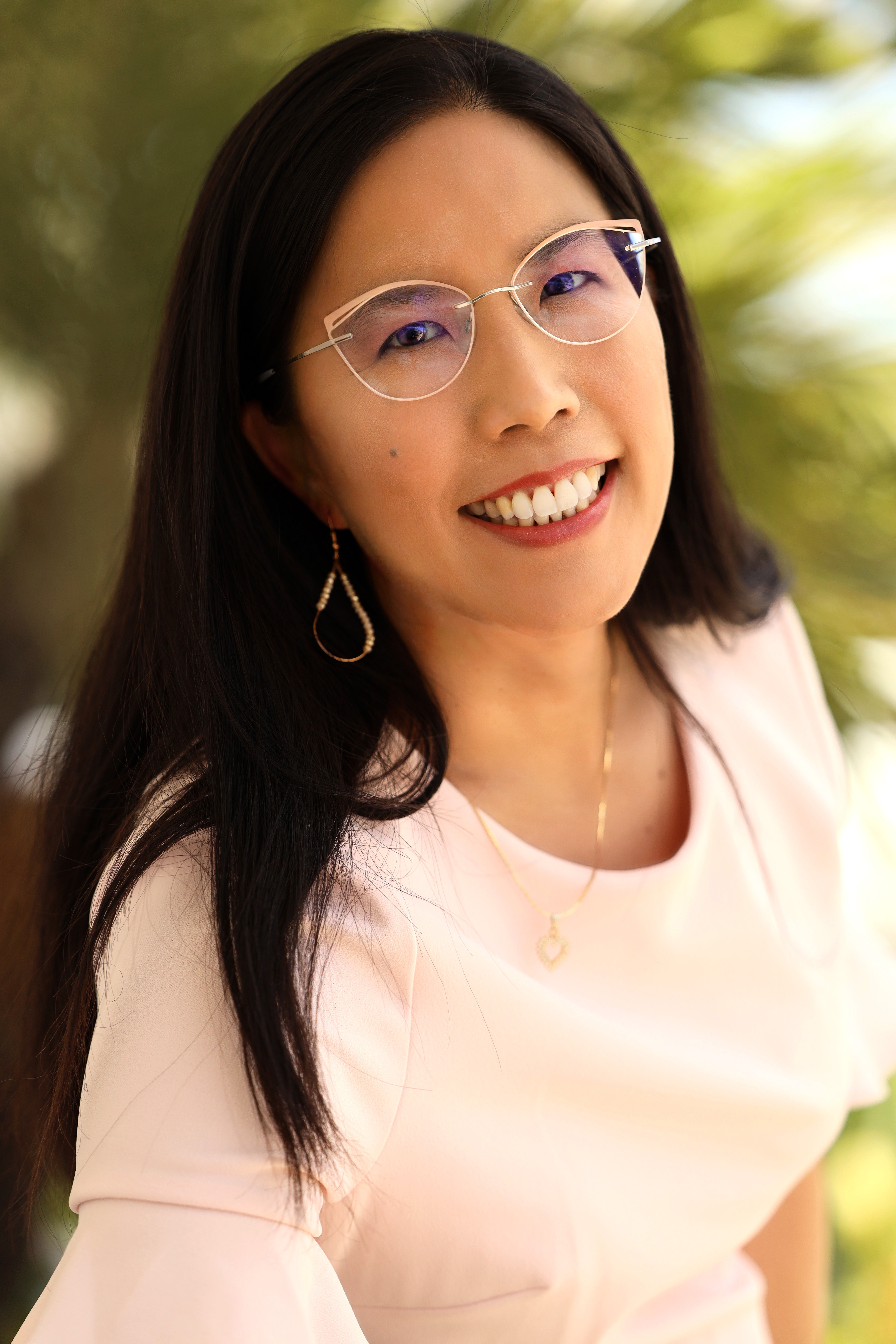
Today we’d like to introduce you to Marie Chan.
Hi Marie, thanks for sharing your story with us. To start, maybe you can tell our readers some of your backstory.
I love reading diverse children’s books and using multicultural children’s literature in my classroom, yet I never thought I would become a writer. Becoming an author was an unexpected detour in my journey. Whenever I shared my story of when my youngest son died suddenly, people resonated with my words and encouraged me to write. I began with writing on my blog, calmmamabear.com, with the goal of providing hope and healing for those who were also struggling with child loss. I have written a few manuscripts about grief and loss, and I hope to publish these children’s books in the future.
Initially, my focus was on writing about grief and loss, but later I returned to writing about my cultural roots, especially as the rise in anti-Asian hate and violence against Asian Americans, especially the elderly, increased during the height of the COVID-19 pandemic. My inspiration for writing a picture book biography about Mamie Tape came from learning about Sylvia Mendez and the Mendez et al. v. Westminster et al. case from Duncan Tonatiuh’s children’s book, Separate is Never Equal. I learned about school segregation in Orange County, California through Tonatiuh’s book, which led me to research school integration cases in California, and eventually learn about Mamie Tape and the Tape v. Hurley case.
I wanted to highlight the story of this hidden figure in my children’s book, Mamie Takes a Stand: The True Story of Mamie Tape, a Chinese American Girl’s Fight for School Rights. In a similar way that Sylvia Mendez’s case broadened perspectives on school integration cases, likewise, I hoped my biography of Mamie Tape would deepen conversations about race to include Asian Americans, especially when we have often felt invisible or omitted from discussions about school segregation. Unfortunately, much of this history is not widely known and not often taught in schools. Since the release of Mamie Takes a Stand, I have had many opportunities to share Mamie Tape’s story in public schools, libraries, and museums. I am excited to see more people learning about this important part of American history.
Alright, so let’s dig a little deeper into the story – has it been an easy path overall and if not, what were the challenges you’ve had to overcome?
When I began my journey of writing Mamie Takes a Stand five years ago, I didn’t realize how difficult it would be to get a book traditionally published. I attended many writers’ conferences to learn as much as I could about the craft of writing children’s books and the publishing industry. I learned that writing the book was only part of the process because today’s writers also have to be entrepreneurs; they need to understand the business of writing and put forth much effort to market and promote their books. Many of these tasks required me to stretch in ways beyond my expertise, but I am learning the joy of building community in the process.
It was a struggle to condense mounds of research into a children’s book and make a very complex court case understandable and engaging for kids. Another unexpected result of writing about tough topics, such as racism and school segregation, was experiencing vicarious trauma from being heavily immersed in this research. I found support to process my struggles from other women writers of color, who understood and had experienced similar pain. I faced many rejections, but also I am thankful for editors who showed interest in my story; even though some of them did not acquire my initial manuscript, they offered valuable feedback that helped me improve my story. I am grateful that my editor of Mamie Takes a Stand was Asian American and understood the cultural nuances to preserve the authentic voice of my story.
Alright, so let’s switch gears a bit and talk business. What should we know about your work?
My experience in the classroom as an elementary school teacher has helped me create meaningful lessons that make connections across all the different subject areas. I am a creative at heart and a visual and kinesthetic learner, so I enjoy integrating different art forms and learning styles into the curriculum. I think students are more motivated to learn when they can see how art, history, language, and social justice are interconnected. You can access these cross-curricular lessons, hands-on activities, and other primary sources, such as the Tape family photographs, in the 45-page Parent and Educator Resource Guide I wrote to use with Mamie Takes a Stand, at my website, mariechan.com/books.
When I visit and speak at schools, I make my presentations interactive to help the audience connect to my book and to make history relevant and come alive. My book, Mamie Takes a Stand, addresses some heavy topics, such as prejudice and racial discrimination, so I balance my presentation often with teaching the art of Chinese calligraphy to provide a mindful and calm activity to help participants process these difficult things. One of the best compliments a teacher gave me was that I kept every student engaged during my entire presentation. I hope that students’ enthusiasm about learning Mamie Tape’s story through my book, Mamie Takes a Stand, will help them grow in compassion and empathy toward others.
I am encouraged whenever I see a copy of Mamie Takes a Stand in the public library or bookstore because unlike my experience as a child, I hope young people today can see themselves reflected in strong, brave Chinese American girls like Mamie Tape, and learn from her courageous example. Also, I think my book can be used to expand perspectives on conversations about race to include Asian Americans in the fight for civil rights, specifically in school integration cases throughout US history.
I am glad whenever I see students and schools that are open to learning Chinese because that was not my experience growing up as a minority in Orange County. I often felt ashamed to speak Chinese in my public school and was afraid of being teased for speaking Mandarin, but now I am teaching students how to say Chinese words during school assemblies and they are eager to learn the language and culture. When I partnered with Village Book Builders to share my book virtually, I loved how students from multiple African countries also loved learning about Chinese culture and about Mamie Tape. I am amazed to see that Mamie Takes a Stand has made a positive impact internationally.
I am grateful that the California Reading Association awarded Mamie Takes a Stand with the Eureka! Gold Award for excellence in children’s nonfiction. Mamie Takes a Stand was also listed in the Center for the Study of Multicultural Children’s Literature’s Best Books of 2024.
What matters most to you? Why?
As an Asian American woman, I struggled for many years searching for belonging, and mistakenly thought I could achieve the affirmation I longed for through assimilation. Therefore, I hid aspects of my cultural background, language, and ethnicity. Instead, I want to celebrate the beauty of diversity and not be ashamed of the way God made me to be.
I want people to know how much they are deeply loved in the unique way God made them. They don’t need to strive to look like or be like someone else in order to be accepted. Furthermore, equality is not based on cultural trends or government laws, but a timeless truth that we are all valuable because we are created in the image of God. Therefore, we value and treat each person with dignity, worth, and love.
Contact Info:
- Website: https://mariechan.com/
- Instagram: https://www.instagram.com/mariechanbooks/
- Facebook: https://www.facebook.com/mariechanbooks/
- Twitter: https://x.com/mariechanbooks
- Other: https://calmmamabear.com/
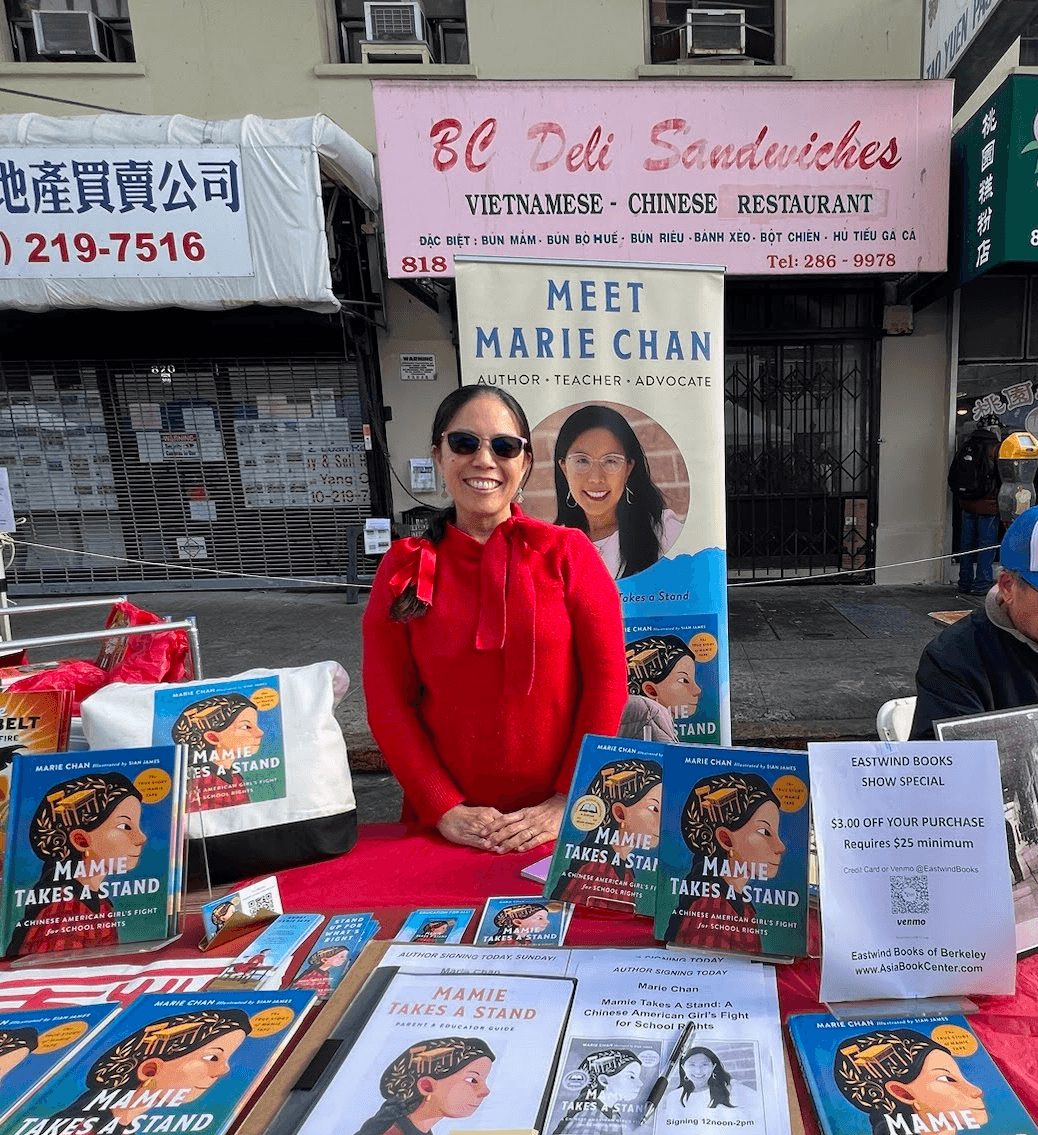
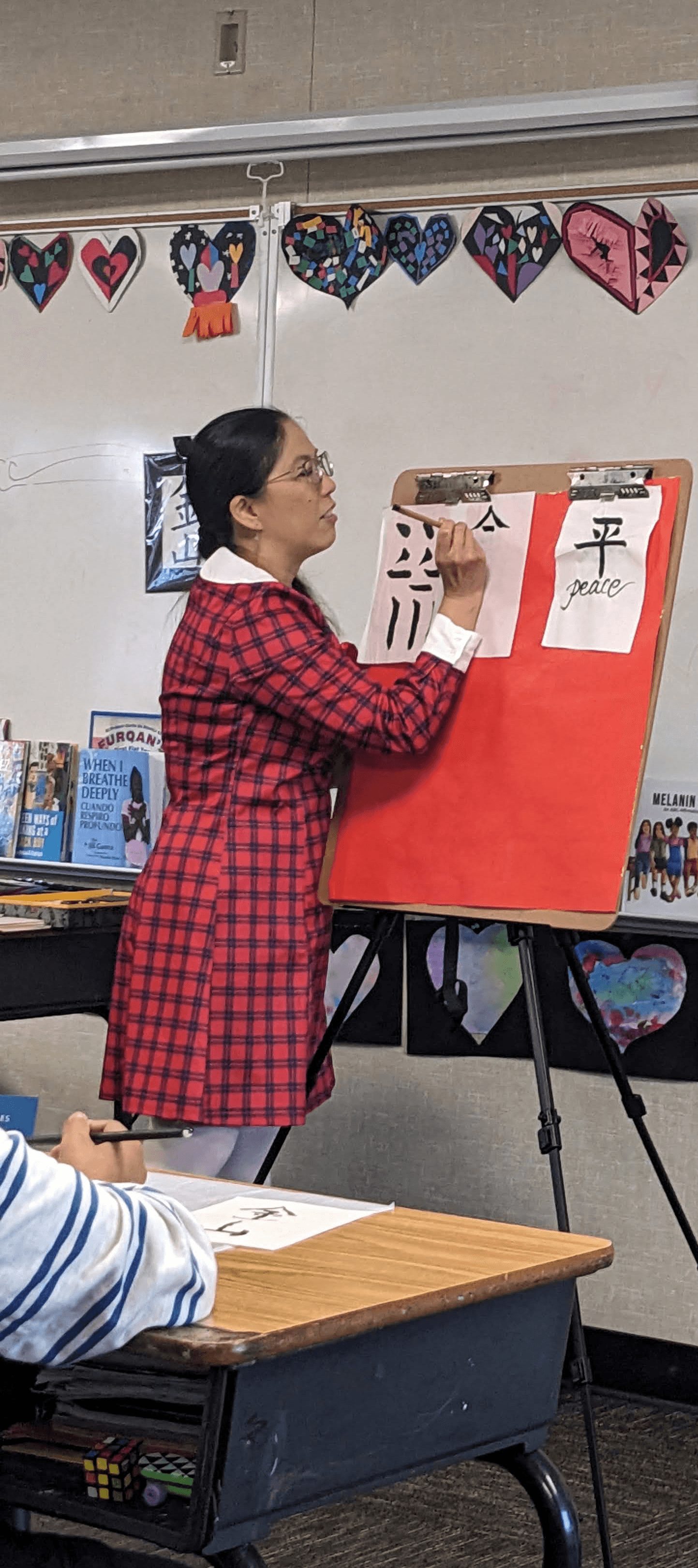
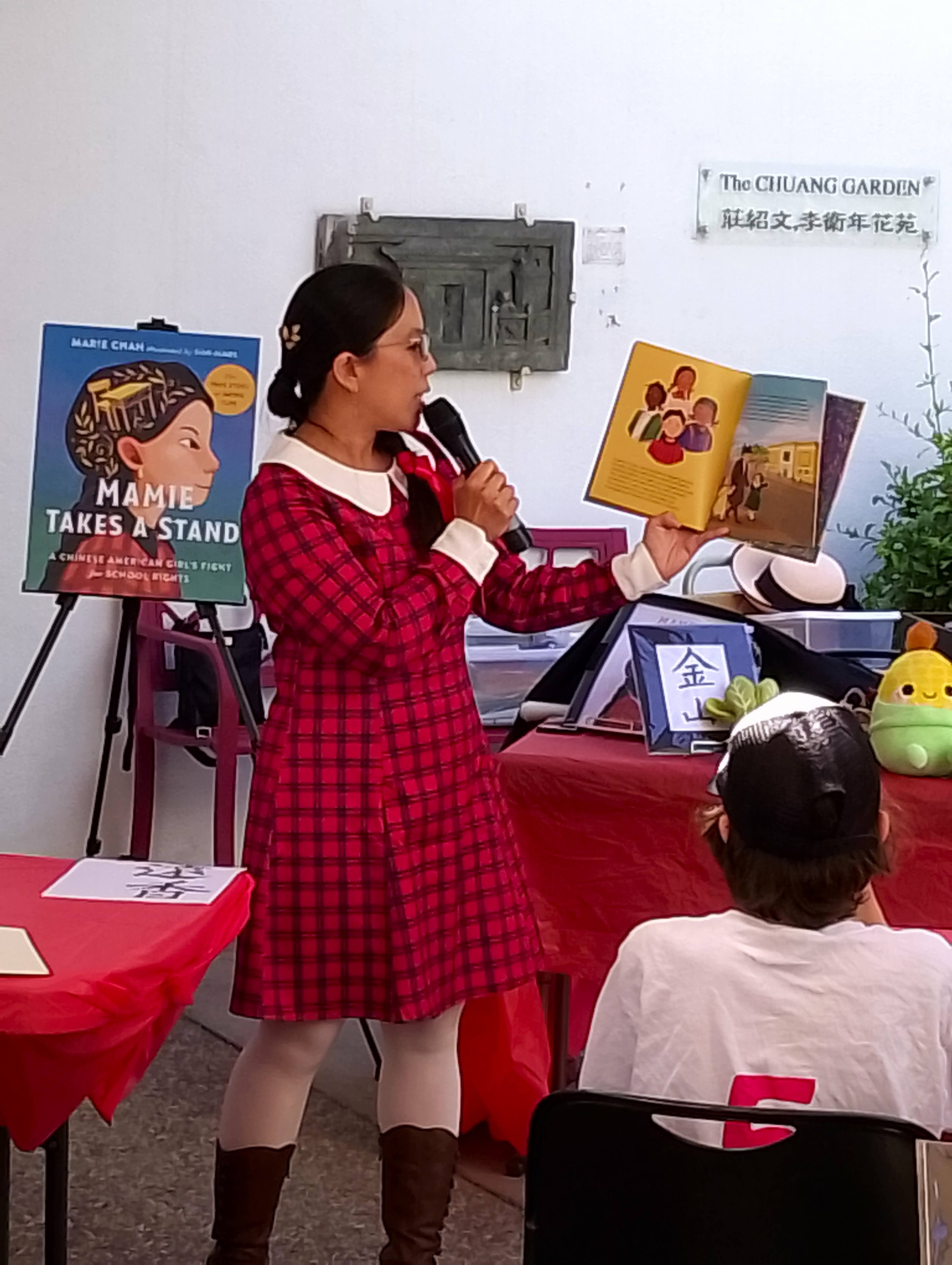
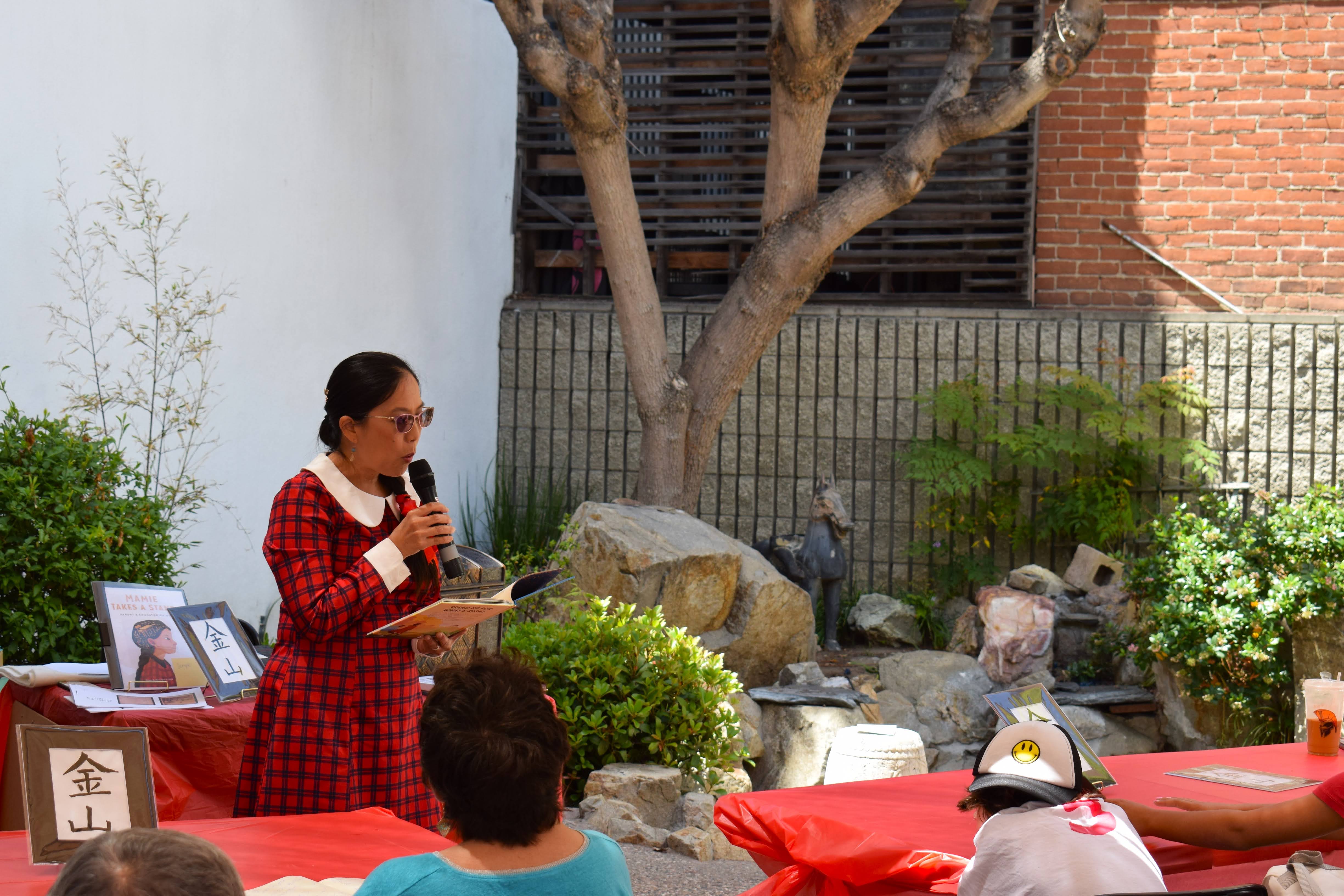
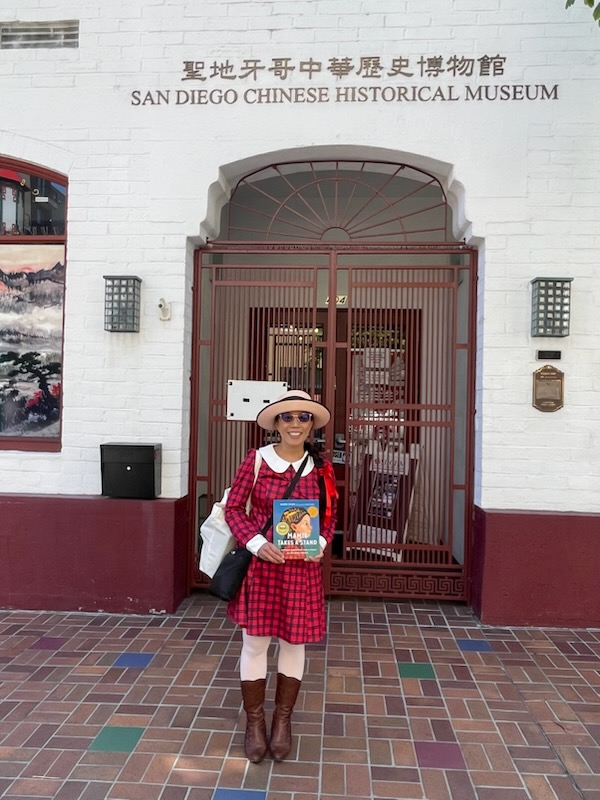
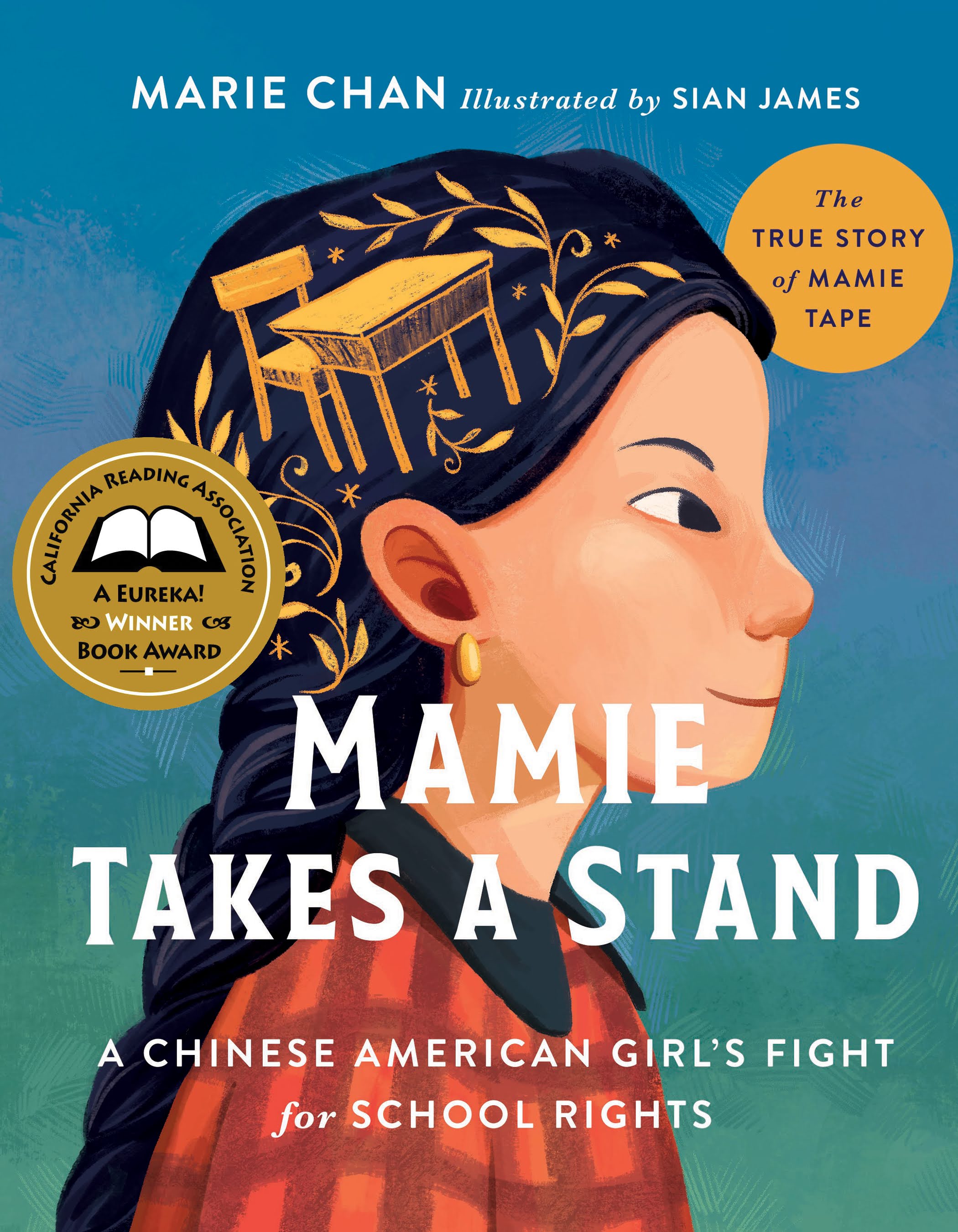
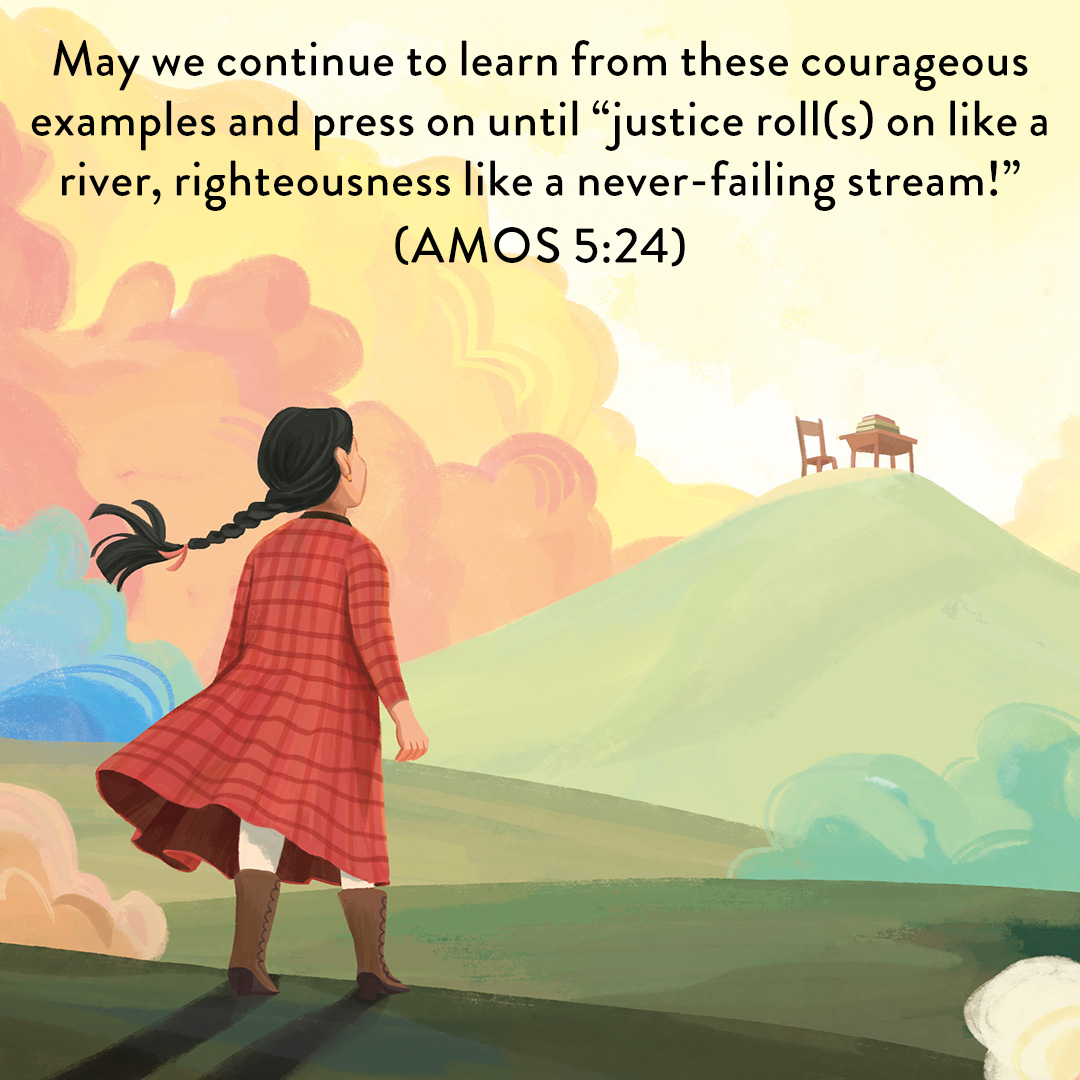
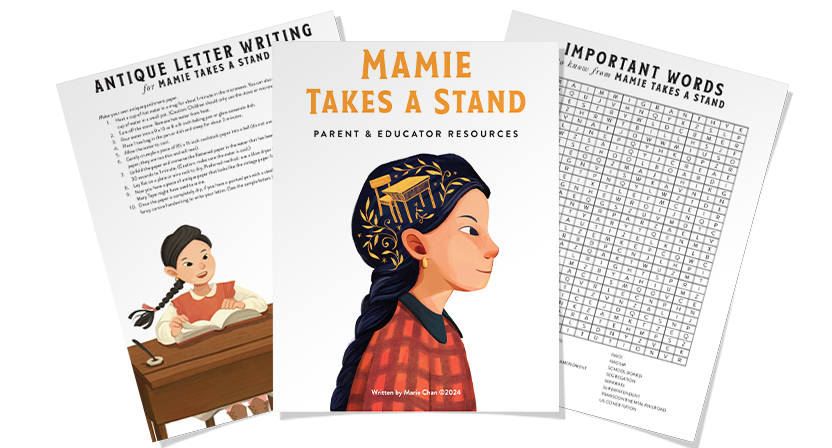
Image Credits
Book images: Ten Peaks Press (an imprint of Harvest House Publishers), illustrations by Sian James
Headshot: Jack Randall Photography
Museum photos: San Diego Chinese Historical Museum and Chan Family
Additional photos: Chan Family