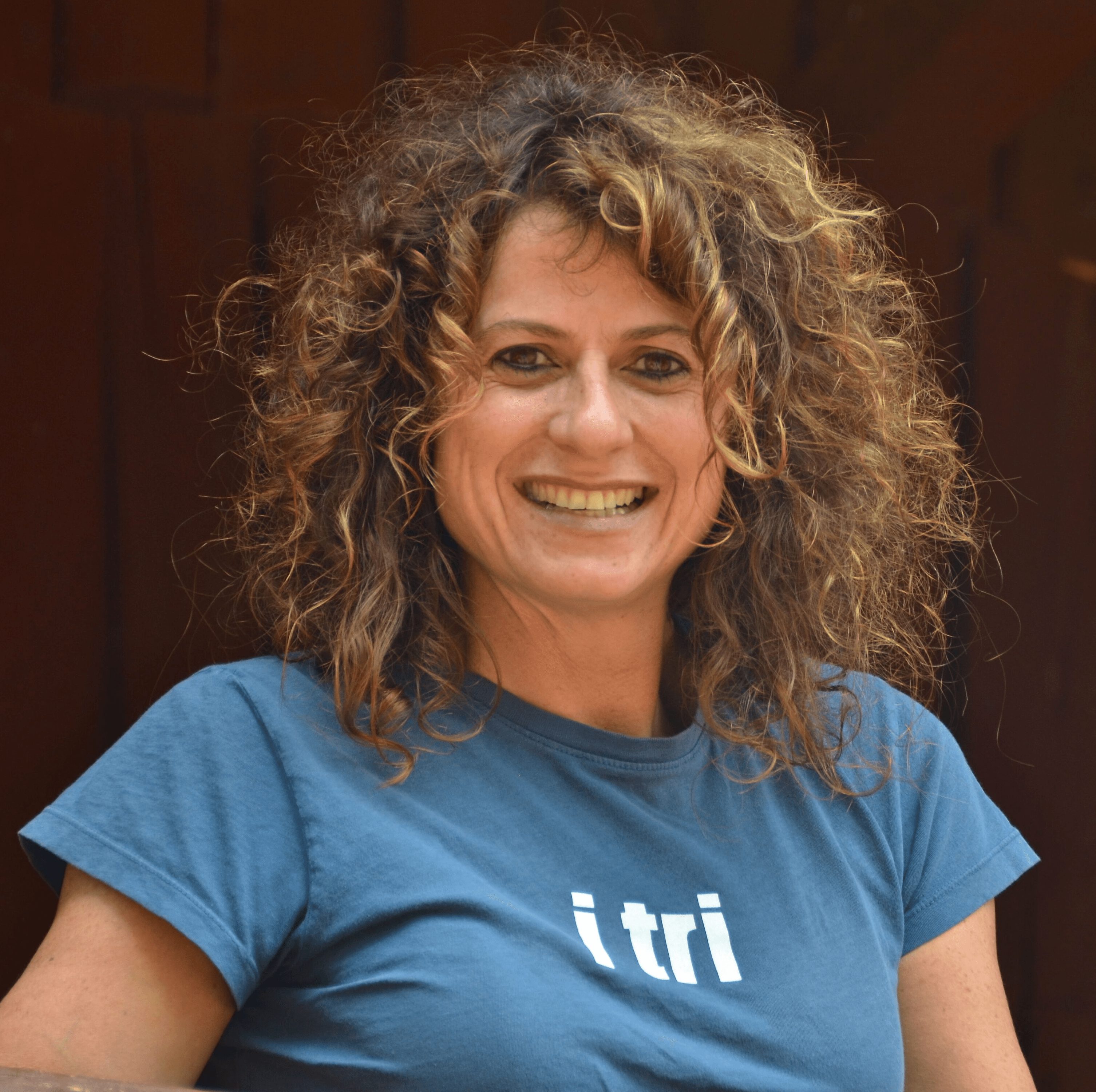
Today we’d like to introduce you to Natalie Spiro.
Hi Natalie, we’re thrilled to have a chance to learn your story today. So, before we get into specifics, maybe you can briefly walk us through how you got to where you are today?
I didn’t come to America with a drum. I came with a dream, a degree, and a jewelry line. And like so many stories that begin with arrival, mine started with ambition and ended—at least that chapter—with a crash loud enough to wake something ancient inside me.
When I landed in the U.S. in 2000, I had just secured a contract with Nordstrom for my high-end jewelry brand. Elegant pieces, custom-designed and manufactured in South Africa, ready to sparkle under retail lights in California. It was a big swing, and I thought I had nailed the landing. What I didn’t know—what nobody really warns you about—is how quickly the ground can vanish when you’re building on someone else’s rules. Resizing issues, import hassles, margins that didn’t make sense once you factored in the chaos of international logistics. Slowly, the dream lost its shine. And in under two years, the entire operation folded.
At the same time, my marriage—the one I’d brought with me across the ocean—was unraveling. In a new country, with no real community yet, no extended family, and no Plan B, I found myself living alone in a small San Diego house, nursing a broken heart and a bruised ego. I’d come here to build something new. Instead, I was grieving something I hadn’t even fully begun. The silence that followed wasn’t just external. It was internal too. It was the kind of quiet that demands a reckoning.
Somewhere in the middle of that identity collapse, my manicurist handed me a book: The Dark Side of the Light Chasers by Debbie Ford. I devoured it. Every page pulled something loose in me. I signed up for her workshop because I wasn’t just looking for answers—I was desperate to remember my voice. There, in a room full of strangers, we were guided through a visualization. I closed my eyes and saw myself standing at the bottom of an escalator that led upward into light. But at the top, blocking my way, was a massive gray boulder—immovable, cold, impossible. I stood there frozen, fists clenched, trying to will it away. And then, a voice inside me spoke—not loudly, not with reasons, but with quiet certainty, saying “Natalie, you are the magician.”
That line cracked me open. It wasn’t just about finding power. It was about remembering I had it all along. It was the kind of remembering that shifts the air around you. I didn’t know how or when or where—but I knew something new was coming. Something old, too. Something rhythmic. It was around that time the drum knocked for the first time.
One afternoon, out of the blue, a childhood friend from South Africa called. He was working on a theatrical show called Drumstruck—an electrifying, interactive drumming performance that was setting Johannesburg stages on fire. Audiences were crying, laughing, letting go. And somewhere in the middle of the conversation, he said, “You should bring this to corporate America.”
At first, I laughed. I had never drummed in my life. But that suggestion stuck. It curled itself into a corner of my mind and started to hum. That same week, I sat alone in my garage—where the jewelry boxes used to be—and noticed a flicker of something new. It didn’t come with instructions, but it moved anyway. I didn’t want to keep chasing the next thing. My intention was to slow down, to listen differently. And as my mind grew quieter, the beat of my heart grew louder—steady, undeniable. That’s when I could finally hear what had been calling me all along.
I didn’t talk about the idea. I didn’t sketch out a plan. I just let it move through me—quietly at first, like the earliest rhythm I’d ever known. And not long after, a friend invited me to a party. I was new to San Diego, still finding my footing, and the idea of showing up—open, unrehearsed, unattached—felt strangely right. I went with nothing prepared but curiosity.
Then came the party—the kind where the wine is flowing and small talk floats through the air like background music. I struck up a conversation with a tall, poised woman named Laura from San Antonio, Texas. Gorgeous. Grounded. And, as it turned out, an SVP at Motorola. We chatted, and of course, she asked the dreaded question every immigrant hears: “So, what are you doing here in the States?”
Without skipping a beat—or maybe riffing with one—I told her about the idea. Executives with djembes. Boardrooms turned into drum circles. Silos shattered through sound. There was a reverberating pulse and I had only just begun to follow. I spoke from that raw, uncertain place where curiosity lives before it becomes clarity. I told her how a friend back in South Africa had planted the seed—how he believed that someone with my background in organizational psychology and leadership development might just be the bridge between ancient rhythm and modern business. I admitted I wasn’t a drummer. I’d never even facilitated a team of that size. But the idea wouldn’t leave me alone. And somehow, the more I spoke, the more it made sense. Not just to her—but to me.
“I have a regional sales summit next month in Las Vegas,” she said. “I don’t want a keynote speaker. I want you.”
I nearly dropped my drink.
That moment, sparked by rhythm and curiosity, was the beginning of Drum Cafe North America. One conversation. One intuitive leap. One woman who saw the beat before anyone else did. I didn’t overthink it. I just said yes—not because I was ready, but because something in me recognized the timing. The rhythm had been waiting. I was finally still enough to hear it.
What followed was a flurry of instinct and purpose. I called my friend in South Africa, booked a flight, and went—not to see family, but to listen, to sit with master drummers, to feel the pulse in my bones.
And like most things that matter, it all began with a yes.
I didn’t know then what it would become. I just knew I was saying yes to something I could feel but not yet explain. That night at the party was the first time the words even left my mouth. Until then, the idea had been more of a pulse than a plan. But somehow, in that moment—with a drink in my hand and a stranger’s curiosity inviting me forward—I heard it more clearly.
Since then, that rhythm has carried me into rooms I never imagined I’d stand in—from conference stages in Las Vegas to leadership retreats in Nairobi. From hospitals to high schools. From companies you know to conversations that stayed with me long after the last drum was packed away. And in every space, regardless of industry or location, I’ve witnessed the same quiet transformation: people remembering how to be with one another in a way that feels real.
There is a kind of intelligence that lives beneath our words, a pulse that doesn’t require permission to be felt. I’ve watched it surface in unlikely places—between strangers who suddenly move in sync, among teams who’ve forgotten why they started, inside leaders who are brave enough to put down what they know in order to rediscover what matters.
If you’ve ever led a meeting and felt the room go flat, if you’ve ever planned an event and hoped it would leave more than a good impression, if you’ve ever looked around your team and sensed something vital had gone quiet—then you already understand the need for something deeper. The rhythm isn’t something you have to create. It’s already there—waiting for a moment of recognition.
Alright, so let’s dig a little deeper into the story – has it been an easy path overall and if not, what were the challenges you’ve had to overcome?
Coming to America was both a dream and a leap of faith.
I arrived without a work visa, filled with hope but also uncertainty. What I thought might take months turned into a long, arduous journey—thirteen years to obtain my green card and nineteen years to finally become an American citizen. Those years were marked by patience, resilience, and an unwavering belief that I belonged here, even when the road felt impossibly long.
When I first landed in San Diego, I felt on top of the world.
I came with financial abundance and the confidence that I could build something extraordinary. But within six months, everything I had was taken away by my father. It wasn’t just the loss of money—it was the loss of security, trust, and the foundation I thought I could rely on. In that moment, my life was turned upside down, and I had to ask myself who I truly was without the safety net I’d always known.
At the same time, my marriage was unraveling.
The strain of financial hardship, combined with the emotional turmoil of everything else falling apart, took its toll. Divorce is never easy, but going through it while feeling so isolated in a new country amplified the pain. It was a season of deep loneliness and reflection, forcing me to dig into my own strength.
I also began to question my own beliefs and biases.
In the midst of my personal chaos, I found myself examining the stories I had been told about gender and identity. Questioning my gender bias was uncomfortable, but it was also freeing. It pushed me to grow, to embrace inclusivity, and to lead from a place of openness and curiosity rather than fear.
There were moments when I was completely broke—
a new immigrant in a country where I couldn’t legally work. It was humbling, even humiliating at times, to have so much to offer yet be unable to contribute in the way I wanted. But it taught me resourcefulness and grit. I learned to create from nothing.
The road was never without its challenging partnerships.
Along the way, I encountered people who did not share my values or vision. Partnerships that were supposed to empower often became obstacles, testing my patience and integrity. Each difficult relationship, however, became a lesson in boundaries and resilience.
Even within my own industry, I faced structures that fostered competition over collaboration.
The business model I was part of pitted owners against each other over territories instead of encouraging unity. It was disheartening, especially because my own work was about fostering connection. But it also made me fiercely committed to building cultures of collaboration wherever I could.
Then came the external storms—
the 2008 housing market crash hit live events hard, and our industry took a massive blow. I rebuilt slowly, only to face another unimaginable challenge years later when COVID forced me to close my business completely. In those moments, I had two choices: give up or pivot. I chose to pivot, to start again, and to reinvent my work in ways I never imagined. Those chapters were some of the hardest, but they shaped me into the leader I am today.
I also began to question my own gender preference.
During this period of upheaval, I found myself exploring parts of my identity I had long suppressed or ignored. It was confusing and, at times, painful to confront truths about who I was and what I wanted in relationships. Yet, this journey toward self-discovery became one of the most liberating aspects of my life. It allowed me to embrace authenticity, to love without labels, and to lead with a deeper sense of empathy and understanding for others navigating their own paths.
Appreciate you sharing that. What should we know about drum cafe north america ?
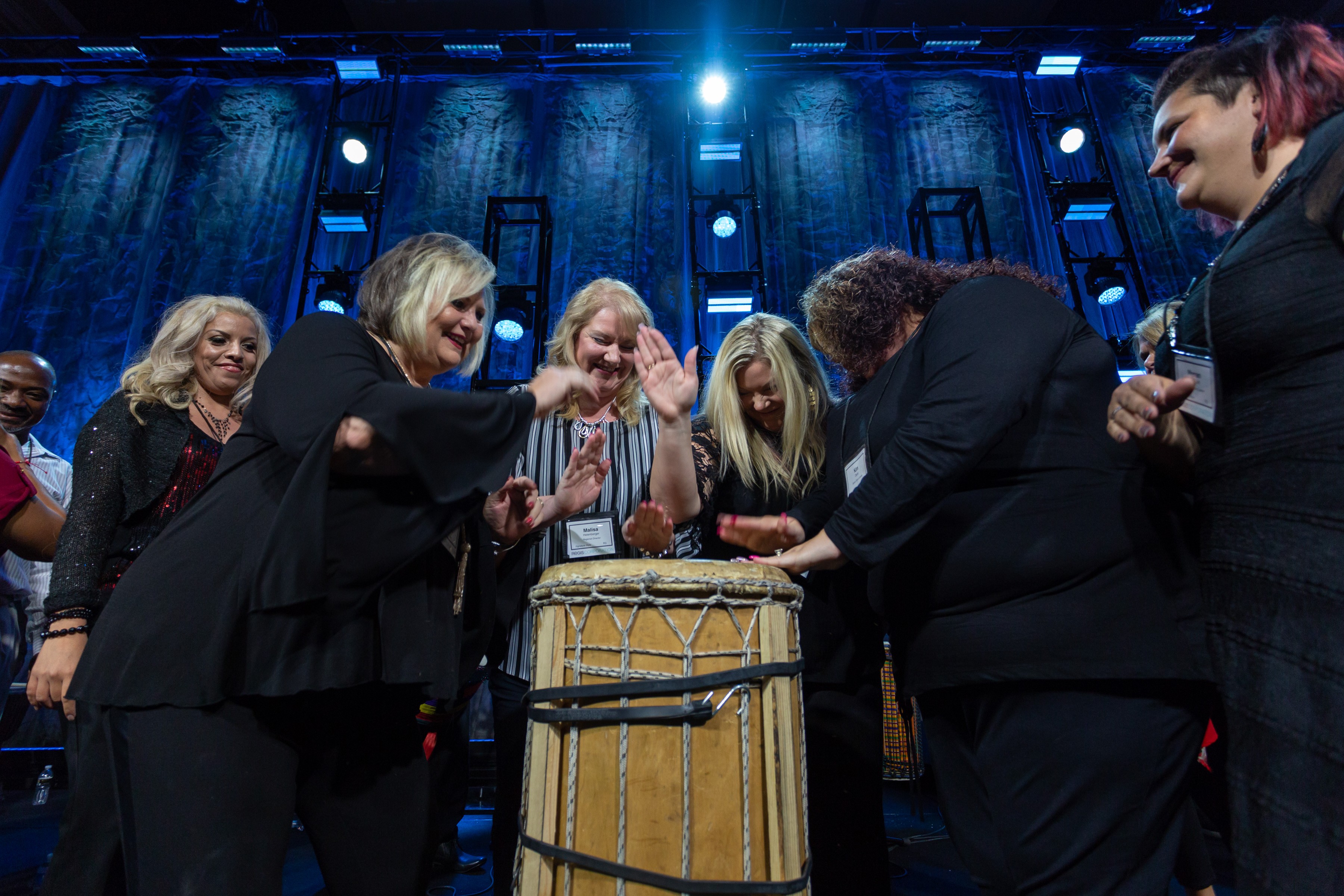
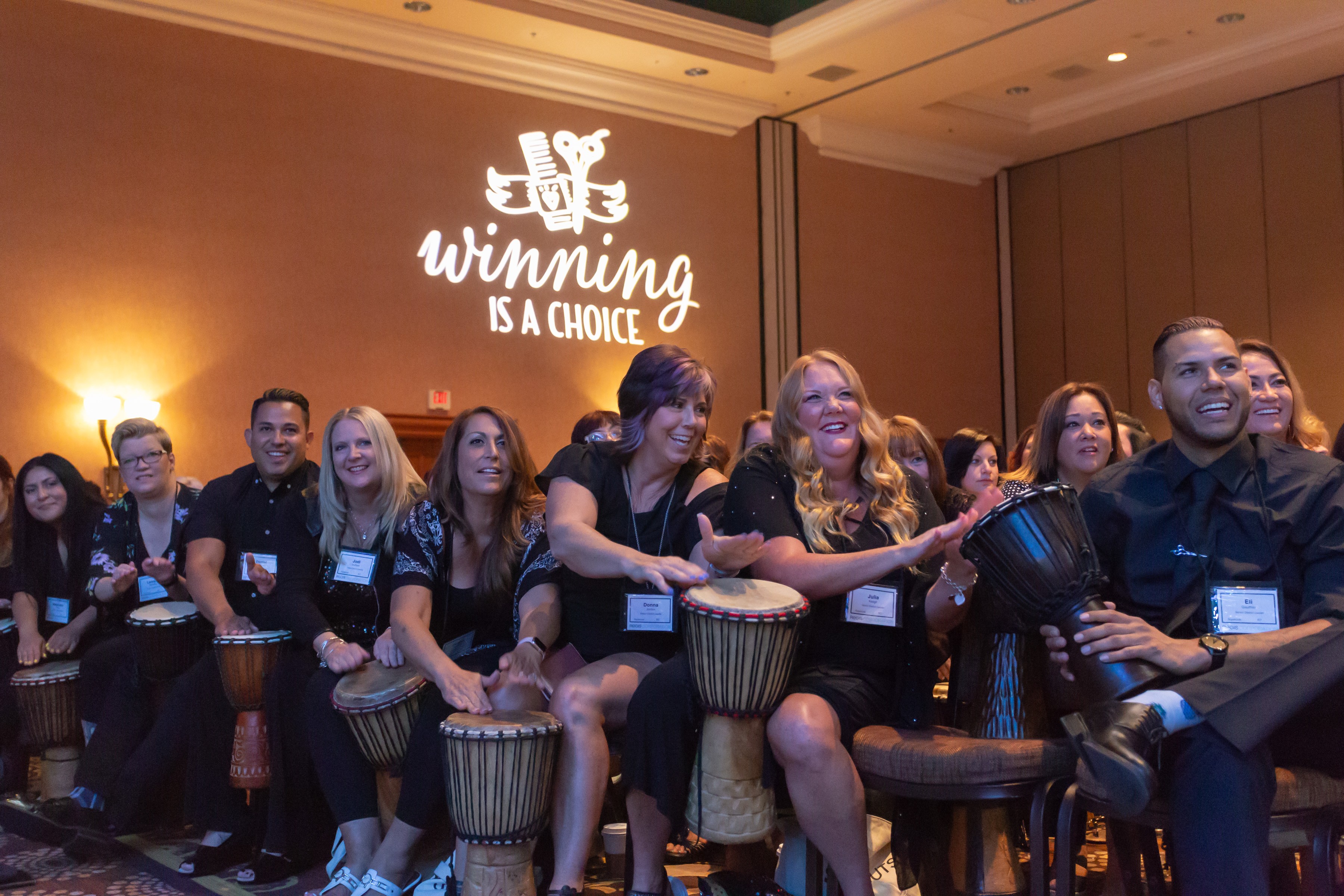
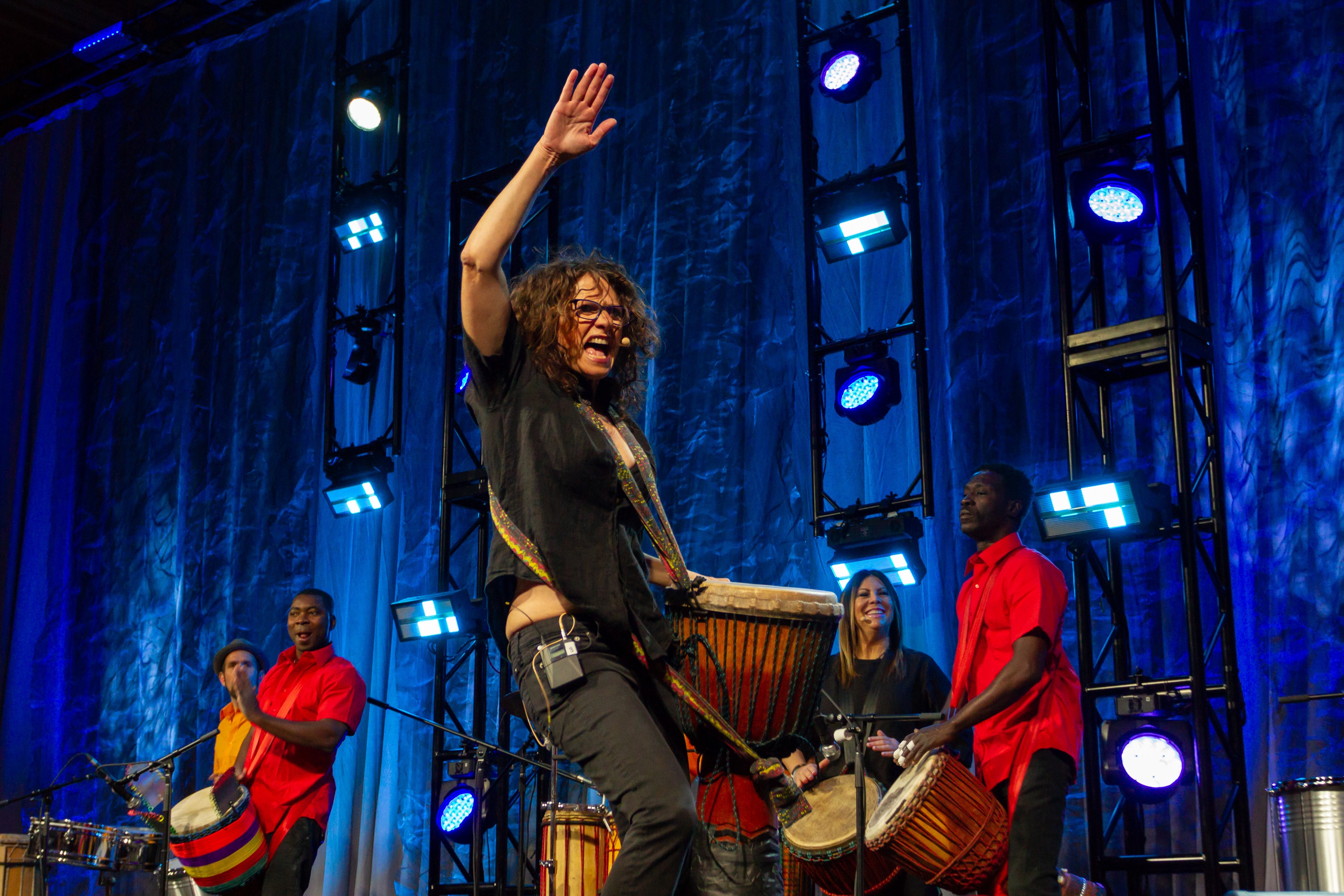
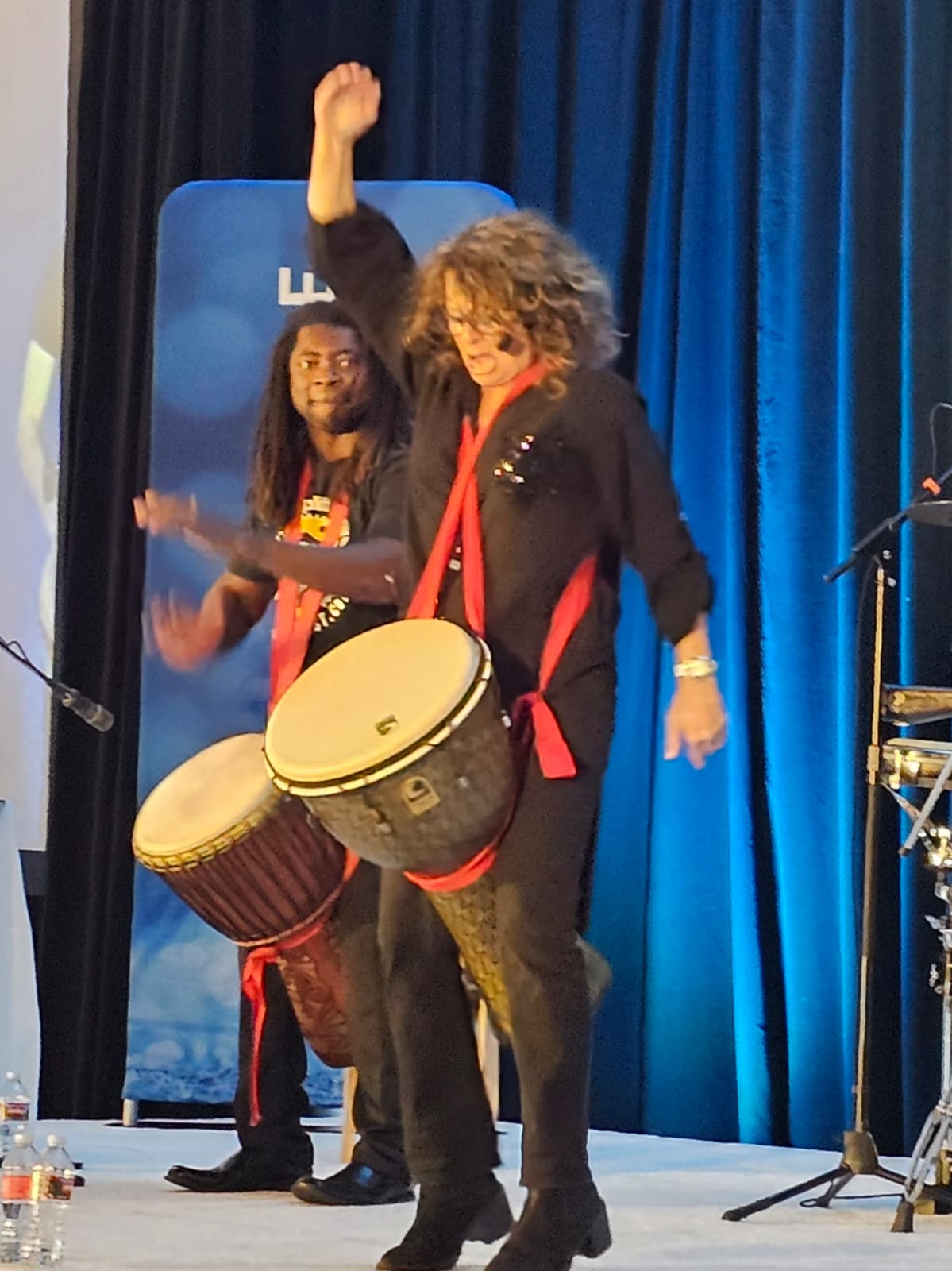
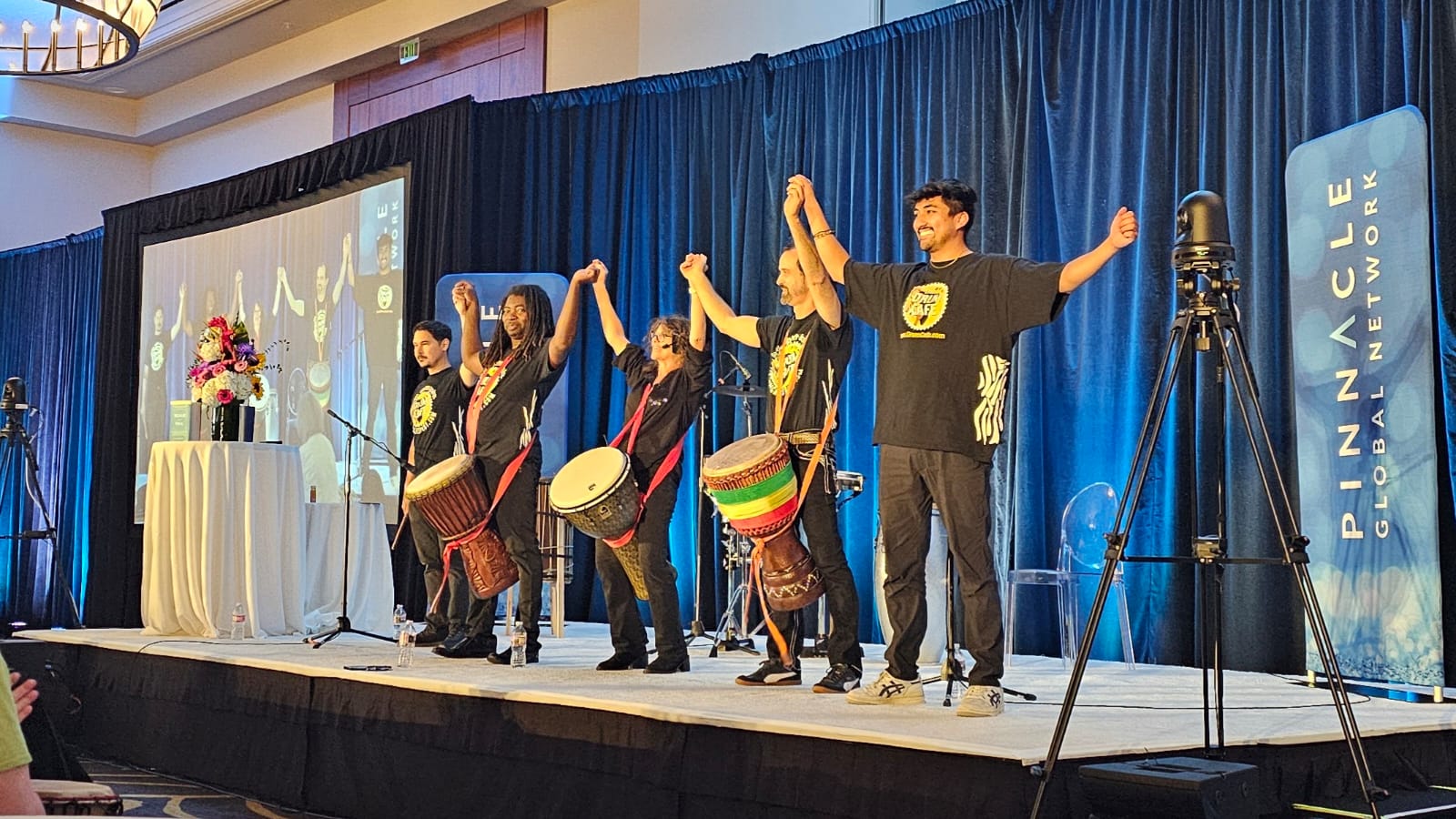
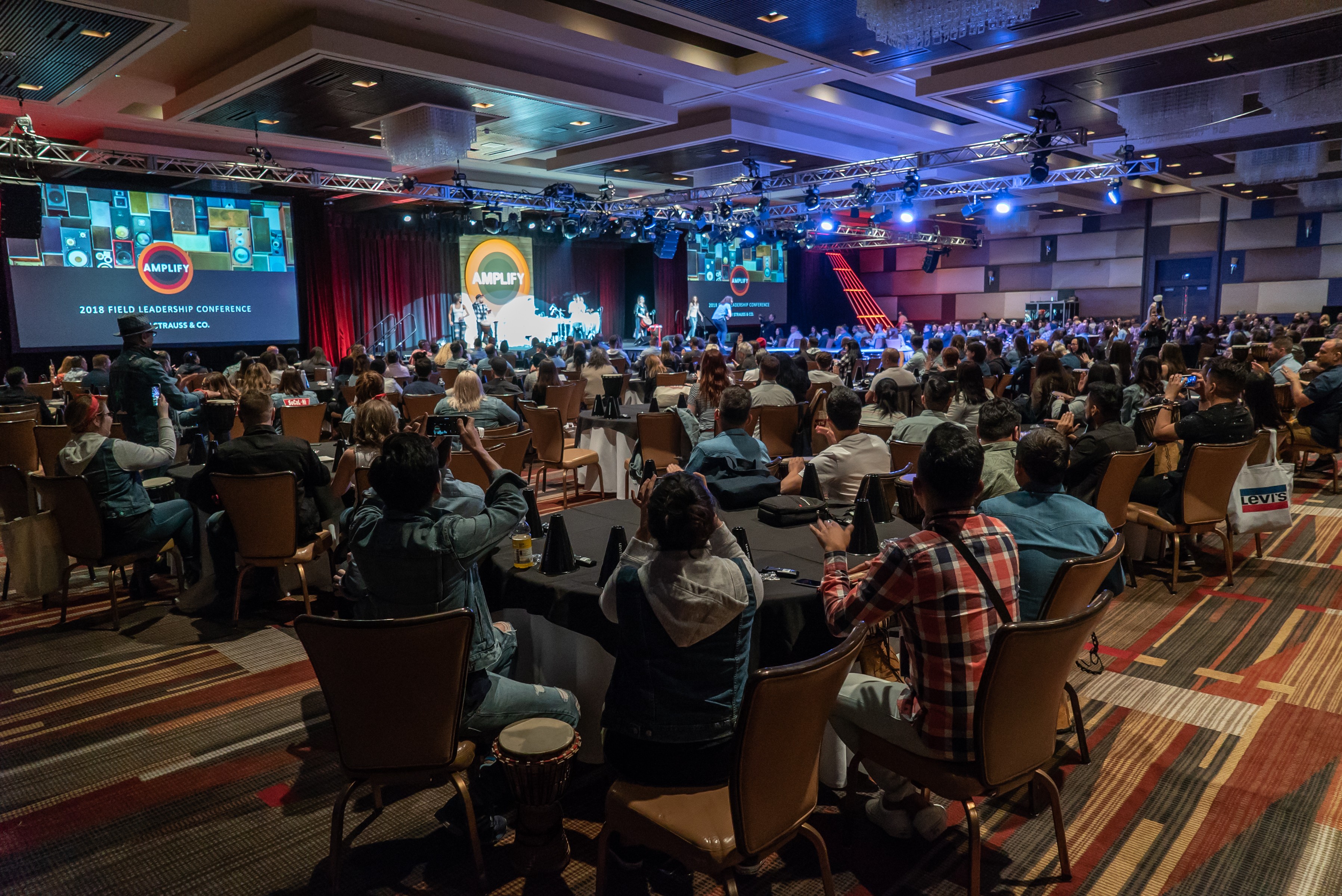
When people ask me about my business, I always say that we don’t just provide a service—we create an experience that people never forget. I am the CEO and Founder of Drum Cafe North America, a company that uses the universal language of rhythm to bring people together in ways that words alone cannot. Our programs are not about entertainment; they’re about transformation. Whether it’s a Fortune 500 company or global conference, or a leadership retreat or a team meeting, we specialize in using drumming as a powerful tool to foster alignment, connection, and collaboration within teams.
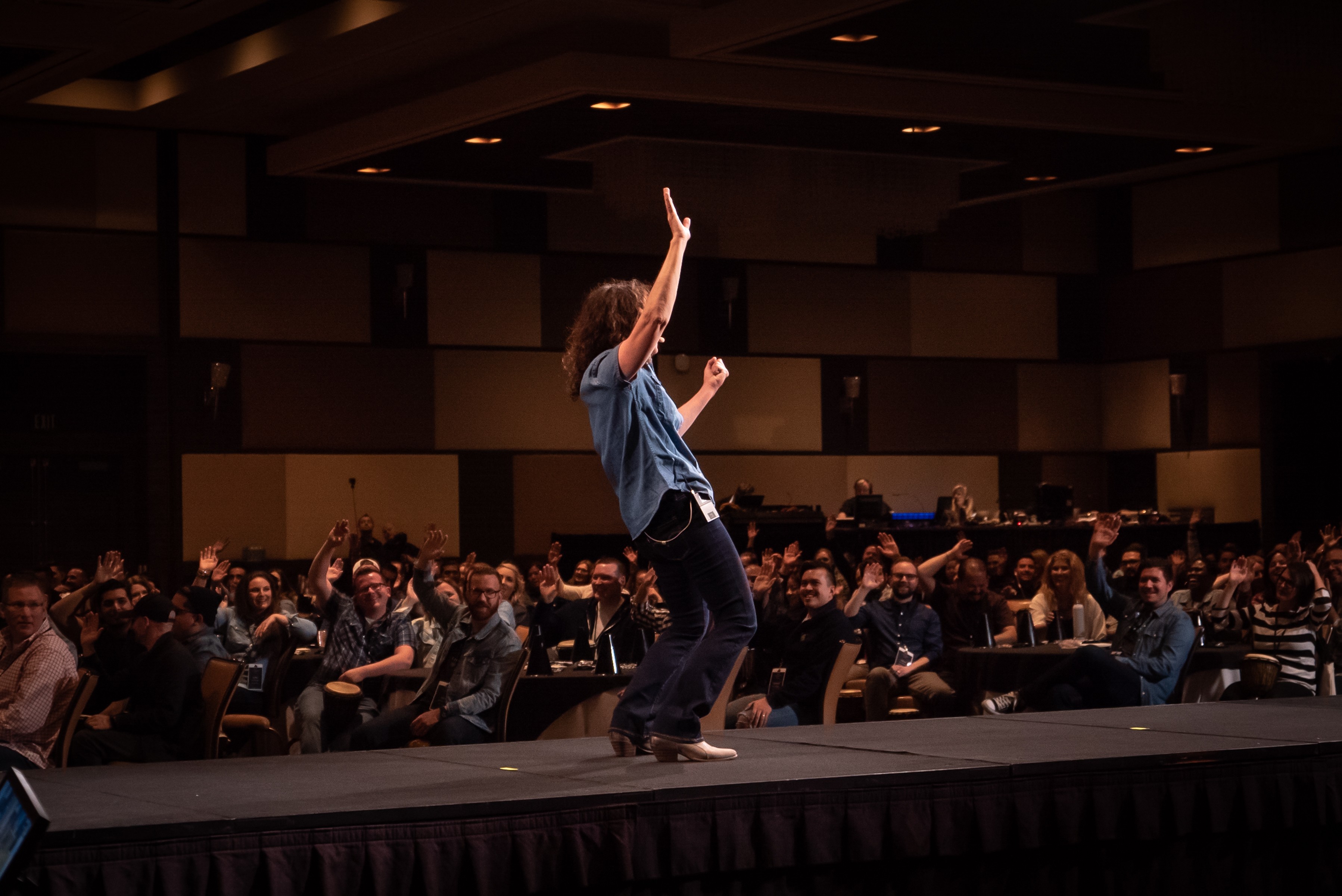
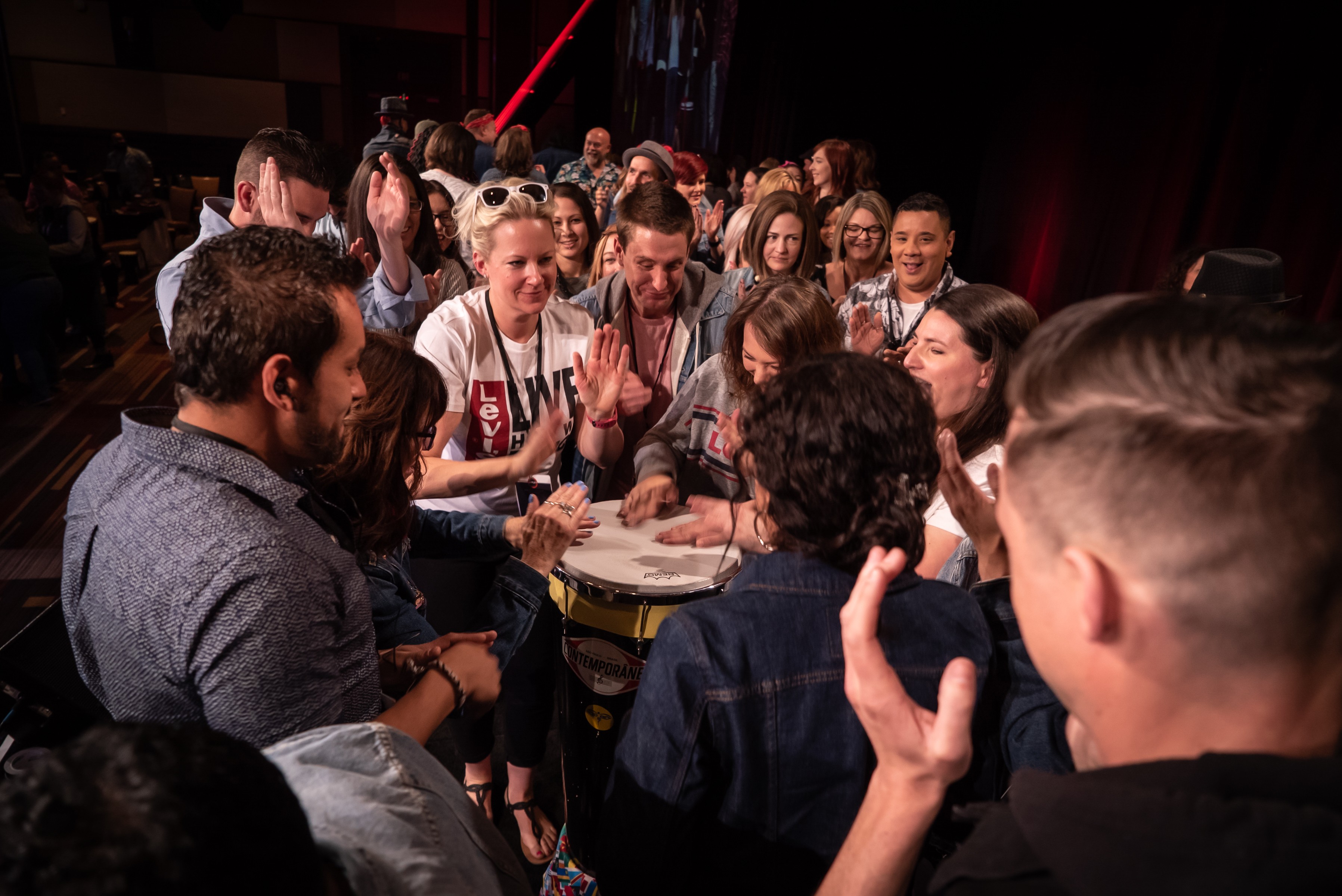
What sets us apart is our belief that every single person has a rhythm within them, and when those rhythms unite, extraordinary things happen. Unlike traditional team-building activities, our sessions break down barriers in minutes. We place a drum in the hands of every participant—CEO to intern—and suddenly, hierarchies dissolve, communication flows, and people experience what it feels like to truly be in sync. This isn’t something you can just watch; it’s something you feel in your bones. That’s why companies call us back year after year.
We’re known for creating high-energy, deeply impactful moments at events that otherwise risk being just another meeting on the calendar. Our programs have opened global summits, energized corporate transformations, and celebrated milestones for some of the world’s most recognizable brands. But what I am most proud of is how we consistently weave purpose and heart into everything we do. For us, it’s not about the drums—it’s about what happens to people when they drum together.
Brand-wise, I am incredibly proud that we stand for unity, inclusion, and joy. We’ve worked with teams navigating mergers, overcoming burnout, and rebuilding after crises, and time and again, I’ve seen how rhythm creates the trust and energy they need to move forward together.
For your readers, I want them to know this: our offerings go far beyond a “fun activity.” We deliver experiences that align teams, ignite leadership, and strengthen cultures from the inside out. Whether it’s through our high-impact corporate events, leadership programs, or customized activations, our goal is to help organizations create moments that matter—moments that last long after the final beat.
At the core, what we offer is simple yet profound: we remind people that when they listen, connect, and play together, they can achieve anything.
Is there a quality that you most attribute to your success?
For me, the quality that has been most essential to my success is resilience grounded in hope.
Life has thrown me more than my share of challenges—immigrating to a new country, losing everything I had financially, rebuilding from scratch, facing business collapses during crises like the 2008 market crash and COVID. At every turn, there were moments when it would have been easier to give up. But I’ve always carried this inner belief that even in the darkest seasons, there is a way forward if you’re willing to stay the course, pivot when necessary, and keep your heart open to possibility.
That resilience is paired with another quality I hold dear: the ability to connect deeply with people. My work is about creating human connection, so it starts with how I lead, how I build relationships, and how I choose to show up—vulnerable, authentic, and willing to listen. These qualities have allowed me to not just survive challenges, but to transform them into opportunities for growth and innovation.
In short, my success comes from refusing to let circumstances define me—and instead, letting them refine me.
Pricing:
- drumming keynotes – $2500 +
- team can jam cajon build programs – $3500+
- Symphony of rhythm programs – $2000+
- Body percussion and drumstick programs – $2500 +
- Virtual experiences – $2000+
Contact Info:
- Website: https://www.drumcafenorthamerica.com
- Instagram: https://www.instagram.com/drumcafenorthamerica/
- Facebook: https://www.facebook.com/drumcafenorthamerica
- LinkedIn: https://www.linkedin.com/in/nataliespiro/
- Twitter: https://x.com/drumcafena
- Youtube: https://www.youtube.com/user/NatalieSpiro
- Other: https://vimeo.com/drumcafenorthamerica