


Today we’d like to introduce you to Lindsay Miller.
Hi Lindsay, it’s an honor to have you on the platform. Thanks for taking the time to share your story with us – to start maybe you can share some of your backstory with our readers?
I grew up in the San Francisco Bay Area, where I spent a lot of time drawing, making, designing, and learning. I went to college at UC San Diego, where I got my B.S. in Cognitive Science with an emphasis in Human Computer Interaction. As an undiagnosed (at that time) neurodivergent artist/designer, I was keenly interested in why people saw the world differently, and what I could do to improve access for myself and others. At the same time, I was taking craft classes at the Craft Center, and working on a minor in Theater where I focused on playwriting and stagecraft.
After graduating, I spent about 15 years in various roles in the video game industry, UX research, design, and technology, My common professional thread has always been what small things I could do to help everyone have equal access. I always kept drawing, writing, and working with clay as a personal practice.
During the pandemic, I received a late neurodivergent diagnosis. To help process this and rediscover my identity, I started refocusing on my artistic side with zine- and comic making, illustration, and a new medium — ceramics. I started first at local studios like Teralta Art and Milk Oolong pottery, then through our community college system which has amazing classes taught by talented, internationally-recognized artists. I joined the Clay Artists of San Diego (CASD) and recently the Clay Club of Grossmont College, which both offer community support and the opportunity to learn from other clay artists.
During this time, I also started volunteering at Revision, a creative arts program nonprofit that offers creative training through the framework of an inclusive art studio and gallery. Over time, I was invited to join as a Creative Mentor. I also started submitting my work to shows, and have been featured at galleries and venues like NCECA, the Carl Solway Gallery, a Reason to Survive (ARTS) Gallery, Hyde Gallery, and The Hill Street Country Club.
A few years ago, I collaborated with Revision to start “Inclaysive,” an inclusive workshop series that invites people of all abilities to come together and play with clay. We continue to host a quarterly Inclaysive experience (https://www.tickettailor.com/events/inclaysive) open to both our resident artists at Revision and the general public, with rotating projects like building cups, textured ring dishes, sculptured monsters, and more.
This year, I started my small business, Lindsay Miller Studios, which offers in-home clay and illustration mentoring to the disability community. I also started bringing my zine-making and artistic mentoring skills to nonprofits around San Diego county through volunteering for Our Arts Foundation.
Alright, so let’s dig a little deeper into the story – has it been an easy path overall and if not, what were the challenges you’ve had to overcome?
It has not always been a smooth road. I have always struggled with a more traditional nine to five lifestyle, as I experience peaks and valleys with my motivation, energy, attention, and social battery. I’ve managed to get by with lots of rest and systems. When these systems got disrupted by the pandemic, I was pushed into getting an assessment and diagnosis. Luckily, this was covered by my insurance at the time — the reality is that unfortunately, this isn’t the case for many people. By understanding myself more and learning what was supportive to me, I have been able to build up a new lifestyle and system of combining freelancing with projects and communities I really care about — like Revision, Our Arts, and my community in clay.
I have also struggled with self-perception and imposter’s syndrome, knowing that I do not have a traditional “arts” background and took a twisty road to get to where I am at currently. It’s been helpful to get involved with community college, as it’s exposed me to others who have varied backgrounds and reasons for doing art. It reminds me that I’m not so alone with my “twisty background,” and I deserve to make art and take up space.
My personal obstacles and challenges have played into my work. With Inclaysive and my more interactive small zines, I strive to invite others into the artmaking experience in small and approachable ways. Even if you have limited energy, or don’t have the right supplies or training, even if you aren’t a traditional “artist,” artmaking belongs to you and you belong to art.
Can you tell our readers more about what you do and what you think sets you apart from others?
Common artistic themes for me are looking or feeling a bit strange, or being otherworldly. I want to normalize “strange” things, as we, as humans, sometimes have the visceral reaction of feeling uneasy or rejecting them. As someone who was seen as “strange” growing up, it’s personally important to be accepting of all and question our feelings and reactions to “odd” things.
A lot of my work is also interactive, or invites others to engage in the creative experience. I personally felt like I couldn’t be an artist or a creative person for a long time because I chose a path in technology, when it just wasn’t true. I hope everyone finds some form of release or self-expression with art. Sometimes it just takes a little spark to get the creative flames started.
Some of the resident artists at Revision call me the “clay lady,” so I am most known for my ceramics work! I specialize in figurative sculpture with some abstracted elements that explore and communicate my own neurodivergent experiences. Recently, I’ve been working on larger scale sculptures (3′-4′) in a “Persona” series, that depict semi-realistic characters with amorphous body shapes and expressive faces. These characters explore themes like body/brain disconnection, assigning special significance to objects, generational trauma, and interpersonal difficulties. I also enjoy making functional work like dishes, bowls, and cups that incorporate my illustration or facial sculpts. I’ve been exploring “tiny pottery” too, it’s just such a joy to make.
I got my artistic start with comic making and illustration, so that is also important to me. I was published the comic anthology “Sensory,” and love making zines (self-published, small batch “magazines”). I mostly make the “one sheet” or “smushbook” style of zine. What I find appealing about them is anyone can make them relatively quickly with just a sheet of typing paper, a pen or pencil, and a pair of scissors. There is something magical about creating and folding your own book in an afternoon. I’ve made a few templates geared toward making it easy for people to make their own zines, which I like passing out around San Diego. You may have seen me at the Mental Wellness for Artists resource fair with my safety planning zine, or my “Joybook” zine where you write and draw about the little things that bring you joy. I recently collaborated with Clay Artists of San Diego to create a zine about the basics of clay for them to pass out, and often give out project zines at Inclaysive.
I am most proud of my Inclaysive series of clay experiences. I started this series with Revision to offer a low-stress, easy entry point for people who are interested in clay, but maybe don’t find current offerings accessible for whatever reason. Maybe a longer class is too much commitment, maybe they are worried about following a traditional course curriculum because of their work schedule or ADHD, maybe they feel intimidated by the idea of working with a local studio to figure out if clay is accessible through their motor issues, joint pain, or difficulties with noise and social interactions. I hope that Inclaysive offers an easy way for clay curious folks to explore and enjoy themselves in a supportive atmosphere.
Can you tell us more about what you were like growing up?
Growing up, I was fairly quiet and often felt isolated. I was keenly interested in nature and mythology in particular, and would spend hours in the library reading books on these topics. I also spent a lot of time drawing, filling up notebooks with drawings of animals and ideas for comic characters. School was difficult for me, although I did well academically. I was obviously “different” to my peers and had a lot of trouble connecting to them.
Luckily I did find my “people,” with a few close friends. Anything creative, like theater, art class, or being a part of our school’s “Visions,” literary magazine was a huge part of my life.
The idea of inclusiveness or not, belonging or not, questioning what is strange or normal, is a big part of my creative work and stems from these difficult childhood experiences.
Contact Info:
- Website: https://www.lindsaylamiller.com/
- Instagram: https://www.instagram.com/seacowsoda/
- LinkedIn: https://www.linkedin.com/in/lindsaylautersmiller
- Other: https://www.tickettailor.com/events/inclaysive
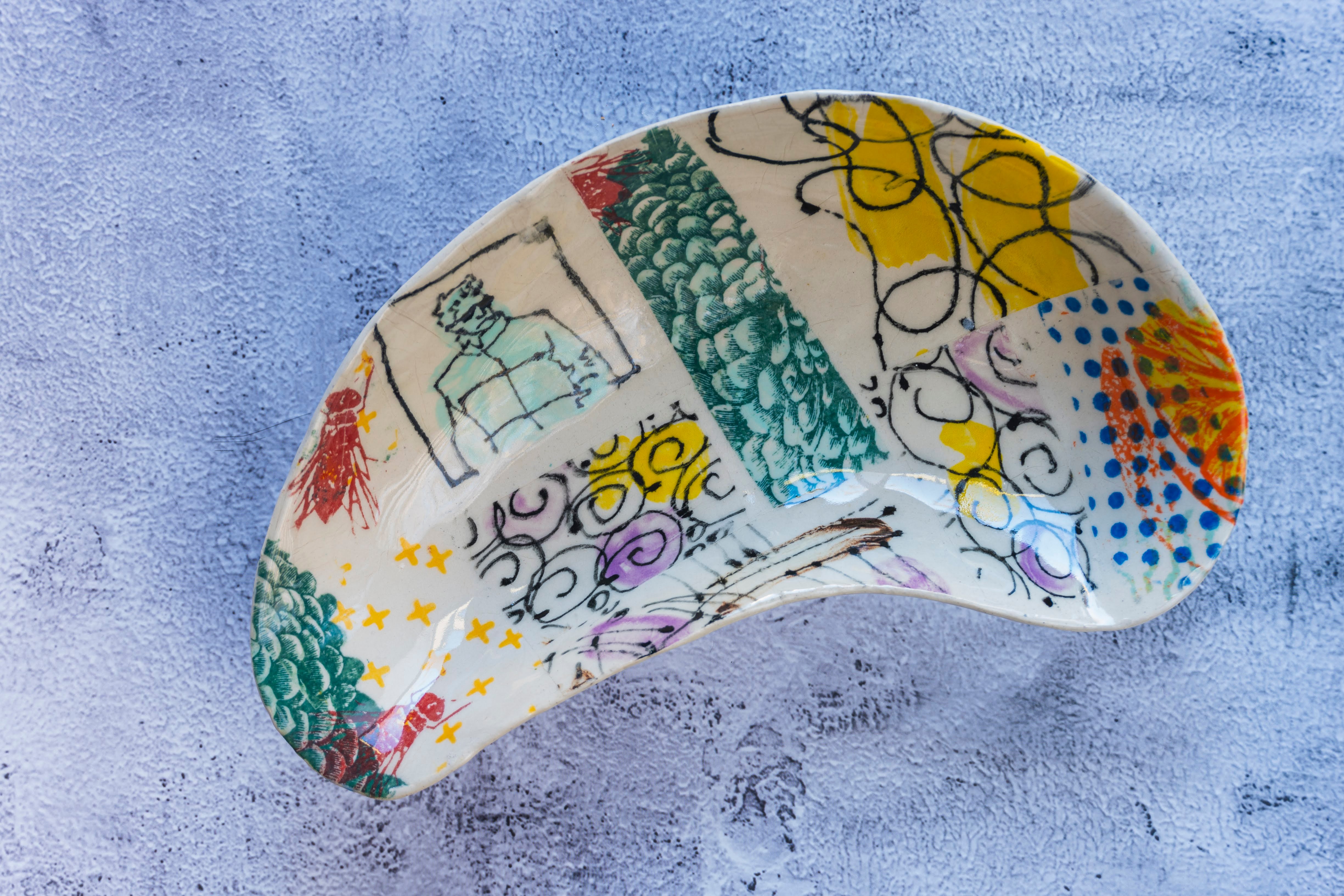
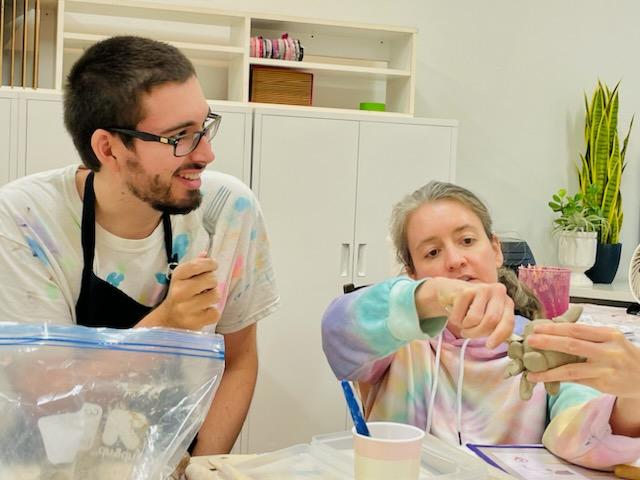
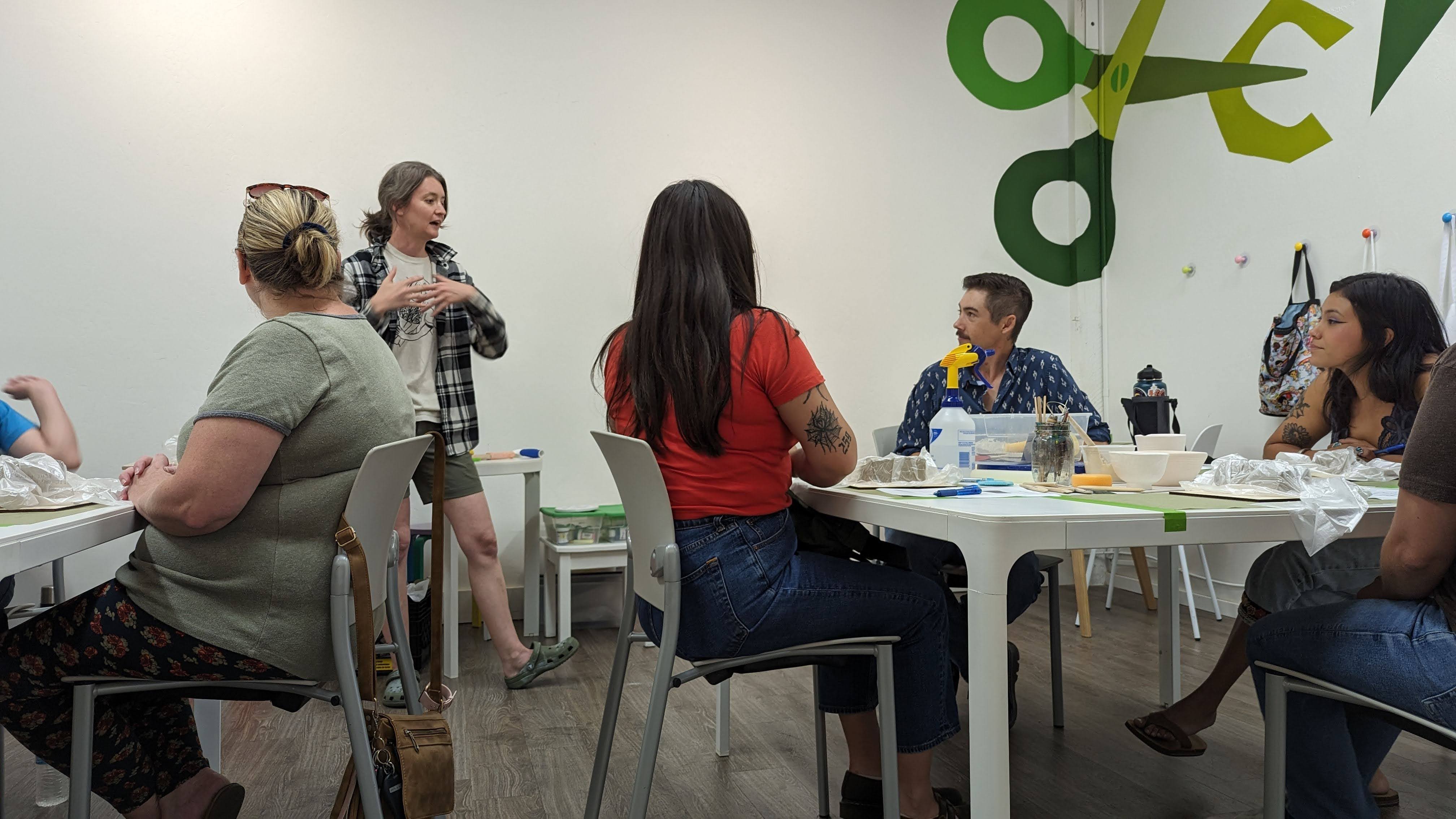
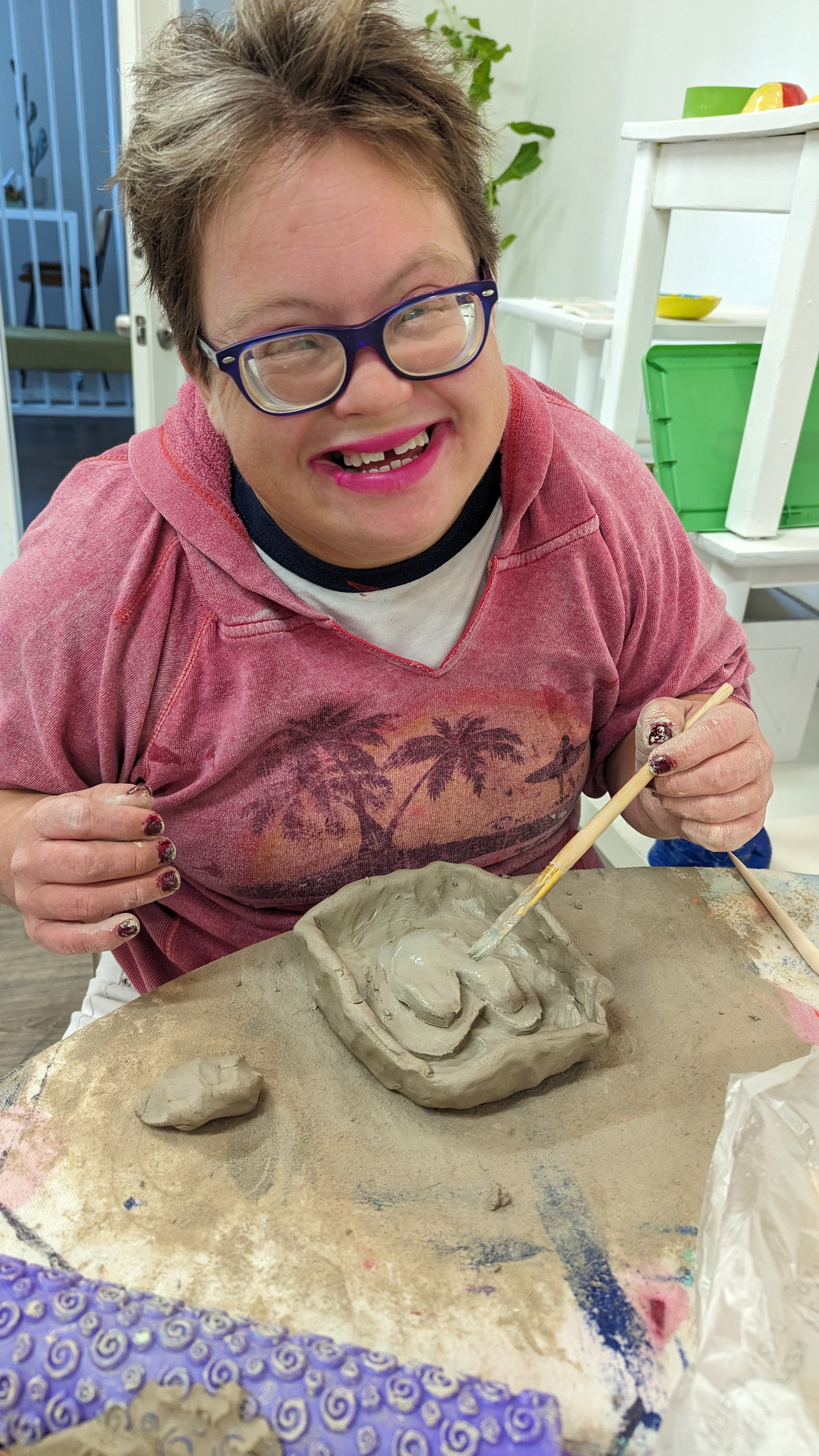
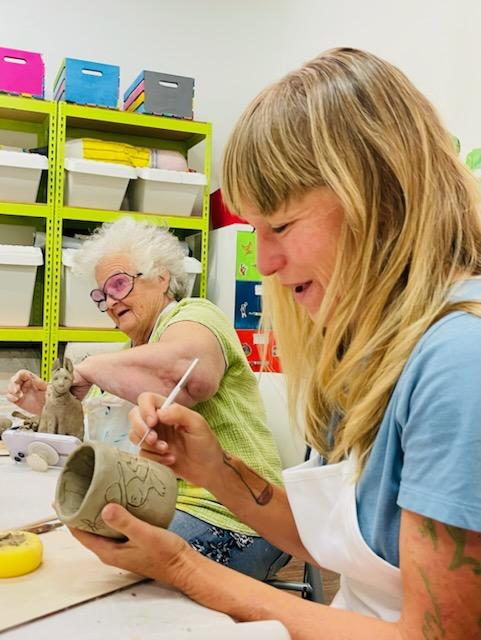
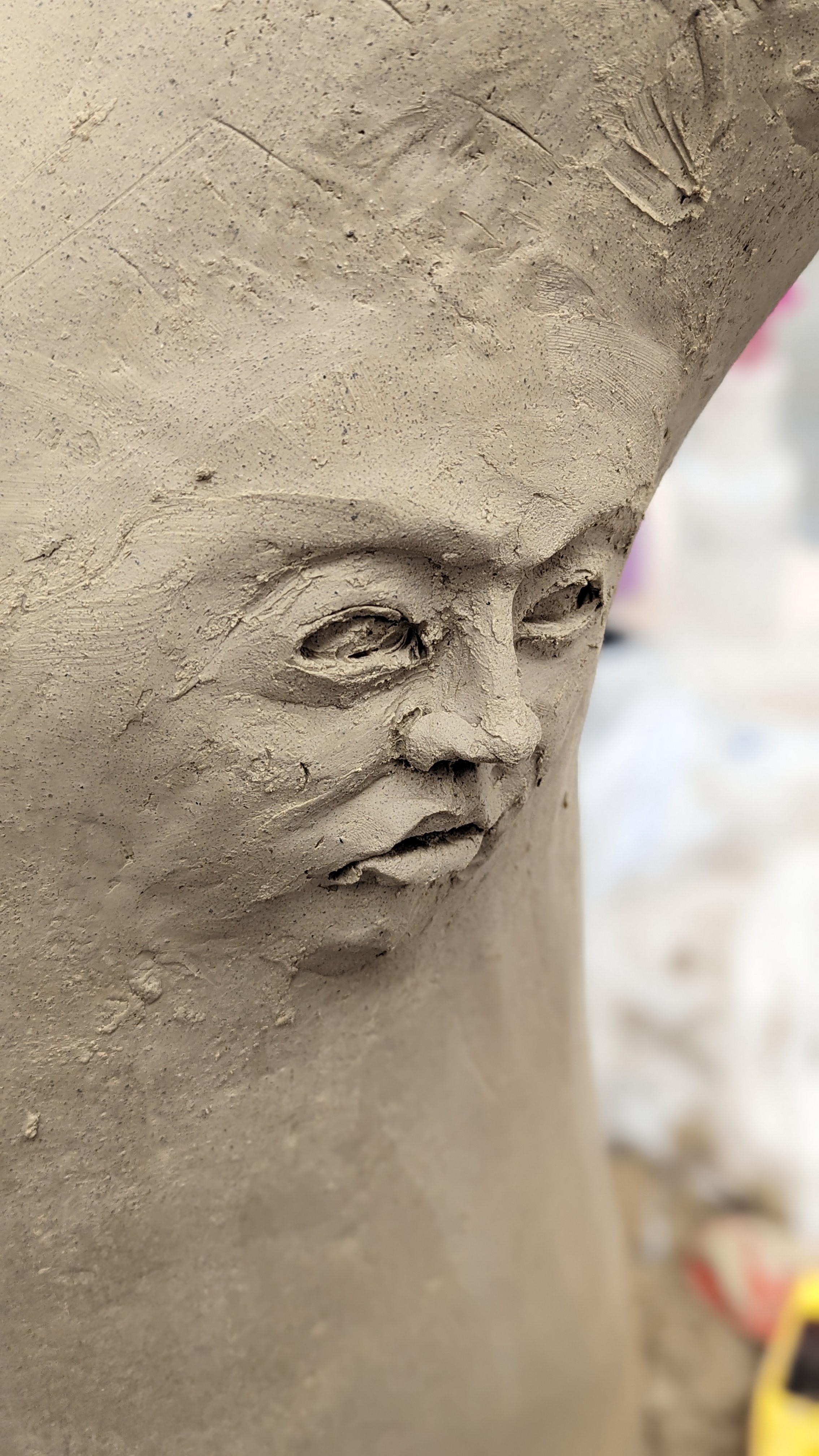
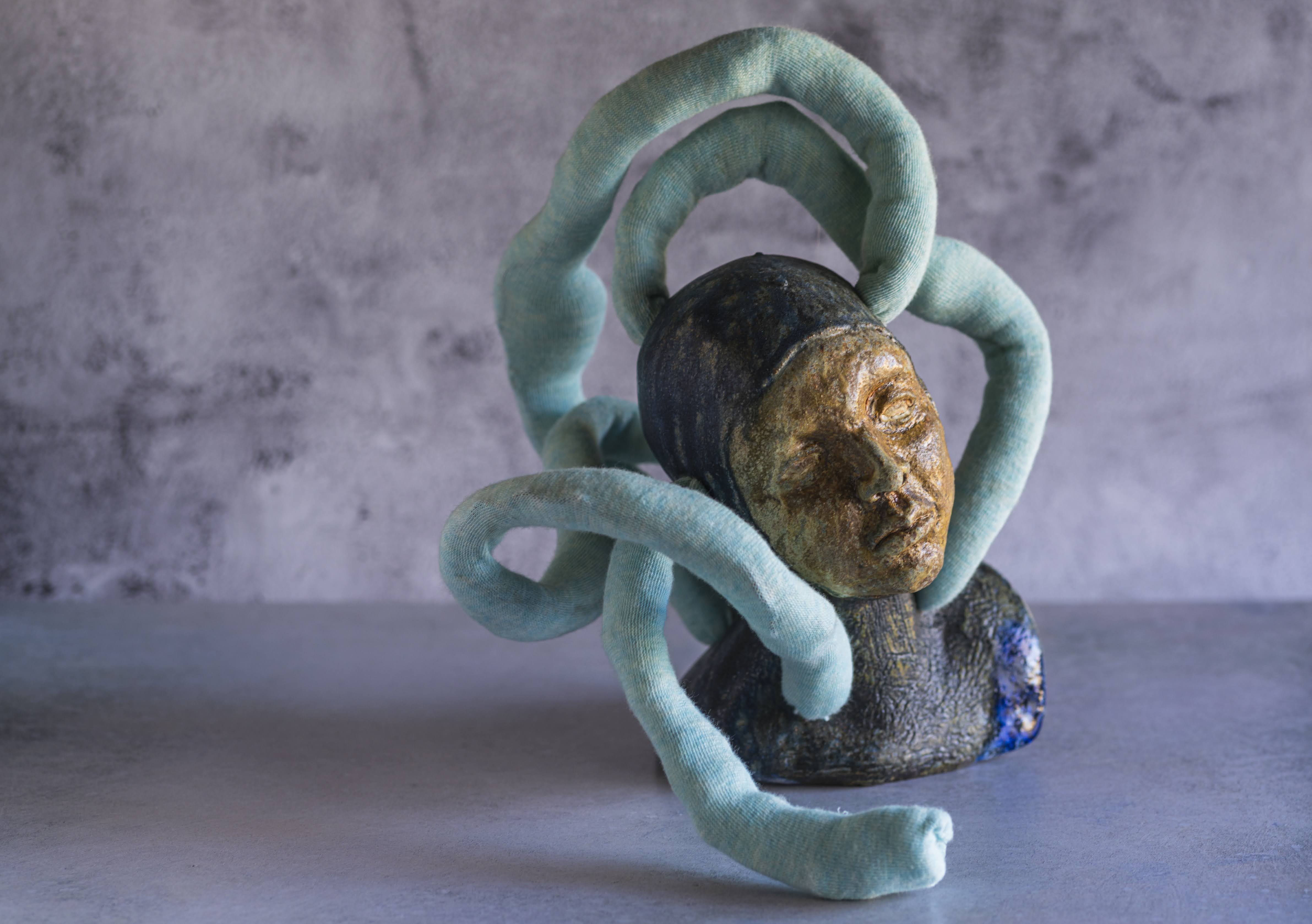
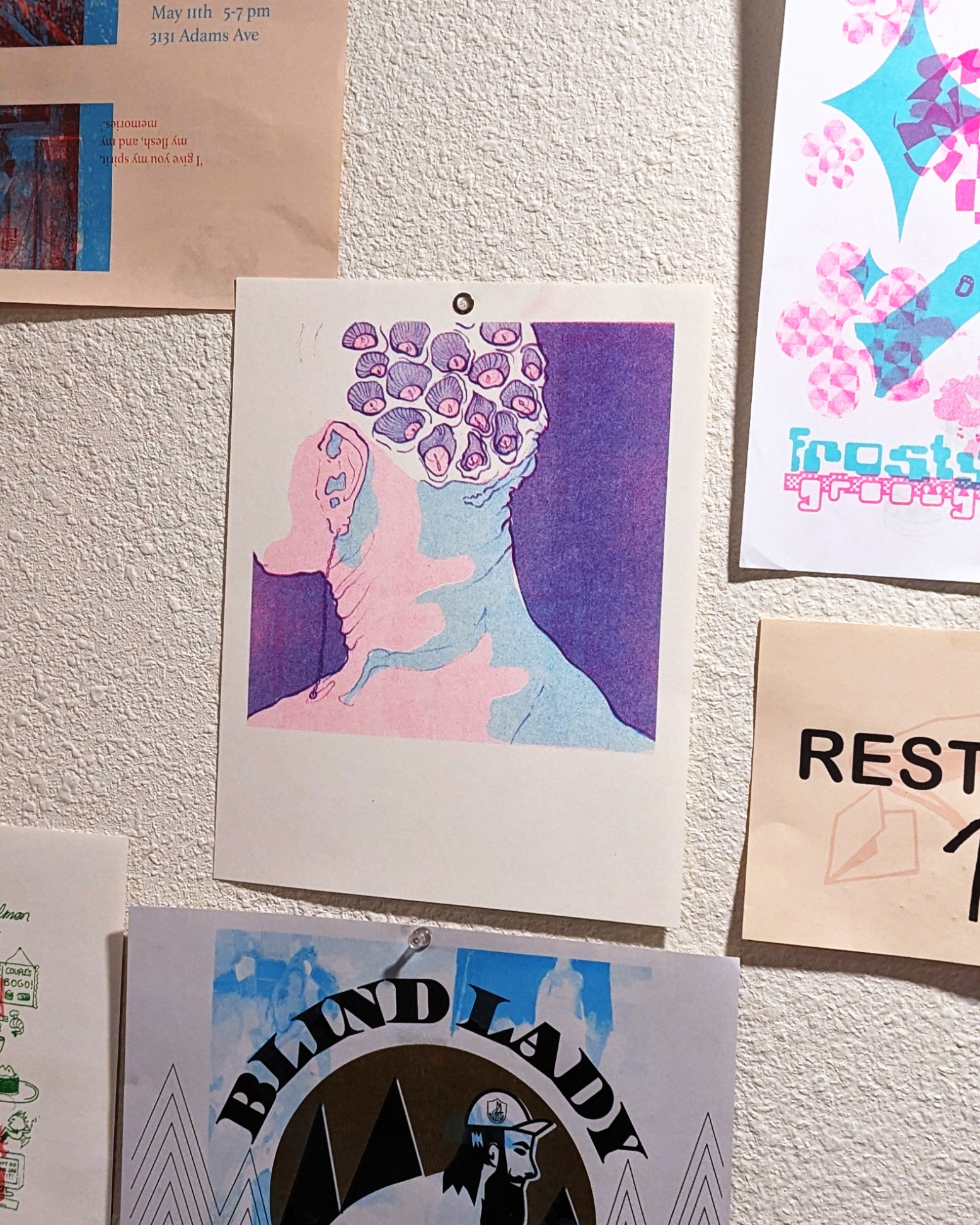
Image Credits
Dennis Miller
Joy Boe
Jessica Boranian
Lindsay Miller
Popular
-
Maren Hoflund Is Expanding Holistic Healing Beyond the Treatment Room Through Education, Community, and Accessible Wellness
-
Hidden Gems: Local Businesses & Creatives You Should Know
-
San Diego’s Most Inspiring Stories
-

How Casey Cantwell Turned a Viral Event Trend Into a Business Built on Celebration and Service

