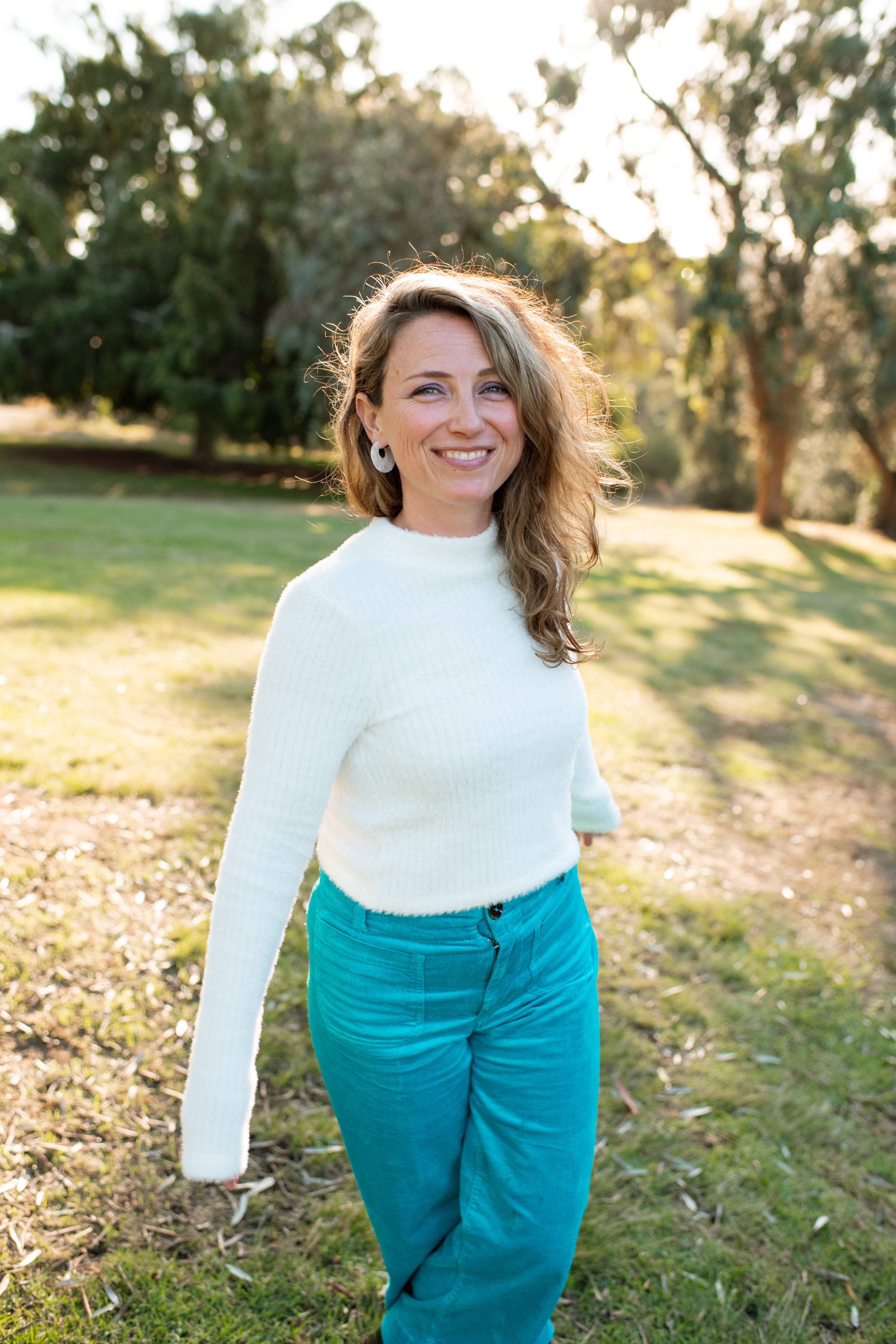
We recently had the chance to connect with Amy Anderson and have shared our conversation below.
Hi Amy, thank you for taking the time to reflect back on your journey with us. I think our readers are in for a real treat. There is so much we can all learn from each other and so thank you again for opening up with us. Let’s get into it: What’s more important to you—intelligence, energy, or integrity?
That’s such a thoughtful question — and it hits differently when answered through the lens of a couples therapist, especially when grounding the response in evidence-based research about what sustains long-term healthy relationships. Here’s how I’d unpack it: Integrity: The Non-Negotiable Foundation
Why it matters most: Research consistently shows that trust is the cornerstone of healthy, lasting partnerships. John Gottman’s decades of couples research highlight that when trust is broken (through dishonesty, betrayal, or lack of follow-through), the relationship’s stability is at risk, regardless of how intelligent or energetic the partners are. Infidelity studies demonstrate that couples who rebuild after betrayal often focus less on cognitive skills or “spark” and more on repairing integrity through accountability, transparency, and reliability.
Amy’s Take: Without integrity, intelligence can be manipulative and energy can be misdirected. Integrity allows couples to feel safe enough to argue, reconnect, and grow.
Energy: The Sustainer of Connection
Why it matters second: Healthy relationships need vitality, commitment, and the willingness to invest effort over time. Couples who actively engage (emotionally, physically, socially) report higher satisfaction and resilience against stress.
Evidence: A 2017 meta-analysis in Journal of Personality and Social Psychology found that responsiveness and effort investment predicted stronger emotional bonds. Energy in relationships isn’t about hyperactivity — it’s about consistently showing up and staying engaged.
Amy’s take: I often tell couples, “Love isn’t just a feeling; it’s a verb.” Energy reflects the willingness to turn toward each other in moments of need (another Gottman predictor of long-term satisfaction).
Intelligence: The Helpful Amplifier
Why it matters third: Intelligence — especially emotional intelligence (EQ) — helps partners navigate conflict, understand one another’s inner world, and apply coping strategies. High EQ is linked to better conflict resolution and marital satisfaction (Fitness, 2001; Brackett et al., 2006).
Evidence: Research shows that partners with greater emotional intelligence demonstrate more empathy, less defensiveness, and more adaptive conflict resolution — but only if integrity is present. Otherwise, intelligence risks being used to justify or rationalize harmful behavior.
Amy’s take: Intelligence (particularly EQ) is the skill set that makes integrity actionable and energy sustainable. But it doesn’t carry a relationship without trust and effort.
Bottom Line (from Amy Anderson’s lens):
Integrity is the foundation → safety, trust, security.
Energy sustains the bond → presence, effort, engagement.
Intelligence refines the process → skills for empathy, problem-solving, repair.
If I were ranking them for long-term relational health:
1. Integrity → 2. Energy → 3. Intelligence.
Amy’s couples therapy nugget: Many partners come into therapy asking for “better communication” (intelligence skills), but what they actually need is trust repair (integrity) and consistent effort (energy). Once those are in place, communication tools work far more effectively.
Can you briefly introduce yourself and share what makes you or your brand unique?
Hi, I’m Amy Anderson, a trauma-focused couples therapist based out of San Diego, CA. For more than 20 years, I’ve walked alongside individuals, couples, and families navigating the deep and often hidden wounds of trauma, anxiety, addiction, and relational struggles as a Licensed Clinical Social Worker.
What makes my work unique is that I don’t just focus on “fixing communication” or teaching quick tips. I specialize in helping partners – heal at the root —inner child early attachment wounds, grief, perfectionism, and codependency show up in relationships today. My approach blends evidence-based practices like EMDR, the Gottman Method, and DBT with inner-child healing and nonviolent communication interventions, so couples don’t just survive together — they grow, reconnect, and rediscover joy, resulting in thriving share life meaning.
My practice is about creating a safe, compassionate, and direct space, where couples feel seen, understood, and supported. I work especially with professionals in high-stress fields — healthcare, law enforcement, finance, and tech — who often look “put together” on the outside but are carrying exhaustion, burnout, and hidden pain inside their relationships.
Right now, I’m passionate about teaching couples how to move from cycles of conflict to cycles of connection, and I’m developing resources that bring trauma-informed insights into everyday relationship struggles, through honest communication. Whether it’s through traditional sessions, “walk-and-talk” therapy, or writing blogs and professional workshops, my mission is simple: to help individuals, couples, and families turn their pain into healing, and their relationships into places of safety and repair.
Great, so let’s dive into your journey a bit more. Who taught you the most about work?
What My Daughter Taught Me About Therapy, Control, and Letting Go
As a couples and trauma therapist, I spend a lot of time helping clients untangle the patterns that keep them stuck—patterns of control, criticism, over-caregiving, or trying to keep up with society’s impossible standards. I thought I understood these cycles well. Then, I became a mother.
My daughter has been my greatest teacher. She doesn’t respond to control the way textbooks might suggest; she responds to presence. She doesn’t thrive when I criticize; she flourishes when I notice and celebrate who she is. She doesn’t need me to over-caretake or smooth every bump in her path; she needs me to stand steady beside her, trusting her capacity to navigate her own experiences.
Through her, I’ve learned that releasing control is not abandonment—it’s respect. Releasing criticism is not permissiveness—it’s choosing compassion over perfectionism. Releasing over-caregiving is not neglect—it’s faith in her resilience. And releasing society’s standards is not rebellion—it’s creating space for authenticity and connection.
In therapy, I see the same themes. Couples often get tangled in cycles of over-functioning, judgment, or trying to live up to external expectations. Healing begins when they realize: “I don’t have to grip so tightly. I don’t have to be perfect. I can show up as me—and trust that’s enough.”
My daughter reminds me daily that the work we do in therapy is not just about strategies or communication skills—it’s about learning to be human with each other in a softer, more connected way.
She has given me the most profound professional reminder: the therapeutic journey is less about fixing and more about freeing.
What have been the defining wounds of your life—and how have you healed them?
My life’s defining wounds grew out of early exposure to family grief, mental health, substance use, and relationship instability, which taught me young that love could be chaotic, shameful, and conditional. Those years left me carrying an anxious-protective attachment style, which I learned to over-caregive, to fix, and to hide parts of myself to keep the peace for my relationships. Healing began when I started learning I could heal alone, which ended up granting me more self-worth and confidence in the end. I entered my own individual therapy, trained in EMDR, attachment, and somatic approaches to process traumatic memories, and learned to release control. I learned effective DBT-based skills to regulate emotion and stop self-criticism. I relearned attachment through corrective relationships with trusted friends, mentors, partners, and peers, practiced setting firm boundaries, and made parenting—especially the daily, ordinary work of showing up for my daughter—into a laboratory for new patterns. Which I’m still a work in progress, never perfect. Over time I integrated with steady practices of self-compassion, supervision, and community support. Those wounds didn’t vanish overnight; they were gradually rewired into sources of empathy, curiosity, and clinical insight that now guide my work with couples who want to turn pain into safety and connection.
Alright, so if you are open to it, let’s explore some philosophical questions that touch on your values and worldview. What are the biggest lies your industry tells itself?
Lie: Infidelity, addiction, or conflict mean your relationship is doomed.
Truth: With trauma-informed couples therapy, even relationships rocked by betrayal or unhealthy coping strategies can transform.
Repair and reconnection are possible when both partners commit to the work, no matter where you are and how you start.
Okay, so before we go, let’s tackle one more area. Are you doing what you were born to do—or what you were told to do?
One of the most powerful questions I’ve ever sat with was this exact question. It’s a question that doesn’t just apply to career choices. It touches the heart of identity, relationships, and how we move through the world. For many of us—especially those who grew up with a lot of unknown, trauma, mental health and or substance use challenges in the family, or chaotic attachment to them—our lives were shaped more by survival roles than by authentic desires.
When I look back, I see that much of my early life was built on scripts I didn’t write. I was told—through words and through silence—that love meant keeping the peace, caregiving, working harder than everyone else, to ensure there were no problems, always ensuring not needing too much.
Those patterns are common for children of trauma. Research on attachment theory shows us that kids adapt to their environment to secure whatever form of love or safety is available (Bowlby, 1988). That might mean becoming the overachiever, the caregiver, the peacemaker, or even the “invisible child.” At the time, these adaptations keep us connected. But later in adulthood, they can leave us feeling stuck—living a life that looks good on paper but doesn’t feel authentic inside.
For a long time, I wondered if becoming a therapist was simply another extension of those early roles, which did impact me. I was always the listener, the fixer, the one who absorbed everyone else’s pain. Stepping into a helping profession made sense—society praised me for it, and it was “safe” and natural choice.
But here’s what shifted: through my own trauma therapy, I started separating what I was told to do from what I was born to do.I realized I wasn’t born to endlessly overfunction or carry others at the cost of myself. I was born to transform those survival skills into something that creates genuine healing—for myself, my daughter, my family, and the couples I work with.
That’s the difference between reenacting trauma and reclaiming purpose. I loved my work for the deeply personal purpose it provided.
Trauma is sneaky because it doesn’t just live in memory—it embeds itself in the nervous system. According to Polyvagal Theory (Porges, 2011), when our bodies are wired for survival, we don’t feel free to ask, “What do I want?” Instead, we ask, “What will keep me safe?”
Safety often means:
Following family expectations.
Meeting societal standards of success.
Staying in relationships or jobs that look “stable” even if they don’t feel aligned.
Over time, this leads to burnout, resentment, or a quiet sense of “Is this really my life?” I hear it every week in my couples therapy office—partners asking why they feel so disconnected when they’ve done everything “right.”
The Turning Point: Healing and Releasing
For me, the turning point came when I became a mother. My daughter didn’t need me to be perfect, but I was stuck on being perfect for some odd reason. She didn’t thrive when I overcontrolled or overprotected her and I declined. She needed presence, not performance.
In learning to release control, criticism, and society’s standards in my parenting, I found the same lessons I now teach my couples:
Releasing control is respect for both parties autonomy.
Releasing criticism is compassionate and loving.
Releasing over-caregiving is finding myself again.
Releasing society’s standards is making room for authenticity and the differences to emerge.
Parenthood became a mirror for my own healing. It forced me to let go of “shoulds” and lean into authenticity and boundaries. And that authenticity bled into my work—how I hold space for couples, how I write, and how I show up in the therapy room.
So, am I doing what I was born to do—or what I was told to do?
The honest answer is both. I started by following what I was told—be helpful, be needed, be strong. But through trauma healing, self-reflection, and thousands of hours learning evidenced based interventions with clients, I’ve transformed that story.
Today, what I do feels aligned not just with my past but with my purpose. I was born to help people move from survival into connection. To show couples that even with histories of trauma, betrayal, or disconnection, healing is possible for them and their future. To live out the truth that we are not defined by our wounds, but by how we choose to transform them.
Relationships matter for our health so much so having balanced and reciprocal relationships heal us!
Are you loving your partner the way you were taught love should look—or the way you authentically want to give and receive love? Are you playing roles (the fixer, the avoider, the pursuer, the peacemaker) because of old scripts—or because they reflect who you truly are? Are you building a life that feels true—or one that looks good to everyone else?
Couples therapy, especially when it’s trauma-informed, helps partners untangle those threads safely. It creates space for people to notice where they’re reenacting old wounds and where they’re being called into something more authentic.
The goal isn’t just to improve communication. It’s to help couples reclaim their freedom—to choose love, connection, and intimacy from a place of wholeness, not just conditioning.
Final Reflection
So, here’s where I land: I may have begun by doing what I was told to do. But healing, parenting, and showing up as a trauma-informed couples therapist have taught me to rewrite the script.
Now, I get to live into what I was born to do:
To hold space for deep healing.
To help individuals and couples move from cycles of pain to cycles of connection
To model that authenticity is more powerful than perfection.
And maybe that’s the invitation for all of us—whether in our work, our marriages, or our personal lives: to ask not just “What was I told to do?” but “What was I born to do?” And then, little by little, to live into that answer.
Contact Info:
- Website: https://amyandersontherapy.com
- Instagram: amyandersontherapy
- Linkedin: Amy Anderson, LCSW

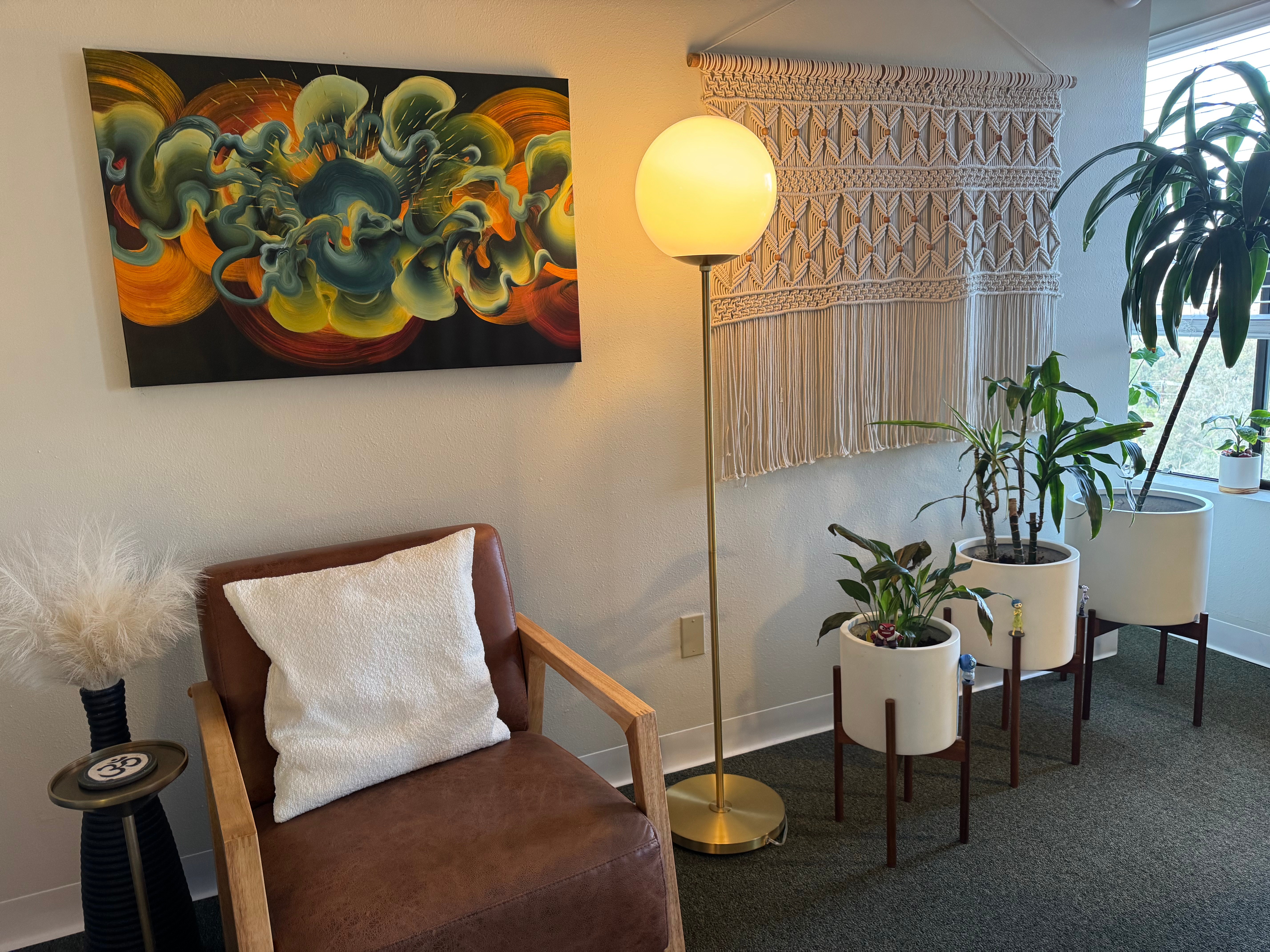

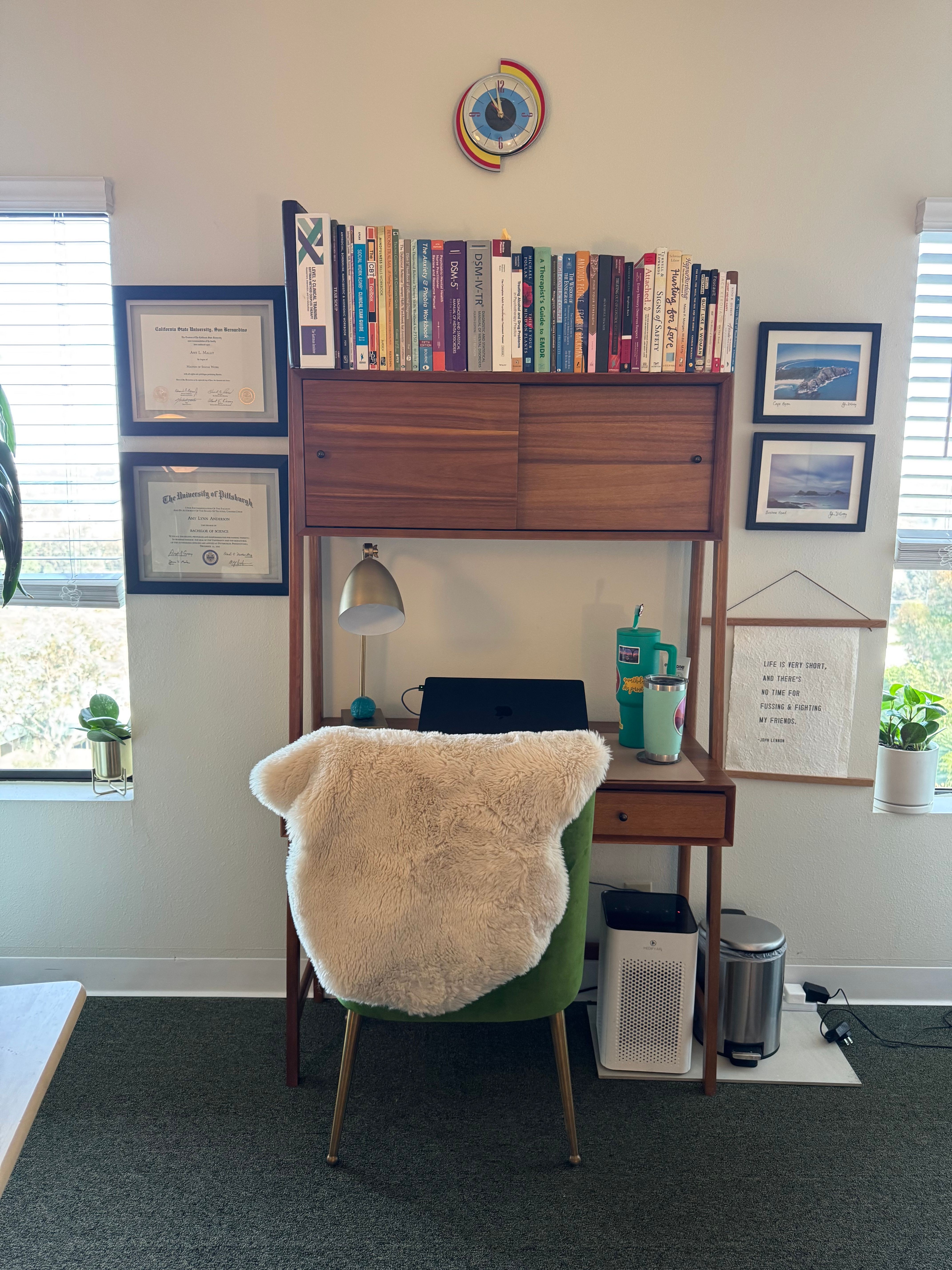

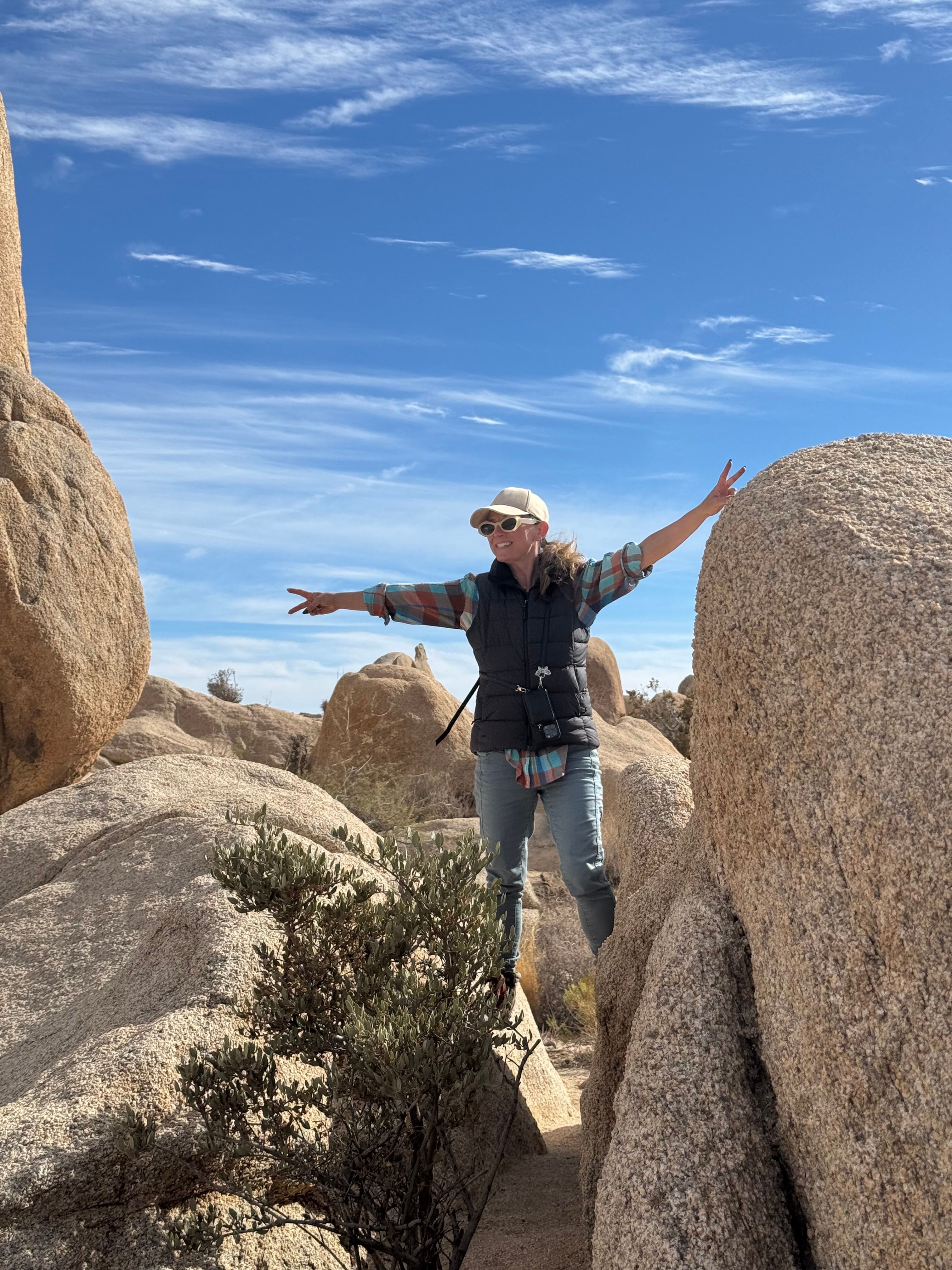
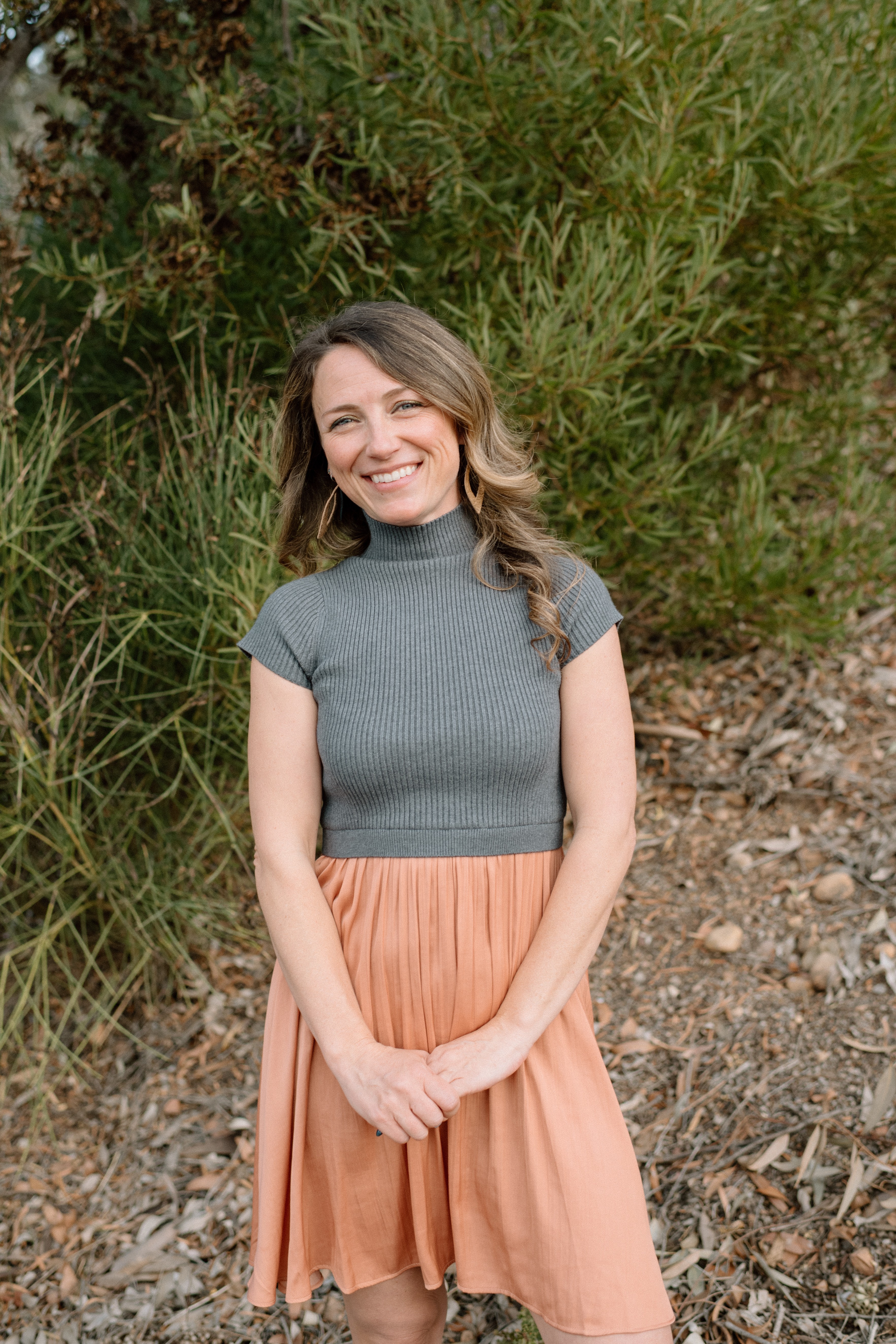
Image Credits
Morgan Miles
Rachyel P. Magaña