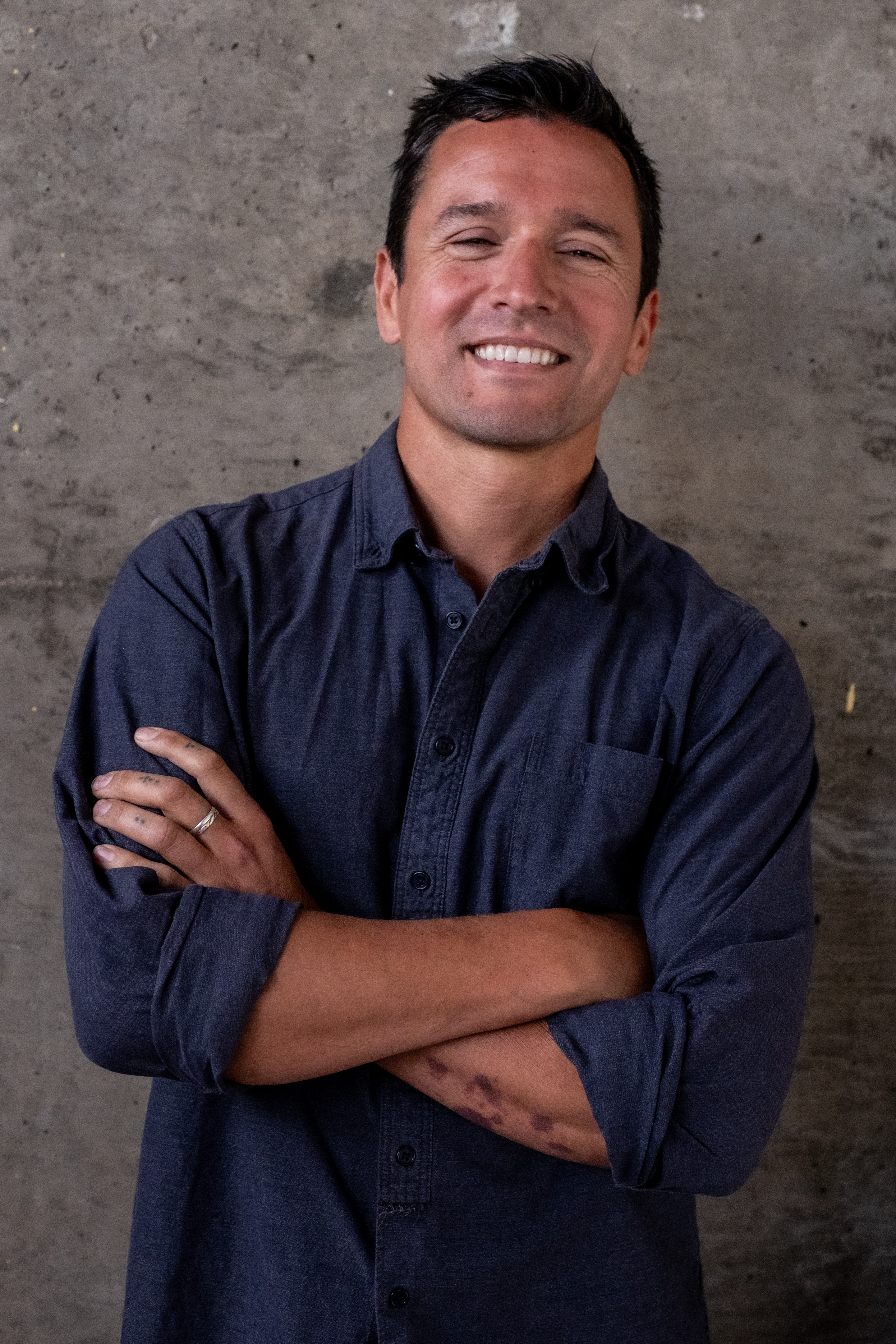
David Michael shared their story and experiences with us recently and you can find our conversation below.
David, really appreciate you sharing your stories and insights with us. The world would have so much more understanding and empathy if we all were a bit more open about our stories and how they have helped shaped our journey and worldview. Let’s jump in with a fun one: What are you most proud of building — that nobody sees?
I’ve always liked making things—it’s just kind of in my nature. Whether it’s art, prototypes, or random design ideas that pop into my head, I always seem to have a series of things going. The last personal project I built came from some leftover white oak off-cuts from a job at the shop. We’d used ¾” x 6″ boards and 1½” x 3″ rough-sawn stock, and a few pieces with knots didn’t make the cut. I decided to turn them into a kitchen table for my girlfriend, based on one we’d seen while traveling. The design was simple and soft—clean lines, rounded edges, a single, joined piece. It turned into a really meditative project: just me in the shop after hours, music playing, dogs running around while I cut, joined, planed, and pieced it all together. It took longer than I expected, but when it was done, I filled the knots with black resin, gave it a nice finish, and surprised her by setting it up in the dining room. Definitely earned some points—and it’s got a great story of reuse and giving new life to beautiful wood.
Can you briefly introduce yourself and share what makes you or your brand unique?
Of course. My name is David Michael, and I’m the Chief Creative Officer at Tecture, a multifaceted design and fabrication studio that lives at the intersection of art and architecture. We take on everything from full interior design packages to large-scale custom art features.
In the studio, we develop interior and exterior design concepts, construction documents, and technical drawings. In our shop, we bring those ideas to life through a full range of fabrication methods—specializing in wood, metal, digital fabrication, upholstery, resin and composites, finishing, and installation.
Tecture started back in 2012 in a garage in North Park, when a few of us from school decided to start building things together. What began as a small creative experiment has grown into a team of 35+ talented craftspeople, artists, designers, and fabricators from all over. We thrive on collaboration—merging ideas and disciplines to create outcomes that are truly one of a kind.
We’ve come a long way from that garage, but we still carry that same raw, hands-on spirit. At our core, we’re producers and problem-solvers who take pride in designing and building the kinds of projects most firms shy away from.
Thanks for sharing that. Would love to go back in time and hear about how your past might have impacted who you are today. What’s a moment that really shaped how you see the world?
I’ve had a lot of moments that shaped how I see the world, but the one that stands out most was the first time I traveled solo—with no real plan and only myself to rely on. I was 19, in Spain, and that trip started to unravel so many assumptions I had about people, life, culture, and even myself.
Traveling, I think, is one of the most eye-opening experiences you can have. Without it, you don’t know what you don’t know. There’s a quote by St. Augustine that sums it up perfectly: “The world is a book, and those who do not travel read only one page.”
When you stay within what you already know, the world feels separate—other people, beliefs, and ways of living seem distant. But when you step out into it, you start to see how connected we all really are. That realization brought me back changed.
What did suffering teach you that success never could?
Some heavy questions here! I think suffering comes in many forms, just as success does. For me, every success has usually been preceded by challenges—failures, uncertainty, ridicule, frustration, and pain. I don’t think success truly holds its value without those experiences.
Suffering builds resilience, strength, and perspective. It prepares you for the moments of success that make the effort worthwhile. There’s a quote that resonates with me: “Good timber does not grow with ease; the stronger the wind, the stronger the trees.” Suffering may be painful in the moment, but it shapes you personally and professionally in ways that success alone never could.
Alright, so if you are open to it, let’s explore some philosophical questions that touch on your values and worldview. Is the public version of you the real you?
Yes, the public and private versions of me are the same, for better or for worse. I have limited bandwidth and energy to pretend to be anything other than myself, and I don’t even know what I would change anyways if I did want to be anything else. Trying to be something for someone else is a certain path to unhappiness, and it robs the world of authenticity.
Okay, we’ve made it essentially to the end. One last question before you go. What is the story you hope people tell about you when you’re gone?
I don’t spend much time thinking about what people might say once I’m gone. That feels like a distant and self-focused way to look at life. What matters more to me is creating fun and meaningful memories with the people around me. I believe in respect — for yourself, for others, and for the work. Treat people how you’d want to be treated, and let kindness be the first path you take. If there’s any legacy worth leaving, I think it may live in that. As for our work, I hope it continues to inspire others after we’re done with it. But I don’t get caught up in the end result. The more important story, I think, is written in the present and how we show up — for each other, for our craft, and for the moment we’re sharing.
Contact Info:
- Website: https://www.tectureinc.com
- Instagram: tecture and tecturestudio
- Linkedin: tecture
- Facebook: tecturestudio
- Youtube: tectureincorporate
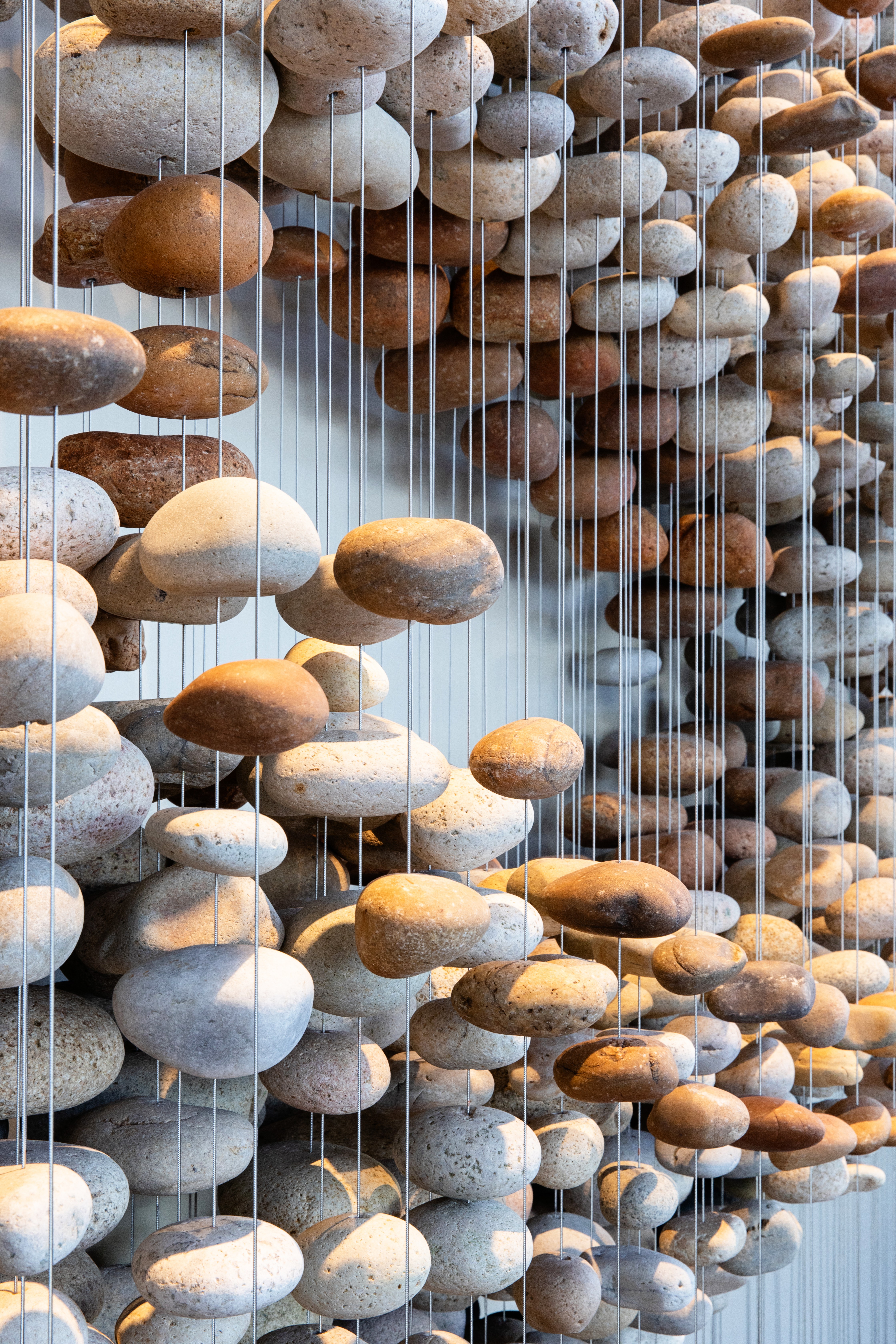
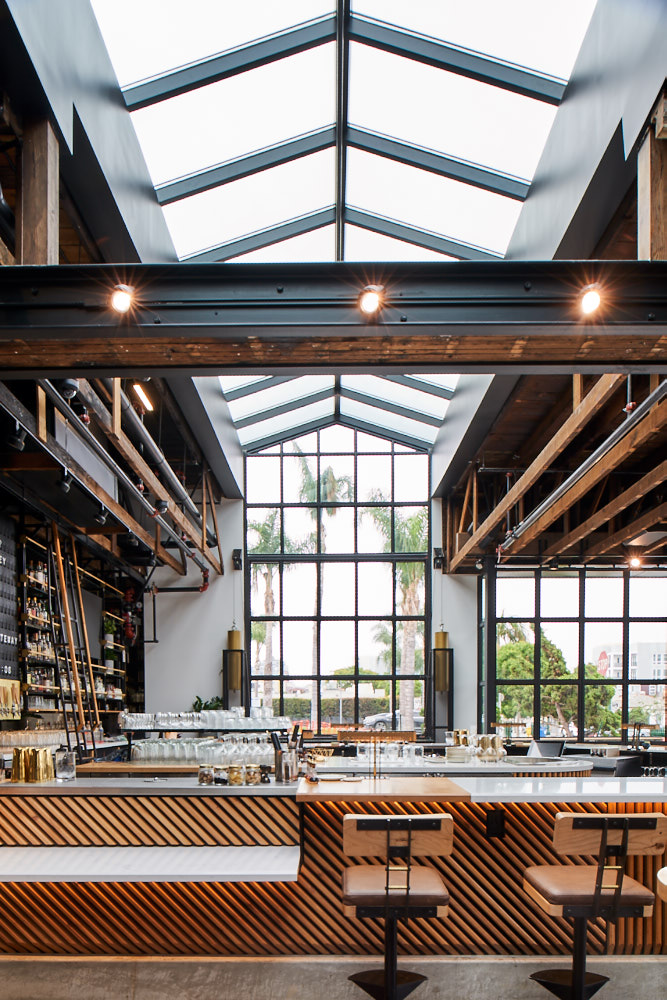
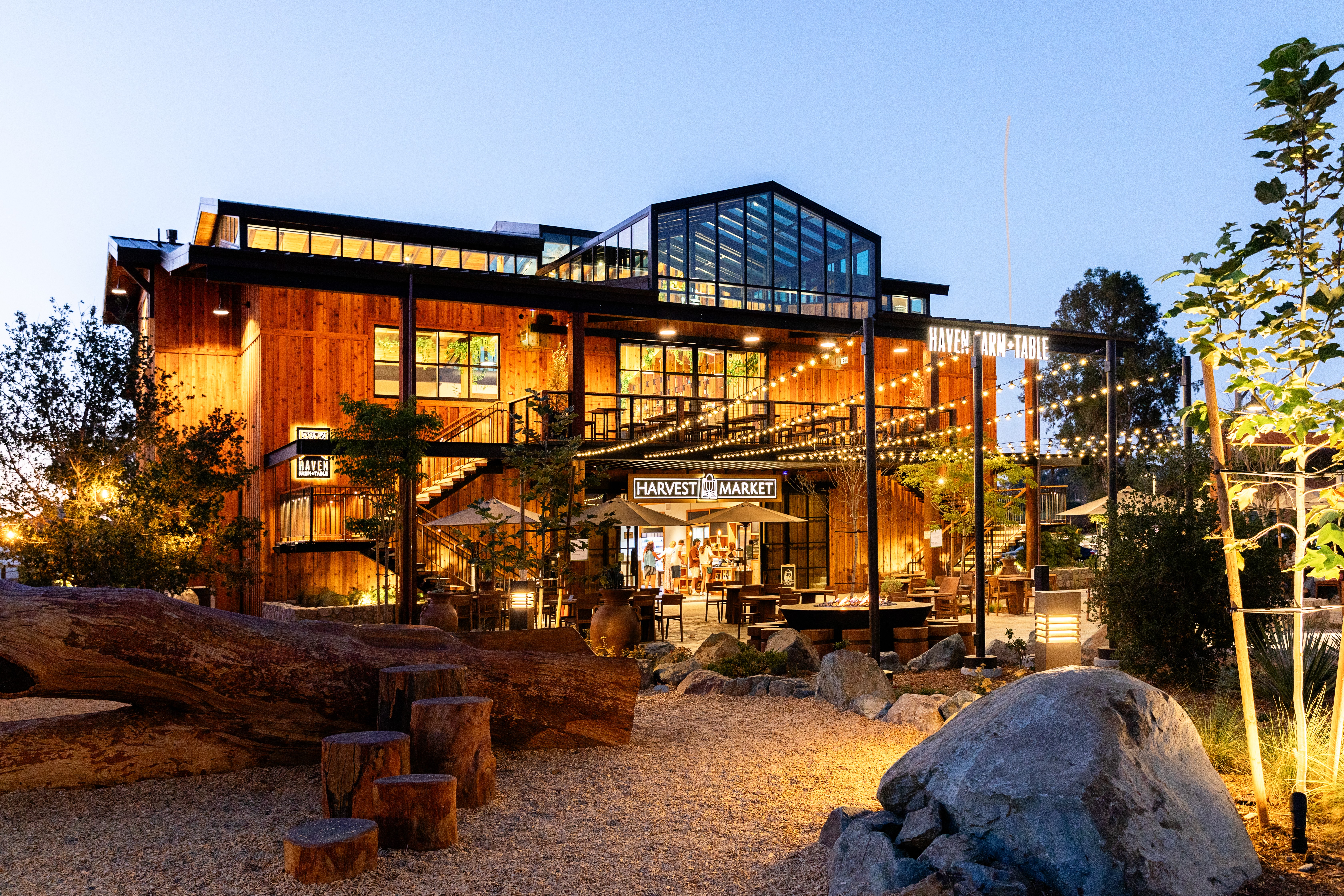
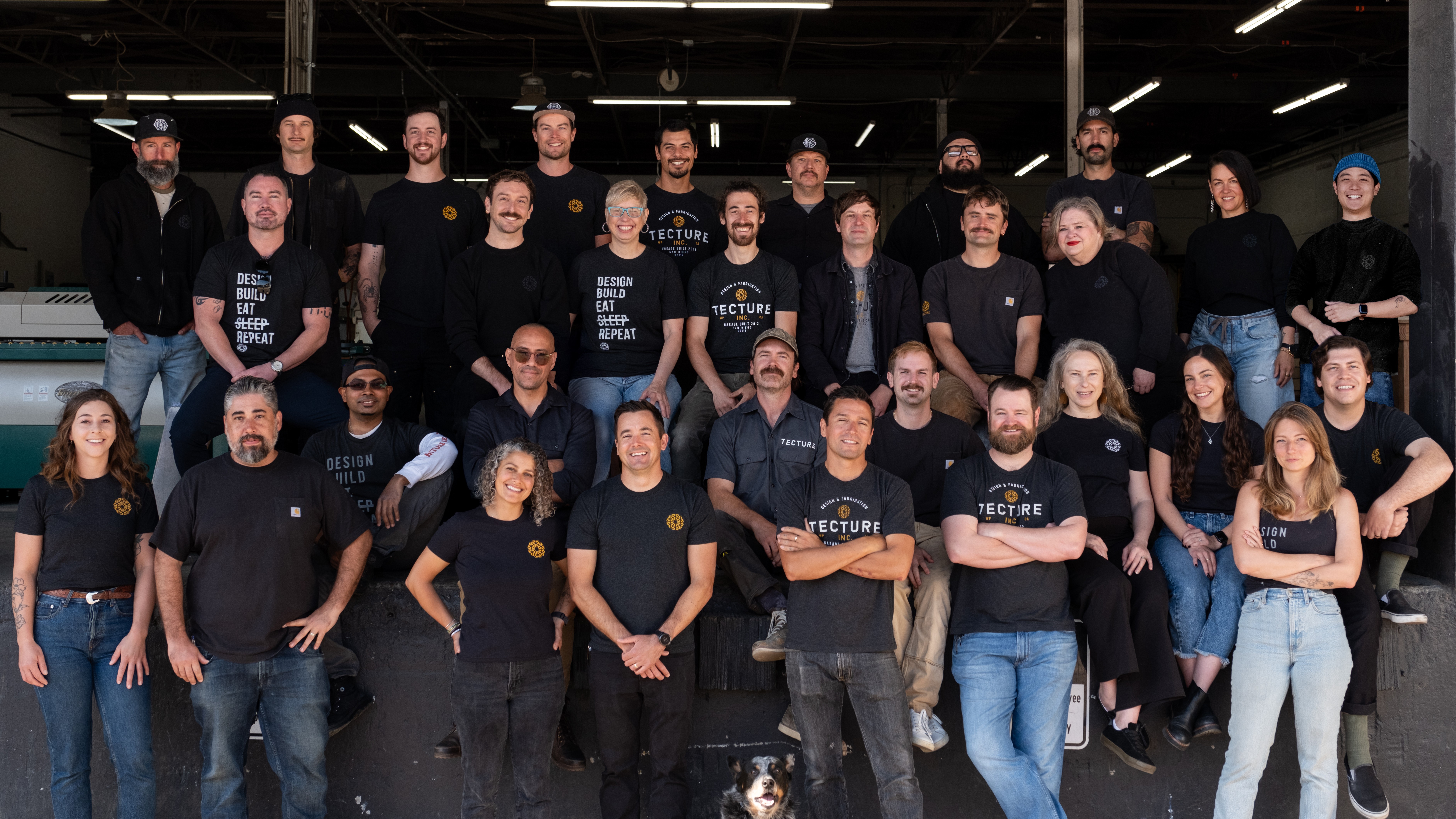
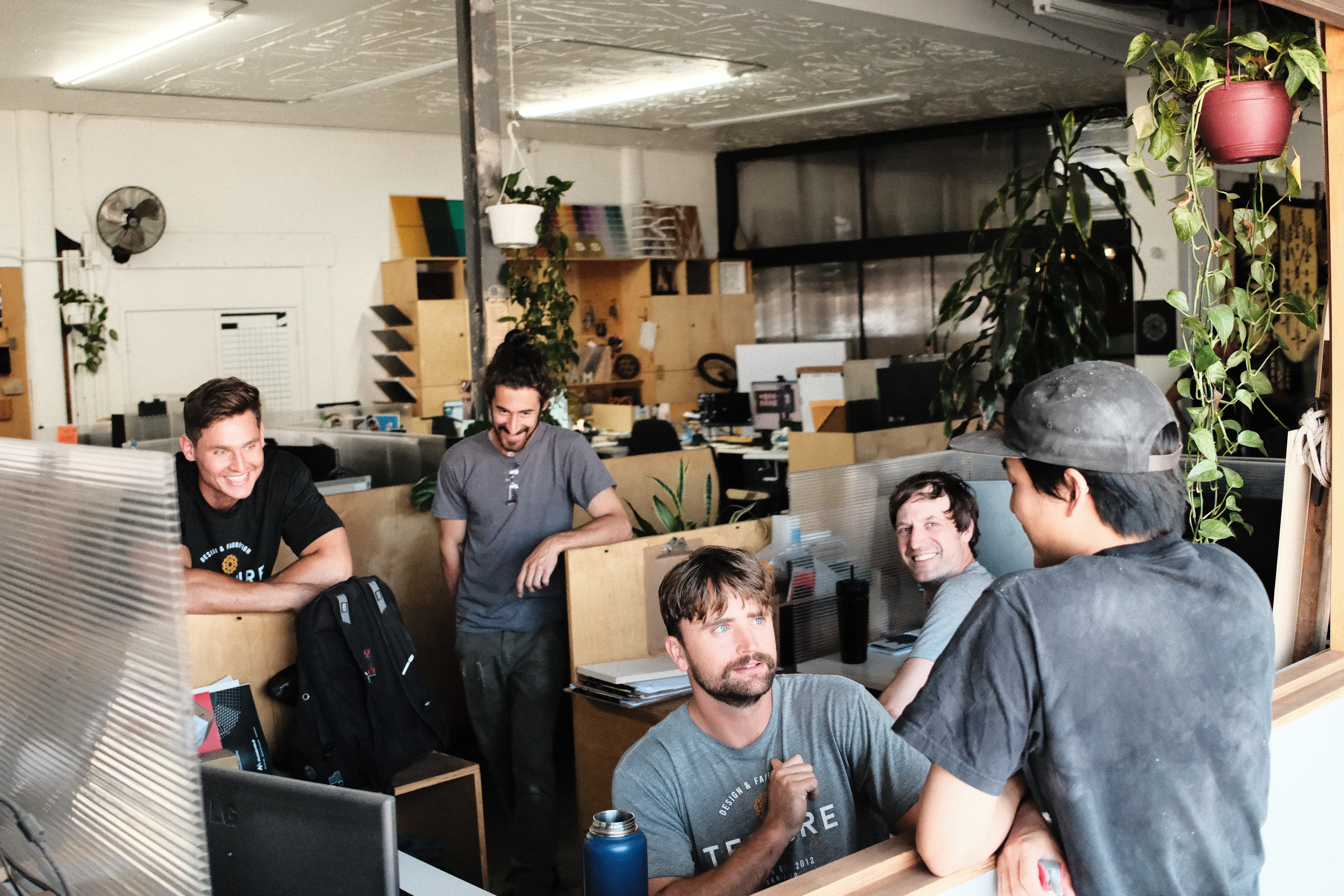
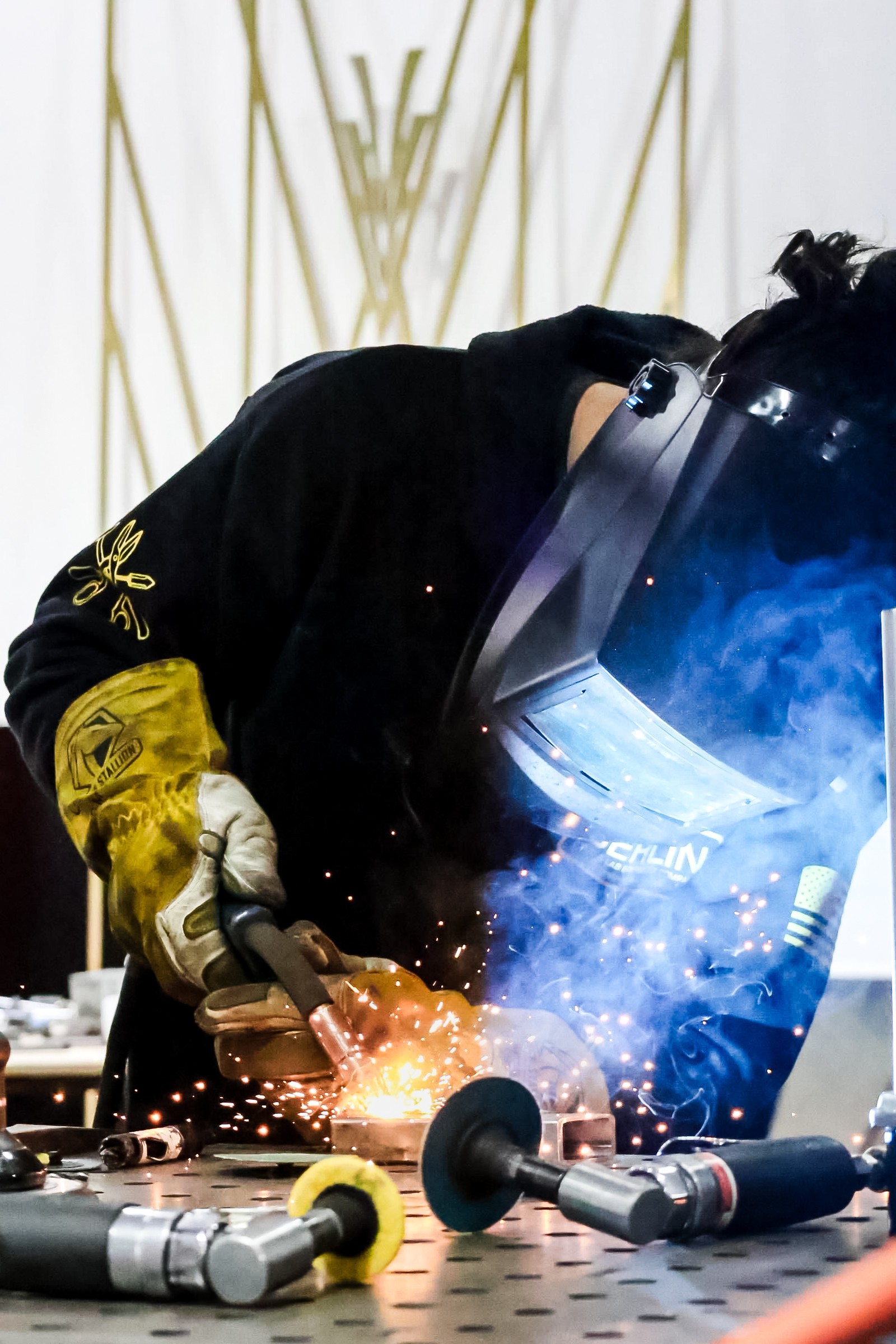
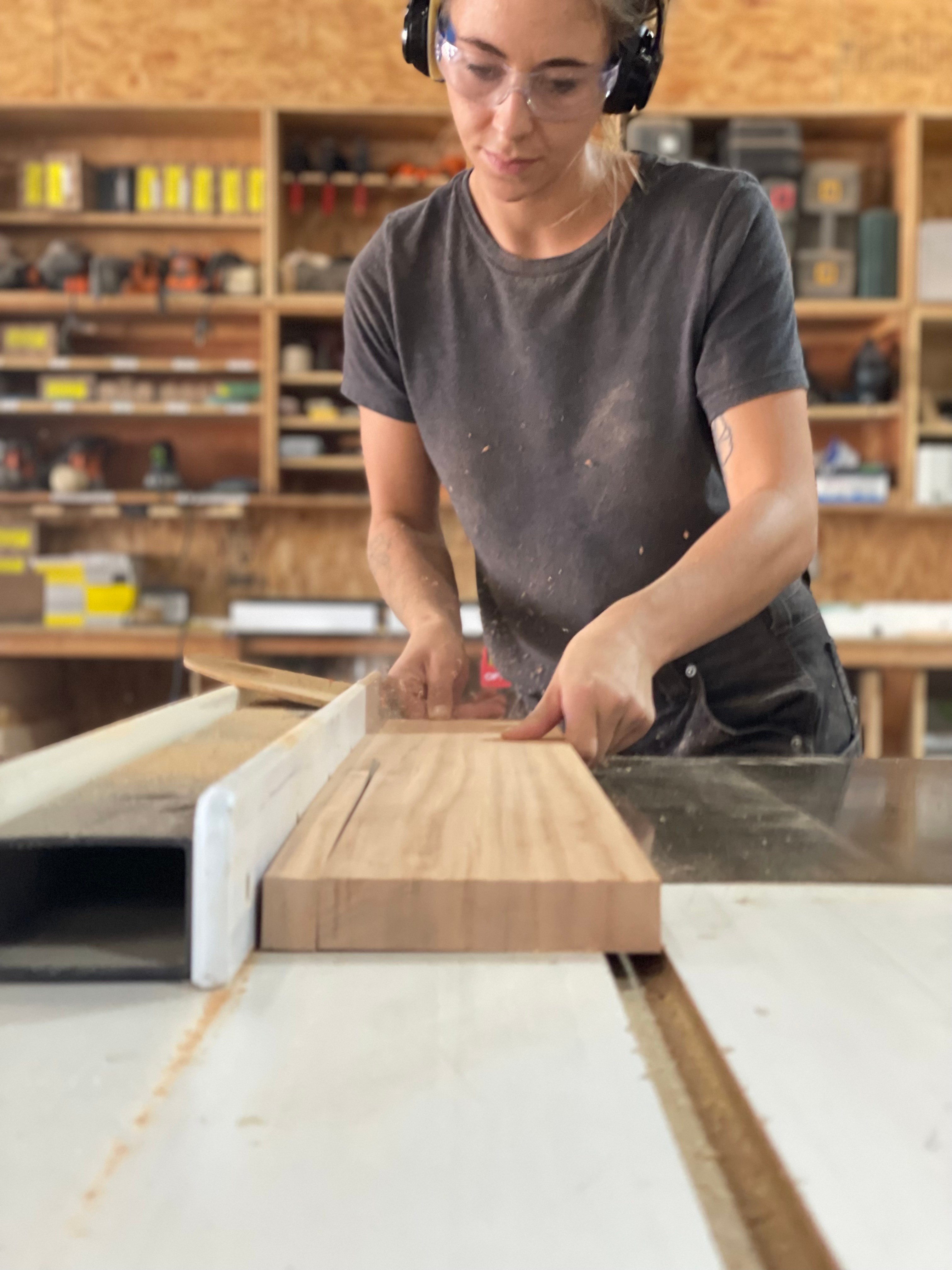

Image Credits
Stone Flock – Jennifer Seigwart
Nolita Hall – Studio Maha
Group Shot – Lindsay Wynn
Layered light – Studio Maha
Fox Point Farms – Jenny Seigwart