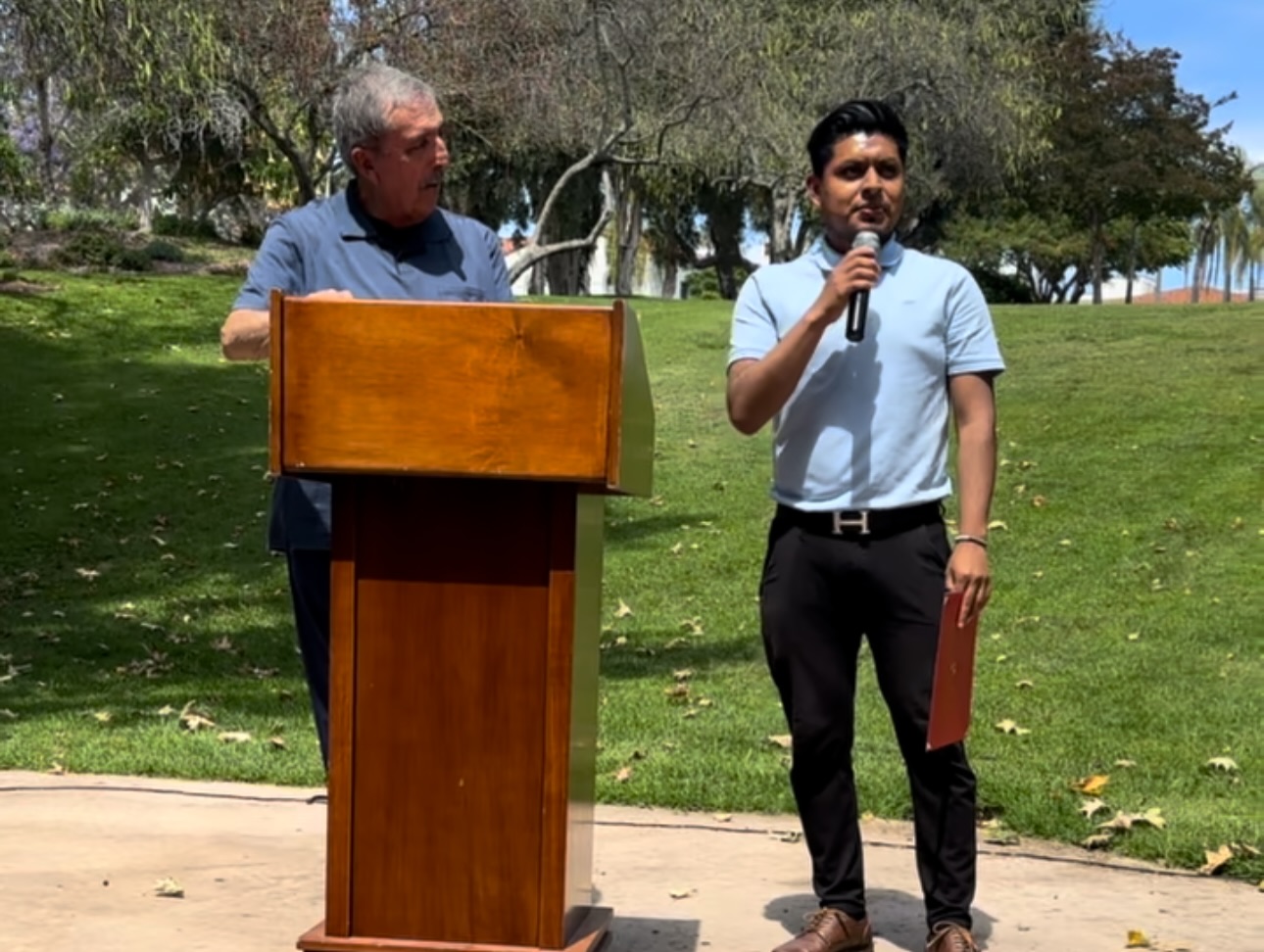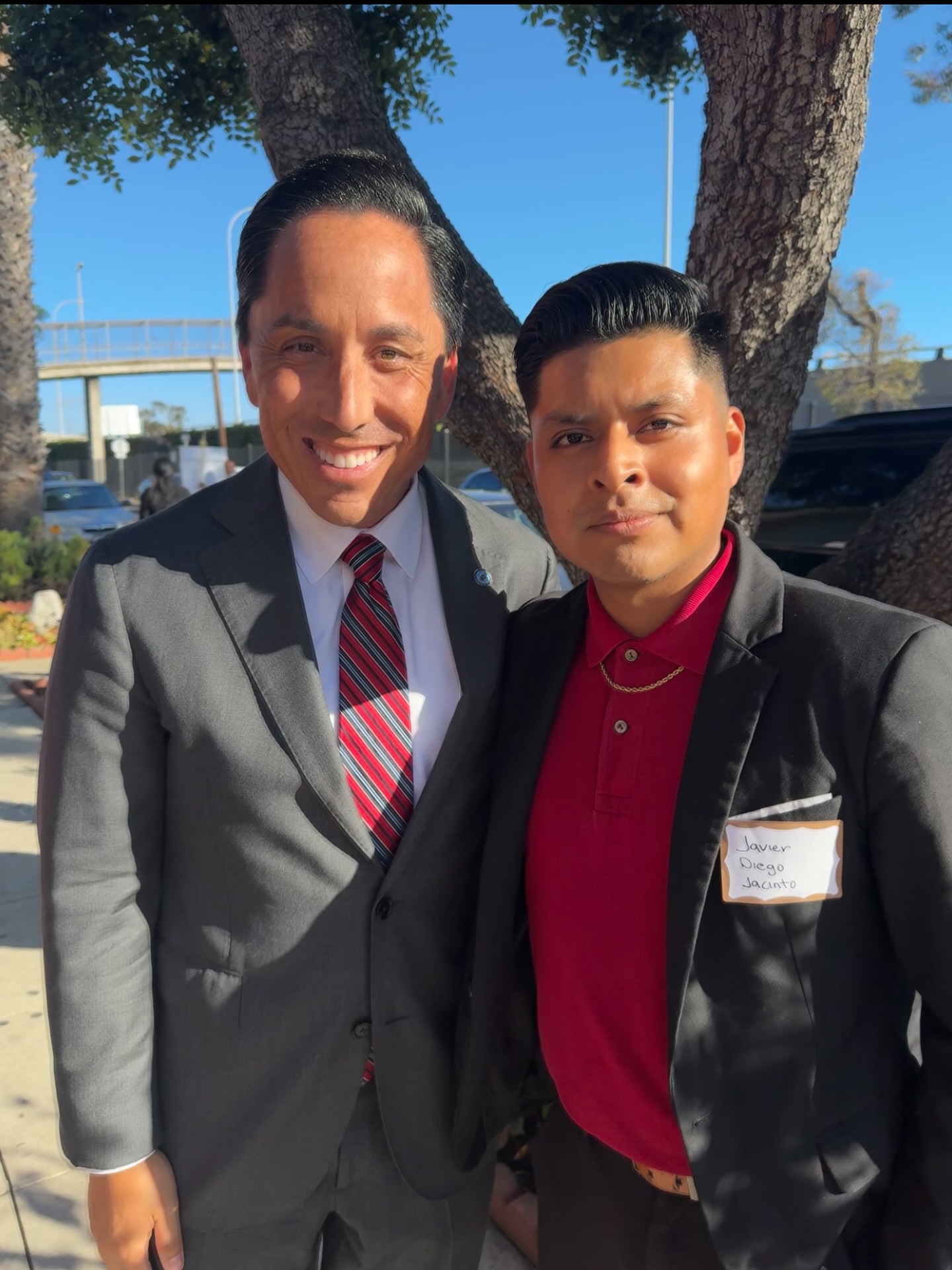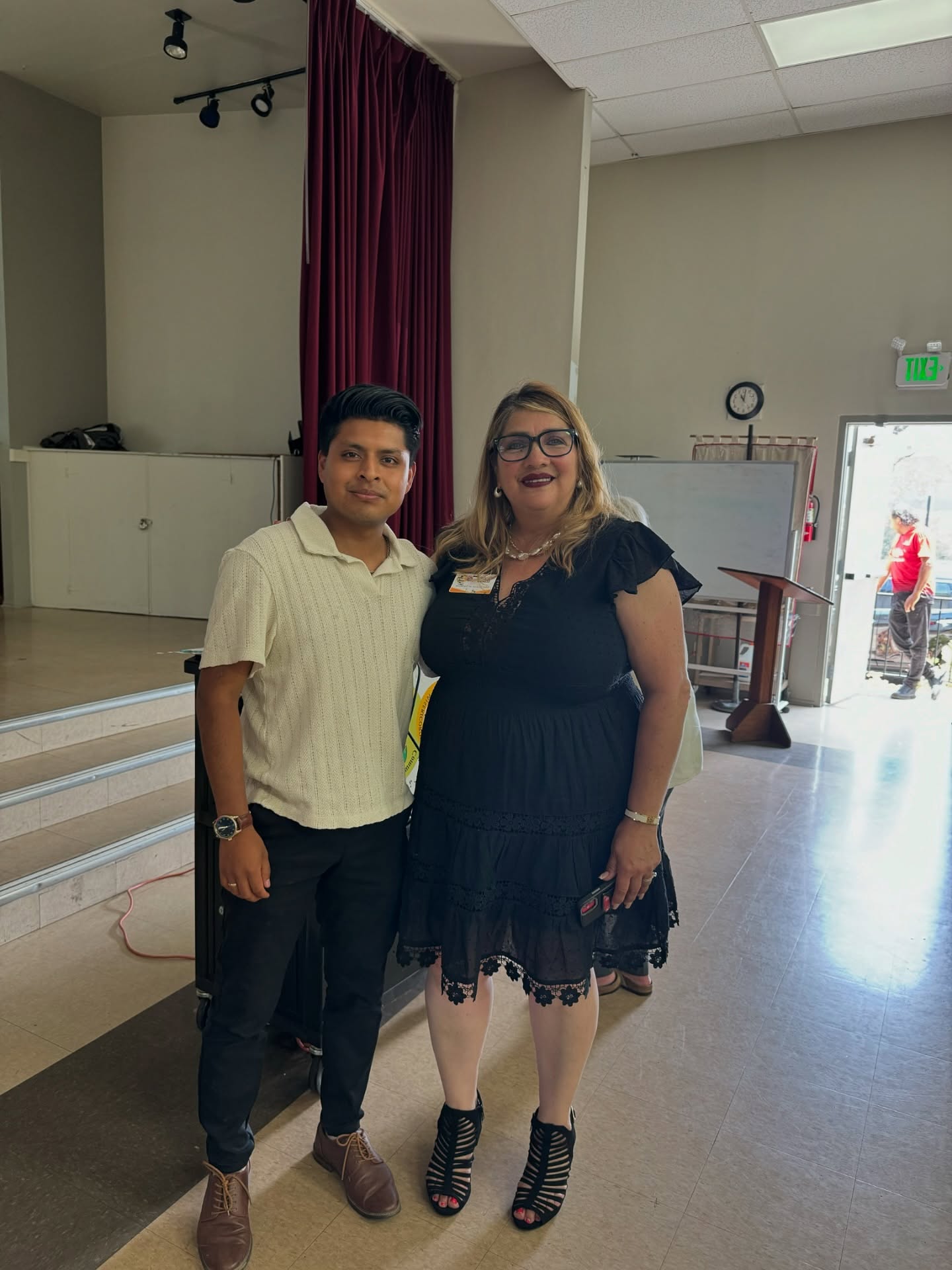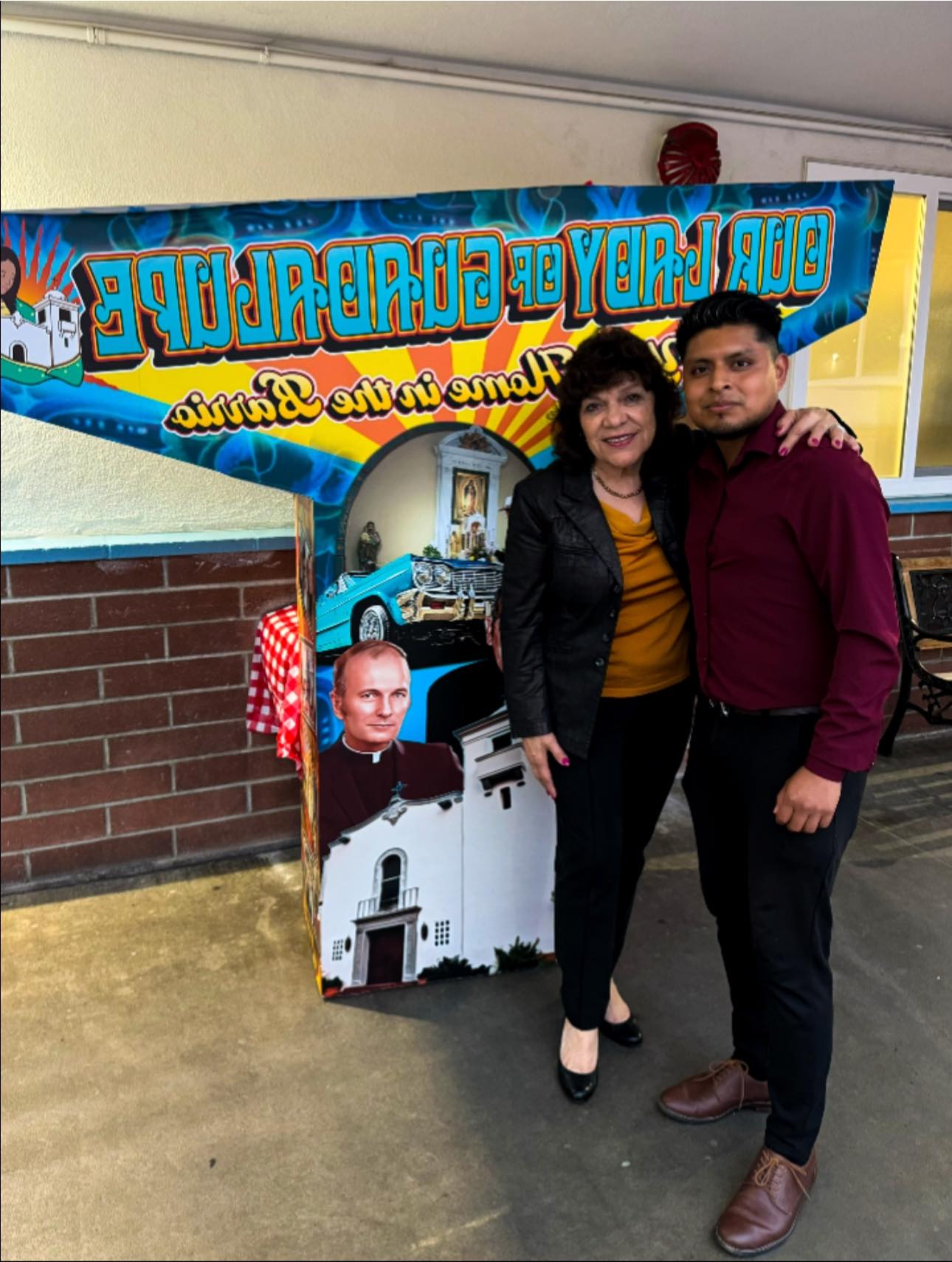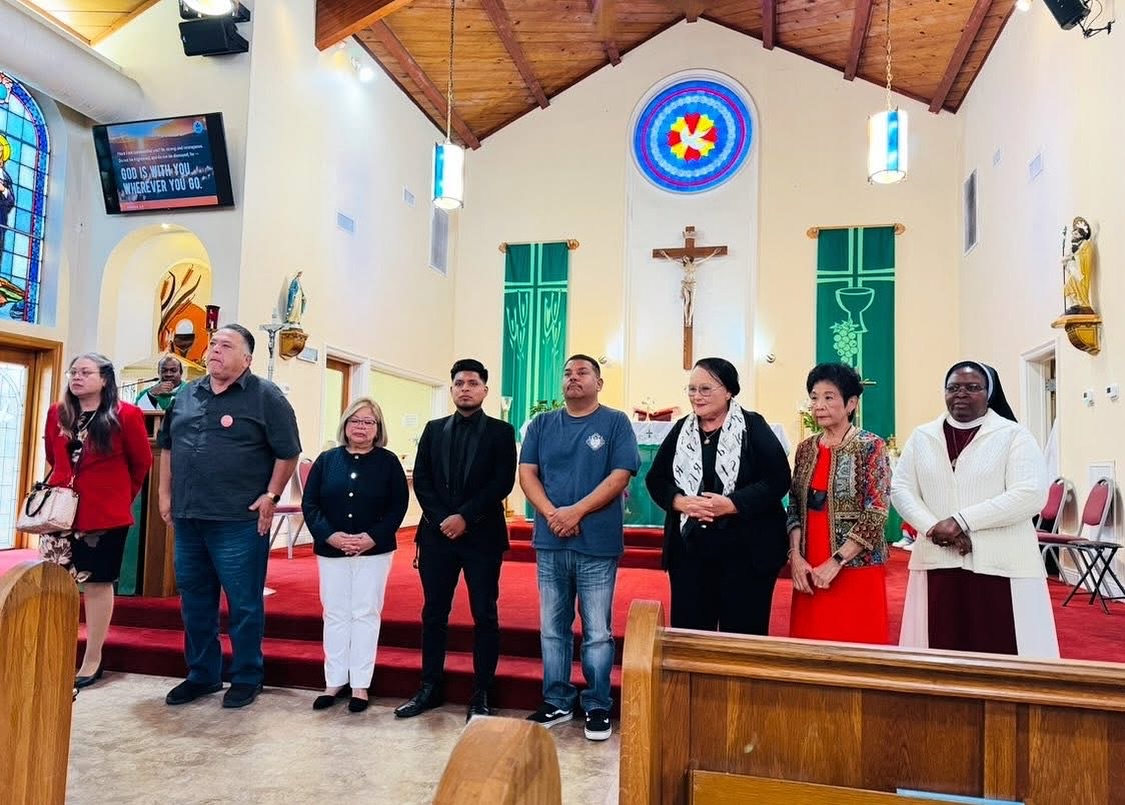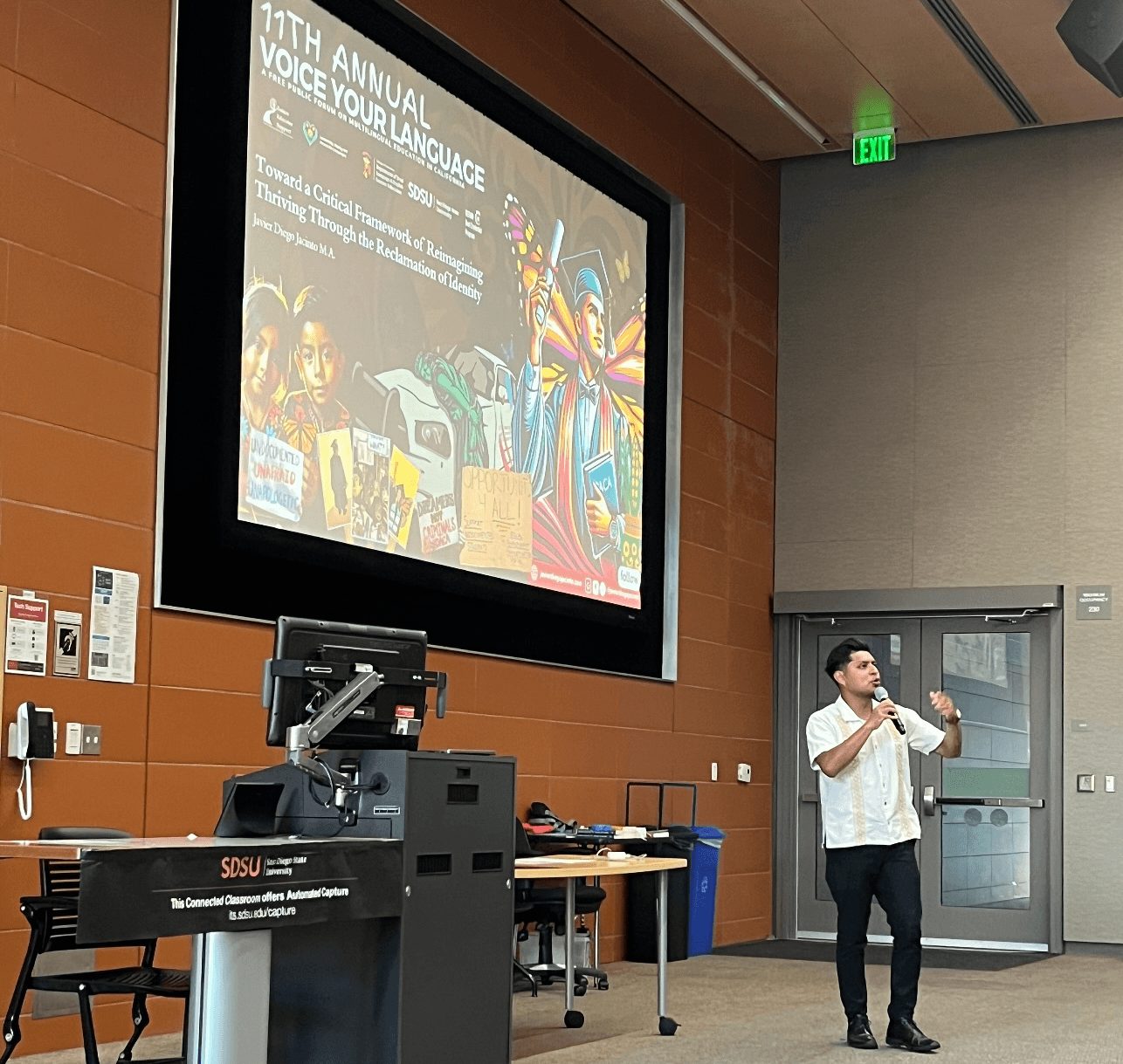
Javier Diego Jacinto shared their story and experiences with us recently and you can find our conversation below.
Javier, it’s always a pleasure to learn from you and your journey. Let’s start with a bit of a warmup: What is a normal day like for you right now?
As Vice Principal, a normal day for me doesn’t start when I walk into a school building. It starts the moment I open my eyes and remember that this work is bigger than me. I work in education, yes — but what I really do is build possibility. I wake up knowing that I carry generations with me: my family, my ancestors, my students, my community. I’m not just showing up for a job. I’m showing up to make sure young people see themselves in the story.
When I arrive in the morning, I don’t just say hello. I look students in the eyes and call them by their names like it matters, because it does. In a world that often tries to make our kids invisible, that moment is a quiet act of rebellion. I want them to feel it in their bones: you are seen, you are worthy, you belong here.
Too many young people are taught to make themselves smaller to fit into someone else’s idea of success. My work is to help them remember that they were never meant to shrink. They were born to take up space with dignity and with love.
My mornings are loud, the kind of loud that hits you in the chest. Kids running through the yard with backpacks half open, yelling each other’s names, laughing like joy is their first language. And it is. That sound isn’t background noise to me. That sound is the sound of our people thriving. It’s abuelita’s kitchen, it’s block parties, it’s church steps on Sunday morning. It’s the sound of a community
As the day unfolds, I remind my students that they were created with purpose. Not to stand in the background. Not to shrink to fit someone else’s vision. God did not place them here by accident. Their lives are sacred stories, written with intention.
I tell them, “You were made to be a light that cannot be hidden.” That light is in their voices, in their laughter, in the way they carry their roots and their faith with pride. When they speak, I want their words to echo through the walls, to remind everyone that they were here, that they matter, that their presence is holy.
I believe in them not because of what they might become one day, but because of who they already are. My job is not to build them from nothing. My job is to help them see what God has already placed inside them.
Afternoons are when the weight of leadership gets real. Decisions pile up. Fires need to be put out. But even then, I try to make space for joy. We plan events, leadership meetings, and community projects. Not because they’re extras, but because they are the heartbeat of our school.
Some days are beautiful. Some days are hard. But all of it matters. Because every decision I make today will shape what kind of world these kids inherit tomorrow. And I refuse to hand them a world that tells them to be less.
If my name is remembered years from now, I hope it’s not because I had a title. I hope it’s because I helped build a space where a generation of kids learned to be proud of who they are, where their roots were not just tolerated but celebrated, where they learned to pray with their feet and fight with love.
Because the truth is, I don’t want to be remembered as simply a title. I want to be remembered as someone who believed so fiercely in our kids that they started believing in themselves too.
Can you briefly introduce yourself and share what makes you or your brand unique?
I am Mazateco. I carry the story of my people with me every time I walk into a room. I was raised to know that our language is a living force, that every word carries the voice of those who came before us, and that our culture is not something to be remembered from afar but something to be lived, protected, and passed forward.
I stand as an educator and a community organizer, walking with students and their families through systems that often were not built for them. My work is grounded in dignity, in justicia, and in the unwavering belief that no one should ever have to hide who they are to be accepted. Every day, I labor to build spaces where young people enter with their language, their cultura, and their faith fully intact.
I have made a promise to hold doors open and keep space wide for every student to bring their whole self forward. Porque eso es poder. That is power. My Catholic faith is my compass. It reminds me that God does not stand at the center of comfort but at the edges with those who have been pushed aside. That is where I choose to stand too. Real faith is not hidden in words. It breathes in presence. It is lived in the quiet, difficult moments when we refuse to turn away.
Language and culture are not side notes in my work. They are the foundation. When a student speaks in their language, it is a declaration that they belong. When a family steps into a space that was not built for them and claims their voice, it is an act of leadership and courage. I help create spaces where students and their families lead with dignity, strength, and faith. Where prayer in their language is not an exception but a right. Where their voices are heard without fear. Where they know they are not walking alone.
Education is never neutral. It carries the power to either lift or erase, to silence or to amplify. I choose to build spaces that remember, that protect, and that honor the fullness of our humanity. Because when students bring their whole selves into the world, they do not just enter it. They transform it.
I do this work because I believe in my students and in their families. I believe in the power of language, faith, and culture to break down barriers and transform them into bridges. This is not something I clock in and out of. It is the way I honor those who came before me and the way I protect the ones who are coming after. It is my comunidad. It is who I am.
Amazing, so let’s take a moment to go back in time. Who were you before the world told you who you had to be?
Before the world told me who I had to be, I was a kid who spoke a language the classroom didn’t understand. I was the son of people who crossed borders with prayers in their pockets and calloused hands that built everything around me. I was the quiet one, not because I didn’t have words, but because the world didn’t know how to hear them.
I learned early what it feels like to translate for your parents at offices and clinics, to stand between systems and the people you love most. I carried responsibility in a backpack that was too big for my shoulders, but I carried it anyway. I learned how to move through spaces that looked at me like a problem before they saw a person.
I was Mazateco in a country that did not know the name of my people. I was brown in schools that didn’t pronounce my name right. I was undocumented in a system that told me, in small and sharp ways, that I didn’t belong. But I belonged long before they ever built their borders.
Before the world told me who to be, I was already somebody. I was a child of faith. I was a voice waiting to be heard. I was a bridge between languages. I was home even when the world tried to make me a guest.
If you could say one kind thing to your younger self, what would it be?
I would tell my younger self, “Mijo, your voice is enough. It always has been.”
You don’t have to erase yourself to be accepted. You don’t have to leave your language at the door or tuck your culture into the corners of your backpack. Everything you are carries value. One day, the words they made you feel ashamed to speak will be the same words that heal others. One day, your story will no longer be whispered. It will stand on its own.
I would tell him that our language is a gift from our ancestors who carried it across mountains and rivers. I would remind him that the weight he feels on his small shoulders is real. Translating for grown-ups, navigating systems built to keep him out; that’s a kind of strength most people will never know. I would tell him that he will grow into someone who does not wait for permission to belong. He will walk into rooms and create space for others. He will speak and the air will shift.
And I would tell him to hold on to his faith. Not the one written only in books, but the faith he saw in his parents’ eyes when they had nothing but hope. That faith will anchor him. That faith will remind him that he is never walking alone.
I think our readers would appreciate hearing more about your values and what you think matters in life and career, etc. So our next question is along those lines. What’s a cultural value you protect at all costs?
The cultural value I protect at all costs is our language.
For me, language is not just a way of speaking. It is a way of remembering. It holds stories, prayers, songs, and the names of people who were never written into history books. My language connects me to a land that existed before borders and to ancestors who carried it through silence, migration, and struggle.
I grew up in spaces where my language was treated like a problem to be fixed or a secret to be hidden. I protect it now because I know what it feels like to almost lose it. I know what it means when children stop hearing the sounds that shaped their people. Losing a language is not just losing words; it’s losing a way of being in the world.
When a student speaks in their language, they are planting their roots in the ground and saying, “I belong here.” I want them to know their words are powerful. Language carries dignity, memory, and strength.
Okay, so let’s keep going with one more question that means a lot to us: What is the story you hope people tell about you when you’re gone?
When I leave this world, I want the story they tell about me to be a story of faith. I want them to remember that I saw God not in the distance, but in the everyday. I found God in the small moments that others might overlook. I found God in the hands that hold families together, in the voices that rise even when they tremble, and in the faces of those who keep moving forward with nothing but hope.
I want people to say that I recognized holiness in the ordinary. That I trusted God not only in times of strength, but especially in moments of uncertainty. That I believed faith is not measured by what we say, but by how we love, how we protect, and how we stand with one another.
When I am gone, I hope people tell stories that does not begin with what I accomplished, but with who I stood with. I hope they say I stood with my people — not above them, not in front of them, but with them.
Contact Info:
- Website: https://www.javierdiegojacinto.com/
- Instagram: https://www.instagram.com/javierdiegojacinto/
- Linkedin: https://www.linkedin.com/in/javierdiegojacinto/
- Facebook: https://www.facebook.com/people/Javier-Diego-Jacinto/100009444868886/