


Today we’d like to introduce you to Joy Boe
Hi Joy , it’s an honor to have you on the platform. Thanks for taking the time to share your story with us – to start maybe you can share some of your backstory with our readers?
Revision was collectively pieced together over years of introspection and dreaming, in the late night hours drafting what seemed like an impossible plan, which ended up being an official program design and non-profit mission statement. Revision truly is built on my personal interest in art, environment, and advocacy, to offer a space where artists of all abilities could work alongside each other. This format needed to exist outside of traditional academic circles which always felt exclusive to me. I wanted to create a space of true inclusion, that felt welcoming to people of all ages, backgrounds, skills, and abilities.
I have worked in the field of social work since 2008, but before that, since my youth I have always gravitated towards authentic people who have unique personalities. “I myself am strange and unusual” you know!
Since its inception in 2017, it has evolved into a bigger vision beyond my imagination. A place not only where disabled artists feel a sense of belonging, but where community members come to make and enjoy art too. Revision Artists in Residence now show work in galleries all over San Diego. They have merchandise in museum gift shops and consignment partnerships with other local businesses. We even have a permanent public art mural at the Waterfront Park downtown.
I’m sure it wasn’t obstacle-free, but would you say the journey has been fairly smooth so far?
Nothing worth doing is ever easy, in my opinion. People expect too much, too soon, then they give up before there is a chance for it to work. To be fair, San Diego can be a challenging environment for new businesses to thrive. Rent is very difficult here and the city can feel big and isolating. The struggle for me personally was figuring out a way to have secure funding to create a space, since grants are not reliable. In the beginning, I took out a personal loan and rented a small lobby of a building shared with my former employers, who allowed me to pilot the program while I was still working full time. Revision started out in tiny steps, and it grew momentum over the course of a couple years. It’s worth noting that I didn’t make any income for the first 3 years while I paid off the loans, paid rent, and paid for materials, but it was a necessary step in order for the studio to evolve. When people see us thriving with 2 beautiful studios now, I have to remind them it took years of struggle, and me cleaning office toilets as a side gig, to get here. I still clean toilets by the way. I am the Founder, Director, and Janitor of Revision. Cleaning up your own mess keeps you humble. I highly recommend it.
Can you tell our readers more about what you do and what you think sets you apart from others?
Revision is a creative workspace that supports neurodiverse artists and artists with developmental disabilities to work alongside each other in a shared environment. The working artists explore painting, sculpture, mixed media, digital and fashion design. We also provide a lot of emphasis on environmental education, so many of our projects encourage the artists to examine waste, and create with discarded materials.
We have 2 studio locations, in Hillcrest and La Mesa, with a Gallery on site in La Mesa. In addition to the private daytime studio hours, we host public creative workshops, and operate a shop which is open to the everyone on the weekends. We have a wide range of art because we take in donations and use those materials to lead many of the projects in studio.
My personal art practice is multidisciplinary in the realm of soft sculpture, paper craft, fiber art, and photography. I like to create sculptural works made from small pieces of thrift store furniture, kitchen accessories, and knick knacks. My collages include clippings from vintage magazines paired with a sustainable or feminist agenda, with either a bold statement or hidden message.
I make weavings from sentimental materials such as shredded clothing, pieces of jewelry, or natural materials like dried flowers. Sometimes I will create a memorial weaving for a particular person, or event, made from items collected, like metallic streamers from a party, gift ribbons. One of my favorite experiences was creating a huge communal weaving at the Women’s Museum of California using pieces of wedding dresses and business suits that were donated from a tailor. I invited guests to join in with the process and the result was so sparkly and beautiful.
When making art I like to spend as little as possible on materials because it makes me enjoy the process more than the finished product, when there isn’t the pressure of that expense. Plus shopping for materials at estate sales is much more fun.
In terms of your work and the industry, what are some of the changes you are expecting to see over the next five to ten years?
At this current moment in time, I am a little nervous about the immediate future of people with disabilities and their rights, considering the political climate we are in. I’m hopeful that some of the petty changes will be reversed in 4 years. However there are some significant concerns with funding being reduced for those who rely on government assistance, and Revision would fall into that category. Our Creative Arts Program is funded by the Department of Developmental Services and that it is primarily what keeps our studios in operation. I’m always a believer in grassroots advocacy, and the power of the studio mom’s that I work with, is unparalleled. They truly are warriors.
On the upside, over the last few years I have noticed a significant increase in the general public making space for artists with disabilities in more professional spaces. That is always the agenda with Revision and we love to see other organizations acknowledging that individuals with disabilities are indeed, individuals first. Last year we enjoyed the display at MCASD “For Dear Life: Art, Medicine, and Disability” curated by Jill Dawsey. It was monumental to see so much work on display made by artists with chronic illnesses or disabilities in the spotlight. Elizabeth Rooklidge, who is a wonderful supporter of Revision also curated a great show called Picturing Health, with local artisans exploring the same topic. Moreso, accessibility features being added to events like sensory break rooms, headphone rentals, and things of this nature, are being added more frequently, and that makes me happy. My hope is that over the next 5-10 years these inclusive features continue to become a natural part of the planning process for all things, and not just an afterthought.
Contact Info:
- Website: https://www.revisionsandiego.com/
- Instagram: https://www.instagram.com/revision_sandiego/
- Facebook: https://www.facebook.com/revisionworkspace
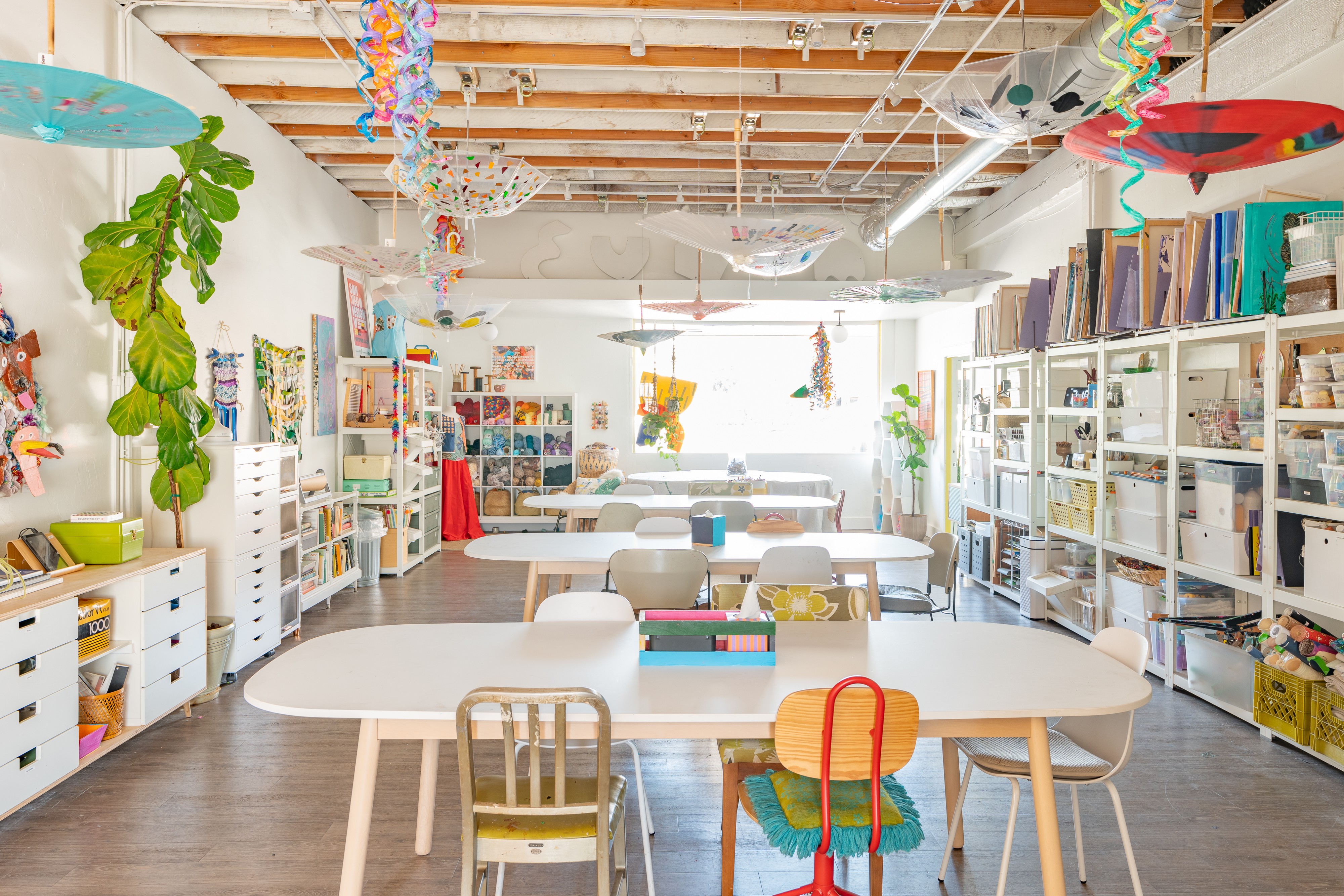
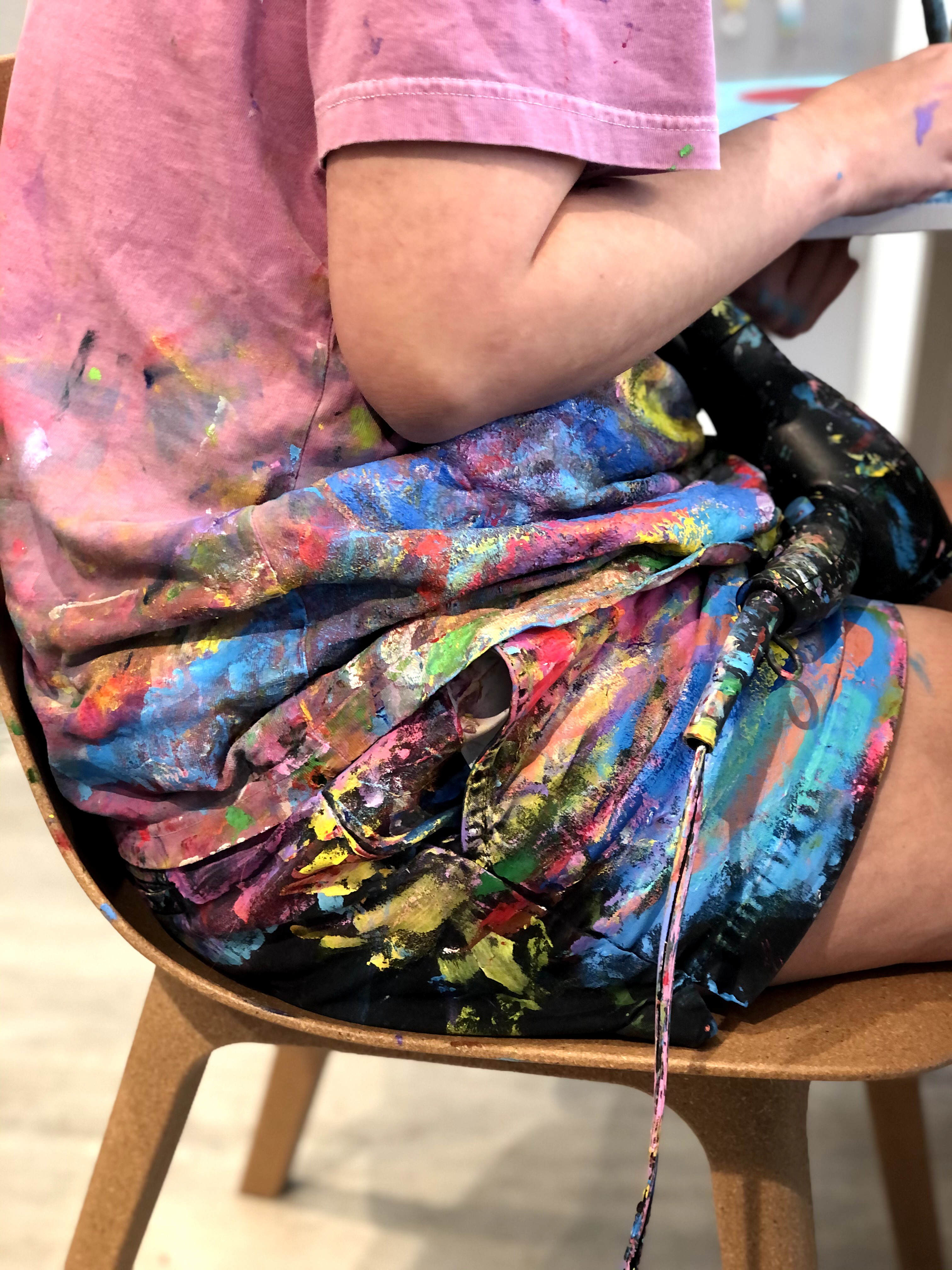
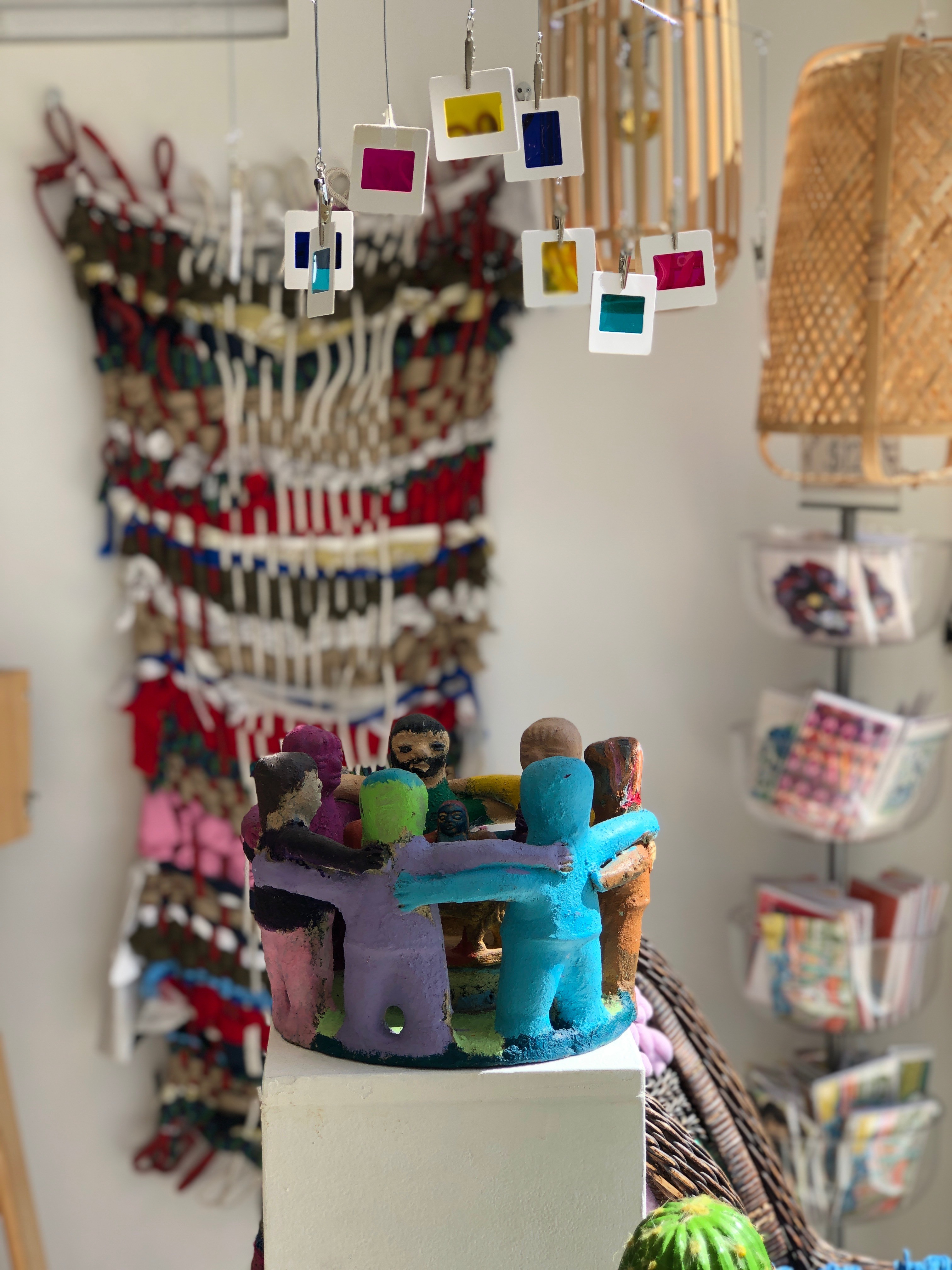
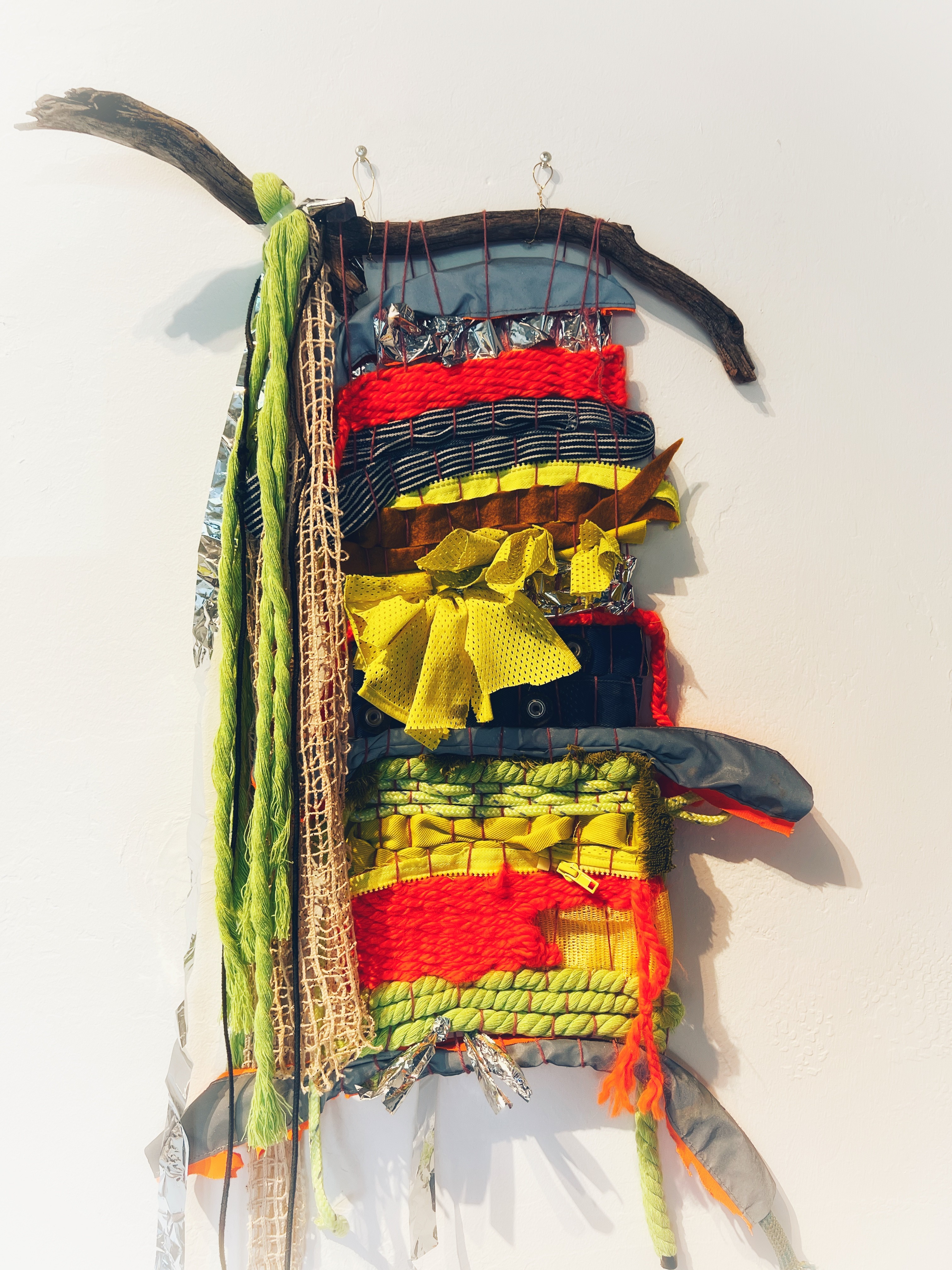
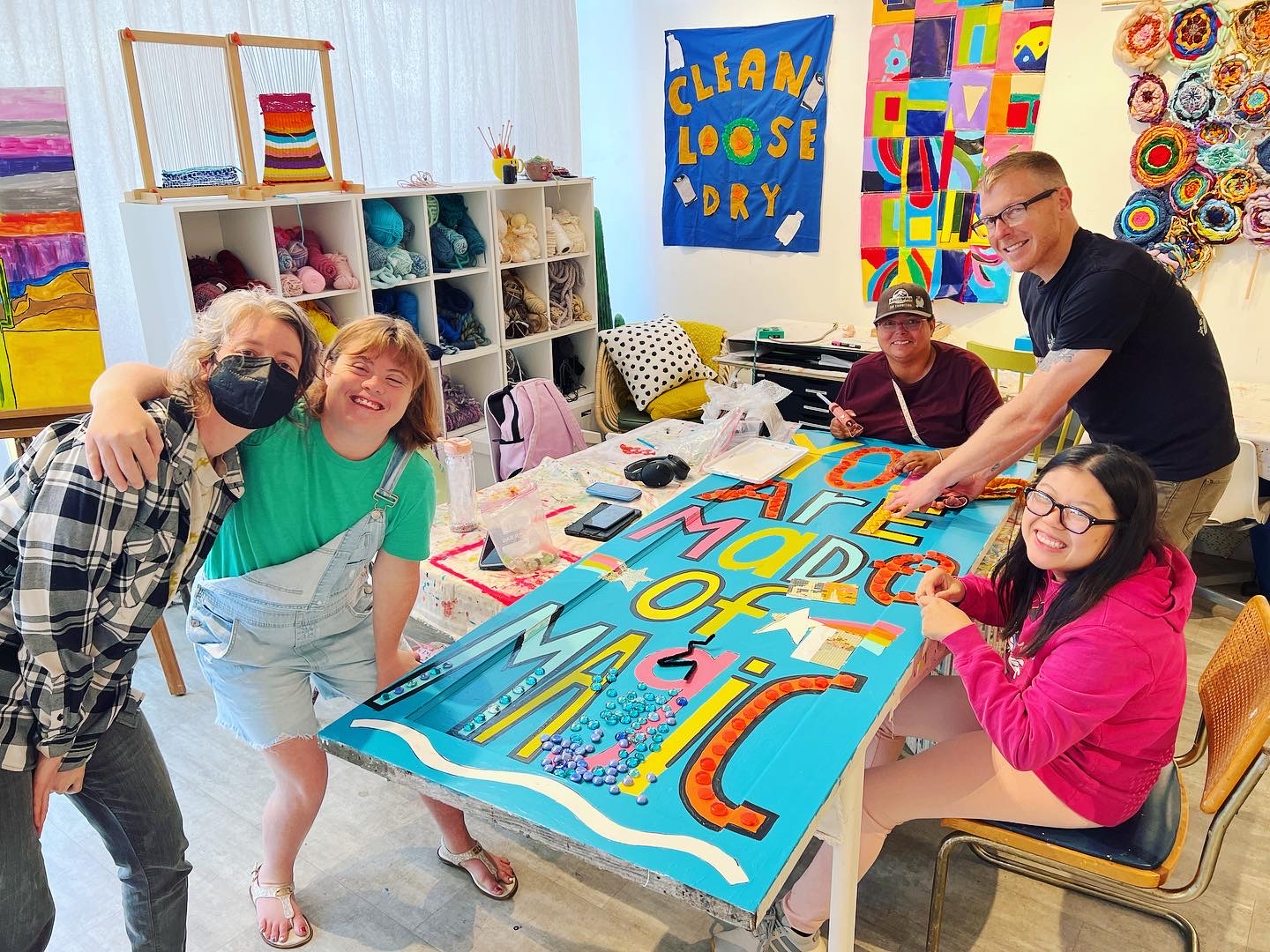
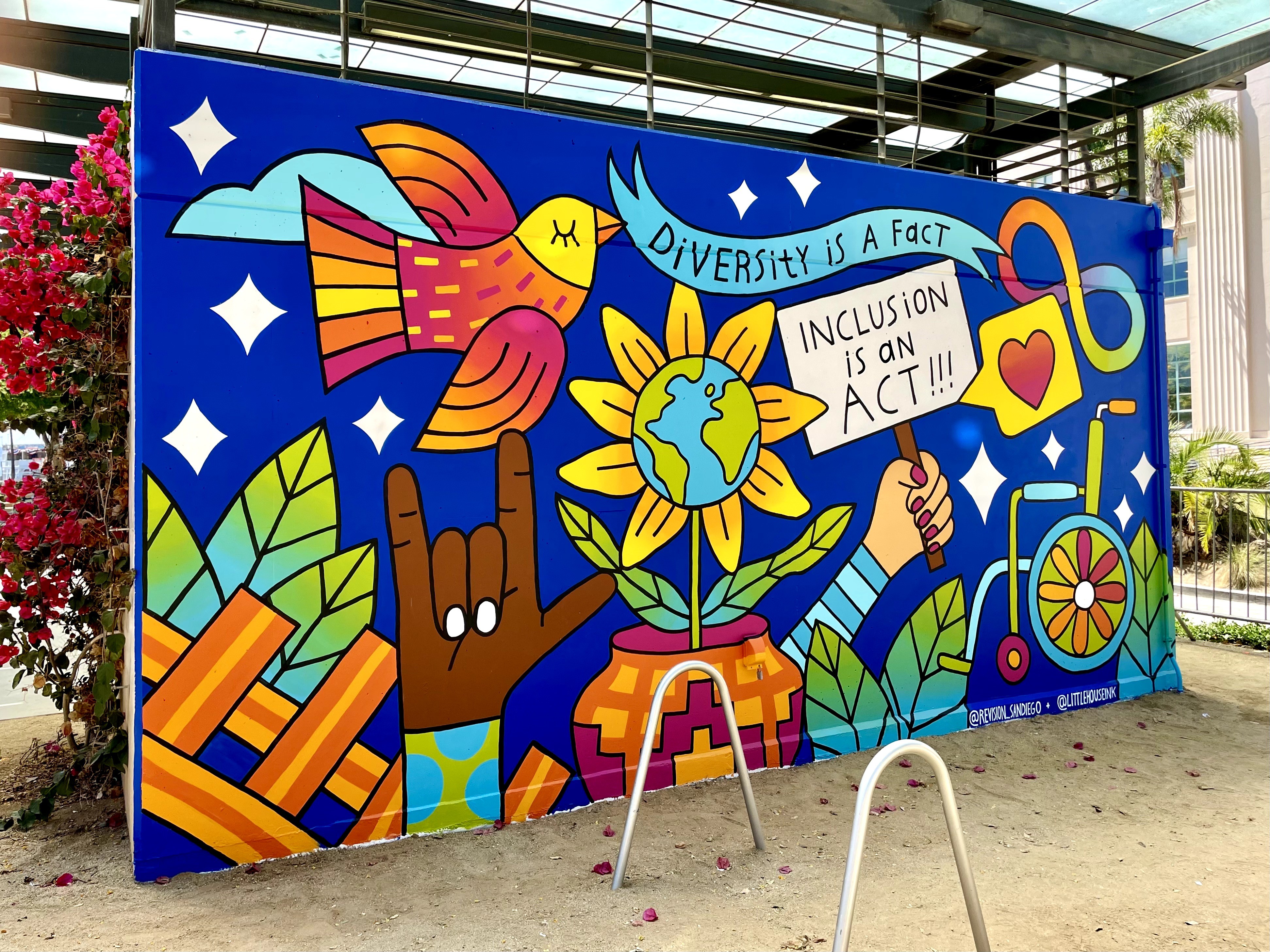
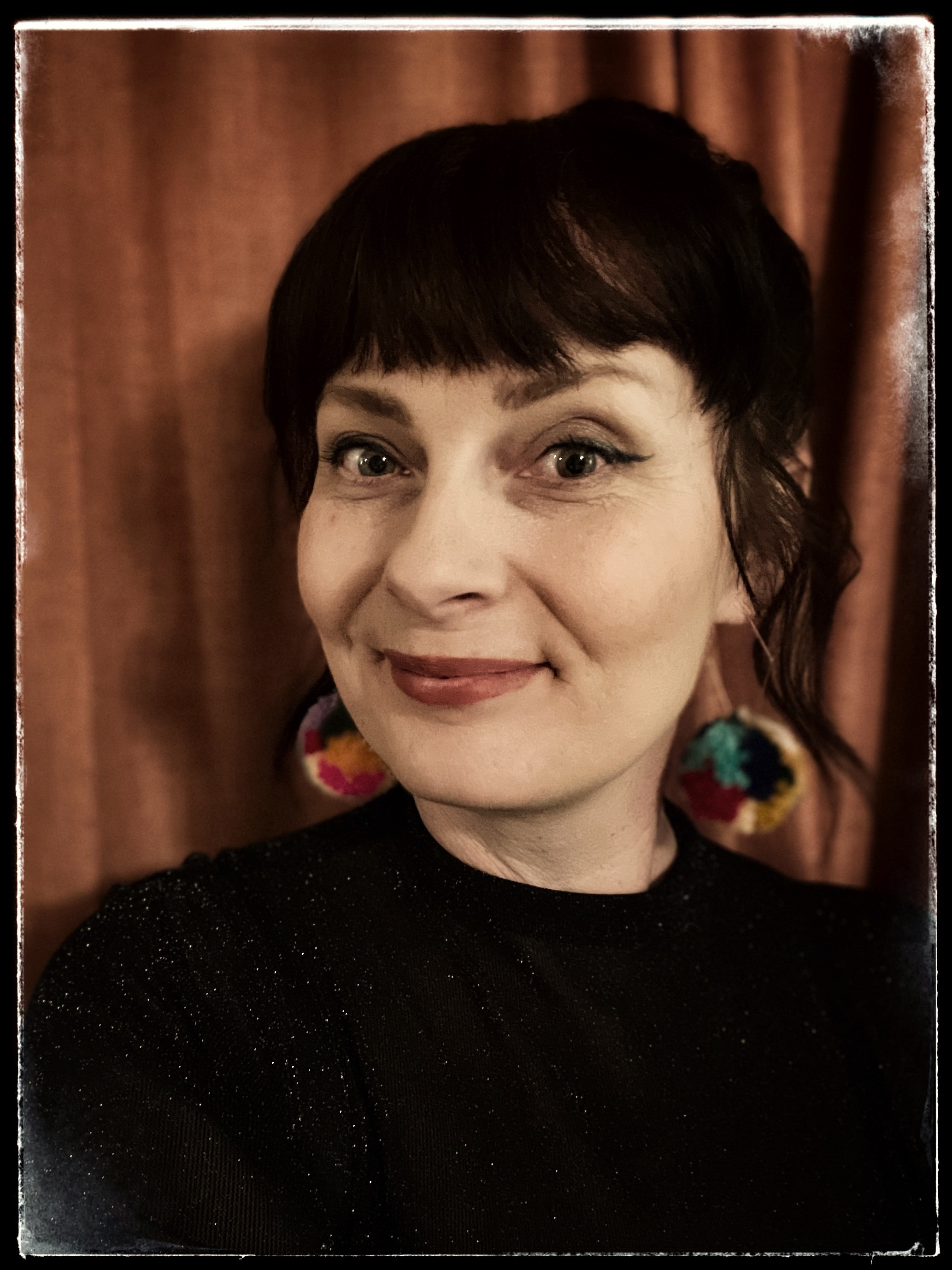
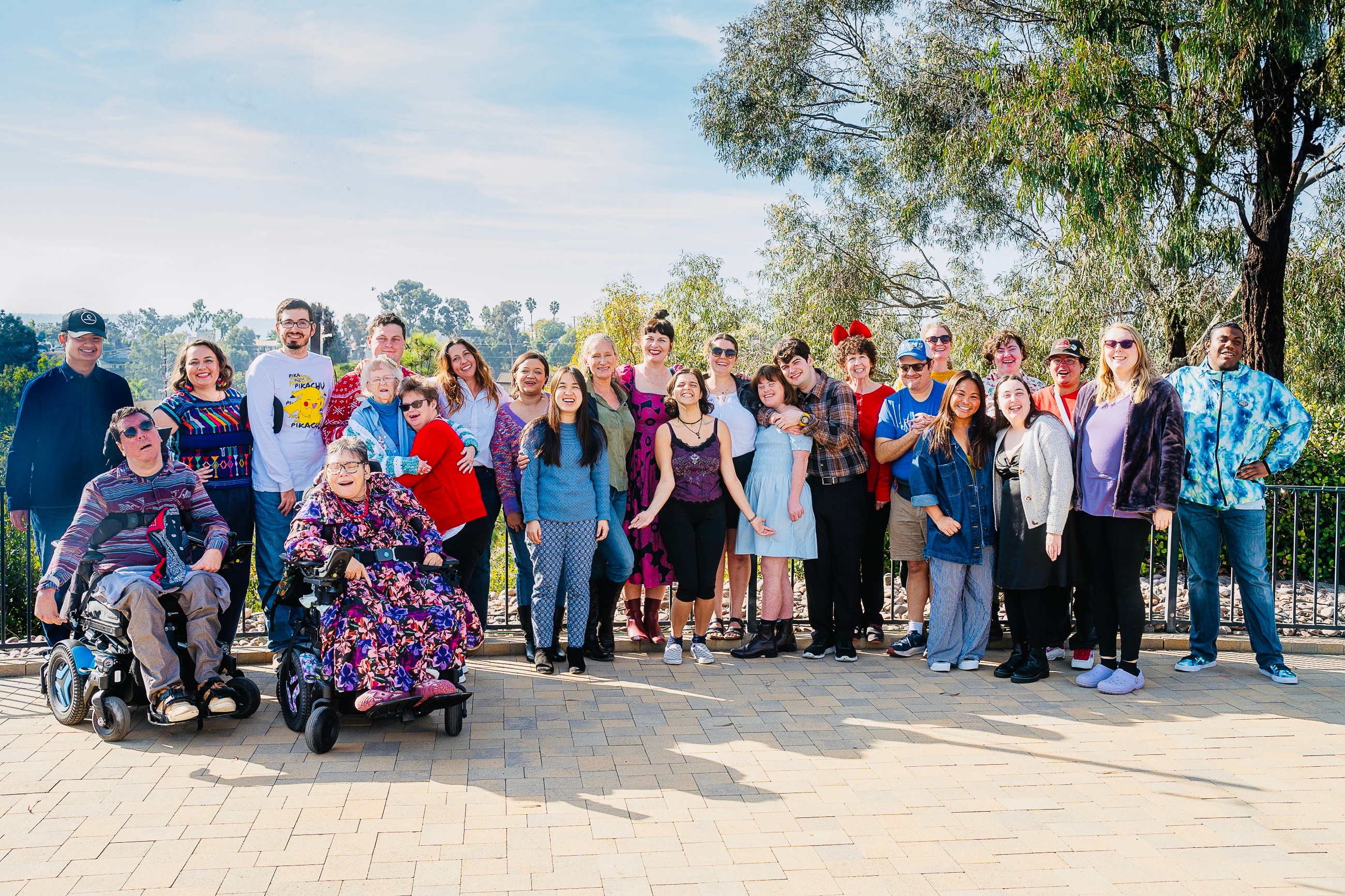
Image Credits
Jackie Han – group photo
All other photos belong to Joy Boe
Popular
-
Maren Hoflund Is Expanding Holistic Healing Beyond the Treatment Room Through Education, Community, and Accessible Wellness
-
Hidden Gems: Local Businesses & Creatives You Should Know
-
San Diego’s Most Inspiring Stories
-

How Casey Cantwell Turned a Viral Event Trend Into a Business Built on Celebration and Service

