We recently had the chance to connect with Molly Terbovich-Ridenhour and have shared our conversation below.
Molly, a huge thanks to you for investing the time to share your wisdom with those who are seeking it. We think it’s so important for us to share stories with our neighbors, friends and community because knowledge multiples when we share with each other. Let’s jump in: Would YOU hire you? Why or why not?
Yes, I would hire me. Not just because of my skills (though I bring a lot of those to the table). I’d hire me because I care deeply, listen fully, and show up with intention. I bring both vision and follow-through, and I don’t offer one-size-fits-all solutions. I’ve lived the challenges my clients face – from burnout to board dysfunction to big pivots and I meet them where they are with clarity, curiosity, and a sense of humor.
I’m not flashy or loud, but I’m consistent, creative, and committed. I ask the right questions, I leave space for nuance, and I genuinely want the people I work with to feel seen, supported, and stronger when we’re done.
So yes – I’d hire me. I’ve got just the right mix of structure and sparkle.
Can you briefly introduce yourself and share what makes you or your brand unique?
HELLO! I’m Molly Terbovich-Ridenhour, a lifelong arts advocate, nonprofit strategist, creative entrepreneur, and firm believer that both structure and soul are essential ingredients for impact. I’m the founder of AMR (Arts Management Resources), a consulting practice that helps mission-driven organizations, especially in the arts and culture space, build sustainable infrastructure, strengthen strategy, and navigate leadership with clarity and heart.
After years of holding full-time executive roles in nonprofits (and performing on stages before that), I took a leap into self-employment. It’s been a chance to align my work more intentionally with my values, my time, and my creativity. What makes AMR special is that it blends real-world executive experience with artistic sensibility. I bring both the big-picture strategy and the lived understanding of how passion-based work functions behind the scenes.
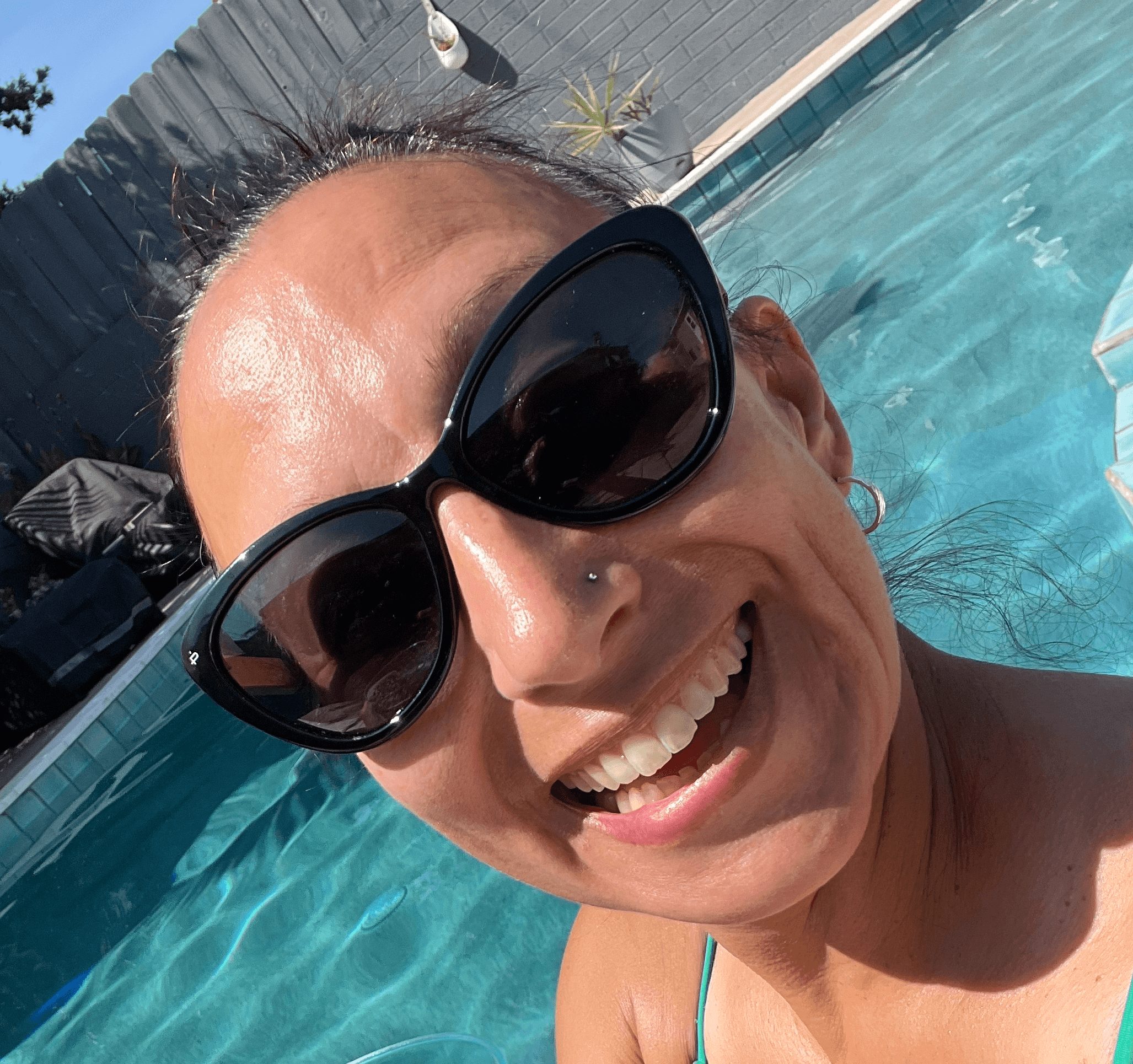
These days, I’m focused on helping organizations reimagine sustainability, not just financial, but human sustainability. And while I’ve worked hard to carve out space between my work and my life, I also embrace that I’m an artist at heart. Sometimes the lines blur, and I’m okay with that, especially when I’m roller skating under the sun or dreaming up the next big idea in our backyard oasis with my partner.
Okay, so here’s a deep one: What’s a moment that really shaped how you see the world?
One moment that really shaped how I see the world was when I came to terms with how unsustainable the “always-on” culture had become in my own life, especially in nonprofit leadership. I had poured so much of myself into roles where passion and purpose blurred into obligation and burnout. When that chapter ended, I was forced to reckon with what I had normalized: overworking, over-functioning, and sidelining my well-being in service of the mission. That unraveling was painful, and also clarifying.
It showed me how deeply we tie our worth to our work, especially in fields like the arts and social impact. It also taught me that we can love what we do and still need boundaries. That we can lead with heart and protect our energy. It shaped the way I now run my business, how I support clients, and how I show up in the world with more spaciousness, more intentionality, and more trust in the long game.
If you could say one kind thing to your younger self, what would it be?
I’d tell my younger self: You’re doing just fine – keep being kind, keep being you.
I was never part of the “in crowd,” never chasing trends or attention. I lived somewhere in the middle – friendly, observant, content to float along the edges. I’ve always been a bit of a rule follower, someone who colored inside the lines, did the “right” thing, and avoided rocking the boat. And while that helped me navigate the world with grace and compassion, I’d remind my younger self that sometimes it’s okay to break the rules, especially the ones that limit your voice, your joy, or your growth.
I’ve always focused on what makes me happy and comfortable rather than what the world tells me I should want. I’m especially grateful I grew up without social media or cell phones – there was more space to simply be.
I’d also tell her that blending in isn’t the same as being invisible and that it’s okay to take up space. Her shyness is not a flaw, but a softness that will one day become strength. I’d encourage her to speak up, even when it’s uncomfortable, and to trust that she doesn’t need permission to lead, create, or stand out.
Being on the fringe gave me perspective. And that quiet, intentional approach still shapes how I show up in my work today. Listening deeply, leading with empathy, and helping others build toward impact without losing themselves in the process. Rules have their place, but so does your voice.
Sure, so let’s go deeper into your values and how you think. What are the biggest lies your industry tells itself?
One of the biggest lies the nonprofit and arts world tells itself is that passion is enough. That if you love the mission, you should be willing to overextend, overwork, and under-earn and somehow be grateful for the opportunity. This mindset glorifies burnout and martyrdom while quietly excusing the lack of sustainable infrastructure, adequate pay, or healthy boundaries.
Another lie is that doing good work automatically makes an organization equitable. Many nonprofits talk about equity, but don’t examine the internal power structures, cultural dynamics, or decision-making practices that perpetuate harm – even unintentionally. Equity isn’t a checkbox or a paragraph in a strategic plan. It’s a commitment to discomfort, to redistribution, and to real change from the inside out.
Finally, the sector often clings to the idea that “this is just the way it’s always been.” That tradition, scarcity, and slow-moving systems are inevitable. But I don’t believe that. The organizations that are thriving are the ones willing to reimagine, take risks, and build something better, not just for their audiences or communities, but for the people working inside them.
Okay, so let’s keep going with one more question that means a lot to us: Have you ever gotten what you wanted, and found it did not satisfy you?
Yes, absolutely. There was a time in my career when I landed what seemed like the “dream job.” The title, the mission, the visibility, it all looked right on paper. And in many ways, I wanted it to be fulfilling. I had worked so hard to get there, and I told myself this was the culmination of everything I’d built.
And to be fair, I did grow a lot in that role. It pushed me to develop new skills, think in new ways, and deepen my understanding of what leadership and values-driven work can and should look like. But over time, I began to realize that the organization’s internal culture didn’t match the values it claimed externally. That was painful and clarifying.
One of the most complex lessons I learned was that an organization can be so radical in its ideology that it becomes unwilling to collaborate, evolve, or self-reflect. In the name of dismantling systems, it can unintentionally recreate harm by refusing to engage with anything, or anyone, that doesn’t mirror its worldview exactly. When values become dogma, progress stalls. And when internal practices don’t align with external messaging, trust erodes.
That experience taught me the difference between performative values and practiced ones. It also shaped how I work now through AMR rooted in real-world application, shared learning, and an understanding that true change requires both vision and humility. Getting what you thought you wanted can be a turning point, not just in your career, but in how you move through the world. For me, it was the moment I stopped trying to squeeze myself into broken systems and started building something better.
Contact Info:
- Website: https://www.mollyterbovich.com
- Linkedin: https://www.linkedin.com/in/molly-terbovich-ridenhour/