


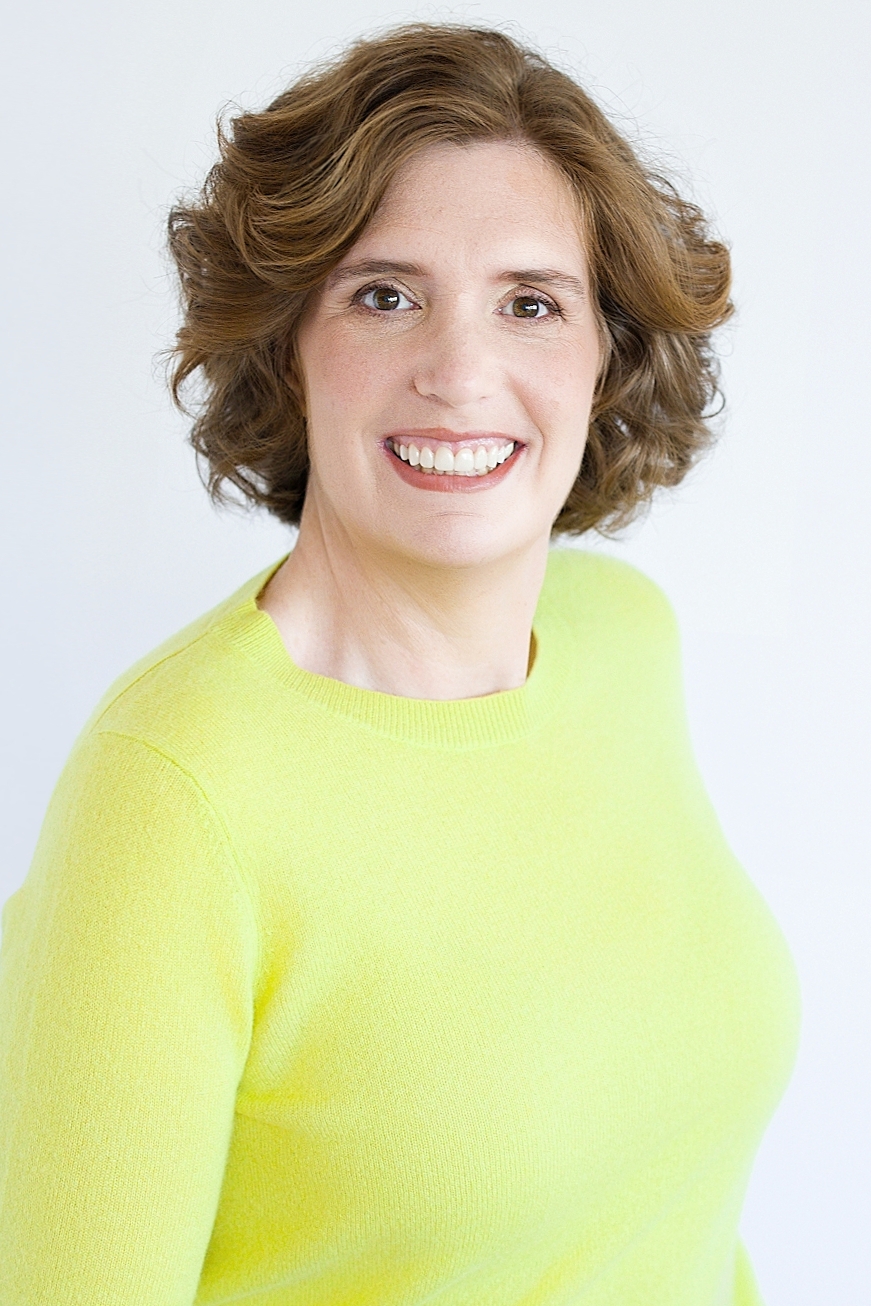
Today we’d like to introduce you to Henny Kupferstein.
Hi Henny, thanks for sharing your story with us. To start, maybe you can tell our readers some of your backstory.
My name is Dr. Henny Kupferstein. I am an autistic savant, published author, recreational artist, and professional autism researcher. My work, across disciplines, functions as a form of activism for myself and for the broader autistic community.
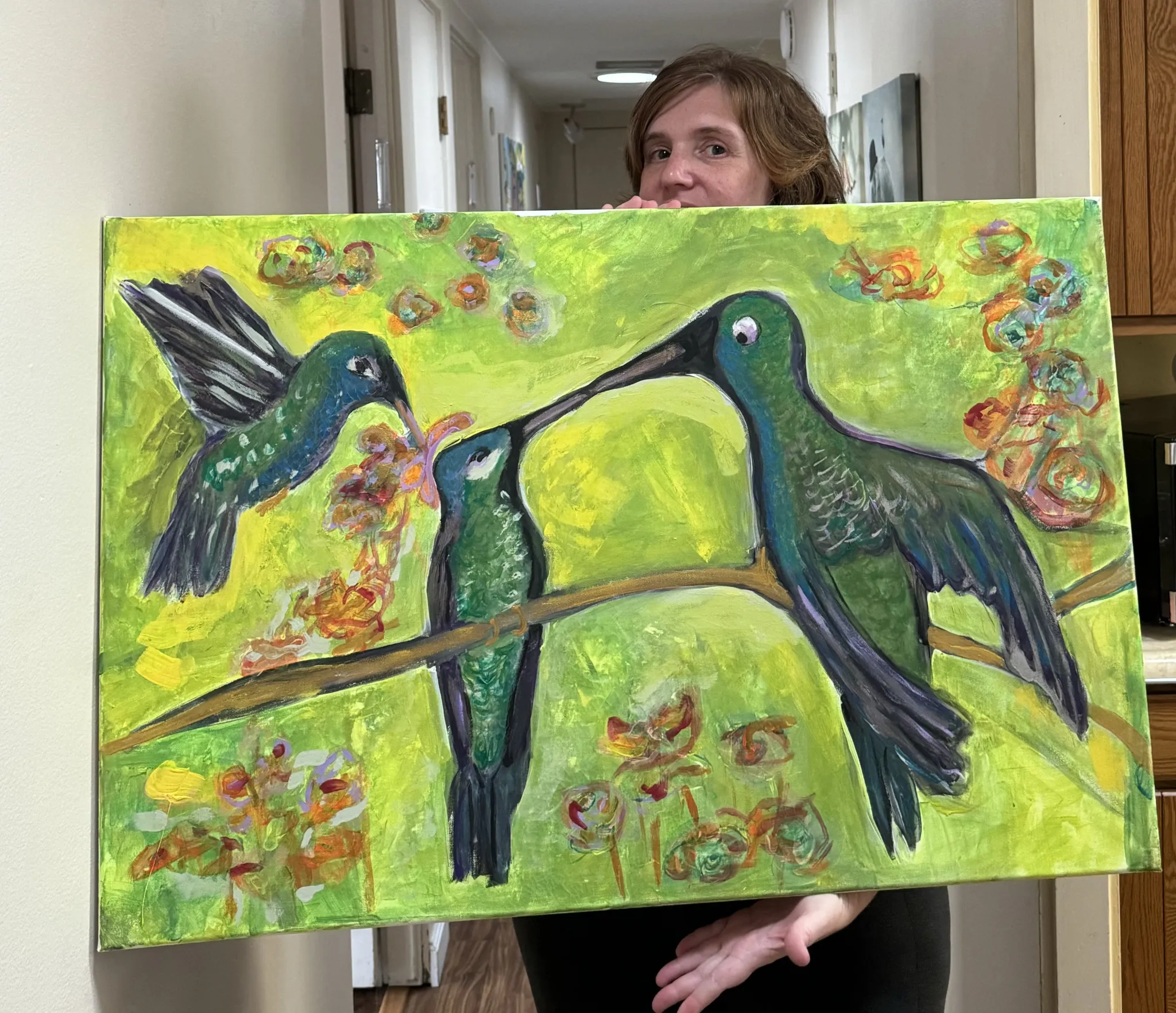
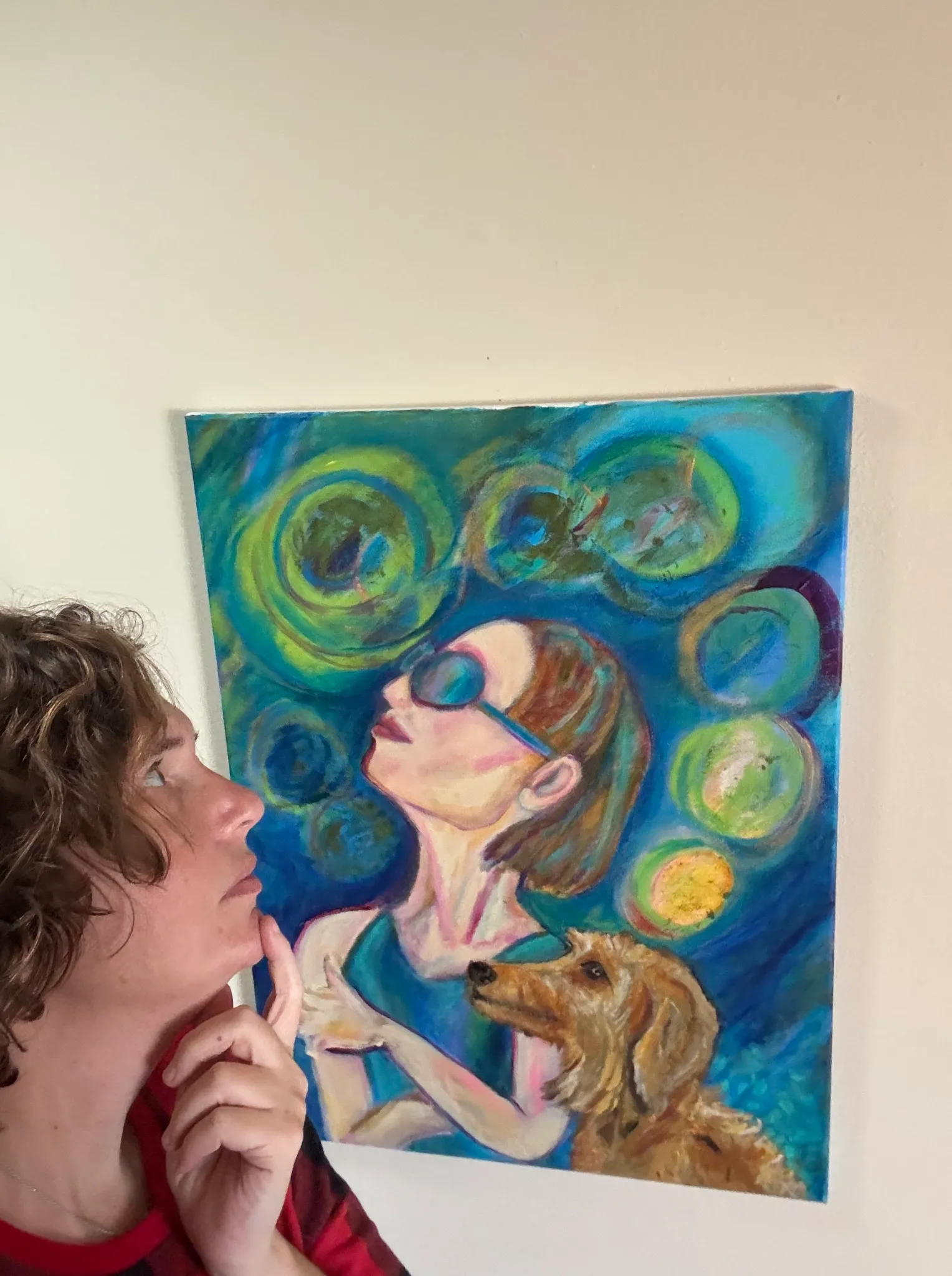
I began painting during a two-year legal process tied to a Me Too case that I ultimately won. That period was a tumultuous and disorienting process of uncovering, reliving, and integrating memories that had been fragmented by trauma. I didn’t start painting with the intention of becoming an artist. I started because I needed a way to survive what I was remembering.
My therapist described what I was doing as a form of exposure therapy. I was repeatedly revisiting traumatic material, but instead of being overwhelmed by it, I began translating and rewriting those experiences into visual form. Through painting, I was able to reassess my relationship to those memories. I wasn’t erasing them; I was reprocessing them, giving them structure, and, in some cases, creating entirely new associative pathways. It allowed me to move from being trapped in vivid recall to actively shaping meaning.
As an autistic person, I experience communication differently. There are dimensions of pain, and complexity that do not translate cleanly into spoken language. When those experiences are dismissed or unseen, it drives me to paint them. In that sense, art is not separate from healing; it is the mechanism through which healing becomes possible. When people look at my paintings and don’t immediately see the trauma that informed them, it doesn’t diminish the work—it compels me to continue creating, so that others can find beauty in experiences that were once painful.
We all face challenges, but looking back would you describe it as a relatively smooth road?
It has not been a smooth road, especially when navigating systems that are supposed to provide care. A central tension in my life is that I am both the “boss” and the “patient” at the same time. I operate as an activist and consultant, and I run organizations that investigate institutionalized care for autistic and disabled people. I am also a public-facing critic of ABA therapy. At the same time, I am materially dependent on the very services I am evaluating.
That dual role creates confusion and often disbelief among providers. I have encountered social workers and case coordinators who struggle to reconcile the fact that I hold a PhD while also needing support for basic daily functioning. When I say something as simple as “I can’t tie my shoelaces,” it is often dismissed because it does not align with their expectations of what disability should look like.
This exposes a deeper structural issue. Systems of care are built on narrow, often outdated assumptions about capacity, credibility, and who is considered a reliable narrator of their own experience. Living within that contradiction has been one of the most persistent barriers I have faced.
Alright, so let’s switch gears a bit and talk business. What should we know about your work?
Policy analyst for the Doogri institute
What’s next?
Looking ahead, I am focused on expanding both the reach and impact of my work in institutional accountability and autism care reform. What began as a personal coping mechanism has evolved into a broader movement. When I started the hashtag #banaba, I had no expectation that it would contribute to executive orders, FBI investigations, or legislation, but it did. That trajectory made it clear that lived experience, when articulated clearly and persistently, has the power to influence systems at the highest levels.
My focus now is on continuing to unpack and dissolve institutional injustices in autism care, particularly systems that function as enterprises profiting from prolonged dependency and suffering.
One of my most meaningful areas of work is helping courts, schools, and clinicians understand how non-speaking individuals express themselves. I am a qualified expert in eliciting informed consent from people who communicate through gestures and assistive communication devices. This work is grounded in ensuring that autonomy and agency are recognized, even when communication does not follow conventional norms.
I am committed to continuing to empower individuals and families. For those emerging from trauma, especially those experiencing vivid, daily recall, I want to demonstrate that it is possible to move beyond containment and toward action. Not by erasing what happened, but by using those experiences to advocate for structural change.
I also continue my consulting work, including helping families navigate models such as California’s Self-Determination Program, which offers a pathway toward autonomy and individualized support.
Ultimately, my goal is to empower lawmakers to reform how public policy is dictated by stakeholders, by considering consumer’s lived experience as the most humane and ethical form of data available in this country. I truly believe that God will bless America when America lets all public programs be governed by the people for the people. Nothing about us without us!
Contact Info:
- Website: https://doogri.org/
- Instagram: https://www.instagram.com/drhennyk/
- Facebook: https://www.facebook.com/HennyKupferstein/
- LinkedIn: https://www.linkedin.com/in/hennykupferstein
- Other: https://banaba.us
Popular
-

Hidden Gems: Local Businesses & Creatives You Should Know
-

San Diego’s Most Inspiring Stories
-

Gina Gerrato Greenhaus on Early Intervention, Intentional Planning, and Redefining What Makes Students Stand Out
-

Desiree Borja on Reframing ADHD, Embracing Neurodivergent Strengths, and Using AI as a Tool for Equity

